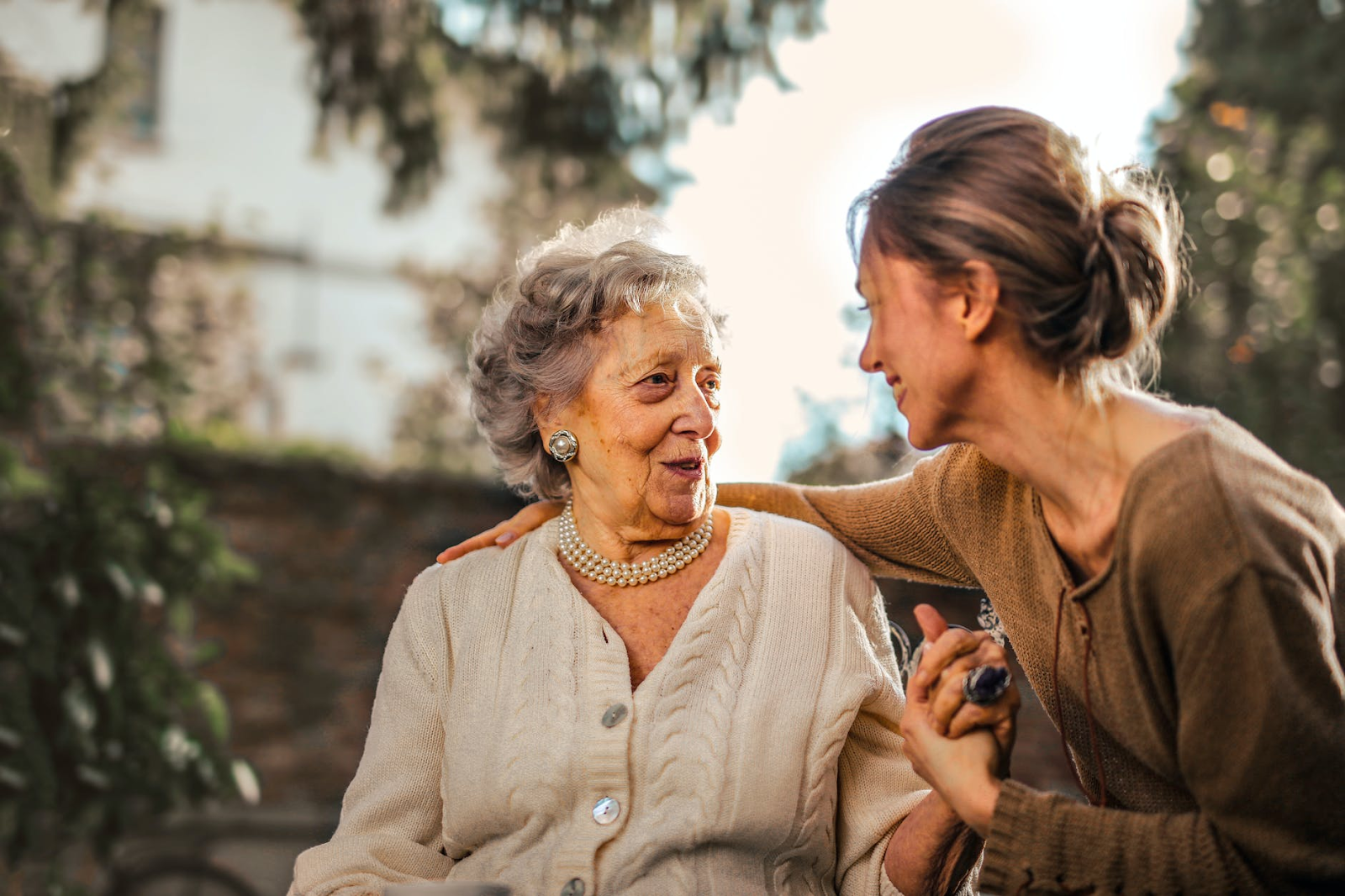
Helping A Loved One Feel More At Ease In A Care Home.

Making the decision for a loved one to enter a care home is never an easy one. You probably feel guilty for doing it, but the truth is that it will help them get the best possible care as they get older – more than you might be able to give yourself! There’s a lot of negativity about the subject, but many people find their quality of life improves in a care home, and there are things you can do to make that even better. Ultimately, it comes down to making a decision for their best interests, and even if it doesn’t feel that way at first, it soon will.

So what can you do to help them settle in? You can do your bit by finding ways to help them feel more at ease in their new surroundings. Here are some ideas to help your loved one adjust to life in a care home.

Image Credit: Unsplash under Creative Commons

Make their space feel more like their own

One of the biggest changes people face when going from their own home to a care home is the lack of personalisation and familiarity, and feeling like the space isn’t theirs. But there are things you can do to help fix that, including:

  • Decorate their room with things from their own home, including pictures, furniture, rugs, etc.
  • Choose from care home beds that they are happy with (if the home allows you to do this).
  • Add familiar fragrances.
  • Make sure they can indulge in their hobbies and interests with books, TVs, etc.

Talk to your loved one about what would help them settle in and do what you can to make it happen. 


Be there to make things more enjoyable

With your loved one receiving proper residential care, you can be there to help them have fun and stay active, something that might not have been possible while you were caring for them. Use your energy to take them out for trips, help them exercise, and spend quality time with loved ones. The Body Coach even has his own workout series for older people!

Being in a care home doesn’t mean your usual outings and activities have to stop, so you can help them keep up a routine that they enjoy.

Exercise is very important to help improve mobility and mood. Finding ways to help your loved one’s physical health can also benefit their mental health, improving their mood and helping them feel more at ease.


Get to know the staff 

There are a lot of reasons you should get to know the staff at a care home:

  • It can help you be more involved in your loved one’s life by getting to know the other people who are in it.
  • They’ll know more about you and your loved one, which can help them provide better care.
  • If you experience any issues, it’s good to have someone familiar you can talk to.
  • It creates more of a family atmosphere.

Regular visits and chatting with the staff more will help you make those connections, helping you feel more involved in your loved one’s care. It makes things nicer for them and for you, and is a fantastic way for you all to get to know people better. 

You will have all sorts of feelings about your loved one being in a care home, but it’s important that you focus on them and ensure they feel happy and comfortable where they are. Talk to them about what they want and how you can make it happen, helping them settle in quicker so you can both feel more at ease.

This article was written by a freelance writer.

Looking Out For The Wellbeing Of Elderly Parents From Far Away.

(image: Hasan Albari: Pexels)

Distance should never keep you from ensuring your elderly parent is safe and living a good life. This blog post will discuss some tips on how to look out for your elderly parent from far away. While you cannot be there with them every day, these tips will help you ensure they are living comfortably and safely.

1) Check in regularly

The first step to take is to ensure you are checking in with your parents regularly. This can be done via phone, text, email, or video chat. Ask them how they are doing and if they need anything. If possible, try to schedule regular check-ins, so you always have a set time to catch up.

In addition, it can be helpful to set up a check-in system with other family members or friends who live close to your parents. This way, if you are unable to check in for a period of time, someone else can check for you.

2) Stay updated on their health

As we age, our health can decline quickly. It is important to stay updated on your parent’s health so you can catch any problems early on. Make sure you know their current medications and dosages, as well as any allergies they may have.

You should also know their medical history, including any chronic conditions or surgeries they have had in the past. This information will be helpful if your parents need to see a doctor while you are not there.

3) Know their financial situation

It is also important to stay updated on your parent’s financial situation. This includes knowing how much money they have in the bank, as well as any debts they may have. If your parents are having trouble paying bills, you may need to step in and help out financially if you are able.

If your parents live in their own home, it is vital to help with home maintenance, if your parents need it. This can include tasks such as yard work using a battery powered snow blower for snow removal, and making repairs around the house. If your parents are unable to do these things themselves, you may need to hire someone to help out.

4) Consider a care home

If your parents are having difficulty taking care of themselves, you may want to consider a care home. Care homes can provide around-the-clock assistance with activities such as bathing, dressing, and eating. They can also help with medication management and provide transportation to doctor’s appointments. Of course, putting your parents in a care home is a big decision that should not be made lightly. You will need to weigh the pros and cons carefully before making a decision.

If you are concerned about their mental health as well, its important to raise any concerns with other family members and their doctor if appropriate.

5) Make sure they have an emergency plan

It is important to make sure your parents have an emergency plan in place in case something happens when you are not there. This plan should include a list of emergency contacts, as well as instructions for what to do in case of an emergency.

In conclusion, these are just a few tips on how to look out for your elderly parent from far away. While you cannot be there with them every day, these tips will help you ensure they are living comfortably and safely.

This article was written by a freelance writer.

Assisted Living: How to help your Elderly Parents find their perfect Care Home.

When you were a child, your parents always took care of you. But now that you’ve grown up and may have kids of your own, it’s time to take care of them. And when their health starts to deteriorate, and they become too ill for in-home care, the question becomes: how do we find a great assisted living facility?

While the idea of having to send loved ones to an assisted living facility isn’t always a nice one, it’s often the best choice. Not just for their health, but for our own too

In this article, we’ll walk you through each factor so that finding an assisted living facility feels like less of a daunting task.

Image by Matthias Zomer via Pexels


What Types Of Care Homes Are On Offer?

The world of assisted living facilities is an industry that has snowballed. It’s now booming, and there are many things to consider before you make your final decision. The first step is understanding the different types of senior homes available.

A Care Home

This type of facility covers the personal and day-to-day care of your loved ones. They’ll handle things like washing, dressing, and taking medications on time. Many of them also provide activities and days out. But the quality and amount of these extras are provided depends on the home. 

A Nursing Home

Nursing homes cover all the same things as care home, but it’s provided by qualified nurses. So they’re a great choice if your parents have health conditions that need a little extra attention. 

A Care Home With Dementia Care

This type of home is targeted towards elderly loved ones with dementia. It’s designed to make them feel comfortable and to keep them safe.

A Dual-Registered Care Home

This facility accepts residents who have personal and nursing care needs. These homes mean that residents who arrive just needing personal care but eventually need nursing care don’t have to change facilities. Instead, they can stay in comfort in the place that has come to be their home.  

Choosing a Care Home

One of the most important factors when looking for a senior living facility is the level of care. If your loved one needs special attention due to dementia or any other physical disability, you should find a facility with specialized services to have their needs met.

There’s plenty to consider when it comes to looking at care homes for your loved ones. Before you get into the nitty-gritty, it’s worth taking the time to make a list of what’s important to you in your chosen assisted living facility. That way, you can quickly sift through the homes on offer. Because there will be plenty to get through.  

The Staff

The staff at an assisted living facility goes a long way in determining the quality of life for its residents. They must be attentive, caring, and responsive to the needs of each individual. When you visit your prospective home, it’s essential to ask questions about their staff.

The Food

The food served at a senior home is also vital. If meals are not nutritious or flavourful, it can cause malnutrition, weight loss, and other health issues for seniors. Ask if they provide three meals a day or if that depends on what residents choose to eat. It’s important to note that while dietary restrictions can be accommodated at some homes, you may want to find one with more robust catering options and for diets such as kosher or halal.

The Amenities 

Another thing to consider when looking for a care home is what kind of environment and amenities it provides. Does it feel open and welcoming? Is there an opportunity for outdoor activities? Are there pets on-site? How big of a community is there? These questions will help you determine which type of environment would best suit your loved one’s needs.

Amenities on-site provide your parents with something to pass the time, stay engaged, and most of all, feel a strong sense of community. 

Image by Andrea Piacquadio via Pexels

Always Involve Your Parent

When our elderly loved ones come to need further care that we can’t provide, it’s a challenging time. And while it’s difficult for us to come to terms with, it is just as difficult for them. For many elderly people entering care homes, it’s a massive change to their daily life. Some may not be aware of what it entails, so informing them if possible is important. 

Make sure that they’re a big part of choosing a facility. After all, they’re the ones that will be living there. While some health conditions may hamper their understanding of the situation, it’s essential to keep them as involved as possible. Making a list of what they want and then what they need can be helpful to find the best care home options available. 

So while finding a care home can be difficult, it ensures that the quality of your loved one of life remains high. When caring for them becomes too much for you to handle, assisted living facilities are there as a helping hand.

This article was written by a freelance writer and contains affiliate links.