Dual-Diagnosis Care: Tackling Addiction and Mental Illness Together by Elizabeth Howard

(Image: Unsplash)

A dual diagnosis occurs when an individual simultaneously struggles with a mental health disorder and a substance use disorder. Far more common than many realise, dual diagnoses can involve combinations such as depression and alcohol dependence, anxiety and benzodiazepine misuse, bipolar disorder coupled with stimulant abuse, or PTSD alongside opioid addiction. Attempting to treat one condition in isolation while neglecting the other typically leads to inadequate results and higher relapse rates. Dual-diagnosis care addresses both issues in tandem, recognising the complex interplay between mental health and addiction. Below, we explore five essential components of an effective, integrated treatment approach that fosters sustainable recovery.

Understanding the Link Between Mental Health and Addiction

Self-medication is a common pathway to substance misuse: someone experiencing chronic anxiety may reach for alcohol to calm racing thoughts, while an individual with untreated depression might use opioids to numb emotional pain. Unfortunately, what begins as short-term relief often worsens underlying psychiatric symptoms. Alcohol, for example, disrupts sleep and brain chemistry, intensifying anxiety or depression over time. Conversely, the guilt, shame, and isolation that emerge from addiction can spark or aggravate mood disorders.

Recognising this bidirectional relationship is critical in dual-diagnosis care. Clinicians assess not only which substance came first, but also how each condition fuels the other. By identifying triggers—whether social stressors, traumatic memories, or genetic vulnerabilities—therapists can help patients develop healthier coping strategies. Early psychoeducation enables individuals to see how their mental health and addiction are intertwined, fostering motivation to engage in comprehensive treatment.

Comprehensive Assessments for Accurate Diagnosis

Misdiagnosis is rampant in dual-diagnosis cases: withdrawal symptoms can mask depression, and manic episodes may be mistaken for cocaine highs. To avoid these pitfalls, providers conduct thorough biopsychosocial evaluations that delve into psychiatric history, substance use patterns, family dynamics, medical background, and co-occurring health issues. Standardised screening tools—such as the PHQ-9 for depression, GAD-7 for anxiety, CAGE for alcohol misuse, and the Addiction Severity Index—offer structured insights that guide diagnostic clarity.

Laboratory tests and, when indicated, neuroimaging can reveal medical complications—like liver dysfunction in heavy drinkers or neurochemical imbalances in long-term stimulant users. Ongoing assessments throughout treatment help clinicians monitor progress, adjust medication, and refine therapy goals. An accurate, layered diagnosis ensures that neither the mental health disorder nor the addiction is minimized, laying the groundwork for a cohesive care plan.

The Role of Integrated Treatment Plans

Unlike traditional models that silo psychiatric care and addiction treatment, integrated plans bring multidisciplinary teams together. Psychiatrists, addiction medicine specialists, psychologists, social workers, and certified peer support counsellors collaborate on a unified treatment blueprint. Core elements may include:

  • Medication management to stabilise mood disorders and reduce cravings (for instance, SSRIs for depression and buprenorphine for opioid dependency)
  •  Evidence-based psychotherapies such as cognitive-behavioral therapy (CBT), dialectical behavior therapy (DBT), and trauma-focused interventions for PTSD
  • Group therapy sessions that address both substance use behaviours and coping skills for anxiety or mood regulation
  • Family therapy and psychoeducation to repair relationships and build a supportive home environment
  • Holistic modalities—mindfulness training, yoga, nutritional counseling—aimed at restoring overall well-being

Coordinated care prevents mixed messages and redundant treatments. When each provider shares a common set of goals and progress metrics, patients receive consistent guidance, and their support network remains informed and engaged.

(image: Alysha Rosly, Unsplash)

Flexible Care Through Programs Like the Intensive Outpatient Program

Not everyone with a dual diagnosis needs round-the-clock residential care. For those with strong support systems, manageable symptom severity, and stable living conditions, outpatient solutions can strike the right balance. A reputable intensive outpatient treatment program offers structured therapy multiple times per week, while allowing individuals to live at home and maintain work or family responsibilities.

These programs typically include group counselling, individual therapy, psychiatric check-ins, and relapse prevention workshops. They serve as a transitional step either before entering less intensive outpatient care or following discharge from an inpatient facility. Flexible scheduling and a mix of virtual and in-person sessions accommodate diverse lifestyles, enabling more people to access high-quality dual-diagnosis treatment without uprooting their lives. In the UK, these were known as ADTU units attached to hospitals, but there are less of these on the NHS.

The Importance of Ongoing Support and Aftercare

Recovery from a dual diagnosis doesn’t end when formal treatment ends. Long-term success hinges on robust aftercare and relapse prevention strategies that recognize recovery as a lifelong process. Essential components of sustained support include:

  • Peer support groups—such as Dual Recovery Anonymous or integrated 12-step fellowships—that offer lived-experience encouragement
  • Regular outpatient counselling or case management to address emerging challenges and adjust treatment plans
  • Medication-assisted maintenance, when appropriate, to stabilise chronic mental health conditions and prevent relapse
  • Life-skills workshops for stress management, financial planning, and vocational training to strengthen daily functioning
  • Digital tools and telehealth check-ins that enhance accessibility, especially for those in remote areas

Family involvement remains vital: ongoing family therapy sessions and education empower loved ones to recognize early warning signs and respond effectively. Community resources—like sober living homes and recreational recovery programs—further enrich social support, reducing isolation and reinforcing positive lifestyle choices.

Conclusion

Effective dual-diagnosis care transcends the simplistic view of treating mental illness and addiction separately. By acknowledging their deep interconnection, clinicians can offer comprehensive assessments, integrated treatment plans, flexible program options, and enduring aftercare. Whether delivered through residential facilities or outpatient settings, these five components—link recognition, accurate diagnosis, collaborative treatment, adaptable program structures, and sustained support—equip individuals with the skills and stability needed for lasting recovery. Embracing a holistic, patient-centered approach that addresses the whole person, not just isolated symptoms, paves the way for renewed health, purpose, and hope.

This article was written by Elizabeth (Lizzie) Howard, writer and contains a sponsored link.

Coping With Health Anxiety In Caring Roles: A Guide For Professionals Who Hold It All Together by Jolian Ardolino at Ardolino Counselling

Author: Jolian Ardolino

(image: Unsplash: Angelina Sarycheva)

If you’re reading this, you likely know what it’s like to care deeply for others – whether as a nurse, paramedic, therapist, social worker, or in one of the many roles that keep our communities going. But here’s something we don’t say out loud enough: caring for others can quietly take its toll on our own wellbeing, especially when it comes to health anxiety.


The Hidden Weight of Health Anxiety in Caring Professions

Caring professionals are often assumed to be unshakeable in a crisis – the calm in the storm, the voice of reason when others are spiralling. But what happens when your own mind starts to race? When a fleeting ache becomes a late-night Google search, and that spirals into a restless night? Or when the stories you hear at work bleed into fears about your own health or loved ones?

Health anxiety isn’t “just worrying” or “hypochondria.” It’s a very real, common challenge for those who look after others. NHS surveys found 76% of staff experienced a mental health issue last year, with over half reporting anxiety. We absorb others’ pain and witness uncertainty, sometimes internalising that anxiety until it shapes our own thoughts and behaviours.


Why Caring Professionals Are Prone to Health Anxiety

Caring roles put us face-to-face with illness, unpredictability, and loss. We’re trained to scan for problems – a strength that can turn inward, fuelling cycles of health anxiety. Many of us are also experts at minimising our own needs. My clients (and yes, I’ve been there myself) often struggle to switch off “helper mode” and create space for their own wellbeing. No wonder health anxiety can creep in.


Recognising the Signs

Health anxiety can show up in subtle – and not-so-subtle – ways:

Excessive checking: Monitoring your body for symptoms, repeatedly seeking reassurance, or going down “Dr Google” rabbit holes.
– Preoccupation: Struggling to focus on anything but health worries, even outside work.
– Avoidance: Steering clear of situations or tasks for fear of illness.
– Physical symptoms: Real sensations (like palpitations, headaches, or stomach issues) that reinforce anxious thoughts.
– Sleep disturbance: Lying awake, unable to switch off your mind.


My Integrative Approach: You’re Not Alone

As a therapist specialising in anxiety, stress, and burnout among caring professionals, I understand the unique pressures you face – not just as a therapist, but as someone who’s walked in your shoes. At Ardolino Counselling, my approach combines:

– CBT (Cognitive Behavioural Therapy):
We map the cycle of anxious thoughts and behaviours, learning practical ways to break free from unhelpful patterns. CBT helps you question catastrophic thinking and gently test healthier beliefs.
ACT (Acceptance and Commitment Therapy): We work on making space for uncertainty, learning to “unhook” from distressing thoughts, and focusing on what really matters – without trying to eliminate anxiety altogether.
Person-centred therapy: All our work is grounded in compassion, empathy, and respect for your unique story and strengths.

It’s not about “fixing” you – it’s about working together so you can keep doing the work you care about, without being overwhelmed.

Image: Unsplash: Tim Mossholder)

Practical Tips: Coping Day-to-Day

1. Challenge Catastrophic Thinking 
When a health worry pops up, pause and ask: “What’s the evidence for this thought? Am I assuming the worst?” Label these as “catastrophic thoughts,” and consider: “What’s a more balanced or likely explanation?” Notice how believable the new thought feels and how you might behave differently if you believed it.

2. Ground Yourself in the Present 
When anxiety spirals, try grounding techniques like box breathing or the “5-4-3-2-1” exercise: name five things you can see, four you can touch, three you can hear, two you can smell, and one you can taste. This anchors you in the here and now.

3. Limit Reassurance and ‘Dr Google’ 
Notice when you’re seeking reassurance – asking colleagues, Googling symptoms, or scanning your body. Set gentle limits on these habits, reminding yourself: “Uncertainty is uncomfortable, but I can handle it.” Reducing reassurance-seeking helps break the anxiety cycle.

4. Set Boundaries to Protect Your Energy 
Give yourself permission to say no, or to step back from work worries outside your shift. Small routines – like a walk after work or a tech-free hour – help reinforce this boundary and support your wellbeing.

5. Reach Out for Support 

If anxiety persists, talking things through with a trusted friend, colleague, or therapist can give you perspective and relief. You don’t have to manage it alone.

When to Reach Out

Everyone experiences worry sometimes. But it’s worth seeking help if:

– Health anxiety is interfering with your work, relationships, or daily life.
– You’re finding it hard to “switch off,” even away from work.
– You’re avoiding situations or tasks because of health fears.
– Your anxiety is getting worse, not better, over time.

Mental health struggles are common and nothing to be ashamed of. Reaching out isn’t a sign of weakness – it’s a step towards regaining balance and resilience. Many caring professionals find that talking to someone outside their immediate work circle helps them process fears and develop healthier ways of coping.

Ready for Real Change?

If health anxiety is making it harder to do the job you love, you deserve support tailored to you as a caring professional. At Ardolino Counselling, I offer a free, no-pressure 15-minute consultation to see if therapy feels right for you. Sessions are available UK-wide (online or in Barry, South Wales) with flexible scheduling, including Fridays, evenings, and weekends.

Special Blue Light Card Offer: 
Blue Light Card holders receive 50% off their first 8 sessions. Block bookings are also available for added savings.

You give so much care and skill to others. Let’s make sure you get the same support in return.

Book your free consultation here and take the first step towards a calmer, more confident you.

This post contains a sponsored link and was written by Jolian Ardolino, therapist.

Reaching Out For Help: How To Support Your Child’s Behavioural Issues by Brooke Chaplan.

(Image: Adobe)

Parenting is a journey filled with countless moments of joy, laughter, and pride. However, it also comes with its fair share of challenges, especially when you encounter behavioural issues in your child. Seeing a child struggle can be a source of stress and worry for any parent. It’s essential to remember that you are not alone; many parents face similar obstacles and there are resources available to help both you and your child navigate these challenging times. In today’s blog post, we’ll explore practical steps you can take to support your child through behavioural issues effectively.

Understanding the Situation

The first step in addressing behavioural issues is understanding that they are often a part of normal development. Children go through various stages as they grow, each accompanied by different behaviours. It’s crucial to recognise the difference between typical developmental behaviour and behaviour that might signal an underlying issue. Observing patterns over time—such as frequency, intensity, or duration—can provide valuable insights into whether a child’s behaviour is part of their growth or indicative of something more complex.

Patience

Once you’ve identified that your child may need additional support beyond typical parenting strategies, it’s essential to approach the situation with empathy and patience. Open lines of communication can make all the difference in understanding what might be causing certain behaviours. Encourage your child to express their feelings and thoughts without fear of judgment or punishment. This open dialogue not only helps build trust but also provides you with clues about any underlying issues such as anxiety, bullying at school, or difficulties with academics.

Professional Help

After establishing communication, it’s beneficial to seek professional guidance, like that offered by Infinite Healing & Wellness, if needed. Consulting with paediatricians or mental health professionals who specialise in children can offer clarity on whether there are specific needs requiring attention. These professionals can conduct assessments to determine if there are psychological or neurological factors contributing to the behaviour changes in question. They may suggest therapy sessions tailored specifically for children which could include play therapy, cognitive-behavioural therapy (CBT), or family therapy sessions.

Effective Techniques

In addition to seeking professional help for your child, consider equipping yourself with effective parenting techniques specifically designed for managing challenging behaviours. Parenting classes or workshops often provide valuable strategies for positive reinforcement and setting consistent boundaries while maintaining a nurturing environment at home. Learning how best to respond during difficult situations helps minimise stress for both parent and child alike while fostering an atmosphere where constructive change is encouraged.

Self-Care

Lastly but vitally important is self-care for parents during this process; supporting a child through behavioural challenges requires emotional resilience from caregivers themselves! It’s easy sometimes amid caring duties to neglect one’s own needs. However, taking time out regularly ensures you’re not just physically present but mentally equipped to handle whatever comes along the next day together stronger than before!

Supporting a child through behavioural issues is no small feat but rest assured knowing every step taken towards understanding them better brings hope closer within reach! Remember being proactive makes all the difference; stay informed, communicate openly, lean upon experts, adopt new strategies whenever necessary, and don’t forget to look after yourselves along the way too.

A happy, healthy, balanced family dynamic benefits everyone involved in a long-term success story worth striving toward together!

This article was written by Brooke Chaplan, freelance writer.

5 Ways to Increase Self-Confidence after Losing a Limb by Lizzie Weakley

(image: Daniel Odame: Unsplash)

When people lose a limb, it can be a traumatic experience that can take away their sense of self-confidence. It is essential to understand that it is normal to feel insecure and unsure after such an experience. But, there are ways to increase self-confidence and improve self-esteem. This blog will discuss five ways in which you can increase your self-confidence after losing a limb.

Accept Your Situation

The first step towards gaining confidence is accepting your current situation. Losing a limb is a significant change, and it is essential to acknowledge the many emotions that come with it. It’s okay to feel scared, angry, or confused. Accepting these emotions is an essential step towards healing.

Focus on Your Strengths

Focusing on your strengths and abilities rather than just your differences can be a powerful tool. Being an amputee does not define who you are as an individual. Instead, focus on your strengths and what you do best. Try to identify your qualities and character traits that make you unique. Remember that you are so much more than an individual with a missing limb.

Build Confidence with a Prosthetic Leg

A prosthetic leg, like those from Prosthetix Shop, can be an excellent tool to help you regain your confidence. A well-designed prosthesis that fits accurately will give you more mobility and independence. The prosthetic leg will help you to stand taller and improve your posture, which can help you to feel more confident. You can also experiment with different styles and colours that complement your body.

Take Care of Your Body

Taking care of your body is essential in increasing your self-confidence. A healthy lifestyle, a balanced diet, and regular exercise can make you feel good not only physically but also mentally. Exercise can help you reduce stress, anxiety, and depression, which can improve your overall mood and self-esteem.

Find Support

Having a support system can help you remain positive and motivated on your journey towards increasing self-confidence. You can find support by attending support groups, seeking therapy, or talking to friends and family. Joining a support group of individuals going through the same experience can help you feel less alone and encourage you to regain your self-confidence.

Losing a limb can be a life-changing experience, but there is hope to regain the self confidence you once had. Accepting your situation, focusing on your strengths, building confidence with a prosthetic leg, taking care of your body, and finding support are all essential steps towards achieving this goal. Remember that you are not alone in this journey, and there are many resources available to help you regain your confidence. With time, patience, and dedication, you can build a new sense of self-esteem and love the body you are in.

This article was written by Lizzie Weakley and contains an unsponsored link.

5 Benefits of Existential Therapy by Lizzie Weakley.

(image: Austin Chan, Unsplash)

It’s not uncommon for individuals to feel lost, overwhelmed, or dissatisfied with their lives. You may struggle to find meaning and purpose, leading to a sense of unease and frustration. This is where existential therapy comes in. Existential therapy is a type of therapy that focuses on helping individuals confront and come to terms with the existential challenges of living. It can be a powerful tool for those seeking meaning and purpose in their lives. This blog post will explore 5 benefits of existential therapy.

Increased Self-Awareness

One of the key benefits of existential therapy is increased self-awareness. This helps individuals understand themselves on a deeper level. The therapy sessions provide a safe and supportive environment where people can explore their innermost thoughts and feelings. By gaining a better understanding of themselves, individuals are often able to make more informed choices and live more fulfilling lives.

Improved Coping Skills

Existential therapy also helps individuals develop better coping skills. The therapy sessions often involve exploring the challenges of living, such as the inevitability of death and the search for meaning and purpose. Through this exploration, individuals are able to develop better coping skills and strategies for dealing with the existential challenges of life. This counselling can lead to increased resilience and the ability to handle difficult situations with greater ease.

Greater Sense of Purpose

Another benefit of existential therapy is the development of a greater sense of purpose. Through the therapy sessions, individuals are encouraged to confront the big questions of life, such as “Who am I?” and “What is my purpose?” This exploration can be uncomfortable at times, but it can also be incredibly rewarding. By developing a greater sense of purpose, individuals often find that they are more motivated and fulfilled in their daily lives.

Improved Relationships

Existential therapy can also help individuals improve their relationships. By gaining a deeper understanding of themselves, individuals are often able to relate to others in a more meaningful way. By focusing on the existential challenges of living, such as the search for meaning and purpose, individuals are able to connect with others on a deeper, more authentic level. This can result in more fulfilling and meaningful relationships.

Increased Creativity

Finally, existential therapy can lead to increased creativity. By exploring the existential challenges of living, individuals are often inspired to think outside the box and express themselves in new and unique ways. This can lead to increased creativity and a sense of joy and fulfillment.

Overall, existential therapy can be a powerful tool for those seeking meaning and purpose in their lives. This therapy can lead to increased self-awareness, improved coping skills, a greater sense of purpose, improved relationships, and increased creativity. If you are struggling to find meaning and purpose in your life, consider exploring existential therapy as a way to move forward. Remember, you are not alone in your search for answers, and existential therapy can help you along the way.

This article was written by freelance writer Lizzie Weakley.

Simple and Practical Tips To Prioritise Your Mental Health During Divorce by Ani. O

(image: Ani, O)

Going through a divorce can be one of the most emotionally and mentally taxing experiences in life. The process itself is often filled with stress, uncertainty, and overwhelming emotions. Amidst all this turmoil, it’s easy to put your mental well-being on the back burner as you navigate legal proceedings and other practical aspects of the divorce. However, neglecting your mental health during such a challenging time can have long-lasting effects on your overall well-being.

That’s why we’ve compiled some simple yet effective tips to help you prioritise your mental health during a divorce. No matter where you are in your journey, these strategies can provide much-needed support and guidance for taking care of yourself while going through this difficult transition period.

The Importance of Prioritising Your Mental Health

Going through a divorce is undoubtedly one of the most stressful and emotionally draining experiences that one can go through. It is normal to feel overwhelmed, exhausted, and anxious during this period. However, at such a time, it is crucial to prioritise your mental health to make it through the ordeal. The effects of divorce can be long-lasting if left untreated, and it is, therefore, essential to seek support from friends, family, or professionals. Taking care of yourself emotionally, physically, and spiritually is the key to your overall well-being. Remember, divorce is not a sign of failure but an opportunity to learn, grow, and rebuild.

Surrounding Yourself With a Support System

Divorce can be a challenging and emotional process, and it’s important to have a support system in place to help you through it. This system may include friends, family members, or even a therapist who can provide you with emotional support, guidance, and a listening ear. Consider joining a support group where you can connect with others who are going through similar experiences. Surrounding yourself with a positive and supportive community can help you feel less isolated and more empowered as you navigate through this difficult time. Remember, it’s okay to lean on others for help during the divorce process.

Making Time for Self-Care Activities

It’s essential to prioritise self-care activities during this challenging time. Many individuals overlook taking care of themselves when they are undergoing a significant life change, such as a divorce. However, carving out time for self-care activities can help you cope with the stress and emotions that come along with a divorce. Self-care activities can include things such as taking a relaxing bath, reading your favourite book, getting a massage, or taking a walk outside. Remember that taking care of yourself is essential for your well-being, and it’s okay to make yourself a priority during this time.

Seeking Professional Help if Needed During the Divorce

It’s okay to admit that you may need professional help during this time. Seeking the assistance of a divorce mediator can be beneficial for both parties involved. Divorce mediation is a process where a neutral third party helps couples resolve issues surrounding their divorce, including property division, child custody, and spousal support. The mediator’s role is to facilitate communication between partners and help guide the conversation towards a mutually satisfying resolution. Not only can a mediator help you navigate the complexities of divorce, but they can also help minimise conflict and reduce the length of the legal process.

Setting Boundaries and Saying No to Extra Stressors

Divorce is already a stressful and overwhelming experience, so it’s essential to set boundaries and say no to any extra stressors that may come your way. This can include declining social events or appointments that don’t serve your mental or emotional health during this challenging time. It’s crucial to prioritize yourself and your well-being during a divorce. Setting boundaries not only helps keep stress levels low but also gives you the space you need to process your emotions. Saying no can be challenging, but it’s essential to remember that you don’t have to take on everything that comes your way.

In conclusion, divorce can be a challenging and emotionally draining experience for anyone. It’s important to prioritize your mental health during this time, and that means surrounding yourself with a support system, making time for self-care activities, and seeking professional help if needed. You deserve happiness and peace of mind, so don’t hesitate to reach out for assistance or take a step back when necessary. Incorporate these tips into your daily routine, and you will emerge from this experience stronger than ever before.

This article was written by Ani. O, freelance writer

10 Tips For Supporting A Loved One Struggling with Alcohol Dependence by Elizabeth Howard.

(image: Alvin Mahmudov: Unsplash)

Alcohol dependence is an addiction that has a significant effect on the person who is struggling with it, as well as their loved ones. While it might be difficult, aiding someone through their recovery process is essential to assist them in kicking their alcohol addiction. These are some insightful suggestions for offering a loved one struggling with alcohol dependence genuine support.

Understanding the Nature of Alcoholism

Understanding the nature of alcohol dependence is crucial for providing appropriate support to a loved one who is struggling with the addiction. Physical and psychological dependence are both aspects of the complicated illness. . Knowing the nuances of this lays the groundwork for providing knowledgeable and empathetic support.

Foster Open Communication

Encourage your loved one to communicate honestly and openly. Establish a secure environment where people can freely express their ideas and experiences without worrying about being judged. They can communicate their emotions to you in a non-judgmental setting, which helps to develop trust and reinforce your bond. This candid conversation is essential to comprehending their viewpoint and offering useful assistance.

Educate Yourself About Alcohol Addiction

When it comes to assisting someone who is battling alcohol dependence, knowledge is a powerful tool. Spend some time educating yourself on the various facets, including its causes, effects, and the available treatment options. If you are well-informed, you will be able to provide support that is more meaningful to the individual and will become an invaluable resource for them on their path to recovery.

Encourage Professional Help

Encouraging your loved one to seek professional aid is just as vital as providing emotional support. They will have access to professional help that is designed to meet their unique requirements if you suggest therapy or counselling to them. They can also use free alcohol addiction helplines to connect them with experienced specialists who can offer urgent support and guidance at any time.

Set Boundaries

Being your loved one’s supporter means looking after yourself too. Set up healthy, defined boundaries for your own emotional and physical wellbeing. Maintain your composure while asserting these limits and be sure to explain that you are doing it to maintain a healthy and supportive connection between you and the other person. By establishing boundaries, you foster a more positive dynamic.

Attend Support Groups Together

Investigate the option of joining support groups together as a group. Friends and family members whose lives have been impacted by the addiction of a friend or loved one might find a supportive community in these groups. It can be really encouraging to talk to other people who have gone through similar experiences, and it can provide useful insight into different ways of dealing with difficult situations.

Practice Patience and Empathy

Alcohol dependence recovery is a progressive process that calls for both tolerance and compassion. Recognise that setbacks and relapses are possible and that this is a journey. Adopt a compassionate stance in these instances instead of passing judgement, stressing the significance of carrying out the healing process. Your constant support through thick and thin can play a big part in their eventual success, however not everyone is the same.

Encourage Healthy Lifestyle Changes

Encourage healthy behaviours to help in the healing process. Inspire people to engage in regular physical activity, maintain a healthy diet, and get enough sleep. Not only does engaging in healthy behaviours contribute to one’s physical well-being, but it also helps in the improvement of one’s mood and the reduction of stress.

Celebrate Milestones

Maintaining motivation throughout the process requires acknowledging and celebrating victories at every stage of the healing process, regardless of how minor they can appear. Positive reinforcement can be provided by acknowledging accomplishments along the path to recovery, such as abstaining from alcohol for a short time, finishing a counselling session, or achieving a particular objective. By celebrating together-achieved milestones, you can improve your connection with one another and emphasise the significance of their efforts.

Be a Source of Consistent Support

When helping a loved one through alcohol dependency, consistency is the most important thing you can do. Maintain a persistent commitment to the welfare of the people you care about to establish yourself as a dependable source of assistance. They may report feeling more confident and secure in their ability to heal because of this unwavering support, which helps establish trust and confidence. Keep in mind that the steadfast dedication you show toward helping them can be a big factor in their recovery.

Understanding, empathy, and encouragement are necessary while helping a loved one who is battling alcohol dependency. You can help them heal a great deal by being involved in their path, remaining informed, and encouraging good adjustments. Consider calling a helpline for professional advice and support if you or someone you know needs help right away.

This blog was written by Elizabeth Howard.

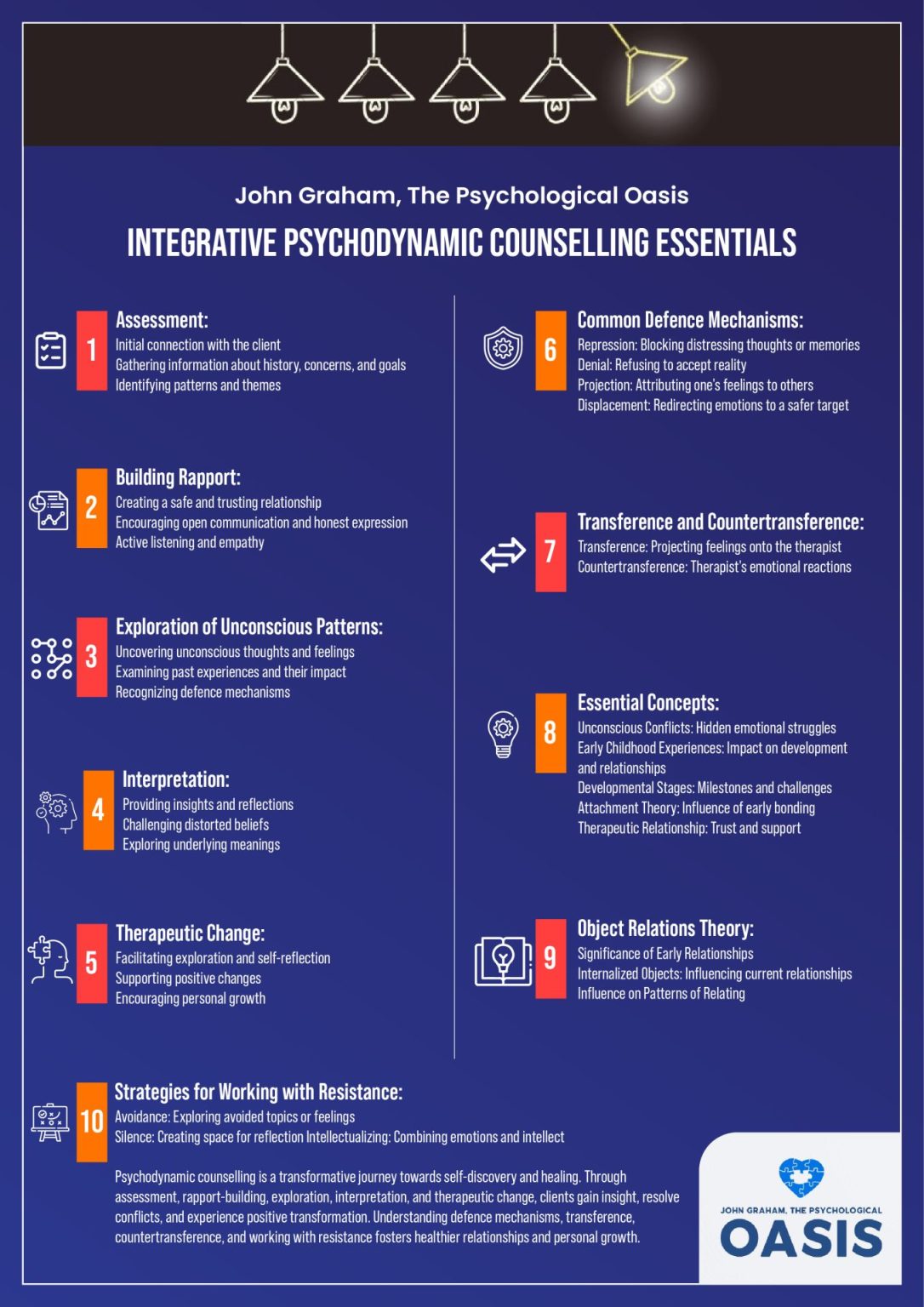
About Integrative And Psychodynamic Counselling : by John Graham.

(image: Shea Rouda: Unsplash)

Psychotherapy is critical to the mental well-being of many. While there is little doubt that psychotherapy is effective, like any other process it must follow a systematic pattern to be successful. There are several stages in this process and understanding them makes any kind of therapy session more beneficial for the counsellor and the person in counselling.

Several major steps need to be undertaken for the cycle of dynamic counselling to become a transformative journey of self-discovery and healing for the participant. The first step is assessment. This is where the counsellor finds out as much as possible about the client. After this rapport will be built to create a safe and trusting relationship between the counsellor and the client. 

Exploration of patterns that may be causing specific behaviors based on past experiences is then done and an interpretation is given. The process also involves a therapeutic change in which the client makes strides toward experiencing personal growth.

There are several other stages that the client may go through which can see them projecting feelings onto their therapist and refusing to accept responsibility. All of these are coping mechanisms that must be worked through during counselling.

During psychodynamic counseling, the counselor will seek to go deeper with the patient so that they can identify traumatic experiences from their childhood and any past unconscious conflicts they have hidden that are impacting their lives today.

If you are looking to learn more about psychodynamic counselling and get an in-depth look at all the stages involved.


Infographic Design By “Unlock Your Inner Oasis with John Graham”

How To Navigate Grief With Self Care and Counselling Strategies By Brooke Chaplan.

(image: free image)

Grief is a difficult emotion to process, especially when it’s the result of the death of a loved one. It can be overwhelming and can seem never-ending. While it’s impossible to rid yourself of grief completely, there are ways to manage it so that you can start living your life again. Read on to learn more about how self-care strategies and counselling can help you navigate your grief.

Self-Care Strategies for Navigating Grief

One of the best ways to deal with grief is through self-care practices. These are activities that allow you to focus on yourself and give yourself permission to take some time away from your feelings. Here are some tips for engaging in self-care while grieving:

Take time away from work or school

Give yourself permission to step away from your daily obligations and focus on taking care of yourself during this difficult time.

Get outside

Nature is proven to help reduce stress levels, so go for a walk or spend some time outdoors in whatever feels natural (hiking, swimming, etc.).

Spend time with friends or family

Surrounding yourself with people who love and understand what you’re going through can be incredibly helpful during times of grief. Talk openly about your emotions—it may help relieve some of the pain.

Find activities that bring joy

Find activities that bring joy into your life—even if it’s just for a few minutes at a time! Whether it’s reading, painting, listening to music, playing sports, or whatever else makes you happy—give yourself permission to do what brings joy.

Counselling Strategies for Dealing With Grief

Sometimes self-care isn’t enough; everyone needs extra support sometimes, and if that’s true for you, grief counseling may be an option worth considering. Talking through experiences with an outside perspective can help make sense of seemingly senseless situations. Counsellors have been trained in techniques specifically designed to help those dealing with loss manage their emotions in healthy ways. Additionally, counsellors also provide other strategies, such as cognitive behavioural therapy (CBT), which is often used as a way to reframe negative thoughts and behaviours associated with grief into more positive ones. This can lead to improved mental health over time for many and provide insight into how best to handle future losses should they occur again. There are other forms of therapy you could try too, so research and find whats best for you.

Grief is an emotion that everyone will experience at some point in their lives—and it doesn’t always come easily or naturally. But by implementing self-care practices such as taking breaks from work or school and finding activities that bring joy into your life, along with seeking professional counselling services if needed, navigating grief becomes less daunting of a task than it may initially seem when faced with a loss of any kind.

Ultimately, no two people will grieve in quite the same way; however, these strategies serve as a starting point for anyone looking for support during this difficult journey we call life.

Brooke Chaplan is a freelance writer from the USA.

Methods for Helping Your Addiction Recovery by Kara Masterson.

(image: free image)

Addiction recovery is a challenging process, but there are certain methods that can make the experience a bit easier to handle. These methods can range from creating a support network to seeking out counselling services that can help you navigate the recovery process and help hold you accountable. As a result, following these tips can help make addiction recovery smoother and more successful.

Create a Support Network

Creating a strong support system of family members, friends, and certified professionals who understand the challenges of addiction recovery is essential to your success. Your support network should be made up of those who have your best interests at heart and will provide you with unconditional love and encouragement as you navigate through this difficult time. This type of positive reinforcement will help keep you motivated and on track during your journey toward sobriety.

Seek Out Counselling Services

Professional recovery programs and counselling services may offer a variety of methods and coping mechanisms to help you in the recovery process; such as individualised therapy sessions, group therapy, family counselling, and recovery coaching. These services provide an important opportunity to explore past experiences and underlying issues that have caused or contributed to your past substance abuse, as well as new ways to cope with the underlying triggers and a better understanding of yourself and the things you may be dealing with.

With the guidance of a trained mental health therapist or addiction specialist, addiction recovery patients can develop effective strategies for managing and overcoming their triggers, cravings, and other difficult emotions without relapsing back into old habits. Thus, seeking out counselling services from experienced professionals is an invaluable asset to recovery success.

Practice Self-Care

Lastly, another important tip for making addiction recovery smoother is to practice self-care. This means taking care of yourself physically by eating healthy meals, exercising regularly, and getting enough sleep each night. It also means taking care of yourself mentally by setting aside time each day for relaxation activities such as yoga or meditation. Additionally, it’s important to focus on positive thinking and avoiding negative self-talk which can be detrimental during this delicate time in your life.

Making addiction recovery smoother requires dedication and effort from both yourself and those around you who are supporting you on this journey toward long-term sobriety. By creating a strong support network, seeking out professional counselling services, and practicing self-care daily, you can set yourself up for success in overcoming your addiction issues once and for all. With these tips in mind, you’ll be better equipped to make addiction recovery easier than ever before!

Kara Masterson is a freelance writer.