5 Valuable Tips for Communicating With a Parent/ Person with Dementia

(image: Unsplash)

Due to various factors, including the ageing population, dementia is on the rise. In the future, it could touch the lives of half the population, becoming one of the most common degenerative diseases. 

When a parent gets dementia, it can sometimes be disorientating and upsetting. All of a sudden, their behaviour changes and it’s not clear what’s going on. They just don’t seem like themselves and they can’t take on board what you say. 

Adjusting to this new reality can be challenging, but this article is here to help. In it, we run through some tips for communicating with a person who has dementia so that you can keep your relationship with them strong. 

Give Them Your Full Attention

Communicating with a person who has dementia becomes challenging when you don’t give them your full attention. Misunderstandings are common, so trying to watch TV or do the dishes at the same time as talking to them is a bad idea. 

Instead, address your parents directly in quiet surroundings. Make sure that there is nothing else going on at the same time, including screaming kids and so on. When approaching your parents, use non-verbal cues, such as touching them on the shoulder to indicate that you want to talk to them. 

State Your Words Clearly

Language can be fuzzy sometimes. But when our brains are healthy, most of us can get by. 

However, that’s not the case when your parents are receiving dementia care. It is considerably more challenging for them to understand what is going on and their surroundings. 

Therefore, always state your words clearly. Avoid raising your voice, as your parents may mistake this for aggression unless they are also hard of hearing. 

When you speak, use the same wording. Prepare yourself to repeat what you need to say several times.

Ask Simple Questions

If you do ask questions, keep them simple. Ideally, you want questions that your parents can answer “yes” or “no” to. Refrain from asking open-ended questions, such as “what type of food do you prefer?”

Break Down Activities Into Smaller Chunks

Telling a patient with dementia that they need to go shopping or get ready for the day is generally a bad idea. That’s because these tasks involve multiple smaller steps that they need to go through. To a healthy person, this all seems simple. But for a patient with dementia, it is considerably more challenging. 

For this reason, try breaking down tasks into a series of smaller steps. Instead of telling your parents to get ready, ask them to put on each item of clothing one at a time. 

Distract And Redirect

Sometimes people living with dementia can become frustrated and angry. Many do not understand what is going on. 

Because of this, it’s a good idea to distract and redirect. These psychological techniques make it easier for you to manage difficult interactions. Focus on the feelings they have and offer support, but then if that doesn’t work, offer immediate redirection, such as suggesting getting something to eat or going for a walk. 

It can be really challenging when a parent or family member has dementia- it can affect both mental and physical health. You may find yourself feeling exhausted, stressed and frustrated too- as well as sad that the person you love is being affected so much. Your loved one may also feel like this at the beginning and struggle with any loss of memory or function. Make sure they get the correct support and you look after yourself too- by practising self care and speaking to a therapist if need be.

This article was written by a freelance writer and contains do follow links.

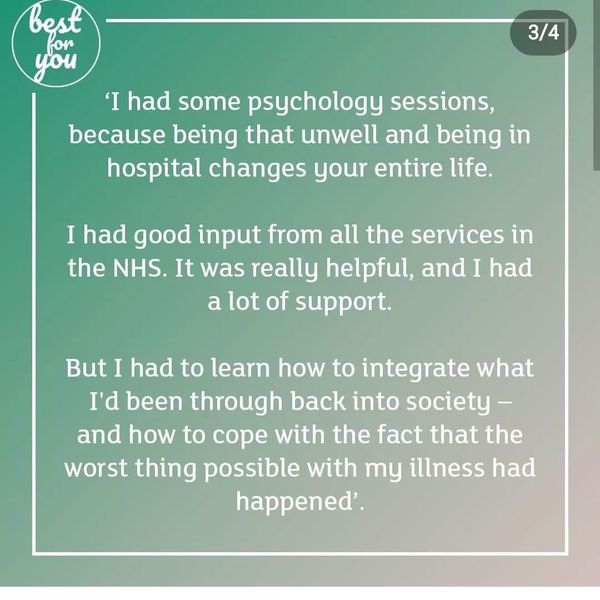
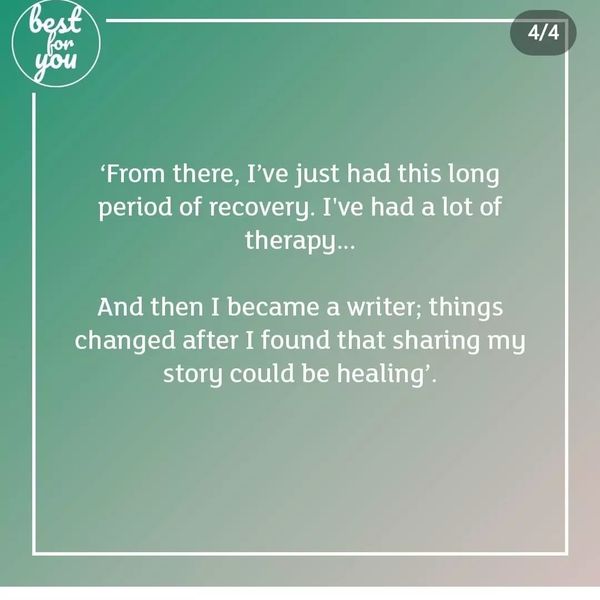
My Interview On Life With Bipolar Disorder by Best For You NHS

(image: Best for You NHS)

The team at Best For You NHS interviewed me about my life journey with bipolar disorder and anxiety. I hope it helps anyone, particularly young people, who are struggling.

You can read the interview that I did with Annabel here. Trigger warning as discusses suicidal thoughts, being in hospital and sexual assault.!

Thank you Annabel and team!

Best for You is a new NHS programme in London to help young people and their families access mental health support We know many can’t access the support they do desperately need and CAMHS services here in the UK are overstretched. I hope that by sharing my story it helps young people feel less alone, but we desperately need more funding into childrens mental health services too!

(Images by Best for You NHS)

Eleanor x

Thank you for sharing my book ‘Bring me to Light’!

(image: Norfolk and Suffolk Mental Health Trust)


The other day I was contacted over on Twitter by a senior mental health nurse who had read my book ‘Bring me to Light.: embracing my bipolar and social anxiety’. She felt that it should be read by her colleagues at Norfolk and Suffolk mental health trust, here in England, and so donated a copy to the staff library for them to read- and they shared this photo.

This was by far one of the most touching and special things to have happened on my book journey- while it may seem small, to me it means the world.

I wrote my book, my memoir about living with bipolar disorder and social anxiety to help other people going through it (and their families) feel less alone. However, to see it being used by mental health hospitals- where I have been twice in my life, though in London- brings me hope.

Hope that professionals will read it and learn from it (there were times in hospital that I wasn’t fully happy with my care but most staff were amazing).

Hope that we can make a change and help the stigma around mental illness to fall.

Hope that by sharing my story, it will encourage others to feel comfortable to share theirs without fear of shame or embarrassment.

So thank you to Dawn💕 and Norfolk and Suffolk mental health trust. If you’d like a copy of my book : https://lnkd.in/e3cheTw

How To Let Go Of Hurtful Memories And Live A Happier Life.

(image: Pexels)

Do you ever feel like your past is holding you back from being happy in the present? If so, you’re not alone. Many people find it difficult to let go of hurtful memories, especially if they’ve experienced a traumatic event. However, carrying around these negative memories can be incredibly damaging to your mental health and wellbeing. That said, this blog post will discuss how to let go of hurtful memories and lead a happier life!

Acknowledge your hurtful memories

The first step to letting go of hurtful memories is acknowledging them. This may seem like a difficult task, but it’s important to face your demons head-on. Once you’ve acknowledged your hurtful memories, you can begin the process of healing. If you’re not sure how to start this process, consider talking to a therapist or counsellor. They can help you work through your feelings and start the journey to recovery.

Understand that your past does not define you

One of the most important things to remember when trying to let go of hurtful memories is that your past does not define you. Just because you’ve experienced trauma or pain in your life doesn’t mean that’s all there is to you. You are so much more than your hurtful memories! Allow yourself to see the good in yourself and know that you deserve happiness.

Also, don’t forget that your hurtful memories don’t have to control your present or future. Just because something bad happened in your past doesn’t mean it will happen again. You have the power to create a bright future for yourself, no matter what your past may hold.

Focus on the present and build a positive future

Once you’ve acknowledged your hurtful memories and accepted that they don’t define you, it’s time to focus on the present. What makes you happy right now? What are your goals for the future? Start spending your time and energy on things that make you feel good. Fill your life with positivity and watch as your hurtful memories start to fade away.

It’s also important to forgive yourself for what happened in the past. Forgiving yourself doesn’t mean forgetting what happened or downplaying its importance. It simply means letting go of the negative feelings associated with the event and moving forward with your life. Remember, you deserve happiness!

Seek professional help if needed

If you find yourself struggling to let go of hurtful memories, don’t be afraid to seek professional help. There’s no shame in admitting that you need assistance to deal with your past. A therapist or counsellor such as from The Awareness Centre, can help you work through your feelings and develop healthy coping mechanisms. They can also provide support and guidance as you begin the process of healing.

Letting go of hurtful memories is a difficult but necessary task if you want to lead a happier life. However, by following the tips outlined above, you can start on the path to recovery and begin living the life you deserve!

This article was written by a freelance writer.

Knowing When It’s Time To Seek Treatment For Substance Abuse by Rachelle Wilber.

Whether it is addiction to alcohol or drugs, deciding to seek treatment for substance abuse is never an easy decision. If it is a family member or yourself who has a problem with substance abuse, there are certain signs that will indicate it’s time to seek treatment at a qualified facility. Though it may be hard to admit, here is how you will know the time has come to admit professional help is needed.

Changes in Personality

If you have major personality changes eg you were once very outgoing but now are withdrawing from those closest to you, this can indicate you may need treatment for a substance abuse problem- you could also be struggling with depression . Another indication is if you lie about your addiction to those you love and try and keep it secret.

Financial Problems

If you are addicted to drugs, it won’t take long for this problem to result in you having severe financial problems. Whereas in the past you always had money to pay your bills, you now find yourself having to ask others to help you out financially. Eventually, you may lose your car and even your home. Seek help for your finances when you are able to- perhaps a friend of family member could help you.

Incidents with Law Enforcement

As you live with addiction, you may find that you commit crime or do things you wouldn’t normally do. This may include getting arrested for drunk driving, possession of drugs, or even more serious crimes such as theft or assault and battery. Once this cycle begins, it will worsen very quickly, which is why you should seek out substance abuse treatment as soon as possible. Drugs and alcohol can change your behaviour.

Physical Problems

When you are drinking or doing drugs regularly, this will ultimately take quite a toll on your physical health. While the most common signs may be relatively minor such as nosebleeds or eyes that are constantly red, you may also start to notice other signs. Look for signs of liver damage, increased blood pressure, or trouble breathing. Once these signs become evident, you need to get medical treatment as well as substance abuse treatment for your mental health. Look after your body as it can take a battering when you are addicted to substances.

Losing Your Job and Marriage

When substance abuse problems get very bad, your job and marriage may be at risk of being lost to you forever. You may find yourself suddenly being faced with the prospect of being unemployed and possibly divorced due to your ongoing battle with drugs or alcohol. Addiction can sadly strain relationships and make you unreliable at work too, because you are unwell and can’t get better. At that point, if you hit rock bottom, you may admit you need help for your addiction.

Taking that initial step in seeking treatment will be tough. However, doing so will enable you to get your life back on track and overcome your addiction to drugs or alcohol.

There are many places that offer specialised drug and alcohol treatment in the UK and globally. Check out Alcoholics Anonymous, Mind and Action on Addiction.

This article was written by freelance writer Rachelle Wilber.

4 Effective Ways to Boost Your Mood And Keep Well.

(image: Shutterstock)

Your mental health matters a great deal when it comes to your overall wellbeing. There may be days or times you feel low or maybe you’re someone who is managing a mental health or mood disorder currently.

Regardless of who you are, it’s important that you take positive steps in the right direction to take good care of yourself. Consider making and incorporating these changes and then notice how much better you feel overall. Here are four effective ways to boost your mood and be well so that you can get back to living fully and have a smile on your face while you do it.

1. Exercise & Move More

One effective way to boost your mood and be well is to exercise. Not only workout and break a sweat regularly but also commit to moving more throughout the day. Exercising is great for your mental health and can instantly put you in a better mood. Make working out fun by engaging in activities you enjoy and that get your body moving and making a playlist that keeps you motivated.

2. Get Organised & Declutter

Another effective way to boost your mood and be well is to get organised and reduce the clutter in your home, office, and life. You’ll feel less stressed daily and will be able to easily find what you’re looking for. Go through old boxes and get rid of or donate items you no longer use or want sitting around. As for anything you decide you want to keep but don’t want in your home, it would be useful to look into securing a storage unit with https://www.storagearea.com for the overflow.

3. Stay Social & Connect with Others

If you want to effectively boost your mood and be well then it’s in your best interest to build relationships with others, if you are able. Stay social when you can and make connections that are meaningful and rewarding. Keep a social calendar and be sure to get out and about once in a while so that you’re not always sitting around the house or feeling lonely. Sometimes this can be more difficult, so be kind to yourself.

You may want to join clubs or orgnaisations in your area, volunteer, or play group sports to help you stay better connected, if you want to. Otherwise, take up a hobby or two and make new friends this way as well. If you struggle with making friends or have social anxiety, you aren’t alone and there is a lot of support out there for you too!

4. Eat A Healthy Diet  

What you put in your body for fuel can also impact your mood and mental health. Feel better fast by eating a healthy diet and cutting back on sugar, alcohol, and processed and fried foods. Some foods can also cause anxiety and make you feel uneasy. Stick to a healthy and well-balanced diet filled with fruits, vegetables, and leafy greens, nuts, and lean proteins. It might help to get in the habit of cooking for yourself at home so you have more control over the ingredients you use and what you’re eating. Also, always drink plenty of water to make sure you stay hydrated and have more natural energy to get you through the day.  

Keeping well is something you can do for yourelf- go at your own pace and look after your mental health and overall wellbeing.

This article was written by a freelance writer.

How To Know If You Have An Eating Disorder and What To Do Next by Rachelle Wilber

(image: Unsplash)

An estimated 45 million people in the United States (and many millions globally) go on a diet each year to try and shed extra pounds. While exercising and eating healthfully is important, obsessing over losing weight can turn into an eating disorder.

Eating disorders present in a variety of different forms such as bulimia, anorexia, and/or binge eating. Staying aware of the symptoms of an eating disorder and what you should do should you develop one can help you stay healthy.

Different Types of Eating Disorders

Though problems with food can manifest in different ways, there are three main types of eating disorders.

  • Bulimia: Those with bulimia typically eat large amounts of food and then purge the food afterward by vomiting or using laxatives
  • Anorexia: Those with anorexia avoid eating or eat extremely small amounts of food
  • Binge eating: Those with binge eating may eat large amounts of food in a short amount of time

Look for Common Symptoms of Eating Disorders

One of the best ways to determine if you have an eating disorder is by watching for symptoms in your own habits and behavior. These symptoms may also be noticed by your friends, family, or other loved ones. Some of these symptoms may include:

  • Having a fear of gaining weight or growing fat
  • Withdrawing from activities with family and friends
  • Becoming secretive and lying about it
  • Experiencing anxiety and depression
  • Feeling an intense fear of certain foods, such as foods that are sweet or have high levels of fat
  • Obsessing over the number of calories and food eaten
  • Avoiding situations that involve food
  • Attempting to lose weight by purging, using laxatives or over-exercising
  • Weighing yourself daily or multiple times per day

If you suspect you have an eating disorder, know that you aren’t alone and that help is available. Be proud that you are taking the first step and seeking help. It may be helpful to identify ways that you are not feeling in control in your life and the way you feel around food.

Keeping a journal of these feelings is a great way to learn more about your habits and identify the feelings that triggered your eating disorder. Next, talk with your insurance company (if in the US) or NHS/ privately if in UK and seek out a reputable doctor for eating disorder treatment. There are many specialists, counsellors, and rehabilitation centers available who are highly experienced in helping people recover from their disorder. Please note that the NHS may have waiting lists but seeking help is so important to find recovery.

Having an eating disorder often means you feel a lot of shame about yourself and your eating habits. Talking with a doctor and/or therapist can help you let go of this shame so you can love yourself and take the first steps on your road to healing.

This article was written by freelance writer Rachelle Wilber.

Mental Health, Low Self Esteem, Body Image and Fashion.

(image: Freestocks at unsplash)

Fashion is a powerful force. It has the ability to make people feel confident, empowered, or at its worst horrible about themselves. It can have a positive impact on mental health and self-esteem if you find something pieces that make you feel good about yourselves. On the other hand, fashion can also have a negative impact on self-esteem and mental health if you’re constantly exposed to images and messages that make you feel inferior or unhappy with who you are. Especially with the inward turn of the pandemic, its hard for people to feel happy and confident about themselves.

The Psychology of Fashion

Fashion is a multi-billion-dollar industry and a big part of many people’s daily lives. It’s a subculture that’s easy to invest in. And, like any other trend, fashion comes and goes, so you’re always in control of how much you invest in it. The psychology of fashion reveals the different aspects of how fashion impacts people’s self-esteem. From the way people perceive others based on the way they’re dressed, to how people present themselves to the world by choosing outfits, fashion has a strong psychological effect on everyone.

Body Image

Our bodies are such an important part of life, and it’s normal to have some insecurities about them. Still, as you grow older, many people struggle with body dysmorphia or an unhealthy obsession with one’s appearance. Constant exposure to images of other people’s bodies that are unrealistic and unattainable can be harmful to your self-esteem, especially in young people who are still forming their self-image. This can lead to eating disorders, body dysmorphia, low self esteem and depression and anxiety. Looking at images of gorgeous models wearing clothes you can’t afford or fit in can makes you feel left out or confused. It’s fun to keep up with trends, but try to avoid getting stuck in a rut of hype culture.

(image: Hannah Morgan at Unsplash)

So what should I do?

You can’t ignore fashion and societal trends- but it’s important to not let fashion (or what is popular to wear) become something that defines who you are. It’s a fun accessory, something you should do for enjoyment, creativity, and confidence. For people who have found themselves struggling with their mental health due to the psychological effects on body image, it’s important to seek help. Talk to your friends and family members, or seek professional help if you need it. There are many ways to find happiness in style- whether you’re into vintage clothing, a specific designer, or a particular style like athleisure. You can read blogs with good recommendations, and wear things that you love, like that pair of perfect trainers or Men’s Off-White Hoodies. There’s something for everyone, and it’s important to have fun with it!

Fashion and societal expectations of how one should look can have a big impact on mental health, so it’s important to be mindful of it. It is also hard to be bombarded with negative messages on body image via social media. The body positive movement has sprung up because of this narrative- showing curvier models and embracing your flaws as beautiful.

There are also many ways to wear your favourite clothes in a way that makes you feel good about yourself, without negatively impacting your mental health. Focus on what makes you feel like the best version of yourself!

This article was written by a freelance writer and contains do follow links.

Promoting Wellbeing, Positive Mental Health and Reducing Stress in the Elderly.

(image: Unsplash/Istock)

The UK has an ageing population, with statistics indicating that there are 5.4 million people aged 75 years. A further breakdown also shows that persons aged 85 years and above make up 1.6 million of the population. Indeed, the ageing years are characterised by failing physical and mental health. However, science and society continue to devise ways to make the period less stressful.

Here are some guidelines on how:

  1. The essence of mobility

As people age, one of the first things that deteriorate is mobility. The depletion of muscle tone, coupled with bone issues, may inhibit movement. Usually, it sets in gradually, and when nothing is done, mobility can decrease by as much as 70% to 80%. At that point, an ageing person may need walking aids to support their body weight. However, mobility issues can be thwarted if counter-measures are taken in time.

Geriatricians (primary care doctors for the aged) advise ageing persons to dedicate some minutes of their days to walk. According to these experts, 150 minutes in a week is adequate. When the elder individual has enough energy, an average of 20 minutes daily is perfect. However, another person with mobility issues can engage in a guided basic workout for at least 15 minutes a day. Among the elderly, the risk of falling is incredibly high. This may therefore require a specialised alarm for elderly persons. This is worn like a wristwatch and can be used to monitor the number of daily steps, call for help when needed, etc. So, as you encourage an older person to take mobility issues seriously, it helps to ensure that it’s done safely.

  1. Reinforced social networks

It is essential to belong to a strong and supportive social network during the later years. Retiring from active duty and work can trigger depression. Although statistics indicate that depression in older adults is less prevalent than in the younger generation, it is still a cause for concern. Research in UK care homes revealed that 40% of the ageing generation endure chronic depression. This is likely due to the separation from their immediate family and friends.

Fortunately, this can be resolved when these seniors are encouraged to participate in social engagements. It can be in the form of a support group, a reading club, or other recreational groups purposely for older adults. As simple as these social networks may seem, they play a vital role in their life. It generates a sense of belonging, which subsequently promotes healthy mental well-being.

  1. Attention to regular quality sleep

According to the British Geriatrics Society, insomnia is prevalent amongst elderly people. Whether housed in a care home or not, the difficulty in initiating and maintaining sleep is a hurdle many older adults cannot cross without help. Insomnia is both a physical and mental well-being issue. This explains why experts say it should always be tackled from both angles.

In other words, as doctors prescribe pills to aid sleep, it is advisable to focus on the root cause of insomnia. It is possible to boost sleep quality by speaking to medical professionals and also assessing if there is a mental health cause to the insomnia too.

Elderly adults need both physical and mental health care as they transition into this new phase of life. These are just some ideas to help.

This article was written by a freelance writer.

Learning to Accept and Embrace Having Schizoaffective Disorder This Mental Health Awareness Week by James Lindsay

(image: Mental Health Foundation)

I do often wonder how long I had schizoaffective disorder before my diagnosis, but I guess I will never know. Back in 2016, I had my first experience of displaying symptoms of Schizophrenia (such as delusions), when I suffered from my first psychotic episode.

Before that, I had not really heard of any of these medical terms. I used to wrongly associate schizophrenic people with characters from the film ‘One Flew Over the Cuckoo’s Nest’. I thought they were lost causes who needed constant care, I didn’t think they could be functioning members of society like everyone else, and I feel bad that I used to think that. But I had a lack of education and personal experience.

In late 2019, I suffered from a relapse and had another experience with psychosis (which can be defined as losing touch with reality with delusions and/or hallucinations).. In early 2020 I was finally diagnosed with Schizoaffective Disorder. For those who are unsure, this condition is where symptoms of both psychotic and mood disorders are present together during one episode. ‘Schizo‘ refers to psychotic symptoms and ‘affective’ refers to mood symptoms. It is often described as a cross between Bipolar Disorder and Schizophrenia, as it includes symptoms from both of those conditions.

For me, it is currently something I am able to keep at bay, mainly thanks to my medication but also through being self-aware and looking after my mental wellbeing. I take Quetiapine (200mg slow release) every single day and I am more than happy with that. I have my tablet in the evening, which then helps me fall asleep without much struggle.

Without my meds, I can tell you now that I would be in all sorts of trouble. Every now and then I might forget to take it until just before bed, which means I need much longer to fall asleep because it takes a couple of hours to kick in.

That is ok though, as long as it’s not every night. But I know for a fact that without the medication, I am much more likely to start having delusions (irrational thoughts) and have an episode. Both my 2016 and 2019 episodes happened because my sleep was terrible and at times non-existent. I used to take sleep for granted, which is easy for anyone to do, but if you don’t let the brain repair itself it can lead to all sorts of problems. Just remember that psychosis can happen to absolutely anyone, I would not wish it on my worst enemy.

I am learning new things about my Schizoaffective Disorder all the time. I have joined a few Facebook groups which are supportive communities full of people with (or supporting those with) the same condition, such as this one which has nearly 18k members. For example I discovered through this group that some people who take meds before dinner (e.g. 4/5pm), find themselves waking up around 3am when they’ve worn off. They realised taking them an hour or so after dinner can give them a better sleep.

I have read books by authors with mental illness and they really help normalise it and give me peace of mind. I recently read ‘The Stranger on the Bridge’ by Jonny Benjamin (who is also Schizoaffective) and this gave me so much comfort. When you read a story that has parallels to yours, it gives you so much more hope and confidence that you can overcome your own adversities. Podcasts are a great source of help too and there are plenty out there that cover all kinds of mental illnesses.

I am also fortunate that my job gives me more opportunities to enhance my understanding of the disorder. I am proud to work for Hertfordshire Mind Network (my local mental health charity) as Fundraising & Marketing Officer, who are really supportive and always ask if there is anything they can do to help with my condition. I would advise anyone with mental illness to make your employer aware, because that’s the first step to them being able to support you and make any adjustments you might need.

I think ever since I changed my attitude to being schizoaffective, I have been able to befriend it and realise it’s not my enemy, but part of who I am. I used to feel embarrassed and was maybe even in denial at first. When I had the shame, I was never in the right mindset to go out and learn what this illness actually is, what is it doing to me, what should I look out for, what are my triggers/warning signs, what help can I get from other people.

The reality is – millions of people are schizoaffective and they are some of the best people you can encounter. They are incredible for living through it every day and I am proud to be one of them.

I hope you found my post useful and big thank you to the wonderful Eleanor Segall for the opportunity to contribute to her fantastic blog! If you’d like to connect over mental health you can find me here –

(image: James Lindsay)

@JamesLindsay23– Twitter