Dual-Diagnosis Care: Tackling Addiction and Mental Illness Together by Elizabeth Howard

(Image: Unsplash)

A dual diagnosis occurs when an individual simultaneously struggles with a mental health disorder and a substance use disorder. Far more common than many realise, dual diagnoses can involve combinations such as depression and alcohol dependence, anxiety and benzodiazepine misuse, bipolar disorder coupled with stimulant abuse, or PTSD alongside opioid addiction. Attempting to treat one condition in isolation while neglecting the other typically leads to inadequate results and higher relapse rates. Dual-diagnosis care addresses both issues in tandem, recognising the complex interplay between mental health and addiction. Below, we explore five essential components of an effective, integrated treatment approach that fosters sustainable recovery.

Understanding the Link Between Mental Health and Addiction

Self-medication is a common pathway to substance misuse: someone experiencing chronic anxiety may reach for alcohol to calm racing thoughts, while an individual with untreated depression might use opioids to numb emotional pain. Unfortunately, what begins as short-term relief often worsens underlying psychiatric symptoms. Alcohol, for example, disrupts sleep and brain chemistry, intensifying anxiety or depression over time. Conversely, the guilt, shame, and isolation that emerge from addiction can spark or aggravate mood disorders.

Recognising this bidirectional relationship is critical in dual-diagnosis care. Clinicians assess not only which substance came first, but also how each condition fuels the other. By identifying triggers—whether social stressors, traumatic memories, or genetic vulnerabilities—therapists can help patients develop healthier coping strategies. Early psychoeducation enables individuals to see how their mental health and addiction are intertwined, fostering motivation to engage in comprehensive treatment.

Comprehensive Assessments for Accurate Diagnosis

Misdiagnosis is rampant in dual-diagnosis cases: withdrawal symptoms can mask depression, and manic episodes may be mistaken for cocaine highs. To avoid these pitfalls, providers conduct thorough biopsychosocial evaluations that delve into psychiatric history, substance use patterns, family dynamics, medical background, and co-occurring health issues. Standardised screening tools—such as the PHQ-9 for depression, GAD-7 for anxiety, CAGE for alcohol misuse, and the Addiction Severity Index—offer structured insights that guide diagnostic clarity.

Laboratory tests and, when indicated, neuroimaging can reveal medical complications—like liver dysfunction in heavy drinkers or neurochemical imbalances in long-term stimulant users. Ongoing assessments throughout treatment help clinicians monitor progress, adjust medication, and refine therapy goals. An accurate, layered diagnosis ensures that neither the mental health disorder nor the addiction is minimized, laying the groundwork for a cohesive care plan.

The Role of Integrated Treatment Plans

Unlike traditional models that silo psychiatric care and addiction treatment, integrated plans bring multidisciplinary teams together. Psychiatrists, addiction medicine specialists, psychologists, social workers, and certified peer support counsellors collaborate on a unified treatment blueprint. Core elements may include:

  • Medication management to stabilise mood disorders and reduce cravings (for instance, SSRIs for depression and buprenorphine for opioid dependency)
  •  Evidence-based psychotherapies such as cognitive-behavioral therapy (CBT), dialectical behavior therapy (DBT), and trauma-focused interventions for PTSD
  • Group therapy sessions that address both substance use behaviours and coping skills for anxiety or mood regulation
  • Family therapy and psychoeducation to repair relationships and build a supportive home environment
  • Holistic modalities—mindfulness training, yoga, nutritional counseling—aimed at restoring overall well-being

Coordinated care prevents mixed messages and redundant treatments. When each provider shares a common set of goals and progress metrics, patients receive consistent guidance, and their support network remains informed and engaged.

(image: Alysha Rosly, Unsplash)

Flexible Care Through Programs Like the Intensive Outpatient Program

Not everyone with a dual diagnosis needs round-the-clock residential care. For those with strong support systems, manageable symptom severity, and stable living conditions, outpatient solutions can strike the right balance. A reputable intensive outpatient treatment program offers structured therapy multiple times per week, while allowing individuals to live at home and maintain work or family responsibilities.

These programs typically include group counselling, individual therapy, psychiatric check-ins, and relapse prevention workshops. They serve as a transitional step either before entering less intensive outpatient care or following discharge from an inpatient facility. Flexible scheduling and a mix of virtual and in-person sessions accommodate diverse lifestyles, enabling more people to access high-quality dual-diagnosis treatment without uprooting their lives. In the UK, these were known as ADTU units attached to hospitals, but there are less of these on the NHS.

The Importance of Ongoing Support and Aftercare

Recovery from a dual diagnosis doesn’t end when formal treatment ends. Long-term success hinges on robust aftercare and relapse prevention strategies that recognize recovery as a lifelong process. Essential components of sustained support include:

  • Peer support groups—such as Dual Recovery Anonymous or integrated 12-step fellowships—that offer lived-experience encouragement
  • Regular outpatient counselling or case management to address emerging challenges and adjust treatment plans
  • Medication-assisted maintenance, when appropriate, to stabilise chronic mental health conditions and prevent relapse
  • Life-skills workshops for stress management, financial planning, and vocational training to strengthen daily functioning
  • Digital tools and telehealth check-ins that enhance accessibility, especially for those in remote areas

Family involvement remains vital: ongoing family therapy sessions and education empower loved ones to recognize early warning signs and respond effectively. Community resources—like sober living homes and recreational recovery programs—further enrich social support, reducing isolation and reinforcing positive lifestyle choices.

Conclusion

Effective dual-diagnosis care transcends the simplistic view of treating mental illness and addiction separately. By acknowledging their deep interconnection, clinicians can offer comprehensive assessments, integrated treatment plans, flexible program options, and enduring aftercare. Whether delivered through residential facilities or outpatient settings, these five components—link recognition, accurate diagnosis, collaborative treatment, adaptable program structures, and sustained support—equip individuals with the skills and stability needed for lasting recovery. Embracing a holistic, patient-centered approach that addresses the whole person, not just isolated symptoms, paves the way for renewed health, purpose, and hope.

This article was written by Elizabeth (Lizzie) Howard, writer and contains a sponsored link.

Rehab 101: What to Expect When Entering Treatment by Miranda Spears

(image: Pexels)

Rehab treatment is one of the most important things you can get if you’ve been struggling with dependencies and substance abuse issues. This is because the human body and mind can become reliant on certain substances, making it almost impossible to quit a substance without the help of the kind of professionals who work in rehab facilities. However, it’s never easy to make a major life decision without knowing the full story, which is why you should know what to expect as you’re entering rehab.  

Admission 

If you want to go to a drug rehab in Austin, USA, some of which are considered among the best in the world, you’ll have to understand what the process of admission is going to be like. Rehab facilities get a lot of patients each year, and all of these people have different needs and considerations because they may have different side effects from the same drug or may have been using wildly different substances. When you first enter rehab, professionals at the facility you’re considering going to will be able to assess your case by getting a medical history and figuring out the effects substance abuse has had on your body, which can then be used to create a treatment plan for you.   

Detoxification 

Detoxification is the next step of any good treatment plan and is often the toughest part of the early stages of sobriety and recovery. Withdrawal symptoms arise when people have not had access to drugs for a number of hours, upsetting their bodies, which have grown to develop a reliance on those substances. Symptomatic treatment for withdrawals by using medication to control cravings and side effects helps a lot in ensuring people are able to comfortably transition to recovery by lowering the worst sensations they’ll be feeling during this time, and, once the body has gotten rid of all of the toxins lurking within, the rest of your treatment will begin.  

Getting a treatment plan 

As previously mentioned, getting a proper treatment plan is a major part of getting better and weaning yourself off of the substance you’ve been abusing, including any side effects you’ll have to get accustomed to. For instance, using needles that are not clean could result in diseases like hepatitis, which means experts at the clinic would need to create a custom plan to help relieve this issue, too. Whatever the case may be, healthcare professionals will be able to create the best treatment for your case, balancing the side effects of that medication with the massive benefits you’ll get by taking them.  

Education 

A major part of treatment at rehab facilities is the education they provide to people who are struggling with dependencies. Many people are unaware that addiction can fundamentally change how the brain works, rewiring it to depend on drugs and further enabling abuse, and that triggers present in everyday life can make it even tougher to make a clean break. Getting educated about these issues will make it more likely for you to avoid triggers and ensure you’re not falling into the same traps as before once you’re done with rehab. 

Progress monitoring 

Monitoring progress is another part of ensuring success during the process of rehab because, though you may be able to get sober for a short time, you’ll have to work hard to maintain that sobriety. There are many ways that facilities are able to monitor progress, including while you’re within the premises by noting down the changes they’ve seen and scheduling regular checkups by a doctor, and when you’re outside the premises, by connecting you to a sponsor that will check on you on a weekly basis for years to come.  

Rehab is an integral part of treating substance abuse and drug addiction all over the world, as the professionals who work inside each facility can have permanent impacts on the lives of millions of people each year, helping them work through their issues. If you make yourself aware of what you should be expecting when you begin treatment, it’ll only make things easier to deal with in the short term, allowing you to be more comfortable once you start rehab. 

This article was written by writer Miranda Spears.

Fighting The Stigma of Addiction by Addressing 5 Common Misconceptions by Aaron Smith.

(image: Pixabay)

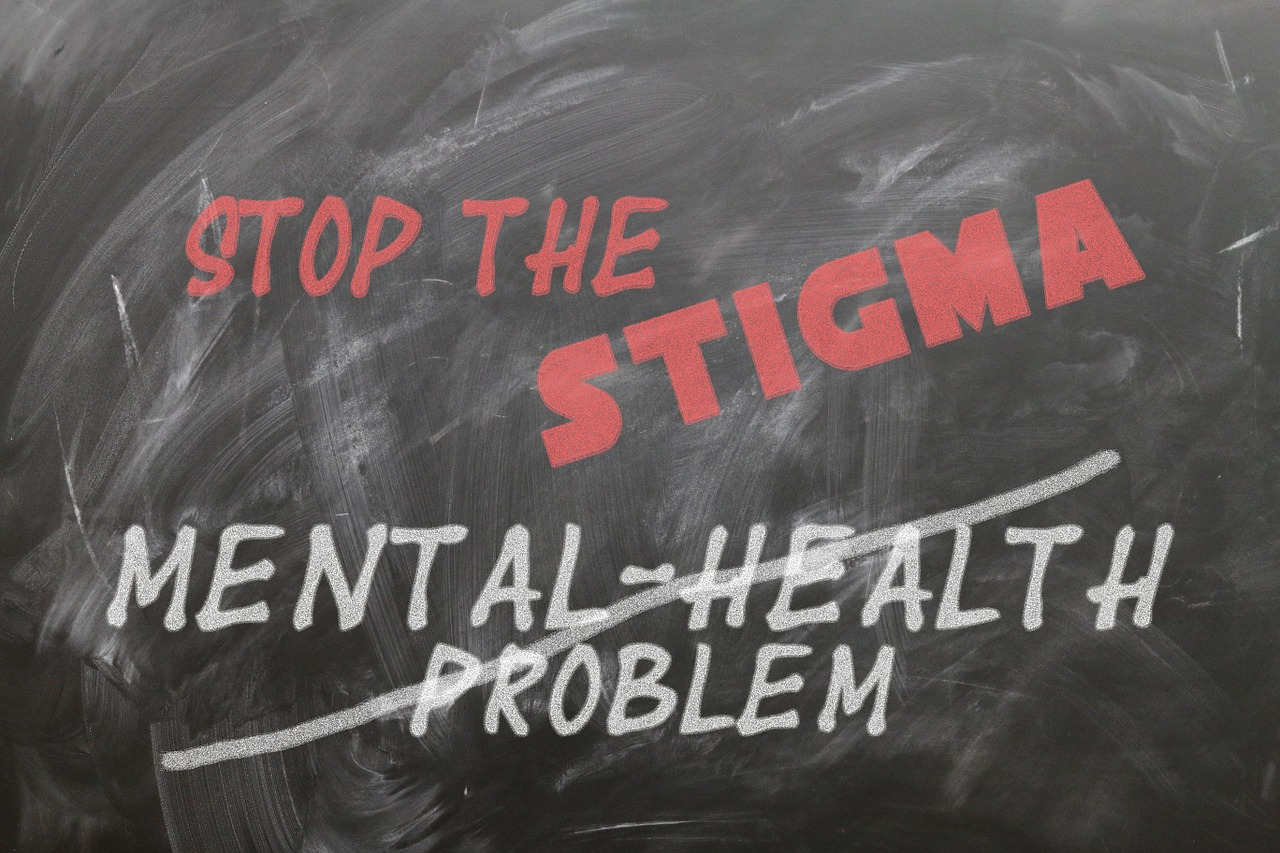
Addiction is so intricate and multifaceted that in the face of extensive scientific research, there are still myths and misconceptions about it that often get in the way of treatment. They cause stigma that keeps people from getting help for fear of being labelled as ‘bad’ or ‘weak’. But, to win the fight against addiction, we have to confront some common misconceptions to create an environment that empowers people and encourages them to get treatment for successful recovery. Here are some of the top misconceptions about addiction: 

5 Common Misconceptions About Addiction

(image: Pixabay)

Myth 1. Addiction is by choice: If a person is addicted to something, it’s because they chose to be, and it’s their fault. 

The truth is that no one chooses to become addicted—addiction is a brain disorder. The American Society of Addiction Medicine describes it as a treatable chronic disease that is a result of the interactions between the brain circuits, upbringing, trauma, environment, and genetics. Heavy and prolonged substance use interferes with the brain networks and increases the likelihood of becoming addicted. 

Nevertheless, a choice can influence the recovery journey. The person may choose to seek help dealing with addiction through addiction therapy, exercises, symptoms treatment, and other lifestyle decisions. 

Myth 2. It just takes willpower to stop: Addiction results from a lack of willpower, if the person wanted to stop using badly enough, they would. 

Sadly, a person cannot ‘will away’ their addiction, and it does not result from a lack of willpower or self-discipline. Drugs, alcohol, and other substances produce profound brain changes that alter the natural reward system. 

Typically, mental rewards come only after exerting effort, and this takes a while. But, the addictive behavior shortcuts this process and gives the brain pleasure early on. When the brain is used to early results, the person’s self-control and capacity to make good decisions is eroded and replaced with the impulse to engage in rewarding behavior. 

The substance-induced impulses are not like the usual urges to eat or drink. They are overwhelming and compulsive impulses whose resolution is only engaging the addiction. It’s the reason why addiction appears irrational in that a person will keep using it even when things are falling apart around them. 

Myth 3. Tough love compels people with addiction to stop: If you are harsh with the individual, they will understand the seriousness of the issue and feel the need to change. 

With addiction, ‘tough love’ is not the answer. Being harsh, insensitive, or indifferent may cause the person to feel unworthy, demoralised, and rejected. It typically produces the opposite results of what was intended. 

The better way to address addiction is to take a kind and compassionate approach. The reality is that the majority of people with an addiction are usually contending with other struggles and use addiction to compensate. For example, many people with an addiction struggle with feelings of rejection, and pushing them away with ‘tough love’ only aggravates the underlying problem. However, love, kindness, and support can pull the person closer, address the underlying problem, and start them off on the addiction recovery journey. 

Myth 4. Addiction does not really go away: An addict will never be truly free. Once an addict, always an addict. 

Addiction is a complex condition, and recovering from it takes time. It can indeed be a chronic condition, but even then, the individual can still recover. Addiction is not a life sentence, and there is always hope to get back on a healthy path and live a fulfilling life. 

Regardless, it’s normal to have some recovery setbacks. Although it doesn’t happen with everybody, relapsing and returning to substance use after abstaining for some time is normal. But this is not a sign of failure. Instead, it’s an opportunity to discover what is not working in addiction therapy and to restrategize the treatment. Every person is unique, and the relapse provides a chance to understand the unique factors that drove the individual to relapse and helps with formulating strategies to prevent another relapse in the future. 

Anyone can break free from the cycle of addiction permanently. It just takes a combination of recovery therapy, support from family and friends, and personal growth to give them a renewed purpose to live. 

(image: Markus Spiske, Unsplash)

Myth 5. You must abstain to recover: The only way to recover is to keep off the substance completely.

The truth is that recovery means different things to different people. Abstinence is only one form of recovery and not the final destination for all people. Moderating use so that substance reliance no longer interferes with a person’s productivity or relationships is also recovery. Some people are only looking to reduce substance use, while others are only looking to use a less harmful substance. From there, these people watch their consumption or wean themselves off, even without treatment. 

So, instead of insisting on abstinence or giving a timeline for a complete cessation of use, understand that recovery from addiction is a journey that some reach pretty quickly while others take small steps and a long time to get to the same destination. 

Addiction Recovery Can Be Made Easier 

Addiction is difficult to resolve, and it doesn’t help that there are many myths and misconceptions surrounding it that further complicate the recovery. But, through education and awareness on addiction and recovery, and showing love, support, and empathy towards the individuals, society can make the recovery journey easier. 

Addiction therapy is a particularly useful recovery tool because it sets the individual in an environment where the people and the programs support recovery. Sign up for therapy and start your path to recovery today!

Aaron Smith is a freelance writer.

5 Benefits Of Rehab And Why you Shouldn’t Delay Treatment by Lizzie Weakley

(image: Matthew Ball, Unsplash)

Drug and alcohol addiction can take a toll on your mind, body, and soul. It’s not easy to overcome addiction, but it’s never too late to start your journey to recovery. Rehab centres provide ample opportunities and resources for people struggling with addiction. Unfortunately, some people delay treatment because of fear, uncertainty, denial, or other valid reasons. Delaying treatment can lead to dire consequences, such as chronic health issues, financial problems, relationship issues, and even death. This blog post outlines the top 5 benefits of rehab and why you shouldn’t delay treatment.

Sense of Community

Rehab gives you the opportunity to surround yourself with people who are supportive, understanding, and empathetic to your situation. It helps to know that you are not alone in your struggle and that there are other people who genuinely care about your recovery. Being a member of a recovery community can help provide accountability, social connection, encouragement, and motivation to push through the tough times. It’s easier to navigate the journey to recovery when you have the support and guidance of others who have gone before you.

Professional Support

Rehab centres have trained and experienced professionals who can assist you in your recovery journey. From therapists and counselors to medical doctors and holistic practitioners, these professionals can help you optimise your physical, mental, and emotional health. They can provide personalised treatment plans, medication-assisted therapy, holistic therapies, and other useful resources to help you achieve your recovery goals. Going to a rehab centre gives you access to evidence-based treatments that have been proven successful in addiction recovery.

New Habits take time to form, but being in a rehab center gives you the chance to create healthy habits and routines. Repetition leads to new neural pathways, which eventually leads to new habits that are sustainable and beneficial for your recovery. You learn things like healthier coping strategies, better communication skills, mindfulness techniques, and relapse prevention skills. Through rehab, you can learn how to retrain your brain to respond to situations in ways that are not harmful to you or others.

Safe Environment

Rehab provides a safe and secure environment that gives you fewer opportunities to relapse. Being in a controlled space helps minimize distractions, triggers, and temptations that can hinder your progress. You’ll have the chance to focus solely on your recovery without the distractions of daily life. Moreover, rehabs help keep their clients accountable to themselves and others. As such, being in an accountable and safe environment can help set the foundation for success.

Self-Identity

People who struggle with addiction often lose sight of their self-identity and what makes them unique. Being in rehab can help rediscover who you are and what you stand for. You’ll have the chance to uncover your strengths, talents, passions, and goals. You’ll be able to reflect on your life and identify what led you down the path of addiction in the first place. By discovering your true self, you’ll be better prepared to cope with any challenges that may come your way.

Seeking treatment for addiction is daunting, but the benefits of rehab are worth the effort. Taking the first step towards recovery can give you a chance to regain control over your life. The sense of community, professional support, formation of new habits, safe environment, and rediscovery of self-identity are just some of the benefits of going to rehab. Don’t delay treatment; the sooner you start your recovery journey, the sooner you’ll be on your way to living a healthier, happier, and more fulfilling life.

This article was written by Lizzie Weakley.

Breaking Free: Addiction’s Grip And The Road To Recovery by Miranda Spears.

(image: Markus Spiske, Unsplash)

Addictions are pervasive and challenging conditions, which often dictate thoughts, behaviours, and lifestyles. The journey from the clutches of addiction to the road of recovery is a complex process that requires a combination of medical, psychological, and social interventions. This exploration delves into the intricate dynamics of addiction, examining the factors that contribute to its grip and illuminating the multifaceted road to recovery. By understanding the complexities involved, we can better appreciate the resilience required to break free from addiction’s hold and the comprehensive strategies essential for successful recovery.

1. The Tenacity of Addiction

Addiction’s grip on individuals is marked by its tenacity, rooted in the rewiring of the brain’s reward circuitry. Substance use or compulsive behaviours trigger the release of neurotransmitters, creating a cycle of pleasure and reinforcement that the brain craves. Over time, this leads to neuroadaptation, where the brain becomes increasingly tolerant to the substance or activity, necessitating higher doses or more frequent engagement to achieve the same level of satisfaction. The result is a profound physiological and psychological dependence, creating a formidable barrier to breaking free from addiction, but it can be done.

2. The Impact on Mental Health

The relationship between addiction and mental health is intricate, with each often exacerbating the other. Individuals struggling with addiction can turn to substances or behaviors as a coping mechanism for underlying mental health issues such as anxiety, depression, or trauma. Conversely, the neurochemical imbalances induced by substance use can contribute to the development or worsening of mental health conditions. Untangling this complex interplay is crucial for effective treatment.

Addressing both addiction and co-occurring mental health disorders simultaneously is essential for comprehensive care, offering individuals a holistic approach to breaking free from the entwined challenges they face.

3. Detoxification and the Initial Steps:

Embarking on the journey to recovery from addiction often begins with detoxification, a crucial initial step in the process. Acknowledging the need for professional assistance is pivotal, especially when seeking recovery from substance abuse. If you’re seeking help with alcohol addiction, for instance, a quick online search using keywords such as ‘alcohol rehab in Austin’ or your country and region can lead you to specialised facilities.

In rehab centres, individuals undergo supervised detox, where medical professionals monitor and manage withdrawal symptoms, ensuring a safe and supportive environment. Beyond addressing physical dependence, alcohol rehab can integrate comprehensive treatment plans that encompass counselling, therapy, and holistic approaches to address the psychological and emotional aspects of addiction. Choosing the right rehab centre sets the foundation for a transformative recovery journey, offering personalised care to guide individuals toward a healthier and more fulfilling life.

4. Building a Supportive Network:

The road to recovery is not a solitary journey; building a supportive network is instrumental in breaking the isolation that often accompanies addiction. Support can come from various sources, including family, friends, and fellow individuals in recovery.

Twelve-step programmes, group therapy, and counselling provide avenues for individuals to share their experiences, gain insights, and receive encouragement. The power of community support lies in its ability to offer understanding, empathy, and shared strength. Establishing and maintaining these connections is crucial for navigating the challenges of recovery, fostering a sense of belonging, and reinforcing the commitment to breaking free from addiction.

5. Embracing Long-Term Recovery:

Breaking free from addiction is not a one-time event but a lifelong process that requires ongoing commitment and effort. Embracing long-term recovery involves adopting a holistic approach that addresses the physical, mental, and social aspects of an individual’s life. Continued therapy, participation in support groups, and the cultivation of healthy habits contribute to sustained recovery. Individuals are encouraged to identify and manage triggers, develop coping mechanisms, and make positive lifestyle changes that align with their newfound commitment to well-being. By embracing a comprehensive and evolving approach to recovery, individuals can navigate the complexities of life beyond addiction, gradually diminishing its grip and building a foundation for lasting freedom.

Breaking free from addiction is a challenging yet transformative journey marked by resilience, self-discovery, and continuous effort. The tenacity of addiction, rooted in the brain’s reward system, necessitates comprehensive strategies that address both the physiological and psychological aspects of dependence.

The interplay between addiction and mental health underscores the importance of integrated care. By understanding the complexities of addiction’s grip and the multifaceted road to recovery, individuals can embark on a transformative journey toward breaking free and reclaiming their lives.

This article was written by author Miranda Spears.

Road to Recovery: 5 Ways To Combat Addiction by Lauren Perry.

(image: free image)

Addiction is a multifaceted problem that can impact individuals from all walks of life, irrespective of their age, gender, or background. Whether it’s substance abuse, alcohol addiction, or behavioural disorders, seeking help is the first step to recovery. In this article, we will explore five ways to combat addiction and pave the way to a healthier, addiction-free life. Whether you’re personally grappling with addiction or you’re supporting someone on their path to recovery, these insights will provide valuable guidance for understanding and combating addiction effectively.

Seek Professional Help

The journey to recovery from addiction frequently commences with the essential step of seeking professional help. Therapists, counsellors, and healthcare providers play pivotal roles in guiding individuals toward a healthier, addiction-free life. For those dealing with co-occurring mental health and substance abuse disorders, specialised treatment centers, known as dual-diagnosis treatment centers, offer a higher level of care and a tailored approach to recovery. These centers are equipped to assess and address the root causes of addiction, including the often complex interplay of underlying mental health issues.

Build a Support System

In the journey of addiction recovery, building a robust support system is an invaluable asset. Building a support system involves connecting with loved ones and friends or engaging in support communities, like Alcoholics Anonymous (AA) or Narcotics Anonymous (NA). The path to recovery is undeniably challenging, and having a network of individuals who understand and care can make a significant difference.

Sharing experiences and challenges with others who have faced similar struggles can provide a unique bond and a sense of belonging, reducing feelings of isolation and alienation that often accompany addiction. This shared journey toward recovery cultivates a sense of hope and resilience, proving to individuals that they are not alone in their pursuit of a healthier, addiction-free life.

Cognitive-behavioral therapy (CBT)

Behavioral therapy (CBT) is a known and highly effective method used in addiction treatment. CBT zeroes in on identifying and transforming negative thought patterns and behaviors intricately linked to addiction. Through collaboration with a therapist, people gain the ability to explore the seated origins of their addiction, which are frequently connected to past events or instances of trauma.

This profound self-reflection is a crucial initial step toward recovery. CBT equips individuals with the tools to challenge and modify self-destructive habits and beliefs, empowering them to break free from the cycle of addiction and pursue a life of lasting sobriety. CBT is not merely a therapeutic intervention; it’s a transformative journey that enables individuals to regain control over their lives, nurturing emotional resilience and self-awareness as they navigate the path to recovery.

Medication-Assisted Treatment (MAT)

Medication-assisted therapy (MAT) contributes to aiding individuals in their quest to conquer addiction. This comprehensive strategy combines counselling and behavioural therapies with specific medications designed to reduce cravings and alleviate withdrawal symptoms. Substances like methadone, buprenorphine, and naltrexone can be prescribed as part of MAT, tailored to an individual’s unique needs. MAT is a significant aid in addressing the physical aspects of addiction, facilitating a more comfortable and effective journey toward recovery. By helping to manage the intense cravings and symptoms of withdrawal, MAT can make the process more manageable and increase the chances of successful, long-term recovery.

Lifestyle Changes and Self-Care

In the pursuit of addiction recovery, the role of lifestyle changes and self-care cannot be overstated. A healthy lifestyle is a cornerstone for maintaining lasting recovery. Incorporating regular physical activity, adopting a balanced diet, and ensuring adequate sleep are fundamental steps in restoring both physical and emotional well-being. These changes not only promote physical health but also contribute to emotional stability, fostering a more robust foundation for recovery. Additionally, self-care practices such as mindfulness meditation, yoga, and stress management techniques play an instrumental role in reducing the risk of relapse.

By nurturing mental and emotional resilience, individuals can better cope with the challenges they may encounter on their journey toward a healthier, addiction-free life. These practices instill the necessary tools to manage stress, anxiety, and other emotional triggers, ultimately enhancing an individual’s ability to make healthy choices and maintain a life free from addiction.

Conclusion

Overcoming addiction is a demanding yet crucial path for individuals battling it and their families. Seeking professional help, building a support system, engaging in therapies like CBT, considering medication-assisted treatment, and adopting a healthy lifestyle can significantly improve the chances of recovery. It’s important to remember that addiction is a treatable condition, and with the right strategies and support, a fulfilling, addiction-free life is achievable.

This article was written by Lauren Perry.

Maintaining Mental Wellbeing: Tips for Navigating an Alcohol Assessment Centre by Brooke Chaplan

(Image: free image)

The decision to seek help for alcohol use disorder is an important one. It takes courage to admit that you need assistance, and taking the first step toward recovery can feel like a daunting task. One of the early steps of recovery is an alcohol assessment centre, which can assess your condition, provide treatment recommendations, and connect you to ongoing support. However, navigating an assessment centre can be overwhelming, especially if you are feeling vulnerable or uncertain. In this post, we will discuss some tips for maintaining your mental well-being while navigating an alcohol assessment centre.

Educate Yourself

Before entering an assessment centre, take some time to educate yourself about the process and what to expect. This can help to ease anxiety and provide a sense of control in an unfamiliar environment. You can research online, check out the centre’s website, or speak with someone who has been through the process before.

Prepare Mentally and Emotionally

Entering an assessment centre can be a nerve-wracking experience, but it’s essential to prepare yourself mentally and emotionally. You might consider bringing along a trusted friend or family member who can offer support and help you stay grounded. You can also practice mindfulness or deep breathing exercises to help you stay centred.

Speak Openly and Honestly

It’s important to be honest about your alcohol use, even if you feel embarrassed or ashamed. The professionals at the assessment centre require accurate information to provide the best treatment options for your specific needs. Honesty also helps to build trust and openness in the therapeutic relationship between you and your counsellor.

Focus on Your Goals

Entering an assessment centre can be overwhelming, but it’s essential to focus on your goals for recovery. Discuss your goals with your counsellor, and work with them to develop a plan for achieving them. Remembering why you’re seeking help and what you want to achieve can help motivate you and make the process easier.

Take Care of Yourself

Finally, remember to take care of yourself while going through an assessment centre. It’s essential to prioritise your mental and physical well-being, which can include eating well, drinking plenty of water, and getting enough rest. Self-care also means taking breaks when necessary, practicing healthy coping mechanisms, and setting boundaries with those around you. Navigating an alcohol assessment centre can be overwhelming, but it’s an essential step towards recovery from alcohol use disorder.

By educating yourself about the process, preparing yourself mentally and emotionally, speaking honestly with your counsellor, focusing on your goals, and taking care of yourself, you can maintain your mental well-being while going through the process. It is highly recommended to reach out to facilities where you are, like A Better Choice Counselling/ Alcohol, Drug & Assessment Center, for more information or to answer any questions you may have.

Remember, seeking help for alcohol use disorder is a brave decision, and with the right support and resources, recovery is possible

How To Support Your Friend’s Journey To Sobriety By Anita Ginsburg

(image: Pexels)

Sober living can be a challenging journey for anyone. It’s important to have the support of family and friends as you go through this process. As someone who cares about your friend, you may want to reach out to show your support. Here are some thoughts on how best to do this.

Be Present and Listen

Your presence can be very powerful in helping a friend who is working on sobriety. Listening is one of the most important things you can do when you’re trying to show your support. Offer an open ear and an understanding heart, without judgment or criticism. Ask questions that show you care and demonstrate that you’re paying attention, such as “How are you feeling?” or “What do you need right now?” You don’t have to have all the answers; just being present and offering an understanding ear can make all the difference.

Recommend More Specialised Help if Needed

You may want to suggest or support your friend in seeking professional help if they need it. This could include group meetings, individual counselling sessions or even visiting a Drug Addiction Recovery Information Center. Let them know you are there for them and that you believe in their recovery journey.

Offer Non-Alcoholic Activities & Support Groups

If your friend is struggling with addiction, it’s important to find ways for them to fill their time with activities that don’t involve alcohol or drugs. Suggest things like going for walks together, visiting parks or museums, playing board games, etc., so they can still enjoy themselves without any temptation from alcohol or drugs. Additionally, attending support groups with them could be helpful in providing encouragement throughout their journey towards sobriety. This could help them gain strength from others who are also facing similar struggles and create a sense of community for them during this difficult time.

Be Patient & Encouraging

Most importantly, remain patient and encouraging throughout your friend’s recovery process. Sobriety doesn’t happen overnight; it takes commitment, hard work, and dedication to maintain sobriety in the long run–so stay by your friend’s side throughout their entire journey no matter how long it takes! Lastly, make sure that they know that they are not alone during this difficult time – everyone needs a little extra love once in a while!

Supporting a friend through sobriety is no easy task – but it is certainly possible if done with patience and empathy! Showing up for them with an open ear, offering non-alcoholic activities and support groups, plus encouraging words can make all the difference in helping them stay sober! With enough help from loved ones, anyone can take control of their addiction and live a healthier life full of hope and promise!

Anita Ginsburg is a freelance writer.

Knowing When It’s Time To Seek Treatment For Substance Abuse by Rachelle Wilber.

Whether it is addiction to alcohol or drugs, deciding to seek treatment for substance abuse is never an easy decision. If it is a family member or yourself who has a problem with substance abuse, there are certain signs that will indicate it’s time to seek treatment at a qualified facility. Though it may be hard to admit, here is how you will know the time has come to admit professional help is needed.

Changes in Personality

If you have major personality changes eg you were once very outgoing but now are withdrawing from those closest to you, this can indicate you may need treatment for a substance abuse problem- you could also be struggling with depression . Another indication is if you lie about your addiction to those you love and try and keep it secret.

Financial Problems

If you are addicted to drugs, it won’t take long for this problem to result in you having severe financial problems. Whereas in the past you always had money to pay your bills, you now find yourself having to ask others to help you out financially. Eventually, you may lose your car and even your home. Seek help for your finances when you are able to- perhaps a friend of family member could help you.

Incidents with Law Enforcement

As you live with addiction, you may find that you commit crime or do things you wouldn’t normally do. This may include getting arrested for drunk driving, possession of drugs, or even more serious crimes such as theft or assault and battery. Once this cycle begins, it will worsen very quickly, which is why you should seek out substance abuse treatment as soon as possible. Drugs and alcohol can change your behaviour.

Physical Problems

When you are drinking or doing drugs regularly, this will ultimately take quite a toll on your physical health. While the most common signs may be relatively minor such as nosebleeds or eyes that are constantly red, you may also start to notice other signs. Look for signs of liver damage, increased blood pressure, or trouble breathing. Once these signs become evident, you need to get medical treatment as well as substance abuse treatment for your mental health. Look after your body as it can take a battering when you are addicted to substances.

Losing Your Job and Marriage

When substance abuse problems get very bad, your job and marriage may be at risk of being lost to you forever. You may find yourself suddenly being faced with the prospect of being unemployed and possibly divorced due to your ongoing battle with drugs or alcohol. Addiction can sadly strain relationships and make you unreliable at work too, because you are unwell and can’t get better. At that point, if you hit rock bottom, you may admit you need help for your addiction.

Taking that initial step in seeking treatment will be tough. However, doing so will enable you to get your life back on track and overcome your addiction to drugs or alcohol.

There are many places that offer specialised drug and alcohol treatment in the UK and globally. Check out Alcoholics Anonymous, Mind and Action on Addiction.

This article was written by freelance writer Rachelle Wilber.

How Can I Help An Alcoholic Or Addict Parent? by Chaye McIntosh

(image: Jon Tyson on Unsplash)

When a loved one suffers from addiction, it can have just as much of an influence on your life as it does on the addicts. This is especially true if the loved one is a parent or a close relative. Children of addicts within a family are undoubtedly the most affected by addiction. This is particularly true if the addict’s children are still growing up. Unless you’re young or elderly, it’s difficult to cope as the child of an addict. Addiction has the potential to destroy a family. A parent is a glue that ties a family together; if they are addicts, the children must mature and become the house’s adults. This can have a significant negative impact on children’s mental health.

What are the Feelings of an Addict’s Children?

Children look up to their parents as role models. Parents who become addicted to drugs or alcohol, on the other hand, are only concerned with their addiction. Understanding that addiction is an illness is crucial for children of addicts. This is because long-term substance misuse changes the chemistry of an addict’s brain. As a result of this, an addict’s brain is rewired over time as a result of their substance misuse. As a result of their addiction, addicted parents can exhibit poor judgment and decision-making, a lack of self-control, and deviant behaviour choices.

What Can Children Do to Assist Parents Who are Battling Addiction?

Drug and alcohol addiction can have both short- and long-term impacts. Substance misuse can disrupt even the calmest and most loving relationships. When family members quarrel, it becomes commonplace. The level of trust begins to erode. If a relative who consumes illegal substances acts angrily or hides their condition in secrecy, relatives may grow concerned. 

Marriages may disintegrate as a result of addiction-related changes. Communication gets more difficult as displeasure is highlighted. In addition, children often take a step back from their parents to separate themselves from them. Family members may observe their loved ones endure the negative effects of drugs or erupt into rages while inebriated. Others may notice that their relatives have lost weight and are no longer recognizable.

How Can I Help an Alcoholic Parent?

Parents are blessings, so if they are addicts you can try to help them recover- but ultimately they must accept help. Here are some of the things you can do to help them. 

  1. Be Supportive

A person suffering from drug or alcohol addiction needs the support and love of family members. They need someone who will understand what they are going through. As a child, one should make sure that you are fully aware of the supportive needs of your parent- but equally you can’t fix everything.

  1. Talk to them

Talking helps a lot. An addict thinks that everyone is trying to distance themselves from them and if your parent feels like someone is trying to talk to them- they may appreciate it. Children of addicts should make sure to spend some time with their parents, where possible and if able. It can be very difficult to see your parent struggling with addiction and can be harmful also, so you will need to weigh this up. 

  1. Encourage Addiction Treatment

Addiction treatment is the only way to treat drug and alcohol addiction. Children of addicts should be aware that to help their parents they should suggest an addiction treatment program near them. Here are some addiction treatments that you can recommend to your parents:

Telehealth addiction treatment is a new form of treatment where a patient can receive treatment while being in their own homes. So if your parent avoids or doesn’t want to leave home for addiction treatment, suggest they get Telehealth addiction treatment.

  1. Avoid Fighting with them

There is no need to fight with your parents. They are already going through a very tough time. Try to avoid any sort of confrontation with them.

  1. Make them Feel Wanted

Addicts need their children to make them feel wanted. Spend some time with them. Take them out and have a nice dinner every once in a while. 

In The End…

An addict’s brain is rewired, and quitting addictive substances is more difficult than it appears. When a person becomes addicted to drugs or alcohol, his or her brain becomes fully reliant on them to function. As a result, when addicts cut back or stop taking opioids, they may experience uncomfortable withdrawal symptoms. Because they are terrified of experiencing withdrawal symptoms, addicts are sometimes discouraged from attempting sobriety.

As much as you may despise your parent for acting the way they do and refusing to seek treatment, you must respect their decision. Simply take a deep breath and recognise that your parent is afflicted with an ailment over which they have no control.

This article was written by Chaye McIntosh. You can see more about treatment here