
Dopamine Decor: How Your Interior Design Choice Influences Mental Wellbeing by Amy Jones

(image: Unsplash: Maiar Shalaby)

More and more people are putting time and effort into looking after their mental wellbeing, and rightly so. Most of these efforts focus on stress-reducing hobbies and social activities, but have you ever wondered if your interior design choices are influencing your mental health?

If the answer is no, it might be time to start considering how your home decor can be altered to achieve peak wellness. If you’ve no idea where to start when trying to turn your home into a sea of tranquillity, we’ve picked out a few areas of your home that could contribute towards your mental wellbeing.

Colour

(image: Unsplash: Marc Jodoin)

Blue 

As the colour of the sea and sky, blue is seen as a calm, soothing colour. It’s also an easy colour to incorporate into your home if you’re trying to make your home have a more relaxed vibe.

Darker shades of blue work perfectly for a feature wall and allow the colour to be the main focal point of the room. If you want to paint your whole room blue, lighter shades of blue work great and can promote an airy, outdoorsy feeling.

Purple

In some cultures, purple represents royalty whilst in others it is associated with peace and spirituality. However you see purple, it’s important to note that it’s becoming an increasingly popular colour in the interior design world.

When it comes to incorporating purple into your home, it’s often a case of less is more. Consider ways in which you can add a touch of purple rather than creating a fully purple room. Rugs, lampshades and cushions are a great way to introduce purple without overdoing it.

Green

Green is similar to blue in the sense that it can help bring the outdoors to your home, due to how we associate the colour with nature and greenery. Forest green and jungle green are great options if you want to go overboard on the green interior as they are less subtle shades.

Brighter greens should be reserved for kids’ bedrooms or playrooms. Alternatively, shades like lime can be used for smaller decorative ornaments that aren’t the main focal point of your home.

Nature

Nature and wellness go hand in hand. In fact, most mental health therapists would agree that spending time outdoors is great for our mental wellbeing. According to studies, there is a positive correlation between happiness and our connection to nature.

Obviously, we can’t spend all of our time outdoors so it’s important to consider ways we can bring nature into our homes. Adding plants throughout our home can improve style but can also improve air quality. Improving the air quality in your home can have positive implications for your mood, stress levels and sleep quality – all of which contribute to healthy mental wellbeing.

When choosing plants to add to your home, there are a number of factors to consider including how much sunlight and water different types of plants require. In addition, you’ll want to decide what size of plant works for your home. Larger plants work great in the corner of a room while smaller plants should be added to coffee tables and shelves.

Layout

A clear home can lead to a clear mind so it’s important to stay on top of your home’s cleanliness levels. It can be a good idea to focus on minimalism and create large open spaces in your home that are easy to keep on top of in terms of tidiness.

Be careful of adding too many items that only serve decorative purposes as this simply gives you more things to keep on top of and could easily be the start of your home becoming cluttered.

Our home can affect our wellbeing, so for positive mental health, its good to implement calming colours and layouts for a wonderfully relaxing home.

Amy Jones is a freelance writer.
Transforming Bedrooms Into Anxiety-Reducing Spaces For Kids by Amy Jones

(image: Kenny Eliason: Unsplash)

There is nothing more heartbreaking than to see your child suffering. What’s more, when their mind is playing tricks on them, and they’re experiencing spells of anxiety, it can leave you feeling helpless as the parent/carer. While you may be doing all the right things such as taking them to therapy and encouraging them to talk about their feelings, sometimes their environment can play a huge role in their emotions. Children spend a lot of their time in their bedrooms, especially when they’re feeling anxious about the outside world. Transforming their bedroom into an anxiety-reducing space could be the key to allowing them an environment to disconnect from ruminating thoughts completely.

Be sure to listen to what your children want for their bedrooms before taking the design into your own hands. If they believe a Minecraft bedroom will make them feel happy and give them a sense of security in their space, listen! Otherwise, consider the following tips for designing your bedroom into an anxiety-reducing space. 

Colour schemes 

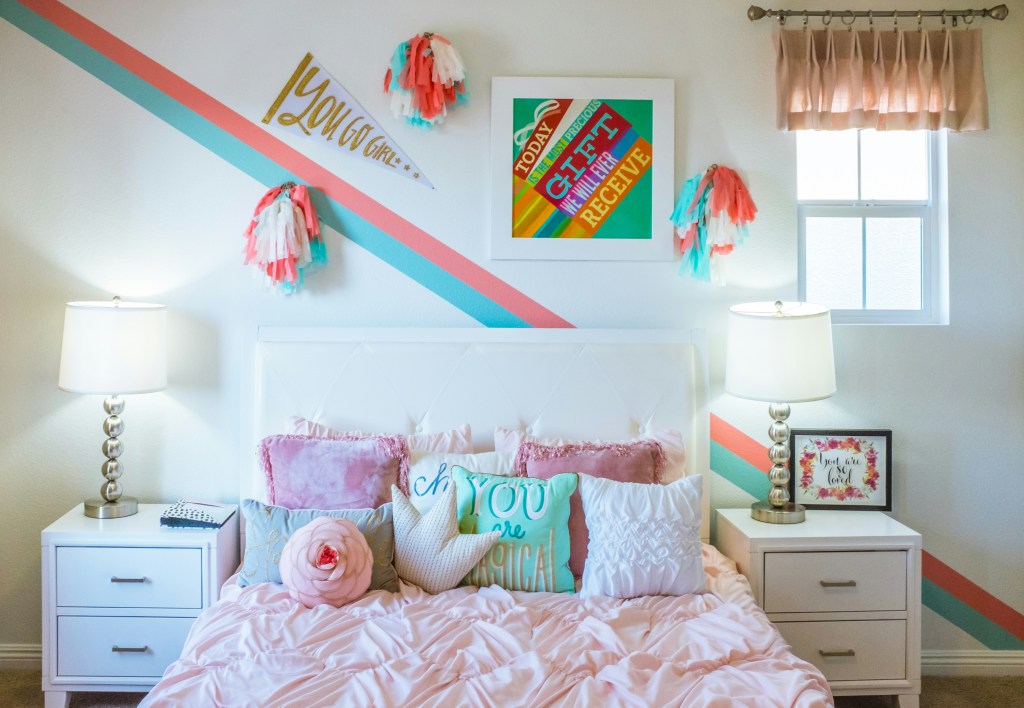
Starting with the room’s backdrop, consider painting your child’s room a colour that inflicts a sense of calmness and serenity. There are a number of colours that are proven to create this mood, for example, cool colours such as blue, green and lavender grey are known to create a relaxing feel. Also, pastel shades of favourites such as pink and green are perfect for creating a sense of tranquillity. 

Connections to nature 

Nature has shown to have immense benefits for reducing anxiety, from going for walks to playing in the park, if your child is struggling to face the great outdoors, consider bringing it to them. For example, add touches of greenery in the space. There can be faux versions of vines winding round their bed, or perhaps give them real plants to take care of and give them a greater sense of purpose. If your child has been begging for an animal, why not start small and get them a fish? It has been proven that watching fish swim back and forth can relax the mind and ease muscle tension.

Blue LED lighting 

Lighting can be a hard element of the bedroom to influence. If your child’s bedroom is currently brightly lit with fluorescent light this may not be helping their state of mind. Blue light therapy has been raved for its ability to influence mood and the body’s biological clock. Dimming their bedroom lighting with blue lighting may support their night of rest. Several sensory light appliances can create this experience, in addition to adding texture to the projection that mimics ocean waves. 

Create “safe spots”

Sometimes, your child just wants to be alone, and that’s okay. Creating a safe space away from the world can be simple with the addition of a children’s teepee, or if your child has a bunk bed with underspace, make this area more private with curtains. Fill this space with comfy seating, pillows, and games for your child to play. It can be tempting to buy them an Xbox or PlayStation to enjoy in their bedroom, but this can worsen your child’s anxiety and keep their mind active when it’s time for rest. Keep technology away from their bedroom, and keep it comforting and quiet. 

Keep schooling separate 

Another mistake parents make with their child’s bedroom is adding a desk for them to complete school work. When your child is suffering from anxiety, school can often inflict feelings of discomfort or remind them of unpleasant experiences. Allow your child to do their school work downstairs where you can support them and be there for them. Allocated places for different activities can help them feel a sense of security. Reserve the bedroom for sleep. Having a small table and chair for your child to do artwork can act as a place to explore their creativity. 

Encourage rest & relaxation

Encouraging relaxation is essential when transforming your child’s bedroom into an anxiety-reducing space. This involves creating an atmosphere that promotes comfort and signals to your child that their room is a sanctuary for winding down and recharging. Start by investing in high-quality, soft bedding and cosy blankets that make your bed an inviting haven. Add plush pillows or weighted blankets, which are known to provide a sense of security and calmness.

(image: Pexels: Vika Glitter)

An anxiety-reducing space

Transforming your child’s bedroom into an anxiety-reducing space can have a profound impact on their emotional wellbeing. By focusing on calming colours, natural elements, thoughtful lighting, and creating safe and comforting zones, you’re helping to create a sanctuary where they can decompress and feel at ease. Remember, every child is unique, so it’s important to involve them in the process and tailor the space to their individual needs and preferences.

Small changes in their environment can make a big difference in their ability to manage anxiety and feel secure. While this is just one piece of the puzzle, pairing it with emotional support, therapy, and open communication can empower your child to navigate their emotions with greater resilience. A cosy, peaceful bedroom can become their haven—a place to relax, recharge, and truly feel at home.

Author Bio

Amy Jones is a freelance writer and enjoys writing a range of topics, from mental wellness to home renovation and loves researching the latest news and updates. Having worked with a number of different businesses, including Petite Lumeire, Amy is now a freelance writer looking to specialise in children’s mental and physical wellness.

5 Ways To Make Your Home A Peaceful Environment by Lizzie Weakley

(image: free image)

Creating a peaceful home environment is essential for your mental and emotional well-being. Your home should be your sanctuary, a place where you can relax, unwind, and recharge. If you’re looking to transform your living space into a peaceful oasis, look no further. This blog post will explore five simple yet effective ways to make your home a more tranquil and harmonious place.

Declutter and Organise

One of the first steps in creating a peaceful home environment is decluttering and organising your space. Clutter can lead to feelings of overwhelm and stress, so take the time to go through each room and get rid of any unnecessary items. Invest in storage solutions such as bins, baskets, and shelves to keep things organised. By decluttering and organising your space, you’ll create a sense of calm and serenity in your home.

Bring Nature Indoors

Bringing elements of nature into your home can have a calming effect on the mind and body. Consider adding houseplants to your living space, such as peace lilies, snake plants, or succulents. Not only do plants improve air quality, but they also add a touch of greenery that can help reduce stress levels. You can also incorporate natural materials such as wood, stone, or bamboo into your decor to create a soothing atmosphere.

Create Cozy Spaces

Another way to make your home a peaceful environment is by creating cozy spaces where you can relax and unwind. Invest in comfortable furniture such as plush sofas or armchairs, soft throw blankets, and fluffy pillows. Create reading nooks or meditation corners where you can escape from the hustle and bustle of daily life. By designing cozy spaces in your home, you’ll encourage relaxation and tranquility.

Take Care of Any Necessary Repairs

It’s hard to feel at peace in a home that has broken appliances or leaky faucets. Take care of any necessary repairs around your house to maintain a harmonious environment. Fixing squeaky doors, repairing cracked tiles, drain cleaning, or replacing faulty lighting fixtures can make a big difference in how you feel about your living space. By addressing these issues promptly, you’ll create a sense of order and serenity in your home.

Establish Daily Rituals

Finally, establish daily rituals that promote peace and relaxation in your home. Whether it’s enjoying a cup of tea in the morning, practicing yoga before bed, or taking evening walks around the neighborhood with your family, incorporating rituals into your daily routine can help create harmony in your living space. Set aside time each day for self-care activities that nourish the soul and bring joy into your life.

Creating a peaceful home environment is essential for your overall well-being. By decluttering and organising your space, bringing nature indoors, creating cozy spaces for relaxation, taking care of necessary repairs around the house, and establishing daily rituals that promote peace and tranquility—you can transform your living spaces into sanctuaries where you can truly thrive. Remember that small changes can make a big impact when it comes to creating a peaceful atmosphere at home—so start implementing these tips today!

Lizzie Weakley is a freelance writer.