This World Mental Health Day 2024, the focus is on mental health at work- it’s time to prioritise mental health in the workplace. As the Mental Health Foundation say, ‘Work can have a huge impact on our mental health. It can be good for our mental health, giving us a sense of purpose, boosting our self-worth, and providing opportunities to connect with others. But it can also be a source of stress and anxiety and contribute to developing or worsening mental health problems. ‘
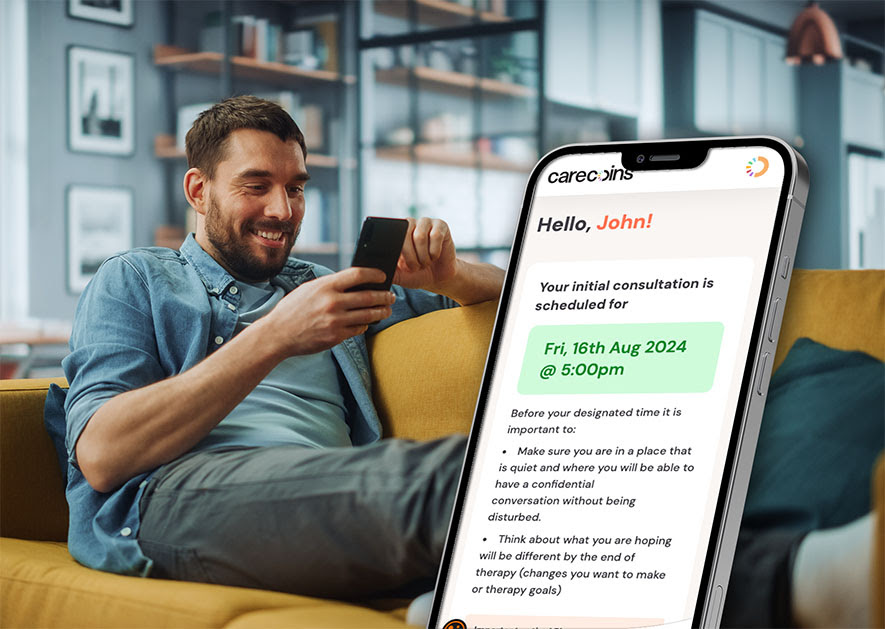
Introducing Carecoins, a pioneering new mental health platform, which is set to transform the landscape of employee mental wellbeing, offering employers a unique support system for their staff this World Mental Health Day 2024 and beyond.
Designed to connect individuals with qualified mental health therapists in an entirely flexible, hassle-free way, Carecoins ensures efficient and reliable access to professional care, Carecoins brings a unique proposition to the market.
Commenting on this exciting venture, managing director and founder, Tim Ladd, said:
“Put simply, Carecoins gives employees access to the support they need to become a happier, healthier version of themselves.
“We are all acutely aware of the growing mental health crisis in the nation, and the difficulty in accessing resources through the NHS. This means employers need to step up to provide that all-necessary support to staff.”
Mental health is now a significant challenge for a large portion of the UK workforce, with surveys showing at least 63% of employees exhibit signs of burnout, and 91% have experienced high or extreme levels of pressure and stress in the past year.
Finding effective support structures to help combat these trends can be challenging for employers. Providing access to a large pool of BACP accredited therapists, comprehensive mental health and suicide prevention services, specialised support for trauma and bereavement and a number of other resources, Carecoins is a holistic solution for employers
Offering full flexibility, the platform gives access to multiple formats of therapy, ensuring services fit around the user’s life and work schedule and suit their individual needs. As part of its groundbreaking offering, Carecoins supplies every new user an innovative human-to-human consultation to assess their needs and preferences and then allocate a therapist that best matches those requirements.
“The element of personalisation is one that is of vital importance to us – everyone’s mental health journey is different and we wanted to build a platform that could honour that,” added Ladd.
“We also understand that confidentiality is a key concern for many employees. Carecoins can be purchased and utilised anonymously, giving employees the freedom and peace of mind they need to take this important step.”
But the platform does not limit organisations to buying therapy services. It enables access to a wide range of mental health and wellbeing services including Mental Health First Aid training provided by Carecoins’ sister company Red Umbrella.
“Using Carecoins is much more than just a means to an end. It showcases a visible commitment from employers to protect the mental wellbeing and resilience of their employees, making them happier, more engaged and more productive.
“More than that, it encourages a much-needed positive attitude towards mental health in the workplace, which benefits businesses and employees alike.”
So, this World Mental Health Day, definitely check out this platform!
Mental health is finally getting recognition in society. The NHS in the UK has appointed their first medical director for mental health and neurodiversity. Our wellbeing should come first during all stages of life.
Mental Health at Any Age
Poor mental health doesn’t discriminate, and it can affect anyone at any age. It impacts how we cope and how we relate to other people.
The Signs of Mental Health Issues
Note anything that might be a sign of poor mental health.
Carers should also look out for any of these signs early on. The faster these are acted on, the sooner the quality of life can improve.
The Role of Social Connection
As humans, we thrive around others. Our loved ones and our community give us both emotional support and a sense of belonging.
To expand connections, look at joining a club or doing some volunteering. These interactions can ease loneliness, which can be especially common in older adults.
Coping with Life Transitions
As we age, we’ll go through many transitions in life, some positive, and some not. Things like retirement, the loss of a spouse or even moving house can be difficult to navigate. Triggering negative feelings.
Reach out to a trusted friend. But if things start to become unmanageable, seek the help of a professional, like a GP or psychiatrist.
(image: Lesley Juarez, Unsplash)
Trying Mindfulness and Meditation
Lots of people find these practices useful. It helps to connect us to our feelings without judgment. Being aware of our emotions is so important and connecting with our breath.
Start with breathing exercises or guided meditation. To reduce anxiety, mindfulness should be done regularly.
Maintaining Hobbies and Interests
Make time for your hobbies- whether its sport, art, writing, gaming, music or drama. Taking time to do things we enjoy gives a sense of achievement. In some cases, it also connects us with others.
The Role of Technology in Mental Health
Many apps offer mental health support, and some of them are even free. Social media is also a great tool for staying in touch with loved ones.
Older adults might need some support for navigating new technology. Carers or loved ones might need to give them a helping hand.
Nutrition and Mental Health
When we’re not feeling great mentally, it’s easy to fall into bad eating patterns. But we need to make sure we’re getting the vitamins and minerals that keep our brains healthy. Eating well is key at any age to support a healthy mind.
Summary
As we go through life’s journey, we must focus on our mental health at every stage. Learning to test how we’re feeling and navigate changes will keep our brains healthy. If we start to notice a decline, there’s no shame in seeking the help of a professional. It can help us navigate through this tough period.
Stay connected to others and build new connections through mutual interests. For carers there’s plenty of resources online for creating a plan to help your loved one’s mental health.
Being a parent is challenging, but being a parent who is homebound can be incredibly isolating and stressful. With the added pressures of the COVID-19 pandemic, homebound parents have been struggling with their mental health more than ever before. However, it doesn’t have to be this way. There are several mental health support strategies that parents can implement to help them cope with this challenging time and help them continue to provide their children with the love and care that they deserve.
Prioritise Self-Care
Self-care practices such as mindfulness, meditation, and exercise can help homebound parents manage their stress and maintain their mental health. They can schedule regular exercise routines at home, and practice deep breathing and meditation during their downtime. It is essential for homebound parents to set boundaries and take care of their well-being to increase their capacity to address the demands of parenthood.
Seek Professional Help
Homebound parents who are struggling with their mental health should consider seeking the support and guidance of a mental health professional. They can benefit from online therapy sessions, group therapy sessions, or taking medication that might help them feel better. There are also many mental health hotlines and online resources available to parents struggling with their mental health.
Connect with a Support Network
Homebound parents can engage with online support groups where they can share their experiences, offer and receive advice, and connect with other people going through the same thing. It is also a good idea to connect with friends and family members for emotional support. Social connection is vital to maintaining good mental health.
Utilize Home Health Care Services
Home health care services can provide support and assistance for parents who are struggling with their health. These services can include anything from medication management to helping with household chores and providing much needed respite care for parents. Home health care services can also help parents navigate local resources to receive additional support.
Practice Stress-Reducing Activities with Children
Homebound parents can engage their children in various stress-reducing activities such as sensory play, guided meditation, deep breathing exercises, and yoga. These activities can help children learn how to manage their emotions and provide a calming environment for both parents and children.
Being a homebound parent is challenging, but it becomes even more challenging when mental health struggles are involved. Still, it is essential to prioritise self-care and seek professional help when needed. Engage with a support network, consider utilising home health care services, and perform stress-reducing activities with children.
These strategies will significantly empower homebound parents and help them cope with the challenges of parenthood effectively. With the proper support, homebound parents can provide the love and care their children need and deserve.
This article was written by writer Lizzie Weakley.
Recovery is often daunting for many who have struggled with an eating disorder. There can be so much uncertainty about how to find the right path forward, and it’s easy to feel overwhelmed and defeated before you even begin. However, treatments and resources are available that can help make things more manageable — both physically and emotionally. In this blog post, we’ll explore some of the key aspects of recovery through eating disorder treatment therapy, such as various therapy options, self-care strategies, diet modifications, medical support, and more. Whatever stage you’re at in your journey toward healing from an eating disorder — whether just starting or progressing down a patchwork of paths leading toward hope — these concepts might provide useful insight into the road ahead and steady guidance.
Understanding Eating Disorders
Eating disorders are complex and multifaceted conditions that can affect anyone, regardless of age, gender, or background. Understanding them can be difficult, but it’s essential for promoting recovery and preventing relapse. Eating disorders are often characterized by an unhealthy preoccupation with food, weight, and body shape and can lead to a broad range of physical and mental health issues. However, people with eating disorders can recover with the right treatment and support. Educating ourselves and those around us can help combat the stigma surrounding these conditions and encourage greater understanding and compassion.
a. Definition of Eating Disorders
Eating disorders are a complex group of mental illnesses characterised by eating habits that often cause serious physical and emotional damage. The most common types of eating disorders include anorexia nervosa, bulimia nervosa, and binge-eating disorder. Anorexia nervosa involves restricting food intake and often leads to extreme weight loss, while bulimia nervosa involves eating large amounts of food followed by purging through vomiting or excessive exercise. Binge-eating disorder involves eating large quantities of food in a short amount of time, often leading to feelings of guilt and shame. While eating disorders can be life-threatening, there is hope for recovery through specialised treatment and support. If you or someone you know is struggling with an eating disorder, it’s important to seek professional help to begin healing.
b. Examples of Eating Disorders
Eating disorders are complex and serious mental illnesses affecting people of all ages, genders, and backgrounds. Some examples of eating disorders include anorexia nervosa, bulimia nervosa, binge eating disorder, and avoidant/restrictive food intake disorder. A limited range of foods and avoiding or restricting certain food groups characterizes avoidant/restrictive food intake disorder. It’s important to seek professional help if you or someone you know is struggling with an eating disorder, as they can have serious physical and psychological consequences. However, with the right treatment and support, recovery is possible.
The Impact of Eating Disorders
Eating disorders are more than just a physical condition. They take a toll on a person’s mental health, relationships, and overall quality of life. Whether it’s anorexia nervosa, bulimia, or binge eating disorder, these conditions can leave long-lasting effects on those who suffer from them and their loved ones. But it’s important to remember that recovery is possible. With the right support and treatment, individuals with eating disorders can regain control of their lives and improve their well-being. Let’s continue to raise awareness and support those who may be struggling with these disorders.
a. Physical Health Complications
Taking care of our physical health is crucial to living a happy and fulfilling life. Physical health complications can arise from various factors, such as genetics, lifestyle choices, and environmental factors. It’s important to be proactive in maintaining good health. By being attentive to our bodies and taking preventive measures, we can reduce the likelihood of physical health complications and improve our overall well-being. Don’t take your physical health for granted – prioritise it in your daily routine.
b. Emotional and Mental Health Effects
Taking care of our emotional and mental health is as important as physical health. After all, a healthy mind is essential for a happy and fulfilling life. When we experience emotional and mental health effects, it can have a significant impact on our overall well-being. For example, stress, anxiety, and depression can prevent us from enjoying the things we love or even getting out of bed in the morning. That’s why it’s crucial to recognise when we’re experiencing emotional and mental health effects and seek support if needed. With the right tools and resources, we can manage our emotions and prioritise our mental health to live our best lives.
Treatment for Eating Disorder Recovery
If you or someone you know is struggling with an eating disorder, it’s important to seek professional help for recovery. Treatment for eating disorder recovery typically involves a combination of therapy, nutritional counselling, and sometimes medication. The goal of treatment is to address the disorder’s physical, emotional, and psychological aspects. Therapy sessions may focus on identifying triggers, developing coping mechanisms, and exploring underlying issues contributing to the disorder. Nutritional counselling can help individuals establish a healthy and balanced relationship with food. Medication may be prescribed to address co-occurring conditions such as depression or anxiety. Remember, recovery is possible, and seeking help is often the first step toward a happier and healthier future.
a. Types of Treatment Available
When seeking treatment for any ailment, knowing what options are available to you is important. Treatment can come in various forms, such as medication, therapy, surgery, or a combination. Medication is often used to manage symptoms of illnesses, while therapy allows individuals to work through their mental or emotional struggles with the guidance of a trained professional. Surgery may be necessary to correct physical ailments or injuries. Whichever treatment type you may require, it is essential to seek the advice of a healthcare professional to determine the best course of action for your individual needs. So, don’t hesitate to explore and ask questions about your options and make informed decisions about your own wellbeing.
b. Finding the Right Treatments for You
When finding the right treatments for your health concerns, it’s important to remember that everyone’s journey to wellness is unique. Whether you’re dealing with physical or mental health concerns, it’s important to work closely with healthcare professionals to determine the right course of treatment for you. This may involve trying different medications or therapies until you find what works best. Taking a proactive role in your health is also important, educating yourself on potential treatments and advocating for your needs. Remember, finding the right treatments may take some time and patience, but you can achieve optimal health and wellness with the right tools and support. If you are in crisis, you may require further support in hospital and from specialist care.
Building a Support System
Building a support system is essential for anyone who wants to thrive. It’s important to have people who support you, understand you, and encourage you to pursue your dreams. Whether it’s family, friends, or colleagues, having a support system can make all the difference in challenging times. Don’t be afraid to reach out and ask for help when you’re feeling overwhelmed or need advice. Building a support system is an ongoing process, so don’t hesitate to reach out to new people and strengthen your connections over time.
a. Reaching Out to Loved Ones
When life gets chaotic, it’s important to remember to reach out to your loved ones for support. Whether facing a personal challenge or needing some company, the warmth and understanding of family and friends can make all the difference. It’s easy to get caught up in the hustle and bustle of daily life and forget to make time for those who matter most, but a simple phone call or visit can go a long way in strengthening your relationships. So if you’ve been feeling a little disconnected lately, take a moment to reach out to your loved ones today. You’ll be glad you did.
b. Finding Professional Support
When finding professional support, knowing you’re not alone is important. Seeking help from experts in a particular field can be the key to unlocking a wealth of knowledge and resources that can prove helpful in resolving any issue you may be facing. Whether you’re looking for financial advice, career guidance, or mental health support, professionals are ready and willing to lend a helping hand. Don’t be afraid to reach out and ask for assistance. This step can be the first step towards overcoming any obstacles. Remember, there is no shame in seeking help and doing so can be a sign of strength and determination.
Overcoming Challenges in Recovery
Entering recovery can be a daunting experience, but it’s important to remember that it’s a journey full of challenges and rewards. Overcoming these challenges is no small feat, but it’s possible with the right mindset and support. Each person’s recovery journey has unique obstacles, but some general strategies can help.
Overcoming these challenges is no small feat, but it’s possible with the right mindset and support. Each person’s recovery journey has unique obstacles. Practicing self-care, building a supportive network, and seeking professional help are all powerful tools in overcoming challenges in recovery. Remember, progress is not always linear, and setbacks are a natural part of the process. But with perseverance and a positive attitude, anyone can overcome the challenges of recovery and emerge stronger and healthier on the other side.
a. Coping Mechanisms for Stressful Situations
Stressful situations can be overwhelming, but we all have coping mechanisms that help us make it through. These strategies include taking deep breaths, walking, or talking to someone we trust. It’s important to remember that what works for one person might not work for another, so it’s helpful to experiment and find the best techniques for you. And, of course, practicing self-care and making time for activities that bring us joy can also help reduce overall stress levels. With a little effort and a willingness to try new things, we can develop effective coping mechanisms and find ways to better manage stress when it arises.
b. Working Through Setbacks
Life is full of ups and downs, and setbacks are an inevitable part of the journey. It can often feel like the setbacks are bigger than the progress, but it’s important to keep pushing forward. Instead of getting discouraged, view setbacks as an opportunity to learn and grow. Analyze what went wrong and make the necessary adjustments to your plan. It’s also important to give yourself some grace. Be kind to yourself, and remember that setbacks don’t define you. Everyone experiences setbacks, and how we handle them sets us apart. With perseverance, a positive attitude, and a willingness to learn, you can work through any setback that comes your way.
Celebrating Progress in Recovery
Recovery can be a long and difficult journey with setbacks and challenges. That’s why it’s important to take a moment to celebrate the progress that’s been made along the way. Whether it’s a small victory like going a day without giving in to temptation or a breakthrough like finally finding the right treatment plan, each step forward is worth recognition and appreciation. Celebrating progress can help motivate continued efforts and create a sense of accomplishment that boosts self-confidence and determination. So, let’s take a moment to celebrate the progress made in recovery, no matter how big or small, and remember that each step forward is closer to the ultimate goal of lasting health and wellness.
a. Focusing on Small Wins
Focusing on small wins can be a game-changer in our personal and professional lives. We can take action and celebrate our progress by breaking down big goals or tasks into smaller, more manageable steps. Small wins can boost our confidence, increase motivation, and ultimately lead to bigger successes. Whether completing a simple task at work or achieving a personal milestone, taking the time to acknowledge and appreciate these small victories can have a powerful impact on our overall well-being. So, the next time you face a daunting task, remember to focus on the small wins and enjoy the journey toward achieving your goals.
b. Taking Time to Reflect on Accomplishments
In our fast-paced world, it’s easy to get caught up in what’s next on the to-do list without taking a moment to appreciate what we’ve already accomplished. That’s why taking time to reflect on our achievements is so important. Not only does it help us remember all the hard work we put in and the obstacles we overcame, but it also allows us to gain a sense of satisfaction and pride in our efforts. Taking a breather and recognizing all we’ve done can give us the motivation and confidence to keep pushing forward and tackling whatever comes next. So, let’s take a moment to pause, reflect, and celebrate all of our accomplishments, big or small.
Eating disorders are highly treatable, and recovery is possible. It will require effort to make progress. Building a support system for yourself is one of the most important components of recovery. When you feel overwhelmed, contact friends and family or an eating disorder professional for guidance. You can also use calming techniques such as relaxation exercises and journaling to help you cope with difficult moments. With help, you can create a healthier lifestyle that allows you to recover from disordered eating behaviours. Together we can end the stigma surrounding eating disorders and support each other on our journeys toward full recovery.
This article was written by Ani. O, freelance writer.




 beurownlight.com