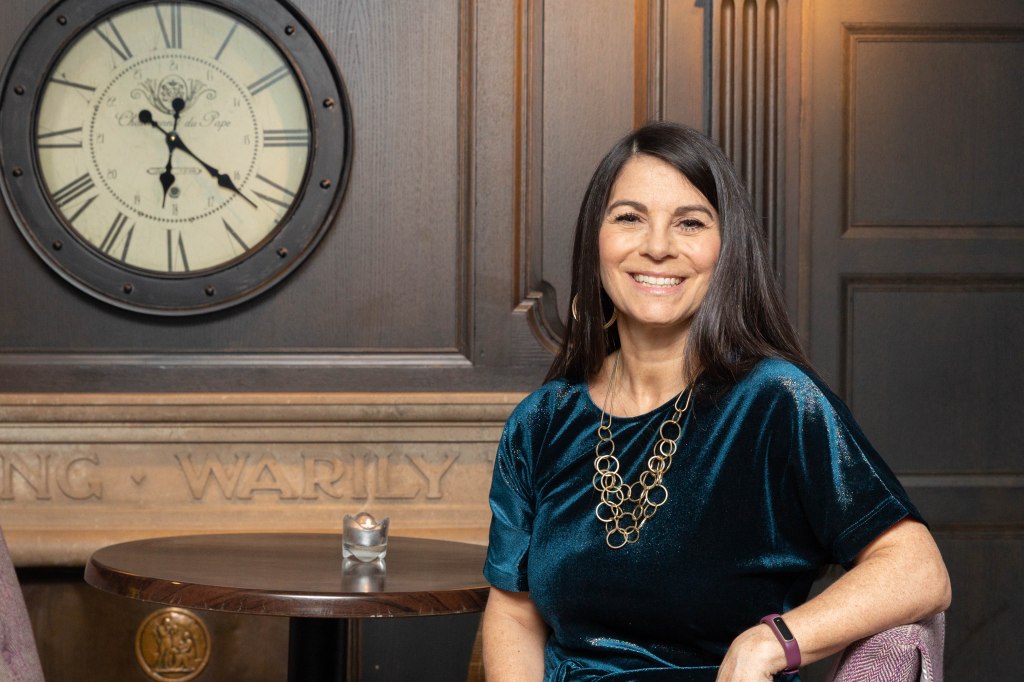
Unbroken- The Inspirational Madeleine Black, The Courage Cultivator. How She Learnt To Heal After Sexual Violence.

(image: Madeleine Black)

Trigger warning: discusses sexual violence and mental illness.

I have known about the incredible speaker, author and advocate Madeleine Black for a while, through my Dad Mike. She is an outstanding and powerful advocate of courage after adversity, of hope after despair and of resilience despite intense pain. For me personally, coming from the same community, I feel that Madeleine is a shining light to so many- as sexual violence has historically not been talked about openly.

Please note the rest of the article will discuss Madeleine’s journey with sexual violence and how she was able to move forward.

Used, Beaten but Never Broken.

I remember wishing they would kill me to make it all end.”- Madeleine Black 

It takes courage to speak the unspeakable. But for many years, Madeleine Black felt too afraid and too ashamed to utter a word of what happened to her. Violently attacked at the age of thirteen, her story is one of pain – but also of healing, resilience and forgiveness. Madeleine uses her personal and moving story to show us that it’s not the events in our life that define us, but by how we choose to reclaim our lives after them. How we become unbroken.

Madeleine grew up in Glasgow, Scotland and London into a loving Jewish family. At the age of 13, she went out with a friend in a group to a cafe in London, drank alcohol for the first time (like a normal teenager) and met two male international students that night, acquaintances of her friend. They took advantage of her age and vulnerability. Instead of dropping her home safely as she was drunk and could not consent, they carried her to a nearby flat and violently gang raped her, leaving her with terrible injuries. Her friend was sleeping in the next room. Madeleine talks of seeing herself floating above her body as if she wasn’t really there – dissociation as a trauma response. She was told by one of the men that if she told anyone about the gang rape, they would come and kill her.

Madeleine has said, ‘For many years after that night, my memories of what happened after he held the blade to my throat and threatened my life were fragmented… difficult to piece together. It was too extreme, too violent for me to understand.’

Madeleine struggled with her mental health following this trauma at such a young age. Living in a state of shock and self-loathing, it took her years of struggle to confront the buried memories of that first attack and begin to undo the damage it wrought, as men continued to take advantage of her fragility in the worst possible way. Madeleine was raped three more times before the age of eighteen, experiencing more trauma in her life than most ever will. Due to the aftermath of the trauma she faced, Madeleine used drugs and alcohol to numb the pain and developed phobias and an eating disorder. While she couldn’t remember lots of details of that night, it left her feeling ‘worthless, dirty and contaminated’. She had a suicide attempt by overdose, hoping to end her life and had her stomach pumped. She was then admitted to a childrens psychiatric unit struggling with suicidal depression and self harm.

After a few years, she eventually found the courage to tell her parents what really happened to her. After growing up with burdens no teenager should ever have to shoulder, she found the heart to carry out the best revenge plan of all: leading a fulfilling and happy life. She met her husband, a loving and kind man, who helped her to heal from the traumas she faced with men and they are happily married and have children together, three daughters. Madeleine learnt through this that she is loveable and she is loved.
(image: Forgiveness Project/Madeleine black)

However, piecing her life back together was long and painful. Forgiveness was the key for her to move forward- not to forgive the act of rape- but to understand what led the rapist to do so. It takes a real desire to understand those who have done us so much harm. It is the ultimate act of courage.

Madeleine has said,

‘I want to end the shame, stigma and silence surrounding sexual violence enabling others to find their voice, whatever their story is.  I want people to know that it’s not what happens to us that is important but what we do with it.  I will show how changing my mindset tapped into my resilience and transformed my life, making people question their own thinking and encouraging them to see that there are always choices to make, and if we choose to, we can get past anything that happens to us in life both professionally and in our personal life. I wants to encourage others to live their life courageously too; but ultimately, I want to inspire hope and show people that we are all so much stronger than we think we are.’
(image: Madeleine Black)

Madeleine found that since the attack, she had been burying memories and started to experience flashbacks when her daughter turned 13, the same age as when she was raped. This can be a part of PTSD- post traumatic stress disorder. She learnt that she must let go of her anger and make peace with her past, as her personal journey.

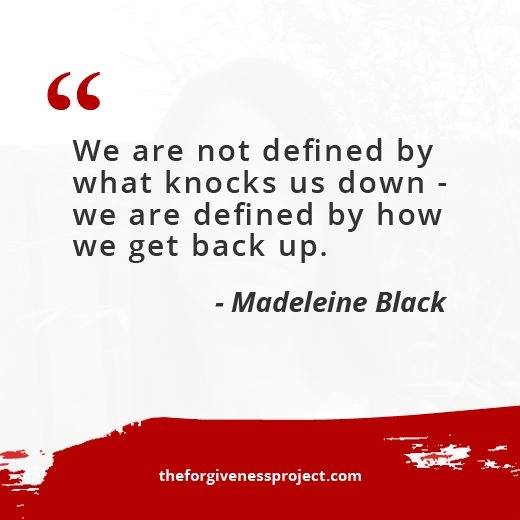
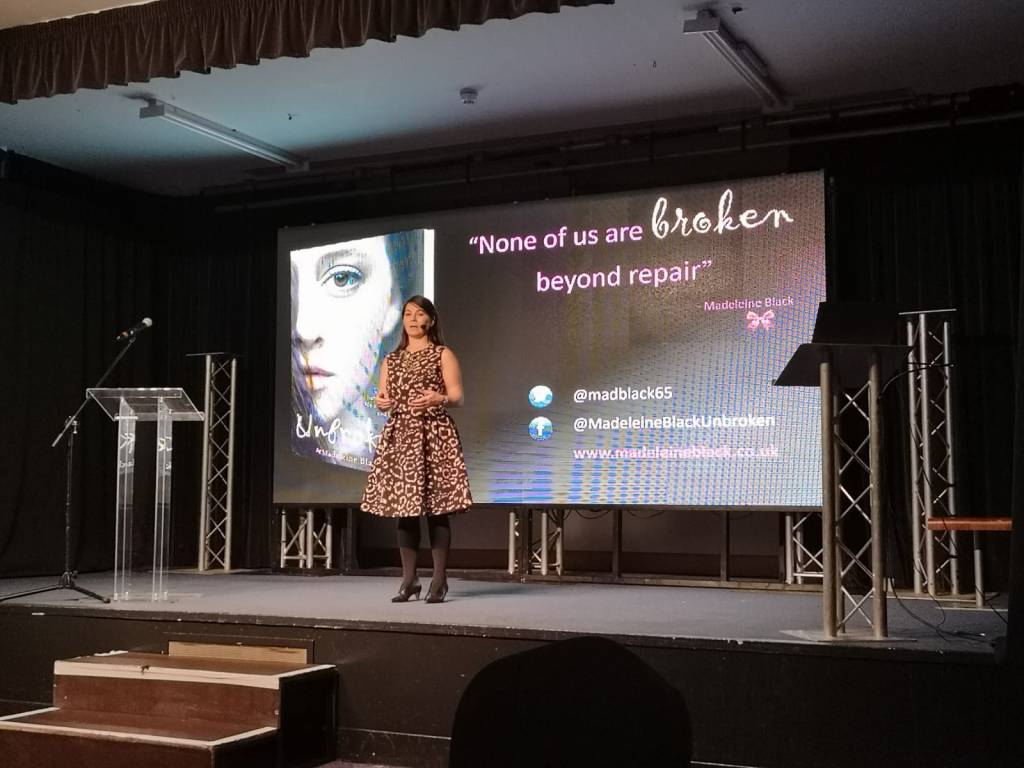
In her debut book Unbroken, Madeleine tells her deeply moving and empowering story, as she discovers that life is about how a person chooses to recover from adversity. We are not defined by what knocks us down – we are defined by how we get back up. She also hosts the Unbroken podcast where she has guests sharing their own stories of hope and courage.

Madeleine is also a TEDX Speaker sharing her journey to end the shame around sexual violence , works with the Global Resilience project and is the Patron for Say Women which helps rape and abuse survivors. She currently also works as a psychotherapist.

(image: Madeleine Black)

I will leave you with Madeleine’s words:

‘I am not my body or the things that were done to me. I am so much more than the sum of one night’

Thank you to Madeleine for giving me a copy of her book Unbroken to read and for all you do. You can get your copy here

What It Means To Have An NHS Perinatal Psychiatry Planning Meeting.

Yesterday was the first NHS meeting with the Perinatal (pre conception/birth) Psychiatrist. I didn’t know what to expect from it, though a few weeks ago I had the non NHS meeting with a very good consultant psychiatrist. They were both lovely women who are very good at their jobs- I had had to initially try for a private referral due to NHS waiting lists, but then managed to get an NHS appointment.

I was a bit nervous to see how the NHS would handle it, as they will be who I have care with going forward, so I was pleasantly surprised to be treated with respect and insight and kindness. I know that sounds weird, but those of you who know what my hospital admission in 2014 was like, will know that it wasn’t all plain sailing. Due to lack of insight, decisions happened about me and not always with me and so to feel empowered for me and my husband is very important.

Essentially these meetings now I have been well for a long time, are to plan ahead and discuss psychiatric history, what medications are needed, how it can be managed and what this would mean for a foetus and baby too. Birth carries a strong risk of relapse with the bipolar disorder, including the risk of psychosis and depression and so medication particularly for me needs to be planned carefully. I will need to be monitored once pregnant.

I am on 3 different types of psychiatric medication and also a contraceptive pill. Before we start trying to have children, I will need to have a time of withdrawal from the pill, which could send my hormones all over the place (i used to have PMDD symptoms where I felt very depressed and suicidal on periods so this is a slight concern). Then I may need to taper down one of my medicines (possibly sertraline) with the assistance of the mental health team, to reduce the effect on a baby. As baby will have a time of withdrawal from medications after birth while in hospital- which scares me too that they will be affected temporarily so want to make sure any baby is safe, as do the team I will work with.

The Dr also mentioned I would need to be in hospital for 5 days after birth so my Lithium level can be monitored (too high it can be toxic to humans) and I will need regular blood tests also- which are a source of anxiety, I hate hospitals due to past trauma. There was also a mention of needing to stop Lithium pre Labour and my Lithium levels as a result being quite high from birth too. So this information is good, knowledge is power but its also a bit terrifying to factor this all in.

I am scared but its also…. exciting in a weird way. Despite not yet trying to fall pregnant for a number of reasons so far- (which include possible bipolar relapse and changing meds/ time frames and starting a new job role), I have wanted to be a mother my whole life and I have more challenges than most due to the psychiatric and hormonal changes and how the baby would be. I question whether I am doing the right thing too by trying for a natural pregnancy in future and thats really hard. But egg harvesting and surrogacy is not easy either.. and its like going between a rock and a hard place at times with the best thing to do.

The doctors also mentioned I should visit a mother and baby hospital unit during my pregnancy to see what its like and what support is given- as my worries about it being like a severe psychiatric ward are high. Apparently, its a much calmer, supportive and therapeutic environment. I don’t want to be in hospital but these are the types of things one has to factor in with the bipolar being biological with mood changes.

Rob is endlessly supportive – we are embarking on a somewhat unknown journey – but are now armed with way more information from both psychiatrists and are very thankful to live in the UK.

So, this will be the last update from me on this for a while but knowledge truly is power and I know that with the help of our healthcare system- mental health teams and perinatal psychiatry/ obstetrics, my family, medication, self care etc I should be safeguarded and cared for well.

When the time is right, we pray our miracle will manifest.

Thanks for reading,

Eleanor x

PS shout out to my parents, Rob and family for their constant support.

Learning to Accept and Embrace Having Schizoaffective Disorder This Mental Health Awareness Week by James Lindsay

(image: Mental Health Foundation)

I do often wonder how long I had schizoaffective disorder before my diagnosis, but I guess I will never know. Back in 2016, I had my first experience of displaying symptoms of Schizophrenia (such as delusions), when I suffered from my first psychotic episode.

Before that, I had not really heard of any of these medical terms. I used to wrongly associate schizophrenic people with characters from the film ‘One Flew Over the Cuckoo’s Nest’. I thought they were lost causes who needed constant care, I didn’t think they could be functioning members of society like everyone else, and I feel bad that I used to think that. But I had a lack of education and personal experience.

In late 2019, I suffered from a relapse and had another experience with psychosis (which can be defined as losing touch with reality with delusions and/or hallucinations).. In early 2020 I was finally diagnosed with Schizoaffective Disorder. For those who are unsure, this condition is where symptoms of both psychotic and mood disorders are present together during one episode. ‘Schizo‘ refers to psychotic symptoms and ‘affective’ refers to mood symptoms. It is often described as a cross between Bipolar Disorder and Schizophrenia, as it includes symptoms from both of those conditions.

For me, it is currently something I am able to keep at bay, mainly thanks to my medication but also through being self-aware and looking after my mental wellbeing. I take Quetiapine (200mg slow release) every single day and I am more than happy with that. I have my tablet in the evening, which then helps me fall asleep without much struggle.

Without my meds, I can tell you now that I would be in all sorts of trouble. Every now and then I might forget to take it until just before bed, which means I need much longer to fall asleep because it takes a couple of hours to kick in.

That is ok though, as long as it’s not every night. But I know for a fact that without the medication, I am much more likely to start having delusions (irrational thoughts) and have an episode. Both my 2016 and 2019 episodes happened because my sleep was terrible and at times non-existent. I used to take sleep for granted, which is easy for anyone to do, but if you don’t let the brain repair itself it can lead to all sorts of problems. Just remember that psychosis can happen to absolutely anyone, I would not wish it on my worst enemy.

I am learning new things about my Schizoaffective Disorder all the time. I have joined a few Facebook groups which are supportive communities full of people with (or supporting those with) the same condition, such as this one which has nearly 18k members. For example I discovered through this group that some people who take meds before dinner (e.g. 4/5pm), find themselves waking up around 3am when they’ve worn off. They realised taking them an hour or so after dinner can give them a better sleep.

I have read books by authors with mental illness and they really help normalise it and give me peace of mind. I recently read ‘The Stranger on the Bridge’ by Jonny Benjamin (who is also Schizoaffective) and this gave me so much comfort. When you read a story that has parallels to yours, it gives you so much more hope and confidence that you can overcome your own adversities. Podcasts are a great source of help too and there are plenty out there that cover all kinds of mental illnesses.

I am also fortunate that my job gives me more opportunities to enhance my understanding of the disorder. I am proud to work for Hertfordshire Mind Network (my local mental health charity) as Fundraising & Marketing Officer, who are really supportive and always ask if there is anything they can do to help with my condition. I would advise anyone with mental illness to make your employer aware, because that’s the first step to them being able to support you and make any adjustments you might need.

I think ever since I changed my attitude to being schizoaffective, I have been able to befriend it and realise it’s not my enemy, but part of who I am. I used to feel embarrassed and was maybe even in denial at first. When I had the shame, I was never in the right mindset to go out and learn what this illness actually is, what is it doing to me, what should I look out for, what are my triggers/warning signs, what help can I get from other people.

The reality is – millions of people are schizoaffective and they are some of the best people you can encounter. They are incredible for living through it every day and I am proud to be one of them.

I hope you found my post useful and big thank you to the wonderful Eleanor Segall for the opportunity to contribute to her fantastic blog! If you’d like to connect over mental health you can find me here –

(image: James Lindsay)

@JamesLindsay23– Twitter

Don’t Feel Like Cooking Tonight? Heres 4 Reasons why You Should For Your Health.

(image: Jason Briscoe: Unsplash)

Home cooking offers many benefits. It gives us control over what we’re consuming, we can try out new combinations and recipes, and it can even be a soothing activity.

It’s often one of the first things that falls by the wayside when our lives get hectic, however. Revenue in the ready meals market has increased since 2017 and is expected to continue rising until 2026. It’s clear that in our busy lives, we often resort to convenience foods.

Here, we’ll cover some of the hidden benefits of cooking at home for those times when you feel like ordering a takeaway or throwing another microwave meal in.

Portion and ingredient control

When you order a takeaway or eat a meal at a restaurant, you don’t have much control over the ingredients used or the size of the portion you get, unless you specify you’re allergic to an ingredient. Home cooking is a great way to eliminate unhealthy ingredients.

Portion sizes vary wildly between restaurants – some are much bigger than we’d make at home, while others are not enough to satisfy us. Everyone’s food intake requirements are different, and the healthiest attitude towards food is to eat a satisfying amount – even if it’s more or less than your friend. Generally, restaurants aren’t a good guide for portion sizes, whereas you’ll know your nutrition requirements when cooking at home.

Making healthier choices

A lot of us have been tempted by an impromptu fast food lunch order when we’re at work. And while there’s nothing wrong with indulging in your favourite takeaways occasionally, doing this too often can leave us feeling lethargic and unhealthy.

Preparing your meals for work in advance gives you the freedom to cook whatever you love the most while incorporating energy-boosting fresh ingredients. Meal prepping has exploded in popularity in the past few years, and for good reason. Whether you batch-prep your meals for work every week or you cook an extra portion of your evening meal for the next day, preparing food for work is great for our health.

You’ll need to make sure your trusty work bag can fit your lunch in – backpacks for women are hugely popular for work now, and they can also fit in plenty of other healthy essentials like a reusable water bottle, plus your work laptop!

(image: Max Komthongvjit: Unsplash)

Saving money

It won’t come as a surprise that regular home cooking will keep some more pennies in your purse, especially considering we’re experiencing an increase in the cost of living right now. Dining out at our favourite restaurants is unsurprisingly the most expensive way to eat, but even those visits to the shop for a seemingly cheap meal deal can add up.

Cooking from scratch allows us to cost up our meals and ensure we’re eating within our budget. If you’re finding that you’re priced out of some fresh ingredients, don’t worry – studies have shown that frozen fruit and vegetables are just as healthy. In some cases, frozen produce may even contain higher levels of some nutrients – and come with the added bonus of being easier to prepare!

Mental health benefits

Many of us will already know how relaxing cooking can be. The act of methodically preparing, seasoning, and stirring our food can be therapeutic. Taking the time to cook a meal from scratch tells us that we are worthy of spending time on, which can boost our self-esteem. The act of cooking sometimes requires precision, but it takes us away from the hustle and bustle of our busy lives and – usually – drags us away from our screens.

Having a regular routine is powerful for people who experience anxiety and feel like their life is out of control. Cooking at home regularly is an important part of a healthy everyday routine, which can help us feel in control of our lives. What’s more, it can be a creative activity, and that’s proven to lift our mood and reduce stress.

While we love dining out and ordering in the occasional fast-food feast, there’s no doubt that home cooking reigns supreme. Not only does it allow us to be aware of what we’re putting into our bodies, but it also allows us to take some time away for ourselves, away from our devices and the busyness of our everyday lives.

This article was written by a freelance writer and contains ad links

What To Do When You Feel Alone: by Eleanor


As I started opening this page to write this blog post, on youtube, the Jessie J live concert I was listening to flicked on to one of my favourites of hers, ‘Who You Are’.

The lyrics:

‘Don’t lose who you are

In the blur of the stars

Seeing is deceiving

Dreaming is believing

its Ok not to be OK

Sometimes its hard to follow your heart

Tears don’t mean you’re losing

Everybody’s bruising

Just stay true to who you are.’ (Jessie J)

I wanted to write a post on what to do when you feel alone. This sums it up- self care and staying true to yourself.

  1. Its ok to cry. Let the emotion out, feel the grief/fear/sadness/anger. Allow it to be present and wash over you. Crying can be healing.

2. Seek support from a loved one, someone you trust or a helpline like Samaritans. You are never truly alone even if you don’t have a supportive family or friends- though it is harder.

3. Write out your feelings on paper in a journal or talk about them with a therapist if you can access one.

4. Do a little activity to make you feel a bit happier– talk to a friend, sing, paint, write, do sport- whatever your thing is- do it.

5. Find a support group- Mind run good ones or a local charity to you.

6. Remember – these emotions, these feelings will pass like clouds eventually. This too shall pass. make sure you keep speaking, sharing and healing yourself.

7. If you are feeling very depressed or at crisis point, call a helpline or go to your GP.

8. Make sure you eat, drink and look after yourself. If this isnt possible- see point 7.

Sometimes we can all feel alone or lonely in the world. Its a part of being human. But taking small steps towards looking after ourselves and our mental health can be really helpful.

What helps you?

Eleanor x

What It’s Like To Go Through Severe Depression as a Bipolar Episode: Looking Back by Eleanor

(image of Eleanors book Bring me to Light: Eleanor Segall/ Trigger and Welbeck publishing)

TRIGGER WARNING- DISCUSSES SUICIDAL IDEATION, SELF HARM AND BIPOLAR DISORDER. PLEASE READ WITH CARE

This weekend, I went home to my mums to celebrate the Jewish festival of Pesach (Passover) and have some quiet, family time. It was wonderful and because our religious laws mean we don’t use the internet, our phone on our festivals, it meant I had time for digital detoxing and switching off. But with that silence, came space. To think and reflect.

Something you may not know about me is that as well as being a writer, throughout the years I have been a prolific diary (journal) writer. The act of putting pen to paper and type to keyboard has always been therapeutic for me in my darkest moments. I found a diary I had written in 2013, when I was living with depression, suicidal ideation and self harm thoughts and actions.

The journal was covered in butterflies- always my symbol of hope. I don’t want to trigger anyone so I will say this carefully- essentially, I was so unwell that for me, my symptoms were: sleeping until the afternoon with a slight break for a meal or tablets, not socialising, finding it hard to wash due to increased anxiety and lethargy, feeling like I didn’t want to wake up the next day and wanting to harm myself in various ways- but being so frightened by these thoughts (because i knew they weren’t really Eleanor) that i had to vocalise them to my family and psychiatrist to keep myself safe. Thats what I did and its why I am still here today, in recovery.

I lived with this depression for about 6 months- my psychiatrist was encouraging me to try Lithium to stablise the bipolar but I wasn’t ready and wanted to see if Quetaipine could halt that. As we know, I became hospitalised for mania soon after in 2014 which led me to recovery and writing my book Bring me to Light.

When you live with an illness like bipolar disorder, you can sometimes forget the nuances of all the details of how you were when you were unwell. For me, I always felt that I handled the depressive episodes ‘better’ than the mania- just because I was able to keep myself as safe as possible by telling my family and doctor and changing medication. My psychiatrist had to come out to see me at home with a nurse as I was so unwell and I wrote out how I felt for him to know.

So many people live with terrible episodes of depression so this blog is just looking back and giving you some knowledge of how it manifested for me. Essentially, depression is a slowing down of the mind towards inactivity, darkness, misery, anxiety, agitation and it is often triggered due to changes in hormones and brain chemistry (if you have a family history its more likely to happen). Depression is not just low mood. Its paralysing. Its not wanting to be in the world and being in so much emotional pain. You may think of ways to harm yourself and you may dream of not being in the world. Or you may be ‘high functioning’. I somehow managed to go to friends weddings during this time despite spending the other days in bed til 5pm- I have no idea how- anti depressants and support helped greatly. However, my depression was dark and invasive.


Now, I had forgotten a lot of these finer details. For me, I never truly wanted to die- I wanted the uncontrollable bipolar to go! The suicidal ideation was my bipolar brain chemistry but also an expression of not coping with life and the bipolar moods I had been given- I was 24 and I couldn’t enjoy life- i was wracked with anxiety too. My mental health was fragile and unstable and it is no way to live- but what saved me, was being hospitalised and finding medication and therapy that has helped me to live in remission (thank God) for 7 years now.

I can say now that my brain chemistry is balanced and even if i ever get sad or frustrated, I don’t have those awful thoughts and if they ever come up, I can deal with them. I have such a supportive partner and family- my family and psychiatrist saved me as well as me trying to save myself- I frightened myself with my thoughts and I had some semblance of being able to keep myself going, which is not possible for everyone. It helped that my Dad has bipolar and could really understand what was going on for me too- he understood exactly how I was feeling but he knew it was the illness and not Ellie. I feel so lucky for that because not everyone has this. My mum, step dad and sister and wider family also were so supportive and never blamed me for being unwell. That helped too. My faith also has helped me dearly,

(Me at 25 when I was going through depression. This photo was a selfie taken when I was dressed up to go to a friends wedding and my sister had done my make up. There were no photos with messy hair or red eyes and tears. I never looked this good when I was in bed til 5pm most days in my PJs).

If youve got this far thank you for reading. My mission is to help others with these conditions feel less alone, through sharing my own experiences. I have been careful not to reveal what certain thoughts were here so I don’t trigger anyone.

If you live with depression and a host of other issues, you can recover again. Hold on. You will not feel like this forever and you can find a level of happiness and stability again. Reach for help, someone you trust, a help line, a psychiatrist and don’t give up.

How to Transform Social Anxiety/Phobia by Lewis McDonnell at Phobia Support Forum

(image: Pexels: Brett Jordan)

Social anxiety is quite common but it affects people in different ways, situations and circumstances. Some people may find they have anticipatory anxiety before certain events, like interview days, big events like weddings and public speaking. But for those that suffer with everyday social anxiety this can be equally debilitating.

Living with social anxiety can be tough because it literally affects everything we do. From the choices we make, activities we participate in, opportunities that are presented to us and naturally, the way we live our lives. It can also have a huge impact on the direction of our life and how it unfolds.

For many people living with social anxiety, it can range from mild to very extreme. It’s often triggered due to particular circumstances. Big events such as:

  • Going on a date
  • Meeting new friends
  • New job interview.

It can also be triggered by everyday events. For example:-

  • Going to the supermarkets or the shops
  • Speaking with the cash register assistant
  • Asking for directions
  • Walking around in public places.

In order to address the many challenges of social anxiety, we need to understand the specific causes.

Causes

Social anxiety manifests itself as tension in the body, elevated heart rate, paranoia, awkwardness, inhibition, not being able to express ourselves in certain moments where we want/need to. This is often caused by the beliefs and the ideas that we hold in our mind. When these are triggered, or we are provoked/threatened by the particular circumstance, this is when the anxiety kicks in.

In our everyday existence, we have two types of thinking.

One type of thinking is known as logistical thinking. This is simply our organisational logical thinking such as, today, I need to get the train. Or we may have thought when we go to the shop, I’m going to buy apples today, they are on the list, together with potatoes and rice. It’s very logistical. This kind of thinking holds no real emotion and is more matter of fact.

However, most people living with social anxiety describe themselves as self-conscious and this is an accurate description of the second kind of thinking, known as self-referential thinking.

Self-referential thinking is where we are referring back to ourselves.

For example… we might have the logistical thought, OK, I need to get the train. But then self-referential thinking would come in, making us consider, what happens if I miss the train? What happens if I’m late for work? What happens if the train is delayed? What will people on the train think of me? Should I be getting the train to work rather than driving?

This is where we apply personal meaning to our circumstances and to the logistical tasks of the day. We give it meaning that relates back to our self-image and identity. Within this, self-referential thinking is where a lot of anxiety is created.

Examples of self-referential thinking

Note: everyone is unique and everyone has their own thought patterns, leanings and identity. Here are some examples of self-referential thinking that can provoke anxiety in people:-

  • What will people think of me?
  • What if they don’t like me?
  • I hope I don’t come across as being awkward.
  • What if I embarrass myself?
  • Are they looking at me?
  • What if I make a mistake?

All of these thoughts can be considered seeds. The first domino in the sequence triggers the momentum of catastrophizing self-referential thinking. This can lead to a sense of anxiety, dread, panic or embarrassment.

(image: Cloudlead blog)

Struggle with social anxiety

I actually used to really struggle with social anxiety and this would prevent me from speaking in front of groups. It would make me feel very self-conscious and on edge when I was in supermarkets, when I was around people in public places. I’d often worry about what other people were thinking of me or how I was coming across and I really used to beat myself up over this. It made me feel as though I was somehow inferior or there was something wrong with me.

In my quest to beat social anxiety, I tried a lot of things to try and overcome this. Some of the things I found most impactful were part of my own professional therapy training.

During our practice sessions with my colleagues, we would get to work through many of our fears and anxieties. That provided me with a great deal of relief and clarity.

Another thing that really helped me was the concept of self-acceptance. Because it’s often the things that we reject about ourselves that we then project onto other people. So if we don’t like the shape of our body or the way we look, we will assume that perhaps other people won’t like that either. But that is a projection of our mind onto these people.

It’s none of our business what other people think, it matters more about what we think and self-acceptance is a beautiful concept. A practice where we draw in the things that we feel such great resistance to. Then we seek to embrace it, accept it and claim ownership over it. That way we take back our power and finally give ourselves permission to exist as we are, without judgement or criticism.

After all, this is about reclaiming your sovereignty, your identity, your freedom from these thoughts, insecurities and worries. These are the things holding you back from living your best life, enjoying your life and fulfilling your potential.

Comedians have social confidence

Take comedians for example, they often talk about embarrassing moments and they talk about all the taboo topics such as farting and other awkward encounters whilst everyone in the audience cringes with laughter at the shock factor.

But whilst the audience cringes with laughter, the comedian stands there proudly and boldly, proclaiming to the world. They take ownership of their so-called insecurity or embarrassing moments and they do so with confidence. That’s because a confident person is a self-accepting person. They have claimed ownership over their embarrassing moments and taken their power back from them.

Bringing self-awareness into your thoughts

The first stage of transforming your anxiety is bringing self-awareness to your thought process. The question you need to ask yourself is: What is making me feel anxious?

Some people are afraid of judgement, criticism, embarrassment, drawing attention to themselves, being the odd one out, being rejected.

Whatever it is to you will be unique and if you spend time thinking about this, you will begin to get a clearer understanding of what’s really generating all of this anxiety. It can be helpful to use a notepad and pen for this exercise.

Social anxiety is just a symptom of an unconscious behavioural response. The good news is that it can be changed because all behaviours can be changed. This isn’t something that you’re born with. This isn’t something that you’re destined to live with for the rest of your life. It is something that can be resolved and there are many ways to do this.

Taking the right path for you

Some people feel inspired to take the route of exposure and setting themselves social challenges. This is done in the way of, OK, if I’m afraid of talking to people or more afraid of what people think, I’ll set myself a challenge. Every time I go out in a social situation, I’ll ask someone for the time or ask the shop assistant, how are you doing today?

But whilst that’s all very well for a lot of people living with social anxiety, it can be very intense and confronting, even just getting to that stage can be challenging. So for that reason, professional one to one therapy can be really helpful for this.

Some recommendations would be to first find a therapist that you trust, that you feel a genuine connection with them. Always check to see if they have a proven track record for helping people get results, and that they really are an expert in their field.

Once you find that connection, build that trust and learn to enjoy your unique character, your anxiety levels will fall as you take back control.

Social anxiety is an unconscious behavioural response that’s generated by our beliefs and thought processes, all of which can be challenged and changed..

Conclusion

At some point in our lives, the vast majority of humans on this earth will experience a degree of anxiety in certain social settings. How we react, adapt and behave within these settings is dictated by our attitude and perception of the experience.

This article was written by Lewis McDonnell from the Phobia Support Forum.

How To Stay Motivated And Keep A Good Mindset Throughout Physical (Physio) Therapy by Sierra Powell

Photo from Pexels

Physical (physio) therapy sticks out as an important part of the recovery process if you find yourself in pain or overcoming an injury. Continuing to do your physical therapy may seem overwhelming, so you could end up losing your motivation. This means you should find some ways to keep yourself motivated, so you can enjoy all the benefits of physical therapy.

Ask Someone to Help You

If you struggle with motivation, you can always talk with people close to you for some help. For example, if you have a family member you trust, you can mention your lack of motivation. From there, you can ask that person to keep you motivated and check in with you, so you can stick with the physical (physio) therapy and overcome your injury.

Sometimes, motivation simply requires another person to help you out. If you let someone work alongside you, then you don’t have to tackle the challenge on your own. Having the additional support can help you remain motivated and stick with the therapy process.

Remember the Potential Benefits

Sometimes, people don’t like to go through physical (physio) therapy since they may feel pain and spend multiple hours tackling the process. For example, if you deal with sciatica pain, you may feel excruciating back pain while you go through therapy. Since you may not want to deal with the pain, you may lose your motivation to continue.

You need to remember the benefits of physical (physio) therapy, so you can stick with it. After all, you can lower your pain in the future if you effectively treat it now, so make sure you remember this point whenever you want to quit.

Make Note of Your Progress

When you go through physical (physio) therapy, you may overlook the progress you make if you focus on the negatives. For example, if you don’t like spending an hour every few days working on your physical (physio) therapy, you won’t realise the progress you made. If you change your mindset to focus on your progress, you may build your motivation up again.

This means you should remember how much time and hours you put into the process to help you stick with it. That way, you can get a better understanding of how much it helped you out since you can see how much you have progressed compared to the beginning.

Enjoy Every Victory

On top of tracking your progress, you should also celebrate each victory you experience. For example, if you go through physical (physio) therapy to help you walk again, you should celebrate once you take your first step. Even though it may not seem like much, reminding yourself of each of these moments can help you feel motivated to continue.

Even the smallest victories can help you with motivation, so make sure you never overlook them. You can enjoy the first step, but you should also celebrate every step you take. You can apply this type of thought process to any therapy you need to participate in.

Create a Timeline for Yourself

Sometimes, people need to know how much they must dedicate to the process if they want to keep themselves motivated. For example, if you need to go through physical therapy twice a week for a month, you can note how many days you have left. This means if you just finished your second session, you only have six more to go through.

Creating a timeline like his can help you visualise what you still need to do. You can mark these days on a calendar to keep track of each important date, so you can make sure you go through the whole process and finish it.

Conclusion

Maintaining your motivation requires you to focus on your mind, since doing so will help you look at the situation positively.

Make sure you keep yourself in a good headspace and boost your mental health, so you can get through the recovery process and get back to your usual life. Self care is so important.

This requires tons of effort on your part, but you can help yourself to get better and recover.

Sierra Powell is a content writer from the USA.

Looking After Your Mental Health While Working from Home.

Photo by Andrea Piacquadio

When you work from home, it can be challenging to maintain a healthy work-life balance. You may find yourself working all hours of the day and night and not getting enough exercise or social time. This can lead to problems with your mental health. Here we will discuss some tips for looking after your mental health when working from home.

1) Make Sure To Take Breaks Throughout The Day

When you work from home, it is essential to make sure that you take breaks throughout the day. This will help you to avoid burnout and will allow you to recharge your batteries. Make sure to step away from your work every few hours, even if it is just for a few minutes. If you work from home and you notice that your mac is hot, go for a walk, make yourself a cup of tea, or call a friend while you wait for it to cool down.

Doing something that takes your mind off of work will help you return to your tasks feeling refreshed and ready to tackle them.

If possible, try to take a longer break in the middle of the day – this will give you something to look forward to and will help break up the monotony of working from home.

2) Set A Schedule And Stick To It

One of the best ways to stay on top of your mental health when working from home is to set a schedule and stick to it. Having a routine will help you to feel more in control of your work, and it will make it easier to take breaks when you need to.

If possible, try to start and end your workday simultaneously each day. This will create a sense of structure in your day, and it will give you something to look forward to.

In addition, make sure to schedule time for lunch and other breaks. Putting these into your schedule will ensure that you take them, and they will help you to avoid working straight through the day.

3) Make Sure Your Workspace Is Comfortable

When you work from home, your workspace is likely to be in your house. This can make it difficult to separate your home life from your work life. To help with this, it is essential to make sure that your workspace is comfortable and inviting.

Your workspace should be somewhere that you enjoy spending time, so make sure to personalize it with things that make you happy. If possible, try to set up your workspace near a window with natural light. This will help you to feel more energized and will reduce eye strain.

In addition, make sure that your workspace is free of distractions. Turn off the television, put away any toys or games, and close the door to any other rooms in the house. This will help you to focus on your work and will minimize distractions.

In conclusion, working from home can affect your mental health. However, by following these tips, you can make sure that you stay on top of your mental health and avoid burnout.

Make sure to take breaks throughout the day, set a schedule and stick to it, and create a comfortable and inviting workspace. By following these tips and looking after your health, you will be able to maintain a healthy work-life balance and will be able to enjoy working from home.

This article was written by a freelance writer and contains links.

Does Retail Therapy Help your Mental Health?

Photo by Andrea Piacquadio from Pexels

We all have been through it or at least heard about the term ‘retail therapy’ before. To many, retail therapy is the act of shopping to relieve stress. It is a coping mechanism that can be used to deal with emotional issues.

A study by the University of British Columbia found that people who shopped when they were feeling sad or angry were more likely to feel better afterward. Shopping may be a way for people to temporarily forget about problems and focus on something else. For many, getting over a bad day could be as easy as going to the online shop adidas offers or visiting your local retail store. 

Retail Therapy does not work for everyone, and some may find it counterproductive because it can lead to feelings of guilt and shame after spending money on items that are not needed or wanted. So, what benefits can we get from retail therapy, and is it something that can work for you?

What are the Benefits of Shopping as Therapy?

Shopping is a great way to improve mental health. It can be a form of physical and emotional therapy. Shopping in store can be a form of physical therapy as it allows people to get up, walk around and explore new places.

 It also provides an opportunity to take care of oneself by indulging in self-care. Shopping can be an emotional therapy as it allows people to express themselves through buying things they want or need, while getting rid of the things they don’t want or need anymore.

Relaxation

There are many ways to improve your mental health. Many people choose retail therapy as a way to relieve their stress and improve their mood. Retail therapy is an effective way to unwind because it helps people to change the focus of their thoughts from negative thoughts, such as worry or anger, towards positive thoughts, such as excitement or anticipation.

Sleep Improvement

It is important to note that retail therapy has been shown to have positive effects on mental health, but it should not be used as a replacement for professional help. There are different types of sleep deprivation, and insomnia is one of them.

 Sleep deprivation can lead to mood swings, irritability, trouble concentrating, and more serious problems like obesity or diabetes. In a similar way, Insomnia can lead to depression or anxiety disorders, which can lead to other problems such as substance abuse or an eating disorder.

Improved Mood and Happiness

There are many reasons why retail therapy can help you improve your mood. One of them is that it makes you feel like you have accomplished something, which boosts your self-esteem. Another reason is that retail therapy is seen as self-care and an easy way to distract yourself from negative thoughts or feelings. 

Self Control 

Retail therapy provides you with a sense of control and relief. You can use it to distract yourself from your negative thoughts and feelings. While retail therapy is not always a good idea, it can be helpful in some situations. For example, if you are feeling frustrated or lonely, retail therapy might provide you with the joy and excitement that you need to feel better about yourself. It’s important to remember that the benefits of retail therapy are temporary and that this technique should be approached with care.

Disadvantages of Retail Therapy

While there are many advantages and benefits to retail therapy, there are many ways that it could have a negative effect on you. So, it’s essential to remember that retail therapy is not for everyone. It has been proven to be helpful for people who have depression and anxiety, but it also has its downsides. People who have a shopping addiction can find themselves in a difficult situation when they feel the need to buy something new every time they are feeling down or sad.

The person will not be able to control their shopping habits because of their addiction and wants the feeling of gratification from buying something new. They may also buy things impulsively without thinking about what they need or even if they have the money for it. When this happens, the person might start making poor financial decisions which could lead them into debt or bankruptcy.

It’s important that you lookout for signs of shopping addiction while taking part in retail therapy. 

Signs of Shopping Addiction

Shopping addiction is a serious problem that is becoming more and more common. It can lead to numerous mental health issues, such as anxiety, depression, and stress. It’s important to be able to tell the difference between the occasional shopping spree and a full-blown addiction. Signs of shopping addiction include:

  •  Spending too much money on clothes or other items for yourself or others
  • Having difficulty controlling your spending
  • Spending hours at a time looking for things to buy
  • Feeling guilty or ashamed after shopping
  • Putting off, paying bills, saving money, or doing other important tasks in order to spend money on things you don’t need

Once you find yourself showing signs of your addiction, it is important to get help because it can lead to mental health issues. It can also lead to a lack of self-control, which in turn can lead to other problems.

Knowing When To Getting Help

So, to answer the question: Can retail therapy help with your mental health? The answer is yes, but that yes comes with a warning beside it.  

While retail therapy can be great for helping your mental health. It’s important for you to remember that everything should be taken in moderation. Retail therapy is great for helping you to get over a bad day today. However, when it starts to have a negative effect on your mental health instead of helping, it’s time for you to get professional help.

Don’t ever spend more than you have and if you find that you are regularly. support is available for you. You are not alone.  


This article was written by a freelance writer and contains affiliate links.