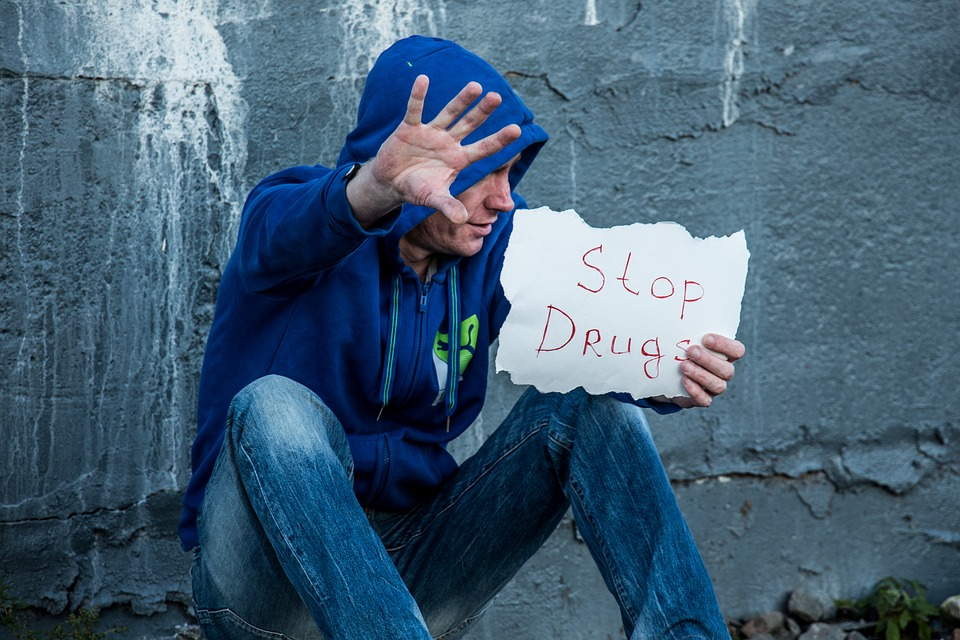
Rehab 101: What to Expect When Entering Treatment by Miranda Spears

(image: Pexels)

Rehab treatment is one of the most important things you can get if you’ve been struggling with dependencies and substance abuse issues. This is because the human body and mind can become reliant on certain substances, making it almost impossible to quit a substance without the help of the kind of professionals who work in rehab facilities. However, it’s never easy to make a major life decision without knowing the full story, which is why you should know what to expect as you’re entering rehab.  

Admission 

If you want to go to a drug rehab in Austin, USA, some of which are considered among the best in the world, you’ll have to understand what the process of admission is going to be like. Rehab facilities get a lot of patients each year, and all of these people have different needs and considerations because they may have different side effects from the same drug or may have been using wildly different substances. When you first enter rehab, professionals at the facility you’re considering going to will be able to assess your case by getting a medical history and figuring out the effects substance abuse has had on your body, which can then be used to create a treatment plan for you.   

Detoxification 

Detoxification is the next step of any good treatment plan and is often the toughest part of the early stages of sobriety and recovery. Withdrawal symptoms arise when people have not had access to drugs for a number of hours, upsetting their bodies, which have grown to develop a reliance on those substances. Symptomatic treatment for withdrawals by using medication to control cravings and side effects helps a lot in ensuring people are able to comfortably transition to recovery by lowering the worst sensations they’ll be feeling during this time, and, once the body has gotten rid of all of the toxins lurking within, the rest of your treatment will begin.  

Getting a treatment plan 

As previously mentioned, getting a proper treatment plan is a major part of getting better and weaning yourself off of the substance you’ve been abusing, including any side effects you’ll have to get accustomed to. For instance, using needles that are not clean could result in diseases like hepatitis, which means experts at the clinic would need to create a custom plan to help relieve this issue, too. Whatever the case may be, healthcare professionals will be able to create the best treatment for your case, balancing the side effects of that medication with the massive benefits you’ll get by taking them.  

Education 

A major part of treatment at rehab facilities is the education they provide to people who are struggling with dependencies. Many people are unaware that addiction can fundamentally change how the brain works, rewiring it to depend on drugs and further enabling abuse, and that triggers present in everyday life can make it even tougher to make a clean break. Getting educated about these issues will make it more likely for you to avoid triggers and ensure you’re not falling into the same traps as before once you’re done with rehab. 

Progress monitoring 

Monitoring progress is another part of ensuring success during the process of rehab because, though you may be able to get sober for a short time, you’ll have to work hard to maintain that sobriety. There are many ways that facilities are able to monitor progress, including while you’re within the premises by noting down the changes they’ve seen and scheduling regular checkups by a doctor, and when you’re outside the premises, by connecting you to a sponsor that will check on you on a weekly basis for years to come.  

Rehab is an integral part of treating substance abuse and drug addiction all over the world, as the professionals who work inside each facility can have permanent impacts on the lives of millions of people each year, helping them work through their issues. If you make yourself aware of what you should be expecting when you begin treatment, it’ll only make things easier to deal with in the short term, allowing you to be more comfortable once you start rehab. 

This article was written by writer Miranda Spears.
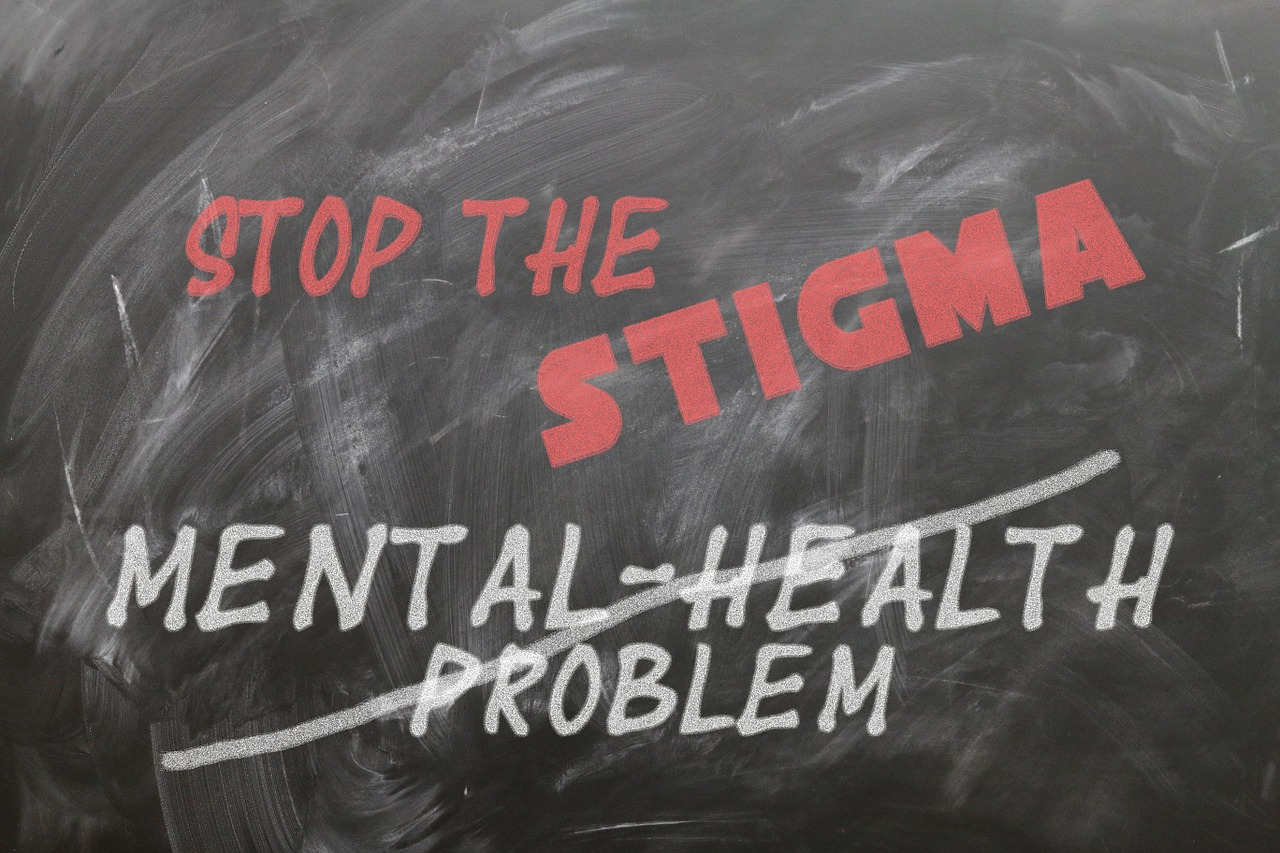
Fighting The Stigma of Addiction by Addressing 5 Common Misconceptions by Aaron Smith.

(image: Pixabay)

Addiction is so intricate and multifaceted that in the face of extensive scientific research, there are still myths and misconceptions about it that often get in the way of treatment. They cause stigma that keeps people from getting help for fear of being labelled as ‘bad’ or ‘weak’. But, to win the fight against addiction, we have to confront some common misconceptions to create an environment that empowers people and encourages them to get treatment for successful recovery. Here are some of the top misconceptions about addiction: 

5 Common Misconceptions About Addiction

(image: Pixabay)

Myth 1. Addiction is by choice: If a person is addicted to something, it’s because they chose to be, and it’s their fault. 

The truth is that no one chooses to become addicted—addiction is a brain disorder. The American Society of Addiction Medicine describes it as a treatable chronic disease that is a result of the interactions between the brain circuits, upbringing, trauma, environment, and genetics. Heavy and prolonged substance use interferes with the brain networks and increases the likelihood of becoming addicted. 

Nevertheless, a choice can influence the recovery journey. The person may choose to seek help dealing with addiction through addiction therapy, exercises, symptoms treatment, and other lifestyle decisions. 

Myth 2. It just takes willpower to stop: Addiction results from a lack of willpower, if the person wanted to stop using badly enough, they would. 

Sadly, a person cannot ‘will away’ their addiction, and it does not result from a lack of willpower or self-discipline. Drugs, alcohol, and other substances produce profound brain changes that alter the natural reward system. 

Typically, mental rewards come only after exerting effort, and this takes a while. But, the addictive behavior shortcuts this process and gives the brain pleasure early on. When the brain is used to early results, the person’s self-control and capacity to make good decisions is eroded and replaced with the impulse to engage in rewarding behavior. 

The substance-induced impulses are not like the usual urges to eat or drink. They are overwhelming and compulsive impulses whose resolution is only engaging the addiction. It’s the reason why addiction appears irrational in that a person will keep using it even when things are falling apart around them. 

Myth 3. Tough love compels people with addiction to stop: If you are harsh with the individual, they will understand the seriousness of the issue and feel the need to change. 

With addiction, ‘tough love’ is not the answer. Being harsh, insensitive, or indifferent may cause the person to feel unworthy, demoralised, and rejected. It typically produces the opposite results of what was intended. 

The better way to address addiction is to take a kind and compassionate approach. The reality is that the majority of people with an addiction are usually contending with other struggles and use addiction to compensate. For example, many people with an addiction struggle with feelings of rejection, and pushing them away with ‘tough love’ only aggravates the underlying problem. However, love, kindness, and support can pull the person closer, address the underlying problem, and start them off on the addiction recovery journey. 

Myth 4. Addiction does not really go away: An addict will never be truly free. Once an addict, always an addict. 

Addiction is a complex condition, and recovering from it takes time. It can indeed be a chronic condition, but even then, the individual can still recover. Addiction is not a life sentence, and there is always hope to get back on a healthy path and live a fulfilling life. 

Regardless, it’s normal to have some recovery setbacks. Although it doesn’t happen with everybody, relapsing and returning to substance use after abstaining for some time is normal. But this is not a sign of failure. Instead, it’s an opportunity to discover what is not working in addiction therapy and to restrategize the treatment. Every person is unique, and the relapse provides a chance to understand the unique factors that drove the individual to relapse and helps with formulating strategies to prevent another relapse in the future. 

Anyone can break free from the cycle of addiction permanently. It just takes a combination of recovery therapy, support from family and friends, and personal growth to give them a renewed purpose to live. 

(image: Markus Spiske, Unsplash)

Myth 5. You must abstain to recover: The only way to recover is to keep off the substance completely.

The truth is that recovery means different things to different people. Abstinence is only one form of recovery and not the final destination for all people. Moderating use so that substance reliance no longer interferes with a person’s productivity or relationships is also recovery. Some people are only looking to reduce substance use, while others are only looking to use a less harmful substance. From there, these people watch their consumption or wean themselves off, even without treatment. 

So, instead of insisting on abstinence or giving a timeline for a complete cessation of use, understand that recovery from addiction is a journey that some reach pretty quickly while others take small steps and a long time to get to the same destination. 

Addiction Recovery Can Be Made Easier 

Addiction is difficult to resolve, and it doesn’t help that there are many myths and misconceptions surrounding it that further complicate the recovery. But, through education and awareness on addiction and recovery, and showing love, support, and empathy towards the individuals, society can make the recovery journey easier. 

Addiction therapy is a particularly useful recovery tool because it sets the individual in an environment where the people and the programs support recovery. Sign up for therapy and start your path to recovery today!

Aaron Smith is a freelance writer.

Celebrating Small Victories: The Importance of Milestones In Outpatient Rehab by Rianne Hunter

(image: Pexels:)

In the journey of outpatient rehab, recognising and celebrating each small victory plays a pivotal role in both motivation and recovery. These milestones, no matter how small they may seem, serve as important markers of progress, offering encouragement and a sense of achievement to those on the path to recovery. Each step forward, regardless of its size, can significantly impact the overall success of rehabilitation. This philosophy not only fosters a positive environment but also strengthens the resolve of individuals to continue striving for their ultimate goal of full recovery.

The Power of Acknowledgment

Acknowledging and celebrating small victories may seem insignificant in the grand scheme of things, but it can have a powerful impact on one’s outlook and determination. In outpatient rehab, where the recovery journey can be long and challenging, even the smallest progress should be praised and recognized. This acknowledgment serves as a reminder that each step taken is a valuable and meaningful effort towards healing. It also helps individuals to focus on the present moment, rather than dwelling on past struggles or future worries.

Boosting Motivation

In outpatient rehab, motivation is a key factor in achieving successful outcomes. By celebrating small victories, individuals can maintain their motivation and drive throughout the rehabilitation process. Each accomplishment reinforces their determination and propels them forward towards their ultimate goal. When individuals feel recognized and supported, they are more likely to remain committed to the rehabilitation process and push through any difficult moments.

Building Confidence

As individuals progress through their outpatient rehab program, each milestone reached builds confidence in their abilities and strength. These small victories serve as evidence that they are capable of overcoming challenges and making positive changes in their lives. With each success, individuals are encouraged to set higher goals and push themselves further. This confidence boost can have a lasting impact on their recovery journey and beyond.

Celebrating Together

The power of celebrating small victories is not just limited to the individual in outpatient rehab but also extends to their support system. Family members, friends, and healthcare professionals all play an essential role in providing encouragement and recognition for achievements. By coming together to celebrate each milestone, a sense of community and support is fostered, creating a positive and uplifting environment for the individual in rehab.

Celebrating small victories may seem like a simple act, but its impact on outpatient rehab cannot be underestimated. Each milestone reached serves as a stepping stone towards full recovery and should be recognised and celebrated. By acknowledging these small victories, we can create a more positive and empowering experience for individuals in rehabilitation and help them to achieve their goals with confidence and motivation.

Rianne Hunter is a wife, mother of three, and an independent blogger who writes for a broad range of topics and publishers.

5 Benefits Of Rehab And Why you Shouldn’t Delay Treatment by Lizzie Weakley

(image: Matthew Ball, Unsplash)

Drug and alcohol addiction can take a toll on your mind, body, and soul. It’s not easy to overcome addiction, but it’s never too late to start your journey to recovery. Rehab centres provide ample opportunities and resources for people struggling with addiction. Unfortunately, some people delay treatment because of fear, uncertainty, denial, or other valid reasons. Delaying treatment can lead to dire consequences, such as chronic health issues, financial problems, relationship issues, and even death. This blog post outlines the top 5 benefits of rehab and why you shouldn’t delay treatment.

Sense of Community

Rehab gives you the opportunity to surround yourself with people who are supportive, understanding, and empathetic to your situation. It helps to know that you are not alone in your struggle and that there are other people who genuinely care about your recovery. Being a member of a recovery community can help provide accountability, social connection, encouragement, and motivation to push through the tough times. It’s easier to navigate the journey to recovery when you have the support and guidance of others who have gone before you.

Professional Support

Rehab centres have trained and experienced professionals who can assist you in your recovery journey. From therapists and counselors to medical doctors and holistic practitioners, these professionals can help you optimise your physical, mental, and emotional health. They can provide personalised treatment plans, medication-assisted therapy, holistic therapies, and other useful resources to help you achieve your recovery goals. Going to a rehab centre gives you access to evidence-based treatments that have been proven successful in addiction recovery.

New Habits take time to form, but being in a rehab center gives you the chance to create healthy habits and routines. Repetition leads to new neural pathways, which eventually leads to new habits that are sustainable and beneficial for your recovery. You learn things like healthier coping strategies, better communication skills, mindfulness techniques, and relapse prevention skills. Through rehab, you can learn how to retrain your brain to respond to situations in ways that are not harmful to you or others.

Safe Environment

Rehab provides a safe and secure environment that gives you fewer opportunities to relapse. Being in a controlled space helps minimize distractions, triggers, and temptations that can hinder your progress. You’ll have the chance to focus solely on your recovery without the distractions of daily life. Moreover, rehabs help keep their clients accountable to themselves and others. As such, being in an accountable and safe environment can help set the foundation for success.

Self-Identity

People who struggle with addiction often lose sight of their self-identity and what makes them unique. Being in rehab can help rediscover who you are and what you stand for. You’ll have the chance to uncover your strengths, talents, passions, and goals. You’ll be able to reflect on your life and identify what led you down the path of addiction in the first place. By discovering your true self, you’ll be better prepared to cope with any challenges that may come your way.

Seeking treatment for addiction is daunting, but the benefits of rehab are worth the effort. Taking the first step towards recovery can give you a chance to regain control over your life. The sense of community, professional support, formation of new habits, safe environment, and rediscovery of self-identity are just some of the benefits of going to rehab. Don’t delay treatment; the sooner you start your recovery journey, the sooner you’ll be on your way to living a healthier, happier, and more fulfilling life.

This article was written by Lizzie Weakley.

10 Tips For Supporting A Loved One Struggling with Alcohol Dependence by Elizabeth Howard.

(image: Alvin Mahmudov: Unsplash)

Alcohol dependence is an addiction that has a significant effect on the person who is struggling with it, as well as their loved ones. While it might be difficult, aiding someone through their recovery process is essential to assist them in kicking their alcohol addiction. These are some insightful suggestions for offering a loved one struggling with alcohol dependence genuine support.

Understanding the Nature of Alcoholism

Understanding the nature of alcohol dependence is crucial for providing appropriate support to a loved one who is struggling with the addiction. Physical and psychological dependence are both aspects of the complicated illness. . Knowing the nuances of this lays the groundwork for providing knowledgeable and empathetic support.

Foster Open Communication

Encourage your loved one to communicate honestly and openly. Establish a secure environment where people can freely express their ideas and experiences without worrying about being judged. They can communicate their emotions to you in a non-judgmental setting, which helps to develop trust and reinforce your bond. This candid conversation is essential to comprehending their viewpoint and offering useful assistance.

Educate Yourself About Alcohol Addiction

When it comes to assisting someone who is battling alcohol dependence, knowledge is a powerful tool. Spend some time educating yourself on the various facets, including its causes, effects, and the available treatment options. If you are well-informed, you will be able to provide support that is more meaningful to the individual and will become an invaluable resource for them on their path to recovery.

Encourage Professional Help

Encouraging your loved one to seek professional aid is just as vital as providing emotional support. They will have access to professional help that is designed to meet their unique requirements if you suggest therapy or counselling to them. They can also use free alcohol addiction helplines to connect them with experienced specialists who can offer urgent support and guidance at any time.

Set Boundaries

Being your loved one’s supporter means looking after yourself too. Set up healthy, defined boundaries for your own emotional and physical wellbeing. Maintain your composure while asserting these limits and be sure to explain that you are doing it to maintain a healthy and supportive connection between you and the other person. By establishing boundaries, you foster a more positive dynamic.

Attend Support Groups Together

Investigate the option of joining support groups together as a group. Friends and family members whose lives have been impacted by the addiction of a friend or loved one might find a supportive community in these groups. It can be really encouraging to talk to other people who have gone through similar experiences, and it can provide useful insight into different ways of dealing with difficult situations.

Practice Patience and Empathy

Alcohol dependence recovery is a progressive process that calls for both tolerance and compassion. Recognise that setbacks and relapses are possible and that this is a journey. Adopt a compassionate stance in these instances instead of passing judgement, stressing the significance of carrying out the healing process. Your constant support through thick and thin can play a big part in their eventual success, however not everyone is the same.

Encourage Healthy Lifestyle Changes

Encourage healthy behaviours to help in the healing process. Inspire people to engage in regular physical activity, maintain a healthy diet, and get enough sleep. Not only does engaging in healthy behaviours contribute to one’s physical well-being, but it also helps in the improvement of one’s mood and the reduction of stress.

Celebrate Milestones

Maintaining motivation throughout the process requires acknowledging and celebrating victories at every stage of the healing process, regardless of how minor they can appear. Positive reinforcement can be provided by acknowledging accomplishments along the path to recovery, such as abstaining from alcohol for a short time, finishing a counselling session, or achieving a particular objective. By celebrating together-achieved milestones, you can improve your connection with one another and emphasise the significance of their efforts.

Be a Source of Consistent Support

When helping a loved one through alcohol dependency, consistency is the most important thing you can do. Maintain a persistent commitment to the welfare of the people you care about to establish yourself as a dependable source of assistance. They may report feeling more confident and secure in their ability to heal because of this unwavering support, which helps establish trust and confidence. Keep in mind that the steadfast dedication you show toward helping them can be a big factor in their recovery.

Understanding, empathy, and encouragement are necessary while helping a loved one who is battling alcohol dependency. You can help them heal a great deal by being involved in their path, remaining informed, and encouraging good adjustments. Consider calling a helpline for professional advice and support if you or someone you know needs help right away.

This blog was written by Elizabeth Howard.

Maintaining Mental Wellbeing: Tips for Navigating an Alcohol Assessment Centre by Brooke Chaplan

(Image: free image)

The decision to seek help for alcohol use disorder is an important one. It takes courage to admit that you need assistance, and taking the first step toward recovery can feel like a daunting task. One of the early steps of recovery is an alcohol assessment centre, which can assess your condition, provide treatment recommendations, and connect you to ongoing support. However, navigating an assessment centre can be overwhelming, especially if you are feeling vulnerable or uncertain. In this post, we will discuss some tips for maintaining your mental well-being while navigating an alcohol assessment centre.

Educate Yourself

Before entering an assessment centre, take some time to educate yourself about the process and what to expect. This can help to ease anxiety and provide a sense of control in an unfamiliar environment. You can research online, check out the centre’s website, or speak with someone who has been through the process before.

Prepare Mentally and Emotionally

Entering an assessment centre can be a nerve-wracking experience, but it’s essential to prepare yourself mentally and emotionally. You might consider bringing along a trusted friend or family member who can offer support and help you stay grounded. You can also practice mindfulness or deep breathing exercises to help you stay centred.

Speak Openly and Honestly

It’s important to be honest about your alcohol use, even if you feel embarrassed or ashamed. The professionals at the assessment centre require accurate information to provide the best treatment options for your specific needs. Honesty also helps to build trust and openness in the therapeutic relationship between you and your counsellor.

Focus on Your Goals

Entering an assessment centre can be overwhelming, but it’s essential to focus on your goals for recovery. Discuss your goals with your counsellor, and work with them to develop a plan for achieving them. Remembering why you’re seeking help and what you want to achieve can help motivate you and make the process easier.

Take Care of Yourself

Finally, remember to take care of yourself while going through an assessment centre. It’s essential to prioritise your mental and physical well-being, which can include eating well, drinking plenty of water, and getting enough rest. Self-care also means taking breaks when necessary, practicing healthy coping mechanisms, and setting boundaries with those around you. Navigating an alcohol assessment centre can be overwhelming, but it’s an essential step towards recovery from alcohol use disorder.

By educating yourself about the process, preparing yourself mentally and emotionally, speaking honestly with your counsellor, focusing on your goals, and taking care of yourself, you can maintain your mental well-being while going through the process. It is highly recommended to reach out to facilities where you are, like A Better Choice Counselling/ Alcohol, Drug & Assessment Center, for more information or to answer any questions you may have.

Remember, seeking help for alcohol use disorder is a brave decision, and with the right support and resources, recovery is possible

Where to Start When Battling Addiction by Rachelle Wilber

(image: Unsplash)

Many people might tell you that admitting you have a problem is the first step to battling addiction. Their intentions might be good, but does your journey to sobriety and recovery really start until you decide you want to live better? Knowing where to start when battling addiction is crucial to improving your odds of success.

Your Doctor

Your personal physician probably already suspects or even knows about your addiction, even if you’ve never mentioned it to them. It’s their job to help you with your physical health, and they will have access to more tools you might use than nearly anyone. Your conversations with your doctor are totally confidential, so this is a very safe place to start when battling addiction.

Find a Facility

Not all forms of addiction require going into a rehab facility. However, some might. There are facilities available, such as Awakenings Health and Wellness Centre that are top-notch in helping people dig deeper than the obvious superficial issues. Also, the right rehab center can dramatically improve your odds of getting past any addiction and have a better fighting chance at living a clean life ahead of you.

Friends and Family

This one can be tricky. Friends and family might be some of the people most likely to support you through your addiction battle, but some of them might also be the most judgemental. In fact, some relatives might even be contributors to your addiction. Turn to those you think you can trust.

Employee Benefits

You probably don’t want to tell your actual supervisor that you are battling addiction, but your employee benefits might have a hotline you can call privately. If your health insurance or other benefits include rehab programs or counseling of any kind, it might be at low or even no cost to you.

Spiritual and Religious Advisors

Individuals such as these may not feel qualified to help you with your addiction and recovery, and yet they might also truly want to help you. They might be able to point you in the direction of people and programs who can help you. So, whether it’s a priest, rabbi, or even a yoga teacher you study under, see if they have any referrals or connections you might use.

Help Is Out There

Battling addiction is a journey that can leave you feeling very alone, and overcoming it can only happen if you personally do it. However, even though no one else can get you over your addiction, they can be of tremendous assistance to you while you try to get clean.

How to Battle Co-Occurring Mental Health and Substance Addiction by Holly

(image: overcoming-drug-addiction-and-mental-health-issues-blog)

What are co occurring mental health disorder and substance abuse?

A co-occurring disorder is when a person is battling some kind of mental health issue alongside substance abuse like drugs and alcohol addiction. Both SUDs and mental health issues share a strong link. In fact, it’s estimated that almost half the individuals suffering from one will develop the other at some time or another. 

It’s not uncommon for substance abuse to fuel a co-occurring disorder and vice-versa. The severity of both can also increase over time. 

The most common mental health issues to co-occur alongside SUD are – 

  • Anxiety Disorders –  Social anxiety and general anxiety share a strong link with marijuana abuse. Almost 19% of people in the US have some kind of anxiety disorder. GAD, social anxiety, and panic disorder can also increase the odds of co-occurring issues.
  • Personal Disorders – In terms of the general population, around 10-15% suffer from personality disorders. When we talk about those suffering from addiction and substance abuse, the rate is an astounding 35-70%. The commonest personality disorders in those battling SUD are – borderline, avoidant personality, paranoia, and antisocial behavior. 
  • Attention-Deficit/Hyperactivity Disorder – Studies tell us that ADHD comes with an increased risk of developing addiction-related issues during adulthood (mainly 20s and 30s.) There is a positive correlation in symptoms of ADHD like impulsiveness, hyperactivity, and inattention with substance use in adults. 
  • Mood Disorder – Around 30% of people suffering from SUD are likely to suffer from one of the mood disorders such as depression and bipolar.
  • PTSD – According to a survey, people with Post-traumatic Stress Disorder are 4x more likely to develop substance use disorder than those without.

What Causes Co-occurring and Substance Addiction?

It is estimated that over half the people with one disorder will eventually develop the other during their lifetime. While the exact set of reasons that can fuel these two conditions might be long, researchers have found the 3 most prevalent reasons as to why co-occurring disorders may take place.

Overlapping Risk Factors

Many of the risk factors behind SUD and mental health issues are overlapping. Generally, these include environmental factors like exposure to drugs or alcohol at an early age, early childhood trauma, and genetics. All of these factors can make a person more susceptible to developing mental health issues and requiring addiction treatment for drugs such as Cocaine or others.

Self-Medication

Dealing with a mental illness can be difficult. That’s why many people resort to alcohol and drugs as coping mechanisms. In medical terms, this is called ‘self-medicating’. However, it’s quite misleading as instead of fixing the problems, it only masks them. What’s more, in the long run, it exacerbates the symptoms and worsens the dependency on drugs/alcohol, making it more difficult to detox from alcohol or drugs, often requiring medically supervised detox.

Drug-Induced Brain Changes

Prolonged drug and substance use can change the brains ‘motivation and reward mechanism’. It can give a false sense of wellness causing one to develop a dependence on drugs beyond control. Eventually, it can lead to mental health issues by affecting the brain and neurotransmitters.

Drugs affect the areas of the brain associated with mood, impulse control, anxiety, and schizophrenia.

How to Battle Co-occurring Mental Health and Substance Use

Residential Treatment 

Residential rehab programs begin with an initial assessment to draw an individual treatment plan. This is followed by detox and several other therapies. The patient has to stay in a structured and highly supervised facility. Common inpatient treatment duration for drug addiction is 30 days. Residential programs put the entire focus on recovery as daily triggers and challenges are removed that often lead to relapses.

Outpatient Healing Programs

Under this program, a patient receives all the treatments and therapies as in residential rehab. However, they are not required to live in the facility. This is good for young teenagers, parents, and people with mild addiction who cannot sacrifice work commitments. 

Detox

This is usually the first step in most addiction treatment programs. Drug detoxification entails medical supervision to get the drugs out of the system. With a clean system, experts can begin further treatment. Generally, therapies and medication cannot begin unless detox is successfully over.

Integrated treatment

Integrated treatment often includes behavioral therapy and counseling as interventions. Rehab centers in Connecticut and other parts of the United States use integrated treatment coupled with medication. Integrated treatment encompasses several therapeutic techniques with proven results in treating substance abuse and mental health issues. Common integrated therapies are –

  • Cognitive-behavioural therapy aka CBT aims to understand negative behaviours, thinking patterns, and self-talk that might be causing addiction and other disorders. It then works on changing them.
  • Dialectical behavioural therapy is used for treating borderline personality disorder. It does so by working on negative actions and thoughts like self-harm, suicidal behaviour, and dependence on a substance to cope with daily stressors.
  • Contingency management is often used in upscale addiction treatment centres. It reinforces positive changes by utilising incentives for patients who can exhibit positive behaviours such as staying sober and meeting therapy guidelines.

Medication Treatment

Psychotherapeutic Medications are often integral to treating SUD and co-occurring disorders and are frequently used during alcohol treatment. The commonly prescribed medications include antipsychotics and antidepressants. The latter is used to mostly manage the uncomfortable withdrawal symptoms. Other than that, medications may also be used to lessen the cravings so that relapses don’t happen. 

Buprenorphine, naltrexone, methadone, disulfiram, and acamprosate are the common medications used for treating SUD.

Peer Support Clubs

It’s not uncommon for people with psychiatric issues to become antisocial. The withdrawal from social life exacerbates when you throw drugs and alcohol into the mix. By joining peer support groups/clubs like 12-step, Alcoholics Anonymous, and group counseling – patients can find solace in the presence of other people going through similar battles. 

They can draw inspiration from their stories and also learn some tips to maintain sobriety. Support groups are highly effective in fostering a long-term, sustainable drug-free lifestyle.

Education and Counselling for Families

Sometimes a toxic family environment or dysfunctional relationships may unknowingly be fuelling a person’s addiction. Family counselling educates people how to create a healthy living environment for a family member to support long-term recovery.

image: erson-holding-stop-drugs-sign-blog

Holistic Remedies

Medical science is embracing the effectiveness and importance of holistic/alternative treatment when it comes to treating drug addiction. Many rehab centres are now adopting a holistic treatment model. Common holistic therapies are – massage therapy, acupuncture, hypnotherapy, yoga, reiki, meditation, and music therapy.

In Conclusion

Co-occurring disorders may be a harsh reality in many people’s lives. But, know that if you or your loved one is going through this issue, help is always available.

Holly is a freelance writer who loves to help people who are struggling with a drug or alcohol addiction. Holly knows first-hand what it’s like to deal with substance addiction, and has now been sober for 5 years. Holly is a frequent contributor to many addiction-related blogs and organizations such as the Addiction Treatment Division and Inpatient-Rehab.org.

Mental health stigma and drug addiction Guest post by Bill Weiss

stopstigma1
(image: https://understandinginternationalmentalhealth.wordpress.com)

The stigma that some people see looming over drug addiction and drug abuse disorder will prevent thousands of people from getting the help they so desperately need and deserve. Viewing drug abuse as a disfigurement of one’s will and self-worth is very harmful and can leave people in active addiction.

The fear of admitting that they are struggling and the judgment that will face afterward can be catastrophic. It has been scientifically proven that drug abuse disorder and addiction is a disease of the mind and body. There should not be any negative views toward someone when they decide it is time to get help for this issue.

During active addiction, many users will take part in actions that the clean/sober them would never think about doing. From the outside looking in, these decisions and behaviors can seem unusual, most of the time they are.

Watching someone absolutely self-destruct is very difficult. You may just want to shake the person struggling and scream “WHY CAN’T YOU STOP?!”. If only it was that easy.

Drug abuse and addiction is a surface issue, it’s the problem the whole world can see, but over 80% of drug addicts struggle with underlying mental health issues.


Mental Health Issues and Drug Addiction  

Far too many of those currently in active addiction have never received proper care to help them with their mental health issues. Anxiety, depression, PTSD and bipolar are the most common underlying mental health issues that can easily influence drug abuse. When one does not receive proper therapy and/or medications to help them with these problems they may turn to drugs for relief. Self-medicating the problem provides temporary relief, but nothing is actually being done to resolve and work on the issues.

The longer someone uses the worse their mental health issues will become. Depressive episodes can turn into suicidal thoughts and ideations. Anxiety can turn into panic disorder. Drugs do not solve the problem, but for someone struggling with mental health issues will find a level of mental peace from the drugs. Even as their life spirals out of control, they may accept it and continue to get high.

This isn’t their fault. Long-term abuse of any narcotic substance will alter the way one’s brain reacts to and handles certain situations. The chemical balance has been thrown out of whack, the drugs now have near complete control.

Breaking free from the powerful grip of these drugs is not easy, especially if the person struggling believes they will be harshly judged as the stigma around addiction follows them.


Breaking the Drug Stigma

Accidental drug overdoses are now the number one cause of accidental death in the USA. We are facing a drug epidemic like never before, more US citizens passed away due to a drug overdose in 2017 than in the entire Vietnam War.

As a country we must help remove this stigma, it is literally a matter of life and death. Millions of people are currently struggling with drug addiction, tens of millions of families will be affected. How can you do your part of getting rid of the addiction stigma?

Educating yourself and others about drug addiction statistics and facts will help one truly understand the impact that drugs have had and will continue to have in this country. Drug addicts are not how they are commonly depicted in movies.

Addiction can affect anyone, any sex, religion and financial background can fall victim to substances and mental health issues. It is not just something that destroys the lives of the homeless and the poor. These are mothers & fathers, brothers & sisters, friends, aunts and uncles who are being destroyed by these terrible substances.

If someone you care about is currently struggling with drug abuse/addiction the best thing you can do for them is to let them know that you are there for them whenever they are ready to get help. While you may not 100% understand what they are going through, you know that they need help and that’s all that matters.

It is strongly suggested by most medical professional that anyone struggling with drug abuse or addiction issues gets professional help from a drug treatment center.


Guest Post: Making the Climb: 4 Tricks to begin the fight against Drug Addiction by Kara Masterson

Making the Climb, 4 Tricks to Beginning the Fight Against Drug Addiction (1).png

It all started at a party you attended a few months ago. You were feeling down after the big break up, and you just wanted to feel good again. Someone at the party offered you some pills, and they made you feel better than you had felt in a long time. Before you knew it, you were a regular user. At first the confidence and the euphoria were too irresistible to pass up.

Once hooked, you always knew how to get ahold of your drug of choice. It was always just a phone call away. Unfortunately, one thing lead to another and now the pills are not having the same effect they used to provide you with. In fact, you need more to get the same feelings, but coming down has been much more difficult on you than you ever imagined it could be. In a particular low moment, you started to think that it might be time to fight your drug addiction, but where do you begin?

Admitting Your Problem

As with most problems, fighting a drug addiction begins with admitting to yourself that you definitely have a problem with drugs. If you are not committed to this being the truth, then you will find it is difficult to see a commitment to overcome the addiction through to the end. When you are certain that you want to give up your addiction and will do anything to make that a reality, then you are ready to take the journey necessary to reclaim your life back from drug addiction.

Disassociate from Your Connection

As long as you can call someone to enable you to continue in an addiction, you will be driven by the addiction to do so. To fight and overcome a drug addiction, you must break all ties with the people who enable you. By making this commitment, you are getting rid of the source of your addictive behavior.

Build a Support Network

To give yourself the best chance at overcoming addiction, you need to identify the people you can trust that have your best interests in mind to confide in about your drug addiction. This could be friends, family members or even someone like a pastor or teacher.

The important thing is that you gather people around you who love you and are willing to help you see your recovery all the way through. Sure, some of these people may be disappointed to learn about your addiction at first, but ultimately those who have your best interests in mind will want to help you reclaim your life and will be there for you in times of weakness.

Get Professional Help

The next step in your treatment is to locate and visit a rehab facility that can help you to get clean from drugs. Detoxing from narcotic substances can sometimes be a difficult path to walk down, but it is best dealt with by working with professionals like Kick Recovery Coaching or someone similar who have helped countless people through this process. They will not only be able to help you know what to expect, but they can provide you with ways to get through the detox phase that are rooted in the latest drug addiction treatment options.

The road ahead may not be an easy one, but it is definitely better than not seeking any help at all. The simple reality is that drugs ruin lives, but you do not have to be a statistic or a willing victim. By taking up the fight to reclaim your life from a drug addiction, you will come out the other end of this journey a much stronger person for it.

Kara Masterson is a freelance writer based in the USA.