Why Magnesium Baths Are The New Self-Care Ritual by Miranda Spears.

(image: Pexels: Gabby K)

Self care is so important, so why not try a Magnesium Bath? Magnesium baths rely upon magnesium salts (typically magnesium sulfate or magnesium chloride) dissolved in warm water to create a solution with beneficial qualities. Magnesium ions are absorbed through the skin during your soak through a physical process called transdermal absorption, which relaxes muscles by balancing nerve impulses to muscles, and it also reduces inflammation. Magnesium is also beneficial in the production of cell energy as it helps in the production of ATP and enhances the quality of sleep, due to the control of melatonin release. Here we present five evidence-based ways magnesium baths support physical recovery, skin health, mental clarity,

Deep Absorption of Minerals in Warm Baths to Revitalise Muscles

By soaking in warm water with magnesium bath flakes, you’ll be getting a concentrated dose of this vital mineral that will be absorbed directly into the skin. Magnesium ions penetrate the skin through the flakes, entering the muscles when they disrupt pain transmission and minimise the markers of inflammation. This is selective absorption and initiates recovery of active stress, therefore, heals stiffness as well as increases flexibility. The sources of tensions dissolve, and your previously tensed muscles turn into elastic cords capable of moving in any direction. Habitual soaks enhance soothing properties, so, you can live an active life, without muscle soreness.

Enhancing Mental Clarity with Sensory-Rich Immersion

Warm water helps lighten the burden of daily challenges, and magnesium gratefully taps into neurotransmitters like GABA and tones the impartiality of moods. With every deep breath of subtly scented extra essential oils or plant infusions, every breath is gets a little stronger, until you can relax deeply. You become able to go back into your environment, and you can go and do things in a purposeful manner. Recharging of the mind roots you throughout the day in a state of productivity.

Lifting the Home Spa Atmosphere

More than minerals and water are required to turn a typical bathroom into a sanctuary. You can use soft towels, controllable lights, and adornments that create an atmosphere that welcomes relaxation. Include small-scale candles on the periphery of the tub with flames that provide soft illumination. The slightest bit of greenery helps bring nature inside for relaxation.

Gentle Agents to Boost Skin Health with Nourishment

In addition to relaxing the muscles, a magnesium bath helps to give the skin a glow. The mineral helps to hydrate and repair the cells due to its ability to attract moisture to the epidermal layer. During soaking, scrub a bit with a side brush or natural sponge to scrub off dull cells, and in turn, boost circulation. Pat dry and trap moisture by using a light natural oil or serum, and the skin will absorb the nutrients. As time progresses, you will feel that your skin has become smooth already and has a healthy glow that is a result of constant renewal with the help of minerals, so your skin will feel refreshed too.

Retraining to Have Restful Sleeping Routines

Magnesium soaks in the evenings, prepare you to take a lovely, restorative sleep with the help of balancing various hormones that control your circadian rhythm. The temperature reduction when exiting the bath into cool air is an indication to your body that you should take a rest and relax. You will sleep more comfortably, more deeply, with less anxiety and you should end up waking up in a good mood.

Magnesium baths are refreshing and also spiritually enhancing. Muscles relax, minds can be more focused, skin becomes radiant, and sleep comes as easily as breathing. This habit goes beyond relaxation and becomes a specific gesture of care taken towards yourself, one that re-echoes in all the levels of your life. By doing that, every bath will become the ritual of rejuvenation, a special moment created especially in your favour where the stress of the day is washed away and health prevails.

This article was written by Miranda Spears and contains some sponsored links.
Transforming Bedrooms Into Anxiety-Reducing Spaces For Kids by Amy Jones

(image: Kenny Eliason: Unsplash)

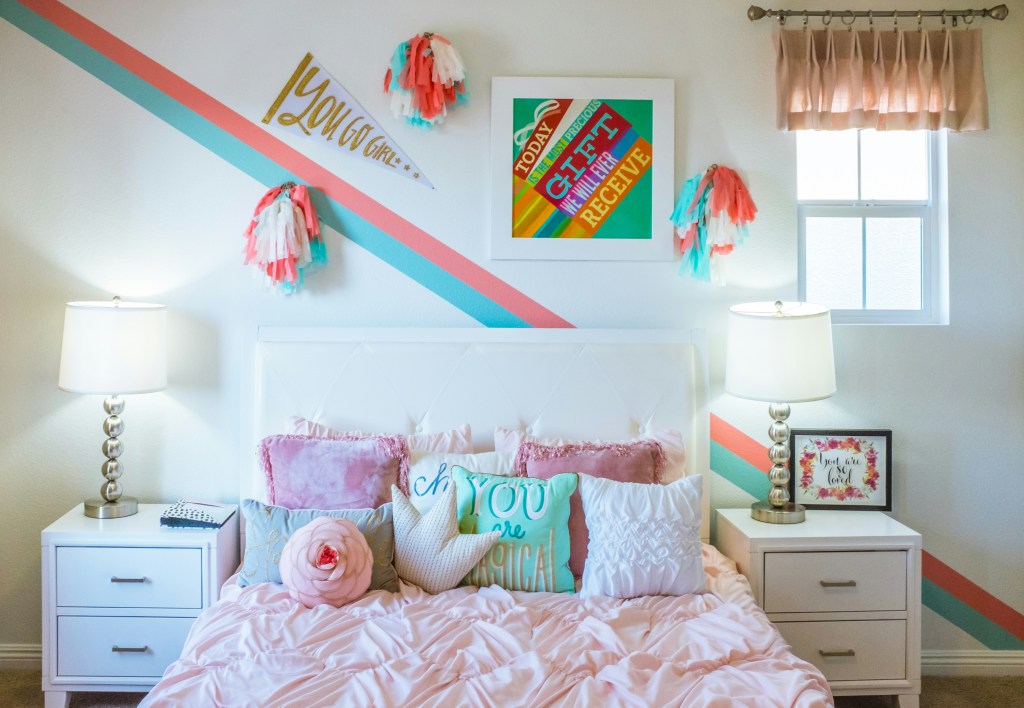
There is nothing more heartbreaking than to see your child suffering. What’s more, when their mind is playing tricks on them, and they’re experiencing spells of anxiety, it can leave you feeling helpless as the parent/carer. While you may be doing all the right things such as taking them to therapy and encouraging them to talk about their feelings, sometimes their environment can play a huge role in their emotions. Children spend a lot of their time in their bedrooms, especially when they’re feeling anxious about the outside world. Transforming their bedroom into an anxiety-reducing space could be the key to allowing them an environment to disconnect from ruminating thoughts completely.

Be sure to listen to what your children want for their bedrooms before taking the design into your own hands. If they believe a Minecraft bedroom will make them feel happy and give them a sense of security in their space, listen! Otherwise, consider the following tips for designing your bedroom into an anxiety-reducing space. 

Colour schemes 

Starting with the room’s backdrop, consider painting your child’s room a colour that inflicts a sense of calmness and serenity. There are a number of colours that are proven to create this mood, for example, cool colours such as blue, green and lavender grey are known to create a relaxing feel. Also, pastel shades of favourites such as pink and green are perfect for creating a sense of tranquillity. 

Connections to nature 

Nature has shown to have immense benefits for reducing anxiety, from going for walks to playing in the park, if your child is struggling to face the great outdoors, consider bringing it to them. For example, add touches of greenery in the space. There can be faux versions of vines winding round their bed, or perhaps give them real plants to take care of and give them a greater sense of purpose. If your child has been begging for an animal, why not start small and get them a fish? It has been proven that watching fish swim back and forth can relax the mind and ease muscle tension.

Blue LED lighting 

Lighting can be a hard element of the bedroom to influence. If your child’s bedroom is currently brightly lit with fluorescent light this may not be helping their state of mind. Blue light therapy has been raved for its ability to influence mood and the body’s biological clock. Dimming their bedroom lighting with blue lighting may support their night of rest. Several sensory light appliances can create this experience, in addition to adding texture to the projection that mimics ocean waves. 

Create “safe spots”

Sometimes, your child just wants to be alone, and that’s okay. Creating a safe space away from the world can be simple with the addition of a children’s teepee, or if your child has a bunk bed with underspace, make this area more private with curtains. Fill this space with comfy seating, pillows, and games for your child to play. It can be tempting to buy them an Xbox or PlayStation to enjoy in their bedroom, but this can worsen your child’s anxiety and keep their mind active when it’s time for rest. Keep technology away from their bedroom, and keep it comforting and quiet. 

Keep schooling separate 

Another mistake parents make with their child’s bedroom is adding a desk for them to complete school work. When your child is suffering from anxiety, school can often inflict feelings of discomfort or remind them of unpleasant experiences. Allow your child to do their school work downstairs where you can support them and be there for them. Allocated places for different activities can help them feel a sense of security. Reserve the bedroom for sleep. Having a small table and chair for your child to do artwork can act as a place to explore their creativity. 

Encourage rest & relaxation

Encouraging relaxation is essential when transforming your child’s bedroom into an anxiety-reducing space. This involves creating an atmosphere that promotes comfort and signals to your child that their room is a sanctuary for winding down and recharging. Start by investing in high-quality, soft bedding and cosy blankets that make your bed an inviting haven. Add plush pillows or weighted blankets, which are known to provide a sense of security and calmness.

(image: Pexels: Vika Glitter)

An anxiety-reducing space

Transforming your child’s bedroom into an anxiety-reducing space can have a profound impact on their emotional wellbeing. By focusing on calming colours, natural elements, thoughtful lighting, and creating safe and comforting zones, you’re helping to create a sanctuary where they can decompress and feel at ease. Remember, every child is unique, so it’s important to involve them in the process and tailor the space to their individual needs and preferences.

Small changes in their environment can make a big difference in their ability to manage anxiety and feel secure. While this is just one piece of the puzzle, pairing it with emotional support, therapy, and open communication can empower your child to navigate their emotions with greater resilience. A cosy, peaceful bedroom can become their haven—a place to relax, recharge, and truly feel at home.

Author Bio

Amy Jones is a freelance writer and enjoys writing a range of topics, from mental wellness to home renovation and loves researching the latest news and updates. Having worked with a number of different businesses, including Petite Lumeire, Amy is now a freelance writer looking to specialise in children’s mental and physical wellness.

A Journey From Stress To Rest: Tips To Get A Restful Night’s Sleep

(image: Kinga Howard, Unsplash)

Are you seeking restful sleep at night? If so, then you are not alone in this; the majority of people face the issue of restlessness at night. In fact, in the United States, about 50 to 70 million people suffer from insomnia, as reported by the National Heart, Lung, and Blood Institute and SleepHealth.org. Millions more around the world, including in the UK, also struggle with the affects of poor sleep.

When your mind is entangled with the day’s worries, whether it’s work stress, family commitments, or occasional illnesses, achieving a truly restful night’s sleep can feel like a distant dream.

But fear not; this guide is here for you to unlock effective tips for a peaceful night’s sleep.

1.    Understanding Hormonal Balance

Hormones play a vital role in regulating sleep; they are natural chemicals in your body. For instance, low testosterone levels can significantly impact sleep quality, especially in men. However, TRT can be a viable option if your t-levels are really low and you want to improve sleep patterns. This helps you to regain lost energy and vitality.

There are different types of TRT (testosterone replacement therapy) options available. It includes injectables, creams, gels, or capsules. The best way to determine which option is right for you is to consult your doctor. They will carefully assess your situation and recommend the most suitable course of action tailored to your needs. This ensures that any treatment you receive is safe and appropriate for your overall well-being.

2.  Establish a Relaxing Bedtime Routine

A relaxing bedtime routine is crucial in signalling your body that it’s time to relax and get ready for a nap. Start by setting a specific time to go to bed and wake up, even on weekends. This regular schedule helps your body get used to a routine. Next, include soothing activities in your routines, like reading a book, taking a warm bath, or practicing meditation.

These activities promote relaxation and give your mind peaceful thoughts, which leads to restful sleep. In fact, in this way, when you wake up the next morning, you will feel refreshed and ready for a new day.

(image`: Rock n Wool: Unsplash)

3.   Create a Sleep-Inducing Environment

Your bedroom environment significantly impacts your ability to get rest. Ensure your bedroom is quiet, dark, and cool. A peaceful space helps you avoid disturbances that can wake you up during the night.

Consider using blackout curtains for darkness because it signals to your brain that it’s time to take a rest. Invest in a comfortable mattress and pillows to support your body adequately. If noise is a problem, use earplugs or a white noise machine to block out disruptive sounds.

Keeping the room cool, usually between 60-67°F (15-19°C), helps your body temperature drop, which is necessary for sleep. When you have the right conditions in your bedroom, you’re more likely to enjoy uninterrupted and high-quality sleep, leaving you energised in the morning.

4.  Manage Stress and Anxiety

Stress and anxiety are significant barriers. That’s why it’s recommended to learn stress management techniques that help calm your mind and body. One effective technique is deep breathing exercises. This involves taking slow, deep breaths to relax your nervous system and reduce stress. You can also explore practices like yoga or progressive muscle relaxation, which help alleviate tension and promote relaxation.

Another helpful strategy is journalling. Before bedtime, jot down your worries and thoughts in a journal. This can be a therapeutic way to clear your mind and ease the burden of stress and anxiety, making it easier to fall asleep peacefully.

After all, managing stress is not just about the night; it’s about finding balance throughout your day. In this way, you can create a more harmonious and restful experience for yourself.

5.  Mindful Eating and Exercise

What you eat and how you move throughout the day can influence the quality of your sleep. To promote it, taking care of these and being mindful of what you consume is essential. When it comes to eating, avoid heavy meals, caffeine, and alcohol before going to bed, as they can lead to restlessness and insomnia . Instead, opt for light, sleep-promoting snacks like almonds.

In terms of physical activity, regular exercise is beneficial, especially when done in the morning. However, it’s advisable to steer clear of vigorous exercise too close to bedtime, as it may leave you feeling too energised to take a rest. These lifestyle choices can contribute to a more peaceful and refreshed night.

Final Thoughts

Achieving a restful nap is a journey that requires a holistic approach. By establishing daily habits, you can make the way for a better power nap. Remember, each small step you take can significantly improve your sleep quality and impact your overall health and well-being.

This article was written by a freelance writer.

Sponsored post with links

10 Steps To Managing Your Anxiety by Anita Ginsburg.

(image: Joice Kelly at Unsplash)

Anxiety is a natural response to stress, but sometimes it can become overwhelming and interfere with your daily life. If you’re struggling with anxiety, you don’t have to go it alone. There are many effective strategies for managing anxiety that psychiatrists and mental health professionals use every day. Here are 10 proven strategies for reducing anxiety and taking control of your thoughts and feelings.

Identify Your Triggers

The first step in managing your anxiety is to identify what triggers it in the first place. Is there a specific situation, person, or event that causes you to feel anxious? By recognizing these triggers, you can begin to take steps to avoid them or find ways of coping when they do arise.

Keep a Stress Journal

Keeping track of your thoughts and feelings can be a great way to gain insight into how your body reacts to certain situations and how best to manage them. Write down any physical sensations, emotions, or triggers that contribute to your anxiety so that you can better understand what’s causing it and how best to deal with it.

Exercise Regularly

Exercise is not only a great way to burn off pent-up energy but also helps release endorphins which act as natural mood boosters. Even just a few minutes of exercise each day can help reduce stress levels and improve overall mental wellbeing.

Practice Relaxation Techniques

Taking time out of each day for relaxation is essential for keeping your stress levels low. Take up yoga, practice deep breathing exercises, or listen to calming music before bed each night—whatever works for you. Finding activities that bring about relaxation will help reduce the intensity of your anxiety over time and lead towards more peaceful days ahead.

Talk To Someone

Talking about the things that are causing you anxiety is often the first step in taking control of it again; whether it be with family members, friends, or even professional psychiatric services, like New Tele Doc, if needed. Having someone else who you trust to talk through issues with can help put problems into perspective and provide clarity on potential solutions going forward—something we often need when dealing with our own anxieties.

Get Enough Sleep

Lack of sleep can exacerbate existing anxieties so make sure you get at least 7-8 hours per night whenever possible; if not more depending on personal circumstances. If insomnia is an issue then try getting outside during daytime hours (weather permitting) as exposure to sunlight helps regulate the body’s natural circadian rhythm which aids in quality sleep later at night.

Eat Well and Drink Water

Eating well balanced meals throughout the day helps keep energy levels high while avoiding unhealthy snacks or sugary drinks which can cause blood sugar spikes/drops leading towards feelings of fatigue/anxiousness respectively. Similarly drinking lots of water helps ensure good hydration levels which makes us feel more alert mentally whilst providing physical benefits too.

Practice Mindful Meditation

Mindful meditation involves focusing on one’s thoughts without judgment in order to allow yourself some time away from any negative self-talk or worrying thoughts; allowing yourself time away from such things has been proven beneficial for those struggling with anxiety issues. It’s important however not to focus solely on this technique as other methods should always be employed alongside mindful meditation too when tackling any difficult issue such as this one.

Avoid Caffeine and Alcohol

Both caffeine and alcohol are known stimulants which if consumed regularly can increase adrenal hormones leading towards heightened states of fear, anxiety, and nervousness. Try replacing coffee/tea based beverages (which contain caffeine) instead with green tea or fruit juices (which don’t!) as these are far healthier options overall particularly when trying to combat any pre-existing anxieties already present within oneself.

Break Negative Thinking Patterns

Lastly breaking negative thinking patterns involves challenging any irrational beliefs we may have about ourselves by looking at evidence objectively. This could involve writing down pros and cons for certain decisions we make before acting upon them so we have an understanding of why certain actions should be taken based upon factual evidence rather than assumptions made from our own potentially skewed perspectives.

Everyone experiences periods of worry from time-to-time but learning how best to manage those worries will increase your confidence in being able handle similar situations better next time they arise. By following the above 10 steps anyone suffering from regular bouts of anxiety will likely find their overall quality of life improving dramatically once proper management techniques become part of their daily routine! Psychiatric services such as therapy sessions/medication may also be necessary depending upon individual circumstances. Seeking medical advice should never be seen as a sign of weakness but rather strength instead because ultimately tackling problems head-on is better than running away from them indefinitely.

Anita Ginsburg is a freelance writer.

Need to Relax? 5 Unbeatable Ways To Unwind by Dixie Somers.

(image: adobe stock royalty free)

Sometimes life can be overwhelming. Whether it’s an extra project at work, adjusting to a new schedule or city, or trying to start a new exercise routine, your body can become overly stressed. Fortunately, there are many ways to relax yourself, and while some work better than others, there is no shortage of ways to take care of yourself. Here are five unbeatable ways to unwind and get rid of that extra stress. 

Make a List of Today’s Triumphs 

While making a list may seem like the complete opposite of what you’re used to when it comes to unwinding, it’s more therapeutic than you think. Some people even take solace in checking off to-do lists, as it makes them feel accomplished. Taking the time to write down all the things that went right today is a great way to put your mind at ease. Many times, we end up focusing on all the things that went wrong and forget about all the things that went right. 

Having an attitude of gratitude goes a long way for your mental wellbeing. By being grateful for all that you have and all that you’ve done, you cultivate peace in yourself, as well as self-gratitude. These emotions are the exact opposite of tension and uncertainty, and can help rewire your anxieties into something more positive and soothing. 

Consider Colouring 

This suggestion may garner some confusion at first, colouring is in fact a great way to help distract the mind and promote calmness. It allows your creativity to flourish, which recharges the brain. Whether it’s using an adult colouring book or just creating your own style with some coloured pencils, colouring can be a great way to unwind and recharge.  

Even if you’re not the artistic type yourself, there are plenty of ways to enjoy colouring and being creative. There are a plethora of sources online or in craft stores for unwinding by colouring. If you are more artistic, consider taking a painting class, or finding a paint-by-numbers booklet at a hobby store. Whatever your skill level, colouring can be a quiet, peaceful way to relax and enjoy some colour therapy. 

Soak in a Hot Tub 

Hot water has always been a fantastic way to help soothe the body and ease pain. Consider talking to a certified hot tub company if you would like a bigger, more luxurious way to enjoy a hot soak than in your bathtub. 

 Determine the best hot tub to meet your needs, whether it’s indoor or outdoor, and be sure you have enough room for either. Some great features of hot tubs include an audio system, jets, low lighting, cooling systems, and so forth.  

Go for a Walk 

Walks tend to be underrated when it comes to de-stressing. However, they are one of the best and most affordable ways to do so. Simply putting your body in motion and taking in the scenery can do wonders for clearing your mind and making your body feel good. Consider taking walks in different locations to help improve their effect on your mental health. 

If you live somewhere with walking trails, use them. They can take you to places near your home that you never noticed before. Walks in local parks and even shopping districts can be therapeutic as well. Taking the time to slow down and enjoy nature is a must for anyone in life, and is an unbeatable way to relax when you’re under a significant amount of stress. 

Turn on Your Favourite Tunes 

Music is another timeless way to help let the overactive mind escape into a state of soothing calmness. Consider turning on some music and relaxing on the couch. Or, if your schedule is too busy to take time to sit down, consider flipping on your favorite music while you’re working on something. This will help to distract your mind and allow it to unwind. 

The type of music you turn on makes a huge difference in your mood. Easy-listening music, such as instrumentals or classical music, can help to calm your mind and ease into yours. If you’d rather listen to something other than music, there are plenty of apps, online channels, and audio files for ASMR–listen to ocean waves, chirping crickets, or birdsong to keep you at ease. Maybe you want to learn something as you unwind–tuning into an insightful audiobook or a guided meditation can both be amazing ways to keep your mind tuned-in while you’re relaxing.  

When your life gets stressful, having a multitude of ways to unwind and soothe your brain and body is a must. The above are viable methods that you can add to your arsenal to ensure that you can always handle any bouts of stress that life throws at you. Try mixing up your routine every now and then so things feel fresh, relaxing, and keep helping you push on.  

This article was written by freelance writer Dixie Somers, based in the USA.

Six Ways to Practice Self Love This Valentine’s Day (and Every Day) with Kalms #ad

(image: Unsplash)

Valentine’s Day is here and it’s time to show a little extra love to the special people in our lives. But what about the most important person of all? Yourself! Whether you’re single or taken, it’s important to pamper yourself with the same kind of love and kindness that you’d shower on anyone else. Here the expert’s at Kalms, share six simple ways to practice self-love on Valentine’s Day and beyond.

Practicing self-love isn’t always easy. With so much else going on in the world, me-time is usually last on the to-do list. Worse, we can sometimes feel guilty about taking the time required to take care of ourselves. But no matter how indulgent or fancy the term may sound, prioritising self-love has some serious benefits for our mental and physical health.

In addition to boosting self-esteem and lowering your stress levels significantly, self-love has other physical health benefits including increased levels of dopamine, oxytocin, and serotonin aka the ‘happy hormones’, better cardiovascular health and a strengthened immune system.

So do yourself a favour, take a deep breath, give yourself a little hug and follow Kalms, the traditional herbal remedy specialists, top six simple ways to practice self-love this Valentine’s Day (and every day):

Do something you love.
Engaging in activities you enjoy elevates your mood and boosts energy. So, schedule time regularly to do something just for yourself—whether it’s journaling, meditation, painting, listening to music or simply giving yourself an at-home spa treatment.

Pay attention to your thoughts.
It is very important that we remember to be kind to ourselves. Whenever you notice yourself saying something unkind to yourself, simply switch to a gentler tone and try to evaluate things rationally to contain your inner critic. Speak to yourself as you would to a loved one. Self-love is about respecting your own needs and desires and is essential to counteracting stress.

Move your body.
Whether it’s a brisk walk around the block, or a virtual workout, exercise encourages the body to release endorphins which counteract the release of cortisol. Getting outside in the fresh air not only clears the airways, but a daily dose of Vitamin D supports the body’s natural mood regulating system.

Write it down.
Try taking time at the end of each day to write down how you feel. Offloading thoughts in this way can help slow down your thinking and clear your mind. Writing down the things you are grateful for can also relieve stress by focusing your thoughts on what’s positive in your life.

Relax your mind and prioritise sleep.
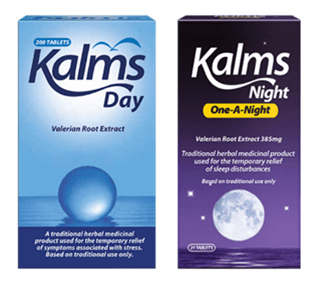
Getting a good night’s sleep is restorative and healing. It also gives you clarity in your thinking and decision-making. Even just one night of poor sleep can decrease your ability to make effective decisions and increase stress levels. Valerian root-based remedies such as Kalms Night One-A-Night can be used to promote a refreshing and restful night’s sleep, whilst Kalms Day help to promote relaxation and relive stress.

Laugh more.
Laughter releases endorphins and other healthy hormones and helps take your mind off of stress. Don’t know where to begin? Take note of who makes you laugh and smile and spend time with them. Read the newspaper and look for goofy headlines. Take a quick break at work to watch a funny video. Record a TV show that makes you laugh. Keep a journal of all these little things, so when you’re feeling blue, you have a pick-me-up guide.

The Kalms Range is available to buy instore and online at Boots, Superdrug, supermarkets, and pharmacies nationwide and online retailers such as Amazon or directly from www.kalmsrange.co.uk.


This article contains an advert for Kalms remedy capsules, but as according to guidelines, I did not receive payment.

Self Care Activities to do for Those Who Love to Be Alone: by Regina Thomas

My Image Source: Envato 

Finding ways to spend a little time with just yourself without worrying about the stress of what others are needing of you can be a little challenging at times. There are many ways that you and others can enjoy a few hours of solitude with different activities for those who like to be alone.

There are also plenty of reasons why you may want to enjoy a private retreat where you have your own space to unwind. Perhaps you are just too much of a workaholic or you find your days too hectic. Or perhaps you’re not ready to settle into a committed relationship yet. Whatever the reason, there are many ways to get some time alone.

A Little Private Getaway

You can enjoy your own space without having to make other arrangements to do so, such as renting a quiet place to stay. You can do this at times when you feel most comfortable and if you don’t mind a short nap in between activities. Of course, you can also find homes that are full of amenities that will provide everything you need to relax.

Get Out in Nature

You can take part in a variety of activities such as yoga or other types of exercise that allow you to get out in the fresh air and enjoy the outdoors. Or you might enjoy fishing, hiking, boating, or swimming. Many people even find ways to get involved in activities like taking hikes around the lake, camping out in the woods, or enjoying the ocean.

Whether it be camping in Pennsylvania or enjoying the sunset on Cannon Beach by yourself. Being in nature can also just improve your mental health and lessen the distractions of everyday life for a little while. 

Spend Some Time at Home

If you have children, you might find it easier to relax and have your own space. Many parents find it difficult to leave their kids at home alone so they have to choose ways to make sure that they can be left alone. But, many other times, you’ll be able to have the peace of mind that comes from knowing that you are doing the best you can to keep your family safe and healthy.

In addition, you can also find a way to relax by watching television. A lot of families have a set schedule for watching television and it’s a common practice to have each member of the family to watch a different show during the day while relaxing in the same room. Of course, there’s no set amount of TV you can watch but in some cases, you might find a favorite show to watch on weekends so that you and others can enjoy some quality time together.

It’s a good idea to have a book nearby as well. Reading can help you unwind and allow you to feel like you are part of a world where nothing is really important. Whether you are reading a good book about nature, history, psychology, romance, or any other subject, you can learn a lot of valuable things from reading, while keeping yourself busy.

Take That Time for Yourself

It can be exciting to explore different activities for those who like to be alone. It can be easy to get caught up in the hustle and bustle of everyday life and forget how great it feels to be able to just sit back and enjoy the fresh air and let it all pass you by. You don’t have to always have to be an active person to enjoy the quiet and solitude of a retreat – simply taking the time to focus and read your favorite books can be an enjoyable way to relax in the privacy of your own home.

These are just a few ideas to think about when it comes to activities for those who like to be alone. By spending some time doing different things that you enjoy, you can make sure that your mental health and self love are at an all time high.

Mental Health Tips to get you through Coronavirus Lockdown: Guest blog by Chantal Shaw

6-683x1024

(image: Self Care Pursuit)

If you’re stuck at home during the Coronavirus outbreak and need some tips to help with your mental health, you have come to the right place.

Being on lockdown can make us all feel depressed and more anxious. Self care for ourselves and our families are more important than ever.

Here are some suggestions of things to do to help your mental health and self care at the moment:

– Follow an exercise video- Listen to guided relaxation (I recommend channels ‘Relax for a while’ and ‘Michael Sealey’ on Youtube).

– Write down your thoughts and feelings in a journal- this helps to clear your mind.

– Nourish your body with healthy food and stay hydrated, so important to get help with groceries if possible and drink lots of water.

– Have a bath to help relax you and keep you feeling good.

– Watch stand up comedy on Netflix, Amazon Prime or on TV. 

– Do a puzzle, if you enjoy them.

– Play a board or card game.

– Limit your exposure to the news to once a day if you are able to stop anxious thoughts. 

– Bake/ cook – good for being mindful and creating something delicious, with a sense of achievement.

– Read a book and let your mind imagine.

– Go for a walk in nature (responsibly and if your country’s guidelines allow you to!).

– When you get up- make your bed and don’t stay in pyjamas all day, to get you into a good routine and positive mindset.

– Have a phone or zoom chat with positive influences in your life.

– Tidy your home as best you can.

– Play upbeat music (and dance or sing).

– A few drops of pure lavender oil in your bath or a lavender pillow spray to help you fall off to sleep and help reduce anxiety.

– Learn a new skill- many online courses are being offered.

– Break down the tasks that are overwhelming you in to small achievable chunks.


If you are having persistent overwhelming negative thoughts or feelings please tell someone- speak to a trusted friend or family member, your GP, the Samaritans on 116 123 (UK- you can also email them if you prefer), a counsellor.

Things can and will get better.

Our mental health is just as important as our physical health, look after it.


Chantal Shaw is a guest writer from the UK and the sister of our founder Eleanor.

5 Ways Essential Oils can help your Mental Health and Wellness. By Essential Olie

essentialoil1

Essential oils have made incredible strides in popularity over the last decade. There are hundreds of people that swear by essential oils as a cure for almost any ailment. That might not be quite accurate, but essential oils do have definite benefits.

One of the benefits of doTERRA essential oils that has some of the most research is with mental health. Because scent is so strongly tied to emotion it makes sense that essential oils would be able to help with your emotional state. Especially if you are using the correct oil and method of inhaling the scent.

Finding the oil that works best for you can be a process but it will certainly smell great. There are a lot of different ways that essential oils can help with mental health difficulties. These are five of the most notable ways essential oils can help your mental health and overall wellness. 


1. Diffusing

Probably the most common way to inhale essential oils is by using a diffuser. A diffuser works when you put a couple of drops of your chosen oil into a diffuser filled with water. The mix of water and oil turns into a vapor that fills your home with a pleasant scent that can help alter your mood.

The diffuser is especially a great method if you are trying to affect your mental health. Because scents are so tightly tied to emotion, surrounding yourself with a pleasing scent can turn your entire mood around. That includes making you calmer or happier on a bad mental health day. 

Great oils to use in your diffuser for a bad mental health day are lemon, grapefruit, bergamot, jasmine, and lavender. Lavender is also a great choice if you want to sleep or need to destress. Finding the oil that makes the most difference for you might take some time but the natural benefits of essential oils are definitely worth the time.


2. Massages

A massage in itself is a great way to help you manage mental health issues. It is not a cure-all but it is certainly helpful and a great resource. Adding essential oils to a massage help increase the health benefits and works double on your mental well-being. 

It has been found that massages do help some people with depression and anxiety. Because a massage is great for releasing toxins and helping you relax it is a natural way to lessen stress and depression. Making it an aromatherapy massage and letting your massage therapist rub oils into your skin that make you feel happier is a wonderful way to improve your mental health.

There are even studies done that show aromatherapy massages can have great benefits for people struggling with their mental health. Allowing your body the healing effects of a massage can help with both your physical and mental health. Adding in the natural benefits of essential oils to help the massage along only helps you feel better faster and for longer.


3. Carrier Oils

Something a lot of people do not realize is how powerful essential oils can be. They are a concentrate that, while natural, can still be harmful if not used properly. Putting essential oils on your skin without a carrier oil can result in reactions and even burns if you are not careful.

Luckily, carrier oils are wonderful and have benefits of their own. Coconut oil is a prime example of carrier oil that allows you to get the most out of your chosen essential oil. You can use the mix of coconut oil and essential oils as a lotion so your skin can absorb the mood-lifting benefits or as a hair product so the calming scent stays with you all day.

Jojoba oil and St. Johns Wort are also excellent carrier oils. Jojoba oil is very similar to coconut oil in its uses and benefits. St. Johns Wort can actually make certain oils digestible if you feel an oil would be more effective ingested. You should always make sure oil is safe to ingest and talk to a doctor before you start trying to take essential oils orally.

carrieroils1


4. Spa Day

Giving yourself the time you need to relax and destress is a wonderful thing to allow yourself. It is very common for people to feel they are not allowed mental health days or that they do not have an excuse to be so stressed. Everyone needs a break some days and allowing yourself that break can be of great benefit to your overall wellbeing.

Letting yourself have a small spa day is a great way to relax and also incorporate essential oils into your self-care routine. Putting a few drops of a calming oil into your bath or a diffuser in your bathroom will help you calm down and give you all the benefits of using essential oils. Even just lighting a candle with some essential oils in it before bed is a good way to relax and get better sleep.

Incorporating essential oils into your self-care routine or adding them to a spa day is a great way to make sure you are soaking up all the benefits essential oils provide. Especially the calming and stress relieving oils will be helpful to you during a mental health day or a spa day. Letting yourself enjoy the calming benefits of essential oils while you give yourself a break is a wonderful thing to do for your mental health and overall wellness.


5. On Fabric

Putting oils on fabrics is especially helpful for children. It can also work for adults who need help sleeping or who prefer their clothes to smell a certain way. Putting a few drops of oil onto a fabric allow that piece of fabric to provide the healing benefits of the essential oil while smelling great for quite a while.

Many parents find putting a few drops of a calming oil on their child’s favorite stuffed animal is a good way to help them stay calm and have a better sleep. The same applies to adults who put a little bit of oil on their pillowcase or bath towels. Even a few drops of oil in your laundry can provide a great smell with mental health benefits.

Office workers might find it helpful to have a calming oil on their desk chair or oil to help them concentrate. Students might prefer an oil dotted on their hoodie or scarf to sooth them during tests and classes. Putting a little bit of oil on fabric to allow the soothing health benefits to stay with you all day is a great way to soothe children and adults alike.

Essential oils are an amazing natural way to improve your mental and overall health. They have been proven to have calming benefits as well as mood-altering benefits. Using them as a resource to benefit your mental health is a natural way to make yourself feel better.

Important to note:

You should remember that essential oils are not medicine and should not be the only way you are trying to fix your mental health. Talking to a doctor or therapist is always a good place to start while using essential oils to help. There are a number of ways you can use essential oils to benefit your mental health as well as just your overall state of wellbeing.

Using a diffuser for your home, massages for your body, oils for your skin, and fabric for when you are not in your home will allow you to incorporate beneficial essential oils into every part of your life. 

Remember to give yourself a break and your brain a chance to recuperate so you can always be functioning at your best. Those are just a few of the amazing ways essential oils can help with your mental health and overall wellness.


This sponsored content was written for you. Learn more about Essential Olie- essentialolie.com.au

Nutra Tea launches tea range to help with Anxiety: by Nutra Tea

nutrarelax1

(image: NutraTea)

Anxiety is something that continues to affect Britons with over 8 million people in the UK suffering with some kind of anxiety on a daily basis.

Whilst the battle is difficult for many, sufferers have found a range of remedies and exercises to help with the daily anxiety.

One brand in particular called Nutra Tea, based in London, has launched a range of teas to help with anxiety.

What does Nutra Tea provide?

Nutra Tea has spent the last 3 years creating a soothing tea blend called NutraRelax, made from ingredients including chamomile, valerian extract, St John’s Wort and lemon balm.

The tea has been carefully crafted with ingredients sourced from over 20 countries in order to create a flavour-some brew that is also nutritious too. What’s more, every tea in the range is made up of 100% raw ingredients with zero additives, meaning that you know you are consuming only the very highest quality tea.

The company’s founders explained: “You can go to the supermarket and get lemon tea or ginger tea, but the amount of product in it is actually very small – it is mostly made up of additives and flavours to make better to consume.

At Nutra Tea, we are including 100% of the main ingredient and we have worked years to perfect the taste, so it is a delicious product.”

How does the tea have health benefits?

● Help relax the body: by encouraging the alleviation of tension in the muscles, nerves and brain

● Reduce aches and pains in the body: due to anti-inflammatory properties of the tea, which gives blood pressure relief and decreases cardiovascular strain.

● Improving mental wellbeing: the tea can help to increase mental clarity, restore focus and clear the mind.

● Improving overall mood: due to the natural sedative effect of the tea, it can help to induce feelings of calmness and reduce anxiety.

Note: The tea should be drunk in addition to other medical treatment

NutraRelax is available from £4.99 per box of 20 bags and delivers to anywhere in the UK.

This sponsored blog was by NutraTea, a tea brand based in the UK.