Rehab 101: What to Expect When Entering Treatment by Miranda Spears

(image: Pexels)

Rehab treatment is one of the most important things you can get if you’ve been struggling with dependencies and substance abuse issues. This is because the human body and mind can become reliant on certain substances, making it almost impossible to quit a substance without the help of the kind of professionals who work in rehab facilities. However, it’s never easy to make a major life decision without knowing the full story, which is why you should know what to expect as you’re entering rehab.  

Admission 

If you want to go to a drug rehab in Austin, USA, some of which are considered among the best in the world, you’ll have to understand what the process of admission is going to be like. Rehab facilities get a lot of patients each year, and all of these people have different needs and considerations because they may have different side effects from the same drug or may have been using wildly different substances. When you first enter rehab, professionals at the facility you’re considering going to will be able to assess your case by getting a medical history and figuring out the effects substance abuse has had on your body, which can then be used to create a treatment plan for you.   

Detoxification 

Detoxification is the next step of any good treatment plan and is often the toughest part of the early stages of sobriety and recovery. Withdrawal symptoms arise when people have not had access to drugs for a number of hours, upsetting their bodies, which have grown to develop a reliance on those substances. Symptomatic treatment for withdrawals by using medication to control cravings and side effects helps a lot in ensuring people are able to comfortably transition to recovery by lowering the worst sensations they’ll be feeling during this time, and, once the body has gotten rid of all of the toxins lurking within, the rest of your treatment will begin.  

Getting a treatment plan 

As previously mentioned, getting a proper treatment plan is a major part of getting better and weaning yourself off of the substance you’ve been abusing, including any side effects you’ll have to get accustomed to. For instance, using needles that are not clean could result in diseases like hepatitis, which means experts at the clinic would need to create a custom plan to help relieve this issue, too. Whatever the case may be, healthcare professionals will be able to create the best treatment for your case, balancing the side effects of that medication with the massive benefits you’ll get by taking them.  

Education 

A major part of treatment at rehab facilities is the education they provide to people who are struggling with dependencies. Many people are unaware that addiction can fundamentally change how the brain works, rewiring it to depend on drugs and further enabling abuse, and that triggers present in everyday life can make it even tougher to make a clean break. Getting educated about these issues will make it more likely for you to avoid triggers and ensure you’re not falling into the same traps as before once you’re done with rehab. 

Progress monitoring 

Monitoring progress is another part of ensuring success during the process of rehab because, though you may be able to get sober for a short time, you’ll have to work hard to maintain that sobriety. There are many ways that facilities are able to monitor progress, including while you’re within the premises by noting down the changes they’ve seen and scheduling regular checkups by a doctor, and when you’re outside the premises, by connecting you to a sponsor that will check on you on a weekly basis for years to come.  

Rehab is an integral part of treating substance abuse and drug addiction all over the world, as the professionals who work inside each facility can have permanent impacts on the lives of millions of people each year, helping them work through their issues. If you make yourself aware of what you should be expecting when you begin treatment, it’ll only make things easier to deal with in the short term, allowing you to be more comfortable once you start rehab. 

This article was written by writer Miranda Spears.

Navigating Mental Health: The Role of Therapists in Personal Recovery Stories by Brandy Levine

(image: Pexels: Shvets Productions)

Therapists around the world play a crucial role in helping individuals navigate their mental health journeys. Whether in Los Angeles, London, or any other bustling metropolis, the support they offer is invaluable.

Urban Living and Mental Health

Life in a big city can be exhilarating but also overwhelming. The fast-paced lifestyle, career pressures, and constant quest for success can take a toll on mental well-being. That’s where therapists come into the picture, offering a lifeline to those seeking solace and support.

Real-life Stories of Recovery

Consider Sarah, a marketing executive who recently moved to Los Angeles from a small town. The city’s energy was overwhelming, and she found herself struggling with anxiety. Sarah decided to seek help from a therapist. Through regular sessions, she learned coping mechanisms and mindfulness techniques that helped her regain control over her life. Her therapist provided a safe space where she could express her fears without judgment, leading to significant improvements in her mental health.

Meanwhile, in London, Tom, a financial analyst, faced similar challenges. Balancing work and personal life was a constant struggle. Through therapy, Tom discovered ways to manage stress and set healthy boundaries. His therapist helped him find a work-life balance that improved his overall well-being.

Understanding the Therapeutic Process

Therapy isn’t a one-size-fits-all solution. Each individual’s journey is unique, and therapists understand this well. They tailor their approach based on the client’s needs. Whether it’s Cognitive Behavioral Therapy (CBT), psychotherapy, or other modalities, the goal is to foster healing and personal growth.

The Importance of Finding the Right Therapist

Finding the right therapist is like finding a trusted friend who guides you through life’s challenges. For John, a struggling artist, connecting with a therapist who understood the pressures of creative professions was a game-changer. His therapist helped him navigate the highs and lows of his career, offering strategies to manage stress and maintain a healthy work-life balance.

(image: Unsplash)

Therapists Around the World: A Diverse Pool of Experts

From Los Angeles to London, and beyond, there are therapists specializing in a wide range of issues. This diversity ensures that individuals can find someone who resonates with their specific struggles and cultural background.

How Therapy Transforms Lives

Consider Maria, a single mother dealing with postpartum depression. She felt isolated and overwhelmed until she reached out to a therapist. Through compassionate counselling and practical advice, Maria gradually rebuilt her confidence and found joy in motherhood again. Her story is a testament to how therapy can transform lives, offering hope and healing.

The Role of Therapy in Overcoming Trauma

Therapists also play a vital role in helping individuals overcome trauma. For example, Mike, a firefighter, had recurring nightmares after a particularly harrowing rescue mission. Therapy provided him with techniques to process his experiences and manage PTSD symptoms. His sessions were a critical part of his recovery, enabling him to continue his vital work with renewed strength.

Accessibility and Affordability of Therapy

One of the challenges often associated with therapy is its accessibility and cost. However, many therapists offer sliding scale fees based on income, making mental health support more affordable. Additionally, online therapy options have become increasingly popular, providing flexibility and convenience.

Breaking the Stigma Around Mental Health

Therapists are also on the frontline of breaking the stigma surrounding mental health. Through community outreach and education, they encourage individuals to seek help without shame. By normalising conversations about mental health, they create an environment where everyone feels empowered to pursue their well-being.

Building a Supportive Community

Therapists often go beyond individual sessions to build supportive communities. Group therapy sessions, workshops, and support groups offer individuals the chance to connect with others facing similar challenges. These community-based approaches foster a sense of belonging and mutual support, crucial for long-term mental health.

Taking the First Step Towards Healing

Deciding to see a therapist can be daunting, but it’s a courageous step towards healing. For anyone feeling hesitant, know that therapy is a journey of self-discovery and empowerment. Therapists around the world are committed to guiding you through this journey, offering the tools and support needed to thrive.

In cities across the globe, therapists serve as beacons of hope, guiding individuals towards better mental health. Their dedication and expertise ensure that no one has to navigate their struggles alone.

If you or someone you know is considering therapy, therapists in Los Angeles and other cities are ready to help. Take that first step today and embark on a transformative journey towards well-being.

Brandy Levine is a licensed therapist at Stori, specializing in cognitive-behavioural therapy to help clients navigate life’s challenges with resilience and insight. Her approach is centred on fostering self-awareness and empowering individuals to enact positive change in their lives.

Why Unplugging More Often Could Be The Best Thing For Your Mental Health.

(image: Brooke Cagle, Unsplash)

If you think about it, it’s unusual how overly connected we are to everyone and the world. A decade ago, if you sent a text message to someone and then a “Hello??” minutes afterward, you’d look desperate or rude, but nowadays, it’s a whole 180 degrees, and instead, if you’re not the one responding back in minutes, you’re the rude one! From the moment we wake up to the time we fall asleep, our lives are dominated by screens.

Whether it’s checking emails, scrolling through social media, or binge-watching the latest series, our digital devices have become constant companions. Now, everyone knows how dangerous it can be to use phones and screens too much. There are limits for kids, but not too much pressure to limit children, right?

Generally speaking, this interconnectedness can be way too negative. There’s doom scrolling, contact misinformation online, full-on rude people, trolls, and questionable hostility overall. It’s not good. The Internet can be an escape from reality, but nowadays, real life feels more like an escape from the internet.

So, why not unplug more often? Here’s why you should!

You Have to Keep in Mind There’s a Mirage to Social Media

It’s no secret that platforms like Instagram, Facebook, TikTok, and Twitter are filled with picture-perfect snapshots and videos of people’s lives. Some of these people seem to have perfect lives, like the perfect job, the perfect family, the perfect house, the perfect friends, and everything in their lives is absolutely perfect.

Their lives are just perfect, and you can’t help but feel sad and jealous to the point you’re probably thinking, “Do I have depression” right? But here’s the kicker: what you see is often just a highlight reel. Sure, what you see appears perfect, but chances are, it’s the furthest thing from perfect.

It’s easy to fall into the trap of comparing ourselves to these seemingly flawless lives. This comparison can seriously dent our self-esteem. It makes you feel like there’s inadequacy, right? Well, you’re constantly seeing everyone’s best moments; it’s hard not to feel like you’re falling short in your own life.

Doom Scrolling is Dangerous

Social media isn’t the only reason to unplug. Are you scrolling and seeing an endless stream of bad news? Maybe it’s political turmoil, natural disaster, or something else that’s overwhelmingly bleak. This constant negativity is going to lead to stress and anxiety in some people so make sure you look after yourself and monitor how much you watch.

It’s Best to Reconnect with the Real World

The real world is an escape from the internet, and honestly, it can be a fairly good escape. When you unplug, you have the opportunity to engage with the world around you. It usually gives you a better chance to spend time with loved ones, go for a walk in nature, or pick up a hobby that doesn’t involve a screen. Overall, these activities can help ground you and remind you of what truly matters.

Unplugging Improves Your Sleep

Screen time, especially before bed, can interfere with your sleep. The blue light emitted by our devices can mess with our sleep patterns, making it harder to fall asleep and stay asleep. Unplugging in the evening can lead to better, more restful sleep.

It’s All About Boosting Your Mood

Being connected all the time is stress-inducing, and engaging in offline activities can boost your mood and reduce stress. Reach out to your Dr or therapist if you need help boosting your mood.

This article was written by a freelance writer,

6 Healing Rituals for Grief During Times Of Mourning by Addy Reeds

(image: free image)

In times of mourning, finding ways to process grief is crucial for emotional healing. While everyone grieves differently, certain rituals can provide comfort and help individuals honour their loved ones. Please do reach out for support from your doctor or therapist if you need it.

Here are six healing rituals that can support you during these difficult times:

Creating a Memory Box 

One meaningful way to remember a loved one is by creating a memory box. This can include photographs, letters, and personal mementos that hold special significance. By curating these items, you create a tangible connection to your loved one, allowing you to revisit cherished memories whenever you need comfort. This ritual helps keep their memory alive and provides a physical space for their emotions. 

Planting a Memorial Garden 

Nature has a soothing effect on the soul, and planting a memorial garden can provide a serene space for reflection. Choose plants that were meaningful to your loved one or that symbolise remembrance and renewal. Tending to the garden over time can be a therapeutic activity, offering a sense of purpose and continuity. This living tribute grows and blooms, mirroring the ongoing nature of love and memory. 

Holding a Candlelight Vigil 

A candlelight vigil is a peaceful way to gather friends and family to honour your loved one. The soft glow of candles creates a tranquil atmosphere, perfect for sharing stories, reading poetry, or simply sitting in silent remembrance. This ritual fosters a sense of community and collective support, reminding you that you are not alone in your grief. It’s a moment to reflect on the light your loved one brought into your life and to share that light with others. 

Writing a Eulogy 

Crafting a eulogy is a powerful way to honor and celebrate a loved one’s life. Whether delivered at a funeral or kept as a personal tribute, a well-written eulogy encapsulates the essence of the departed and their impact on those around them. Seeking custom eulogy services, like Eulogy Pen, can help articulate your feelings and ensure that the tribute is both heartfelt and eloquent. This process can be incredibly cathartic, helping to process your emotions and find closure. 

Practicing Mindfulness and Meditation 

Grief can be overwhelming, and mindfulness practices can help ground you in the present moment. Meditation, deep breathing exercises, and mindful walking can provide relief from the intense emotions of mourning. These practices encourage self-compassion and allow you to observe your feelings without judgment. Regular mindfulness practice can create a space for healing and offer moments of peace amid the turmoil of grief. 

Creating Art in Their Memory 

Artistic expression can be a profound outlet for grief. Whether through painting, writing, music, or crafting, creating art in memory of your loved one allows you to channel your emotions into something tangible. This process can be deeply personal and healing, providing a way to express what words cannot capture. Art becomes a tribute to your loved one’s life and a testament to your enduring love. 

Grieving is a deeply personal experience, and finding the right rituals can make a significant difference in your healing process. Whether you choose to create a memory box, write a custom eulogy, plant a memorial garden, hold a candlelight vigil, practice mindfulness, or create art, each of these rituals offers a unique way to honour your loved one and find comfort. Remember, it’s okay to seek support and take the time you need to heal. 

Addy Reeds is.a freelance writer.

Four Ways To Enhance The Quality Of Your Sleep And Mental Health

Pexels – CC0 Licence

There are plenty of things you can do that can improve your life, but if you haven’t got the basics in place, then it’s harder to make the most of all that life offers you. Let’s think about sleep. No one’s their best self when they’re running low on sleep. It makes all aspects of life more difficult, most notably our relationships — because after all, who isn’t irritable when they wish they could still be in bed? Lack of sleep can also worsen mental health conditions including anxiety and depression and being in a good sleep routine helps improve these.

You can’t always guarantee a full 6 – 8 hours of sleep, but you can increase the likelihood. In this post, we’ll look at some handy tips for consistently sleeping well. 

Get Serious About Your Sleep Routine

Taking an ad hoc approach to your sleep might work, but it’s not a very reliable method. A better approach is to get serious about having a proper sleep routine. Humans are creatures of habit, so the longer you do your sleep routine, the more effective it’ll be. You don’t need to do anything wild; simply going to bed/getting up at the same time each day is a good enough start.

Get Active During the Day

You’ll find it more difficult to fall asleep if you still have a lot of energy. You’ll wake up with an allotted amount of energy, and if you don’t use it, then well, your body’s not going to get the hint that it should go back to sleep. You don’t have to run a marathon every day to tire your body out, but you should be at least a little active. This is especially an issue for people who work from home, who are generally less active than people who travel to work. Keep moving and improve your sleep and health!

Use/Avoid The Right Products

Some products are good for sleep, and some will help to keep you awake. Coffee might be great in the morning when you want to be more alert, but if you have it too late in the day (say, after 3 pm), then you might find that you’re lying in bed while still completely wide awake.

Alcohol consumption can also impact the quality of sleep you get and worsens mental health. On the other hand, CBD oil (without the psychoactive part) and chamomile tea have both been shown to help relax the body and put it in a state ready for sleep. Lavender oil also really helps relax the body and mind. Sometimes, you just need a relaxing regime to aid sleep.

Creating a Calm Atmosphere

Some people can fall asleep anywhere. But that’s not the case for most people. It’s generally easy to fall asleep in a calm and relaxed atmosphere. So take a look at your bedroom: does it fit that description? If not, then look at making some changes.

Decluttering, changing the lighting, and making the space a tech-free zone (no phones in bed!) will all help to make it a sleep-friendly environment. You may also keep some books handy for when you can’t drift away and calming things by your bedside eg lavender spray.

Good sleep is vital for good mental health. These tips will help you to get better quality sleep.

This article was written by a freelance writer.

Thriving Through Time: Prioritising Mental Health for Life’s Journey by Millie Fuller

(image: Unsplash: Denys Nevozhai)

Mental health is finally getting recognition in society. The NHS in the UK has appointed their first medical director for mental health and neurodiversity. Our wellbeing should come first during all stages of life. 

Mental Health at Any Age

Poor mental health doesn’t discriminate, and it can affect anyone at any age. It impacts how we cope and how we relate to other people.  

The Signs of Mental Health Issues

Note anything that might be a sign of poor mental health. 

This can look different depending on age. 

Some common signs include:

  • Mood changes
  • Pulling away from social activities
  • Changes in sleep habits
  • Unexplained aches and pains
  • Suicidal ideation/ self harm
  • Unexpected anger or always tearful
  • Change in eating habits

Carers should also look out for any of these signs early on. The faster these are acted on, the sooner the quality of life can improve. 

The Role of Social Connection

As humans, we thrive around others. Our loved ones and our community give us both emotional support and a sense of belonging. 

To expand connections, look at joining a club or doing some volunteering. These interactions can ease loneliness, which can be especially common in older adults. 

Coping with Life Transitions

As we age, we’ll go through many transitions in life, some positive, and some not. Things like retirement, the loss of a spouse or even moving house can be difficult to navigate. Triggering negative feelings.

Reach out to a trusted friend. But if things start to become unmanageable, seek the help of a professional, like a GP or psychiatrist.

(image: Lesley Juarez, Unsplash)

Trying Mindfulness and Meditation

Lots of people find these practices useful. It helps to connect us to our feelings without judgment. Being aware of our emotions is so important and connecting with our breath.

Start with breathing exercises or guided meditation. To reduce anxiety, mindfulness should be done regularly.

Maintaining Hobbies and Interests

Make time for your hobbies- whether its sport, art, writing, gaming, music or drama. Taking time to do things we enjoy gives a sense of achievement. In some cases, it also connects us with others.

The Role of Technology in Mental Health

Many apps offer mental health support, and some of them are even free. Social media is also a great tool for staying in touch with loved ones. 

Older adults might need some support for navigating new technology. Carers or loved ones might need to give them a helping hand.

Nutrition and Mental Health

When we’re not feeling great mentally, it’s easy to fall into bad eating patterns. But we need to make sure we’re getting the vitamins and minerals that keep our brains healthy.  Eating well is key at any age to support a healthy mind. 

Summary

As we go through life’s journey, we must focus on our mental health at every stage. Learning to test how we’re feeling and navigate changes will keep our brains healthy. If we start to notice a decline, there’s no shame in seeking the help of a professional. It can help us navigate through this tough period. 

Stay connected to others and build new connections through mutual interests. For carers there’s plenty of resources online for creating a plan to help your loved one’s mental health.

Millie Fuller is a freelance writer.

‘Arabella And The Worry Cloud’ Book Cover Reveal!

(image: Arabella and the Worry Cloud by Shelley the Artist and Eleanor Segall)

Shelley the Artist and I are proud to reveal the cover to our first children’s book written by me, ‘Arabella and the Worry Cloud’.

Arabella is a little girl with lots of worries, represented by the Worry Cloud who comes to see her, taunts her and threatens to rain on her.

Can Arabella with the help of happy thoughts of her family and trusted cat Pickles push the Worry Cloud away? Or will he stay and rain on her forever as her worries grow?

As a little girl myself, I had lots of worries which led to anxiety and panic. Through our book, we aim to help children aged 5-7ish to process their emotions around worry, to talk about anxiety and to try and replace them with positive thoughts.

The book has beautiful illustrations by Shelley the Artist and we can’t wait to share the link to buy it as soon as its live! We will have an ebook and paperback version.

Thank you for all the support,

Eleanor x

Accessing Therapy And Our Groundbreaking Mission: by 24hr Therapy

(image: 24 hr therapy)

At 24hr Therapy, we are driven by a simple yet profound belief: accessing therapy should be as natural and straightforward as getting a coffee. Our mission is to remove the stigma that surrounds mental health issues and foster a culture where mental well-being is openly discussed and prioritised. For too long, mental health has been shrouded in misunderstanding and fear, preventing many from seeking the help they need. We aim to change this by making mental health care more approachable, accessible, and integrated into daily life.

Imagine a world where scheduling a therapy session is as routine as meeting a friend for coffee. This is the future we envision—a society where mental health care is seamlessly woven into the fabric of daily life. Leveraging technology and innovative approaches, we provide 24-hour access to professional support, making it easier for people to get the help they need, whenever they need it.

Unlike traditional therapy, which often requires waiting days or even weeks for an appointment, our platform offers immediate support with a pay-per-minute model, giving users complete control over their spending and making high-quality mental health care both accessible and affordable.

Our platform is the first of its kind, offering therapy to users the very same day they sign up. Available anytime, anywhere, 24 hours a day, we connect users with a qualified therapist within minutes.

This immediate access is crucial, especially considering that nearly two-thirds of people surveyed in the UK (64%) put on a brave face to avoid talking about their mental health. We understand firsthand the importance of immediate support, and our mission is to ensure that everyone has access to the care they need, exactly when they need it.

We are dedicated to improving well-being with personalised, immediate assistance. Our diverse network of certified counsellors and therapists is equipped to assist with a range of mental health concerns, whether managing a diagnosed condition or navigating everyday stressors. By empowering individuals to prioritise their mental well-being, we are reshaping the narrative around mental health and fostering a culture of understanding, compassion, and accessibility.

We have an innovative approach to mental health care and are UK based. Together, we can redefine how we think about mental health and ensure that everyone has the opportunity to thrive.

Take a look at https://www.24hrtherapy.co.uk/

Non sponsored post.

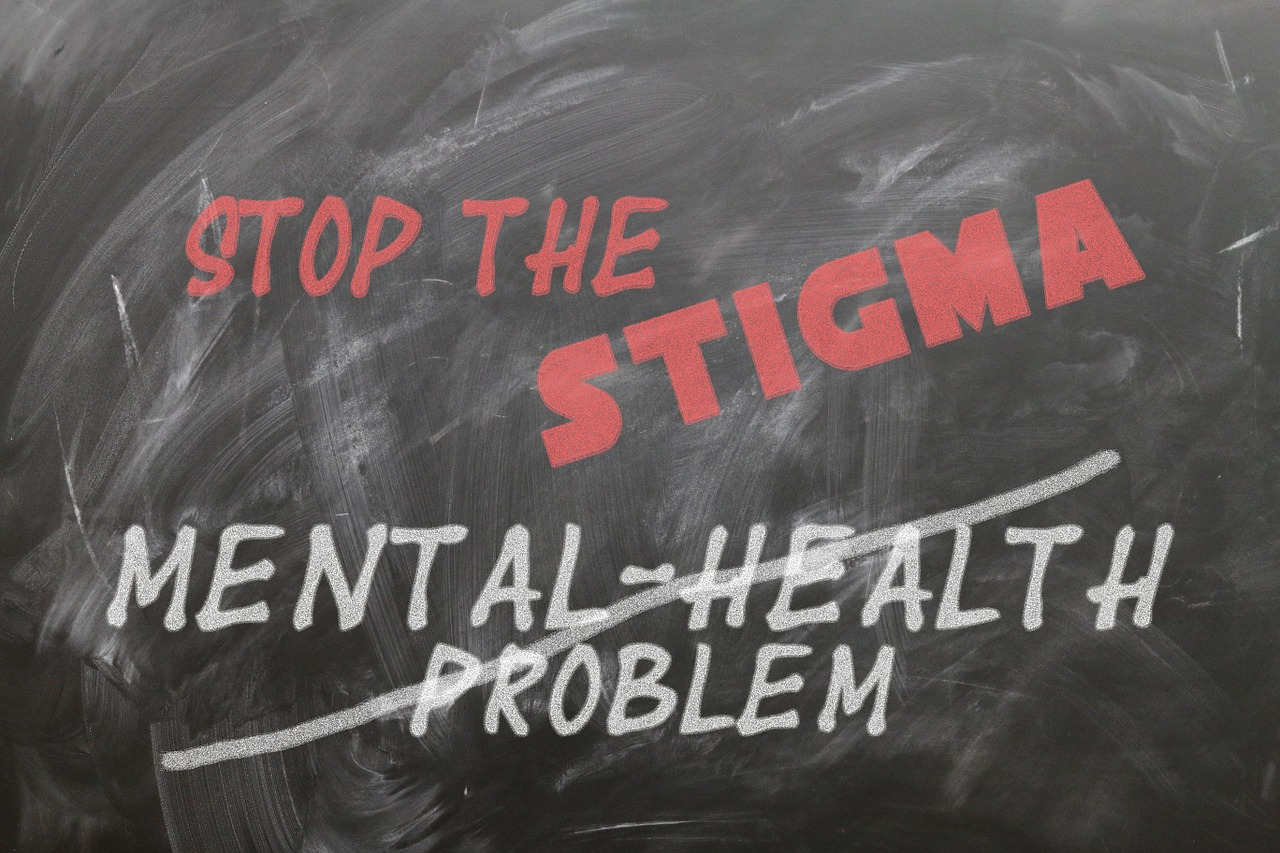
Fighting The Stigma of Addiction by Addressing 5 Common Misconceptions by Aaron Smith.

(image: Pixabay)

Addiction is so intricate and multifaceted that in the face of extensive scientific research, there are still myths and misconceptions about it that often get in the way of treatment. They cause stigma that keeps people from getting help for fear of being labelled as ‘bad’ or ‘weak’. But, to win the fight against addiction, we have to confront some common misconceptions to create an environment that empowers people and encourages them to get treatment for successful recovery. Here are some of the top misconceptions about addiction: 

5 Common Misconceptions About Addiction

(image: Pixabay)

Myth 1. Addiction is by choice: If a person is addicted to something, it’s because they chose to be, and it’s their fault. 

The truth is that no one chooses to become addicted—addiction is a brain disorder. The American Society of Addiction Medicine describes it as a treatable chronic disease that is a result of the interactions between the brain circuits, upbringing, trauma, environment, and genetics. Heavy and prolonged substance use interferes with the brain networks and increases the likelihood of becoming addicted. 

Nevertheless, a choice can influence the recovery journey. The person may choose to seek help dealing with addiction through addiction therapy, exercises, symptoms treatment, and other lifestyle decisions. 

Myth 2. It just takes willpower to stop: Addiction results from a lack of willpower, if the person wanted to stop using badly enough, they would. 

Sadly, a person cannot ‘will away’ their addiction, and it does not result from a lack of willpower or self-discipline. Drugs, alcohol, and other substances produce profound brain changes that alter the natural reward system. 

Typically, mental rewards come only after exerting effort, and this takes a while. But, the addictive behavior shortcuts this process and gives the brain pleasure early on. When the brain is used to early results, the person’s self-control and capacity to make good decisions is eroded and replaced with the impulse to engage in rewarding behavior. 

The substance-induced impulses are not like the usual urges to eat or drink. They are overwhelming and compulsive impulses whose resolution is only engaging the addiction. It’s the reason why addiction appears irrational in that a person will keep using it even when things are falling apart around them. 

Myth 3. Tough love compels people with addiction to stop: If you are harsh with the individual, they will understand the seriousness of the issue and feel the need to change. 

With addiction, ‘tough love’ is not the answer. Being harsh, insensitive, or indifferent may cause the person to feel unworthy, demoralised, and rejected. It typically produces the opposite results of what was intended. 

The better way to address addiction is to take a kind and compassionate approach. The reality is that the majority of people with an addiction are usually contending with other struggles and use addiction to compensate. For example, many people with an addiction struggle with feelings of rejection, and pushing them away with ‘tough love’ only aggravates the underlying problem. However, love, kindness, and support can pull the person closer, address the underlying problem, and start them off on the addiction recovery journey. 

Myth 4. Addiction does not really go away: An addict will never be truly free. Once an addict, always an addict. 

Addiction is a complex condition, and recovering from it takes time. It can indeed be a chronic condition, but even then, the individual can still recover. Addiction is not a life sentence, and there is always hope to get back on a healthy path and live a fulfilling life. 

Regardless, it’s normal to have some recovery setbacks. Although it doesn’t happen with everybody, relapsing and returning to substance use after abstaining for some time is normal. But this is not a sign of failure. Instead, it’s an opportunity to discover what is not working in addiction therapy and to restrategize the treatment. Every person is unique, and the relapse provides a chance to understand the unique factors that drove the individual to relapse and helps with formulating strategies to prevent another relapse in the future. 

Anyone can break free from the cycle of addiction permanently. It just takes a combination of recovery therapy, support from family and friends, and personal growth to give them a renewed purpose to live. 

(image: Markus Spiske, Unsplash)

Myth 5. You must abstain to recover: The only way to recover is to keep off the substance completely.

The truth is that recovery means different things to different people. Abstinence is only one form of recovery and not the final destination for all people. Moderating use so that substance reliance no longer interferes with a person’s productivity or relationships is also recovery. Some people are only looking to reduce substance use, while others are only looking to use a less harmful substance. From there, these people watch their consumption or wean themselves off, even without treatment. 

So, instead of insisting on abstinence or giving a timeline for a complete cessation of use, understand that recovery from addiction is a journey that some reach pretty quickly while others take small steps and a long time to get to the same destination. 

Addiction Recovery Can Be Made Easier 

Addiction is difficult to resolve, and it doesn’t help that there are many myths and misconceptions surrounding it that further complicate the recovery. But, through education and awareness on addiction and recovery, and showing love, support, and empathy towards the individuals, society can make the recovery journey easier. 

Addiction therapy is a particularly useful recovery tool because it sets the individual in an environment where the people and the programs support recovery. Sign up for therapy and start your path to recovery today!

Aaron Smith is a freelance writer.

Tap Your Worries Away – How EFT Therapy (Emotional Freedom Technique) Changed My Life by Dominika Kalinowska

(image: Jared Rice, Unsplash)

I’m Dominika Kalinowska, and I’ve been battling anxiety for a good chunk of my life, especially during my university days in the UK. Little did I know, anxiety would become my constant companion.

It started with those occasional anxious moments in my younger years, but once university hit, it ramped up. I was juggling studies, part-time work, and adapting to a new country. Stress became my middle name, and it took a toll on both my mind and body.

I tried all the usual stuff—meditation, yoga, positive affirmations—but nothing seemed to stick. My body rebelled with heart palpitations, vertigo, and all sorts of nasty symptoms. I withdrew from social life, fearing the physical fallout of pushing myself too hard.

But here’s the thing: once I stopped fighting my anxiety and accepted it for what it was, things started to change. I stumbled upon something called EFT therapy, or tapping therapy. It’s this great practice where you tap on specific points of your body while talking about how you feel.

I know, it sounds a bit out there, but trust me, it works. With each tap, I felt a little lighter, a little freer. It was like I was finally giving myself permission to feel my emotions without judgment. And that made all the difference.

So, what exactly is EFT therapy? Well, it’s a blend of ancient Chinese acupressure and modern psychology. Sounds fancy, right? But it’s actually pretty simple. With EFT, you tap on specific meridian points on your body while focusing on the issue you want to address.

Here’s how it typically goes down: you identify a problem—whether it’s anxiety, stress, pain, or anything else that’s bothering you—and then you start tapping. As you tap, you also say out loud how you’re feeling and what you’d like to feel instead.

It’s like giving yourself permission to acknowledge your emotions and then letting them go. And let me tell you, it’s incredibly freeing. I first heard about EFT therapy during my search for healing anxiety. Traditional methods weren’t cutting it for me, so I figured, why not give tapping a try? And boy, am I glad I did. With each tap, I felt a little lighter, a little more in control of my emotions.

But here’s the thing: EFT therapy isn’t just about tapping away your troubles. It’s also about reprogramming your brain. By combining tapping with positive affirmations, you’re essentially rewiring your brain to think more positively.

And the best part? You can do it anytime, anywhere. No fancy equipment or expensive therapy sessions required. All you need is your hands and a willingness to give it a shot.

I’m not saying EFT therapy is a magic cure-all. It’s just one tool in the toolbox for managing your emotions. But for many—including myself—it’s been a lifesaver.

Now, as a psychologist and hypnotherapist, I’m all about spreading the word on EFT therapy. And if it worked for me, it can work for you too.

So, if anxieties got you in its grip, don’t be afraid to reach out for help. Whether it’s therapy, meditation, or a good old-fashioned chat with a friend, there’s support out there. You’re not alone in this journey, and there’s no shame in asking for a helping hand.

With love,

Dominika  

Dominika Kalinowska is a psychologist, psychotherapist and hypnotherapist who has benefited personally from EFT therapy.