What a year it has been, the ninth year of our blog! And now we are nearly at the end of 2025 and approaching Christmas. Thank you to every single person who reads, comments, shares and supports this blog.
This is to wish you and your family a very happy Christmas/ holiday period, filled with light, love and laughter. We celebrate Chanukah and it has been a difficult time this year but we tried to make it joyous and still lit our candles.
Sometimes the festive season brings into focus the things that we don’t want in our lives or difficult relationships. It can impact our mental health. Please don’t suffer alone and protect yourself, if you need to talk to someone please call the Samaritans at 116 123.
Have a wonderful Christmas/ festive season and even better new year! 2026 will be the tenth year of this blog!
Autumn (or if you’re in the USA, Fall) is one of my favourite seasons. Beautiful autumn leaves, the weather getting gently cooler, cosy hot chocolates and pumpkin spice, the autumn harvest of pumpkins, snuggling in blankets with a good book or TV show and for some- walks in nature with the orange and yellow trees and landscapes. However, did you know that the clocks going back and the change in light and dark, with nights drawing in, can affect your mental health? Studies have shown that when its darker, people are more prone to depression and anxiety and some (like myself at times) struggle with Seasonal Affective Disorder.
There are many ways to take care of yourself if you feel your mood dipping or you are becoming more anxious. If you feel it is affecting your daily functioning, please reach out for support from your doctor (and if you have one, a therapist or psychologist). Here I talk about a few tips to help support your mental health this Autumn.
Make sure you rest as well as play and work
Work can become all consuming, but if you prioritise rest this season too, your body will thank you. Autumn is all about slowing down, recovering, resting (and for animals (and some humans) hibernating). Yes you can work and play hard if you prefer, but make sure you find that balance to support your wellbeing. In our busy lives and for those who are parents or just struggling with their mental health, self care can slip. Practising good self care- eating well, resting, gentle exercise, can really help our minds.
2. Release Control- Give Stress Over
Gabby Bernstein, my favourite spiritual teacher, often says ‘Release control to find peace, surrender it to the Universe’. Surrendering means not obsessing about what we can’t control, but giving it over to a higher power or the universe. This can really help when we feel overwhelmed and stressed, to pray and meditate or simply write down how you are feeling and then ask the universe to take it from you. Journalling thoughts and feelings can help too.
3. Nature walks
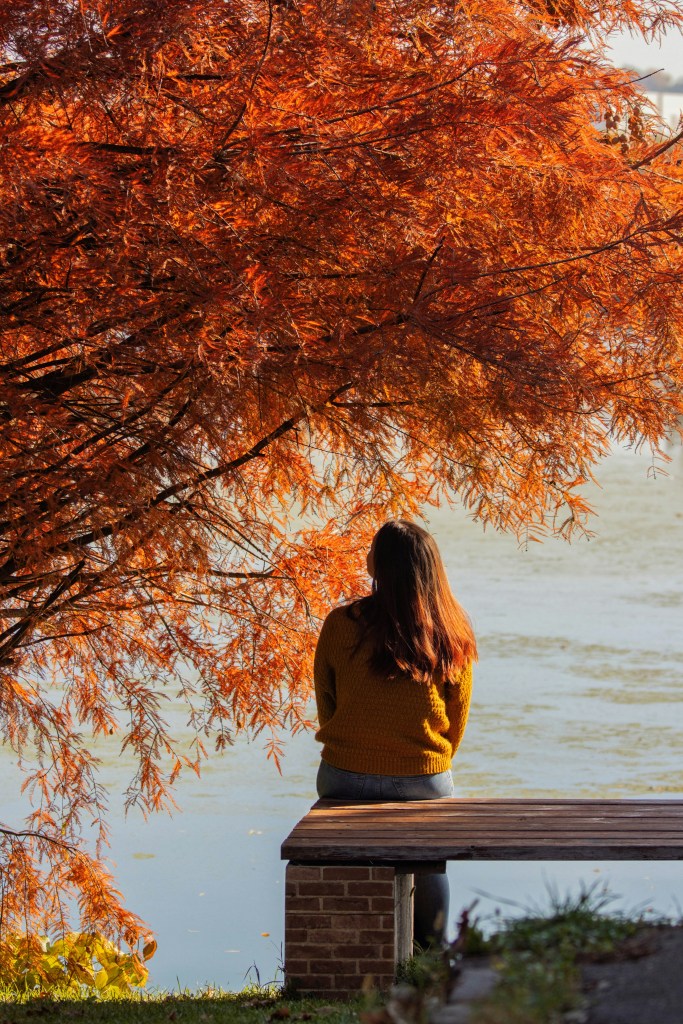
Despite the cold, this Autumn, walking in nature can help get the blood pumping and our minds to reset. Sometimes going with a friend, spouse or family member can cheer you up- there is something about the colours of nature, the soft greens that is truly calming.
(image: Erika Mendes, Unsplash)
4. Make your home cosy
Whether its getting some new cushions or blankets, fairy lights or lamps, investing in cosy and light interiors for the darker seasons is a must! I like to use lamps when the nights draw in.
5. Get enough sleep (but not too much!)
During the Autumn/ Winter period, most of us naturally want to hibernate in the evenings. Sometimes this period can make depression and anxiety worse. I know with my bipolar that sometimes I feel lower or more anxious. Getting enough daylight and if you struggle with seasonal affective disorder, use an SAD lamp, which can help you to wake up gently in the mornings. Similarly, make sure you get enough sleep for you to keep your mental and physical health at its best. Depression can cause us to sleep longer hours and hide away- I find daytime distractions can help me not to sleep too much.
6. Take your medication as prescribed
If you struggle with mental health in winter and are prescribed antidepressants or other meds, do not suddenly stop them as this can cause a relapse in your mental health. Make sure you speak to your doctor first!
7. Treat yourself
Treat yourself to a hot chocolate (or pumpkin space drink) and a good book or TV show, wrapped in a cosy hoodie or blanket. You deserve it!
Wishing you all a wonderful and well Autumn/Fall season.
Seasonal affective disorder (SAD) is a type of depression that some people experience with the changing of seasons. Usually, it is associated with the transition from fall into winter, but it can also happen during the summer. Either way, there is a noticeable pattern with signs of SAD due to many external factors. Here are some ways you can identify SAD and work to overcome some of the symptoms.
Spend Time Outdoors
SAD is thought to be caused by fewer hours of sunlight due to the shift of the planet’s position going into the autumn and winter months. It is also believed to be linked to the production of melatonin, a hormone that we produce when it is dark outside. Not getting enough sunlight can affect your mental and physical health. Therefore, it is important to remember to get outdoors and soak up the sunshine even during the colder months.
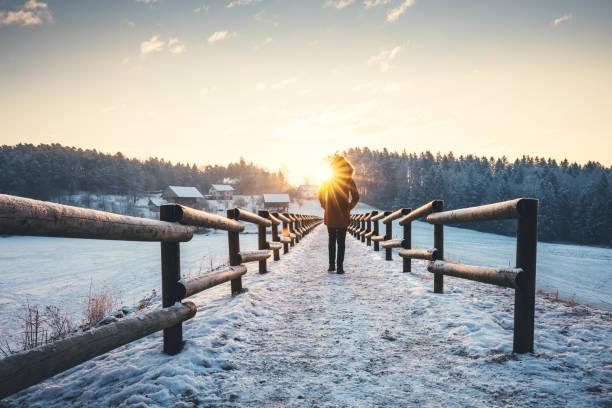
Snow activities, such as snowshoeing, skiing, and sledding are all fun ways to spend time outside in the cold, if you’re in a country where you have snow. Weather permitting, a walk around the neighbourhood is a more manageable daily outdoor activity that you can do with a furry friend or family member.
Not only will you be able to maximise your vitamin D intake, but you will also be able to spend quality time with your walking partner. If you’re finding it difficult to leave the house to get your vitamin D, consider taking a supplement or buying a sun lamp.
(image: free image)
Increase Exercise
Exercise can help boost energy levels by producing endorphins, giving you that “runner’s high” feeling and keeping your SAD symptoms at bay. Some of the outdoor activities listed above are also great methods of exercise, but if you can’t get outdoors to get active, have no fear. There are many at-home workout videos on the internet that you can follow along with. Whether it’s yoga, Pilates, or HIIT, find what works for you and get into a routine.
If getting outside of the house is high on your priority list this time of the year, we hear you. Try taking a tour of a local fitness center or gym that you’ve never been to. You may find that you enjoy being around other people who are as motivated to move as you are. Not every “New Year’s Resolution” has to start on January 1st, you can set goals on your own time.
Seek Professional Advice
If you feel like you’re experiencing more than just a case of the blues, consider talking to your doctor or therapist about next steps. Medication may not be right for everyone, so it is important to consult with your healthcare professional about what is best for you. These conversations are not always easy to have, but keep in mind that your mental and physical health always come first.
If addressing your mental health seems intimidating or you don’t have a therapist, consider an online teletherapy service. Over the past few years, virtual appointments have grown in popularity because of their practicality. Many people feel more comfortable in their homes than in an office,which is important for a productive session.
Get Creative
Writing and journalling are two ways to get your thoughts onto a page and out of your head. This tip is especially important to consider if you feel like you’re stuck in a creative rut. You can draw, write fiction, or find prompts to follow online.
Gratitude journalling is a great way to reflect on what you are thankful for in your life and is especially relevant with Thanksgiving coming up. This holiday season, consider sending a Thanksgiving card to the people in your life that make you feel grateful. It will make them feel appreciated and you are sure to feel good about it too.
You can even try a meditation colouring book. In the past, it may have seemed like an activity meant for a younger group. But now, it is gaining popularity because it can be calming and a great way to focus your mind for a while. When you’re finished, you’ll have a piece of art that you created and can hang up wherever you’d like.
During these cooler and busier fall and winter months, it is important to make time for yourself and your mental health. SAD is not something to be ignored or swept under the rug. If you are looking to read more about mental health, check out our other blog posts!
Disclaimer: This article is intended for educational purposes only and does not constitute medical advice. Consult a medical professional if you are seeking medical care or treatment.
Brian Thomas is a contributor to Enlightened Digital. He enjoys reading and researching tech and business. When he’s not looking into the latest trends, you can find him out cycling.





 beurownlight.com