
Why Writing therapy helps : Guest Post by Amy Hutson, Counsellor

writing therapy
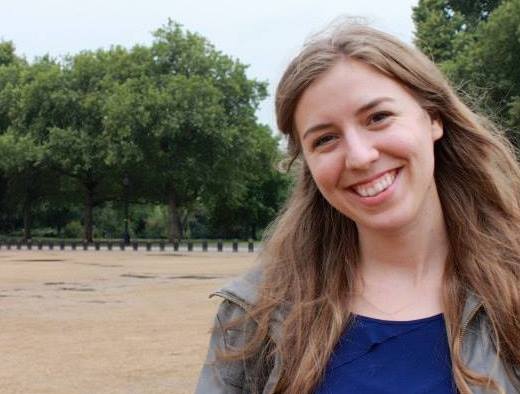
(image: Amy Hutson)

I first started using writing therapy without really knowing what it was when I was having a tough time at school. There was something valuable about getting my thoughts down on to a page, instead of spinning around my head that helped to make sense of everything.

Since training as a counsellor many years later, I came across writing therapy and took some training in how to use it with clients. I’ve found it can be very powerful, alongside therapy or even on its own.

But what is writing therapy?

Writing therapy or expressive writing is basically writing as fast as you can without worrying about grammar or whether it makes sense. It might sound a bit odd, but it taps into your unconscious thoughts and can be cathartic writing things down, as well as helping to come up with answers to something you’ve been struggling with.

In the 1980s James W. Pennebaker was the first person to research how writing therapy helps and he set the challenge of asking people to write about their most traumatic experiences over four consecutive days. The results of the study were staggering, people felt much better both mentally and physically. So much so that people made less visits to the doctor at about half their usual rate, after the experiment.

So how can you use writing therapy?

There are lots of different techniques I use with clients, depending on what issue it is we’re discussing or what I think might be helpful to them. But here are a few things you could try at home and if it ever feels a bit too painful what you’re writing, you can stop at any time or write about something that feels safer.

Journalling

If you’ve never tried writing in a stream-of-conscious style of writing in a journal, I’d recommend starting here. Some people like to buy a lovely notebook and find a quiet space to write, sometimes at the beginning or at the end of the day. Then the idea is to write about whatever comes to mind. Even if you start by just writing ‘blah blah blah’, you will probably find something insightful will come up if you just keep writing and don’t stop to think. If writing every day feels too much, you could try writing whenever you feel you need to – it could be you’ve had a really rough day and want somewhere to vent or maybe something incredible happened and you want to record and remember it.

The unsent letter

The unsent letter can be powerful when you want to say something to someone but feel you can’t. It might be you’re angry or upset with someone and you’re holding on to those strong emotions, because you feel unable to share them. So, you simply write everything you want to say to this person in a letter without worrying about hurting anyone’s feelings, because it’s not going to be sent. Writing it alone can really help, but it can also be used as a way of getting your thoughts together before confronting someone in a less emotional state.

If you want to take this one step further, you could write a letter back to yourself from the other person. The results can be surprising, as they can offer another perspective to the situation you might not have thought of.

Quick lists

Writing lists quickly and without editing them can be helpful and used in lots of different ways. Say you’re feeling anxious, you could start a list like:

I’m really anxious about:

  • My new job
  • Lack of sleep
  • Bad diet

Rather than just focusing on the anxiety, writing a list can sometimes help uncover what might be causing it, which you could then explore further in a journal, with a friend or a counsellor.

Another example of a quick list which can help if you’re feeling low is:

Three good things that happened today:

  • I got through the day at work despite little sleep
  • I met a friend for coffee
  • I went to the gym

Writing therapy really helps my clients and it could help you too!


Amy Hutson is a counsellor and writing therapist, who offers therapy in Hove and worldwide on Skype. For more details visit www.amyhutsoncounselling.co.uk

 

‘What its like wedding dress shopping as a curvy bride to be’ (focusing on mental health and body image) for Glamour UK by Eleanor


weddingdresses

(image: Glamour UK)

Here it is, my GLAMOUR UK article on being a curvy or plus size bride.

 
This one is understandably a very personal one but I wanted to investigate about body image, self esteem and how it affects mental health. As women we get taught what is ‘correct’ in terms of body shape and what isn’t- especially with the rise of social media.
 
I have put on weight over the years due to medication for my bipolar and its not easy. I am yet to go wedding dress shopping (going soon) but the brides I spoke to often had.
 
Thank you to the brides Rachel, Emma, Lauren and Reva for telling me their own courageous stories.
Thanks to the expert psychologists Nicola Walker and Jessica Valentine and Karen at Smashing the Glass wedding blog. And to my editor Bianca London at Glamour.
 
Happy reading, click here: 
 

What’s Family therapy really like? Guest post by Christine H

Family therapy 1
(image: Christine H)

Therapy is growing more and more accepted as a mainstream practice, rather than a scary, stigmatised ordeal. After all, it’s important to take care of mental health, and sometimes, we could all use a little extra help.

However, when it comes to any kind of therapy, it can still be scary. We don’t know what to expect, and we worry that we’ll be forced into something that makes us too uncomfortable. This can especially true in the case of family therapy. Often, family therapy is utilised when one or more family member confronts a serious mental health challenge (such as, for example, bipolar disorder, addiction, or major behavioural issues) that affects the rest of the family.

So, in order to dispel some of the misunderstandings surrounding family therapy, and to perhaps help people become more comfortable with it, here are some important things to know:


There May Be a Mix of Alone and Together Time

Contrary to popular belief, family therapy isn’t just going to be your family talking in a circle with a therapist the whole session. Well, maybe sometimes it will be. But other times, “family therapy” refers to a lot of different compilations of relationships within your family. Parents may talk with the counsellor separately, and then a child who has been the primary subject of therapy will talk with the therapist, and then perhaps the counselor will enable a conversation between the child and parents in order to share information that needs to be shared.

Additionally, family therapy is most effective when all family members are utilising therapeutic tools to get what they can out of the experience. For example, often in the case of addiction, support groups are available for both the person struggling with addiction, and for the family members who are affected by it. In these separate group therapies (which you can learn more about here) family members can gain new perspectives which will empower them to return to family therapy with the information they need to make it a productive venture.


Information that You Want Confidential Can Be Confidential

During all the mix-match of family therapy modules, many individuals are wary about sharing information with the counselor if they don’t want it to be shared with the whole group. And although this might sound kind of shady, it’s not just about keeping major secrets. Often, it’s about protecting family members’ feelings, or being embarrassed or worried about our own feelings.

Since family systems therapy is ultimately about repairing relationships and empowering healthy communication and cooperation, a counsellor can help individuals identify what information is important to share, and how to go about it in the best way. However, there are some challenges that are best talked out one on one with the therapist, and not in the group as a whole. It’s important for all parties involved to understand that they can still control the information that’s shared, and the way they choose to do it… or not.


It’s Not All Talk Therapy

Although sometimes all that’s needed in order to strengthen a family’s power to communicate and cooperate is an outsider guiding the conversation, other times talk therapy can be frustrating for families, as they’ll find themselves going around in the same old circles and arguments that they would on their own. That’s why most counsellors will utilise other techniques and approaches to achieve family goals.

For example, sometimes it’s useful to utilize experiential therapy, which could include anything from a cooperative ropes course, to role playing exercises. You can learn more about those options here.


Practicing Outside of Therapy Sessions Is Vital

One common assumption of family therapy is that the work will get done in therapy sessions, and it doesn’t have to change the way things are outside of therapy. Family therapy can only be successful when it creates changes to habits and systems within the family dynamic that aren’t serving individuals as well as they should.

Most of the time, a therapist will give family members assignments and goals that they can do–both by themselves, and as they interact with the rest of the family–in order to improve family relationships. Often, these are small habits in the way that we talk and the way we share duties in and out of the house.


This article was written by expert on family therapy Christine H:

christine

Christine is a professional writer and an avid reader who’s passionate about storytelling in any form. At any given moment, she’s in the middle of at least three books on anything from psychology to ninjas. Although she’s a marathon swimmer and enjoys camping in the mountains, she believes there’s nothing better than a carton of ice cream and a Dawson’s Creek marathon. She blogs about marketing here. Follow more of her writing on Twitter @readwritechill.


Gay Conversion Therapy in America and its toll on Mental Health by Nick Rudow

gaypride1
(image: VectorStock)


In May of this year, Maryland became the 11th state in the USA to ban gay conversion therapy, a tactic often used by religious organizations to try to alter an individual’s sexual orientation or gender identity. While this news is comforting to many LGBTQ youth, gay conversion therapy is still legal and practiced in many states across the nation. Two new film releases this year, “The Miseducation of Cameron Post” and “Boy Erased,” are tackling this subject in authentic ways and bringing to light a practice that’s sadly as relevant as ever.

Its Toll on Mental Health

Often referred to as “reparative therapy,” gay conversion therapy has shown to exert a tremendous toll on a person’s mental health and lead them to depression and suicide. Conversion therapy is typically brought on by the parents of the individual, and they’re forced into it as a form of “punishment” for their sexuality. Research conducted at San Francisco State University found that LGBTQ youth who were rejected by their parents because of their sexual orientation were more than 8 times as likely to have attempted suicide.

Without the acceptance of their parents, LGBTQ youth have shown to develop self-hatred and remorse toward themselves, and gay conversion therapy perpetuates these feelings. Using methods such as inducing nausea, inflicting shame and even giving electric shocks to the individual, therapists attempt to “cure” them of their same-sex attraction and “correct” their behavior.

When LGBTQ teens are told they’re “sick” and need to be “saved” because of their sexuality, their mental health is significantly impacted. Counseling experts from Rutgers found “when language that is biased against LGBT individuals is used on a routine basis, it can have a cumulative effect that is damaging.”


Where We’re Seeing It Today

The history of gay conversion therapy spans centuries, with some psychiatrists using hypnosis to try to treat their LGBTQ paitents’ sexuality during the 18th century. But with the popularization of behavioral therapies in the 1960s and ‘70s, psychologists began coming up with new and frightening methods to try and “cure” someone’s homosexuality.

During the early 1970s, a psychologist named George Rekers published an article touting his treatments of homosexual patients as successful and revolutionary and used a 5-year-old patient of his as an example. The child, Kirk Murphy, showed stereotypically feminine traits, and his parents sent him to Rekers to “prevent” him from being a homosexual. Even though Rekers said it was a success, Murphy developed severe psychological distress and, as a gay adult, died by suicide at the age of 38.

With so many health and psychology organizations refuting gay conversion therapy practices, why is it still legal in a majority of states around the country and still practiced by religious groups every day?

The answer may lie in the negative way some religious communities view homosexuality and the amount of LGBTQ youth coming from anti-gay households. There are still several churches prohibiting same-sex marriage in the U.S. and many LGBT teens are left homeless after being kicked out of the house by their parents. Discrimination and violence against the LGBTQ community occurs daily in America, with the LGBTQ murder rate having increased by 90 percent last year. Eighty-eight LGBTQ homicides were reported between 2012 and 2015, according to research from Bradley University.

Even with gay conversion therapy organizations being banned in several states, many are still being operated around the USA. 


How We Can Do Better

According to researchers from the Williams Institute at the UCLA School of Law, an estimated 20,000 teens ages 13 to 17 will undergo conversion therapy in an attempt to change their sexual orientation. It’s vital that parents offer support and love to their children and never subject them to harmful gay conversion therapy treatments. There are several mental health resources available to LGBT youth such as The Trevor Project and services for those struggling with unsupportive families such as the GLBT National Hotline.

To all those suffering out there with feelings of worthlessness and self-hate, know that you’re not alone and there are people out there who can help you restore a positive outlook on life. No LGBTQ person should live in shame because of their sexuality or gender identity, and we need to recognize that and ban gay conversion therapy nationwide.

 
This article is by writer and activist Nick Rudow.

Autumn leaves and Mental Health tales. (by founder Eleanor)

autumnhyg

(image: http://www.thechakrahouse.co.uk/chakra-hygge-fairy-lights/)

I wanted to write this blog today because I have been reflecting. Over the years, I have come to really love the Autumn (Fall) season, despite being born in summer. Its cosy and calming at times, however these months can bring on some anxiety again for me.

I think that we are all human and are affected by the changing seasons. I know that my bipolar goes in phases, but is largely controlled and stabilised by medicines. However, sometimes hormones can make me feel lower at times of the month or life events can make you feel a bit sadder than normal, and in some cases, provoke depression.

My anxiety arrives in the form of morning panic and I can find it harder to do certain tasks. However, I am lucky that I am not depressed currently but the anxious thoughts are getting worse again.

I will worry about being around crowds, travelling far or socialising en masse with people I havn’t seen for a while. I live within a community where we all gather together for religious festivals and it can be harder to do this when I am more anxious. I particularly find early mornings hard- and don’t want to leave the house before 10am usually!

Working from home is both a blessing as I can work my own hours but I go out less. I am really trying to work on going out more- even down the road, especially before it gets too cold and dark.

Despite the increase in anxiety in the past few days, I am feeling thankful. There are so many good things to look forward to. There are so many exciting projects I can be a part of. When one door closes, I know that another will open.

I am still writing my book, still running my blog and have some articles being published soon. I also do social media management. I hope that my career will continue to diversify and bring joy.  I also need stability and the life of a freelancer, though fulfilling at times, is never easy.

There is a lot to be grateful for- family and friends, my fiance and life- despite the fears, anxiety and catastrophising that I do at times and am trying to limit. Positive mindset is so important- I am working on it!

Autumn can make us feel sadder or more anxious, or cause other mental health symptoms.  However, like now, it can also feel comforting- as I write on my computer, sipping a cup of tea as the darkness is falling. (Is it too new age of me to use the word ‘hygge’)?

As the leaves begin to fall and the frosts come its so important we find our lights in the darkness.

How are you doing? Let me know below!

Love,

Eleanor

7 reasons why 30 days of Yoga enhances your lifestyle by Meera Watts

yoga

You are probably fully aware of how beneficial yoga is for your mind and body. When you commit to it for 30 days, you will really begin to feel those benefits.

A practice like this is known as sadhana in Sanskrit, which means “dedicated practice.” You will definitely become more flexible and release tension on a daily basis.

The benefits go much deeper than this though. All aspects of your life will improve. You will mentally feel better about yourself just for the effort of getting on the mat every day. When you feel good about yourself and take action for your own self-care, life will get better for it.

Here are 7 reasons why 30 days of yoga will enhance your lifestyle.

1. You are More Able to Relax

When you’re able to relax, you can enjoy little moments in life far better. Yoga has been proven to reduce levels of cortisol by relaxing the central nervous system. Poses, or asanas, in yoga, will help relax all the tension in your body. You begin to regulate your heartbeat when you do yoga daily. This helps you to deal with stress far better as well.

If you have problems with sleeping because your mind won’t shut down, yoga can be beneficial for this as well. Chronic insomniacs have been able to break the cycle of sleepless nights from starting a daily yoga regime.

It helps to calm the mind and body. You might even want to do a few relaxing poses before going to bed.

2. You Feel Better About Yourself

It’s easier on your body to do yoga for 30 days straight as opposed to weight training or other intense exercises. It might be hard at first but the progress you make in the practice will improve how you feel about yourself.

Whatever your reasons are for going through a 30-day yoga practice, you will get a sense of purpose. This sense of purpose will make you feel good about yourself. Being dedicated to something and sticking to it can create a habit of commitment within you. You will have a greater sense of trust in yourself as well.

It starts with 30 days of yoga but you’ll likely move onto do more yoga or other types of physical activity. Doing something active daily is good for the mind and the body. Once you get into the habit, you’ll always want to improve.

3. Your Body Will Become Stronger

Although yoga wouldn’t be considered a direct way to lose weight, it actually can. You don’t burn a lot of calories but you do gain more muscle. Muscle eats fat so it is an indirect way to improve the body.

Doing yoga for a while 30 days will help your metabolism so you’ll burn fat more easily. Your weight will normalize through yoga because it restores hormonal imbalances. You also become more mentally stable when something arises and you feel stressed.

You’ll hopefully be able to manage the ebbs and flows of life because you’re more centered.

4. Better Posture

As you’ll be doing yoga for 30 days straight, you’ll be able to properly counteract bad posture. This will be a noticeable improvement.

As you stand in Mountain Pose, you’ll be pulling your shoulders back which will probably feel uncomfortable for a few days. As you continue with your practice, you’ll notice that it’s easier to stand with your shoulders back.

You’ll be focusing on your posture and how your body is functioning, which will help you focus on it while you’re off the mat. Many of the poses stretch out the areas of the shoulders and back that are compromised from slouching.

5. Mindfulness Makes You More Conscious

You may not realise all of the things in your life that you’re grateful for. Most of us just live every day and don’t really think about we have. We think about what we don’t have, what we want, and other things.

Mindfulness is a large part of the full yoga picture. It is where we let go of the ego mind, which is that inner chatter you’re hearing all the time. When you’re present in the moment of now, there can be no depressive or anxious upsets.

This allows you to open up to what is happening for you right now. When you’re more conscious, it’s easy to appreciate moments, you are more easily grateful for what you have. You become happier and more at peace.

Also, you’re not missing out on your life. It’s unravelling in front of you and you are there with it. The conscious thought brings a great deal of fulfillment into your life while eradicating self-critical, worrying thoughts.

6. You’ll Become Better at Breathing

Breathing is important for the health of your physical and mental state. When you get anxious, you will experience a shallow breath. This makes you feel more anxious. If you can learn how to breathe deeply into your lungs, you can calm yourself down instantly.

During yoga, you will probably feel very relaxed so you can safely hone those deep breathing skills. Then in times when you need it, you will be able to automatically breathe into your belly.

7. You’ll Be Able to Focus Better

Yoga sends a lot of oxygen to the brain, which helps to promote mental functioning. In addition, the lack of anxiety allows you to think more clearly. This can help you in your work life with productivity or in running a household.

When you’ve completed your 30 days of yoga, you will know that your life has changed. You have trained the mind and body to work in the most optimal way. You will see the benefits that manifest into your outside life and how it enhances the lifestyle you’re living. You’ll be fit and feel generally happier. Yoga can teach us a lot and you will understand this when you commit to the practice.

Meera Watts is a yoga teacher, entrepreneur, and mom. Her writing on yoga and holistic health has appeared in Elephant Journal, CureJoy, FunTimesGuide, OMtimes, and others. She’s also the founder and owner of Siddhi Yoga.

Website:  https://www.siddhiyoga.com/
Youtube: https://www.youtube.com/user/siddhiyogaacademy

Instagram: https://instagram.com/siddhiyogainternational

Pinterest: https://pinterest.com/siddhiyogainter

Twitter: https://twitter.com/meerawatts

LinkedIn: https://www.linkedin.com/in/meerawatts

FB Page: https://www.facebook.com/siddhiyogateachertraining


Mindfulness and Unplugging: Digital Detox

sunflower

(image: Gizmodo)

In my life, I have found that what is truly important is having time away from work, fears, worries, busy-ness in general and unplugging. If I am feeling overwhelmed or anxious or like things are too much, I take an hour or two in the week (and sometimes a day at weekends) to really, properly switch off.

I love social media and  I am always checking my email but sometimes its really good not to have to answer emails or mindlessly scroll through feeds. I love Instagram, but it is an excellent distraction from what I probably should be doing too!

Every Saturday in the Jewish world is Shabbat, the sabbath. I have a complete digital detox and find that I am a lot calmer and more present in the world. I go for walks and look at trees and flowers, without the distraction of my phone. I sleep without the radio (normally at night its on). I am not checking each notification, each app for something new.

I feel free for those 25 hours. I often curl up with a book, sleep and just relax. However, any longer and I really would miss the outside digital world- its a fine balance.

For me I want to be more mindful and appreciative and not live life constantly by social media. It is how I promote my work and stay in touch with people. I love that contact but I also like to unplug my mind and rest.

What about you?

Love,

Eleanor x