Feeling Low? Here’s What Can Help You Regain Control Of Life.

(image: Pexels: Temo Berishvili)

Each of us is our own worst critic and enemy when it comes to matters of the heart. We judge ourselves more harshly than others and when we set standards for our lives, they can often feel impossible. We listen to our own inner voice more than others and when we are overly critical, we’re actually approaching situations and life all wrong.

Who else do you listen to that tells you you’re bad at things? Probably no one else because no one will criticise you more than you do. When you’re feeling low, it can really help to do all that you can to feel better in yourself. You need to feel like a success!

For example, if you don’t own a business, being accomplished could come from studying hard in something new. If you do own a business, you could feel more accomplished with the help of the create chatbot feature you can add to your website – that accomplishment comes from knowing you’re offering value to customers. Things like this can make you feel fantastic about yourself, which is what you should try to achieve at all times.

So, how else can you feel more accomplished, when you’re feeling low?

Consider where you are in life.

How far have you come in life so far? It doesn’t matter where you are right now, you will have come far in life and you have to think about the journey you’ve undertaken. From a personality and mental point of view – even a physical change – you have changed and grown as a person and it’s so exciting! You need to own that and be proud of yourself for it because you are the best person to feel that pride

Appreciate who you are becoming.

No matter which pathways you’ve taken in life so far, you have to be proud of the person you are becoming. You have done so many things so far and hit so many milestones!. If you’re running your own business, you might consider that this is a massive accomplishment compared to where you imagined you would be right now.

Learn to be comfortable with you.

Not everyone goes through life feeling comfortable about who they are but you are a strong person who has overcome every negative situation in life so far. What’s to stop you doing this again and again? Nothing! You are the person in charge of your life, and you deserve to feel like you are doing something right. By changing the things you’re not proud of, you are going to mature and grow in ways you couldn’t imagine.

Create stability.

In your job, in your home life and in your relationships, you should do all that you can to feel more stable in life. Being in charge of that stability takes some time but it’s something that will make you feel like you’re winning in life and you deserve that. Pace yourself with it and take each day as it comes. Feeling low will not go away overnight. But by creating stability in areas of your life, this will help you.

If you are feeling low and think you may be depressed, please do go and see your GP and /or a therapist. There is no shame in reaching for help.

This article was written by a freelance writer.

What Causes OCD To Get Worse? by Sandra Hernandez

(image: free image)

Obsessive-Compulsive Disorder (OCD) is a mental health condition characterised by intrusive thoughts and repetitive behaviours that can significantly impact a person’s daily life. While the exact cause of OCD is still unknown, it’s important to understand the factors that can worsen the symptoms. By exploring these triggers, we can gain insight into how to effectively manage and improve the lives of individuals with OCD.

1. Environmental Triggers

Stress and Anxiety

Stress and anxiety play a significant role in exacerbating OCD symptoms. The heightened levels of stress can activate the brain’s fear response, triggering obsessions and compulsions. The constant worry and apprehension experienced by individuals with OCD can further fuel their anxiety, leading to a vicious cycle of escalating symptoms.

Life Transitions and Major Events

Life changes, such as moving to a new place, starting a new job or school, or going through significant life events like marriage, childbirth, or divorce, can trigger or worsen OCD symptoms. These transitions disrupt familiar routines and introduce new stressors, increasing the likelihood of obsessive thoughts and compulsive behaviors.

Lack of Social Support

Social support plays a crucial role in managing OCD. The absence of a strong support system can contribute to feelings of isolation and loneliness, which can worsen OCD symptoms. Having understanding and empathetic individuals who can provide encouragement and help during challenging times is essential for individuals with OCD.

2. Maladaptive Coping Mechanisms

Avoidance and Safety-Seeking Behaviors

Individuals with OCD often develop avoidance strategies to steer clear of triggers that provoke anxiety. However, this avoidance only provides temporary relief and reinforces the anxiety response in the long run. Similarly, safety-seeking behaviors, such as repetitive checking or seeking reassurance, can intensify OCD symptoms by reinforcing the belief that the obsessions are truly threatening.

Rituals and Compulsions

The compulsive behaviors characteristic of OCD provide temporary relief from obsessive thoughts. However, relying on rituals and compulsions as coping mechanisms can inadvertently strengthen the association between the obsessions and the need to perform these behaviors. This perpetuates the cycle of obsessions, anxiety, and compulsions, leading to a worsening of OCD symptoms over time.

3. Biological Factors

Genetic Predisposition

Research suggests that genetics plays a role in the development of OCD. Individuals with a family history of OCD are more likely to develop the disorder themselves. Genetic factors can influence the severity of symptoms, making individuals more susceptible to experiencing a worsening of OCD symptoms.

Neurochemical Imbalances

Neurotransmitters, such as serotonin, play a crucial role in regulating mood and anxiety. In individuals with OCD, there may be imbalances or dysregulation in the neurotransmitter systems, particularly serotonin. These imbalances can contribute to the intensity and persistence of obsessions and compulsions, leading to a worsening of symptoms.

4. Lack of Treatment or Inadequate Treatment

Delayed or Ineffective Diagnosis

OCD can often be misdiagnosed or undiagnosed for an extended period, delaying the initiation of appropriate treatment. Without a proper diagnosis, individuals with OCD may struggle to understand their symptoms and may not receive the necessary support and interventions, which can contribute to the worsening of their condition.

Inadequate Therapy or Medication

Effective treatment for OCD often involves a combination of evidence-based therapy approaches, such as Cognitive-Behavioral Therapy (CBT) and medication, particularly selective serotonin reuptake inhibitors (SSRIs). However, finding the right therapy and medication that works for an individual can be challenging. Inadequate therapy or medication can impede symptom management and lead to a deterioration of OCD symptoms.

5. Lifestyle Factors

Lack of Sleep and Fatigue

Sleep deprivation and fatigue can significantly impact mental health, including OCD symptoms. The lack of quality sleep disrupts cognitive functioning and emotional regulation, making it more difficult for individuals with OCD to manage their symptoms effectively. Fatigue can intensify obsessive thoughts and decrease resilience, contributing to a worsening of OCD symptoms.

Substance Abuse and OCD

Substance abuse, such as alcohol or illicit drugs, can worsen OCD symptoms. Substance use can disrupt neurochemical balance, exacerbating anxiety and compulsive behaviors. Additionally, individuals may turn to substance abuse as a maladaptive coping mechanism, further worsening their overall mental health and OCD symptoms.

Understanding the factors that contribute to the worsening of OCD symptoms is crucial for effective management and improvement of individuals’ lives with this disorder.With the right interventions and support, individuals with OCD can lead fulfilling lives despite their challenges.

This article was written by freelance writer Sandra Hernandez.

Introducing EMDR Therapy- A Guide For Those New To Treatment by Brooke Chaplan.

(image: Unsplash: Kateryna Hlzinitsova)

Have you heard about Eye Movement Desensitisation and Reprocessing (EMDR) therapy but are not sure what it is or how it works? EMDR therapy is a type of psychotherapy that is mainly used to treat Post-traumatic Stress Disorder (PTSD) and other similar conditions. This form of therapy has been known to produce incredible results in clients with symptoms such as anxiety, depression, and overwhelming fear. If you are someone who wants to know more about EMDR therapy, you are in the right place. This guide explains everything you need to know about EMDR therapy in detail. 

What is EMDR Therapy? 

EMDR therapy is a type of psychotherapy designed to help individuals overcome the effects of trauma and other emotional disorders. EMDR works by reprocessing the negative emotions, memories, and sensations related to the trauma so that they no longer have the power to cause distress. During a typical EMDR session, the client is guided through a series of bilateral eye movements, which induce a rapid eye movement (REM) sleep-like state that enables swift processing of traumatic memories. This form of therapy is client-led, meaning that the therapist guides the client, but the client is in control of the process. 

Who Can Benefit From EMDR Therapy? 

EMDR therapy is an ideal treatment option for individuals who suffer from PTSD and other traumatic or stress-related disorders. However, anyone experiencing emotional distress due to past events, relationship issues, anxiety, depression, and other similar issues can also benefit from EMDR therapy. 

The EMDR Therapy Process 

EMDR therapy sessions typically last 50-90 minutes, and the total number of sessions required varies depending on the individual’s needs and symptoms. An initial intake session is held to assess the individual’s needs, symptoms, and goals. During subsequent sessions, the therapist helps the individual to identify and process the negative emotions and memories related to the traumatic experience. This is done through a specific protocol that involves the client’s recall of the traumatic event and the use of bilateral eye movements to enable swift and efficient processing. The therapy ends when the client reports that the distress related to a specific memory has reduced to an acceptable level. 

Benefits of EMDR Therapy 

EMDR therapy is a unique, non-invasive, and relatively quick way to process traumatic memories and help clients overcome negative emotions. The benefits of EMDR therapy include shorter therapy duration, increased treatment efficiency, less chance of retraumatisation, and more profound and long-lasting results. EMDR does not involve any medications or invasive techniques, making it a safe treatment option for most individuals. 

Finding a Qualified EMDR Therapist 

To ensure that you receive the intended benefits of EMDR therapy, it is crucial to find a qualified EMDR therapist who has the necessary training and credentials. If in the UK, EMDR can be found on the NHS but there are long waiting lists, so you may need to find a private therapist via the Counselling Directory. If in the USA, a certified EMDR therapist should be licensed in their state, have the required training, and be registered with the EMDR International Association (EMDRIA). You can also check online reviews or ask for referrals from someone who has benefited from EMDR therapy. 

EMDR therapy is a highly effective form of therapy that helps individuals process their traumatic memories, overcome negative emotions, and achieve lasting healing. If you or someone you love is suffering from PTSD or other mental health issues, we urge you to give EMDR therapy a try.

By following the EMDR therapy process, working with a qualified EMDR therapist, and staying committed to the treatment, you will be able to live a healthier and happier life. We hope this guide was helpful in introducing you to EMDR therapy, and we wish you the best on your healing journey. 

Brooke Chaplan is a freelance writer.

6 Small Things That Can Help You Manage Your Mental Health by Anita Ginsburg.

(Image: Unsplash: Gabrielle Henderson)

Mental health can be a difficult topic to address, but it is important for everyone to prioritise their wellbeing. There are many ways to manage your mental health, but sometimes the simplest methods are the most effective. This blog post will be discussing six small things that can help you maintain good mental health. These tips are practical, easy to implement, and can make a significant difference in your life.

Keep a Gratitude Journal

It can be easy to focus on the negative aspects of our lives and dismiss the positive. Taking a few minutes each day to jot down things that you are grateful for can shift your mindset and improve your mental wellbeing. Write down three things that you are thankful for each day before going to bed, and reflect on them at any time when you feel overwhelmed or stressed. This practice will help you appreciate the good things in your life and keep you motivated.

Take Breaks From Technology

Technology is increasingly becoming a significant aspect of our lives, and it is often difficult to disconnect. Technology is useful, but it can also be an additional source of stress. To promote good mental health, allow yourself to take breaks from accessing technology and spend more time engaging with people or relaxing in other ways. Read a book, meditate, or go for a walk in the park instead of scrolling through social media. Taking a break from technology can help you unwind and recharge.

Reach Out to Your Support System

The people who care about and support you can play a crucial role in helping you maintain good mental health. Reach out to those in your support system when you need reassurance, affirmation, or guidance. If your family or friends are not readily available, you can always seek professional support through counselling, therapy, or hotlines. Remember that it is okay to ask for help.

Engage in Hobbies or Activities That You Enjoy

Engaging in activities or hobbies that bring you joy can contribute significantly to your mental health. Find new activities or hobbies that you enjoy or rediscover old ones that you may have abandoned. Starting or continuing  collection is also a good way to get out of the house and devote your energy to something new, starting with stores like Go Earth Coins & collectables which have lots of options of things to start collecting. Being creative, learning new things, and experiencing novel experiences can help you feel more fulfilled and satisfied in life. You can also join clubs or connect with groups that share your interests to feel more connected and fulfilled.

Practice Self-Compassion

Being kind and compassionate to yourself should be a core aspect of your daily routine. Self-compassion means recognising your strengths as well as your self-improvement goals, acknowledging your mistakes without excessively criticising yourself, and treating yourself kindly. You can practice self-compassion in several ways, including speaking kindly to yourself, treating yourself to small gifts or experiences, and regularly complimenting yourself.

(image: Unsplash- Tim Mossholder)

Get Enough Sleep

Getting sufficient sleep is essential for both your physical and mental health. Make sure you get enough sleep and avoid stimulants such as caffeine and alcohol, especially before bedtime. Create a sleep-friendly environment, which includes having a comfortable sleeping space, a consistent bedtime routine, and establishing a relaxing bedtime routine, including reading books, taking a warm bath, or meditating to help promote restful sleep.

Good mental health is essential to a fulfilling life, and small things can make a significant difference. Start by implementing these six small things to promote your mental health, and other healthy habits will follow suit.

Remember, maintaining good mental health is a journey, and it requires practice. Take the time to look after yourself, and you will reap the benefits.

Anita Ginsburg is a freelance writer.

About Integrative And Psychodynamic Counselling : by John Graham.

(image: Shea Rouda: Unsplash)

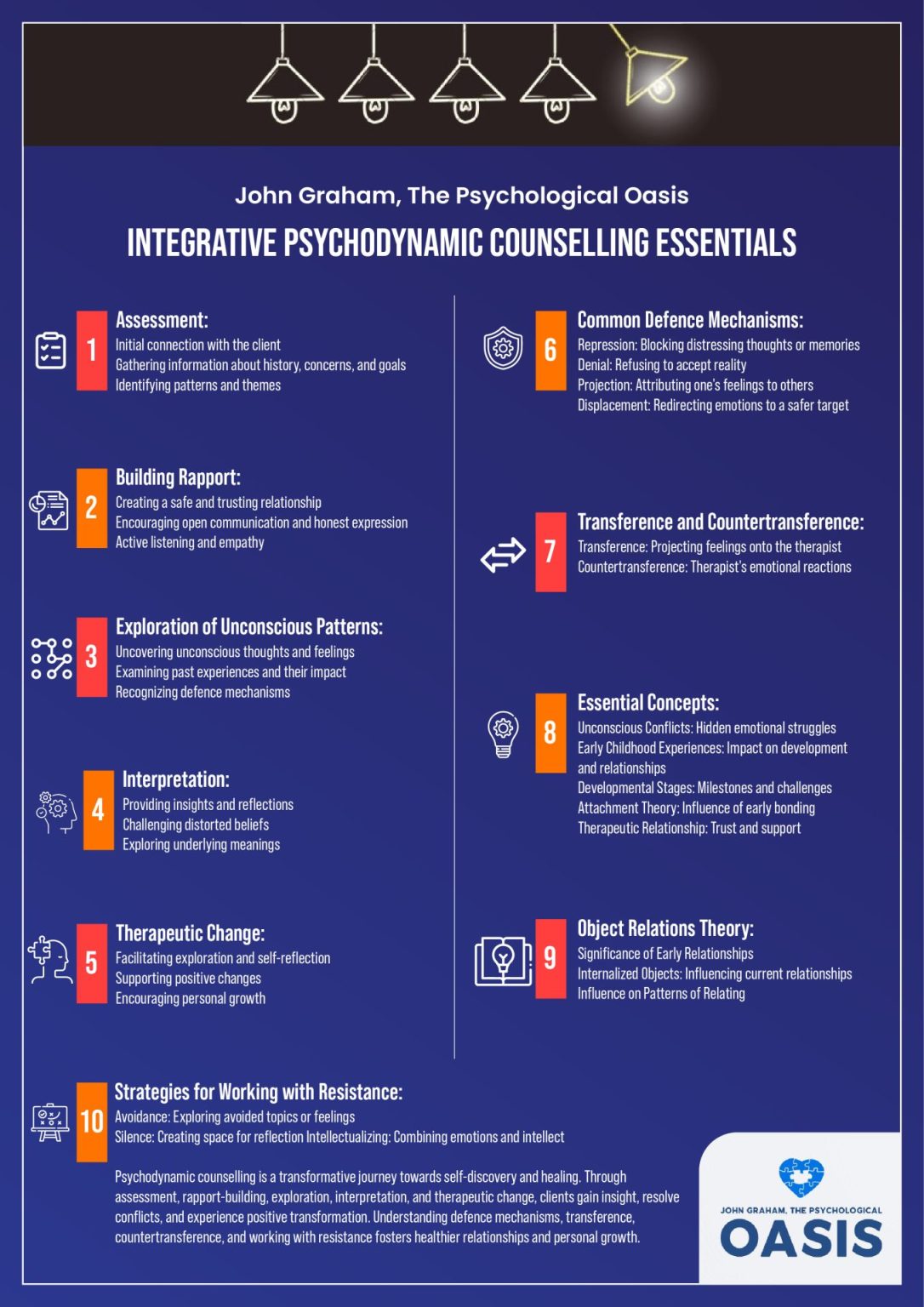
Psychotherapy is critical to the mental well-being of many. While there is little doubt that psychotherapy is effective, like any other process it must follow a systematic pattern to be successful. There are several stages in this process and understanding them makes any kind of therapy session more beneficial for the counsellor and the person in counselling.

Several major steps need to be undertaken for the cycle of dynamic counselling to become a transformative journey of self-discovery and healing for the participant. The first step is assessment. This is where the counsellor finds out as much as possible about the client. After this rapport will be built to create a safe and trusting relationship between the counsellor and the client. 

Exploration of patterns that may be causing specific behaviors based on past experiences is then done and an interpretation is given. The process also involves a therapeutic change in which the client makes strides toward experiencing personal growth.

There are several other stages that the client may go through which can see them projecting feelings onto their therapist and refusing to accept responsibility. All of these are coping mechanisms that must be worked through during counselling.

During psychodynamic counseling, the counselor will seek to go deeper with the patient so that they can identify traumatic experiences from their childhood and any past unconscious conflicts they have hidden that are impacting their lives today.

If you are looking to learn more about psychodynamic counselling and get an in-depth look at all the stages involved.


Infographic Design By “Unlock Your Inner Oasis with John Graham”

The Power of Group Therapy For Individuals Dealing With Chronic Illness: by Lizzie Weakley

(image: Priscilla Du Preez, Unsplash)

Chronic illness can take a toll on one’s physical, emotional, and mental wellbeing. Individuals struggling with chronic (long term) illness often feel lonely, isolated, and anxious, leading to a decline in their overall quality of life. While individual therapy can be helpful, group therapy can offer additional benefits and support. Group therapy allows people to connect with others who understand and relate to their struggles.

A Sense of Community and Connection

The sense of community and connection that group therapy provides can be incredibly powerful for those dealing with chronic illness. Often, those dealing with illnesses can feel isolated and misunderstood. In a group therapy setting, individuals can connect with others who are going through similar experiences and struggles. This can help reduce feelings of isolation and provide a sense of comfort and understanding, with a qualified therapist.

Learning from Others

In group therapy, people can learn from others who are further along in their journey. For example, someone who was recently diagnosed with an illness may feel scared and uncertain about their future. Hearing from someone who has been living with illness for a longer period of time can offer hope and reassurance and also provide practical support.

Psychoeducation

Some group therapy can provide an opportunity for psychoeducation on chronic illnesses. Members can learn about their illness, medications, treatments, and therapeutic interventions that can help reduce their symptoms. This can give them a sense of control and improve their quality of life.

Better Coping Skills

Chronic illness can be overwhelming and stressful; it often requires individuals to develop new coping mechanisms to manage their symptoms. In a group therapy setting, individuals can learn new coping skills from other members. This can include stress management techniques, mindfulness exercises, and ways to manage pain or fatigue. Learning new coping skills can lead to a reduction in anxiety and an improvement in overall mental health.

Mutual Support

Whilst in group therapy, members can offer mutual support to one another. Those who are having a particularly difficult day or week can lean on other members for support and encouragement. Group members can offer a listening ear or share coping strategies that have worked for them. This provides a sense of comfort and fosters a sense of belonging.

Group therapy can be a valuable tool for individuals struggling with a chronic illness. It provides a sense of community and connection, the opportunity to learn from others, psychoeducation, better coping skills, and mutual support. If you are struggling with chronic illness, consider seeking support through group therapy.

Remember, you are not alone. There are others out there who understand and can support you on your journey. You can also be referred for therapy.

Lizzie Weakley is a freelance writer.

Tips For Finding The Right Psychiatrist For Your Needs: by Brooke Chaplan

(image: free image)

Mental health is just as important as physical health and seeking professional help can make a significant difference in one’s life. But choosing the right psychiatrist can be a daunting task. Finding the right person who understands your needs, and creates a treatment approach that suits you, can be overwhelming. In this blog post, we’ll take a look at some helpful tips for finding the right psychiatrist for your mental health needs.

Ask for Referrals (If Private)

Start by asking for referrals from trusted sources such as family, friends, or a primary healthcare provider if you are going privately. You can’t always choose who you get referred to on the NHS, if you live in the UK but have to trust your GP will refer you to someone good. It’s always a good idea to get recommendations from people who have gone through similar experiences and found a psychiatrist that was helpful to them. Additionally, you could check with your GP or local mental health clinic for referrals.

Check Credentials

Psychiatrists are medical doctors with additional education and training in psychiatry. It’s important to ensure that the psychiatrists you’re considering are board-certified in psychiatry, meaning they have undergone a rigorous training and certification process (in the NHS they will be certified). If going privately, check out their education, training, and professional experience to ensure they hold a reputable degree from a top-rated institution and possess the license to operate.

Consider Experience and Specialisations

A well-experienced psychiatrist would be more likely to handle specific issues than a psychiatrist who is new to practice. You’ll want to find a psychiatrist that has experience in treating the specific mental health conditions or concerns you may have. For example, if you’re dealing with anxiety, you’ll want to seek out a psychiatrist who specialises in anxiety disorders.

Insurance Coverage (For USA/ private insurance)

If you have private health insurance, check with your provider to see which psychiatrists are in-network to help out with the cost of treatment. You may also ask your psychiatrist if they offer a payment plan to make their services more affordable. If in the USA, If you don’t have insurance, consider seeking treatment at community health clinics that offer sliding-fee scales. If in UK, this is free via the NHS but can be a long waiting list, if you are not at crisis point.

Trust Your Instincts

Lastly, trust your instincts. You want to feel comfortable with the psychiatrist you choose, so it is important to ensure that their communication style and methods align with what works best for you. During your first appointment with a potential psychiatrist, pay attention to how the psychiatrist speaks, if they listen to you, and how they react to your concerns. It’s important to choose someone you can feel comfortable opening up to.

It’s important to take the time to find a qualified psychiatrist you feel comfortable with, to help manage your mental health. Referrals from trusted sources, verifying credentials, experience, insurance coverage, and your comfort are all important factors in selecting the right psychiatrist to suit your needs. By keeping these tips in mind, you’ll be more confident in your search for the right psychiatrist.

Remember, seeking help is a sign of strength, and a qualified psychiatric professional can help you feel better mentally, emotionally, and physically.

If you’re in the UK: check out`: https://www.rcpsych.ac.uk/

Brooke Chaplan is a freelance writer from the USA.