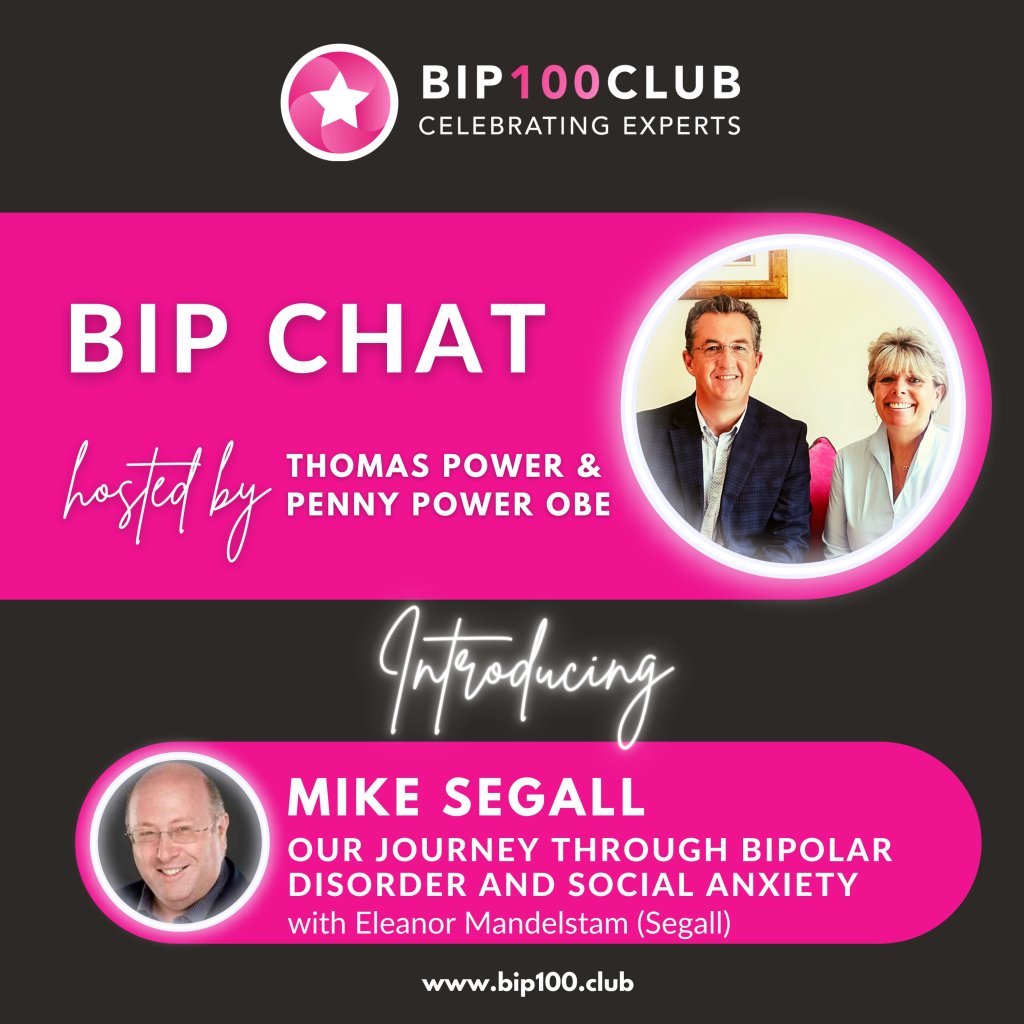
Yesterday, 9th Feb, my dad Mike and I were honoured to be interviewed by his friends of many years, Penny Power OBE and Thomas Power of Business is Personal- live on Linkedin, Youtube and Facebook.
They asked us to come on their weekly show to talk about our hereditary journey with bipolar disorder and anxiety and shed light on all things mental health.
It was a real pleasure to talk all about our lives and how my Dad was diagnosed with bipolar just 4 years before me. Trigger warning: discusses suicidal ideation and psychosis.
Being an adult is exhausting. We’re expected to work, build a career, keep a house, feed ourselves, socialize…the list goes on and on. When you have kids, that list doesn’t get any shorter — instead, it expands to include keeping small humans alive, healthy, entertained and happy. Becoming a mom is supposed to be one of the most magical parts of your life, but what they don’t tell you is that it can also be the hardest. Mom life is hard. There’s no point in sugar-coating it.
When that massive list of things that you’re expected to do becomes overwhelming, here are some simple depression meals that can help you eat healthily and keep everyone fed without putting in too much effort or relying on takeout.
Nutrients That Impact Depression Symptoms
Depression is one of those things that we tend to only talk about in reference to other people, but it’s more common than you might think. According to the World Health Organization (WHO). around 5% of the global population suffers from depression or around 280 million people. There are a lot of different ways to manage your depression symptoms, all of which should be overseen by a medical professional, but there are some small changes that you can make at home that might have a positive impact. This includes changing the foods that you eat.
Amino acids like tryptophan (found in turkey and chocolate)
Omega-3 Fatty Acids (found in oily fish)
Selenium
Iron
Iodine
Switching your diet around to ensure that you’re including these nutrients can help make the job of managing your depression symptoms a little easier. Here are some of my favourite depression meals for those nights when nothing else seems to be helping but you’ve still got a house of little humans to feed.
Charcuterie
If you were a kid in the 90s, you probably grew up having Lunchables for lunch during the week. They were quick, easy and had most of the nutrients a growing kid might need to get through the day — if you were content to subsist on crackers, deli meat and sometimes cheese. Okay, so they weren’t the healthiest option, but if you make them fancy, put them on a plank of wood and call them charcuterie, they’re one of my favourite depression meals.
The nice thing about charcuterie is that there is no wrong way to do it. Pick your favourite meats, crackers, dips, fruits and veggies, and arrange them on a plate or tray. Then pick and choose what you want to eat. It’s simple, it’s fun, and it’s a great way to make sure that everyone is getting fed when all you have the energy to do is assemble things on a plate.
Fish
Fish might seem like a lot of hassle, but it doesn’t have to be. It’s also a great option for depression meals because it tends to be high in magnesium which is another nutrient that can help with managing depression symptoms.
This simple sheet pan haddock bake is a great way to get your nutrients without making a big mess in the kitchen. It’s 5 ingredients — haddock, crackers, butter, garlic salt and lemon — and five steps — and one of those steps is preheating the oven and I’m not even sure that counts. If you’re not a fan of haddock, swap it out for your favourite fish.
Stir Fry
Stir fry is easily one of my favorite meals. It’s easy, it’s cheap, it’s fast, and you can make it with whatever you have in the kitchen. Start by picking your protein. Then, pick your stir fry veggies — these can be fresh, canned or frozen. Fry them up in the oil of your choice, top with your sauce, and serve over rice.
The key to a good stir fry, regardless of your chosen ingredients, is the sauce. My go-to stir fry sauce only requires a handful of ingredients, most of which you probably already have in your kitchen.:
½ cup soy sauce
½ cup chicken broth
1-2 tablespoons of cornstarch
1 tablespoon minced garlic
1 tablespoon minced ginger
1 tablespoon brown sugar
1 tablespoon olive oil
1 teaspoon rice vinegar.
Mix and pour, and you’ve got the tastiest stir fry sauce this side of your favourite Chinese restaurant.
Peanut Butter & Jelly(Jam)
It sounds basic, but that’s because it is. Peanut butter — and other nut butters, if you have a peanut allergy in the house — are full of healthy proteins and other nutrients that will help you feel full longer. Pair it with some natural fruit preserves and your favourite whole wheat or multigrain bread and you’ve got a halfway healthy meal that takes almost no time or effort to prepare.
You can always spice up your PB&J if you have more spoons. If you’ve got more of a sweet tooth you can add sliced bananas, honey, or even marshmallow fluff. The possibilities are endless.
Be Kind To Yourself
As long as you’re eating, it doesn’t really matter what you eat for dinner — but making healthier choices can help to make you feel better in the long run. Try a couple of my favourite depression meals and see if they make it into your regular meal schedule.
Above all else, be kind to yourself.
This article was written by Kara Reynolds, editor at Momish.
When I was a child, growing up in Hertfordshire, my biggest dream (other than being a wife and mummy one day, because yes even then I dreamt of that) was to be an actress in the West End. I could think of nothing more exciting than standing on a stage, performing and I wanted to go to drama school from age 11. I went in the end at age 23 to do my masters degree at Royal Central in London, after doing a 3 year degree featuring Drama at Goldsmiths. I was so excited to have achieved a dream of mine, even though for many reasons I decided not to act professionally.
However, sometimes, long held dreams, things that are part of the core of our being, of our inner identity, can be a little harder to achieve. Sometimes, we find ourselves on the less travelled path, we feel different from our friends and family because our lives, for whatever reason, are different. We have to consider our health in a unique way. We have to try and surrender our fears to the universe and hope that everything will work out OK.
When I was diagnosed with bipolar disorder at 16, I was still a child and I didn’t know what it would feel like to be an adult, needing a cocktail of medication daily in order to have stable brain chemistry. And how this medication might affect my body and mind- and considering children in the future as a woman with bipolar and all that brings- discussions with psychiatrists, difficult decisions to be made, do I carry my own baby, what will make things safer for me?
As I look ahead to 2022, I know that our dreams are there to be fulfilled. I know that I must trust and have faith that whatever happens, whatever 2022 brings to us, I will always have hope and I know my husband will too.
Wishing you all a happy and healthy 2022 – may all our dreams manifest for the good.
Providing support to anyone with a mental health issue is challenging, to say the least. But when that person is your spouse, the situation is even more complicated. At worst, it’s confusing and overwhelming. At best, you might be walking on eggshells. However, being there for your partner during this difficult time will ultimately bring you closer together.
Here are a few ways to support your spouse so you both can emerge from this stronger than you were before.
1. Help Them Help Themselves
In the United States, nearly half of those with clinical-level mental health issues don’t seek help. Instead, they try to handle their illness on their own or simply give up hope, both of which can quickly send them into a downward spiral.
Therefore, if you notice potential symptoms of a mental illness in your spouse, it’s important to encourage them to seek help. Work together to find a therapist, counsellor or physician (doctor) who can provide medical advice or guidance.
2. Understand the Diagnosis
Once they see a professional and receive a diagnosis, read up on their condition. Maybe you’ve noticed some of the accompanying symptoms but failed to attribute them to their mental illness. Now that you’re more aware, you can stay calm and avoid feeling triggered or attacked when these symptoms show up in everyday life.
On the other hand, if your partner hasn’t visibly shown signs of depression, anxiety or other issues, you might have been unaware of their suffering. Understanding their diagnosis will help you notice symptoms in the future so they don’t have to go it alone any longer.
3. Implement Support Tactics
Now that you know what to look for, you might notice more mental health flare-ups, so what should you do when things start going south? Implement support tactics specific to their condition.
For instance, if your spouse is dealing with depression, you might notice they’ve neglected to wash the dishes or do the laundry. In this situation, consider offering to complete these chores yourself or suggest doing them together.
4. Be a Good Listener
Sometimes, your loved one will want to talk about their experiences or past trauma that may have prompted their mental illness. When they express interest in discussing things, create a safe space for them by being a good listener.
Pay attention to every detail in an effort to better understand their perceptions and beliefs. Let them talk it out without worrying about how to respond. Then, when you do react, try to do so not from a place of judgment, but of empathy and compassion. Validate their feelings to help them accept their emotions and move on.
5. Be Patient
It may be difficult to hear, but certain mental illnesses can ebb and flow for years without reaching a resolution. There’s no magic timeframe for recovery.. Therefore, it’s best to let go of idealised timetables and take things day by day.
This is when love becomes a choice and your commitment to one another carries you through — for better or worse. Instead of running away, resolve to stay steadfast and patient. Instead of holding their illness against them and growing bitter, choose to see it as yet another challenge you can overcome together. No matter how long it takes, you’ll be there to give them support, encouragement and affection.
6. Practice Self Care
If you’ve ever been on an aeroplane, you know the flight attendant recommends putting on your own oxygen mask before helping others. After all, you can’t assist others if you don’t take care of yourself first. The same is true in your marriage — and every other relationship, for that matter. Therefore, it’s incredibly important that you practice self care and take care of your own mental health before trying to help your spouse with their issues.
Take time to be alone each day. Revisit an old hobby or pick up a new one like knitting or journaling. Mind-body exercises and autoregulation techniques can also relieve stress and help you tune into sensations you wouldn’t have otherwise noticed. Engaging in these activities will help you stay healthy and better support your spouse during this difficult time.
7. Keep the Love Alive
Mental health issues and the symptoms that accompany them can become all-consuming. However, it’s important to focus on your relationship apart from this conflict to keep your bond strong and the love alive.
Spend quality time together, go on dates and continue to communicate openly. Do things that bring you both joy and focus on enjoying each other’s company. Doing so will remind you why you fell in love in the first place and give you more reason to fight for your spouse’s mental health and your relationship as a whole.
Communication Is Key
After some time, you and your spouse may begin to resent the patient-caretake dynamic. When these sentiments arise, communication is key. Talking about your feelings will help you understand one another better and may put you on a level playing field again. Once you realise that it’s you two against the world — and not against each other — you can take on mental illness together and emerge on the other side stronger than ever.
This article was written by freelance writer Kara Reynolds, Editor in Chief at Momish.
I have spent a number of months avoiding and not taking action on one of the main issues that has. been happening in my life.
As you know, I have spent many years living in the shadow of having bipolar disorder and panic disorder (social anxiety and panic attacks) and possibly also PTSD symptoms from my last hospitalisation.. that I didn’t realise that my panic disorder is essentially agoraphobia too. (Oh got to love my overly anxious nervous system and imagination that creates panic!),.
Agoraphobia is a type of anxiety disorder in which you fear and avoid places or situations that might cause you to panic and make you feel trapped, helpless or embarrassed. You fear an actual or anticipated situation, such as using public transportation, being in open or enclosed spaces, standing in line, or being in a crowd.
For me, this means that I can struggle to leave home alone at times, socialise, go out on public transport, go out to eat, go into a shop, travel anywhere alone including walking and that I panic and avoid and retreat from situations.. When I am going through a period of low mood, the agoraphobia/panic disorder can worsen.
I am managing my panic attacks through therapy and speaking to my therapist works. However, being indoors all the time through Covid and changing my working patterns to working from home meant that my agoraphobia got heightened. I didn’t want to be around crowds because I could get Covid. I didn’t want to go on public transport in a mask- because I might get Covid. I didn’;t go in a shop because people were there- but once vaccinated, this hasn’t changed. Really this was masking deeper anxiety and fear of the world in general- feeling uncertain after a job loss and starting a new career and feeling intensely self conscious too about weight gain on my medication.
Today on facebook, I had a memory from 12 years ago (when I was 21) which informed me that I had been on a night out at Ministry of Sound nightclub in London for a gig and I was also coordinating London Booze for Jews ( a Jewish student bar crawl) – despite the fact I didn’t drink. I have always been social but nights out in bars and clubs are just not my thing these days at the grand old age of 33 (grandma alert).
I know my panic is not the whole of me. In the past I have completed a degree and masters at drama school, travelled to India, Israel, places all over Europe and volunteered in Ghana for 7 weeks. Despite my anxiety, I run two small businesses, have managed to release a book, written for well known publications and achieved many of my dreams. I also met my wonderful husband and am not only proud to be a wife, but an auntie (and hopefully one day a mother too).
I am still Ellie and still the person I was inside before trauma hit.
Despite all of the amazing things above, I have been struggling with getting out of my 4 walls. So this is a diary entry to say: I will get better and get out the flat more. I will try and expose myself to feared situations. Above all, I will be kind to myself and take slow steady steps. I will lose the weight too!
All friends/fam are welcome to try and coax me out and help too!
According to research from mental health charity MIND, 1 in 6 adults suffer from depression or anxiety in any given week in England¹.
The prevalence of mental health conditions in the UK is on the increase, not helped by the physiological and financial pressures caused by the COVID-19 pandemic. Fortunately, this also means awareness is growing.
When it comes to life insurance, insurers now better understand the need to provide financial protection for those with less than perfect mental health.
If you need to arrange life insurance to protect your loved ones’, but you suffer from depression or anxiety, you may wonder how this will affect your application.
If so, continue reading as UK life insurance broker Reassured explain all in this 2021 guide…
What is life insurance?
Life insurance is simply an insurance policy that pays out a cash lump sum to your family should you pass away whilst the cover is in place.
The proceeds can be used to cover mortgage/rental payments, provide an inheritance, as well as meet family living costs. If you have dependents who rely on your income, then life insurance ensures that they would be financially secure if you were not around to provide.
You pay a monthly fee, known as the premium, in order to benefit from the cover protection. Premiums start from approximately 20p a day for £200,000 of cover (or sum assured).
Can depression or anxiety affect your life insurance application?
Yes, if you have been diagnosed with depression or anxiety then this can affect your life insurance application. But do not worry, this does not mean you cannot secure cover or that you will definitely pay a higher premium.
The challenge is that you may need to answer some questions about your condition before your application is accepted. Your responses to these questions will help the insurer better understand your individual circumstances and provide you with a suitable quote.
If the insurer thinks you are more likely to make a claim on your policy due to your depression or anxiety, then they may increase the cost of your monthly premium to mitigate this perceived risk.
Questions you may be asked include:
When were you diagnosed?
What treatment are you receiving?
What are the severity and frequency of your symptoms?
Have there been any instances of self-harm, attempted suicide or hospitalisation?
The only exception to this is over 50s plans. If you are aged 50-85 you can take out an over 50s plan; these policies guarantee acceptance and do not ask any medical questions during the application.
However, whereas standard cover (such as level term and decreasing term) can pay out up to £1,000,000, an over 50s plans maximum is £25,000. As a result they are commonly used to cover rising funeral costs and/or provide an inheritance (not cover larger debts such as a mortgage).
Does depression or anxiety affect the cover itself?
No, if you have been diagnosed with having depression or anxiety before taking out a life insurance policy, then this will not affect the cover itself.
Your policy will be the same as for anyone else who takes out the policy – the only difference being that you may pay a loading on your premium due to your condition.
What will stop me from getting life insurance?
It is very unlikely that you will be declined life insurance due to depression or anxiety alone.
When sourcing quotes, you will also need to provide the insurers with other information about yourself such as your age, health, weight and smoking status.
These factors are more likely to impact your life insurance options than your mental health condition. Nonetheless, you may be declined life insurance if your depression or anxiety is deemed too high risk. For example, your diagnosis is recent or you’ve self harmed/been suicidal on more than one occasion.
As someone with depression or anxiety, you may struggle with the process of applying for life insurance and therefore, put off getting a quote. This is understandable as you will need to discuss the details of your condition with a person you do not know.
However, it is important to understand that insurers are very familiar with assessing applications for people with a mental health condition.
Once your life insurance is in place, you can have peace of mind that your family are financially protected if you are no longer around to provide.
How to get the cheapest premiums
If you suffer from a mental health condition such as depression or anxiety, it is really important to compare multiple quotes before securing cover.
Every insurer will assess your application differently and therefore premiums will vary in cost, so shopping around will ensure you can get the best available price.
You can do the research yourself, use a comparison website or enlist the help of a specialist FCA-regulated broker.
Whichever method you choose to compare quotes, rest assured the vast majority of those suffering from a mental health condition can in fact secure affordable life insurance.
In fact, the most influential factor affecting the price of premiums is likely to be your age – so why not seize the day and secure your loved ones financial future?
I started back in therapy consistently (weekly), 2 months ago in August after reoccurrence of panic attacks. I have been working with a really brilliant therapist for the past two years who is a specialist in trauma and EMDR therapy. EMDR stands for eye movement desensitization and reprocessing therapy and is a way to help you process and confront traumatic memories, with the aim of reducing their impact on your life. Its a very good therapy for people struggling from PTSD (Post traumatic stress disorder). Although I do not have the full disorder, I do have some PTSD symptoms according to a therapy questionnaire, from being sectioned and in hospital in 2014 and other traumas that occurred around the same time.
My PTSD symptoms include:
– Panic attacks (palpitations, sweating, negative thoughts, fight or flight adrenaline and needing to cancel feared event) triggered by certain situations which remind me of the past traumatic events. This includes fear of medical appointments now including going to hospitals for myself or the drs surgery.
– Social anxiety- what will they think of me?
-Other fears over traumatic events – i can get triggered and feel flooded with panic.
So, as you can see, a lot to deal with and unpack in therapy. And figuring out my identity as a 33 year old woman with bipolar disorder (thankfully stable) and what the future could hold.
I have to say that finding an excellent therapist has been a lifesaver. I look back to where I was 2 months ago and generally (without jinxing it) my nervous system has calmed down a lot, I have been anxious but able to enter certain situations I couldn’t have done 8 weeks ago. My medications keep my mind stable and my husband and family are a wonderful support too. I love my work and can do it from home. I am really lucky in so many ways.
It is still a major work in progress for me, getting back to the person I once was. I prefer to work from home and I also am unable to go out as much alone as I would want. However, I am starting to go out more with others and I will keep working to find freedom from fear for myself.
If you’re feeling stuck or alone or fearful, reach for help. I have been very lucky to have help with funding my therapy sessions (shout out to my incredible parents) but they are so needed. I know not everyone has this.. the waiting lists for the NHS are so long and I was on them for years without support. My local borough also does not fund trauma therapy which was frustrating at the time.
Thanks for reading the update, feel free to share your therapy experiences with me,
i feel quite emotional writing and sharing this with you! And remember- to keep reaching, growing, and above all healing. Healing is so important for our mental health if you can access it,
Eleanor x
PS- while writing this blog. I was listening to the Sugababes originals Mutya, Keisha and Siobhan (MKS) sing No regrets which has the lyrics.. ‘I choose life’ . Listen here to this live version (not an ad, genuine love): https://www.youtube.com/watch?v=MfdYE7BkEsw
Thank you so much to all at Twinkl and I hope my tips are helpful. I used to work as a teaching assistant and was trained in safeguarding too, so hope you enjoy reading the blog!
Bipolar disorder affects roughly 46 million people worldwide in 2017, according to the Our World in Data. While there remain several challenges for people living with bipolar disorder and to their caregivers, health experts believe that current developments have reduced symptoms and improved quality of life.
Bipolar disorder is a very common cause of disability and needs treatment . It is ranked by the World Health Organization as the 6th leading cause of disability in the world with the inadequacy of treatment, resulting in higher rates of ill health and worsening of symptoms. The following are the seven 7 facts everyone should know about bipolar disorder.
Fact No.1 – Bipolar disorder looks a lot like classic depression.
Formerly called manic depression, bipolar disorder involves extremes of emotions, when not well controlled. It is associated with mania, depression, or both. People who have it may undergo a depressive state for some time – that is, weeks to months – before entering the manic state. The depression period usually comes afterward, and the cycle repeats. In some cases, people experience both. They appear very agitated and energetic and sometimes this can tip into psychosis..
Both mania and depressive episodes range from mild to severe patterns. Because the clinical manifestations of bipolar disorder mimic other psychiatric anxiety disorders, it takes years at times for doctors to find the correct diagnosis.
Fact No. 2 – Bipolar disorder is characterized by dramatic shifts in mood and behaviour.
Some people with bipolar disorder experience cycles of manic and depressive episodes, which can be sudden and occurring several episodes a year. The cycle can shift quickly depending on the type and severity of the condition. Elevated mood associated with mania is defined by irritability, euphoria, and labile mood, whereas depression is often expressed by loss of interest, inability to function day to day and extreme sadness.
Fact No. 3 – Bipolar disorder has symptoms of mania and depression at the same time.
There are different variations of bipolar disorder, namely bipolar I, bipolar II, cyclothymia, and bipolar unspecified. These conditions are marked by mania, depression, hypomania, or mixed manic and depressive episodes. In mixed bipolar type, there is a rapid and severe mood fluctuation in a quick sequence or simultaneous fashion without recovery in between.
Fact No. 4 – The mood episodes of bipolar disorder can vary from person to person.
The diagnosis of bipolar disorder is based on the clinical presentation. However, the symptoms can be unspecific and variable from one person to another throughout the disease. Thus, making the prediction cycles of a person with bipolar difficult.
For some people,. a person with bipolar disorder undergoes two (2) cycles of mood changes with mania taking place in spring or fall. However, mood stabilising medication greatly reduces episodes.
Fact No. 5 – There is no known single cause of bipolar disorder.
It is thought that bipolar disorder may run in families. In terms of biochemical cause, the manic and depressive cycles of bipolar disorder are associated with the excess or depletion of certain neurotransmitters in the brain, such as catecholamines, dopamine, and norepinephrine.
Trauma may also trigger bipolar episodes.
Fact No. 6 – There is treatment available for bipolar disorder.
The goals for treatment available for bipolar disorder are stabilisation of symptoms, prevention of relapse, and improvement of social functioning.
Pharmacotherapy, particularly antipsychotics, antidepressants, mood stabilisers, are the mainstay treatments for bipolar disorder. The HHS Public Access cited Lithium as the best drug for relapse prevention. T
In addition to medications, long-term maintenance for people with bipolar disorders may include psychosocial treatments that focus on education, stress management, detection of relapse, and developing a healthy lifestyle.
Fact No. 7 – People with bipolar disorder can and do lead happy, healthy lives.
It is possible that people with bipolar disorder can have happy and healthy lives. Realistically speaking, the quality of life faced by people with bipolar can be challenging when they have episodes or if they dont take or find the right medicines. This is because they continue to face challenges on their way to recovery, such as availability and choosing the right medication, ease of access to non-pharmacologic therapies, and finding the right balance of the medicine and non-pharmacologic treatments. In a qualitative study conducted by the International Journal of Bipolar Disorder, researchers revealed that some people with bipolar disorders explicitly struggle with managing their symptoms, maintaining relationships, and continuing to experience some form of stigma. Thus, regular contact with their health care provider is essential, as it provides a supportive environment for them.
While the cause of bipolar disorder is unknown, certain factors contribute to its development. Bipolar disorder remains a global health challenge. At this present time, there is no cure for bipolar disorder, but the current treatments have proven to mitigate their symptoms and improve quality of life.
A lot of elderly people decide to sell their homes. Usually, it is because they are either going to downsize or move into a retirement community. However, as we get older, it is not easy to do these tasks on our own, and a little bit of help is most certainly welcome, which will also help mental health. If you find one or both of your parents or a family member in this position, helping them navigate through it properly will make a huge difference, and that is what this blog post is all about. With that in mind, here are some things you can do to help them sell their home.
How to encourage a quick sale
If your loved one is moving into a nursing home for elderly, it is likely you will want to sell their existing home sooner rather than later. Heres one thing you can do…
Increase the asking price if too cheap – Your parents’ property could be failing to sell because it is too cheap. Do your research and see what comparable properties are being sold at. Never use the number 9 when pricing your home! Not only does £299,999 look unappealing but you will appear in viewer results on property portals. Why? You only fit in the category of £200,000 to £300,000. If you priced your home at £300,000 you would fit into the former category and £300,000 to £400,000.
Try to keep things as stress-free as possible
Moving home can be stressful at the best of times. However, this can be even more so the case if your parent does not want to leave their home but they have no choice but to do so because of their medical condition. This is why it is important to make sure that you make the whole process as stress-free as you are able to. When it comes to making all of the small decisions, don’t bother them with the details unless you think it is necessary. Aside from this, try to arrange viewings at convenient times to ensure your parent does not get flustered by the whole process.
Five things you can do today to get your parents’ home sold
Instead of sitting there and feeling frustrated, do the following five things today…
Buy some new bedding – Freshen up their bedrooms with some new and modern bedding. This will instantly breathe some new life into the rooms. It is important that property viewers can imagine living in the home. Little changes like this can make all of the difference and help to encourage a sale.
Update your Twitter and Facebook pages – Drum up some fresh interest by updating your Twitter and Facebook pages. Ask your friends if they would share your status for you, so that you can get the ball rolling. With social media marketing, you have to update regularly if you want success.
Take new photographs of your home – Freshen up the photographs of your parents’ property. Add some seasonal elements to make it relevant and to create a welcoming atmosphere.
Call your estate agent – Ask him if there has been any interest in the home. Enquire about the general feedback so you can see where maybe you are going wrong. Don’t excuse your agent of not doing their job – you need to keep them onside, especially now!
Buy some new cushions – The impact of a set of new cushions can have on your living room is huge. You will instantly notice a difference, and, it won’t cost you much either.
So there you have it: some tips that can help you to help your parents or family sell their home! Good luck! We hope the advice provided above helps.








 beurownlight.com