

5 Ways a Relationship can Hurt your Mental Health by Miranda Davis

(image: free image)

The Adverse affects of relationships on mental health

Relationships have the power to affect mental health negatively. If you don’t know how they can affect you, it’ll be hard to lay down a great foundation to ensure you don’t fall victim. Take a step to lay down the rules for a positive relationship.

What if we told you that your relationships have the power to affect mental health? It’s true; your relationship status can affect mental health. But, finding out how relationships affect mental health isn’t a simple mathematical equation. There’s a lot more that has to go into it, and to be honest, it’s complicated. 

Relationships Have The Power To Affect Your Mental Health

Fact: We all desire to have real connections through stable, long-term relationships with our “ideal partners.” Whether you meet a potential partner after checking out the best dating sites review or through a mutual friend doesn’t matter. What we think about most is the optimism and the excitement we feel once we click with someone else. We never stop to consider what can affect the mental health of the people in a relationship.

Unfortunately, even the most glamorous relationships come with associated risks and can affect mental health. To affect mental health positively, there have to be some previously laid out rules that lay the groundwork for a great relationship.

Without knowing what these boundaries are and the risks associated with a relationship, we are prone to unknowingly affect our mental health. So, what relationship factors affect mental health negatively? Read on to find out.


Lack Of Sex Can Increase Stress Levels
Well, well, this shouldn’t be so surprising. If you’re wondering, “can loneliness affect your mental health?” here’s your answer. When you have an intimate partner within your vicinity, chances are, you will have frequent sex. The bonds created during the act of bonding are so outstanding that they have the power to affect your mental health. 

Frequent sex can lead to greater satisfaction with your relationship. If there’s less sex, then other aspects of the relationship are affected too. The less sex you have, the more prone you are to affect mental health.

Stress levels will soar, and you’re more likely to exaggerate aspects such as financial disagreements, responsibilities over chores, and parenting disputes. While there may be other underlying issues, lack of sex and intimacy is an undeniable factor that can affect both partners’ mental health.

Relationship Difficulties Can Cause Anxiety

Whenever couples are having relationship difficulties, there’s bound to be full-blown anxiety. Unfortunately, the converse is also true. Anxiety can lead to marital problems. Surprisingly, some research suggests that marriage can protect you against anxiety. Confusing, right?

Well, it depends on how you look at it. For marital issues to affect mental health negatively to the point that they cause anxiety, there have to be underlying issues that aren’t resolved. Problem-solving in a relationship has to be done in a way that allows both parties to express their feelings to deal with matters conclusively.

Once an issue is dealt with, both parties become anxiety-free and display better mental health. On the other hand, married people have potential “shoulders to cry on,” and this kind of emotional support is a great way to affect mental health positively.

Sleeping Problems

Unless your partner snores and keeps you awake through the night, sleeping next to them can help you fully relax during the night. But it isn’t that simple. If there are conflicts or insecurities in the relationship, you will have a more inadequate sleep because of thinking through issues during the night.

This, in turn, escalates problems such as insomnia or daytime fatigue. As a result, there’s a vicious cycle with leeway to affect the mental health of both parties negatively.


Social Pursuits Affect Mental Health

Many people wonder, “why does quarantine affect mental health?.” Couples in healthy relationships have to socialise. Socialising is a great way to boost mental health positively. Leisure time may include meeting family and friends, visiting their favorite restaurant together, or even spending the weekend sampling the latest nightclubs.

However, since there are limited opportunities to get so involved during quarantine, spending more and more time without socialising with other people can take a toll on the relationship. When couples spend time socialising, there’s more opportunity to improve their mental health positively.

Since humans are social creatures, we feel better when we make connections with others. But, even this shouldn’t be excessive. Too much can result in alcohol dependency and self-destructive behavior, which has the potential to affect mental health negatively.


Toxic Relationships Can Lead To Physiological “Fight Or Flight” Responses

Toxic relationships can lead to physiological responses that may urge you to either run from the stressor or fight it. These are common reactions that stem from mental, physical, or emotional abuse. Regardless of the stressor we face, we condition our minds to respond. These kinds of reactions leave us feeling drained and have the potential to create poor mental health. 

Conclusion

Whether we like it or not, relationships can affect mental health either positively or negatively. Their effects are worse if they’re negative. To ensure that relationships don’t have a platform to affect mental health negatively, you have to take the necessary precautions to safeguard yourself against negative repercussions.

What do you think is the COVID effect on mental health? What precautions would you put in place to protect your health?

Author’s bio:  

Miranda Davis is a freelance writer in the relation and psychology area. Miranda is interested in such topics as building healthy relationships between people, love/sex compatibility, and how to find the right balance in life in general. She is currently doing specific research on the topic. Miranda loves cooking and long-distance walking.



How to Successfully Cope with Menopausal Anxiety and Panic Attacks by LadyCare Menopause


For many women, menopause can be both a blessing and a curse. Although it signals the end of menstruation, it also means that a woman is no longer reproductive and that the aging process has well and truly begun.

Menopause starts when a woman’s ovaries no longer release eggs, causing their monthly periods to stop. If you have not had a period for 12 months, this probably means you are going through menopause.

About menopausal anxiety and panic attacks

Menopause can give rise to anxiety and panic attacks, and the symptoms can manifest in a variety of ways. Often, you will feel your heart racing, and you will start to sweat. You may also feel a quickness of breath. In addition, there may be some tingling or numbness in your fingers. You could also feel dizzy, although you won’t pass out during an anxiety attack due to the high levels of adrenaline – you will just have to wait for the episode to come to an end.    

Experts have advised that you can overcome anxiety and panic by focusing your attention on something else, such as a sound or a smell.

Besides anxiety and panic attacks, what are the symptoms of menopause? Here are the most common:

  • Brittle hair
  • Dry skin
  • Irritability
  • Lack of energy
  • Mood swings
  • Lack of or reduced libido
  • Hot flushes
  • Night sweats
  • Incontinence
  • Palpitations
  • Dry vagina
  • Sore or tender breasts
  • Weight gain

How to reduce your menopausal symptoms

While some of these symptoms may be unavoidable, you can reduce their effect by taking good care of yourself. Consider the following tips.

  1. Eat nutritious foods that won’t trigger your symptoms

Make sure you eat lots of green vegetables, dairy products, and foods rich in calcium and vitamin D. Meanwhile, you should avoid spicy and sugary foods and anything that contains caffeine or alcohol. One helpful tip is to compile a list of any foods that seem to trigger your menopausal symptoms.

  1. Maintain a regular exercise schedule while keeping yourself hydrated

Another adverse side effect of menopause is weight gain, although you can offset this by exercising regularly. The benefits of physical activities include: 

  • A boost to your energy levels and metabolism 
  • Healthier bones and joints
  • A reduction in stress 

Exercise can also help you fight off anxiety and depression. This is due to the endorphins released by your brain during a physical workout.   

Meanwhile, make sure you drink at least 8 to 12 glasses of water every day, as this will reduce your skin and vaginal dryness. Moreover, this simple lifestyle change can also reduce any bloated feelings you may be experiencing due to hormonal changes. As an added bonus, drinking lots of water can also improve your metabolism. 

  1. Take sugar in moderation

Foods high in sugar and refined carbohydrates can cause depression and poor bone density. They can also cause your blood sugar levels to fluctuate, which can make you feel tired and irritable. 

  1. Go out on a regular basis 

Staying indoors for too long is not good for your mental health and may even aggravate your menopausal symptoms. As well as the benefit of absorbing vitamin D from the sun, an outdoor stroll can also reduce your stress levels.       

  1. Ensure you eat regular meals

Skipping meals is not a permanent weight loss solution and can exacerbate your menopausal symptoms. It is much better to eat your meals at regular intervals, as this will help you avoid any metabolism problems.       

Conclusion

Although menopause is an unavoidable inconvenience, you don’t have to let it bother you. In fact, if you adopt the natural methods outlined above, you will be able to live life to the full without having to worry about the annoying symptoms.   

This article was written by LadyCare Menopause Ltd.

The Book of Hope- 101 Voices in Overcoming Adversity by Jonny Benjamin MBE and Britt Pfluger. by Eleanor

To readers of my blog,

(image: Pan Macmillan/ Jonny Benjamin)

I don’t really know where to start! I have been keeping this secret for almost two years.

Nearly 2 years ago, my friends, mental health campaigner/author Jonny Benjamin MBE and author and editor Britt Pfluger, approached me to be a part of their second book entitled ‘The Book of Hope: 101 Voices on Overcoming Adversity‘ (published with Bluebird/ Pan Macmillan in April 2021!).

They asked me to write a piece on how I found hope and recovery after being unwell and my (ongoing) journey with bipolar disorder that I wrote about in my own book Bring me to Light.

I won’t give too much away about the piece I wrote, but it does include my Dad’s story too and talks about life after being sectioned for a manic episode in 2014. It talks about hope, healing, recovery and living with mental illness. It talks about being afraid of the future, but finding light in the darkness.

Heres what Macmillan say about the book which is available for pre order on Bluebird Pan Macmillan website and Amazon. It also contains anecodotes from famous faces including Lemn Sissay, Zoella (Zoe Sugg), Joe Wicks and Dame Kelly Holmes.

There is always hope, even when we cannot seem to seek it within ourselves.

The Book of Hope is an anthology of 101 key voices in the field of mental health, who share not only their experiences with anxiety, psychosis, panic attacks and more, but also what helps them when they are feeling low. Compiled by award-winning activist Jonny Benjamin and author Britt Pflüger, the inspirational contributors in this book range from the likes of Lemn Sissay, Frank Turner and Zoe Sugg, to Elizabeth Day, Hussain Manawer and Joe Wicks; from authors, poets and musicians to charity workers, activists and psychiatrists.

Jonny Benjamin is known for his book and documentary film, The Stranger on the Bridge, which fought to end stigma around talking about mental health, suicidal thoughts and schizoaffective disorder. When his campaign to find the man who prevented him from taking his own life went viral, Jonny was one of a wave of new figures lifting the lid on mental health struggles. In this book, he brings together a range of voices to speak to the spectrum of our experiences of mental health and the power of speaking up and seeking help.”

It is a real honour and privilege to be a part of this project. A dream come true and I am so thankful to be able to share my story on this platform with truly important voices! We all have mental health and our voices deserve to be amplified.

The Book of Hope is available to pre order now and published in 2021.


MENtion Health: A Panel event and Campaign for Men’s Mental Health by Superdrug

On Wednesday 4th November, National Stress Awareness Day, Superdrug invited me to a zoom virtual panel event highlighting men’s mental health.

They said, ‘The event will aim to break taboos and increase the conversation around the mental health challenges that men have faced during the current coronavirus pandemic. ‘

We had a chance to listen to some famous and insightful panelists, including

Professor Green – Award winning musician and patron of CALM charity

Chris Hughes– TV personality

Matt Johnson– Broadcaster and mental health advocate

Alexander Leon– Writer and social change advocate

Dr Amir Khan– Doctor and best selling author

(image: Superdrug)

In October 2020, Superdrug conducted research to find out how the pandemic is currently affecting people’s mental health.

The research was conducted among 3419 of its customers. Key findings are highlighted below:

● 86% of people believe men find it more difficult talking about mental health issues than women

● 82% of people believe there’s still too much stigma attached to mental health problems

● 71% don’t think employers take mental health problems seriously enough

● 80% of people would like to see mental health services being made more accessible to people

● 66% people said that their mental health is still being impacted by the pandemic.

As a result, Superdrug decided to launch a new service, known as Mind Care Superdrug. There will be an online doctor for people to find mental health support, with a video consultation and people will be referred to appropriate services. This will be a huge step forward and is an amazing thing to do!

Matt Johnson opened the panel, introducing each pannelist in turn to discuss men’s mental health. For me as woman, I recognise how important it is for men to speak out about their feelings after generations of stigma around mental health.

Professor Green talked about his battle with life long anxiety, saying ‘You just want to get out out of your own skin’, anxiety can be difficult but in life we encounter difficulties and learn to build resilience. Prof Green experienced anxiety as a child and teenager and still deals with it to this day and promotes talking about men’s mental health. He also spoke later in the discussion about self harm in men, to include drug and alcohol abuse and his familys own experience of suicide.

Chris Hughes then spoke about his anxiety and panic attacks, saying he was ‘proud to discuss it openly now‘. He said that before he became well known, he would get anxiety in the workplace that he tried to distract from by going to the gym. However, it didn’t work as well and now he is in the limelight, he has experienced panic attacks, which would manifest as pins and needles in his body and hyperventilation. Hughes shares about his mental health to help others, especially men, through it so they stop bottling feelings up.

Alex Leon told us that he was (in his words), ‘gay, brown and didn’t fit in’. He reminded us that LGBTQ and minority communities often have poor mental health due to a lack of acceptance. He said that 75% of suicide rates in the UK are men and that the narrative that ‘big boys don’t cry and men should just get on with it‘, should be addressed. Leon asked ‘what forms of stigma do men face?‘ and said often it is ‘Be stoic’ ‘be unemotional’ or ‘here is what a man or boy should be‘ – which all lead to poor mental health outcomes.

Dr Amir Khan also introduced himself and his work as a doctor in the UK- a GP working with mens mental health. He agreed with a lot of what Alexander Leon said and offered some profound insights.

The discussion then came back to Professor Green, who told the discussion that sadly his Dad and uncle had died by suicide and he felt mental illness ran in his family. He has struggled with depression and said, ‘ We all chase happiness. You should feel highs and lows- when I don’t feel anything is when I worry’.

Chris Hughes said we must normalise the conversation around mental health and Alex Leon added that self compassion is so important.

I very much enjoyed the panel discussion and really appreciated the chance to hear from great speakers on mens mental health. Superdrug are definitely ahead of the game!

I wasn’t paid for this article but Superdrug sent me a box of wellbeing goodies including Vitamin D tablets, vitamin tea, lavender and peppermint essential oils, sleep aids, moisture socks for feet with marula oil and a pampering skin and body set. Thank you!

Our wellbeing and mental health is so important. You can learn more about Superdrugs mental health campaign here: https://onlinedoctor.superdrug.com/mental-health-and-relationships/

My Book Bring me to Light turned 1!


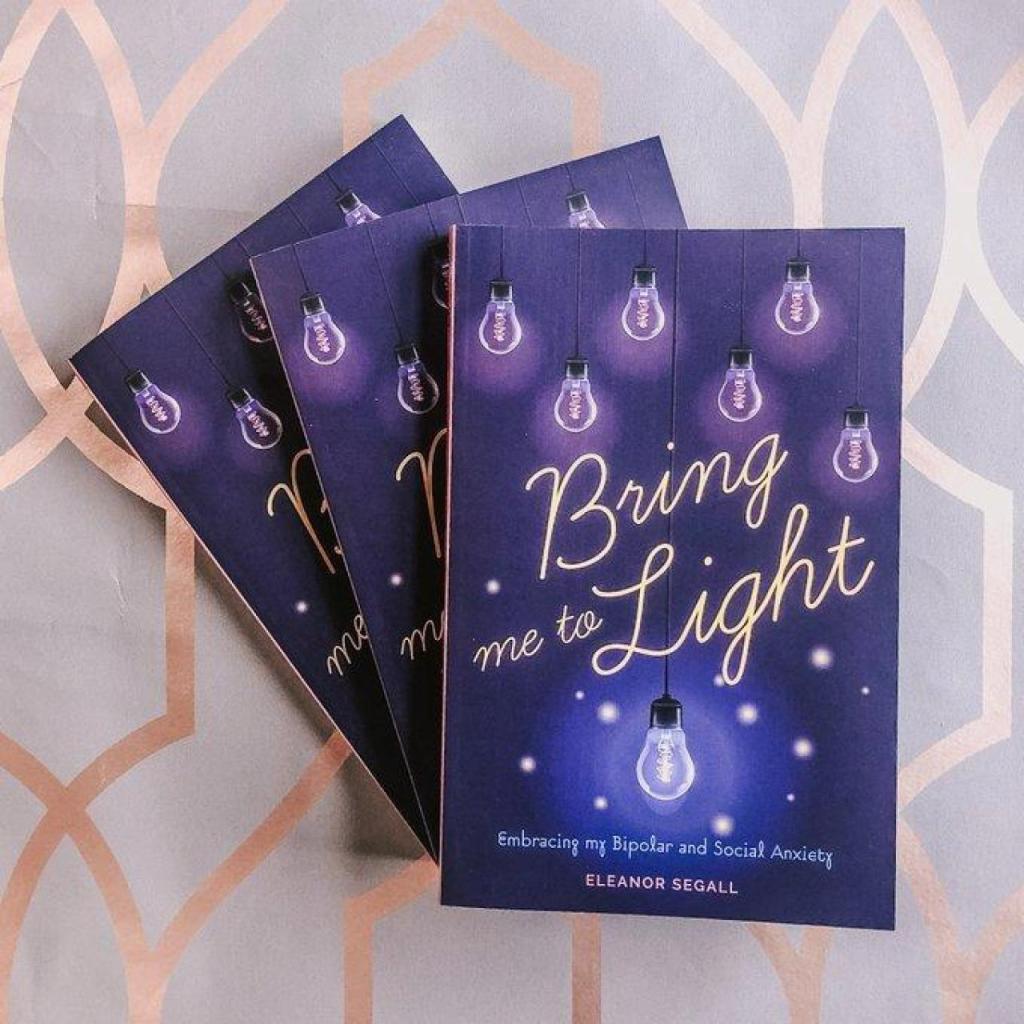
Yesterday, on 5th November, my book Bring me to Light: Embracing my Bipolar and Social Anxiety (with Trigger Publishing) turned one!

Today, I got this lovely review from a Twitter follower Robin so I thought I would share it here:

It is an amazing book, really enjoyed reading it. An honest and open account of life with bipolar, your strength of character shone through. Thank you for being so open and writing it. – Robin Josephs

I wrote my book to help others and dispell the stigma about severe mental illness. Everyone is human and everyone has mental health. Whether you have never suffered or whether you have depression, anxiety disorders, eating disorders, schizophrenia, bipolar, OCD, BPD or EUPD, self harm, addictions, PTSD etc- I would love everyone to be more open if they feel able.

I hope my book explains what being in hospital can be like but that you can recover.

You can get your copy on Amazon and in all good book shops now 🙂

Happy bookversary to me! Thank you to YOU for supporting my blog, reading this and helping get my book deal. To everyone who has bought a copy and to my fab editors Stephanie and Katie.


15 Ways to Turn Your Home into a Self Care Sanctuary: by ImproveNet

Mental health plays a critical role in our lives, and self-care is an important aspect of our mental well-being. Self-care encompasses any activity we undertake to improve our emotional, mental and physical health. 

Make Your Home a Calmer Place

  1. Declutter and organize; donate or throw out what you don’t need
  2. Paint walls with calming colours — blue, green and pink are peaceful
  3. Cover walls with your favorite artwork, photos or inspirational posters
  4. Welcome plants into your life; greenery helps us feel more relaxed
  5. Light candles with soothing scents: lavender, citrus, pine, vanilla, jasmine
  6. Add essential oils to a diffuser; valerian, lavender, jasmine relieve anxiety
  7. Open blinds to natural light, purchase warm-toned bulbs, add dimmers
  8. Purchase soft, comfortable bedding to make you feel cozy and protected
  9. Weighted blankets have been proven to help ease stress and anxiety

Make Yourself More Comfortable

  1. Dress comfortably at home; PJs, a robe or cozy socks are relaxing
  2. Give yourself a home spa treatment with face mask, cooling gel, etc.
  3. Enjoy a long soak in the tub; add Epsom salts to relax muscles 
  4. Take care of your skin by exfoliating, dry brushing and moisturizing 
  5. Consider meditation, deep breathing or yoga to decrease stress
  6. Get plenty of exercise at home: stretch, dance, run on a treadmill

94% of Millennials reported making personal improvement commitments in 2015. Compare this with Boomers at 84% and Gen X at 81%. 

This guest blog and infographic was created by ImproveNet.

Bereavement, PIP, Promotion and Panic by Eleanor


Hi lovely readers,

So much has been going on that its been a little overwhelming so I didn’t feel able to sit here and type out my feelings. But today, I feel like I can share so here goes.

My dear father in law passed away from brain cancer at the age of just 67 last month. This was expected, after a two year battle, rounds of surgery and chemo and radiotherapy and being told they could do no more treatment as he had two aggressive tumours and they couldn’t operate further. However, it was still immensely painful when it happened (although we were all with him at a nursing home) and we had the funeral and week of mourning (shiva) as per Jewish tradition. I moved in to my in laws home that week to be there to support my husband, brother in law and mother in law.

We will all miss him terribly- a truly wonderful man and it was a privilege to know him.

Despite this sadness in our family, some positive news has followed. I had applied and been awarded a disability benefit called PIP (Personal independence payment) and been awarded it due to my bipolar disorder and panic attacks impacting on my mental health and ability to work outside the home. This greatly helps our situation and means I can work alongside it too in my role at the Body Shop from home and around my writing (my book Bring me to Light is available here) . We also found out that Rob is being taken off furlough and returning to work on the 1st September- he has been furloughed for 6 months and this was a huge relief for us, as you can imagine.

Additionally, a few weeks ago I got promoted to Area Manager of my Body Shop team, team Hope. This means I manage a team of consultants/ manager in training and help them to develop their businesses too. I feel incredibly lucky to do a job that I love from home and be so supported by my manager Sarah and all my wonderful team mates too. I truly love this job and hope to make it my full time career eventually. The products are so good for self care too.

Now on to my mental health. My anxiety has returned with a vengeance these past few weeks. One night I was up til 5am with panic and insomnia (feeling tearful, restless and pumped with adrenaline) so took some prescribed anxiety medication. I also use a lavender pillow mist which helps me to sleep better too. I have had to cancel and reschedule things. I am not good with change and my anxiety is being triggered. I have a wonderful therapist and so I will definitely book in another session with her soon because I can feel myself dipping a little.

The guineapigs are adorable and good for cuddles and I have had a lot of support from friends and family, so thank you for that, and from Rob too.

How is everyone?

Eleanor xx

 
Infographic by Mindful Urgent Care

How to Work and be a Mother during the Pandemic: Guest post by Miranda Davis

If you are a working mom/mum during the pandemic, we will help you balance things. Working for others has become an activity from home, and sometimes we get clueless about what to do next. This article aims to help you out with being a working mother.

The pandemic was surely a surprise to anyone, especially any working mom/mum. It started slowly, and most people hoped it would not spread out of China. Unfortunately, it did spread, and we are living through it every day. We have to go out only wearing masks and only when we need to (if you are going out all the time, that is very risky for you and the others too). Washing hands frequently has become the standard. Shaking hands with anyone is out of contemplation if you are taking things seriously. Now, what about a working mother and COVID?

People with children are being forced to homeschool their kids while still managing to work (those who are not unemployed!). Things are not that easy. Now, look at mothers. It is common sense that a lot of them are single, living alone with their children while being a working mother during the day. A mom/mum who is also working at home is genuinely having the hardest of times. 

In the face of difficult facts, we have put a lot of thought into ways to help moms/mums (those living with a partner or alone with their children) through this difficult time. We know that moms/mums are very capable of enduring and overcoming tough times. Still, sometimes we get out of creativity, our energy gets completely wasted away. What should a working mother do in such situations? 

How working mothers balance life sometimes is a mystery. Even more, during the pandemic. If you are a mom/mum trying to figure that out, the tips below should help you.

The first tip is to have a schedule that has the possibility of being flexible. This means that while it is suitable for a working mother to have a program that helps them stay organised, this same schedule should be adjusted to suit you. Sometimes your children might get hurt doing something, or other unexpected things happen. Give these things the time and attention they require. Then the question “are working mothers happier?” does not have to be answered negatively.

Now, this one does not apply to single mothers (sorry,single moms, ). If you are taking care of children with someone else (a father, stepfather, your current boyfriend, or other family members), try to come up with a schedule that lets you do the work as a team. You will benefit from not getting overloaded both with work and taking care of children. 

In case you are a single working mom/mum, things have surely got tougher for you, since the beginning of the pandemic. We genuinely hope you have assistance from some family members. Still, there are moments when you are a working mother, all alone with your children.

On these occasions, depending on the age of the child, you can get them to understand why working is essential. Keep them busy right beside you when you are working on your computer. When you are finally away from work, have a good time with your kid (or kids). Forget about work and being a working mom/mum, and just enjoy each other.

Then, at the end of the day, if you still have some energy left, get some time for yourself. You deserve it.

This works both in the case of you being a single working mom/mum or if you are a mom/mum who has duties shared with a partner. Take advantage of naps! Seriously. When your kid gets his/her nap in the afternoon, use this time to get rid of your workload. This strategy surely has been used since forever, but it is still important to remember it, to prevent overwhelm with juggling everything. 

One of the most important things during times when you are a working mother at home is to set boundaries. These boundaries have two sides. You should know that you need to focus when you are working, and when you are finally done with it, you need to disconnect. Shut down your computer, do not look at your phone, and enjoy time with your family. You will regain positive mental energy from doing this, and you will feel thankful for that.

We understand that being a working mother during quarantine is one of the hardest tasks. Thus, we sincerely wish that the few tips carefully written above have some use for you. If you have developed other ways of dealing with this and think they are beneficial, you are more than welcome to share them in the comments. After all, the question is, can working moms/mums have it all?


Author’s bio:  

This article was written by Miranda Davis, a freelance writer in relation and psychology area. Miranda is interested in such topics as building healthy relationships between people, love/sex compatibility, and how to find the right balance in life in general. She is currently doing specific research on the topic. Miranda loves cooking and long-distance walking. 


How Escaping to the Outdoors is Beneficial for Mental Health: by Amy Sloane

There are so many people who suffer from debilitating mental disorders. Sometimes, people don’t recognise it. Often, people know something is off, but the mind is so powerful, it can convince a person that they’re totally fine. 

In many cases, it takes a person hitting rock-bottom before they recognise that they need real help. Thankfully there are ways to keep yourself as well as possible.

Consider some of the ways of escaping the outdoors can be extremely beneficial for your mental health.


1. Unplugging from Regular Life

The hustle and bustle of regular life can be very taxing on the mind. Between taking care of the children, making sure your spouse is okay, and holding down a well-paying job, you can lose yourself. Then, when you add exercise, adequate rest, and healthy eating to the equation, it can all become so overwhelming. Don’t even mention friendships. So many adults suffer from a lack of true friendships.

Thankfully, you can enjoy great food, wonderful friendships, and memories when you intentionally escape to the outdoors. Call a few friends to see if they’d be interested in going on a camping trip with you. When you all can get away to reset your minds, reconnect with one another and enjoy the fresh air, you can kill a few birds with one stone. 

Plus, vacations are necessary for mental health. When you take time for a quick sabbatical, studies show that you’ll increase your chances of showing up in a healthier way when it’s time to get back to regular life.


2. Solitude in Nature

There are countless benefits to being outside in nature. This is why camping in Utah in USA is an excellent idea. You’ll get to fall asleep under the stars, and you’ll experience true solitude. Nature is proven to help improve your overall mood. It helps you decrease any anxious feelings. 

Think about a time when you were really angry and needed to go for a walk to cool down, you’re probably not walking on a treadmill to calm down. An outdoor walk is helpful mainly because of the fresh air and the calming feeling of being in the open.

As you escape into solitude, you’ll become more attracted to activities that allow you to be outside. Whether this means that you schedule a camping trip once a quarter or you shoot hoops at the local basketball court, the feeling of being outside is unmatched. Plus, when you’re able to get outside and get active, you’ll release endorphins. 

Endorphins are really instrumental in boosting a person’s mood. They’re also helpful in boosting a person’s overall feelings of self-esteem and confidence.


3. Overstimulation

There are so many factors that come into play when you’re overstimulated. However, it’s a good idea to focus on the main culprit: smartphones. While smartphones can be amazing pieces of technology, they’re also the outlets that allow you to constantly check your email messages, respond to text messages, and scroll through social media. Even when you don’t need an update on what the President’s latest moves are, you’re getting alerts from the major news outlets.

While smartphones provide a tremendous amount of access, they can also provide a ton of overstimulation. When you’re visiting a campground, you’ll still get a signal from your mobile carrier. 

However, don’t be surprised if the signal isn’t as strong as it would be if you were at home. Knowing this, you have an excuse to pull away from all of the messages and instant responses people expect from you. Escaping to nature gives you an opportunity to put away your tech-savvy devices, put a ‘do not disturb’ message on your systems, and unplug.

As you find ways to intentionally take care of your mental health, remember that it’s not in vain. As you prioritize self-care, you’ll feel better and stronger. When nothing is wrong, it’s easy to assume that you’re completely invincible. Unfortunately, you’re not. Life chips away at you when you don’t check in with yourself. 

Even if you’re not always able to get to a campground, a simple walk around the neighborhood can help you clear your mind and get some fresh air. By escaping to the outdoors and prioritizing self-care, you can play a major role in keeping yourself sane.


This guest blog was written by writer Amy Sloane.


5 Things that could be triggering your Depression by Samantha Higgins.

Almost everyone goes through an episode of depression at some point in life. For some, the problem is severe and protracted. During the episodic depression, bouts leave you feeling hopeless and exhausted, making it difficult to be productive and present in your daily life. Although depression is a severe health condition, treatment brings hope to the affected. Once depression symptoms are controlled, knowing common triggers and how to avoid them can save you from a depressive episode.

It is important to seek help in the form of treatment from a doctor- whether that is medication or counselling.

Feeling Overwhelmed

When you feel that stressors, such as tight deadlines, are too challenging to manage, you become overwhelmed. Emotional overwhelm is more than feeling stressed. It means you are completely submerged by emotions and thoughts about your current problems, to a point of feeling paralysed.

It is a scary and confusing experience that might leave you with limited functionality and an inability to think and act rationally. Whether caused by stressful times at your workplace or traumatic experiences of loss, overwhelm can trigger depression. Minimise depression triggers by knowing your limits and boundaries of what you can take in and what can cause overwhelm. For overwhelming tasks, break them down into smaller, manageable tasks for you to complete in steps.


Financial Worries

Money woes are a common source of stress that can cause a depressive episode. Focus on projects that increase your financial stability like side hustles. Avoid concentrating on what you do not have since it increases your worry. Customize your budget and do regular reviews to stay aware of your cash flow and financial situation.

Create a savings plan and make monthly deposits to the account so that you are less worried about the future. Go for local events that are free or cost-effective so that you can socialise at a budget. Remain engaged with your hobbies or spend time with loved ones to avoid overthinking about your financial situation.

Seek support from your doctor, if needed.


Alcohol Abuse

Some people indulge in alcohol and other substances to cope with depression. Most are drawn to alcohol’s sedative effects to help distract them from feelings of sadness. While alcohol can relieve some of depression’s symptoms in the short term, it can worsen depression in the long run.

As a person experiences the financial and social consequences of alcohol misuse, their worries increase, and relationships deteriorate, leading to an episode of depression. This leads to a vicious cycle of alcohol abuse to self-medicate some symptoms of depression. If taking antidepressants for depression, avoid alcohol since the depressant effects of alcohol counterattacks the effectiveness of antidepressants.


Poor Sleep Habits

There is a direct relationship between poor sleep and depression episodes. People that sleep less than six hours and more than eight hours have a high risk of experiencing recurrent depressive episodes than those who sleep the recommended six to eight hours. Practice good sleep habits, such as maintaining a consistent bed and wake time.

Turn off all electronics hours before bedtime to avoid overstimulation for better sleep. Reduce any source of discomfort, such as an old mattress. Look for the best adjustable mattress bases for maximum comfort and relaxed nighttime. Take a warm bath, meditate, or have a warm glass of milk to help you fall asleep fast.


A Poor Diet

Dietary habits can lead to depressive episodes. Consume more healthy foods with a focus on whole foods and fresh fruits and vegetables for improved mental health. Limit processed and refined foods, including junk and fried foods. Look for foods high in selenium like whole grains and Brazil nuts to reduce anxiety and improve mood, making depression manageable.

Go for vitamin B sources such as egg, poultry, fish, and lean meat as they help to reduce the symptoms and risk of mood disorders, including depression. Eat food rich in zinc or use zinc supplements to enhance the effectiveness of antidepressants for better depression management. Hydrate regularly with water or soft drinks for better moods.

Depression can be life-changing due to frequent worries, but treatment- medication and counselling can help manage the disorder. Make lifestyle modifications such as a healthy diet, better sleep, and less worry for improved well-being. 


This guest blog was written by Samantha Higgins.