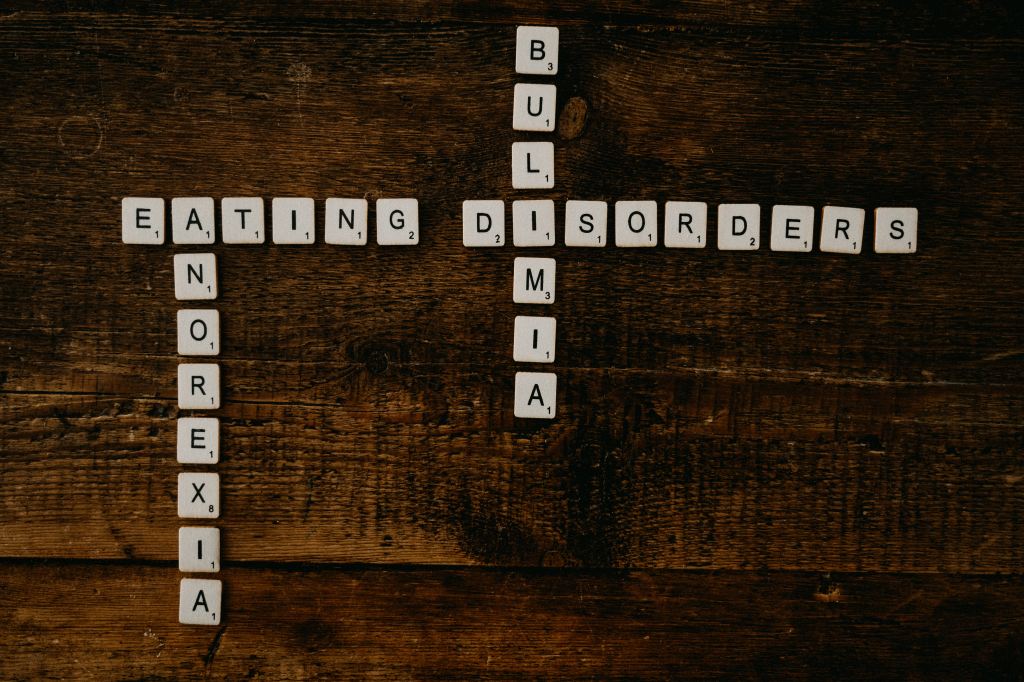
How To Safely Treat An Eating Disorder by Lizzie Weakley.

(image: Annie Spratt: Unsplash)

Eating disorders are complex mental health conditions that require a multi-dimensional approach to treatment. They can affect people of all ages, genders, races, and backgrounds, causing severe emotional and physical distress if left untreated. The good news is that there are many safe and effective treatment options available to those struggling with eating disorders. This article will explore some of the most effective ways to safely treat an eating disorder, including therapy, medication, nutrition counselling, and support groups.

Eating Disorder Treatment Therapy

One of the most important aspects of care is eating disorder treatment therapy. There are different types of therapy available to those struggling with an eating disorder, such as cognitive-behavioural therapy (CBT), dialectical behaviour therapy (DBT), and family-based therapy (FBT). These therapies can help individuals identify and change distorted thoughts and behaviours around food, body image, and weight. CBT is particularly effective in treating individuals with anorexia nervosa and bulimia nervosa, while DBT can help those struggling with binge eating disorder and emotional dysregulation. FBT is a family-based approach to treating eating disorders in adolescents and children, which focuses on empowering the family to help the individual recover.

Medication

Medication may also be prescribed to individuals with eating disorders, particularly those with comorbid conditions such as anxiety or depression that are affecting their recovery. Antidepressants can help reduce symptoms of depression or anxiety, while antipsychotics may be prescribed for those with severe symptoms of body dysmorphia, or the distorted belief that their body is flawed. However, medication should be used alongside therapy and other forms of treatment, and under the close supervision of a medical professional.

Nutrition Counselling

Nutrition counseling can be an important part of eating disorder treatment, particularly for those with severe malnutrition or gastrointestinal problems. A registered dietitian can help individuals create a balanced and customized meal plan, learn about appropriate portions, and manage food fears and weight concerns. Nutrition counseling may also include education around mindful eating, intuitive eating, and healthy coping mechanisms. However, it is important to note that nutrition counseling alone is not sufficient for treating eating disorders.

Support Groups

Support groups can be a valuable resource for individuals struggling with eating disorders, as they provide a safe and non-judgmental environment for sharing experiences and gaining support. They can be particularly beneficial for those who cannot afford or access individual therapy, or who prefer a group format. Local and online support groups are available, and many are free or low-cost. Support groups can also provide a sense of community and belonging, which can be helpful in reducing feelings of isolation and loneliness.

Eating disorders can be devastating, but there is hope for recovery. Treatment may involve a combination of therapy, medication, nutrition counselling, and support groups, depending on the individual’s unique needs and circumstances. Recovery is a journey, and it may take time and patience, but with the right support and resources, it is possible. If you or someone you know is struggling with an eating disorder, reach out to a healthcare professional for help. Remember, you are not alone.

Lizzie Weakley is a freelance writer from the USA.

How To Navigate Grief With Self Care and Counselling Strategies By Brooke Chaplan.

(image: free image)

Grief is a difficult emotion to process, especially when it’s the result of the death of a loved one. It can be overwhelming and can seem never-ending. While it’s impossible to rid yourself of grief completely, there are ways to manage it so that you can start living your life again. Read on to learn more about how self-care strategies and counselling can help you navigate your grief.

Self-Care Strategies for Navigating Grief

One of the best ways to deal with grief is through self-care practices. These are activities that allow you to focus on yourself and give yourself permission to take some time away from your feelings. Here are some tips for engaging in self-care while grieving:

Take time away from work or school

Give yourself permission to step away from your daily obligations and focus on taking care of yourself during this difficult time.

Get outside

Nature is proven to help reduce stress levels, so go for a walk or spend some time outdoors in whatever feels natural (hiking, swimming, etc.).

Spend time with friends or family

Surrounding yourself with people who love and understand what you’re going through can be incredibly helpful during times of grief. Talk openly about your emotions—it may help relieve some of the pain.

Find activities that bring joy

Find activities that bring joy into your life—even if it’s just for a few minutes at a time! Whether it’s reading, painting, listening to music, playing sports, or whatever else makes you happy—give yourself permission to do what brings joy.

Counselling Strategies for Dealing With Grief

Sometimes self-care isn’t enough; everyone needs extra support sometimes, and if that’s true for you, grief counseling may be an option worth considering. Talking through experiences with an outside perspective can help make sense of seemingly senseless situations. Counsellors have been trained in techniques specifically designed to help those dealing with loss manage their emotions in healthy ways. Additionally, counsellors also provide other strategies, such as cognitive behavioural therapy (CBT), which is often used as a way to reframe negative thoughts and behaviours associated with grief into more positive ones. This can lead to improved mental health over time for many and provide insight into how best to handle future losses should they occur again. There are other forms of therapy you could try too, so research and find whats best for you.

Grief is an emotion that everyone will experience at some point in their lives—and it doesn’t always come easily or naturally. But by implementing self-care practices such as taking breaks from work or school and finding activities that bring joy into your life, along with seeking professional counselling services if needed, navigating grief becomes less daunting of a task than it may initially seem when faced with a loss of any kind.

Ultimately, no two people will grieve in quite the same way; however, these strategies serve as a starting point for anyone looking for support during this difficult journey we call life.

Brooke Chaplan is a freelance writer from the USA.

4 Kinds Of Therapy To Consider by Rachelle Wilber

(image: free image)

Therapy can be a great way to work through personal issues, improve your mental health, and make positive changes in your life. But with so many different types of therapy available, it can be hard to know where to start. Many people find that a kind of therapy works well for them, while others may benefit from a combination of different approaches. This overview will help you learn about four of the most common types of therapy to make an informed decision about what might work best for you. 

Cognitive Behavioural Therapy 

Cognitive behavioural therapy (CBT) is a type of psychotherapy that helps some people change negative thinking and behaviour patterns. CBT is based on the idea that our thoughts, feelings, and behaviours are interconnected. Changing our thoughts and beliefs can change our behaviour and emotions. CBT is effective in treating a wide range of mental health conditions, including anxiety and depression, so its worth a shot to see if its right for you. 

Group Therapy 

Group therapy is a type of psychotherapy that involves meeting with a group of people who are dealing with similar issues. Group therapy can be helpful because it allows you to share your experiences and feelings with others who understand what you’re going through. It can also help you learn new coping skills and gain insight into your thoughts and behaviors. Many people find group therapy to be a supportive and helpful experience- but see how it goes for you as an individual too. 

Interpersonal Therapy 

When we have issues with our relationships, it can be challenging to know how to make things better. Interpersonal therapy (IPT) is a type of psychotherapy that helps people improve their relationships with others. IPT focuses on the here and now, helping you to understand and change patterns of behaviour causing problems in your relationships. Several studies have shown that IPT is an effective treatment for depression- so this could be one to try. 

Family Therapy 

Family therapy is a type of psychotherapy that involves meeting with a therapist along with your family members. Family therapy can be helpful because it allows you to address problems within your family system. It can also help improve communication and relationships within the family. Research by experts found family therapy to be a supportive and helpful experience. However, some have said that it wasn’t the right experience for them and their family, so it is trial and error too.

These are just a few of the many therapy types available. If you’re considering starting therapy, talk to your doctor or mental health professional about what might be right for you. Also, remember, there is no “right” type of therapy. What matters most is finding a therapist you feel comfortable with and who can help you achieve your goals. You may also try a few therapies before finding the correct one to help yourself, your relationships and your family.

This article was written by freelance writer, Rachelle Wilber, living in the San Diego, California area, USA. She graduated from San Diego State University with her Bachelor’s Degree in Journalism and Media Studies. Follow her on Twitter and Facebook: @RachelleWilber; https://www.facebook.com/people/Rachelle-Wilber/100009221637700/

Journal Your Heart Out- 3 Journalling Techniques For Improved Mental Health.

(image: Pexels)

You’ve heard all the hype about journalling for your mental health, but you’re not sure where to start. Surely there’s more to it than simply writing down your thoughts?

Well, yes and no. There are multiple journalling tactics that offer different benefits depending on your needs, goals, and personal style. Some techniques work well for some, while others might find different systems fit better with their lifestyle.

Here, we’ll cover three journalling techniques that can help you with your mental health.

Free writing

One of the most common techniques in mental health journaling, free writing can benefit you in many ways. Also known as stream-of-consciousness journaling, all you need to do is pick up a pen and paper and start writing.

The goal with free writing is to get whatever is going on in your head onto paper – but without the need for structure, judgement, or reflection. You begin writing about the first thing that comes to mind, whether that’s exploring what you’re feeling or a random musing you’re having. You stop when you feel finished – it can go on for pages or be a few short paragraphs.

Through stream-of-consciousness journaling, you can better understand yourself. You can work through complicated thoughts and feelings or simply relieve your brain of them. Seeing your thoughts on paper can help you understand them more clearly and address them. Free writing is also associated with a boost in creativity and can be used as a way of brainstorming.

How do I know if free writing is right for me?

  • You want to try out journaling, but you’re not sure where to start
  • You don’t like exercises to be structured
  • You’re experiencing a mental block

Gratitude journalling

Practising gratitude has a lot of mental health benefits, and there are many different methods. You can tell your loved ones that you’re grateful for their contributions to your life, carrying out acts of kindness to convey your gratitude. Or you could observe the small things that make life worth living – like the colour of the sky or a beautiful green landscape. 

Journalling is a great way to solidify your practices of gratitude. By writing down the things you’re grateful for in your life , you can better visualise them and see just how much you have to be thankful for.

Gratitude can be especially beneficial if you’re prone to negative thoughts because it can help you appreciate the good in your life. But it’s important to understand that it’s not a catch-all solution. If practised incorrectly, gratitude could cross over into toxic positivity. To ensure it’s fully beneficial to you, make sure you can also acknowledge your current challenges while noting everything you’re grateful for.

How do I know if gratitude journaling is right for me?

  • You’re stuck in a cycle of negative thoughts, whether large or small
  • You want to get a better understanding of the good things in your life
  • You’d like to start your day off in a positive mindset

Cognitive journalling

This is a CBT technique turned journalling practice. If you’ve ever had CBT, you’ll know that thoughts, behaviours, and feelings are different, but they can all impact each other. A thought – especially an untrue negative one – affects your emotions and can influence how you react to something.

Cognitive journalling can be done once a day or whenever you experience negative thoughts and emotions with this ABC technique, you write down the event that triggered the thoughts you had (the activating event), how it made you feel (your beliefs), and the way it made you react (the consequences). By doing this exercise, you can begin to separate thoughts from feelings and understand how they affect your life and your behaviours.

Another version of this technique involves you writing down a negative thought and the evidence that supports it, as well as evidence against it. This helps you to understand that your thoughts aren’t facts and can undo unhelpful negative thought patterns.

How do I know if thought, behaviour, and feeling recording is right for me?

  • If you struggle with anxiety and constant negative thoughts
  • You want to understand and challenge your anxious thoughts and beliefs 
  • You struggle to separate thoughts and feelings

Journalling can help us with so many things, from inspiring creativity to helping us process our day. Some techniques are proven to support and improve our mental health, and the one that works best for you will depend on your goals and how you experience life. It’s important to note that it’s not a replacement for therapy, but it’s a supplementary activity that can boost you on a day-to-day basis. So get comfy in your favourite pyjama set, grab a pen and paper, and journal your heart out.

This unpaid blog was written by a freelance writer in collaboration with Cath Kidston, homewear brand.

How To Let Go Of Hurtful Memories And Live A Happier Life.

(image: Pexels)

Do you ever feel like your past is holding you back from being happy in the present? If so, you’re not alone. Many people find it difficult to let go of hurtful memories, especially if they’ve experienced a traumatic event. However, carrying around these negative memories can be incredibly damaging to your mental health and wellbeing. That said, this blog post will discuss how to let go of hurtful memories and lead a happier life!

Acknowledge your hurtful memories

The first step to letting go of hurtful memories is acknowledging them. This may seem like a difficult task, but it’s important to face your demons head-on. Once you’ve acknowledged your hurtful memories, you can begin the process of healing. If you’re not sure how to start this process, consider talking to a therapist or counsellor. They can help you work through your feelings and start the journey to recovery.

Understand that your past does not define you

One of the most important things to remember when trying to let go of hurtful memories is that your past does not define you. Just because you’ve experienced trauma or pain in your life doesn’t mean that’s all there is to you. You are so much more than your hurtful memories! Allow yourself to see the good in yourself and know that you deserve happiness.

Also, don’t forget that your hurtful memories don’t have to control your present or future. Just because something bad happened in your past doesn’t mean it will happen again. You have the power to create a bright future for yourself, no matter what your past may hold.

Focus on the present and build a positive future

Once you’ve acknowledged your hurtful memories and accepted that they don’t define you, it’s time to focus on the present. What makes you happy right now? What are your goals for the future? Start spending your time and energy on things that make you feel good. Fill your life with positivity and watch as your hurtful memories start to fade away.

It’s also important to forgive yourself for what happened in the past. Forgiving yourself doesn’t mean forgetting what happened or downplaying its importance. It simply means letting go of the negative feelings associated with the event and moving forward with your life. Remember, you deserve happiness!

Seek professional help if needed

If you find yourself struggling to let go of hurtful memories, don’t be afraid to seek professional help. There’s no shame in admitting that you need assistance to deal with your past. A therapist or counsellor such as from The Awareness Centre, can help you work through your feelings and develop healthy coping mechanisms. They can also provide support and guidance as you begin the process of healing.

Letting go of hurtful memories is a difficult but necessary task if you want to lead a happier life. However, by following the tips outlined above, you can start on the path to recovery and begin living the life you deserve!

This article was written by a freelance writer.

Treatment Options for Recovering from an Eating Disorder by Kara Masterson

(image: Pexels)

Treatment for an eating disorder depends on the type of disorder you are suffering from (such as anorexia, bulimia or binge eating disorder) and can vary with each individual. In most cases, treatment will include therapy, education about nutrition, and monitoring. There may also be medications prescribed that can help address a disorder as well as treatment for any health concerns that may have been caused by the disorder. 

Therapy for Eating Disorders 

The first step in treating an eating disorder is therapy sessions that may last just a few weeks or many years, depending on the severity of your illness. Therapy is designed to help you develop a good eating pattern and exchange unhealthy habits for healthy ones. Therapy will also help you understand how eating is connected to your mood as well as how to cope with stressful situations. You will be given the chance to develop problem-solving skills that are more constructive and that can better serve you going forward.

There are three types of therapy used to treat eating disorders and you may enter one, two, or all three of these types to manage your disorder. They include: 

  • Cognitive-behavioural therapy – this therapy focuses on behaviour, thoughts, and feelings as well as how to recognise and change distorted thoughts 
  • Family therapy – this therapy is designed to help your family help you establish healthy eating patterns as well as how to cope with a loved one who is living with an eating disorder 
  • Group cognitive-behavioural therapy – therapy conducted with others who are dealing with the same type of eating disorder in order to address thoughts, feelings, and behaviours 

Nutrition Program 

Another part of your therapy will include a nutrition program. You may work with a registered dietitian or other nutritional experts to help you better understand your disorder. They will create a program designed to help you work toward a healthy weight, practice meal planning, and take steps to avoid dieting or binge eating. As part of the treatment options for eating disorders, they will also help you recognise how your eating disorder negatively impacts your nutrition and health while helping you establish a realistic eating pattern you’ll be able to follow. 

Eating Disorder Medications 

There is no medication that can cure an eating disorder, but there are medications that are used in conjunction with therapy that may lead to better success. Antidepressants are the most commonly used, especially if your eating disorder includes binge eating or purging. Another drug that is sometimes used for binge eating disorders is Vyvanse which is thought to help impulsive behaviours that can lead to bingeing. 

Suffering from an eating disorder can be debilitating and it is an illness that is not only difficult for the person suffering from but also their loved ones who feel helpless. There are treatments available and it is critical that you get help for your eating disorder as soon as possible- reach out for support.

This article was written by freelance writer Kara Masterson

How to Protect Your Mental Health During the Pandemic: by Mary Davis

These days of the coronavirus pandemic are filled with anxiety and fear unlike anything else we and the world has experienced since World War II. It’s important to stay in tune with yourself and remember it is okay to not feel totally well and to be feeling more anxious. 

Here are some ideas to help your mental health during the pandemic: 


Get moving

You’d be surprised what physical activity does for you, both in terms of physical health and mental health! In terms of mental health in particular, it can help decrease anxiety and improve moods. While gyms and studio classes are closed and it is easier than ever to get an effective exercise in with guided tech at home, now is a great time to become familiar with fitness apps. There are many different ones to choose from: you could try the 30 day fitness challenge app for example to get into a new routine and find the perfect guided workouts work for you! Whether its workouts, barre, or even taking the stairs more, try to move as much as you can. 


Try meditating, mindfulness or prayer

Finding stress management techniques that resonate with you is crucial as stress is an inevitable part of life. The ideal time to start up a mindfulness practice is when times are good so that you have established a practice in times of stress, but it can still be incredibly powerful if you are starting out now!

Just remember to be patient with yourself. There are a lot of practices out there, such as meditation, mindfulness, and prayer, so you have options. If you are unsure of where to start, start with daily deep breathing exercises. 


Avoid alcohol 

Avoid or at least monitor alcohol intake in times of high stress in order to protect your mental health. Alcohol is often used to ‘self-medicate’, but while it can release endorphins in your body, it is classified as a depressant. It significantly impacts your central nervous system, and in times of stress you want to be in tune with your body and paying extra care to your nervous system rather than confusing it. 


Seek a therapist and do appointments via Skype or Zoom

Seeking help is a sign of strength! If you need help or need professional support as you work through stress and/or anxiety, seek a therapist. Many therapists do appointments via Skype or Zoom and if you find one in your area, you can transition to in-person appointments when possible. 


Practise self care

Self care looks different for everyone, and finding what makes you feel good and content is so important. Try cooking, at-home facials, taking extra time on your skincare and giving yourself a face massage, baths with Epsom salts, and quality sleep. 

All of these things can contribute to healthy living and can help us get through the pandemic. They are also great habits to incorporate into your lifestyle to continue caring for your body and mind. 

This guest blog was written by freelance writer, Mary Davis.

5 Ways you can reduce Anxiety in Every Day Life: Guest blog by Samantha Higgins

theway2

(image: Picuki.com)

Reducing anxiety at the moment in our every day lives is so important.

Having anxiety is something that many people have challenges with. It is estimated that about 1 in 5 adults have an anxiety disorder and that more than that will experience an anxiety disorder at some point in their life.

The symptoms of anxiety include feeling restless or on edge, being easily irritated, difficulty controlling feelings of worry and having difficulty sleeping, amongst others. 

If you feel that you may be experiencing symptoms of anxiety, there are many things you can do to help reduce and manage those feelings. 


1. Look at Lifestyle Choices

A number of different lifestyle behaviours could contribute to your anxiety. Drinking alcohol, taking drugs, eating junk food will all play a big role in how you feel. For example, excessive drinking or the use of drugs can cause a multitude of health problems including liver and kidney damage. It also causes mental illness such as drug and alcohol addictions. You may need further support from a psychiatrist or rehab unit if you are struggling with addiction or mental illness.

On the opposite side, exercising regularly and eating healthy foods are proven to boost your mood, increase the chemicals in your brain that make you feel happy and improve your overall physical health. 

If you want to manage anxiety, consider looking at your current lifestyle choices and if there is anything you have the power to change. Be honest in your assessment but know you have options for assistance.  Making a big lifestyle change is hard but if there is something you know is causing your mental health and anxiety to worsen, it is a good idea to remove that from your life if possible. 


2. Talk to Your Family and Friends

Even if you think your family and friends would not understand, you might end up getting some of your most valuable support from them. You should not ever feel you have to hide any of your mental health concerns from them, unless you know that they would react badly.

Try to avoid shutting people out, being secretive about your mental illness or becoming defensive when people ask. 

True friends will listen and care. There is still a stigma to mental illness but it is important to find someone you trust.


 3. Set Boundaries

If necessary you can set boundaries for yourself. This could mean letting people know there are certain activities you don’t participate in. It could also mean a limit on how much time you spend with friends and family, in order to practise self care and recuperate. 

Many people who struggle with anxiety disorders find that setting up a schedule for themselves that they are consistent in keeping can greatly reduce feelings of anxiety. It helps them to feel more in control and gives them a structure that feels secure.

Setting boundaries is a way for you to have control over your situation and environment, although these should not be too rigid. There are certain things that can’t be controlled that can increase anxiety. 


4. Let Go of Things You Can’t Control

If something is out of your control that is causing your anxiety there are ways that you can cope with these feelings.  One suggestion is to write down how you are feeling to help let those emotions go. The BACP tells us that, “It can help to express this anxiety in a way that you can control. That could be writing down what you feel, or keeping a journal.”

You can also try making a list of things you are grateful for, or use breathing and relaxation techniques. 

If you are still struggling to cope with things out of your control seek help from a professional. 


5. Get Professional Help

You could turn to all types of mental health professionals to get help, including GPs (physicians), psychiatrists, psychologists, counsellors and therapists. You may be referred for talking therapies, cognitive behavioural therapy, mindfulness or EMDR therapy for trauma.  They may also recommend medication for you too.

In the UK, you would go via your NHS GP who can refer you on to see a psychiatrist or to IAPT for counselling.  Also check out the Counselling Directory website.

When searching for a good therapist in the USA, Karen Whitehead, who does counseling in Alpharetta, GA tells us that, “Psychologists (PsyD), Licensed Social Workers (LMSW/LCSW), Licensed Professional Counsellors (LPC), and Licensed Marriage and Family Therapists (LMFT) can all evaluate and treat mental illness, provide talk therapy, support and feedback, and teach coping strategies such as mindfulness.”

Your counsellor will be able to help you better assess your situation and get to the core of your anxieties. Even if you already know why you get anxious, you can benefit from learning coping skills.

Your counsellor can indeed equip you with tools adapted for your specific needs. You will have feedback on what is and what is not working. You can learn to live with, manage and in many cases, recover from anxiety.


You Are Not Alone

Do not ever think you are alone when it comes to your anxiety. Try not to beat yourself up if setbacks occur or you have a bad day.

Talk with your therapist about ways that you can help to further reduce your anxiety. They will be able to help you.


This blog was written by freelance writer Samantha Higgins.

We will beat this, It will get better: Guest blog by Jenny Nguyen

We are currently living in strange times, where the majority of people are practicing “Social Distancing”. This has become the norm for most people for a couple of weeks or months. Its only a few months of the first year of the new decade, and no one expected coronavirus to have such an impact of everyday life.

Many people out there are worried and anxious about what is happening, you are not alone. We are all in this together and we can beat this virus. My blog is all about me and my anxiety and how I been coping during these difficult times.

Let me start by saying that even before coronavirus, I have suffered from anxiety for most of my life. I am always constantly worried and stressed about what the future holds. It is the uncertainty that makes me so nervous. Sometimes I just want to stay in bed and not talk to anyone. 

It was when something in my life happened, I decided to take matters into my own hands in order to help deal with my anxiety. I decide to self-refer myself and attend CBT classes provided by the NHS. My counsellor has been so helpful in helping me to put things in perspective.  I learnt different ways to help me deal with the anxiety. During the week, I still continue with my CBT lessons, but it is done by telephone.

I really appreciate the work the NHS does. They work so hard to try and help people struggling through hard times and saves people’s lives. 

When I first heard about the coronavirus, it was okay but then when we started to get cases in UK, my anxiety levels started to kick in. I realised that I suffer from health anxiety too, where I would often check online the symptoms and some days, I convince myself that I have coronavirus.

Social media and the news are reporting about coronavirus and this made me more anxious about what the future holds and if I will be able to survive through this time. It started to get really bad after a few days, as cases in the UK kept increasing and we had deaths in the UK. 

Things started to get bad with my mental health as I started to develop symptoms of the virus. One Saturday evening, I started to develop a high fever and started panicking. I had so many thoughts running through my head and ended up calling NHS 111. All they said was ‘it’s a cold’. During that time, I was so scared and my anxiety levels was so high. That evening I found it hard to sleep but I drank a lot of water. The next day I was okay, but decided not to go in to work. It was the right decision to make. 

At work, the decision was made that everyone would work from home until further notice. During the first few days of working at home, it was good because it was great to have freedom of what I wanted to do at home, as we won’t have this much free time again. As time went on, I could feel my anxiety levels increasing and my mind kept wandering to the worst things that could happen to me and my family.

We are in tough times and it is affecting everyone mental health, even if you don’t admit it but this is the time we can work on ourselves and pick up a hobby we enjoy. I suffer from loneliness and I often need others to support me. This is the time you can reconnect with past friends. I recommend reaching out to an old friend and talking to them.

We all go through the same things and know that this bad situation will end very soon. We don’t know when, but we will beat it together.

In order to help with my anxiety levels in this situation, I focus on myself and try to find ways I can help others in this situation. I want to help others who are suffering and find ways to inspire them, that everything will be okay. Having fresh air when you are on lockdown is very important. I have a garden and once in a while I go out for a walk.

We need to protect our mental health. It is okay to be struggling. It’s okay to lose your footing and scramble to stay upright. It’s okay to be screaming on the inside or outside. It’s okay to be scared or anxious or depressed. You are not alone and people are here to support you.

We will get through this together and use this time to do something you always wanted to do. We will beat this! It will get better!


This blog was written by freelance writer Jenny Nguyen, in the UK.

How CBT helps Children deal with Anxiety: Guest blog by Leigh Adley, therapist at Set Your Mind Free

As we know, children are also vulnerable to anxiety. Unfortunately, many parents believe that this type of mental health problem will only be temporary in nature. For example, they may think that their child’s shyness will disappear as they grow older. However, if this shyness is increasingly interfering with the child’s life as well as their family’s, then obtaining help is of paramount importance. If left untreated, a child’s severe anxiety will in all likelihood deteriorate as they will choose to avoid situations that make them anxious.   

People suffering from anxiety, including children, are often treated with medication, particularly antidepressants. However, there are alternatives available, such as cognitive behavioral therapy (CBT), which can help children deal with stress.  

Two decades of research has shown that CBT has been successful in reducing the symptoms of severe anxiety. This therapy also provides children with the tools to identify situations that trigger their anxiety. It also helps them manage the symptoms themselves.

What is CBT?

Cognitive behavioural therapy is used to help people manage their way of thinking and feeling. For example, it can help change distorted thoughts and dysfunctional behavior in order to alter an individual’s emotions. For children, therapists will often focus on getting them to unlearn their undesirable behaviour.     


Exposure and response prevention

This is the technique most therapists use for children with anxiety. It is a basic idea whereby a child is exposed to the situations that make them anxious. However, this exposure is structured and incremental and takes place in a safe environment. The goal is to make them accustomed to the triggers so their anxiety response is reduced. 

Exposure therapy has little in common with traditional talking therapy. CBT sessions generally involve talking to the patient to explore the root causes of their anxiety, and they then use this knowledge to alter their behaviour. Once they modify or change their response, the fear also disappears.

Exposure therapy is used for various types of anxiety, such as:


Treating anxiety as a person

It is helpful to go to a cognitive behavioral therapist as they will enable a child and their parents to think of the anxiety as an entity that is separate from their identity. The child may consider his or her anxiety to be a bully. To treat the anxiety as a person, the patient may give this bully a name, such as ‘Bossy’. Once the anxiety has been given a form, the CBT therapist can then teach the child how to control this ‘bully’. 

Children are also taught to recognize that anxiety can negatively affect their lives. By letting their fears control them, they miss important events such as:    

  • Sleeping in their own bed
  • Visiting their friends’ homes or going to a restaurant
  • Sharing meals with family or friends

It is also essential that the therapist gains the child’s trust so they can encourage them to face their fears.


Steps involved in exposure therapy 

The CBT therapist will firstly identify the triggers. The child will then confront a “pyramid of fears”, namely a sequence of incremental challenges. Every test that the child successfully accomplishes will help build their tolerance to the anxiety.

Before taking the challenges, the child will be asked to consider the degree of difficulty when encountering an uncomfortable situation. For example, a child who is afraid of touching dirt will be asked how difficult it would be (on a scale of 1–10) to write the word ‘dirt’. If they say ‘3’, then saying ‘I will touch dirt today’ could be a ‘5’, seeing a cartoon where a character picks up dirt may merit a ‘7’ and seeing an actual person touch dirt may go up to a ‘9’ on their difficulty scale.

By letting the child rate the scale of difficulty for their various fears, they can distinguish between the easy and extreme levels.

The first exposure trigger should come in its mildest form until the child’s anxiousness subsides. Fear is similar to any sensation; it decreases over time and the child will soon gain some control as the anxiety they feel goes away.

Depending on the severity of the child’s anxiety, a CBT session can take place several times a week, lasting several hours. The exposure often takes place in the CBT office, and then once the child feels comfortable, in an outside environment. For example, children with social anxiety may go outside wearing a funny hat. If they are afraid of germs, the exposure may involve:

  • Riding a bus or train
  • Shaking hands with strangers
  • Eating food without washing their hands

Once they have undergone several vulnerable situations and are feeling more confident, they can try some of the exposure sessions on their own. Parents have a vital role to play in this process. They should encourage their child to tolerate their anxious feelings rather than shielding them.


Duration of CBT sessions

It can take 8 to 12 sessions for a child to handle mild to moderate levels of anxiety. In addition, medication can help them reduce their stress while enabling them to engage in the CBT sessions.


Conclusion

CBT is a good way of helping children deal with their anxiety. CBT utilises various methods to overcome anxiety, and the exposure and response prevention techniques are particularly suitable for children. The child will confront their fears in increments until they can handle the stress on their own.

However, both the child and their parents need to understand that exposure therapy can be difficult. Nevertheless, once their fears diminish, the family can participate in activities that they previously found difficult.  


Author’s bio:

This blog was written by Leigh Adley, Hypnotherapist/Psychotherapist at Set Your Mind Free, based in the UK.