I really wanted to write today because the sun is shining, apple blossom is on the trees and Spring is finally here! I always feel more hopeful and happy once Spring is here but living with bipolar disorder and an anxiety disorder can mean that some days are harder than others.
This week, I have really struggled with low mood and social anxiety. I’m an optimistic person and sometimes I pack too much into my days and end up having a panic attack because I can’t cope. This is what happened to me yesterday when I decided it would be a great idea to pack in too much, including going across London and delivering many Body Shop orders to my customers and friends. My social anxiety was so high (I think largely due to being in lockdown) , I just wanted to hide and I ended up sleeping to escape my feelings and feeling super low. I am lucky that I understand what to do when this happens and I have a husband and family who support me too. I am still in therapy for my panic disorder and it has improved a lot but there are times when it gets triggered like this week.
I have also found that I am worrying more about what people think of me- if I have said the right or wrong thing or upset anyone. Its so silly but due to past rejection I get scared and those fears bubble to the surface.
On Friday, I had a really productive therapy session. There are a lot of worries about the future that I still hold and being able to unpack them in therapy is really useful for me. I am doing EMDR trauma therapy but a lot of it is talking out and facing those triggers one by one. I have a very good relationship with my therapist and having a session often calms my mind.
In positive news, last week I became an aunt to a beautiful baby girl, Cara Harriet who is the sweetest little baby. She is a joy and light in all our lives and I feel so lucky to have a little niece! My sister and brother in law are amazing 🙂
And in other good news, in April, my essay in the Book of Hope by Jonny Benjamin MBE and Britt Pfluger will be published alongside many others I look up to (Dame Kelly Holmes and my friend Hope Virgo). So there are good things as well as bad!
I am doing a lot better- I dont rapid cycle, I havn’t had an episode of mania or hypomania since 2014. My brain seems to like Lithium and Quetaipine (a mood stabiliser and anti psychotic). I have to learn to be kind to myself and practise self care, because my social anxiety is a fear response from the past.
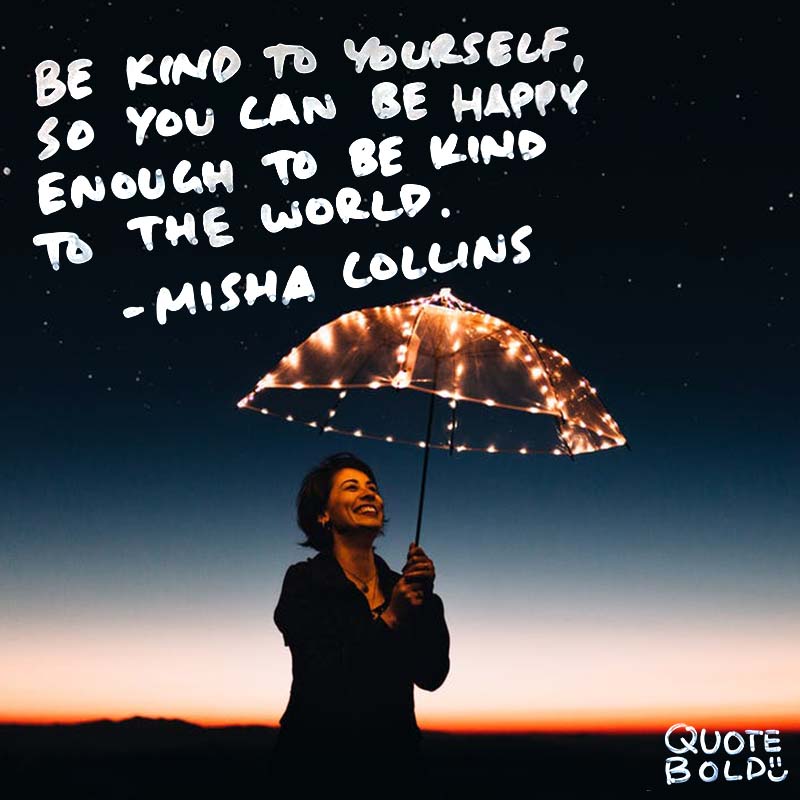
Being kind to myself is of utmost importance. Heres a list of what I do when I am having a bad day: take a nap, have a bubble bath, read a book, hug the guineapigs and Rob, talk to Rob, a friend or family member, put on a face mask, cry, breathe and listen to calming music, watch a good TV show (I have been watching First Dates Teens), book in a therapy session, eat something nice, put some make up on, wash my hair, wear an uplifting perfume.
Disclaimer: I got sent a free copy of the book to review but did not receive payment for this review.
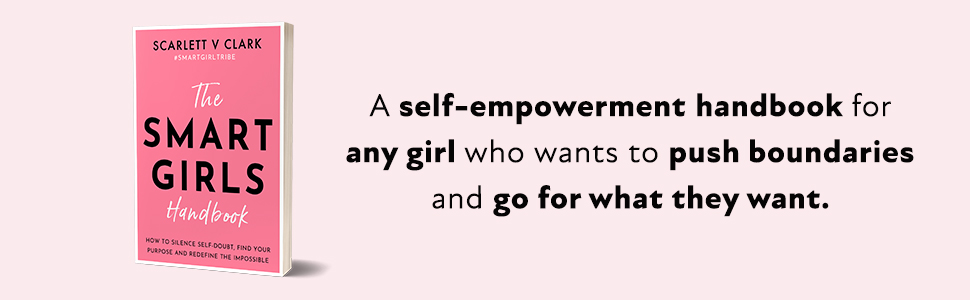
I was so excited to receive my copy of this book! I have been following Scarlett Clark’s work for a year or more- she is an incredible woman! She set up a global hub for women on issues that matter, Smart Girl Tribe at the age of only 19! Scarlett is a true trailblazer and entrepreneur, who is all about womens empowerment. Smart Girl Tribe is now the UK’s number one empowerment organisation and as well as being an accomplished motivational speaker, activist and writer, Scarlett can now add author to the list!
Using her own story alongside the most popular questions that Scarlett is asked at the many events she runs in schools and colleges, The Smart Girl’s Handbook aims to help you:
• Discover your talent and find your passion. • Learn how to deal with fear of failure. • Cope with anxiety and start speaking your truth. • Build a strong group of true friends and slay the naysayers. • Be confident and love yourself.
Each chapter follows the themes above and uses examples from Scarlett’s own life to explore the central idea. Included are tools, tips and exercises to work through, as well as interviews with other ‘Smart Girls’. This is a handbook for any girl who wants to push boundaries and go for what they want.
Scarlett tackles each issue head on, giving examples from her life journey and providing incredible motivational tips. I loved learning more about her, her life story and why she set up Smart Girl Tribe by herself at such a young age. Her fearless attitude and strength of character really stood out to me but also how she empowers other women to be and do the same.
Having lived with anxiety since the age of 15, I have had many years of holding back through fear but I have also achieved a lot too. I will go back to this book for advice again and again! It is an empowering book that will help women of any age, and especially teens and young women to reach for their dreams.
Each chapter has the Smart Girl Tribe promise headings and includes exercises to help you on your way too:
1) I promise to discover my talent and find my passion 2) I promise to learn how to deal with the fear of failure 3) I promise to learn to cope with anxiety and start speaking my truth 4) I promise to slay the mean girls and build a strong tribe of true friends 5) I promise to be confident and love myself unconditionally 6) I promise to be a total #boss 7) I promise to embrace self-care and take a well-needed pause 8) I promise to stand up and help change the world
Thanks Scarlett for being you and publishing this wonderful book too!
About Scarlett Clark: At 19, female entrepreneur Scarlett V Clark set up a global hub for young women. Smart Girl Tribe quickly became the UK’s number one female empowerment organization. Since then she has worked with the UN, the British Council, HeforShe, Women for Women, and spoken at the Houses of Parliament. Now in her mid 20’s, Scarlett is an ambassador for the NSPCC and 50:50 which lobbies parliament and the political parties to be more inclusive of women. With a Masters degree in journalism, Scarlett has written for major publications including Cosmopolitan and Harper’s Bazaar. She is an avid traveller, competitive skier and multi linguist.
We have a lot of mental health awareness in the modern day. Barely a week goes by without it being mentioned that mental health is important, and that it’s “OK not to be OK”. By now, for sure, we’re all quite aware of mental health. What might be needed more from this point on is mental health understanding, because while people and organisations are more than ready to acknowledge the existence of conditions like depression, fewer are forthcoming with any practical help.
One of the problems that we have right now is that mental health issues were ignored and mocked for so long that – now we have some acceptance of their impact – a lot of people don’t have the language to deal with them. Well-meaning people might say “depression is an illness, just like X”, and not really understand that it can be seen as an unhelpful statement. It would be helpful for people with depression if the following facts were widely known.
A good day with depression doesn’t mean the problem is gone
A lot of the language used around mental illness, and particularly depression, portrays it as a steady, relentless grind – and it sure feels like that most of the time. As a result, when someone who has been suffering opens up, has a laugh and is “more like their old self”, their loved ones might see light at the end of the tunnel. Depression is a complicated condition, unfortunately, and even that brief spell of happiness might trigger a period of guilt, which deepens a depressive episode. This complication is part of what makes it so insidious.
“Looking on the bright side” isn’t a productive strategy
It’s easy to understand why people try to talk around someone dealing with depression by pointing to all the positives in life. It would seem like a productive strategy, because if they see a bright side, they will surely feel better. Right? Unfortunately not. While there are plenty of useful tips for dealing with depression, this is not one of them. Reminding people of how life is good and could be worse is more likely to make them feel like, on top of all the bad things they are feeling, they’re also ungrateful. It doesn’t help.
Depression doesn’t come from any single source
Some people believe that depression is a response to negative life situations. Others argue that it is a result of underproduction of serotonin in the brain. Both sides are right, and both are also wrong; depression isn’t solely chemically-driven, nor is it purely down to circumstances, and this means that you can’t fight it with medication alone. At the same time, it may not be possible to fight it without medication. Finding the right combination to beat depression (or at least sideline it) isn’t an overnight thing, but it is achievable.
The best advice you can give someone with depression is that, in time, things will get better and that’s all you want for them. Acknowledge that it will take time, and that you’ll be there for them, but don’t ever try to argue them out of it.
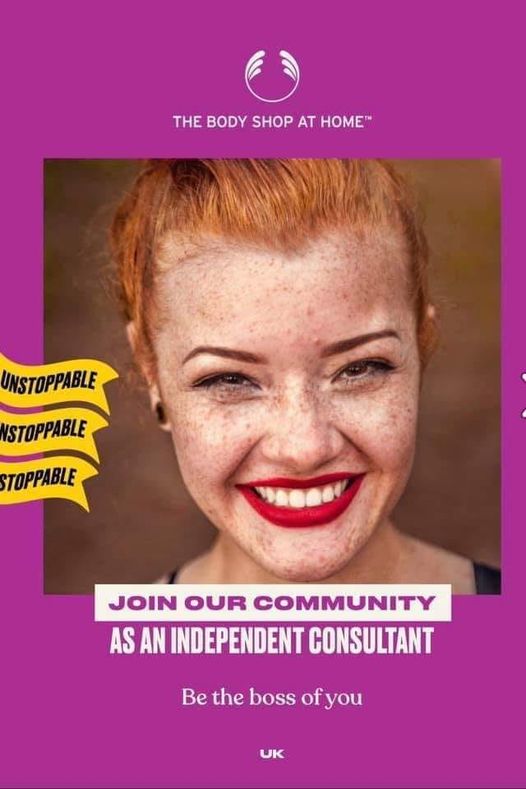
As many of you know, last year I began working as a consultant (and now manager) for the Body Shop at Home. This was after leaving a job due to severe panic attacks that left me not able to attend work or leave the house daily (related to past trauma) . I eventually lost that job, as I had to leave so many ‘normal’ workplaces that weren’t able to accommodate me.
My confidence was on the floor. I lost my job, we lost the flat we were going to buy and then in March, we went into lockdown.
I have had to face many dark times throughout my life, as I am sure you have. However, in the darkest of times I have learnt one important thing- resilience. Resilience is something that helps me when I am on the floor, sobbing my eyes out from a panic attack (or in the past when I felt low and suicidal). Resilience got me through my GCSES, A levels and University. Resilience (and medication) somehow got me through being sectioned in 2014 for my bipolar and having to recover to live again.
I am not perfect but I know what it is like to have no confidence, no self esteem, to be highly anxious or severely depressed and for each day to be a struggle. To feel like you are wading through treacle or for every fibre of your being to be stressed with anxiety.
When I talk to people about my Body Shop journey and the opportunities that it has brought me and my manager Sarah (who also lives with mental illness), people not only can’t believe it but they also tell me:
‘I can’t do what you do, you have so many supportive friends.’
‘I can’t do what you do, I feel really low in confidence and low on time’.
While it is true I do have wonderful friends and a good network, I still had to build my group, build my business and build my team from nothing. From scratch. I had to familiarise myself with the products, learn what they do and their ingredients. I had to make contact with new people and find new customers via my network. I had to sell to friends and family….which I was petrified of doing.
I thought I couldn’t sell a product as I had never worked in retail. My anxiety and confidence was really low and it took a lot to go live and share the products, play games like bingo and go live in the group.
But people got behind me and because they did, my confidence began to grow. I realised I loved what I was doing. I was good at it. I could help others and work from home with flexible hours. I could rebuild again.
But what I want to ask you is:
Why can’t you do what I do, if you want to do it?
Why can’t you say yes to an exciting opportunity- and have support from me and a great team? Why can’t you devote an hour in your day to your Body Shop business?
All it takes is a yes, a leap of faith and slowly building confidence. There is no pressure, coming from a background of mental illness, I want to empower and support others (not count sick days). I want to uplift and help, in the spirit of my manager Sarah who is wonderful too.
If you want to change your life and start on a new journey, drop me a message and reach out.
Your mental health is precious, and you’ve got to look after it as much as you can. We know sometimes this isn’t the easiest thing in the world as there are so many things that are beyond your control. We also know that even when things are okay, sometimes it’s still difficult to control the way that we feel. But, that’s why we’ve written this article, so that you’ve got some ideas as to the things that you can do to better your mental health. Keep reading if you would like to find out more.
Try To Relieve Whatever Stress You’re Holding
The first thing that we’re going to recommend is that you try to relieve whatever stress you are holding onto. We know that this isn’t easy, and we’re not saying it is, but it’s something that you’ve got to do if you want to recover. Your mental health is not going to benefit if you are constantly stressed. But, the only way that you are going to be able to relieve stress is if you know what is causing it. It’s for this reason that you’re going to have to think yourself or speak to a therapist and figure out what is causing most of the stress. From there, you can work out the best way to destress and take control, and this should ultimately end up improving your mental health.
Hypnosis Might Be Worth A Try
Have you ever given much thought to trying hypnosis? Professional hypnosis involves interaction with you and the therapist to heal mental health issues going on in your life. For example, you can get hypnosis downloads that will help you to do whatever it is you’re aiming for. Hypnosis will involve your consent and its worth a try- Your mental health is worth it. Search for a recommended therapist.
Try Taking Up A New Hobby
The final thing that we are going to suggest is taking up a new hobby. Your mental health will always be worse if you are not distracting yourself from negative thoughts. You’re going to get too deep into things and you may spiral into anxiety or depression. Instead of doing this, find something that you enjoy doing, thats a positive focus. It can be a sport, or a game, reading, watching TV, completing some arts and crafts, whatever you want to do as long as it takes your mind off of your thoughts for a little while. Become immersed in whatever you are doing, and leave the rest of the world behind for a while.
We hope that you have found this article helpful, and now see some of the things that you can do to better your mental health . Something on this list should help, and if it doesn’t, there are also plenty of other things that can be done as well. Make an appointment to see your GP or therapist if your mental health worsens and take care of yourself- self care is vital.
It’s no surprise that our mental health is affected by the culture around us and our technology-based lifestyles. Every day we are bombarded with stimuli and information that influences our mental and emotional states and alters our opinions and worldviews. This is happening all the time, every day.
Today, we spend so much time online that it has become second nature, and we are losing important social skills and mental abilities that were once considered essential for a healthy lifestyle. It’s important to remember the impact technology has on us and adapt our lifestyles to include more nourishing practices. You can do this with a digital detox, read on to discover more.
Spend time offline
Depression comes in many forms and is very common. You can be mildly depressed due to a situation eg something that happened in work, or clinically depressed meaning you have a low mood that doesn’t seem to go away and only medication seems to help. Any state of depression can be exacerbated by using the Internet.
Those who overuse the Internet are prone to depression, researchers have found. This may be due to the lifestyle of heavy Internet usage that limits social contact and encourages a stay at home mentality, but it could also be caused by mental feedback loops when feeling of depression and low mood are reinforced through Internet behaviour.
Naturally, there are several solutions to the issue. If you experience low mood coupled with high Internet usage, consider switching off for a period or limiting your usage in the week. Instead of Internet usage, try a different activity such as talking to friends and family or taking a nature walk.
Limit SmartPhone Usage
Smartphones are a wonderful invention, as are mobile phones for seniors; they are portable computers and communication tools, essentially. But there are some underlying issues associated with them, especially with regards to mental well being. It’s thought, for instance, that high smartphone usage can increase anxiety and feelings of unease and restlessness. It’s no wonder with so much of our lives dependent on them.
Smartphones can increase anxiety due to our attachments to using them. We not only store important everyday information on them; we also communicate through them, socially and for work. In some ways, our smartphones have become our gateway to the world, and it’s difficult to put them down sometimes or go a few minutes without checking them for updates.
Although it’s challenging a successful digital detox will involve a reduction of smartphone usage. You can limit your usage by making certain rules for yourself. The phone is not allowed in the bedroom, for instance, or you are only allowed a certain percentage of screen time per day. Train yourself to use the smartphone less and create discipline by opening up other avenues of communication.
Log Off Social Media
The Internet is useful for many things, but no one knows what it’s main purpose is; that said if it’s meant for anything, it’s meant for communication. Social media is an online phenomenon that has emerged or evolved throughout the age of the Internet, from chat rooms in the early days, to MySpace and then Facebook and others. There are now 2.7 billion Facebook users worldwide.
Although this platform is an excellent way to communicate with friends and relatives globally, to start businesses, sell things, and market services, there are some hidden dangers that can lead to anxiety and depression in people, some of whom are unable to escape from their online habits.
Everyone on Facebook presents the best possible image of themselves, which leads to feelings of inadequacy and low self-esteem when some people start comparing and contrasting. The reality is that many people experience issues in their lives, and no one is as perfect as how they like to be perceived. Logging off social media for a time can greatly benefit your mental wellbeing.
Social Media Dangers
The dangers of social media extend beyond low self-esteem based on comparisons. Facebook and Instagram may be the catalyst for such conditions, but the conditions can then manifest in various ways and cause long term mental and physical health issues. Disorders such as anorexia and addiction can worsen from heavy usage.
A phenomenon that affects mainly women is an increase in body awareness and adaptive behaviour based on the effects of social media. Since so much of social media feeds are occupied with perfect images, some women feel pressured into conforming and changing their body shape to achieve positive attention. This encourages eating disorders like anorexia or body dysmorphia.
This all points to a reduction in social media usage for improved mental wellbeing. It should also highlight the consequences of comparing ourselves to others. You can limit your social media usage by deleting your apps for a period, perhaps a week or a month. It doesn’t mean you have to leave the website, but train yourself to develop healthier online habits.
Improve your Sleep
Researchers have found that the average person requires eight hours of sleep per night to go through their full sleep cycles. What’s more, your sleep should happen through the night due to your circadian rhythms – these help keep the chemicals in your brain properly balanced so that you regulate and maintain optimal mental wellbeing.
Technology can influence and disturb your sleep patterns and cause insomnia in extreme cases. Harford researchers discovered that the blue light from laptops phones and devices was sufficient to reduce the levels of melatonin in your system. Melatonin is the chemical responsible for putting you to sleep. So using your screen every night in bed might cause you to fall asleep later and feel more drained in the morning.
A digital detox is recommended if you find your sleep pattern is disturbed for some unknown reason.
Make your bedroom and technology-free zone. Leave all your devices elsewhere in the house and take a book to bed instead. Reading a book does not have a digital glow and should help you fall asleep faster. You might also delay your technology usage in the morning shortly after waking.
Above all, look after your mental wellbeing and detox when you need to.
Dealing with mental health problems is tough, especially when there is a stigma. ”Man up? Why don’t you man up?!” (you don’t need to). However, you get to a point where you strike a balance that lets you lead a healthy and productive lifestyle. You’re on an even keel, which is essential as it stops the intense emotions and feelings.
Still, this isn’t the end of your journey. Once you get to a point where you feel you are on top of things, you might want to help others reach the same summit. After all, there’s no greater sensation than giving back. Here’s what you need to do.
Reach Out
You understand the warning signs better than anybody because you’ve been through the ordeal. You also know that people who are finding life difficult tend to bottle up their emotions and push them deep down. As a result, the likelihood of a fellow sufferer reaching out isn’t realistic. Instead, they’ll suffer in silence. Reaching out can be as basic as asking them if they are okay, or letting them know that they have a shoulder to lean on if they want. And, with the development of tech such as Zoom, you don’t have to be in the same room to eliminate loneliness or anxiety.
Share Your Story
Be honest – did you open up to anyone who asked about your issues? No, because it’s tough when there isn’t a sense of empathy. People who haven’t experienced what it’s like don’t understand, making it hard to relate to the pain. You’re different. Having dealt with it, you are better positioned than anyone to offer advice. Of course, they don’t know that until you share your story. Revealing what you went through will encourage them to trust you, ensuring your advice doesn’t fall on deaf ears.
Make It Your Career
If you love helping others and have a passion for mental health, you should consider turning it into a career. Your experience makes you well placed to get to grips with the complexities of the industry, and the advancements in technology mean it’s easier than ever to become certified. Becoming a counsellor is never a walk in the park, but some features make it simpler to juggle. For example, attending an online course instead of being on-campus. Or, doing it part-time to ensure it doesn’t overwhelm you and get in the way of your routine. You’ve got something to offer, so don’t be afraid to show it!
Be Flexible
Due to your success story, you will want everyone to try the method you used because it has had positive results. That’s perfectly acceptable since people draw on their experiences when helping others. However, no two individuals are the same, which means you must be flexible when providing your opinions. Sure, you can lead with what assisted you, yet it’s essential to keep an open mind and encourage whatever makes them happy. Also, never guarantee anything as there are no sure things with mental health.
It’s a process, an unpredictable one with lots of twists and turns, so you need to be prepared for ups and downs.
I don’t really know where to start! I have been keeping this secret for almost two years.
Nearly 2 years ago, my friends, mental health campaigner/author Jonny Benjamin MBE and author and editor Britt Pfluger, approached me to be a part of their second book entitled ‘The Book of Hope: 101 Voices on Overcoming Adversity‘ (published with Bluebird/ Pan Macmillan in April 2021!).
They asked me to write a piece on how I found hope and recovery after being unwell and my (ongoing) journey with bipolar disorder that I wrote about in my own book Bring me to Light.
I won’t give too much away about the piece I wrote, but it does include my Dad’s story too and talks about life after being sectioned for a manic episode in 2014. It talks about hope, healing, recovery and living with mental illness. It talks about being afraid of the future, but finding light in the darkness.
Heres what Macmillan say about the book which is available for pre order on Bluebird Pan Macmillan website and Amazon. It also contains anecodotes from famous faces including Lemn Sissay, Zoella (Zoe Sugg), Joe Wicks and Dame Kelly Holmes.
There is always hope, even when we cannot seem to seek it within ourselves.
”The Book of Hope is an anthology of 101 key voices in the field of mental health, who share not only their experiences with anxiety, psychosis, panic attacks and more, but also what helps them when they are feeling low. Compiled by award-winning activist Jonny Benjamin and author Britt Pflüger, the inspirational contributors in this book range from the likes of Lemn Sissay, Frank Turner and Zoe Sugg, to Elizabeth Day, Hussain Manawer and Joe Wicks; from authors, poets and musicians to charity workers, activists and psychiatrists.
Jonny Benjamin is known for his book and documentary film, The Stranger on the Bridge, which fought to end stigma around talking about mental health, suicidal thoughts and schizoaffective disorder. When his campaign to find the man who prevented him from taking his own life went viral, Jonny was one of a wave of new figures lifting the lid on mental health struggles. In this book, he brings together a range of voices to speak to the spectrum of our experiences of mental health and the power of speaking up and seeking help.”
It is a real honour and privilege to be a part of this project. A dream come true and I am so thankful to be able to share my story on this platform with truly important voices! We all have mental health and our voices deserve to be amplified.
The Book of Hope is available to pre order now and published in 2021.
Readers of this blog know all too well that life can sometimes take a turn for the worse at times. You can start the year with high hopes, only for things to go catastrophically wrong later on.
Many people go through tough times and wonder whether upping sticks and moving away might help. They think that moving to a new country will give them a fresh start and allow them to leave the past behind where it belongs and move forwards with their lives.
But is that really what happens? Well, it depends.
Seeing The New Location As A Fresh Start
One type of person sees moving to a new country as a blank slate – a fresh start. They’re not the kind of person who spends all night getting angry about what went wrong in the past. Instead, they accept what happened and choose to move forward with their lives. They never look back.
This type of person can get on well with moving to another country. The change of location isn’t the important thing. That’s just a backdrop. The primary decision is to take control of one’s life and move forwards. When you go to another country, you’re proving to yourself that you can make major life changes, and you have control over your life. You’re no longer tethered to a situation in your home country. You’re free to conduct your business as you choose. Self-mastery is the name of the game.
When you go to a new location with this mindset, it colours everything that you do. It’s a decision you’ve made. And so it feels like you have ownership over the situation. Even though things have been tough, you’re moving on with your life and doing the things you have to do to reestablish control. It feels natural and healthy. You’re a master of your destiny. Moving away has nothing to do with trying to escape the negatives. It’s about embracing the positives. You look for a studio apartment for rent, and you start a new life. It can be a challenge, but it’s also a heck of a lot of fun.
Seeing The New Location As An Escape
But there’s a dark side to moving to another country. If you think moving is a way to escape how you feel, you’re sadly mistaken. You might be living in a different apartment building in a foreign country, but that doesn’t mean that your memories and feelings disappear. Yes – you might find yourself in a totally different culture. But that’s pretty much irrelevant if you’re bringing all the same feelings and emotional baggage with you.
Seeing the new location as an escape is a trap. You think that by moving, you’re doing something to alleviate your experience. But that’s not what’s happening. Instead, you’re changing location and dragging all the old feelings with you. It’s not moving that gives you the sense that you’re escaping your problems – it’s taking control. When you feel like you have some sort of autonomy, that gives you the mental space to create a life for yourself on your own terms.
But if you’re feeling homesick and still thinking about your country of origin, that’s a recipe for depression. You’re not looking forward – you’re looking back. And you inevitably feel hopeless and futile.
Your World Becomes A Lot Bigger
Moving countries should be about making your world bigger. It can help you to leave your past behind, but it is not all that’s required. You can move to another country, but if you don’t process what happened to you, then you’re not really leaving your problems behind. Paying different government taxes is no substitute for emotional understanding.
When you allow your move to fill your life with new opportunities, things suddenly become more clarified. Everything opens up, and you’re suddenly able to pick a direction and go with it. It can be a frightening experience sometimes, but it is essential for living a rich and fulfilling life.
Usually, people leave their country of origin to escape past unhealthy relationships. Going abroad offers a degree of safety. But it also takes you out of a dysfunctional network of friends and family. You’re able to breathe the free air and start afresh. You’re no longer tied down to a particular social group. And you don’t have to observe its traditions or customs. It’s a liberating experience.
Sometimes, that feeling alone is sufficient to make the move worthwhile. But, ultimately, that’s a choice that you need to make. The question of whether you should go to another country is a personal one.
It’s always important to seek professional help if you are dealing with a mental health issue. Unfortunately, finding a professional can be harder than you might think. Even if you can find someone for you, you’ll still have to decide upon which type of professional with whom you should work. For most, the answer comes down to knowing the difference between a psychologist and a psychiatrist.
What Is a Psychologist?
Generally speaking, a psychologist is a person with an advanced degree in psychology who works with patients on their mental health. These individuals usually use various types of talk therapy to help individuals work through a diverse number of mental health issues. When many people think of the basic idea of therapy, they’re thinking about what a psychologist does.
When to Choose a Psychologist
It makes sense to choose a psychologist when you’re looking to address your mental health issues without medication. Attempting to change behavior of the long-term is usually best done with the help of a psychologist, especially if you’re looking to get to the root causes of why you feel how you feel. It should be noted, though, that even those who do seek medication can often work with a psychologist as well as a psychiatrist.
What Is a Psychiatrist?
A psychiatrist is specifically an individual who holds a medical degree and specialises in psychiatry. While psychiatrists do conduct many of the same types of therapy as psychologists, they differ from psychologists because psychiatrists can prescribe medication to their patients when needed.
When to Choose a Psychiatrist
The most common reason to choose a psychiatrist is because you are considering the possibility of pursuing some type of medical treatment for your mental health problems. This can range from specific types of medical therapies to medication, but all of these therapies do require a psychiatrist’s oversight. While most do choose psychiatrists because of the medical angle, many psychiatrists do still use talk therapy in a manner similar to psychologists.
It’s important to know what you want from therapy before you make a choice between a psychologist and a psychiatrist. While each type of professional does deal with mental health from a specific angle, whether one is better than the other has everything to do with your personal situation. While you will ultimately need to make the choice between the two, choosing to pursue at least some kind of therapy is a good step on the path to a brighter future.
This article was written by freelance writer Anita Ginsburg









 beurownlight.com