Tips for Identifying and Overcoming Seasonal Mood Changes by Brian Thomas.

(image: free image)

Seasonal affective disorder (SAD) is a type of depression that some people experience with the changing of seasons. Usually, it is associated with the transition from fall into winter, but it can also happen during the summer. Either way, there is a noticeable pattern with signs of SAD due to many external factors. Here are some ways you can identify SAD and work to overcome some of the symptoms. 

Spend Time Outdoors 

SAD is thought to be caused by fewer hours of sunlight due to the shift of the planet’s position going into the autumn and winter months. It is also believed to be linked to the production of melatonin, a hormone that we produce when it is dark outside. Not getting enough sunlight can affect your mental and physical health. Therefore, it is important to remember to get outdoors and soak up the sunshine even during the colder months. 

Snow activities, such as snowshoeing, skiing, and sledding are all fun ways to spend time outside in the cold, if you’re in a country where you have snow. Weather permitting, a walk around the neighbourhood is a more manageable daily outdoor activity that you can do with a furry friend or family member.

Not only will you be able to maximise your vitamin D intake, but you will also be able to spend quality time with your walking partner. If you’re finding it difficult to leave the house to get your vitamin D, consider taking a supplement or buying a sun lamp. 

(image: free image)

Increase Exercise 

Exercise can help boost energy levels by producing endorphins, giving you that “runner’s high” feeling and keeping your SAD symptoms at bay. Some of the outdoor activities listed above are also great methods of exercise, but if you can’t get outdoors to get active, have no fear. There are many at-home workout videos on the internet that you can follow along with. Whether it’s yoga, Pilates, or HIIT, find what works for you and get into a routine. 

If getting outside of the house is high on your priority list this time of the year, we hear you. Try taking a tour of a local fitness center or gym that you’ve never been to. You may find that you enjoy being around other people who are as motivated to move as you are. Not every “New Year’s Resolution” has to start on January 1st, you can set goals on your own time.

Seek Professional Advice 

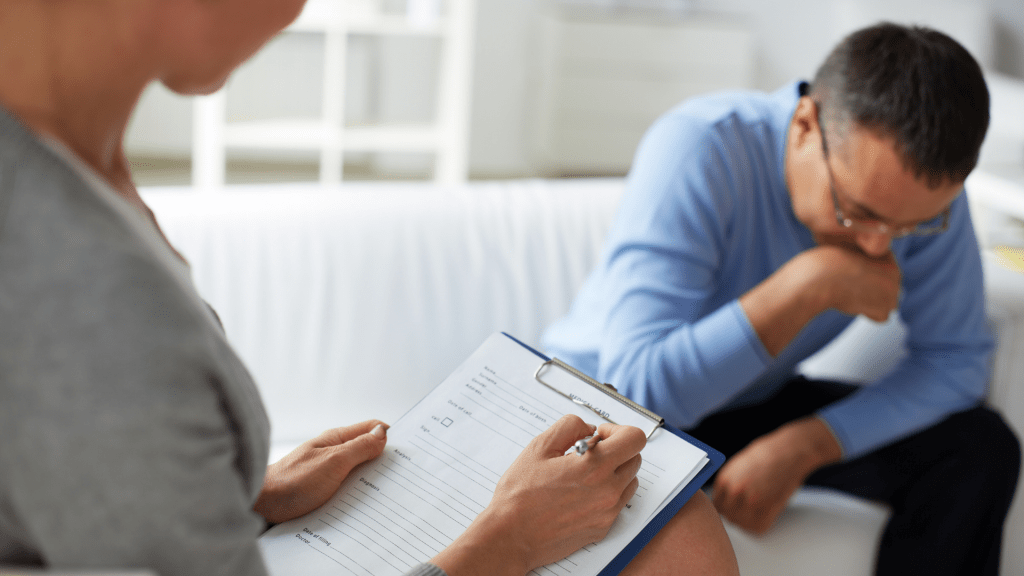
If you feel like you’re experiencing more than just a case of the blues, consider talking to your doctor or therapist about next steps. Medication may not be right for everyone, so it is important to consult with your healthcare professional about what is best for you. These conversations are not always easy to have, but keep in mind that your mental and physical health always come first. 

If addressing your mental health seems intimidating or you don’t have a therapist, consider an online teletherapy service. Over the past few years, virtual appointments have grown in popularity because of their practicality. Many people feel more comfortable in their homes than in an office,which is important for a productive session. 

Get Creative 

Writing and journalling are two ways to get your thoughts onto a page and out of your head. This tip is especially important to consider if you feel like you’re stuck in a creative rut. You can draw, write fiction, or find prompts to follow online.

Gratitude journalling is a great way to reflect on what you are thankful for in your life and is especially relevant with Thanksgiving coming up. This holiday season, consider sending a Thanksgiving card to the people in your life that make you feel grateful. It will make them feel appreciated and you are sure to feel good about it too. 

You can even try a meditation colouring book. In the past, it may have seemed like an activity meant for a younger group. But now, it is gaining popularity because it can be calming and a great way to focus your mind for a while. When you’re finished, you’ll have a piece of art that you created and can hang up wherever you’d like. 

During these cooler and busier fall and winter months, it is important to make time for yourself and your mental health. SAD is not something to be ignored or swept under the rug. If you are looking to read more about mental health, check out our other blog posts! 

Disclaimer: This article is intended for educational purposes only and does not constitute medical advice. Consult a medical professional if you are seeking medical care or treatment. 

Brian Thomas is a contributor to Enlightened Digital. He enjoys reading and researching tech and business. When he’s not looking into the latest trends, you can find him out cycling.

Small But Powerful Ways To Improve Your Mental Health.

Photo by Anastasiya Gepp

How many people do you think are currently struggling with their mental health and want to know how to improve it? The answer will probably surprise you; around a quarter of the population have a mental health disorder, and this can either be minor or something that needs serious medical attention. 

That’s a huge number, and it could be that you are one of these people. If that’s the case, it’s crucial to know what you can do to improve your mental health and ensure that you start to feel better. Of course, medication and therapy can be the ideal solutions in some cases, and it’s important to see a medical professional for help no matter what. However, if you can do as much as you can at home to help yourself, things will get a lot better.

Read on for some useful suggestions about some small but powerful ways to improve your mental health.

Take Mental Health Breaks Throughout The Day

If you’re feeling as though you’re struggling with your mental health on any given day, you should be able to take a mental health day. This means staying home and doing what you need to do to feel more positive. This will be down to you, but some people like to go for walks in nature, catch up on sleep, read a book, enjoy a spa day at home, and so much more. 

However, if you can’t take a whole day for any reason (although it’s wise to try if you can), taking a mental health break of anything from ten minutes to a couple of hours is the next best thing. When you are starting to feel overwhelmed, take some time for yourself. Not only can you protect your mental health in this way, but taking breaks when you’re busy can actually make you more productive rather than put you behind because when you get back to what you were doing, you are more focused and feeling healthier. 

Look For The Positives

As much as we all love technology, sometimes it serves as a negative force in our lives. Social media, 24-hour news feeds, online newspapers, and even channels like YouTube, can offer us a glimpse of the bad things that are happening around us, and when you have a mental health disorder, this can make things worse. Even if there are positive things happening, it can be hard to see them through all the negative things. 

However, in order to improve your mental health, it’s important to change things and ignore the negative to see the positive. The easiest way to do this to begin with is with your own life. Stop scrolling through social media if you know it upsets you and makes you angry, and instead focus on the good things all around you. That could be anything, no matter how small. Perhaps you notice a flower blooming. Your coffee might be delicious. Your little one might make you laugh now that you’ve seen ways to help your baby rollover. There are hundreds of tiny but important positive things happening all around you all the time. When you are feeling down, look for them. This will help to make you feel better, but it will also distract you from your feelings, and that will improve your mental health as well. 

Ask For Help When You Need It 

They say that communication is the cornerstone to a healthy relationship, and that is true not only with other people but also with yourself. If you trust your partner or a friend, it might help to talk about some of the problems you’re having and get those concerns out of your brain. This can help make things clearer. It’s important to keep the lines of communication open when you feel safe to do so. Emotional stress can sometimes make other problems worse in your relationships with your spouse and other people.

And if you feel like you can’t talk about your mental health, there are multiple types of therapeutic interventions that might help you work through some of the problems you’re having.

When you start to feel like you can’t handle day-to-day tasks or when you often think bad things about yourself or other people, it might be time to ask for help or talk to someone about what’s been going on.

Exercise Every Day

When you stay active and work out every day, your blood flow improves all over your body. With more oxygen in your body and more blood flow, you feel more energetic, fresh, and mentally alert.

If you work in an office, it’s even more important to exercise and do other physical things. Exercise not only keeps our bodies in good shape, but it also keeps our minds in good shape. You don’t have to pay a lot to join a gym to do that. A simple walk is all you need. The most important thing is to do this every day. 

Exercise is good for your mental health, but it also makes your bones and muscles stronger, which keeps you from getting hurt while working out or running errands. Since being injured can be a terrible thing for your mental health, exercise can help in this way too. 

Expose Yourself To Sunlight (Carefully)

A lack of vitamin D can lead to a number of mental health problems, like Seasonal Affective Disorder, or SAD. When you go outside in the sun, your body releases endorphins, which are also known as “happiness hormones.” These hormones make your brain work better.

So, take a break from your normal routine (which we already know is a good thing to do) and go outside. But make sure you wear sunscreen so you don’t get a sunburn.

Learn To Live In The Present 

When a person stays stuck in the past, they are more likely to have mood swings, depression, and anxiety. Negative self-talk like “Why did people do this to me?” steals a person’s happiness and makes them miss opportunities in the present. Try not to think too much about the future and learn to live in the present. By doing this, we can be much more prepared for anything that might happen in the future, so there is no need to worry about it.

This article was written by a freelance writer.

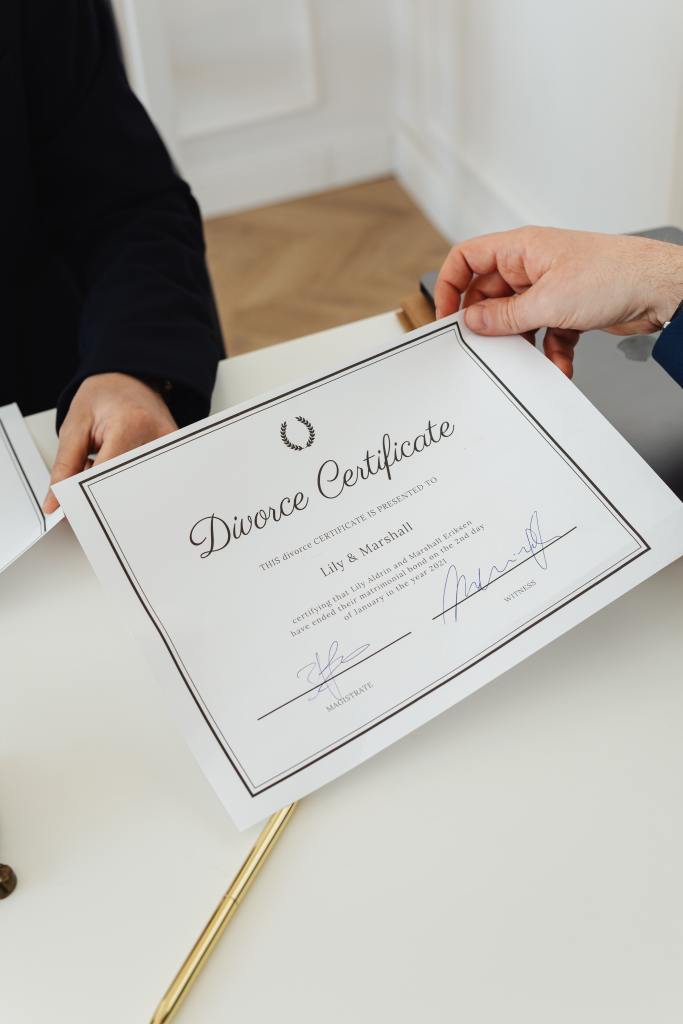
How To Stay Emotionally Healthy During A Divorce: by Lizzie Weakley

(image: Karolina Grabowska: Pexels)

When you are in the midst of getting divorced, you may be surprised at just how much it will drain you emotionally. Whether you have been married only a short period of time or perhaps for decades, knowing you will soon be divorced can be a scary thought that may leave you very depressed, which can result in you making poor decisions as your divorce moves forward. If you want to emerge from your divorce with some emotional health, here are some steps you should take along the way.

Don’t Stay Isolated

As your divorce process moves forward, don’t make the mistake of staying isolated. Instead, stay in touch with your family and friends. If your social network is now cut in half due to your divorce, make new friends by perhaps attending church/synagogue or learning a new hobby- whatever feels right for you.

Don’t Blame Yourself

When couples divorce, it is not unusual for one spouse to blame themselves for the marriage breaking up. Even though there is usually fault to be found on both sides in most divorces, this does not mean you should continually beat yourself up emotionally day after day about your marriage ending. Instead, you need to accept that it happened, plan your future, and try to move forward as best you can. You should reach for support if you need it.

Write Down Your Thoughts

During your divorce, you will be having plenty of meetings with your divorce lawyers and others as well. Needless to say, you may feel a bit drained at the end of the day. If you have plenty of thoughts running through your mind, take some time to write them down in a journal. By having the chance to express your innermost thoughts in this manner, it can be a great way to relieve stress and keep your emotions in balance. Another option would be to talk about your feelings with a therapist when you are ready.

Take Care of Yourself

Last but not least, taking care of yourself physically will play a big role in keeping you feeling ok emotionally. Therefore, you should eat healthily, exercise regularly, and treat yourself to something special now and then, such as dinner at your favourite restaurant, a relaxing vacation, or getting pampered at a day spa. By doing so, you will find many things that were eating away at you will suddenly not seem nearly as important. Self care is vital in the aftermath of a relationship breakdown.

Though you may wonder what the future will hold for you after your divorce is final, looking after yourself and your mental health will pave the way for a new chapter in your life.

Lizzie Weakley is a freelance writer, based in the USA.

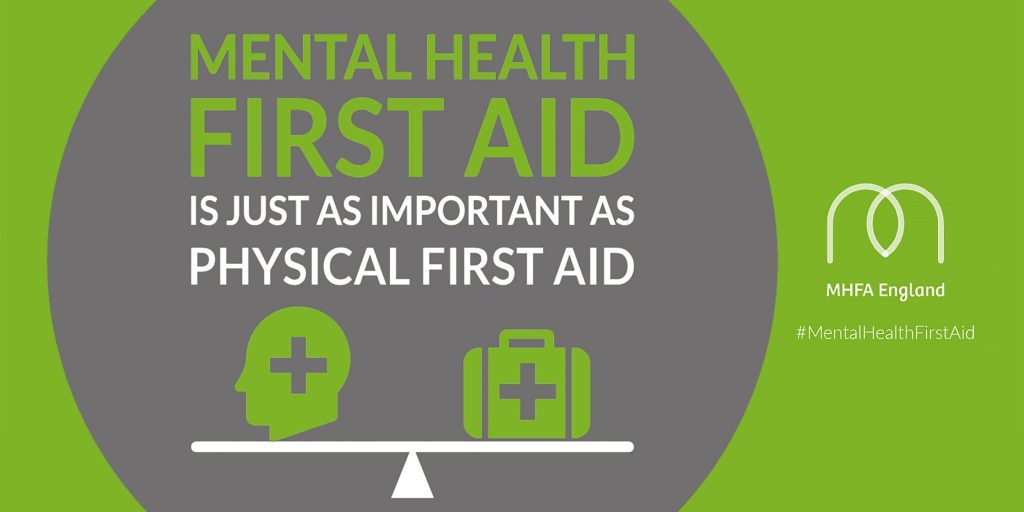
Mental Health At Work: First Aid Products Have Surged In Popularity In 2022.

(image: MHFA England)

Awareness days, weeks and months have helped to familiarise people all over the world with the term “Mental Health First Aid”. Now, first aid retailer FirstAid.co.uk reports a 260% uplift in interest for MHFA products on their site, noting that an increase in work-related stress, depression and anxiety cases each year is the most likely driving force.

The retailer has now sold more Mental Health First Aid items this year so far than everyday travel and motoring first aid kits.

Data from the Health and Safety Executive shows that cases of work-related ill health (of which 50% are stress, depression and anxiety) have risen almost 28% since 2015, despite physical injuries being in decline since 2000.

Their data also shows that 820,000 people in Great Britain suffered from work-related stress, depression and anxiety in 2021, compared to 441,000 people who sustained a physical injury at work.

“According to Mental Health First Aid England, one in six people of working age in the UK is experiencing symptoms of mental ill health at any given time.” Says Mike Thakoordin, MHFA Instructor and Suicide First Aid Associate at FirstAid.co.uk“We know that around 81% of employers have increased their focus on employee mental health since the pandemic began, and it is fair to say that awareness days and events are doing their part to sustain that focus. 

“During the first week of Stress Awareness Month in April we had an 85% increase in the number of people visiting our stress-related products compared to 2021, and we’re anticipating a similar surge between Suicide Prevention Day in September and World Mental Health Day in October as individual and business shoppers research items and guidance that can support those who are struggling.”

(image: Unsplash)

While events and awareness days like these play a big part in the ongoing rise in interest around mental health-related products online, it’s the persisting growth in the number of people struggling with poor mental health that is likely the bigger factor at play. Despite several years of employers saying they’re taking mental health more seriously, the reality is that a huge number of people each year still find themselves with too much work, not enough rest, workplace politics issues and concerns over job security – among other things.

“For several years running now, the HSE has reported an increase in the number of people taken ill by work-related stress, depression and anxiety.”  Thakoordin goes on to say. “Poor workplace mental health has knock-on effects in many other areas, and we hope that this increase in people shopping for MHFA materials translates into a greater number of workplaces offering meaningful, consistent support.

“With the 2-day Mental Health First Aid course recently being updated, now is the time to get enrolled and play your part in making workplaces safer from a mental health perspective.”


For information on how to recognise stress in the workplace, and advice on dealing with stress,
visit FirstAid’s Stress In The Workplace page.

This article was written in collaboration with First Aid.co.uk

5 Valuable Tips for Communicating With a Parent/ Person with Dementia

(image: Unsplash)

Due to various factors, including the ageing population, dementia is on the rise. In the future, it could touch the lives of half the population, becoming one of the most common degenerative diseases. 

When a parent gets dementia, it can sometimes be disorientating and upsetting. All of a sudden, their behaviour changes and it’s not clear what’s going on. They just don’t seem like themselves and they can’t take on board what you say. 

Adjusting to this new reality can be challenging, but this article is here to help. In it, we run through some tips for communicating with a person who has dementia so that you can keep your relationship with them strong. 

Give Them Your Full Attention

Communicating with a person who has dementia becomes challenging when you don’t give them your full attention. Misunderstandings are common, so trying to watch TV or do the dishes at the same time as talking to them is a bad idea. 

Instead, address your parents directly in quiet surroundings. Make sure that there is nothing else going on at the same time, including screaming kids and so on. When approaching your parents, use non-verbal cues, such as touching them on the shoulder to indicate that you want to talk to them. 

State Your Words Clearly

Language can be fuzzy sometimes. But when our brains are healthy, most of us can get by. 

However, that’s not the case when your parents are receiving dementia care. It is considerably more challenging for them to understand what is going on and their surroundings. 

Therefore, always state your words clearly. Avoid raising your voice, as your parents may mistake this for aggression unless they are also hard of hearing. 

When you speak, use the same wording. Prepare yourself to repeat what you need to say several times.

Ask Simple Questions

If you do ask questions, keep them simple. Ideally, you want questions that your parents can answer “yes” or “no” to. Refrain from asking open-ended questions, such as “what type of food do you prefer?”

Break Down Activities Into Smaller Chunks

Telling a patient with dementia that they need to go shopping or get ready for the day is generally a bad idea. That’s because these tasks involve multiple smaller steps that they need to go through. To a healthy person, this all seems simple. But for a patient with dementia, it is considerably more challenging. 

For this reason, try breaking down tasks into a series of smaller steps. Instead of telling your parents to get ready, ask them to put on each item of clothing one at a time. 

Distract And Redirect

Sometimes people living with dementia can become frustrated and angry. Many do not understand what is going on. 

Because of this, it’s a good idea to distract and redirect. These psychological techniques make it easier for you to manage difficult interactions. Focus on the feelings they have and offer support, but then if that doesn’t work, offer immediate redirection, such as suggesting getting something to eat or going for a walk. 

It can be really challenging when a parent or family member has dementia- it can affect both mental and physical health. You may find yourself feeling exhausted, stressed and frustrated too- as well as sad that the person you love is being affected so much. Your loved one may also feel like this at the beginning and struggle with any loss of memory or function. Make sure they get the correct support and you look after yourself too- by practising self care and speaking to a therapist if need be.

This article was written by a freelance writer and contains do follow links.

Taking Lithium for Bipolar Disorder: Side Effects by Eleanor

Pre Lithium in 2010 (skinny minny)

Post Lithium (on my wedding day in 2019)

I first heard about Lithium carbonate, a natural salt and the ‘gold standard’ medicine for bipolar disorder, when I was in my teen years. My dad was taking it to help his bipolar episodes- Lithium is known to stabilise mood and stop mania and depression from occurring or lessening their impact. I knew then that it was quite a strong drug, that you would need blood tests and that it caused weight gain. But it really helped my dad with his illness.

Fast forward to 2004, I was just 16 and had been diagnosed with bipolar in hospital. My brain was still growing and both I and my psychiatrist were reluctant to try Lithium at that stage, so I was started on Carbamazepine, another mood stabiliser. It was only when this medicine stopped working about 10 years later in 2014, when I was struggling with suicidal depression and anxiety (which then turned into a manic episode that I was hospitalised for), that I seriously considered taking Lithium to help me, like it helped my dad.

Lithium was first found to have benefits for patients with bipolar disorder in the 1950s, with a discovery by psychiatrist John Cade. Even today, we still don’t know what causes the disorder, but it is believed that Lithium stabilises mood – particularly mania. The psychiatrist.com notes this,

The real breakthrough in lithium therapy came in 1952, when Erik Stömgren, a Danish psychiatrist and head of the Aarhus University psychiatric clinic in Risskov who had read Cade’s article, suggested to a staff psychiatrist at the hospital, Mogens Schou, that he undertake a randomly controlled study of lithium for mania. Random controls were just being introduced to psychiatric drug trials at that time, and Schou randomly assigned patients to lithium or placebo by the flip of a coin. His results were published in a British journal with the article concluding, “The lithium therapy appears to offer a useful alternative to [electr[electroconvulsive therapy] since many patients can be kept in a normal state by administration of a maintenance dose.”

For me personally, Lithium treatment has changed my life in a number of ways- both good and not so good. Lets start with the good, I havn’t had an episode of mania and psychosis or suicidal severe depression in 8 years, which is largely down to medication helping my bipolar brain chemistry. It has worked for me- which is amazing- and I never thought I would find an effective treatment to help me. I have bipolar 1, the most severe type and although Dad has the same and was helped, I never thought it would lead me to remission. In fact, in 2014 when I was under the home treatment team after hospital, one of the nurses asked me to consider whether Lithium might not work for me and I might have to live with episodes… needless to say I cried as was very fragile and asked her to leave! She was wrong, thankfully.

On to the bad things: Lithium in combination with an antipsychotic Quetaipine has caused me to put on a lot of weight, as it slows metabolism. I also have to have 3 monthly blood tests to check my lithium level is within the correct range as too much is toxic to the body. Thankfully, I drink enough water and eat enough salt so I have never had a toxic reading but its a very careful balance..I have to always look after myself. Another bad side effect is skin sensitivity and acne- Lithium causes spots- so I have had to adapt my skincare regime and diet accordingly. Sometimes certain foods plus Lithium can trigger this too. Again, I have to pay more attention to my physical health as a result of taking Lithium and Quetaipine

The weight gain in particular has been a worry for me and is something I am working on., especially as diabetes runs in my family. Then there is the Lithium thirst…

Lithium as mentioned is a salt, and as it metabolises in the body, makes you incredibly thirsty. You have to be careful not to get dehydrated. Hence my love affair with Robinsons squash and the occasional ice cold fruit juice. No matter how much I drink, I can never fully quench my thirst, even if well hydrated. Lithium thirst is not the easiest… but Robinsons is my friend as its lower in calories and more delicious than plain water! And now I am thirsty again… haha

So I have a love-hate affair with Lithium. Brilliant for my mental health, not so great for my physical health at times. There is also a concern because over time Lithium can cause kidney and thyroid issues, which is why I have blood tests too. So its not perfect, but it really helps me to live my life and have stable mental health. Over time, its important i am monitored. I have been on it 8 years, but it could start causing problems at some point.

Additionally, when I please G-d get pregnant one day, my lithium levels will need to be monitored (but thats a blog for another time).

I don’t have nausea or trembling on Lithium which is good, but the other side effects (particularly weight) have not been so pleasant. I am so grateful though to have a medicine that keeps me well and out of hospital, able to live a life that some others take for granted.

Thanks to all who voted for this blog. If theres anything else you’d like to know, just ask a question and I will respond.

Eleanor x

Don’t Feel Like Cooking Tonight? Heres 4 Reasons why You Should For Your Health.

(image: Jason Briscoe: Unsplash)

Home cooking offers many benefits. It gives us control over what we’re consuming, we can try out new combinations and recipes, and it can even be a soothing activity.

It’s often one of the first things that falls by the wayside when our lives get hectic, however. Revenue in the ready meals market has increased since 2017 and is expected to continue rising until 2026. It’s clear that in our busy lives, we often resort to convenience foods.

Here, we’ll cover some of the hidden benefits of cooking at home for those times when you feel like ordering a takeaway or throwing another microwave meal in.

Portion and ingredient control

When you order a takeaway or eat a meal at a restaurant, you don’t have much control over the ingredients used or the size of the portion you get, unless you specify you’re allergic to an ingredient. Home cooking is a great way to eliminate unhealthy ingredients.

Portion sizes vary wildly between restaurants – some are much bigger than we’d make at home, while others are not enough to satisfy us. Everyone’s food intake requirements are different, and the healthiest attitude towards food is to eat a satisfying amount – even if it’s more or less than your friend. Generally, restaurants aren’t a good guide for portion sizes, whereas you’ll know your nutrition requirements when cooking at home.

Making healthier choices

A lot of us have been tempted by an impromptu fast food lunch order when we’re at work. And while there’s nothing wrong with indulging in your favourite takeaways occasionally, doing this too often can leave us feeling lethargic and unhealthy.

Preparing your meals for work in advance gives you the freedom to cook whatever you love the most while incorporating energy-boosting fresh ingredients. Meal prepping has exploded in popularity in the past few years, and for good reason. Whether you batch-prep your meals for work every week or you cook an extra portion of your evening meal for the next day, preparing food for work is great for our health.

You’ll need to make sure your trusty work bag can fit your lunch in – backpacks for women are hugely popular for work now, and they can also fit in plenty of other healthy essentials like a reusable water bottle, plus your work laptop!

(image: Max Komthongvjit: Unsplash)

Saving money

It won’t come as a surprise that regular home cooking will keep some more pennies in your purse, especially considering we’re experiencing an increase in the cost of living right now. Dining out at our favourite restaurants is unsurprisingly the most expensive way to eat, but even those visits to the shop for a seemingly cheap meal deal can add up.

Cooking from scratch allows us to cost up our meals and ensure we’re eating within our budget. If you’re finding that you’re priced out of some fresh ingredients, don’t worry – studies have shown that frozen fruit and vegetables are just as healthy. In some cases, frozen produce may even contain higher levels of some nutrients – and come with the added bonus of being easier to prepare!

Mental health benefits

Many of us will already know how relaxing cooking can be. The act of methodically preparing, seasoning, and stirring our food can be therapeutic. Taking the time to cook a meal from scratch tells us that we are worthy of spending time on, which can boost our self-esteem. The act of cooking sometimes requires precision, but it takes us away from the hustle and bustle of our busy lives and – usually – drags us away from our screens.

Having a regular routine is powerful for people who experience anxiety and feel like their life is out of control. Cooking at home regularly is an important part of a healthy everyday routine, which can help us feel in control of our lives. What’s more, it can be a creative activity, and that’s proven to lift our mood and reduce stress.

While we love dining out and ordering in the occasional fast-food feast, there’s no doubt that home cooking reigns supreme. Not only does it allow us to be aware of what we’re putting into our bodies, but it also allows us to take some time away for ourselves, away from our devices and the busyness of our everyday lives.

This article was written by a freelance writer and contains ad links

Our Blog is 6 Years Old Today!

On the 1st March 2016, I started this blog as a way to provide therapy for myself- as I was going through panic attacks, (caused by trauma due to a hospitalisation for a bipolar manic episode). Since then I have had several years of EMDR trauma therapy and my life changed so much too- I met my husband, we got married and moved to our first home. I also found a career I love after many twists and turns due to mental illness. Life is never plain sailing especially with mental health and I still live with panic attacks/ social anxiety at times but am learning to manage them.

The blog has turned into a book Bring me to Light (with Trigger), writing for Metro.co.uk, Glamour, the Telegraph, Happiful, Rethink Mental Illness, Mind and other incredible organisations, I have partnered with large and small brands, charities, businesses, writers to create content that battles stigma on mental health. We have been awarded as a Top 10 UK blog by Vuelio since 2018 (thank you) and I love to share my story to help others and educate people about bipolar, anxiety, panic disorders, psychosis, mania and mental health in the workplace (amongst other mental health topics!). I have also recorded podcasts – most recently with Dr Rosena Allin Khan MP, shadow minister for mental health, Daniel Rosenberg at SodsPod and was also interviewed by Penny Power OBE with my Dad Mike (who is a mental health speaker).

When I started this blog I had no idea where it would lead and its been the most special, humbling and amazing journey- with so much more to do so watch this space!. I really want to help more people this year and also have a childrens book I would love to get out there to help kids with anxiety.

As always, I want to thank all my contributors and brands (sponsored or not), as well as the digital agencies and freelance writers who provide content too. I hope to keep it going for the next year at least! Let me know what you want to see.

This year heres what we have been talking about (and big thank you to everyone. If it doesnt have a name by it, content has been written by a writer):


How social distancing is affecting social anxiety in the pandemic- Anita Ginsburg

Book Review of the Smart Girls Handbook by Scarlett Clark- me (Eleanor)

Being kind to myself, social anxiety and life in recovery- me (Eleanor)

Self care ideas for positive change in 2021

How to cope with top 4 challenging life events

The Book of Hope launchme

Sending self care packages- a guide to sending gifts

Feel less trapped with these powerful ideas

6 Tips to stay positive and help mental health

Moving to our First Home and mental health- me

How to reach for help and not be ashamed

Whats the connection between mental health and addiction- Jennifer at Mandala Healing

We are a top UK mental health blog 2021- thanks Vuelio- Me

Can you still get health insurance cover if you have a history of mental illness?

The benefits of seeking mental health support and help

The link between debt and mental health

Start Up founders are 50% more likely to suffer from a mental health condition- Daniel Tannenbaum

How can mental health workers cope with the new normal?

Easing the burden of divorce- Brooke Chaplan

Stress and Panic Attacks Part two- Me

How to remain independent and look after your health as you get older

How selfie changed my life and mental health- Kathryn Chapman

The benefits of personal training for your mental health- Life Force Fitness

Recovery from alcohol or substance abuse: benefits of a sober living home

6 Ways Fathers can Assist New Mothers- Jess Levine

Work in progress- healing from trauma to find the light- me

Is stress affecting your skin? heres how to tell

Prioritising mental health on the world stage, Simone biles- me

Why privacy is critical for our mental health

Goal setting for mental health

Moving house? 5 tips to deal with moving stress

4 Ways to make mental health a priority in your life- Emma Sturgis

What you need to know about post Partum Depression- Kara Reynolds

The Midnight Library book review- me

5 interior design ideas to boost wellbeing

Steps to help aging and wellbeing

How to keep your children in mind during a divorce-Brooke Chaplan

Bryony Gordons mental health card collection for Thortful.com

The Inquisitive-a film on mental health and suicide- Kelvin Richards

Being self compassionate when I have anxiety- me

Keeping things stress free when selling an elderly family members home

7 Bipolar disorder facts everyone should know- Ronnie Deno

Recovering from an eating disorder- Kara Masterson

Wellbeing tips and activities for children- collaboration with Twinkl resources

Building trust in a relationship

How sleep patterns affect your mental health

Choosing life and freedom- my therapy journey- me

Dealing with imposter syndrome

Confidence on return to the office

lifestyles and mental health- Anna Witcherley at Head Hacks

Stress and mild anxiety formula- Nu mind wellness

Mental health problems in the pandemic- Webdoctor.ie

Patient transport helps anxious travellers- EMA Patient transport

How to stop signs of traumatic brain injury- Lizzie Weakley

Looking after mental health in a tense office environment

Dealing with anxiety as a mom/mum- Kara Reynolds

5 Self help books for 2022

Winter mental health and anxiety update- me

Tips to fight addiction- Lizzie Weakley

Lockdown, sleep, anxiety and mental health- collaboration with TEMPUR mattresses (ad)

Helping elderly people to live independently

Getting your loved one help for their addiction- Emma Sturgis

How to support your spouse with mental health issues- Kara Reynolds

Battling co occurring mental health and substance addiction- Holly

Festive season- me

Its Okay not to be Okay by Esther Marshall book review- me

The difference between a therapist and life coach- Lizzie Weakley

Managing mental health over christmas/ festive time- me

Reflecting on a new year 2022- me

Surviving trauma makes relationships difficult- self compassion helps- Taylor Blanchard

Window to the womb launches avocado app for perinatal wellbeing

Where to start when battling addiction- Rachelle Wilber

Mental health new year resolutions

Book review- Pushing through the cracks- Emily J Johnson- me

Depression meals when life gets hard- Kara Reynolds

Jami see mental health campaign blog

Recovering from cancer- the mental health aspect- Rachelle Wilber

Outdoor activities to improve your mental health- Elizabeth Howard

Mental health and eating disorder recovery journey- Emily J. Johnson

Fitness and mental health

Interview with Penny Power MBE, Thomas Power and Mike Segall on bipolar disorder

Self love for Valentines Day- with Kalms (ad)

Being debt free and in good mental health for 2022

Mental health medication- fighting the stigma- me

Overcoming alcohol addiction- Rachelle Wilber

Spiritual tips for helping mental health

Risk factors for post partum depression

Wow! Thank you for supporting me and the blog, for continuing to read and share it and to help battle the stigma around not only bipolar disorder and anxiety- but every mental illness.

Love,

Eleanor x

Your Guide To Being Debt Free And With Good Mental Health in 2022

(image: Unsplash)

There is a strong correlation between debt and mental health which is often overlooked. According to the Royal College of Psychiatrists, 1 out of 2 adults with debts, also struggle from mental health and therefore it is something that certainly should be discussed more openly.

Not only can people with mental health such as anxiety or depression face difficulty with managing finances, but parallely, those with debt can often suffer anxiety or depression as a consequence. 

Debt can start with basic credit cards or types of personal loans and get out of control due to shopping online, gambling or by being unable to keep up by losing your job or form of income.

With 1 out of 10 Britons suffering with debt problems, circa 6 million people, it is something that we need to be more conscious about and today we offer some useful guidance and support to be debt free and have good mental health for 2022.

Speak To Your Creditors

The stress of having debt starts with the letters demanding payments and it is remarkable how such a small piece of paper can cause so much stress and anxiety. Also just the feeling of having debt in itself is a painful and uncomfortable feeling.

But one of the worst things you can do is avoid any communication with the creditor. In fact, just speaking to the creditor or company that you owe money to, can ease things. There are always options available to you if you are struggling to pay back a credit card or you are behind on a loan.

For instance, credit card companies can offer you a minimum payment, which is 10% of the balance and you can recur this each month until you want to pay in full. The fees for doing so are very, very small and there is just a tiny negative impact to your credit score – but it offers huge breathing space.

For lenders, they are likely going to be able to freeze interest, delay payment for several weeks and months or spread your repayments over a longer period of time, via something called an arrangement to pay. So whilst you will still owe the repayment, it will certainly help by being able to delay repayment until you can get back on your feet.

And just having some repayment schedule in place can stop any calls, texts or letters coming through the door and take some stress off your shoulders. 

(image: Unsplash: Towfiqu Barbhuiya).

Speak To a Professional 

If you are struggling with debt and are unsure where to turn, consider speaking to a debt professional. Not only are there lots of forums online, but there are charities who will answer you and help you for free, such as StepChange and Citizens Advice Bureau. These establishments will be very used to the types of debts and problems that you are having and they will know very quickly the best ways to calm things down and help limit any further fees and charges being applied.

Speak to Your Family and Friends

Whilst many people are too embarrassed to speak to their close circle of friends and family about their debt or their mental health, you will find enormous strength and support from the loved ones around you.

If you have some debts to pay off, you may find that borrowing money from family and friends can be a simple way to elevate this. It is common for parents to help with any debt problems and not request any interest back. You should always be planning on paying your family back though, because this is always healthy for a relationship. But certainly if you have lost your job and just need some breathing space, this can always be a viable option for you.

Don’t Be Shy to Ask For Help

Being strong in times of mental health or financial problems can sometimes add even greater stress, by just having to hold everything in or still be required to attend birthdays, pay for gifts or go to restaurants with people you love.

But being open and honest with the loved ones around you, can be one step closer to helping with your current problems and getting back on your feet.

Just Realise That Everything is Temporary

You might feel like your debt is taking over, but in reality, it may only be temporary. After all, debt is something that can be wiped out once you have repaid or part repaid.

You may want to avoid selling important things in your life, such as your house and your car, but do not be surprised how much junk is lying around the house that people are willing to pay money for. Whether it is books, CDs, DVDs or clothes, there are people on various apps, Facebook Marketplace or even car boot sales who are interested in buying these things and you could quickly gather a few hundred pounds in very little time.

You will be surprised how quickly you can get your debt sorted – and one step closer to financial freedom and better mental health.


This article was written by a freelance writer and contains links.

Fitness and Mental Health: A Career to Help You Glow

Photo by kike vega on Unsplash

Breaking into the fitness industry might seem like a bit of a challenge, especially if you are switching careers. But if you know that nothing is exciting as lacing up your sports shoes and getting started, then here are a few tips for you to break into fitness as a career. It can help your mental health as well as your physical health!

Education

Even if you are an avid runner, you shouldn’t be giving others running tips beyond anecdotal stuff. This is because the body is a finely tuned machine, and a step out of place while running at full speed, even if it works for you, can cause damage to others.  Equally, things like nutrition should be handled by a professional. 

So one of the most important things that you can do alongside enjoying your fitness is to make sure that you have the education and training to do the best job possible. Thankfully there are plenty of options for online courses, and you can even take a test now to kickstart your career. 

Options

You have hundreds of options within the fitness umbrella. As you invest in education and put that education into improving your own fitness routines, you can explore multiple options. 

You can talk to other fitness professionals about how they got to the point that they are at; most often, they’re so passionate that they’ll be happy to talk to you about it. 

One of the things that are an overriding subject in the professional fitness community is that they want to do the best for their clients.

Passion

If you have only been running, jogging or taking part in yoga for a short time; you might still be riding high on that new hobby energy. Once that new hobby energy starts to wane you might not find it as enjoyable as you did? 

However, if you have been doing it for years, and the passion is still there, then the chances are that you should be going into a fitness career and enjoying a natural feel-good glow.

Within fitness, you’ll find things like writers, fitness instructors, teachers, coaching, sports and fitness photography, gym owners, personal trainers and more. 

You’ll need to decide which one you’re passionate about drives you towards and which one you can picture yourself doing for the long haul.

Experience

Once you have your certification, it’s time to get some experience; you might find it a little bit difficult to get paying clients immediately. 

This is where your friends and family can help you out; ask them if they can be your guinea pigs for a short while and see if you can help them meet their fitness goals.

Once you have some experience, you can use that feedback to improve or add social proof to your website.

And of course, one of the most incredible things about helping people with their fitness journey is that you might become part of their recovery and support.

Looking after their mental health, as well as their physical health is so important and it is proven that fitness has a huge positive effect on mental wellbeing too.

This article was written by a freelance writer.