Trigger warning: discussions of FND, illness and mental health.
Hi! My name is Liam Virgo and I’m pleased to share my story with Be Your Own Light blog.
In 2016, at age 13 and after months in hospital, I was diagnosed with severe Functional Neurological Disorder (FND). I was suddenly paralysed and unable to speak. I had all my abilities taken away from me and was left severely disabled. For six months my mind switched off and I didn’t know who or what anything was. I don’t remember the early days of my illness and life before it is a blur. My FND resulted in me being bedridden, unable to walk or talk. I felt trapped inside my own body.
Being a prisoner in my own body felt like my body had completely betrayed me. The psychological impact of being locked inside my own body is still felt to this day. It’s been a long hard battle with FND- painful and very isolating. The doctors aren’t sure what caused my FND. All we know is that it happened and I was severely affected by the condition but without any real explanation as to why this was the case.
However, while I was bed bound I found comfort in a few things and one of them was London. It was my dream to visit the city but because of my FND I wasn’t well enough to go. I was supported by CAMHS (UK NHS child mental health services) for four years and they created London themed progress charts to help motivate me to achieve my wish.
FND hasn’t only affected my physical health but my mental health too. The impact of severe FND left me with difficult feelings and emotional difficulties. The emotional scars of FND are still felt to this day. Over the years I’ve been supported by Psychiatrists and Psychologists. Some of the overwhelming feelings I experienced and still do are anxiety, I felt misunderstood and isolated. I sometimes became tearful and emotional. I was put on different medications over the years but nothing really helped. I also had many other assessments and strategies used to help understand my mental health including a cognitive test and I also had a mood diary.
Because of FND I’ve missed years of schooling as I wasn’t well enough to return to education.
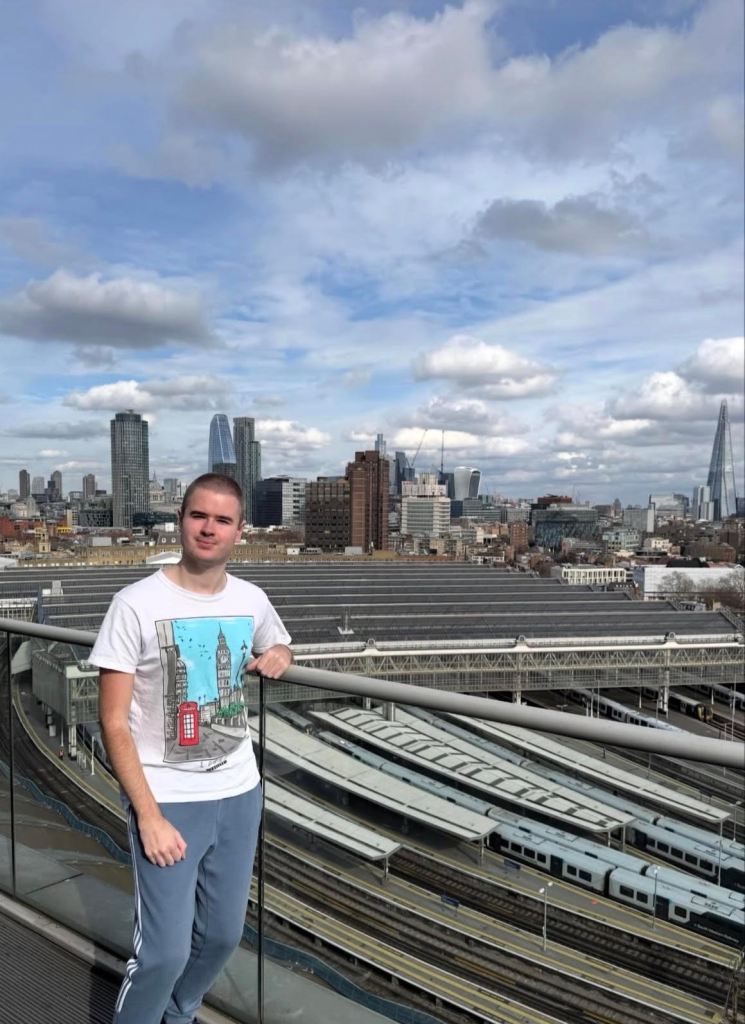
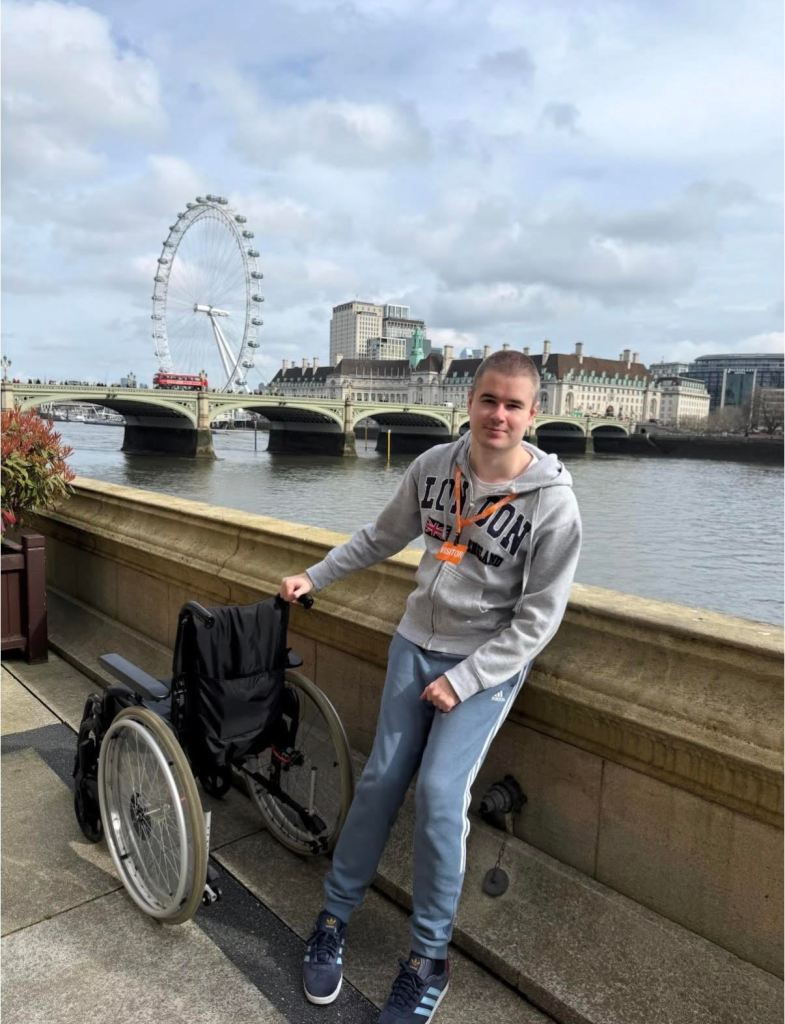
Eventually after three years my physical health started to improve and when I was well enough I made it to London and have been back many times since to my favourite place. I went to London with my parents and I loved visiting Central London. I went to all main sights such as London Eye, Big Ben, Tower of London, Buckingham Palace and lots more.
10 years on, I’m now slowly recovering and learning to walk again. I’m using my voice, the voice that FND stole from me to raise awareness about the condition. I still have very difficult days with FND but I’m learning to live with my new normal and adjusting to life post severe FND. I’ve had a very long journey with FND but I know if I can get through all of that I can get through anything.
At 13, I lost all my abilities to FND but one thing FND could never take from me is my determination.
(image: Liam Virgo)
The medical professionals are unsure if I’ll ever make a full recovery because of the impact of severe FND but I’m now at a stage in my life where I’m able to live with the condition. I’m able to talk and I can move my arms again. I’m no longer bedridden and can walk with support. I still battle with FND daily but I’m determined to never give up hope. I still use a wheelchair but just sitting in a wheelchair is a big achievement for me as I couldn’t tolerate sitting in anything before.
You can follow Liam on his adventures here on Instagram.Thank you Liam for your bravery in using your voice and sharing your story.
On 1st March 2016, I wrote my very first blog about my mental health struggles with bipolar disorder and anxiety. For me, it was an outlet to share with friends and family what I was experiencing after one of the worst bipolar episodes I had faced and after hospitalisation in 2014. I didn’t realise that this traumatic time in my life, would also cause my mental health to dip and struggle further as I developed PTSD symptoms (panic attacks) and sat on a 2 year waiting list for NHS therapy. Professional support was not coming easily during this time, and so this blog became not only a therapeutic outlet but a place to connect with others going through similar things. And to explain to those who had never experienced mental illness, exactly what it can do but just how you can support those experiencing it.
Part of me can’t fully believe that I have been blogging consistently for 10 years. There have been times where I have wanted to give up but this little blog has been my saviour and in truth, helped me to launch a writing career that I did not expect and am so grateful for. It has also helped others to share their mental health stories and products, been a platform for mental health campaigns and charities and I am super proud of the impact we have had. One of our biggest accolades is being a Top 10 UK mental health blog by Vuelio every year since 2018- which means we are having a positive impact and reach!
The blog has published over 800 posts, with hundreds of thousands of views! It is read on every continent with a particularly large readership in the USA (as well as UK and other countries). We have covered so many topics- bipolar disorder, PTSD, anxiety disorders, depression, pre and post natal depression, OCD, BPD, eating disorders, psychosis, mania, schizophrenia, schizoaffective disorder, trichotillomania, addictions (drug, alcohol, gambling), body dysmorphia and mental health topics like child mental health, work stress, emotional burnout, relationships, domestic and sexual abuse, homelessness. We have shared about wellness products and worked with inspiring health and lifestyle brands.
The blog inspired me to share my own story far and wide – writing for mental health charities Mind, Rethink, Time to Change, Bipolar UK, No Panic, SANE and Metro.co.uk, The Telegraph, Happiful, Glamour, Jewish News, Huff Post. Featured in Cosmopolitan, Elle, Yahoo News and other publications. Thank you particularly to the editors at the publications for sharing my story and believing in my mission! This also led to me writing my book ‘Bring me to Light’ which was published in 2019 by Trigger and remains one of my proudest achievements. I then released my children’s book ‘Arabella and the Worry Cloud’ and had some writing featured in ‘The Book of Hope’ by my friends Jonny Benjamin MBE and Britt Pfluger (an amazing experience!). In 2017-18, I was also involved with setting up the Jami mental health shabbat in my community and spoke in several synagogues and at a community festival Limmud with my Dad, about our journey with bipolar. The same year that I started this blog (2016), I also met my now husband, who supports me through all of my writing and mental health work.
As I look back over the past 10 years, to where we were in 2016 with mental health stigma, I am proud to have played a small part in changing the landscape and narrative online around mental illness, particularly bipolar disorder and psychosis. We have many followers on social media platforms and continue to share about mental health and well being and be a resource for all those who need it, so they never feel alone.
(image: Ineffable Living)
Thank you to every single contributor (and every reader) to Be Ur Own Light Blog 2016-2026. Your words and belief in our mission to end the stigma around mental illness have meant the world to me. I hope going forward I can continue to share more real stories, more important information on care and treatment and campaign for better care.
There is still a way to go. NHS waiting lists are too long and care is under funded, leading to not enough beds. Mental health stigma online (and sometimes offline) sadly still remains high. As a society, although we have improved, we still need to fully understand mental health conditions and separate them from the person themselves. I am optimistic that things can and will change.
To everyone reading this going through a period of mental ill health or living with a chronic mental illness, I see you and you are never alone. As a blog community, we can come together to empower each other, so no one ever feels invisible and I hope that I can continue to write too.
Thank you, from my heart, for the past 10 years! Here’s to many more years,
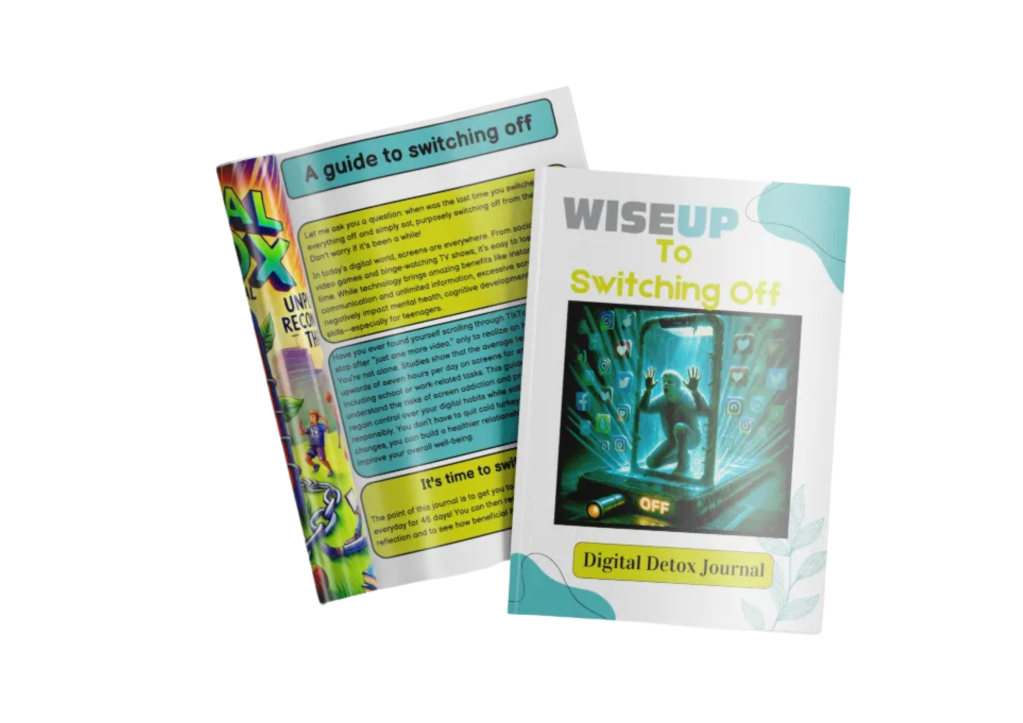
WiseUp Team Building, the multi award winning, UK Youth wellbeing and resilience organisation, has launched WiseUp to Switching Off – a guided programme designed to help young people and families build healthier relationships with screens and technology.
This launch comes at a time when children’s digital wellbeing is at the centre of national discussion, with the UK government recently consulting on measures inspired by Australia’s ban on social media for under-16s as part of wider online safety reforms.
With evidence mounting globally – recent World Health Organization data shows that rates of problematic social media behaviour among adolescents increased from 7% to 11% between 2018 and 2022 and that more than one in ten teenagers may struggle to control their use and experience negative consequences such as disrupted sleep and lower wellbeing – WiseUp’s journal is positioned as a practical alternative to purely restrictive approaches.
A significant proportion of young people report a negative impact on mental health from digital and social media use; a UK Digital Youth Index indicates that approximately 17% of young people aged 8–25 say their internet and digital device use harms their mental health, with the prevalence rising among older teens equating to around 2.5 million young people across the UK.
Richard Wise, CEO of WiseUp, said: “We created WiseUp to Switching Off, a digital detox guide, because families, teachers and young people are increasingly telling us they want positive and practical tools – not more tech bans – to make sense of their digital lives. Screens are now woven into education friendships and culture but when usage becomes compulsive it can undermine sleep focus and emotional wellbeing. Our journal helps young people become aware of their patterns reflect on their experiences and make incremental sustainable changes.”
He continued: “Screens themselves aren’t the problem – but the way they pull young people in can be. When scrolling becomes a coping mechanism, when anxiety, loneliness or pressure drive screen use the impact on wellbeing can be profound. WiseUp to Switching Off exists to break that cycle. It gives young people permission to pause, space to breathe and the tools to reconnect with themselves and the world around them — while empowering schools and parents to put wellbeing back at the centre of everyday life.”
(image: Izzy Park: Unsplash)
The WiseUp to Switching Off digital journal combines evidence-based education about technology and the brain, practical habit-building tools, daily reflection prompts and offline challenges designed to improve focus sleep and connection with others. It is intended for use both at home and in educational settings complementing Personal Social Health and Economic (PSHE) learning.
Parents and wellbeing leads in schools have reported that the journal has helped young people reduce conflict over screens. It has also improved sleep routines and helped them rediscover offline interests, reinforcing WiseUp’s belief that self-directed change (rather than coercive restriction) is both sustainable and empowering.
WiseUp encourages parents, teachers, practitioners and policymakers to explore the journal and join the ongoing effort to support a balanced digital future for young people. To download your free copy visit the WiseUp website.
This Children’s Mental Health Week by charity Place2Be, is focused on the theme ‘This Is My Place’, fostering a sense of belonging in children, encouraging safe spaces for them to feel supported. The week encourages adults, teachers, parents and carers to use tools to equip children with positive mental health.
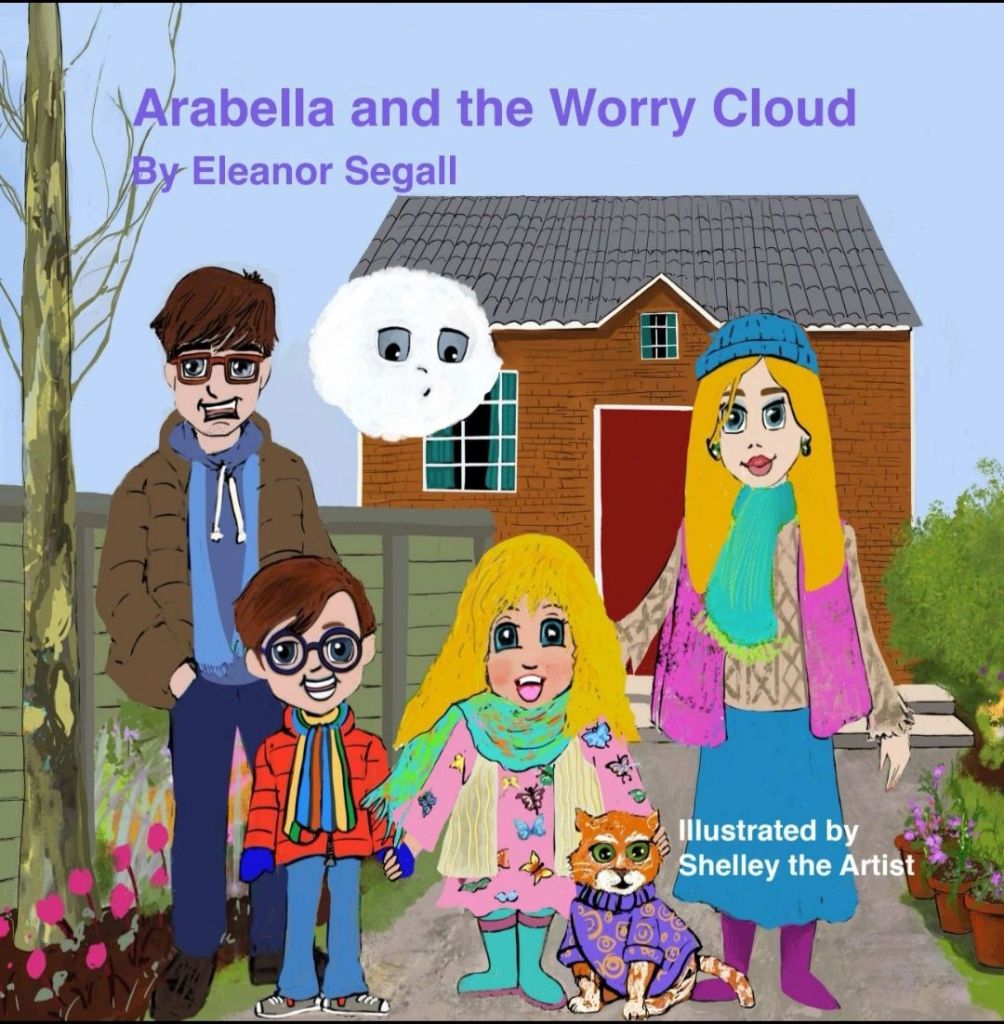
This week is very important and my children’s book ‘Arabella and the Worry Cloud’ (illustrated by my dear friend Shelley the Artist) is for younger children (aged 4-8) navigating feelings of worry and anxiety.
(image: E Segall/Shelley The Artist)
When I was a little girl and well into my teen years and beyond, I had a lot of anxieties. As a self-confessed empath and worrier, I could feel when something was wrong. This led to separation anxiety with symptoms including nausea at school. Children who have anxiety need to feel safe, settled and above all, heard by parents/carers and the adults in their life at school.
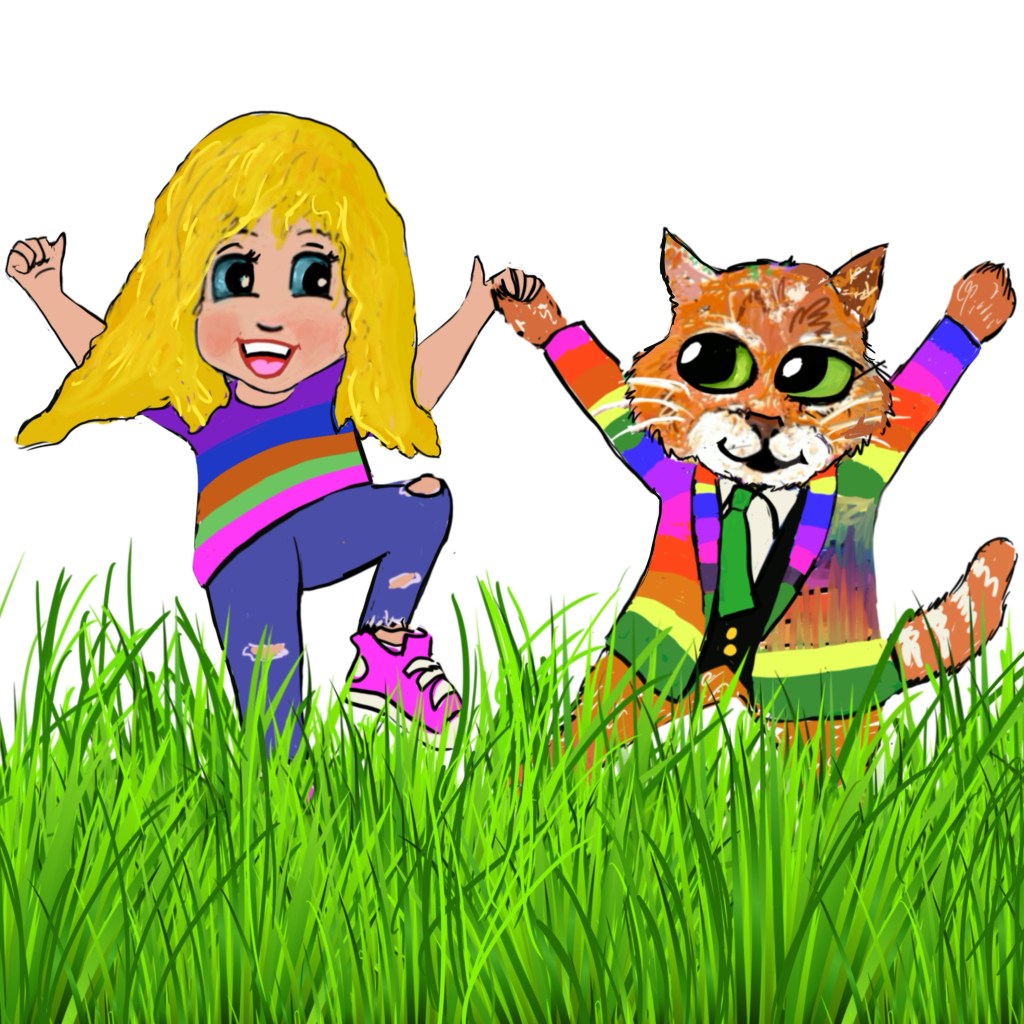
I wrote my first children’s picture book, Arabella and the Worry Cloud, in 2019 and published it in 2024. It is based on me as a young 7-year-old girl who had a lot of anxiety. In the book, Arabella worries about her socks not fitting on her feet, losing her shoes in a muddy puddle, the rain soaking her and cold freezing her toes, the rainbow in the sky losing its colour, her cat Pickles getting lost, the plants in the garden dying, losing her homework, failing a test and being blown away by the wind. These worries are partly represented by a Worry Cloud that comes down to see her from the sky and threatens to rain on her with all her worries.
Eventually, Arabella realises that if she thinks jolly, happy, sunny thoughts in place of the worries, she can push the Worry Cloud away with the joyous light beams of positive thinking. Arabella unlocks happy memories with her family, visualising wonderful times with them and it gives her confidence to face the Worry Cloud head on, so it can go away and leave her in peace.
So many children will have their own version of the Worry Cloud. Arabella’s place of belonging is with her family, where she feels safe and loved (and we know this is not always the case). My hope through this book is that it will help children to feel OK with anxious feelings, to find safety and to talk about it with a trusted adult in their life.
I was delighted to collaborate with JTeen mental health support helpline and service for Jewish teens and young adults aged 11-24, on a podcast talking about my journey with bipolar disorder and social anxiety. I did this to help others and encourage people to seek help, and show its OK to talk about mental illness.
You can watch the podcast here, please watch with care: Trigger warning: discusses suicidal ideation, psychosis, mania, being sectioned under the mental health act and depression. Suitable for 18+
I decided to do this podcast to fight stigma in the Jewish community in London and worldwide and educate people about bipolar, especially parents as it started for me at the age of 15.
Thank you to Yaakov, Tehilla and Michal for making this such a relaxed but important conversation.
Autumn (or if you’re in the USA, Fall) is one of my favourite seasons. Beautiful autumn leaves, the weather getting gently cooler, cosy hot chocolates and pumpkin spice, the autumn harvest of pumpkins, snuggling in blankets with a good book or TV show and for some- walks in nature with the orange and yellow trees and landscapes. However, did you know that the clocks going back and the change in light and dark, with nights drawing in, can affect your mental health? Studies have shown that when its darker, people are more prone to depression and anxiety and some (like myself at times) struggle with Seasonal Affective Disorder.
There are many ways to take care of yourself if you feel your mood dipping or you are becoming more anxious. If you feel it is affecting your daily functioning, please reach out for support from your doctor (and if you have one, a therapist or psychologist). Here I talk about a few tips to help support your mental health this Autumn.
Make sure you rest as well as play and work
Work can become all consuming, but if you prioritise rest this season too, your body will thank you. Autumn is all about slowing down, recovering, resting (and for animals (and some humans) hibernating). Yes you can work and play hard if you prefer, but make sure you find that balance to support your wellbeing. In our busy lives and for those who are parents or just struggling with their mental health, self care can slip. Practising good self care- eating well, resting, gentle exercise, can really help our minds.
2. Release Control- Give Stress Over
Gabby Bernstein, my favourite spiritual teacher, often says ‘Release control to find peace, surrender it to the Universe’. Surrendering means not obsessing about what we can’t control, but giving it over to a higher power or the universe. This can really help when we feel overwhelmed and stressed, to pray and meditate or simply write down how you are feeling and then ask the universe to take it from you. Journalling thoughts and feelings can help too.
3. Nature walks
Despite the cold, this Autumn, walking in nature can help get the blood pumping and our minds to reset. Sometimes going with a friend, spouse or family member can cheer you up- there is something about the colours of nature, the soft greens that is truly calming.
(image: Erika Mendes, Unsplash)
4. Make your home cosy
Whether its getting some new cushions or blankets, fairy lights or lamps, investing in cosy and light interiors for the darker seasons is a must! I like to use lamps when the nights draw in.
5. Get enough sleep (but not too much!)
During the Autumn/ Winter period, most of us naturally want to hibernate in the evenings. Sometimes this period can make depression and anxiety worse. I know with my bipolar that sometimes I feel lower or more anxious. Getting enough daylight and if you struggle with seasonal affective disorder, use an SAD lamp, which can help you to wake up gently in the mornings. Similarly, make sure you get enough sleep for you to keep your mental and physical health at its best. Depression can cause us to sleep longer hours and hide away- I find daytime distractions can help me not to sleep too much.
6. Take your medication as prescribed
If you struggle with mental health in winter and are prescribed antidepressants or other meds, do not suddenly stop them as this can cause a relapse in your mental health. Make sure you speak to your doctor first!
7. Treat yourself
Treat yourself to a hot chocolate (or pumpkin space drink) and a good book or TV show, wrapped in a cosy hoodie or blanket. You deserve it!
Wishing you all a wonderful and well Autumn/Fall season.
Mental health is an essential part of overall well-being, yet it is often overlooked until symptoms become overwhelming. Millions of people around the world live with mental health conditions that can affect their mood, thoughts, and behavior. These challenges can interfere with relationships, work, and daily routines, but the good news is that treatment options are more accessible and effective today than ever before.
When individuals understand their condition and seek the right support, they can build healthier coping strategies and regain control of their lives. Two common struggles people face are bipolar disorder and anxiety—both of which can be complicated further when substance use is involved. Exploring recovery options designed specifically for these conditions can open the door to long-term healing.
The Importance of Addressing Mental Health Early
Early recognition of mental health symptoms is critical. Too often, individuals dismiss mood swings, prolonged sadness, excessive worry, or fatigue as “just stress” or “a bad week.” However, these patterns can signal a deeper issue that requires professional support. Addressing mental health concerns at the onset not only improves outcomes but can also prevent the development of secondary challenges such as addiction, chronic stress, or physical health problems.
By taking proactive steps, individuals are more likely to develop resilience and maintain stability over time. Family members, friends, and colleagues also play an important role by offering encouragement and understanding instead of judgment or stigma.
Understanding Bipolar Disorder
Bipolar disorder is one of the most misunderstood mental health conditions. Characterized by extreme shifts in mood, energy, and activity levels, it goes far beyond the typical ups and downs that people experience in daily life. Those with bipolar disorder may experience manic or hypomanic episodes—periods of high energy, impulsivity, and elevated mood—followed by depressive episodes that bring sadness, hopelessness, or loss of interest in activities.
Because bipolar disorder exists on a spectrum, its symptoms vary greatly from person to person. This makes individualized care essential. Professional intervention, therapy, and medical management can significantly reduce the intensity and frequency of mood episodes, allowing individuals to lead fulfilling and balanced lives.
For those seeking guidance, comprehensiveBipolar Disorder Treatment programs provide structured support that combines psychotherapy, medication management, and lifestyle strategies to stabilize mood patterns. These programs focus on helping individuals better understand their triggers, strengthen coping mechanisms, and create long-term wellness plans.
The Overlap Between Mental Health and Substance Use
Mental health conditions often coexist with substance use disorders. This dual challenge, known as co-occurring disorders, can complicate both diagnosis and treatment. For example, individuals with bipolar disorder may use drugs or alcohol during manic episodes to maintain their energy or during depressive episodes to numb emotional pain. Similarly, those with anxiety might turn to substances as a form of temporary relief, leading to dependency over time.
The presence of co-occurring disorders makes it critical to find treatment centers that specialize in dual diagnosis. Traditional approaches that treat mental health and substance use separately may fail to address the underlying causes of each condition, resulting in relapse or incomplete recovery. Integrated treatment programs, on the other hand, provide a holistic approach that tackles both issues simultaneously, improving long-term outcomes.
Anxiety and Its Connection to Addiction
Anxiety disorders are among the most common mental health conditions worldwide. They can manifest as generalized anxiety, panic attacks, social anxiety, or phobias. For many, constant worry and fear interfere with work performance, social interactions, and even physical health.
When anxiety is left untreated, individuals often look for ways to escape their symptoms. Unfortunately, this can lead to reliance on alcohol, prescription medications, or illicit substances. While these may provide short-term relief, they create long-term consequences and increase the risk of developing addiction.
To break this cycle, specializedanxiety and addiction treatment programs are designed to address both issues together. These programs typically combine evidence-based therapies such as cognitive-behavioural therapy (CBT), mindfulness practices, and medical support to help individuals identify the root causes of their anxiety while also treating their substance use.
(image: Sydney Rae: Unsplash)
Building a Strong Support System
Professional treatment is only one piece of the recovery puzzle. Having a strong support network can make a tremendous difference in maintaining long-term wellness. Family therapy, peer support groups, and community-based programs help individuals stay accountable while fostering connections that reduce isolation.
Loved ones can also benefit from education and counseling, as understanding mental health conditions makes it easier to provide the right kind of support. Encouraging open conversations about mental health challenges helps break down stigma and creates an environment where healing is possible.
Healthy Lifestyle and Daily Habits
Lifestyle changes play a critical role in managing conditions like bipolar disorder and anxiety. Regular exercise, balanced nutrition, adequate sleep, and mindfulness practices can all reduce symptom severity. For example, yoga and meditation help regulate stress, while consistent sleep patterns can stabilize mood swings.
Journaling, creative activities, and spending time in nature are additional strategies that promote mental clarity and emotional balance. While these habits may not replace professional care, they work in tandem with treatment to strengthen resilience.
Long-Term Recovery and Hope
Recovery is not a one-time event—it’s an ongoing process that requires commitment, patience, and self-compassion. Relapses or setbacks may occur, but they don’t mean failure. Instead, they can serve as opportunities to re-evaluate strategies and adjust treatment plans.
The growing availability of specialized programs for conditions like bipolar disorder and anxiety shows that no one has to face these challenges alone. With proper care, individuals can achieve stability, rebuild relationships, and pursue meaningful goals.
Final Thoughts
Mental health conditions such as bipolar disorder and anxiety can feel overwhelming, especially when compounded by substance use. However, effective treatment and recovery programs provide hope and healing. By seeking out resources tailored to specific needs, individuals can find balance and create a foundation for lasting well-being. It is important to be lead by a psychiatrist about medication and treatment when someone also has substance abuse.
No matter how challenging the journey may seem, recovery is always possible. Support, understanding, and professional guidance are the keys to moving forward and embracing a healthier, more fulfilling future.
Recovery from addiction is a deeply personal and often challenging journey. Each individual faces unique struggles, yet a common thread binds everyone together—the need for healing that nurtures both the body and the mind. Traditional treatments like medical detox and counselling are essential, but recovery extends beyond them. To truly sustain sobriety, many people benefit from incorporating supportive practices that promote physical wellness, emotional balance, and meaningful social connections.
Holistic recovery approaches focus on treating the whole person rather than just the symptoms of substance use disorder. This means addressing the emotional, mental, physical, and even spiritual aspects of health. Within this framework, two practices stand out for their effectiveness and accessibility: yoga as a healing tool and group therapy as a platform for connection and accountability. Together, these methods create a powerful balance, helping individuals not only manage cravings and triggers but also build resilience and long-term stability.
Understanding the Need for Holistic Healing
Addiction impacts far more than just the body. While substances can cause direct harm to organs and brain function, the cycle of dependency often disrupts emotional health and weakens relationships. Recovery programs that focus exclusively on physical detoxification may overlook the importance of mental clarity, emotional regulation, and social support—elements that are equally important in building a healthy life.
Supportive recovery practices go hand in hand with evidence-based therapies to address these needs. By combining structured treatments with holistic methods, people in recovery gain tools to manage stress, regulate emotions, and connect with others who understand their struggles. This integration often leads to improved outcomes and a reduced risk of relapse.
Yoga as a Pathway to Recovery
One of the most effective practices in holistic recovery isyoga for addiction recovery. Yoga provides more than just physical exercise; it is a discipline that strengthens the body, calms the mind, and fosters inner awareness. For people in recovery, yoga offers a constructive way to process emotions, cope with stress, and rebuild confidence.The benefits of yoga extend into multiple dimensions of healing:
Physical strength and resilience: Addiction often leaves the body weakened. Yoga helps restore energy, balance, and flexibility, giving individuals a sense of vitality.
Mental clarity: Breathwork and meditation in yoga reduce anxiety and improve focus, making it easier to navigate triggers and cravings.
Emotional regulation: Yoga encourages mindfulness, helping individuals respond to stress rather than react impulsively.
Spiritual connection: For many, yoga fosters a sense of purpose and inner peace, providing a meaningful counterbalance to past struggles.
Practicing yoga in recovery also creates structure and routine, both of which are essential for maintaining sobriety. Whether practiced individually or in a group setting, yoga can become a safe space to reconnect with oneself and rediscover a healthier way of living.
(image: Unsplash: Helena Lopes)
The Role of Community in Recovery
While practices like yoga are powerful for personal healing, recovery is not meant to be a solitary process. Addiction thrives in isolation, and overcoming it requires connection, support, and accountability. This is where community-based approaches such as group therapy play a vital role.
Human beings are social by nature, and support networks are key to emotional resilience. In group settings, individuals can share their stories, listen to others, and gain reassurance that they are not alone in their struggles. This shared experience often reduces shame and fosters empathy, which are critical for long-term healing.
Group Therapy as a Cornerstone of Support
Group therapy for substance abuse provides a safe and structured environment where individuals can open up about their experiences. Guided by a trained therapist, group sessions encourage honesty, accountability, and peer support. Unlike individual therapy, which focuses on one person’s journey, group therapy highlights the power of collective healing. Key benefits of group therapy include:
Shared understanding: Listening to others with similar struggles helps normalize feelings and experiences.
Accountability: Members often motivate each other to stay on track and celebrate progress.
Skill-building: Sessions may teach coping strategies, communication skills, and relapse prevention tools.
Hope and inspiration: Seeing others succeed in recovery can inspire confidence and determination.
Group therapy also helps individuals rebuild social skills that may have eroded during addiction. By practicing healthy communication and learning to trust again, participants strengthen the foundations of meaningful relationships outside the therapy room.
Balancing Individual and Collective Healing
The combination of yoga and group therapy illustrates how both individual and collective healing practices can work hand in hand. Yoga allows individuals to reconnect with themselves, build strength, and find calm in the face of challenges. Group therapy provides the encouragement and accountability that comes from shared experiences. Together, these practices address both the internal and external dimensions of recovery.
For many, the integration of body-focused and community-based approaches creates a balanced recovery journey. It ensures that healing is not only about overcoming physical dependence but also about cultivating emotional stability and social connection.
The Long-Term Impact of Supportive Practices
Recovery is not a short-term process—it is a lifelong commitment. Supportive practices like yoga and group therapy provide tools that individuals can carry with them long after formal treatment has ended. These practices foster resilience, helping individuals manage stress, cope with setbacks, and continue growing on their path to wellness.
Some people incorporate yoga as part of their daily routine, using it as a grounding practice. Others rely on ongoing group sessions or peer support communities to maintain accountability. The beauty of supportive recovery practices is their adaptability—they can evolve with a person’s needs and provide consistent strength throughout life.
Creating a Sustainable Recovery Lifestyle
The journey to sobriety is about much more than simply avoiding substances. It is about creating a lifestyle that supports health, purpose, and connection. A sustainable recovery lifestyle often includes:
Regular physical activity, such as yoga or other mindful exercises.
Engagement in meaningful work, hobbies, or service.
Building strong, supportive relationships.
When individuals embrace both holistic and therapeutic practices, they are better equipped to live fulfilling lives beyond addiction.
Final Thoughts
Healing from addiction requires more than detoxification or medication—it requires a comprehensive approach that nurtures the mind, body, and spirit. Practices like yoga provide personal healing and inner balance, while group therapy fosters community, accountability, and shared growth. Together, they create a powerful foundation for lasting recovery.
By embracing supportive recovery practices, individuals not only overcome addiction but also rediscover the strength, resilience, and joy needed to build a healthier and more purposeful life.
A year or two ago, I recorded this webinar with Bipolar UK talking about our family story (mine and my Dads) with bipolar disorder, suicidal ideation, depression and both of us finding recovery.
Suicide is a terrible but common outcome of bipolar and acute mental health episodes. I also know what it is like to lose a loved one to suicide and mental illness and the pain that brings.
I share this webinar today to raise awareness, but also to encourage people to go to their GP/psychiatrist/ family/ spouse and talk, if safe, about what is going on for you.
Watch here, with care, trigger warning : discusses bipolar episodes, suicidal ideation
In this webinar, Bipolar UK CEO Simon Kitchen shares the findings of the Bipolar Commission on the critical link between bipolar and suicide. He is joined by Ashley Brice, an experienced crisis negotiator with the British police specialising in suicide prevention, and Eleanor Mandelstam, author and freelance writer who lives with bipolar. Together, they explore the risk factors, warning signs, and practical strategies to prevent suicide, offering crucial insight for anyone living with bipolar, supporting someone with bipolar, or wanting to better understand how bipolar impacts mental health and suicide risk.
More than one million people (including myself) are living with bipolar in the UK and, despite the summer meaning excitement and positivity for most, for many living with bipolar this is not always the case.
Common challenges in summer can impact people living with the condition- including high temperatures which can interfere with certain medications (including Lithium and anti psychotics or anti depressants), the longer daylight hours which can disrupt mood stability, and travelling which can sometimes trigger symptoms.
There are ways to manage seasonal challenges, and Bipolar UK is now sharing its top tips to help people navigate the summer months!
Top tips for navigating the next few summer months if you have bipolar from Bipolar UK:
Sleep
Maintaining a regular sleep routine is an important way to support mood stability. Lighter nights can make it more difficult to switch off and wind down; and early sunrises can cause disruptions to sleep. Blackout curtains or an eye mask might help.
Heat
Hot weather can affect both physical and mental wellbeing. Certain medications used to treat bipolar can make it harder for the body to regulate its own temperature, leading to overheating. Staying cool, drinking plenty of water and staying out of the sun during the hottest parts of the day can help reduce the risk of overheating and becoming dehydrated. Rest is important so communicate with friends and family about how you’re feeling and if you need to rearrange plans.
Travel
Be mindful when travelling to different time zones. Jetlag can have an impact on bipolar symptoms. Try to make time to sleep and rest whilst on the plane and when you arrive so you can acclimatise. Set a reminder on your phone of when you need to take your medication so you can stick to your schedule.
Sensitivity
Some bipolar medications can increase sensitivity to sunlight so protecting your skin with a high factor suncream when outside is important, as well as seeking shade when possible. Continue to take your medication as prescribed but do speak to your medical professional if you have any concerns.
Socialising
There are often more social activities during the summer, with people wanting to make the most of the better weather. If it all feels too much, learn to say “no” and preserve your energy. Pick and choose which activities you’d like to do, but don’t feel obliged to do them all.
Routine
Longer days can lead to changes in routine which can trigger shifts in mood. Some people with bipolar feel their mood can shift more easily into hypomania and mania during the summer months, whereas others notice their mood dips into depression. Noticing the signs early and speaking to your mental health team, family or other support network can ensure you get help when you need it and potentially avoid a relapse.








 beurownlight.com