I don’t really know where to start! I have been keeping this secret for almost two years.
Nearly 2 years ago, my friends, mental health campaigner/author Jonny Benjamin MBE and author and editor Britt Pfluger, approached me to be a part of their second book entitled ‘The Book of Hope: 101 Voices on Overcoming Adversity‘ (published with Bluebird/ Pan Macmillan in April 2021!).
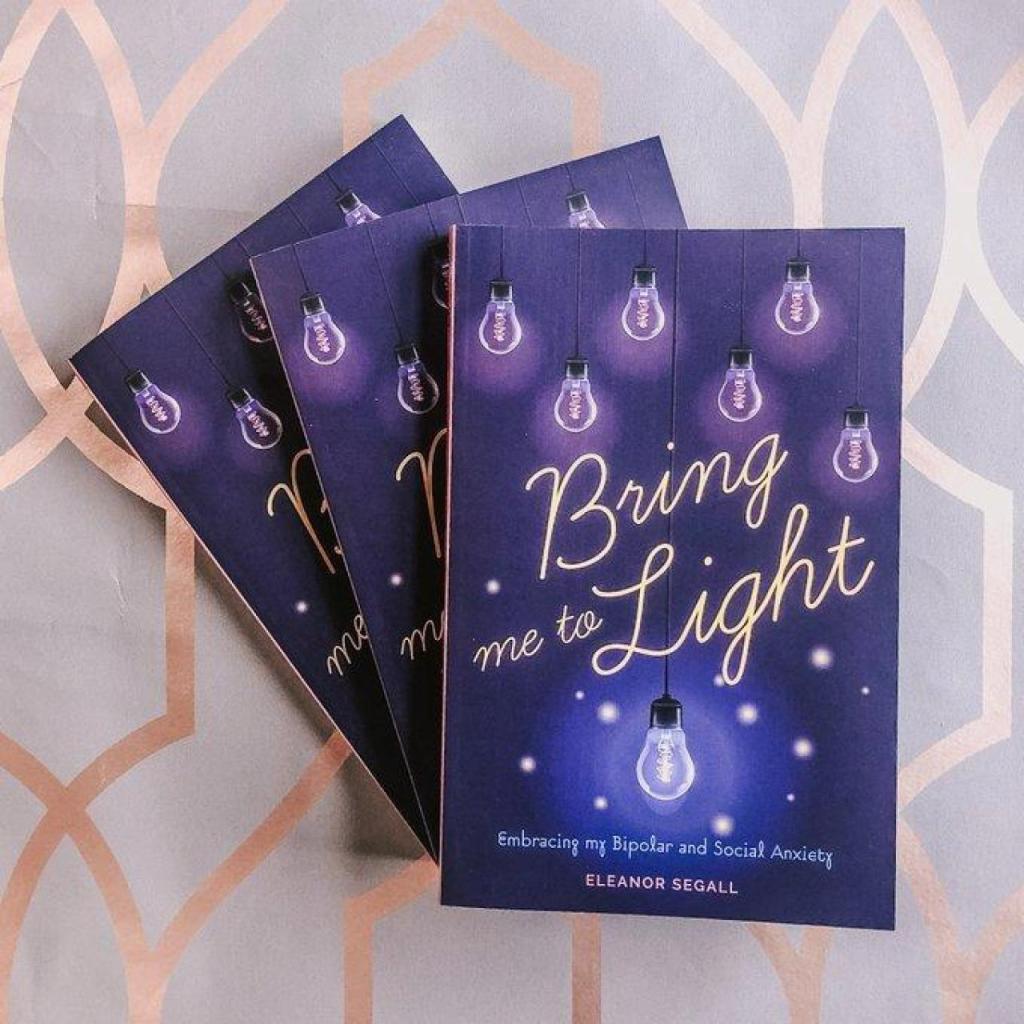
They asked me to write a piece on how I found hope and recovery after being unwell and my (ongoing) journey with bipolar disorder that I wrote about in my own book Bring me to Light.
I won’t give too much away about the piece I wrote, but it does include my Dad’s story too and talks about life after being sectioned for a manic episode in 2014. It talks about hope, healing, recovery and living with mental illness. It talks about being afraid of the future, but finding light in the darkness.
Heres what Macmillan say about the book which is available for pre order on Bluebird Pan Macmillan website and Amazon. It also contains anecodotes from famous faces including Lemn Sissay, Zoella (Zoe Sugg), Joe Wicks and Dame Kelly Holmes.
There is always hope, even when we cannot seem to seek it within ourselves.
”The Book of Hope is an anthology of 101 key voices in the field of mental health, who share not only their experiences with anxiety, psychosis, panic attacks and more, but also what helps them when they are feeling low. Compiled by award-winning activist Jonny Benjamin and author Britt Pflüger, the inspirational contributors in this book range from the likes of Lemn Sissay, Frank Turner and Zoe Sugg, to Elizabeth Day, Hussain Manawer and Joe Wicks; from authors, poets and musicians to charity workers, activists and psychiatrists.
Jonny Benjamin is known for his book and documentary film, The Stranger on the Bridge, which fought to end stigma around talking about mental health, suicidal thoughts and schizoaffective disorder. When his campaign to find the man who prevented him from taking his own life went viral, Jonny was one of a wave of new figures lifting the lid on mental health struggles. In this book, he brings together a range of voices to speak to the spectrum of our experiences of mental health and the power of speaking up and seeking help.”
It is a real honour and privilege to be a part of this project. A dream come true and I am so thankful to be able to share my story on this platform with truly important voices! We all have mental health and our voices deserve to be amplified.
The Book of Hope is available to pre order now and published in 2021.
Readers of this blog know all too well that life can sometimes take a turn for the worse at times. You can start the year with high hopes, only for things to go catastrophically wrong later on.
Many people go through tough times and wonder whether upping sticks and moving away might help. They think that moving to a new country will give them a fresh start and allow them to leave the past behind where it belongs and move forwards with their lives.
But is that really what happens? Well, it depends.
Seeing The New Location As A Fresh Start
One type of person sees moving to a new country as a blank slate – a fresh start. They’re not the kind of person who spends all night getting angry about what went wrong in the past. Instead, they accept what happened and choose to move forward with their lives. They never look back.
This type of person can get on well with moving to another country. The change of location isn’t the important thing. That’s just a backdrop. The primary decision is to take control of one’s life and move forwards. When you go to another country, you’re proving to yourself that you can make major life changes, and you have control over your life. You’re no longer tethered to a situation in your home country. You’re free to conduct your business as you choose. Self-mastery is the name of the game.
When you go to a new location with this mindset, it colours everything that you do. It’s a decision you’ve made. And so it feels like you have ownership over the situation. Even though things have been tough, you’re moving on with your life and doing the things you have to do to reestablish control. It feels natural and healthy. You’re a master of your destiny. Moving away has nothing to do with trying to escape the negatives. It’s about embracing the positives. You look for a studio apartment for rent, and you start a new life. It can be a challenge, but it’s also a heck of a lot of fun.
Seeing The New Location As An Escape
But there’s a dark side to moving to another country. If you think moving is a way to escape how you feel, you’re sadly mistaken. You might be living in a different apartment building in a foreign country, but that doesn’t mean that your memories and feelings disappear. Yes – you might find yourself in a totally different culture. But that’s pretty much irrelevant if you’re bringing all the same feelings and emotional baggage with you.
Seeing the new location as an escape is a trap. You think that by moving, you’re doing something to alleviate your experience. But that’s not what’s happening. Instead, you’re changing location and dragging all the old feelings with you. It’s not moving that gives you the sense that you’re escaping your problems – it’s taking control. When you feel like you have some sort of autonomy, that gives you the mental space to create a life for yourself on your own terms.
But if you’re feeling homesick and still thinking about your country of origin, that’s a recipe for depression. You’re not looking forward – you’re looking back. And you inevitably feel hopeless and futile.
Your World Becomes A Lot Bigger
Moving countries should be about making your world bigger. It can help you to leave your past behind, but it is not all that’s required. You can move to another country, but if you don’t process what happened to you, then you’re not really leaving your problems behind. Paying different government taxes is no substitute for emotional understanding.
When you allow your move to fill your life with new opportunities, things suddenly become more clarified. Everything opens up, and you’re suddenly able to pick a direction and go with it. It can be a frightening experience sometimes, but it is essential for living a rich and fulfilling life.
Usually, people leave their country of origin to escape past unhealthy relationships. Going abroad offers a degree of safety. But it also takes you out of a dysfunctional network of friends and family. You’re able to breathe the free air and start afresh. You’re no longer tied down to a particular social group. And you don’t have to observe its traditions or customs. It’s a liberating experience.
Sometimes, that feeling alone is sufficient to make the move worthwhile. But, ultimately, that’s a choice that you need to make. The question of whether you should go to another country is a personal one.
It’s always important to seek professional help if you are dealing with a mental health issue. Unfortunately, finding a professional can be harder than you might think. Even if you can find someone for you, you’ll still have to decide upon which type of professional with whom you should work. For most, the answer comes down to knowing the difference between a psychologist and a psychiatrist.
What Is a Psychologist?
Generally speaking, a psychologist is a person with an advanced degree in psychology who works with patients on their mental health. These individuals usually use various types of talk therapy to help individuals work through a diverse number of mental health issues. When many people think of the basic idea of therapy, they’re thinking about what a psychologist does.
When to Choose a Psychologist
It makes sense to choose a psychologist when you’re looking to address your mental health issues without medication. Attempting to change behavior of the long-term is usually best done with the help of a psychologist, especially if you’re looking to get to the root causes of why you feel how you feel. It should be noted, though, that even those who do seek medication can often work with a psychologist as well as a psychiatrist.
What Is a Psychiatrist?
A psychiatrist is specifically an individual who holds a medical degree and specialises in psychiatry. While psychiatrists do conduct many of the same types of therapy as psychologists, they differ from psychologists because psychiatrists can prescribe medication to their patients when needed.
When to Choose a Psychiatrist
The most common reason to choose a psychiatrist is because you are considering the possibility of pursuing some type of medical treatment for your mental health problems. This can range from specific types of medical therapies to medication, but all of these therapies do require a psychiatrist’s oversight. While most do choose psychiatrists because of the medical angle, many psychiatrists do still use talk therapy in a manner similar to psychologists.
It’s important to know what you want from therapy before you make a choice between a psychologist and a psychiatrist. While each type of professional does deal with mental health from a specific angle, whether one is better than the other has everything to do with your personal situation. While you will ultimately need to make the choice between the two, choosing to pursue at least some kind of therapy is a good step on the path to a brighter future.
This article was written by freelance writer Anita Ginsburg
Life can often be overwhelming, especially when working from home. Dealing with work deadlines, disagreements, constant emails and stressful situations is difficult enough, but trying to process those issues in your home environment can be confusing and difficult. It is likely that you are lacking motivation and potentially feeling anxious after working at home for months on end which will be impacting your productivity.
If you are in need of a serious boost, set aside some time each day and unwind by practicing yoga. We’re going to discuss how yoga can help you to overcome anxious, stressed and overwhelmed feelings in order to significantly improve your productivity when working from home, as well as talking about a few other tips that will ensure you are getting the most out of the time you spend doing yoga.
Overcoming Barriers
Yoga has endless benefits for our mind and body, firstly being it can substantially reduce stress and anxiety. Practicing yoga regularly can really help to clear the mind of negative thoughts and enable you to focus throughout the day, helping you to be productive when you need it most.
Yoga can also help you to sleep much better, giving your mind the time it needs to rest and recover to function as productively as possible the next day. As well as this, yoga can improve your overall well being and confidence, helping you to have faith in yourself when working on overcoming negative thoughts or stressful situations.
Finally, and most importantly, yoga boosts our happiness, which will do wonders for both your productivity as well as your general wellbeing. All of these fantastic benefits that help to reduce negative feelings simultaneously help us to become more productive.
Fitting Yoga Into Your Routine
Working and living in the same space can be testing, but setting aside even 10 minutes to practice yoga in the morning can help to completely clear your head space ready for a productive day ahead. Alternatively, doing yoga in the evening can help you to unwind and truly relax when your body needs it most, helping you to be more productive the following day. If you struggle to maintain focus throughout the day, why not try setting aside 10 minutes of your lunch break to clear your headspace.
You will eventually workout the time that works best for you, whether you can spare 10 minutes or an hour. Something that works well for many people is completing shorter sessions throughout the week and then spending around an hour at the weekends in order to improve your strength and ability to fully relax, which will in turn help you to make the most of your weekday sessions.
The best thing is the only equipment you need is a small space and a yoga mat if possible, so you can do it anywhere, anytime!
Pair With a Healthy Diet
To maximise the benefits of your practice, having a healthy diet is important. Consuming a variety of different fruit and veg, plenty of protein to support muscle recovery, and foods that help with joint pain or stiffness such as fatty fish, will all help you to make the most of your yoga experience
Integrating turmeric into your cooking is also a great option, as it has been used in Chinese Medicine for centuries to help with all kinds of health problems such as reducing inflammation and helping muscle recovery. In terms of vitamins and minerals, magnesium supplements have multiple benefits such as regulating the nervous system, supporting muscles and helping to convert food into energy. The last point is particularly important for those struggling with a lack of productivity, as you will find you have that extra bit of energy needed to get you through the day, as well as the strength to help you get the most out of yoga.
Summary
Overall, yoga has endless amounts of benefits that can completely change how you work and alter your outlook on life. All of these benefits help you to become happier and more productive, enabling you to prosper in every aspect of your life.
Many people are sceptical of yoga before practicing it themselves, but if you are in need of an intervention then give it a go. You potentially have so much to gain, and nothing to lose!
This article was written by freelance writer Daisy Moss.
On Wednesday 4th November, National Stress Awareness Day, Superdrug invited me to a zoom virtual panel event highlighting men’s mental health.
They said, ‘The event will aim to break taboos and increase the conversation around the mental health challenges that men have faced during the current coronavirus pandemic. ‘
We had a chance to listen to some famous and insightful panelists, including
Professor Green – Award winning musician and patron of CALM charity
Chris Hughes– TV personality
Matt Johnson– Broadcaster and mental health advocate
Alexander Leon– Writer and social change advocate
Dr Amir Khan– Doctor and best selling author
(image: Superdrug)
In October 2020, Superdrug conducted research to find out how the pandemic is currently affecting people’s mental health.
The research was conducted among 3419 of its customers. Key findings are highlighted below:
● 86% of people believe men find it more difficult talking about mental health issues than women
● 82% of people believe there’s still too much stigma attached to mental health problems
● 71% don’t think employers take mental health problems seriously enough
● 80% of people would like to see mental health services being made more accessible to people
● 66% people said that their mental health is still being impacted by the pandemic.
As a result, Superdrug decided to launch a new service, known as Mind Care Superdrug. There will be an online doctor for people to find mental health support, with a video consultation and people will be referred to appropriate services. This will be a huge step forward and is an amazing thing to do!
Matt Johnson opened the panel, introducing each pannelist in turn to discuss men’s mental health. For me as woman, I recognise how important it is for men to speak out about their feelings after generations of stigma around mental health.
Professor Green talked about his battle with life long anxiety, saying ‘You just want to get out out of your own skin’, anxiety can be difficult but in life we encounter difficulties and learn to build resilience. Prof Green experienced anxiety as a child and teenager and still deals with it to this day and promotes talking about men’s mental health. He also spoke later in the discussion about self harm in men, to include drug and alcohol abuse and his familys own experience of suicide.
Chris Hughes then spoke about his anxiety and panic attacks, saying he was ‘proud to discuss it openly now‘. He said that before he became well known, he would get anxiety in the workplace that he tried to distract from by going to the gym. However, it didn’t work as well and now he is in the limelight, he has experienced panic attacks, which would manifest as pins and needles in his body and hyperventilation. Hughes shares about his mental health to help others, especially men, through it so they stop bottling feelings up.
Alex Leon told us that he was (in his words), ‘gay, brown and didn’t fit in’. He reminded us that LGBTQ and minority communities often have poor mental health due to a lack of acceptance. He said that 75% of suicide rates in the UK are men and that the narrative that ‘big boys don’t cry and men should just get on with it‘, should be addressed. Leon asked ‘what forms of stigma do men face?‘ and said often it is ‘Be stoic’ ‘be unemotional’ or ‘here is what a man or boy should be‘ – which all lead to poor mental health outcomes.
Dr Amir Khan also introduced himself and his work as a doctor in the UK- a GP working with mens mental health. He agreed with a lot of what Alexander Leon said and offered some profound insights.
The discussion then came back to Professor Green, who told the discussion that sadly his Dad and uncle had died by suicide and he felt mental illness ran in his family. He has struggled with depression and said, ‘ We all chase happiness. You should feel highs and lows- when I don’t feel anything is when I worry’.
Chris Hughes said we must normalise the conversation around mental health and Alex Leon added that self compassion is so important.
I very much enjoyed the panel discussion and really appreciated the chance to hear from great speakers on mens mental health. Superdrug are definitely ahead of the game!
I wasn’t paid for this article but Superdrug sent me a box of wellbeing goodies including Vitamin D tablets, vitamin tea, lavender and peppermint essential oils, sleep aids, moisture socks for feet with marula oil and a pampering skin and body set. Thank you!
Yesterday, on 5th November, my book Bring me to Light: Embracing my Bipolar and Social Anxiety (with Trigger Publishing) turned one!
Today, I got this lovely review from a Twitter follower Robin so I thought I would share it here:
‘It is an amazing book, really enjoyed reading it. An honest and open account of life with bipolar, your strength of character shone through. Thank you for being so open and writing it. – Robin Josephs
I wrote my book to help others and dispell the stigma about severe mental illness. Everyone is human and everyone has mental health. Whether you have never suffered or whether you have depression, anxiety disorders, eating disorders, schizophrenia, bipolar, OCD, BPD or EUPD, self harm, addictions, PTSD etc- I would love everyone to be more open if they feel able.
I hope my book explains what being in hospital can be like but that you can recover.
You can get your copy on Amazon and in all good book shops now 🙂
Happy bookversary to me! Thank you to YOU for supporting my blog, reading this and helping get my book deal. To everyone who has bought a copy and to my fab editors Stephanie and Katie.
Out of Office: Ditch the 9-5 and Be Your Own Boss, by my friend and author Fiona Thomas is an incredible read! I have known Fiona for some time as our writing careers overlapped. We both became freelance journalists for publications including Metro.co.uk and Happiful magazine at the same time. We then got book deals around the same time with Trigger Publishing and released our first books within a year of one another. Fiona is one of the loveliest humans in the mental health writer world and so I eagerly anticipated reading her new book.
Ostensibly, the book is a guide to ditching the 9-5 traditional workplace and going freelance! This is something Fiona has great knowledge of, having left the 9-5 after a breakdown in her 20s and being diagnosed with depression and anxiety. It took her a year to recover from this and as she had previously worked as a Manager, she knew she couldn’t go back to the pressure cooker. You can read more about this in her first book Depression in a Digital Age.
Instead, like me, she found solace in blogging online about mental health, then writing and becoming a freelance writer for many publications. Now, she is not only an author but a writing coach, journalist and in demand speaker!
Freelancing is booming for people who want a more flexible lifestyle or have found themselves out of work too. All you need is a laptop, phone and internet connection!
(image: Fiona Thomas)
Now, to the book Out of Office. The book is full of Fiona’s trademark wit- I felt like she was talking directly to me as I read it. She has so much knowledge to impart on how to navigate the freelance world, avoid its pitfalls and make a successful career (and what to do when things can go pear shaped too!).
Whether you are just thinking about going freelance, just starting out or a few years down the line, this guide addresses all the questions you might have about working for yourself and making the most of life. Designed to help you attain and enjoy a self employed career, the book challenges the misconceptions around freelancing and offers the pros and cons of taking the plunge.
Fiona covers topics such as how to raise an invoice and submit a tax return, how to sell yourself, coping with imposter syndrome (aka I’m just not good enough to be here), as well as why working from home is proven to have a positive impact on productivity and mental health.
Fiona is a mental health advocate and always strives to help others on their journeys. I loved how engaging the book was, how I couldn’t wait to read the next chapter and learn more. As a freelance writer/blogger/author myself, I knew this book would help me too (especially with the finances) and it is sitting in pride of place on my book shelf as I devoured it. I will definitely re read and use Out of Office as a reference point in the future too.
This is a must read and you can get a copy here and in all good bookshops.
About Fiona:
Fiona Thomas is a freelance writer who was born in Glasgow but now lives in Birmingham. She has been published in Metro, Reader’s Digest, Happiful Magazine and Grazia. Her passion is working with female-led businesses and shining a light on the positive impact that freelancing can have on our wellbeing. This is her second book. She blogs at fionalikestoblog.com
Finding ways to spend a little time with just yourself without worrying about the stress of what others are needing of you can be a little challenging at times. There are many ways that you and others can enjoy a few hours of solitude with different activities for those who like to be alone.
There are also plenty of reasons why you may want to enjoy a private retreat where you have your own space to unwind. Perhaps you are just too much of a workaholic or you find your days too hectic. Or perhaps you’re not ready to settle into a committed relationship yet. Whatever the reason, there are many ways to get some time alone.
A Little Private Getaway
You can enjoy your own space without having to make other arrangements to do so, such as renting a quiet place to stay. You can do this at times when you feel most comfortable and if you don’t mind a short nap in between activities. Of course, you can also find homes that are full of amenities that will provide everything you need to relax.
Get Out in Nature
You can take part in a variety of activities such as yoga or other types of exercise that allow you to get out in the fresh air and enjoy the outdoors. Or you might enjoy fishing, hiking, boating, or swimming. Many people even find ways to get involved in activities like taking hikes around the lake, camping out in the woods, or enjoying the ocean.
Whether it be camping in Pennsylvania or enjoying the sunset on Cannon Beach by yourself. Being in nature can also just improve your mental health and lessen the distractions of everyday life for a little while.
Spend Some Time at Home
If you have children, you might find it easier to relax and have your own space. Many parents find it difficult to leave their kids at home alone so they have to choose ways to make sure that they can be left alone. But, many other times, you’ll be able to have the peace of mind that comes from knowing that you are doing the best you can to keep your family safe and healthy.
In addition, you can also find a way to relax by watching television. A lot of families have a set schedule for watching television and it’s a common practice to have each member of the family to watch a different show during the day while relaxing in the same room. Of course, there’s no set amount of TV you can watch but in some cases, you might find a favorite show to watch on weekends so that you and others can enjoy some quality time together.
It’s a good idea to have a book nearby as well. Reading can help you unwind and allow you to feel like you are part of a world where nothing is really important. Whether you are reading a good book about nature, history, psychology, romance, or any other subject, you can learn a lot of valuable things from reading, while keeping yourself busy.
Take That Time for Yourself
It can be exciting to explore different activities for those who like to be alone. It can be easy to get caught up in the hustle and bustle of everyday life and forget how great it feels to be able to just sit back and enjoy the fresh air and let it all pass you by. You don’t have to always have to be an active person to enjoy the quiet and solitude of a retreat – simply taking the time to focus and read your favorite books can be an enjoyable way to relax in the privacy of your own home.
These are just a few ideas to think about when it comes to activities for those who like to be alone. By spending some time doing different things that you enjoy, you can make sure that your mental health and self love are at an all time high.
This is a difficult time for many people’s mental health. The 2020 coronavirus and Covid-19 pandemic has been completely unexpected and has taken up the most part of most of our lives and conversations throughout the past year. Massive changes have taken place that can all impact mental health, ranging from fear of the virus to difficulties with social isolation, difficulties with social distancing and difficulties with job losses, financial instability, reduced income and troubles keeping up with financial commitments.
The list goes on and on. But chances are the people often hardest hit by this virus are the elderly. Even those who do not battle the virus itself have had to lead more sheltered and isolated lives since the start of the year and, if you have an elderly loved one in your life, it’s important to do your utmost to help them right now. Here are some suggestions that can help you to achieve this!
Make Sure They Have the Most Up to Date Information
The first step that you need to take for your loved one during this pandemic is to make sure that they have the most up to date information on the virus, current guidelines, current restrictions and any other useful information.
The rules and the regulations that we are living by are all changing on a really regular basis and it can be hard for the elderly to keep up. Bear in mind that many of us get our news updates from social media and online news apps. The elderly often rely on newspapers, which only arrive once a day and which they may not actually be able to get their hands on while they are isolating. The radio can help too. Make sure that they are in the know to make sure they feel comfortable and know what’s going on.
Check In On Elderly Relatives in Care Homes
Sure, many elderly people are in care homes where you are not able to visit them right now. This reduces virus spreading. But you should still check in on them. Most care homes will take care of your loved one well. But there have been instances of neglect or misconduct throughout this pandemic and you’re going to want to call your loved one and check everything is okay. If there are any issues, you may need to reach out to a nursing home abuse attorney.
Buy and Deliver Their Essentials for Them
If your loved ones still live in their own homes independently, you may need to get their essentials for them and drop them off on their doorstep. This minimises contact with them, but also ensures that they have the food that they need, the medication that they need, the toiletries that they need and the cleaning products that they need. Many are unable to head to the shops themselves – especially if it means taking public transport.
Now can be a hard time for the elderly and the pandemic could be taking its toll on their mental health. But by following the steps above, you can help to give them peace of mind and reduce their stressors.
Managing OCD without the stress of a global pandemic is challenging enough. COVID-19 has presented some unique challenges for many OCD sufferers, forcing people to be restricted to their homes, encouraging obsessive behaviours like handwashing and limiting access to in-person therapy.
In this article, we’re going to break down the challenges OCD sufferers face in the times of COVID, along with how to support loved ones and how to access support.
What are the new challenges for OCD sufferers?
People with OCD typically have behaviours that fall into the following categories:
Checking: Repeatedly checking tasks that have already been done, such as locking a door or turning off the tap. Checking behaviours can also include believing you have a medical illness and repeatedly getting medical exams or visiting the doctor.
Contamination: A compulsion to repeatedly clean yourself and the surrounding areas. Being in a dirty environment can cause feelings of fear or anxiety.
Symmetry and Ordering: The need for things to be in order and/or symmetrical. Behaviours related to symmetry and ordering can be triggered if things are not organised. Some people with OCD may experience hoarding behaviours which also fall into this category.
Ruminations and Intrusive Thoughts: These are common for people with OCD. Intrusive thoughts experienced by OCD sufferers can sometimes be disturbing and violent, directed towards themselves or loved ones.
New behaviours and triggers are being experienced by OCD sufferers in all of the above categories since COVID-19.
New Checking Behaviours
With OCD sufferers being confined to their homes, they may be experiencing more frequent checking triggers, repeatedly turning off lights before bed, locking doors, even repeatedly checking the news for updates. People with OCD checking behaviours may also convince themselves they have COVID-19, with a desire to repeatedly get tested while also experiencing paralysing anxiety around leaving the house through fear of infecting others.
New Contamination Behaviours
As you can imagine, experiencing contamination behaviours and triggers as an OCD sufferer during a global pandemic is a complete nightmare.
OCD sufferers who experience contamination triggers likely already experience anxiety soothing behaviours such as repeatedly washing hands, cleaning themselves and their surroundings. COVID-19 will only be worsening these triggers and behaviours for OCD sufferers.
With more emphasis being placed on how we wash our hands, the frequency of handwashing and using hand sanitiser, OCD contamination sufferers will likely be triggered whenever they are reminded of COVID-19 to do these behaviours compulsively.
New Symmetry and Ordering behaviours
Spending more time at home in lockdown and isolation may be triggering symmetry and ordering behaviours for some OCD sufferers. They are constantly surrounded by their triggers, resulting in more frequent behaviour indulgences to ease anxiety. Frequent changes in COVID regulations could become a new trigger for OCD sufferers with symmetry and ordering behaviours.
During lockdown, a lot of people have been inspired to ‘Marie Kondo’ their homes, organising and discarding items that no longer ‘bring joy’. Many OCD sufferers will be organising and reorganising their homes compulsively to ease anxiety.
New Ruminations and Intrusive Thoughts
During a global pandemic, OCD sufferers could start to have intrusive thoughts about loved ones being infected with COVID-19. These thoughts can quickly spiral, with sufferers believing they are the cause of their loved one being infected, even if they are not showing symptoms or have tested negative.
People with COVID-19 can be asymptomatic, meaning they can have COVID and be infectious without showing any symptoms. Due to this fact, many people with OCD will convince themselves that they have COVID and are asymptomatic, causing them to isolate themselves possibly unnecessarily.
How to support loved ones during these challenging times
As unfortunate and uncomfortable as it is, one of the best treatments for OCD is exposure and response prevention, a type of therapy that exposes the patient to the situations that make them anxious as a way of normalising these moments and learning ways to cope with the anxiety without resorting to the usual anxiety soothing behaviours.
For the OCD sufferer, this means facing a lot of discomfort throughout treatment. If you’re living with an OCD sufferer who is struggling with frequently being triggered, possibly even by things you are doing, it may be tempting to stop what you’re doing that is triggering your loved one. However, it could be more beneficial long-term to behave normally, continuing whatever action you are doing that may be triggering, as a way of exposing your loved one to their trigger to normalise it. If you live with someone with OCD and are triggering them and don’t know how to behave around them, it could be worth speaking with a therapist to get some advice.
Talking things through can always be helpful for anyone suffering from any mental health issue. If you can talk to your loved one about their OCD struggles in a patient, calm and empathetic way, this is a great way to support.
How to access support as an OCD sufferer
Access to in-person therapy is currently limited worldwide due to COVID. If you’re looking for a way of accessing support, either for yourself or a loved one, there are online options.
Online therapy is becoming more and more popular, with users enjoying the ease and accessibility without having to leave their homes.
The best form of treatment for OCD is therapy treatment using CBT (Cognitive Behavioural Therapy) and ERP (Exposure and Response Prevention). This type of treatment can be done in-person or online.
Alongside therapy, there are many other tools that someone suffering from OCD can use to reduce and manage symptoms, such as worksheets, meditation, journaling and more. Each OCD sufferer is individual and has a unique experience. One person with OCD may struggle with contamination behaviours, while another could only ever experience ruminations. This is why everyone’s treatment plan will look a little different.
When speaking with a loved one about getting help, remember to approach the conversation with patience and empathy. Seeking help for OCD is tough, and the person struggling may need time to come around and ask for the help they need. Discuss options with them in an open-minded way without any expectations.