‘Out of Office Ditch the 9-5’: An Outstanding new book by author Fiona Thomas.

(image: Fiona Thomas/ Trigger Publishing)

Out of Office: Ditch the 9-5 and Be Your Own Boss, by my friend and author Fiona Thomas is an incredible read! I have known Fiona for some time as our writing careers overlapped. We both became freelance journalists for publications including Metro.co.uk and Happiful magazine at the same time. We then got book deals around the same time with Trigger Publishing and released our first books within a year of one another. Fiona is one of the loveliest humans in the mental health writer world and so I eagerly anticipated reading her new book.

Ostensibly, the book is a guide to ditching the 9-5 traditional workplace and going freelance! This is something Fiona has great knowledge of, having left the 9-5 after a breakdown in her 20s and being diagnosed with depression and anxiety. It took her a year to recover from this and as she had previously worked as a Manager, she knew she couldn’t go back to the pressure cooker. You can read more about this in her first book Depression in a Digital Age.

Instead, like me, she found solace in blogging online about mental health, then writing and becoming a freelance writer for many publications. Now, she is not only an author but a writing coach, journalist and in demand speaker!

Freelancing is booming for people who want a more flexible lifestyle or have found themselves out of work too. All you need is a laptop, phone and internet connection!

(image: Fiona Thomas)

Now, to the book Out of Office. The book is full of Fiona’s trademark wit- I felt like she was talking directly to me as I read it. She has so much knowledge to impart on how to navigate the freelance world, avoid its pitfalls and make a successful career (and what to do when things can go pear shaped too!).

Whether you are just thinking about going freelance, just starting out or a few years down the line, this guide addresses all the questions you might have about working for yourself and making the most of life. Designed to help you attain and enjoy a self employed career, the book challenges the misconceptions around freelancing and offers the pros and cons of taking the plunge.

Fiona covers topics such as how to raise an invoice and submit a tax return, how to sell yourself, coping with imposter syndrome (aka I’m just not good enough to be here), as well as why working from home is proven to have a positive impact on productivity and mental health.

Fiona is a mental health advocate and always strives to help others on their journeys. I loved how engaging the book was, how I couldn’t wait to read the next chapter and learn more. As a freelance writer/blogger/author myself, I knew this book would help me too (especially with the finances) and it is sitting in pride of place on my book shelf as I devoured it. I will definitely re read and use Out of Office as a reference point in the future too.

This is a must read and you can get a copy here and in all good bookshops.

About Fiona:

Fiona Thomas is a freelance writer who was born in Glasgow but now lives in Birmingham. She has been published in Metro, Reader’s Digest, Happiful Magazine and Grazia. Her passion is working with female-led businesses and shining a light on the positive impact that freelancing can have on our wellbeing. This is her second book. She blogs at fionalikestoblog.com

Self Care Activities to do for Those Who Love to Be Alone: by Regina Thomas

Finding ways to spend a little time with just yourself without worrying about the stress of what others are needing of you can be a little challenging at times. There are many ways that you and others can enjoy a few hours of solitude with different activities for those who like to be alone.

There are also plenty of reasons why you may want to enjoy a private retreat where you have your own space to unwind. Perhaps you are just too much of a workaholic or you find your days too hectic. Or perhaps you’re not ready to settle into a committed relationship yet. Whatever the reason, there are many ways to get some time alone.

A Little Private Getaway

You can enjoy your own space without having to make other arrangements to do so, such as renting a quiet place to stay. You can do this at times when you feel most comfortable and if you don’t mind a short nap in between activities. Of course, you can also find homes that are full of amenities that will provide everything you need to relax.

Get Out in Nature

You can take part in a variety of activities such as yoga or other types of exercise that allow you to get out in the fresh air and enjoy the outdoors. Or you might enjoy fishing, hiking, boating, or swimming. Many people even find ways to get involved in activities like taking hikes around the lake, camping out in the woods, or enjoying the ocean.

Whether it be camping in Pennsylvania or enjoying the sunset on Cannon Beach by yourself. Being in nature can also just improve your mental health and lessen the distractions of everyday life for a little while. 

Spend Some Time at Home

If you have children, you might find it easier to relax and have your own space. Many parents find it difficult to leave their kids at home alone so they have to choose ways to make sure that they can be left alone. But, many other times, you’ll be able to have the peace of mind that comes from knowing that you are doing the best you can to keep your family safe and healthy.

In addition, you can also find a way to relax by watching television. A lot of families have a set schedule for watching television and it’s a common practice to have each member of the family to watch a different show during the day while relaxing in the same room. Of course, there’s no set amount of TV you can watch but in some cases, you might find a favorite show to watch on weekends so that you and others can enjoy some quality time together.

It’s a good idea to have a book nearby as well. Reading can help you unwind and allow you to feel like you are part of a world where nothing is really important. Whether you are reading a good book about nature, history, psychology, romance, or any other subject, you can learn a lot of valuable things from reading, while keeping yourself busy.

Take That Time for Yourself

It can be exciting to explore different activities for those who like to be alone. It can be easy to get caught up in the hustle and bustle of everyday life and forget how great it feels to be able to just sit back and enjoy the fresh air and let it all pass you by. You don’t have to always have to be an active person to enjoy the quiet and solitude of a retreat – simply taking the time to focus and read your favorite books can be an enjoyable way to relax in the privacy of your own home.

These are just a few ideas to think about when it comes to activities for those who like to be alone. By spending some time doing different things that you enjoy, you can make sure that your mental health and self love are at an all time high.

Checking In On Your Elderly Loved Ones Mental Health during the Pandemic.

(image: Pexels)

This is a difficult time for many people’s mental health. The 2020 coronavirus and Covid-19 pandemic has been completely unexpected and has taken up the most part of most of our lives and conversations throughout the past year. Massive changes have taken place that can all impact mental health, ranging from fear of the virus to difficulties with social isolation, difficulties with social distancing and difficulties with job losses, financial instability, reduced income and troubles keeping up with financial commitments.

The list goes on and on. But chances are the people often hardest hit by this virus are the elderly. Even those who do not battle the virus itself have had to lead more sheltered and isolated lives since the start of the year and, if you have an elderly loved one in your life, it’s important to do your utmost to help them right now. Here are some suggestions that can help you to achieve this!

Make Sure They Have the Most Up to Date Information

The first step that you need to take for your loved one during this pandemic is to make sure that they have the most up to date information on the virus, current guidelines, current restrictions and any other useful information.

The rules and the regulations that we are living by are all changing on a really regular basis and it can be hard for the elderly to keep up. Bear in mind that many of us get our news updates from social media and online news apps. The elderly often rely on newspapers, which only arrive once a day and which they may not actually be able to get their hands on while they are isolating. The radio can help too. Make sure that they are in the know to make sure they feel comfortable and know what’s going on.

Check In On Elderly Relatives in Care Homes

Sure, many elderly people are in care homes where you are not able to visit them right now. This reduces virus spreading. But you should still check in on them. Most care homes will take care of your loved one well. But there have been instances of neglect or misconduct throughout this pandemic and you’re going to want to call your loved one and check everything is okay. If there are any issues, you may need to reach out to a nursing home abuse attorney.

Buy and Deliver Their Essentials for Them

If your loved ones still live in their own homes independently, you may need to get their essentials for them and drop them off on their doorstep. This minimises contact with them, but also ensures that they have the food that they need, the medication that they need, the toiletries that they need and the cleaning products that they need. Many are unable to head to the shops themselves – especially if it means taking public transport.

Now can be a hard time for the elderly and the pandemic could be taking its toll on their mental health. But by following the steps above, you can help to give them peace of mind and reduce their stressors.

This article was written by a freelance writer

Living with OCD during a global pandemic by Impulse Therapy

Managing OCD without the stress of a global pandemic is challenging enough. COVID-19 has presented some unique challenges for many OCD sufferers, forcing people to be restricted to their homes, encouraging obsessive behaviours like handwashing and limiting access to in-person therapy. 

In this article, we’re going to break down the challenges OCD sufferers face in the times of COVID, along with how to support loved ones and how to access support. 

What are the new challenges for OCD sufferers?

People with OCD typically have behaviours that fall into the following categories:

  • Checking: Repeatedly checking tasks that have already been done, such as locking a door or turning off the tap. Checking behaviours can also include believing you have a medical illness and repeatedly getting medical exams or visiting the doctor. 
  • Contamination: A compulsion to repeatedly clean yourself and the surrounding areas. Being in a dirty environment can cause feelings of fear or anxiety. 
  • Symmetry and Ordering: The need for things to be in order and/or symmetrical. Behaviours related to symmetry and ordering can be triggered if things are not organised. Some people with OCD may experience hoarding behaviours which also fall into this category. 
  • Ruminations and Intrusive Thoughts: These are common for people with OCD. Intrusive thoughts experienced by OCD sufferers can sometimes be disturbing and violent, directed towards themselves or loved ones.

New behaviours and triggers are being experienced by OCD sufferers in all of the above categories since COVID-19. 

New Checking Behaviours

With OCD sufferers being confined to their homes, they may be experiencing more frequent checking triggers, repeatedly turning off lights before bed, locking doors, even repeatedly checking the news for updates. People with OCD checking behaviours may also convince themselves they have COVID-19, with a desire to repeatedly get tested while also experiencing paralysing anxiety around leaving the house through fear of infecting others.

New Contamination Behaviours

As you can imagine, experiencing contamination behaviours and triggers as an OCD sufferer during a global pandemic is a complete nightmare. 

OCD sufferers who experience contamination triggers likely already experience anxiety soothing behaviours such as repeatedly washing hands, cleaning themselves and their surroundings. COVID-19 will only be worsening these triggers and behaviours for OCD sufferers. 

With more emphasis being placed on how we wash our hands, the frequency of handwashing and using hand sanitiser, OCD contamination sufferers will likely be triggered whenever they are reminded of COVID-19 to do these behaviours compulsively. 

New Symmetry and Ordering behaviours

Spending more time at home in lockdown and isolation may be triggering symmetry and ordering behaviours for some OCD sufferers. They are constantly surrounded by their triggers, resulting in more frequent behaviour indulgences to ease anxiety. Frequent changes in COVID regulations could become a new trigger for OCD sufferers with symmetry and ordering behaviours. 

During lockdown, a lot of people have been inspired to ‘Marie Kondo’ their homes, organising and discarding items that no longer ‘bring joy’. Many OCD sufferers will be organising and reorganising their homes compulsively to ease anxiety. 

New Ruminations and Intrusive Thoughts

During a global pandemic, OCD sufferers could start to have intrusive thoughts about loved ones being infected with COVID-19. These thoughts can quickly spiral, with sufferers believing they are the cause of their loved one being infected, even if they are not showing symptoms or have tested negative.

People with COVID-19 can be asymptomatic, meaning they can have COVID and be infectious without showing any symptoms. Due to this fact, many people with OCD will convince themselves that they have COVID and are asymptomatic, causing them to isolate themselves possibly unnecessarily. 

How to support loved ones during these challenging times

As unfortunate and uncomfortable as it is, one of the best treatments for OCD is exposure and response prevention, a type of therapy that exposes the patient to the situations that make them anxious as a way of normalising these moments and learning ways to cope with the anxiety without resorting to the usual anxiety soothing behaviours. 

For the OCD sufferer, this means facing a lot of discomfort throughout treatment. If you’re living with an OCD sufferer who is struggling with frequently being triggered, possibly even by things you are doing, it may be tempting to stop what you’re doing that is triggering your loved one. However, it could be more beneficial long-term to behave normally, continuing whatever action you are doing that may be triggering, as a way of exposing your loved one to their trigger to normalise it. If you live with someone with OCD and are triggering them and don’t know how to behave around them, it could be worth speaking with a therapist to get some advice. 

Talking things through can always be helpful for anyone suffering from any mental health issue. If you can talk to your loved one about their OCD struggles in a patient, calm and empathetic way, this is a great way to support. 

How to access support as an OCD sufferer

Access to in-person therapy is currently limited worldwide due to COVID. If you’re looking for a way of accessing support, either for yourself or a loved one, there are online options. 

Online therapy is becoming more and more popular, with users enjoying the ease and accessibility without having to leave their homes.

The best form of treatment for OCD is therapy treatment using CBT (Cognitive Behavioural Therapy) and ERP (Exposure and Response Prevention). This type of treatment can be done in-person or online. 

Alongside therapy, there are many other tools that someone suffering from OCD can use to reduce and manage symptoms, such as worksheets, meditation, journaling and more. Each OCD sufferer is individual and has a unique experience. One person with OCD may struggle with contamination behaviours, while another could only ever experience ruminations. This is why everyone’s treatment plan will look a little different. 

When speaking with a loved one about getting help, remember to approach the conversation with patience and empathy. Seeking help for OCD is tough, and the person struggling may need time to come around and ask for the help they need. Discuss options with them in an open-minded way without any expectations. 

This blog was written by Impulse Therapy

We are a Top 10 UK Mental Health Blog 2020- Thanks Vuelio!

Today I received the most amazing news that top PR and communications company Vuelio have listed us as a Top 10 UK Mental Health blog for the second year in a row!

It is such an honour to make this list with other amazing blogs- everyone who runs them works so hard to provide content and keep updating them. Congratulations to everyone else on this list 🙂

We are at number 6 and you can check out the list here!

Thanks Vuelio!

15 Ways to Turn Your Home into a Self Care Sanctuary: by ImproveNet

Mental health plays a critical role in our lives, and self-care is an important aspect of our mental well-being. Self-care encompasses any activity we undertake to improve our emotional, mental and physical health. 

Make Your Home a Calmer Place

  1. Declutter and organize; donate or throw out what you don’t need
  2. Paint walls with calming colours — blue, green and pink are peaceful
  3. Cover walls with your favorite artwork, photos or inspirational posters
  4. Welcome plants into your life; greenery helps us feel more relaxed
  5. Light candles with soothing scents: lavender, citrus, pine, vanilla, jasmine
  6. Add essential oils to a diffuser; valerian, lavender, jasmine relieve anxiety
  7. Open blinds to natural light, purchase warm-toned bulbs, add dimmers
  8. Purchase soft, comfortable bedding to make you feel cozy and protected
  9. Weighted blankets have been proven to help ease stress and anxiety

Make Yourself More Comfortable

  1. Dress comfortably at home; PJs, a robe or cozy socks are relaxing
  2. Give yourself a home spa treatment with face mask, cooling gel, etc.
  3. Enjoy a long soak in the tub; add Epsom salts to relax muscles 
  4. Take care of your skin by exfoliating, dry brushing and moisturizing 
  5. Consider meditation, deep breathing or yoga to decrease stress
  6. Get plenty of exercise at home: stretch, dance, run on a treadmill

94% of Millennials reported making personal improvement commitments in 2015. Compare this with Boomers at 84% and Gen X at 81%. 

This guest blog and infographic was created by ImproveNet.

Bereavement, PIP, Promotion and Panic by Eleanor


Hi lovely readers,

So much has been going on that its been a little overwhelming so I didn’t feel able to sit here and type out my feelings. But today, I feel like I can share so here goes.

My dear father in law passed away from brain cancer at the age of just 67 last month. This was expected, after a two year battle, rounds of surgery and chemo and radiotherapy and being told they could do no more treatment as he had two aggressive tumours and they couldn’t operate further. However, it was still immensely painful when it happened (although we were all with him at a nursing home) and we had the funeral and week of mourning (shiva) as per Jewish tradition. I moved in to my in laws home that week to be there to support my husband, brother in law and mother in law.

We will all miss him terribly- a truly wonderful man and it was a privilege to know him.

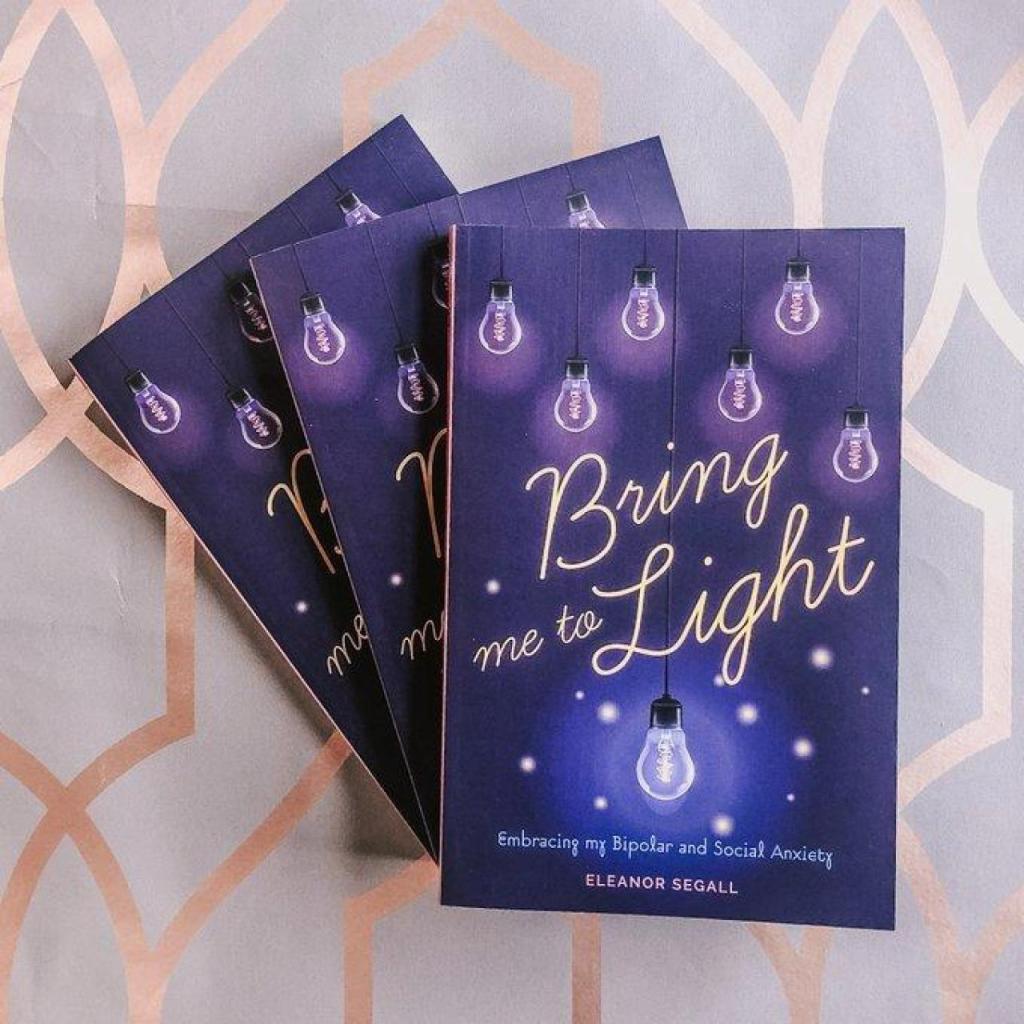
Despite this sadness in our family, some positive news has followed. I had applied and been awarded a disability benefit called PIP (Personal independence payment) and been awarded it due to my bipolar disorder and panic attacks impacting on my mental health and ability to work outside the home. This greatly helps our situation and means I can work alongside it too in my role at the Body Shop from home and around my writing (my book Bring me to Light is available here) . We also found out that Rob is being taken off furlough and returning to work on the 1st September- he has been furloughed for 6 months and this was a huge relief for us, as you can imagine.

Additionally, a few weeks ago I got promoted to Area Manager of my Body Shop team, team Hope. This means I manage a team of consultants/ manager in training and help them to develop their businesses too. I feel incredibly lucky to do a job that I love from home and be so supported by my manager Sarah and all my wonderful team mates too. I truly love this job and hope to make it my full time career eventually. The products are so good for self care too.

Now on to my mental health. My anxiety has returned with a vengeance these past few weeks. One night I was up til 5am with panic and insomnia (feeling tearful, restless and pumped with adrenaline) so took some prescribed anxiety medication. I also use a lavender pillow mist which helps me to sleep better too. I have had to cancel and reschedule things. I am not good with change and my anxiety is being triggered. I have a wonderful therapist and so I will definitely book in another session with her soon because I can feel myself dipping a little.

The guineapigs are adorable and good for cuddles and I have had a lot of support from friends and family, so thank you for that, and from Rob too.

How is everyone?

Eleanor xx

 
Infographic by Mindful Urgent Care

How to Work and be a Mother during the Pandemic: Guest post by Miranda Davis

If you are a working mom/mum during the pandemic, we will help you balance things. Working for others has become an activity from home, and sometimes we get clueless about what to do next. This article aims to help you out with being a working mother.

The pandemic was surely a surprise to anyone, especially any working mom/mum. It started slowly, and most people hoped it would not spread out of China. Unfortunately, it did spread, and we are living through it every day. We have to go out only wearing masks and only when we need to (if you are going out all the time, that is very risky for you and the others too). Washing hands frequently has become the standard. Shaking hands with anyone is out of contemplation if you are taking things seriously. Now, what about a working mother and COVID?

People with children are being forced to homeschool their kids while still managing to work (those who are not unemployed!). Things are not that easy. Now, look at mothers. It is common sense that a lot of them are single, living alone with their children while being a working mother during the day. A mom/mum who is also working at home is genuinely having the hardest of times. 

In the face of difficult facts, we have put a lot of thought into ways to help moms/mums (those living with a partner or alone with their children) through this difficult time. We know that moms/mums are very capable of enduring and overcoming tough times. Still, sometimes we get out of creativity, our energy gets completely wasted away. What should a working mother do in such situations? 

How working mothers balance life sometimes is a mystery. Even more, during the pandemic. If you are a mom/mum trying to figure that out, the tips below should help you.

The first tip is to have a schedule that has the possibility of being flexible. This means that while it is suitable for a working mother to have a program that helps them stay organised, this same schedule should be adjusted to suit you. Sometimes your children might get hurt doing something, or other unexpected things happen. Give these things the time and attention they require. Then the question “are working mothers happier?” does not have to be answered negatively.

Now, this one does not apply to single mothers (sorry,single moms, ). If you are taking care of children with someone else (a father, stepfather, your current boyfriend, or other family members), try to come up with a schedule that lets you do the work as a team. You will benefit from not getting overloaded both with work and taking care of children. 

In case you are a single working mom/mum, things have surely got tougher for you, since the beginning of the pandemic. We genuinely hope you have assistance from some family members. Still, there are moments when you are a working mother, all alone with your children.

On these occasions, depending on the age of the child, you can get them to understand why working is essential. Keep them busy right beside you when you are working on your computer. When you are finally away from work, have a good time with your kid (or kids). Forget about work and being a working mom/mum, and just enjoy each other.

Then, at the end of the day, if you still have some energy left, get some time for yourself. You deserve it.

This works both in the case of you being a single working mom/mum or if you are a mom/mum who has duties shared with a partner. Take advantage of naps! Seriously. When your kid gets his/her nap in the afternoon, use this time to get rid of your workload. This strategy surely has been used since forever, but it is still important to remember it, to prevent overwhelm with juggling everything. 

One of the most important things during times when you are a working mother at home is to set boundaries. These boundaries have two sides. You should know that you need to focus when you are working, and when you are finally done with it, you need to disconnect. Shut down your computer, do not look at your phone, and enjoy time with your family. You will regain positive mental energy from doing this, and you will feel thankful for that.

We understand that being a working mother during quarantine is one of the hardest tasks. Thus, we sincerely wish that the few tips carefully written above have some use for you. If you have developed other ways of dealing with this and think they are beneficial, you are more than welcome to share them in the comments. After all, the question is, can working moms/mums have it all?


Author’s bio:  

This article was written by Miranda Davis, a freelance writer in relation and psychology area. Miranda is interested in such topics as building healthy relationships between people, love/sex compatibility, and how to find the right balance in life in general. She is currently doing specific research on the topic. Miranda loves cooking and long-distance walking. 


5 Things that could be triggering your Depression by Samantha Higgins.

Almost everyone goes through an episode of depression at some point in life. For some, the problem is severe and protracted. During the episodic depression, bouts leave you feeling hopeless and exhausted, making it difficult to be productive and present in your daily life. Although depression is a severe health condition, treatment brings hope to the affected. Once depression symptoms are controlled, knowing common triggers and how to avoid them can save you from a depressive episode.

It is important to seek help in the form of treatment from a doctor- whether that is medication or counselling.

Feeling Overwhelmed

When you feel that stressors, such as tight deadlines, are too challenging to manage, you become overwhelmed. Emotional overwhelm is more than feeling stressed. It means you are completely submerged by emotions and thoughts about your current problems, to a point of feeling paralysed.

It is a scary and confusing experience that might leave you with limited functionality and an inability to think and act rationally. Whether caused by stressful times at your workplace or traumatic experiences of loss, overwhelm can trigger depression. Minimise depression triggers by knowing your limits and boundaries of what you can take in and what can cause overwhelm. For overwhelming tasks, break them down into smaller, manageable tasks for you to complete in steps.


Financial Worries

Money woes are a common source of stress that can cause a depressive episode. Focus on projects that increase your financial stability like side hustles. Avoid concentrating on what you do not have since it increases your worry. Customize your budget and do regular reviews to stay aware of your cash flow and financial situation.

Create a savings plan and make monthly deposits to the account so that you are less worried about the future. Go for local events that are free or cost-effective so that you can socialise at a budget. Remain engaged with your hobbies or spend time with loved ones to avoid overthinking about your financial situation.

Seek support from your doctor, if needed.


Alcohol Abuse

Some people indulge in alcohol and other substances to cope with depression. Most are drawn to alcohol’s sedative effects to help distract them from feelings of sadness. While alcohol can relieve some of depression’s symptoms in the short term, it can worsen depression in the long run.

As a person experiences the financial and social consequences of alcohol misuse, their worries increase, and relationships deteriorate, leading to an episode of depression. This leads to a vicious cycle of alcohol abuse to self-medicate some symptoms of depression. If taking antidepressants for depression, avoid alcohol since the depressant effects of alcohol counterattacks the effectiveness of antidepressants.


Poor Sleep Habits

There is a direct relationship between poor sleep and depression episodes. People that sleep less than six hours and more than eight hours have a high risk of experiencing recurrent depressive episodes than those who sleep the recommended six to eight hours. Practice good sleep habits, such as maintaining a consistent bed and wake time.

Turn off all electronics hours before bedtime to avoid overstimulation for better sleep. Reduce any source of discomfort, such as an old mattress. Look for the best adjustable mattress bases for maximum comfort and relaxed nighttime. Take a warm bath, meditate, or have a warm glass of milk to help you fall asleep fast.


A Poor Diet

Dietary habits can lead to depressive episodes. Consume more healthy foods with a focus on whole foods and fresh fruits and vegetables for improved mental health. Limit processed and refined foods, including junk and fried foods. Look for foods high in selenium like whole grains and Brazil nuts to reduce anxiety and improve mood, making depression manageable.

Go for vitamin B sources such as egg, poultry, fish, and lean meat as they help to reduce the symptoms and risk of mood disorders, including depression. Eat food rich in zinc or use zinc supplements to enhance the effectiveness of antidepressants for better depression management. Hydrate regularly with water or soft drinks for better moods.

Depression can be life-changing due to frequent worries, but treatment- medication and counselling can help manage the disorder. Make lifestyle modifications such as a healthy diet, better sleep, and less worry for improved well-being. 


This guest blog was written by Samantha Higgins.


The Flowers that bloom in Adversity: by Eleanor

I have wanted to write this post for several weeks, but so much has been going on personally and I have been really emotionally drained (and launching my new business too). Let start at the beginning.

At the end of May, my mother in law (who is carer for my father in law with terminal brain cancer) was taken very unwell. She was rushed to hospital with stroke like symptoms and put into an induced coma on a ventilator as her lungs were collapsing. We were super scared it was Covid as she was shielding anyway and it came completely out the blue, on the day of her 60th birthday after we had celebrated.

She is the main carer for my father in law and so my husband Rob had to move in to their house to care for his Dad and support his brother. (cue frantic phone calls to the doctors surgery, hospitals, Macmillan nurses and Jewish Care, all done by my incredible husband).

Thankfully, my MIL came off the ventilator to breathe unaided and she tested negative for Covid 19. We think she caught a severe bacterial infection and she then got pneumonia in her lungs. She was in hospital for 4 weeks and discharged 2 weeks ago and is making amazing progress with her physio team and her speech. She is still frail but she is recovering slowly.

This blog post I don’t want to make about my in laws because they are private people. Dealing with all these scary changes has been tough on my mental health (and everyones).

We are slowly slowly coming out the other side, although we know my FIL will worsen in time due to the nature of his illness.

So what flowers are blooming during this adversity?

-On Saturday will be our first wedding anniversary and we will spend it together. Its been a rollercoaster year but I am so thankful to have Rob by my side!

-I am loving my new Body Shop at Home business and my team and incredible managers. It really has been keeping me sane throughout this time of family lockdown and I can’t thank Sarah Cardwell enough for introducing me to the business. The products are so good for self care and healing too, which has been so needed and I have made lots of new friends. It keeps my mind stimulated and earns me income too- I am so grateful.

-Yesterday, Robs kind family member went over so we could spend some proper quality time together (thank you). We went for a walk in our favourite little village near by where there are cottages and flowers and village green and pond- I took lots of pictures of my dream cottages and gardens. Then, we got vanilla chocolate milkshakes (first time in a café post lockdown) and visited family. It was so special just to have US time, so rare in this current time for our family.

-This blog is continuing to grow and turning into a side business and for that I am ever grateful. I am also loving sharing peoples personal stories and hope it is a useful resource.

-Our guineapigs Midnight and Nutmeg are a source of joy and give great cuddles.

-Friends and familys kindness and messages help so much. I havnt had a therapy session in a while but will do.

I am feeling positive but there will be rough days ahead in the coming months. Today though, I am enjoying slightly more calm and peace again before the potential storm, and watching the flowers that are blooming in adversity.