Create More Fulfilling Relationships By Following The Law Of Attraction by Dr Hannah Yang

(image: Priscilla Du Preez: Unsplash)

While there are many people perfectly happy with staying single, a good majority of people have the common desire to find that special someone with whom they can navigate life’s journey. Having a companion you trust who can help provide support, comfort, and love can be incredibly motivating and help many people get through the variety of obstacles that life throws their way.

However, finding and maintaining this type of positive connection can often be challenging. This is where the Law of Attraction can be helpful to understand. This provides valuable information about the dynamics of different types of relationships and helps individuals better understand why some connections in life tend to thrive while others fall short. 

By applying certain principles outlined in the Law of Attraction, it can be easier to create more fulfilling and mutually beneficial relationships in our lives.

How Does the Law of Attraction Apply in Relationships?

The Law of Attraction is a concept that suggests that the energy we put out into the world is the same kind of energy we attract back. Basically, the more positive of a person you are, the more likely you are to get better outcomes in all areas of life – including the relationships you’re a part of.

Our personality and mindset, including the things that drive us, our individual beliefs, and our emotional states, can all act like a magnet, drawing in people who resonate with those same qualities. This means the kind of relationships we want to have in life can also be influenced by the energy we project.

The Law of Attraction encourages us to have a more receptive attitude toward building healthy relationships. This is achieved by aligning our desires with our actions and the energy we express. When this is done, we become more open to new connections and opportunities for love and fulfillment in our lives, even if they may feel like a leap of faith.

Being Upfront About What You Need in a Relationship

Before you’re able to apply different principles of the Law of Attraction, you need to know what you really want in a romantic relationship. It’s easy to get caught up in superficial aspects like wanting to be with someone with good looks or who makes a decent income. However, it’s much more important to focus on the deeper qualities of your ideal partner first.

To help achieve this, there are some key aspects you should consider:

  • Their Shared Values – The person you’re with should complement your own shared values or core beliefs. You’ll want to think about any essential traits that matter most to you, such as honesty, patience, compassion, or a willingness to forgive. All of these values can form the foundation of a strong and lasting connection.
  • Your Emotional Needs – While financial security is important, your emotional security is what will really contribute to more happiness in a relationship. Consider what being emotionally safe means to you. Maybe this means you need a partner who is more expressive, reassuring, or a good listener. Whatever they are, understanding your emotional needs will help point you in the direction of someone who can fulfill them.
  • Finding Common Interests – A fulfilling relationship often involves being with someone who has shared interests or life experiences. Think about the activities you enjoy and the kind of lifestyle you picture for your future. Finding someone with compatible interests can lead to a more enjoyable life and a strong connection with your partner.

Aligning Your Energy With Your Partner

After you’ve thought carefully about what your ideal partner looks like (inside and out), it’s important to consider how you can start to build the same traits within yourself. This isn’t about trying to be something you’re not but rather recognising how the energy you put out can express what you’re looking for.

For example, if you want a partner who is compassionate and empathetic, consider how you can show more kindness to those around you and practice self-compassion. If you’re hoping for someone lighthearted and fun-loving, look for ways to bring more joy and laughter into your own life and the lives of others.

The Law of Attraction is about recognising the emotions you want and understanding that to attract the type of love you want in life, you first need to express it in different ways.

(image: Mandy Von Stahl: Unsplash)

Accepting and Giving Love

It can be difficult when you’re wanting to be with someone, but you just haven’t felt that spark yet. But instead of dwelling on feelings of loneliness, think about ways that you can express gratitude for the love already present in your life. Try not to take the bonds you have for granted with your supportive friends and loving family members. Nurturing these connections creates a positive ripple effect, which can radiate outwards and signal your openness to receiving even more love from others.

Affirmations are another way to help manifest more love in your life and the relationships you have. Telling yourself these short but powerful statements helps to reinforce your worthiness and attract the right person into your life. Repeating affirmations like “I am deserving of love” or “I will find my perfect match” can help give you a more profound sense of self-love and help you stay patient.

Be Willing to Take Action

While patience is a virtue when looking for a life partner, the Law of Attraction doesn’t mean you need to maintain a passive attitude. It actually encourages you to take more proactive steps when finding new sources of joy and fulfillment.

Don’t be afraid to embrace new opportunities to align your life and relationships with any of your aspirations. This could involve joining a social club, exploring different dating apps, or engage in activities that help you to broaden your social circles. Trust your instincts and be open to connecting with new individuals.

Start Building Stronger Relationships

By leveraging the power of the Law of Attraction, you can start to manifest more meaningful relationships in your life that help you to be a better person. Remember to prioritise your well-being while expressing your authentic self and the qualities you’re really looking for in a partner. These actions will help to signal to anyone around you that you are ready for and deserving of receiving more love.

About Dr Yang:

Visionary and healthcare entrepreneur by passion, Licensed Psychologist by training, Dr. Hannah Yang loves creating new possibilities in the world of mental health and wellness. Dr. Yang established Balanced Awakening in 2015 as a niche psychotherapy practice for women. As Balanced Awakening flourishes in Chicago, and soon Miami, she also loves to tap into her passion for design and Feng Shui to create fabulous environments for herself, her team, and clients.

Things You May Not Know Can Impact Your Mental And Physical Wellness.

(image: Patrick Perkins, Unsplash)

So many aspects of life can impact your mental and physical health and overall wellbeing. In this blog, we will be focusing on relationship stress, seasonal changes and our homes and how they can impact our wellness.

Your Relationship

Your relationship is one of the things that can impact your health the most. Of course it has the ability to impact your mental health, though we’re also talking about the physical side of things. This is especially apparent if your relationship is full of stress and causing you to struggle mentally. Stress from relationships can trigger skin conditions such as acne and break outs. It can be a reaction that your body is having, to tell you that it needs to slow down and heal.

Relationship troubles can lead to arguments and isolation and cause emotional difficulties. If you’re worried that your relationship is not good for your health, try talking to your partner calmly and in a safe environment. If this is not possible, reach out to a therapist or support network too.

The Season

Time of the year has a huge effect on our mental health, the season changes everything. In the fall (autumn) and the winter it’s far more common for people to be ill with depression due to the weather, than it is in the summer months. People also become more physically unwell too. This could be for a number of reasons, but it’s partially because people’s immune systems are weaker when it’s colder outside. 

So, if you notice that you are getting poorly, that your joints are hurting, that you’re generally feeling unwell, it could be because of the colder weather and season.

Your Home

Your home doesn’t mean to harm you, but sometimes a build up of dust or toxic material, a leaking roof or something else can really cause you problems you can’t avoid. You can try cleaning, making repairs, and even throwing out old furniture and replacing it with new pieces. Oak dining chairs and tables are in fashion right now, so why not consider it?

At the end of the day, there are so many different things that can impact your health and you have to be ready for all of them. It’s important that you remain vigilant, and if something seems to be causing you any issues with your health, you have to work on it asap and reach out for support from your doctor.

This article was written by a freelance writer.

Highlighting The Anxiety That Men Face With Their Appearance And Body Dysmorphia By Michael Saul, Partner At Cosmetic Surgery Solicitors.

(image: Pexels- Martin Pechy)

Appearance-related anxiety in men is deeply rooted in psychological and societal factors. Body dysmorphic disorder (BDD) describes how men can become fixated on perceived flaws, such as their hair, muscles, or facial features. This preoccupation goes beyond ordinary concern and can lead to behaviours like avoiding mirrors or compulsively seeking reassurance. Research shows that this anxiety is not purely superficial but often stems from deeper psychological issues, including past trauma or negative experiences during adolescence. Understanding these origins helps to address the mental health challenges men face, rather than solely relying on cosmetic interventions.

The Psychological Roots of Male Appearance Anxiety

Psychological and societal factors often drive appearance anxiety among men. Body dysmorphic disorder (BDD) exemplifies how men can become fixated on perceived flaws, such as their hair, muscles, or facial features. This fixation goes beyond normal concern and is marked by distress and compulsive behaviours, including excessive mirror checking and seeking reassurance. The condition often has roots in past traumas or negative experiences, particularly during adolescence which compounds the development of BDD.

This anxiety is further exacerbated by cultural narratives around masculinity and appearance where societal expectations can aggravate the psychological impact of conditions like androgenic alopecia. Addressing these issues requires a comprehensive understanding of their origins, as relying on cosmetic interventions alone fails to resolve the underlying psychological distress. This deeper understanding provides effective support and treatment options for men struggling with appearance-related anxiety.

The Impact of Hair Loss on Men’s Mental Health

Androgenic alopecia (AGA), commonly known as male pattern baldness, has a profound impact on men’s self-esteem and mental health. Studies indicate that AGA can impair quality of life, particularly in younger men who view hair loss as a sign of ageing or loss of masculinity. This psychological burden is often underestimated, as societal attitudes towards baldness remain largely negative. Men may feel pressured to conform to idealised standards of appearance, which can lead to anxiety, depression, and social withdrawal.

Unlike BDD, which involves a distorted perception of minor or imagined flaws, AGA concerns are based on actual physical changes, yet the emotional distress can be similar. Many men experience shame and lowered self-esteem, avoiding social situations or altering their behaviour to hide their hair loss. These reactions underscore the need for psychological support rather than cosmetic interventions, which often fail to address the underlying emotional distress associated with hair loss.

The Misconception of Cosmetic Surgery as a Solution

Despite the psychological distress caused by conditions like BDD and androgenic alopecia, many men mistakenly view cosmetic surgery as a solution to their appearance-related anxieties. This misconception is particularly evident in cases where individuals pursue surgical interventions without addressing the underlying psychological issues. Surgery often fails to resolve the distress, and in some instances, it can worsen symptoms. BDD is a perceptual disorder where the perceived flaw is rarely corrected by physical changes. Men seeking surgical solutions may find temporary relief, but this approach does not address the root cause of their anxiety.

Treatment for BDD should include psychological therapies like Cognitive Behavioural Therapy (CBT), which help individuals manage their obsessive thoughts and develop healthier ways of coping with their appearance concerns. Without this psychological support, men remain at risk of dissatisfaction and further psychological harm, even after undergoing surgery.

(image: Daria Liudnaya: Pexels)

The Importance of Recognising Psychological Triggers

To address male appearance anxiety, men must recognise its psychological triggers. Research indicates that many men develop BDD or experience distress from hair loss due to past traumas or negative experiences during adolescence. These triggers can include bullying, teasing, or other forms of social rejection. Recognising these underlying factors is essential for effective treatment, as focusing solely on cosmetic solutions overlooks the deep-seated psychological issues. Integrating therapeutic approaches that address these triggers can significantly improve outcomes and reduce the reliance on cosmetic interventions.

Legal Considerations for Men Seeking Cosmetic Surgery

Men opting for cosmetic surgery must be aware that, even with informed consent, procedures can sometimes lead to complications or dissatisfaction. Those with psychological conditions like body dysmorphic disorder may not fully grasp the risks involved, which could result in a poor surgical outcome or aggravation of mental health issues. If a surgeon fails to assess psychological fitness or provide adequate information about potential risks, this may constitute cosmetic surgery negligence. Men in such situations have the legal right to pursue claims if the surgery worsens their condition or results in harm.

Solicitors can assist clients who have experienced negligent cosmetic surgery by examining whether the medical professional involved adhered to their duty of care. For men affected by psychological issues like body dysmorphic disorder, a failure to conduct proper assessments or consider the mental state of the patient before surgery could be grounds for legal action. Solicitors provide guidance on collecting evidence and understanding the options available for claiming compensation if the surgery has caused further harm or did not meet reasonable standards.

Men contemplating cosmetic surgery should prioritise professional psychological support to understand their motivations and potential outcomes better. Conditions like body dysmorphic disorder can distort self-perception, and as such, points to psychological therapy as the first step. Consulting a mental health professional can clarify whether surgery is the appropriate course of action. Combining psychological and legal support provides a more secure and informed approach to managing appearance-related issues.

This article was written by Michael Saul, Partner at Cosmetic Surgery Solicitors.

World Mental Health Day 2024: Mental Health And Wellbeing in the Workplace

(image: Mental Health Foundation)

This World Mental Health Day 2024, the focus is on our mental health at work. We have known for many years that the UK has a mental health crisis and that many employers fail their staff in this area. A recent survey from Robert Walters found the following:

  • 71% of UK employers currently offer wellbeing benefits to their staff
  • 83% of professionals have at some point experienced poor mental health at work in the last 12 months
  • 58% of professionals state that it feels like a ‘box-ticking exercise’
  • However, 80% haven’t accessed their employer provided mental health support

Although three-quarters of companies now offer employee wellbeing programmes, 83% of professionals state they’ve experienced mental ill health at work in the past 12 months!

In my own personal experience, I think it is so important that a wellbeing culture is embedded at work from management downwards. Employees should feel safe to express how they feel or if they are going through difficult times- be that bereavement, trauma, depression and anxiety or other forms of mental illness, stress at home and work – and to be well supported if disclosing any confidential information. Similarly, we should be striving to have a workplace where mental health is as recognised as physical health (and prioritised).

As Mind say, “We’re in the middle of a mental health crisis. 2 million people are currently stuck on waiting lists for NHS mental health services. And on top of this, mental health stigma is still a significant issue. Real people, being left behind by a broken mental health system.

Due to lack of service provision, it is even more important for employers to look after their staffs mental health, on today World Mental Health Day and going forward.

I would love to hear how you find mental health at work too,

Eleanor

New Online Therapy Platform CareCoins Revolutionises Access to Mental Health Support for Employees This World Mental Health Day 2024.

(image: Carecoins)

This World Mental Health Day 2024, the focus is on mental health at work- it’s time to prioritise mental health in the workplace. As the Mental Health Foundation say, ‘Work can have a huge impact on our mental health. It can be good for our mental health, giving us a sense of purpose, boosting our self-worth, and providing opportunities to connect with others. But it can also be a source of stress and anxiety and contribute to developing or worsening mental health problems. ‘

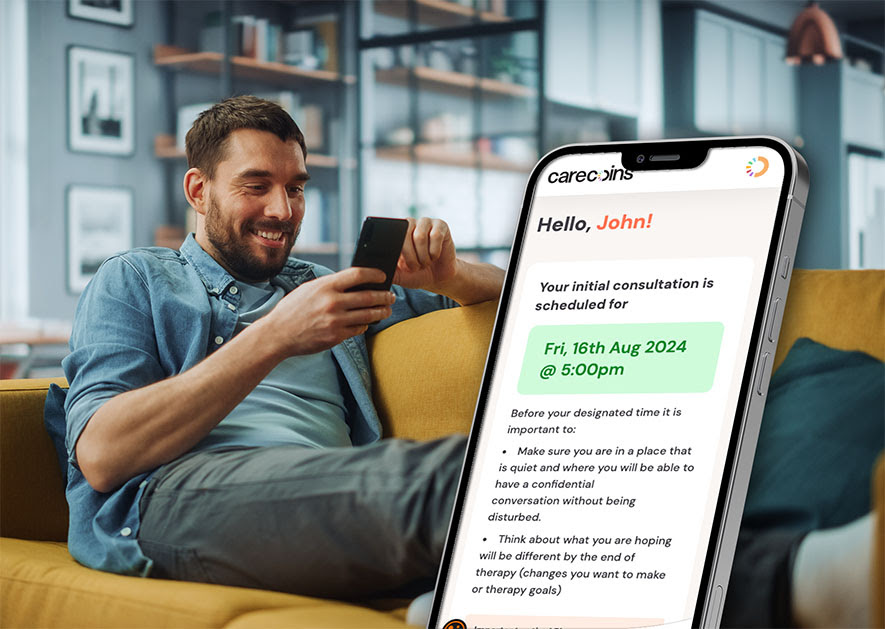
Introducing Carecoins, a pioneering new mental health platform, which is set to transform the landscape of employee mental wellbeing, offering employers a unique support system for their staff this World Mental Health Day 2024 and beyond.

Designed to connect individuals with qualified mental health therapists in an entirely flexible, hassle-free way, Carecoins ensures efficient and reliable access to professional care, Carecoins brings a unique proposition to the market.

Commenting on this exciting venture, managing director and founder, Tim Ladd, said:

Put simply, Carecoins gives employees access to the support they need to become a happier, healthier version of themselves.

We are all acutely aware of the growing mental health crisis in the nation, and the difficulty in accessing resources through the NHS. This means employers need to step up to provide that all-necessary support to staff.

Mental health is now a significant challenge for a large portion of the UK workforce, with surveys showing at least 63% of employees exhibit signs of burnout, and 91% have experienced high or extreme levels of pressure and stress in the past year.

Finding effective support structures to help combat these trends can be challenging for employers. Providing access to a large pool of BACP accredited therapists, comprehensive mental health and suicide prevention services, specialised support for trauma and bereavement and a number of other resources, Carecoins is a holistic solution for employers

Offering full flexibility, the platform gives access to multiple formats of therapy, ensuring services fit around the user’s life and work schedule and suit their individual needs. As part of its groundbreaking offering, Carecoins supplies every new user an innovative human-to-human consultation to assess their needs and preferences and then allocate a therapist that best matches those requirements.

“The element of personalisation is one that is of vital importance to us – everyone’s mental health journey is different and we wanted to build a platform that could honour that,” added Ladd.

We also understand that confidentiality is a key concern for many employees. Carecoins can be purchased and utilised anonymously, giving employees the freedom and peace of mind they need to take this important step.”

But the platform does not limit organisations to buying therapy services. It enables access to a wide range of mental health and wellbeing services including Mental Health First Aid training provided by Carecoins’ sister company Red Umbrella.

Using Carecoins is much more than just a means to an end. It showcases a visible commitment from employers to protect the mental wellbeing and resilience of their employees, making them happier, more engaged and more productive.

“More than that, it encourages a much-needed positive attitude towards mental health in the workplace, which benefits businesses and employees alike.”

So, this World Mental Health Day, definitely check out this platform!

Children’s Charity ‘Nip in the Bud’ Exposes The Dark Side of Social Media And Mental Illness With Its Film Stolen Childhood.

(image: Unsplash: Lesli Whitecotton)

A new film by the charity Nip in the Bud exposes the hidden dangers of social media and smartphone use among children. A Stolen Childhood provides startling insights from children, headteachers and doctors, shedding light on the everyday harm caused by digital platforms.

Launching today, the film highlights several alarming statistics. A shocking 90% of girls and 50% of boys report receiving explicit pictures or videos they did not want to see. Additionally, 1 in 5 children have experienced online bullying, with 24% of those bullied resorting to self-harm and 22% altering their appearance as a result.

Furthermore, boys as young as 13 have been targeted for sextortion scams, and 80% of teenage girls feel pressured to provide sexual images of themselves.

Emma Robertson, co-founder of Digital Awareness UK, emphasises the hidden nature of these issues: “The thousands of children we talk to in schools tell us that their parents often don’t know how much time they’re spending on their devices overnight, or what they are doing online. This is a new and hidden world which adults can find hard to penetrate.”

MRI scans show screen time reduces brain areas responsible for visual processing, empathy, attention, memory and early reading skills.

In response to these findings, many psychologists, headteachers and GPs are advocating for stricter guidelines:

  • No smartphones until age 14
  • No social media until age 16

These recommendations aim to protect children from various online risks, including increased loneliness, exposure to harmful content, access to strangers, behavioural addiction and cyberbullying.

Watch the film here: https://nipinthebud.org/films-for-parents-carers/smartphones-a-stolen-childhood/

About Nip in the Bud

At Nip in the Bud we produce free, evidence-based films and other resources aimed at parents, carers and teachers of primary-aged who may be struggling with mental illness or unmet neurodiverse needs.

Our mission is to empower families and communities around our children to recognise and respond to early signs of mental illness or challenges in a neurotypical world, with resources made in conjunction with mental health experts, educationalists and families going through similar experiences – facilitating early intervention, so that problems can be “nipped in the bud”, allowing our children to blossom.

Find out more about Nip in the Bud at: www.nipinthebud.org

How to Get the Most Out of Therapy by Elizabeth Howard

(image: Kateryna Hliznitsova: Unsplash)

As the world gets more concerned and more appreciative of mental health and its impact on life, therapy has become more of a viable option for many. Whether you’re trying to cope with trauma or just work on some aspects of your personality and lifestyle, therapy is a great tool, but before you’re ready to jump in, you’ll need to know how to get the most out of your therapy. 

Be open 

The first and most important thing to keep in mind about therapy is that before you even sit in the office, you should have an open and comfortable attitude about the entire process. Much therapy gets stagnant as clients wait for breakthroughs just because they’re not ready for uncomfortable conversations or for sharing intimate details about your life. Withholding crucial information like that of your family members or crucial events in your life will only slow down the progress you’re able to get out of therapy. Instead, trusting the professional you’ve partnered with and really internalising their advice will allow you to get acclimated to the process much faster, and you’ll get more out of it as a result.  

Get ready for uncomfortable conversations  

As previously mentioned, another thing you’ll need to ensure is that you’re mentally prepared for the uncomfortable conversations you may have in the therapist’s office. This is because a lot of the trauma people carry throughout their lives is tied to a few incidents earlier in life, and talking about those incidents is the first step to truly healing. That means you’ll have to eventually vocalize your deepest fears and insecurities and the issues you’ve been going through, both to allow your therapist to better understand your psyche and to help yourself make important breakthroughs throughout your journey. 

Find the right therapist 

Another part of getting the most out of your therapy is finding the right therapist to guide you on your journey because the person you’re working with will eventually be entrusted with the deepest parts of your personality and subconscious. This means finding someone you’re fully comfortable with and one that is easy to visit; in your own country. Chicago residents (USA), for example, should look for an experienced therapist in Chicago. Finding a professional that you’re comfortable with and someone who’s nearby will only make it easier to regularly make your appointments and make time for therapy, pushing yourself towards more progress. 

Be consistent 

Consistency is the most important part of any major life goal you’re trying to achieve, and that includes therapy because of how unique the experience of therapy is for most people. If you’re not making it to your therapist’s office week after week for your regularly scheduled appointments, you won’t be able to make those important breakthroughs because each appointment will mostly be concerned with you and your therapist getting used to each other again. If you feel that your therapy isn’t working in its earliest stages, you shouldn’t let that discourage you since different people make progress over different periods.  

Do the homework 

Most therapists out there know the importance of daily self-improvement habits for their clients, and that includes things like journalling or keeping a dream diary. This can be tiring at first, but this homework is crucial to the entire process since your therapist will get a better idea of your underlying fears and the thoughts that take control of your unconscious mind most often. This will help your own progress, so you get the most out of therapy you possibly can. You can communicate all of your fears if you’re writing them down regularly for therapy.  

Like most aspects of self-improvement, therapy has the capacity to change your life and can even cause you to have a major shift in perspective about key moments in your life. However, before you’re ready to embark on the phase of your life that will inevitably have a giant impact on you, it’s important to prepare yourself for what’s next so that you can get the most out of the therapy you’re participating in. 

Elizabeth Howard is a freelance writer. (this article contains sponsored links)

Building A Stronger Family Together: Benefits Of Family Therapy by Miranda Spears

(image: Pexels)

In an environment where life’s hectic pace can strain family relationships, family therapy seems like a ray of hope for preserving relationships and promoting comprehension. Although the phrase “family therapy” can conjure up ideas of resolving disputes, the advantages of this approach go much beyond that, including enhanced relationships, better communication, and emotional healing.

Enhancing Communication Skills for Stronger Connections

Healthy relationships are based on effective communication, and family counseling services are essential for improving this ability. Communication failures are a common cause of miscommunication, conflict, and emotional distancing in families. Families can acquire and hone skills that enhance their capacity for eloquent and sympathetic thinking and emotional expression via counselling. Therapists help family members express their needs and actively listen to one another via various techniques, including role-playing and guided conversations. A family’s ability to communicate better can result in more meaningful and fruitful relationships. For instance, activities aimed at recognising and resolving communication patterns that fuel conflict are often included in counselling sessions. Family members can lessen the number of disagreements and misunderstandings by learning to have talks with more empathy and understanding.

Addressing and Resolving Conflict Effectively

Family life will always include conflict, but if unsolved concerns are not properly handled, they can become serious difficulties. Family therapy offers a neutral, safe environment for discussing and working through issues. Family members can share their opinions and feelings in talks led by therapists without worrying about being judged. Families are better able to resolve disputes in a way that fosters understanding rather than hate in this controlled setting. Families that get treatment concentrate on improving their ability to solve problems and resolve conflicts. Counselors often teach family members conflict-resolution strategies like compromise and negotiation, which help them identify points of agreement and strive toward amicable resolutions.

Strengthening Emotional Bonds and Family Cohesion

Family therapy has a crucial role in strengthening emotional ties and promoting unity within the family. Emotional distance often results from unsolved problems, unfulfilled desires, or traumatic experiences in the past. Family members can examine and resolve these underlying difficulties in therapy, which promotes emotional healing and fortifies bonds between them. Families might better comprehend one another’s experiences and viewpoints by using facilitated conversations and therapeutic activities. Activities intended to improve emotional connection, including telling personal tales or expressing appreciation, are often included in the therapy process. Through deeper connections fostered by these activities, family members can develop empathy and trust.

Improving Family Roles and Dynamics

Redefining and addressing family roles and dynamics is another aspect of family therapy that can have a big influence on relationships and family functioning. Rigid or dysfunctional role structures are a major source of discontent and conflict in many households. For instance, a family member can take on an emotionally taxing caregiver role, or there can be tasks that are not evenly distributed, leading to conflict. The chance to assess and modify these responsibilities to better suit the needs and abilities of each family member is offered by therapy. In order to recognise and treat problematic patterns in roles and dynamics, therapists collaborate with families. Families can investigate and reinterpret roles in a manner that fosters harmony and respect for one another via therapy. As an example, family members might work together to create new rules about who gets what or help each other adapt to new positions within the family.

Fostering Resilience and Coping Strategies

The development of resilience and useful coping mechanisms is yet another important advantage of family therapy. Families often deal with a variety of pressures that might harm their relationships and mental health, such as health problems, financial hardships, or life changes. Families that get therapy are given the skills and techniques to deal with these pressures and keep a good attitude. Therapists assist families in creating coping strategies that improve their capacity to deal with difficulties and adjust to changes. Teaching stress management strategies, developing problem-solving skills, and promoting healthy lifestyle choices are a few examples of therapeutic approaches. Families develop resilience, support one another through trying times, and manage to stay stable in the face of outside challenges.

Finally…

The advantages of family therapy for improving family dynamics and relationships are immeasurable. A family that receives family therapy can become more cohesive, resilient, and supportive—a place where people feel empowered to face life’s obstacles as a unit.

Miranda Spears is a freelance writer.

Gila’s Way: A Charity Set Up To Help Prevent Teen Suicide And Educate On Mental Health. Interview with Rabbi Hammer.

Sometimes, I get emails about stories and they really stand out to me. This was one of them. A friend of mine knew about this suicide prevention charity in Israel, called Gila’s Way. The Hammer family in the Jewish community sadly lost their daughter Gila z’l to suicide when she was just 18. Gila had mental health issues and the family want to save lives in her name and make sure it doesn’t happen to another family. Rabbi Shalom Hammer, Gila’s father and a world renowned lecturer, started sharing his insights from Gila’s tragic story in order to raise awareness, teach empathy, and promote dialogue regarding suicide in order to ensure its prevention.

Gila’s Way is a non-profit organisation which implements, educates and presents programs regarding mental health awareness and suicide prevention in order to save lives.

I asked Rabbi Shalom Hammer a few questions about his life saving mission:

  1. Your charity Gila’s Way has such an important mission. Please can you tell me more about Gila as a person, her mental health struggles and how you as a family coped in the aftermath of her tragic death/ how the charity got set up?

Gila was an unbelievable girl, vibrant, vivacious, social, hilarious and extremely sensitive. She was a leader of her peers socially and she loved to have fun. She also saw the world in a very innocent wholesome way, she was not capable of harming anyone nor did she believe that people would harm her. Tragically she experienced a sexual episode which was obviously extremely traumatising for her. She also did not wish to or know how to openly communicate the degradation she felt and the pain she was experiencing. Consequently, a swell of anxiety and depression built up inside of her and she eventually began to lose hope which ultimately lead to her passing away.

After Gila died, we decided to take the inexplicable pain and the unfathomable loss to as much of a positive place as possible. My wife and I feel that Gila should be alive and the reason she is not is largely because of the lack of knowledge with mental health and certainly suicidal ideation that we had and that so many others have as well. Gila’s Way is an organisation therefore, who’s primary concern is education via seminars, lectures, interactive workshops and presentations, understanding that the more we educate and inform the greater chance we have of lowering the numbers and preventing suicide.

(image of Gila z’l: Gila’s Way and Hammer Family)

2. What would you like people to know about teen suicide and suicide prevention in Israel and globally?

The most important vital point that I cannot emphasise enough, is that the vast majority of people who die from suicide, do NOT want to die. Particularly when we are speaking about adolescents who are experiencing so much pressures and may impulsively make a decision within a few seconds and not realising that it is finite. When people understand that most people who die from suicide, did not want to die, they also understand that this means we are capable of saving that person.

3. What is your message to other parents coping with children with mental health issues or who have also experienced bereavement?

There are a number of very crucial messages for parents. Firstly, don’t be afraid or ashamed to talk and converse, secondly don’t converse with just everyone. Dealing with mental health and a child who is challenged, is very procedural and therefore exhausting. Make sure to speak to the right people and save your energies for those people. Don’t speak to just anyone because you will grow more confused and more exhausted; make sure to find those/that people/person who can be helpful and focus on speaking to them.

In addition, pay attention to what your child is “saying”. A child (or anyone for that matter) who is dealing with mental health challenges or experiencing a crisis, will not necessarily explicitly say “I need help”, but they will often send “cries for help” and share those signs because they really want help. Some of those “warning signs” can be familial/social isolation , spending long hours in their bedrooms and refusing to join the family for activities which they normally enjoyed. In addition, they may be exhibiting exhaustion, or become physically unkempt, and they also might desist from performing normal expectations (like going to school, doing their homework, participating in events etc.)

Finally, and this is something that I consistently emphasise, trust your parental instincts. We were blessed with instincts and often a Dr or professional might suggest something and our instinct is saying “this just does not sit well with me”…trust that instinct and pay attention to it, because it is there for a reason.

(image: Gila’s Way)

4. What do you at Gila’s Way want to achieve through your charity and how are you doing this through programmes/events?

Our primary focus is on education. We don’t want any parent or any significant other, to be in situations where they “don’t know” or “didn’t know enough” because knowledge is power and empowers us with the capacity to be aware, respond and even save a life. We do so through the many programs, presentations, seminars and interactive workshops and exhibitions that we offer for diverse groups (parents, educators, adolescents, leaders, professionals, here in Israel in the army and pre-military academies). Engaging audiences in the conversations breaks stigmas and allows for knowledge and consideration.

Finally, Gila’s Way offers a consultation service (NOT a hotline). Navigating the mental health system, especially in Israel, isn’t simple. If one knows someone struggling with their mental health, they can schedule a consultation with us to help guide them through initial steps towards healing and recovery.

Whoever saves a single life is considered to have saved an entire world’ (the Talmud)

For more about Gila’s Way, please go to their website here.

Rehab 101: What to Expect When Entering Treatment by Miranda Spears

(image: Pexels)

Rehab treatment is one of the most important things you can get if you’ve been struggling with dependencies and substance abuse issues. This is because the human body and mind can become reliant on certain substances, making it almost impossible to quit a substance without the help of the kind of professionals who work in rehab facilities. However, it’s never easy to make a major life decision without knowing the full story, which is why you should know what to expect as you’re entering rehab.  

Admission 

If you want to go to a drug rehab in Austin, USA, some of which are considered among the best in the world, you’ll have to understand what the process of admission is going to be like. Rehab facilities get a lot of patients each year, and all of these people have different needs and considerations because they may have different side effects from the same drug or may have been using wildly different substances. When you first enter rehab, professionals at the facility you’re considering going to will be able to assess your case by getting a medical history and figuring out the effects substance abuse has had on your body, which can then be used to create a treatment plan for you.   

Detoxification 

Detoxification is the next step of any good treatment plan and is often the toughest part of the early stages of sobriety and recovery. Withdrawal symptoms arise when people have not had access to drugs for a number of hours, upsetting their bodies, which have grown to develop a reliance on those substances. Symptomatic treatment for withdrawals by using medication to control cravings and side effects helps a lot in ensuring people are able to comfortably transition to recovery by lowering the worst sensations they’ll be feeling during this time, and, once the body has gotten rid of all of the toxins lurking within, the rest of your treatment will begin.  

Getting a treatment plan 

As previously mentioned, getting a proper treatment plan is a major part of getting better and weaning yourself off of the substance you’ve been abusing, including any side effects you’ll have to get accustomed to. For instance, using needles that are not clean could result in diseases like hepatitis, which means experts at the clinic would need to create a custom plan to help relieve this issue, too. Whatever the case may be, healthcare professionals will be able to create the best treatment for your case, balancing the side effects of that medication with the massive benefits you’ll get by taking them.  

Education 

A major part of treatment at rehab facilities is the education they provide to people who are struggling with dependencies. Many people are unaware that addiction can fundamentally change how the brain works, rewiring it to depend on drugs and further enabling abuse, and that triggers present in everyday life can make it even tougher to make a clean break. Getting educated about these issues will make it more likely for you to avoid triggers and ensure you’re not falling into the same traps as before once you’re done with rehab. 

Progress monitoring 

Monitoring progress is another part of ensuring success during the process of rehab because, though you may be able to get sober for a short time, you’ll have to work hard to maintain that sobriety. There are many ways that facilities are able to monitor progress, including while you’re within the premises by noting down the changes they’ve seen and scheduling regular checkups by a doctor, and when you’re outside the premises, by connecting you to a sponsor that will check on you on a weekly basis for years to come.  

Rehab is an integral part of treating substance abuse and drug addiction all over the world, as the professionals who work inside each facility can have permanent impacts on the lives of millions of people each year, helping them work through their issues. If you make yourself aware of what you should be expecting when you begin treatment, it’ll only make things easier to deal with in the short term, allowing you to be more comfortable once you start rehab. 

This article was written by writer Miranda Spears.