Living with bipolar 1 from the age of 16 meant living with deep depressions, of which suicidal thoughts were a part. Being able to safely share these with family and psychiatrists in the past saved my life and helped me hold on in the dark moments of bipolar episodes. I am not alone in feeling this way- millions are struggling now, today. Medication, therapy and support keep me well.
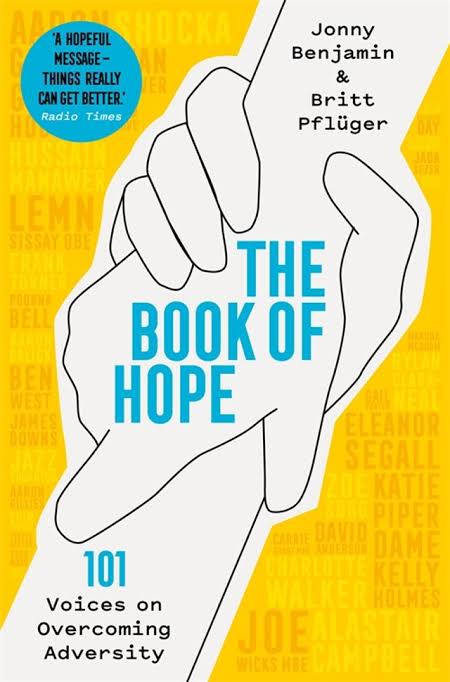
So today I read from my essay in this very special book to tell you- ‘You will feel the sun and smell the rain again, even after suicidal depressions when you lay in bed wanting to disappear. ‘
Please reach for help when you start getting these thoughts and hold on- a better day is coming. Helpline numbers includingSamaritans at 116 123 are available if you need to talk and feel in crisis.
I also know the devastation of losing a loved one to suicide and conversely, to help people through these thoughts. Their stories are not my own so I am not sharing them today but I hope that today and every day we focus on suicide prevention and support for all who are struggling.
Today’s blog is about a very special calming self care gift box – The Steady Box that was kindly sent to me by post to review from James Marchant at The Little Box of Mindfulness here in the UK.
I chose the Steady Box to review as someone who lives with an anxiety disorder at times and I wanted to see this self care box and how it can help calm anxiety by being mindful. The Steady Box is created for ‘people navigating anxiety, worry or emotionally overwhelming periods. A thoughtful gift designed to bring grounding, reassurance and gentle moments of calm.’. The Steady Box creates space for pause, presence and the feeling of being supported.
I opened the little black box and on the packaging it says ‘You are in someone’s mind this moment is yours‘. So already as you open it, you are feeling loved and welcomed. Each box also includes access to digital mindfulness practices, extending the feeling of care long after the gift is received. When you open the little box which is compact and fits through a letter box easily, you open to a winking face and a message- ‘You are not your thoughts, this moment is yours. Breathe. You’ve got this.‘ and some beautiful resources nestled within:
(image: The Little Box of Mindfulness)
A painted blue and cream handcrafted ceramic thumb stone (created by a local potter) to help with mindfulness and slow breathing when anxious. You hold it between your thumb and finger, focus mindfully on its texture and weight and then breathe slowly, returning to the present. The stone feels so calming and will make a lovely gift to a friend or loved one who needs to practise calming anxiety through mindfulness and breathing.
A Little Mindfulness box- a ‘Pause Pack’ containing items to help you ‘reconnect and reflect’, exploring at your own pace. These contain reflection cards with calming photos, affirmations about dealing with anxiety and lifes challenges( and finding strength and peace) and on the back, mindfulness prompts. They remind you to be in this moment, be still, breathe, name and ground yourself in the present;
There is also a leaflet teaching you how to ground yourself in the present (eg 5 things you can see, 4 things you can heal, 3 things you can hear) and a QR code for digital mindfulness resources that James has curated online.
Lastly, the box includes a Mindful Checklist card where you can tick off activities to help calm anxiety through mindfulness eg ‘I drank some water’, ‘I moved my body’, ‘I reminded myself I am safe’, I let go of one unhelpful thought’ , ‘I paused and noticed my breath.‘
(image: Little Box of Mindfulness)
This box retails at £15 and it makes the perfect letter box gift to send to a friend that needs to breathe, find a moment of peace to steady and ground themselves. I would recommend it as someone who lives with anxiety- I particularly liked the calming activity of slowing down and breathing with the thumbstone. As someone who has learnt a bit about how to practise mindfulness, I would say this box would be particularly useful at managing anxiety before it turns into a panic attack.
The Little Box of Mindfulness describes this as a’ refined letterbox gift for moments when words feel hard to find. A way to offer reassurance, presence and the quiet message that someone is thinking of them.‘. I would agree that it would make a lovely gift to send to reassure someone!
James Marchant, the founder and creator of the Little Box of Mindfulness, said to me, “I created these boxes with the simple hope of helping people feel remembered and supported during difficult moments, so it means a great deal to know the Steady Box resonated with you personally.” I truly love these products and the story behind them!
James created ‘The Little Box of Mindfulness’ due to his own battle with anxiety, stress and career burn out. He says, ” I’ve experienced anxiety in my own life and have seen first-hand how difficult moments can affect both individuals and families.The Little Box Of Mindfulness was created from a simple belief: when someone is struggling, small acts of kindness can make a real difference.Sometimes it’s hard to know what to say or how to help. My hope is that these letterbox gifts make it a little easier to reach out and remind someone they’re not alone.”
James’ story is so inspiring and I truly love these gift boxes and the concept. As well as the Steady Box there are two other boxes in the mindfulness range. They also sell beautiful self care mental health gift sets for thinking of you, bereavement, stress and burn out which are lovely and contain different treats. You can see all the mental health gift sets here: https://littleboxofmindfulness.co.uk/collections/mental-health-gift
Thank you James for gifting me this wonderful box to review!
(Image: Little Box of Mindfulness)
This article is a sponsored and gifted review. All thoughts on the product are my genuine review.
Stress is a normal part of life, but when it becomes persistent or overwhelming, it can have a significant impact on emotional wellbeing, physical health, relationships, and overall quality of life. Many people experience periods of increased stress due to work responsibilities, family obligations, financial concerns, health issues, or major life changes. While occasional stress is expected, chronic stress and anxiety can gradually interfere with daily functioning and make even simple tasks feel difficult.
One of the most common signs that stress is becoming problematic is when it begins affecting sleep. People may struggle to fall asleep, wake frequently throughout the night, or wake up feeling exhausted despite getting several hours of rest. Poor sleep often contributes to increased irritability, difficulty concentrating, memory problems, and reduced productivity during the day. Over time, this cycle can become difficult to break without addressing the underlying causes.
Anxiety can also present itself in many different ways. Some individuals experience constant worrying or racing thoughts that are difficult to control. Others notice physical symptoms such as muscle tension, headaches, rapid heartbeat, stomach discomfort, sweating, or feelings of restlessness. These physical symptoms are real and can significantly impact daily life, even when there is no immediate danger or threat present.
Another important sign of ongoing anxiety is avoiding situations that once felt comfortable. Someone may begin declining social invitations, avoiding public places, postponing important decisions, or putting off responsibilities because they feel overwhelmed. While avoidance may provide temporary relief, it often strengthens anxiety over time and makes returning to normal activities increasingly difficult.
Stress and anxiety frequently affect workplace performance as well. Individuals may find themselves struggling to stay focused during meetings, completing projects more slowly than usual, or feeling mentally exhausted by routine responsibilities. Decision-making may become more difficult, and confidence can gradually decrease. These challenges are common and should not be viewed as personal weaknesses but rather as potential indicators that additional support could be beneficial.
Relationships can also be impacted. Increased stress may cause someone to become more withdrawn, impatient, or emotionally reactive. Misunderstandings with spouses, family members, friends, or coworkers may occur more frequently. Loved ones often notice changes in mood before the individual fully recognizes them. Open communication and early intervention can help prevent these difficulties from becoming more serious.
(image: Unsplash)
Healthy coping strategies play an important role in managing everyday stress. Regular physical activity has consistently been shown to improve mood and reduce anxiety symptoms by releasing natural chemicals that promote emotional well-being. Even moderate activities such as walking, cycling, or yoga can provide meaningful benefits when performed consistently.
Maintaining healthy sleep habits is equally important. Going to bed and waking up at consistent times, limiting caffeine later in the day, reducing screen time before bedtime, and creating a relaxing evening routine may improve sleep quality. Nutrition also contributes to mental wellness, as balanced meals help support stable energy levels and brain function throughout the day.
Mindfulness techniques, deep breathing exercises, meditation, and progressive muscle relaxation can help reduce the body’s stress response. Many individuals also benefit from journaling, spending time outdoors, engaging in hobbies, or maintaining meaningful social connections with supportive friends and family members.
However, self care alone is not always enough. When symptoms persist for several weeks, interfere with work or relationships, or significantly reduce quality of life, speaking with a qualified mental health professional can be an important next step. A comprehensive psychiatric evaluation helps identify contributing factors and allows treatment recommendations to be tailored to each individual’s unique circumstances.
Modern psychiatric care often includes a combination of approaches. Depending on a person’s needs, treatment may involve psychotherapy, medication management, lifestyle recommendations, or collaboration with therapists and primary care physicians. Every treatment plan should be individualized, with ongoing monitoring to ensure that progress continues and adjustments are made when necessary.
Seeking help early can often prevent symptoms from becoming more severe. Mental health conditions are highly treatable, and many individuals experience substantial improvement with appropriate care. Reaching out for professional guidance demonstrates strength and a commitment to long-term health rather than weakness.
If you or someone you care about has been struggling with persistent anxiety, chronic stress, mood changes, difficulty sleeping, or emotional challenges that interfere with daily life, consulting aCarmel IN psychiatrist can provide valuable guidance, accurate diagnosis, and personalised treatment options designed to help restore emotional wellness and improve overall quality of life.
On 1st March 2016, I wrote my very first blog about my mental health struggles with bipolar disorder and anxiety. For me, it was an outlet to share with friends and family what I was experiencing after one of the worst bipolar episodes I had faced and after hospitalisation in 2014. I didn’t realise that this traumatic time in my life, would also cause my mental health to dip and struggle further as I developed PTSD symptoms (panic attacks) and sat on a 2 year waiting list for NHS therapy. Professional support was not coming easily during this time, and so this blog became not only a therapeutic outlet but a place to connect with others going through similar things. And to explain to those who had never experienced mental illness, exactly what it can do but just how you can support those experiencing it.
Part of me can’t fully believe that I have been blogging consistently for 10 years. There have been times where I have wanted to give up but this little blog has been my saviour and in truth, helped me to launch a writing career that I did not expect and am so grateful for. It has also helped others to share their mental health stories and products, been a platform for mental health campaigns and charities and I am super proud of the impact we have had. One of our biggest accolades is being a Top 10 UK mental health blog by Vuelio every year since 2018- which means we are having a positive impact and reach!
The blog has published over 800 posts, with hundreds of thousands of views! It is read on every continent with a particularly large readership in the USA (as well as UK and other countries). We have covered so many topics- bipolar disorder, PTSD, anxiety disorders, depression, pre and post natal depression, OCD, BPD, eating disorders, psychosis, mania, schizophrenia, schizoaffective disorder, trichotillomania, addictions (drug, alcohol, gambling), body dysmorphia and mental health topics like child mental health, work stress, emotional burnout, relationships, domestic and sexual abuse, homelessness. We have shared about wellness products and worked with inspiring health and lifestyle brands.
The blog inspired me to share my own story far and wide – writing for mental health charities Mind, Rethink, Time to Change, Bipolar UK, No Panic, SANE and Metro.co.uk, The Telegraph, Happiful, Glamour, Jewish News, Huff Post. Featured in Cosmopolitan, Elle, Yahoo News and other publications. Thank you particularly to the editors at the publications for sharing my story and believing in my mission! This also led to me writing my book ‘Bring me to Light’ which was published in 2019 by Trigger and remains one of my proudest achievements. I then released my children’s book ‘Arabella and the Worry Cloud’ and had some writing featured in ‘The Book of Hope’ by my friends Jonny Benjamin MBE and Britt Pfluger (an amazing experience!). In 2017-18, I was also involved with setting up the Jami mental health shabbat in my community and spoke in several synagogues and at a community festival Limmud with my Dad, about our journey with bipolar. The same year that I started this blog (2016), I also met my now husband, who supports me through all of my writing and mental health work.
As I look back over the past 10 years, to where we were in 2016 with mental health stigma, I am proud to have played a small part in changing the landscape and narrative online around mental illness, particularly bipolar disorder and psychosis. We have many followers on social media platforms and continue to share about mental health and well being and be a resource for all those who need it, so they never feel alone.
(image: Ineffable Living)
Thank you to every single contributor (and every reader) to Be Ur Own Light Blog 2016-2026. Your words and belief in our mission to end the stigma around mental illness have meant the world to me. I hope going forward I can continue to share more real stories, more important information on care and treatment and campaign for better care.
There is still a way to go. NHS waiting lists are too long and care is under funded, leading to not enough beds. Mental health stigma online (and sometimes offline) sadly still remains high. As a society, although we have improved, we still need to fully understand mental health conditions and separate them from the person themselves. I am optimistic that things can and will change.
To everyone reading this going through a period of mental ill health or living with a chronic mental illness, I see you and you are never alone. As a blog community, we can come together to empower each other, so no one ever feels invisible and I hope that I can continue to write too.
Thank you, from my heart, for the past 10 years! Here’s to many more years,
Everyone tells you how amazing it is once the baby comes. And it is, no doubt. But everyone also skips the part of how hard and confusing it can be at times. You lack sleep, run on instinct and love, and all of the responsibility comes down on you hard. But all that’s normal.
Every parent gets that mix of joy and struggle at some point. However, if the downs start to outweigh the ups, you should take a pause and look at it more deeply.
All the Emotions No One Warns You About
Before birth, it’s all about the baby – the ultrasound photos, due date, tiny clothes and picking names. But few people prepare you for what happens after.
In reality, many of the emotional changes begin well before birth. Reading about mental health during pregnancy can help expecting parents notice early signs of anxiety or mood shifts that often carry into postpartum life.
All the hormonal changes and lack of sleep can make even the simplest task feel difficult. Anxiety, sadness, and self-doubt can creep in, sometimes out of nowhere. In fact, around one in five women experience postpartum depression or anxiety, and partners often feel it too.
But remember, no one really gets into it completely ready, and everyone learns as they go.
Rest Isn’t a Bonus, but a Necessity
“Sleep when the baby sleeps.” You’ve heard it a million times, and it’s certainly easier said than done. But rest really is essential. It’s how your body heals, and your mind resets.
You can try using the 5-5-5 rule: five days in bed, five days on the bed, five days near the bed. No strict formula to it, of course, but use is a reminder to slow down a bit.
If naps still seem impossible, just lie down for a few minutes and breathe, even when your brain insists that your baby needs you every second. And if someone offers to take a night shift, let them. One full night of sleep can change how you see everything.
Pregnancy and early parenthood can really impact maternal well-being. You must learn how to rest effectively, because your recovery is your number one priority next to your baby.
When “Baby Blues” Don’t Fade
Crying for no clear reason? Worrying constantly about the baby? That’s normal in those first days. However, if it lasts more than two weeks, or you start feeling numb, detached, constantly anxious and worried, there could be something more to it.
Watch out for signs like:
Persistently low mood
Trouble bonding with your baby
Racing thoughts or panic
Appetite or sleep changes that don’t make sense
Thoughts of harm to yourself or your baby
If these sound familiar, reach out to your doctor, midwife, or mental-health professional. With help, things do get better. Getting support early makes healing faster and safer, for both of you.
Take Care of Your Body
It’s hard to think clearly when you haven’t eaten since breakfast or when you’ve lived on coffee for days. Keep yourself hydrated – a water bottle within reach works best. Your body needs steady fuel, especially if you’re breastfeeding.
Once your doctor says it’s okay, take short walks or stretch a little. You don’t need to “work out”, just move a bit. And if you’re healing from a C-section or stitches, follow the recovery plan. Pain makes everything harder.
Small Things Count
Some days, you’ll feel like you’ve disappeared under all the baby tasks. But you’re still there, you just need to remind yourself.
Try reclaiming tiny moments. Close the bathroom door and take that shower – even if it’s a quick one. Put on a song you love. Drink your coffee before it goes cold. It sounds silly, but it matters. The little things add up. You don’t need a meditation app or fancy breathing routine.
Just stop for a second, notice your breath, maybe wiggle your toes on the floor. That’s it. Even a minute or two of peace can reset your nervous system.
Know When to Ask For Help
There’s a point where no amount of self-care or deep breathing can help. If you’re struggling to function, or if each day feels harder instead of easier, that’s your signal. That doesn’t mean you’re weak; it means you’re human.
Postpartum depression and anxiety are real medical conditions, but they’re treatable. A doctor, midwife, or therapist who understands postpartum life can help you find the right mix of support. Sometimes that’s talking, sometimes medication, sometimes both. The right kind of help makes everything easier.
Give Yourself Time
Recovery after birth doesn’t move in a straight line. One day you’ll feel like yourself again, the next you won’t, and that’s fine. Your body, mind, and heart all need time to settle into this new life you have.
Rest when you can, ask for help when you can’t.
Some days, progress is just making it through – and that’s still progress.
When I had my son in 2022, I was overwhelmed in the best way possible.
He was blonde, blue-eyed perfection, and I fell completely in love with him. As he grew, I realised how much I enjoyed being his mum, so much that I knew I wanted to expand our family. That longing feeling stuck around until I asked my husband, “Shall we have another one? I know it’s early but I’m ready,” which he obviously was happy to!
In July 2023, I fell pregnant again with my daughter. The timing overlapped with a busy summer, including marrying my husband, Oskar, in August. With everything going on, those early weeks of pregnancy passed quickly, and my mind was completely preoccupied with wedding plans and family life.
But once things calmed down and the routine returned, something shifted.
When Everyday Anxiety Turned Into Something Bigger
By early autumn, I began to feel a growing sense of anxiety that didn’t feel like my usual ups and downs. By October, it reached a point where I struggled to leave the house.
Even thinking about stepping outside would trigger panic, and it could take hours to build up the confidence to even think about stepping foot out of the door. I was consumed by fear, anxiety and the panic attacks were frequent.
I’m naturally quite open about how I feel, so I told my husband directly that something wasn’t right and that the anxiety was starting to affect my mood, and I could feel myself slipping into depression.
The guilt that followed made everything heavier.
I felt like I was letting my son down because our daily walks stopped. I worried he wasn’t getting the best version of me anymore. And the more I thought about it, the more overwhelming it all became.
My husband, being the steady and practical person he is, simply said, “Alright then Georgie, let’s get it sorted.”
Speaking Up at My Midwife Appointment
When my next midwife appointment came around, he came with me. I have a habit of downplaying things, and he wanted to make sure I didn’t brush it off.
When she asked how I was feeling, he gently stepped in and explained what had been happening.
What happened next was something I’ll always be grateful for.
Our midwife, by complete luck, was a former mental health consultant. She listened without judgement, spoke to me with genuine kindness, and immediately discussed practical steps to help me manage the anxiety.
Before I left the appointment, she’d already referred me to perinatal mental health services.
Every single time anyone asks about midwives in our area, I always rave about her because of this. She was the best person for the job, for me.
(image: Georgia Anne)
Getting Support: Talking Therapies & Medication
Within a month, I had started talking therapies, and I was given a low dosage of anti depressant, sertraline. It was a huge relief to finally feel like something was moving in the right direction.
I continued with therapy throughout the pregnancy, and in March, my daughter, Freya, was born. Giving my children a small but beautiful 17 month age gap.
After the birth, a mental health consultant at the hospital sat with me to talk through how I was feeling. We discussed baby blues, hormonal crashes, and how to manage my medication over the next few weeks.
And honestly, the main emotion I felt that day was relief. She was here. Safe. Healthy. And I’d made it through.
Where I Am Now
Freya is now a lively toddler: walking, talking, exploring everything.
I’m still on my treatment plan, and I’m okay with that. The difference in how I feel is huge. I can leave the house without fear. I no longer carry the weight of guilt or the worry that I’m letting my children down. I feel lighter, calmer, and more grounded. I’ve learned so much during my time in therapy, the coping mechanisms to help on bad days, the affirmations to remind myself of how far I’ve come and most importantly: how to open up and be completely vulnerable.
I often think back on that period in my life and feel a sense of pride that I was honest with my husband, and that he spoke up for me and didn’t let me sugarcoat.
What I Learned And What I Want Others to Know
Mental health care is not a luxury. It’s essential, especially during pregnancy because it’s a time when so many physical and emotional changes are happening at once.
Reaching out to my midwife and being honest about how I was feeling was the most important step I took. It led to support that genuinely changed my experience of pregnancy and early motherhood.
If you’re feeling overwhelmed, anxious, low, or unlike yourself during pregnancy, please know this:
You’re not alone, and you deserve support just as much as anyone else.
There is help available through midwives, GPs, perinatal mental health teams, talking therapies, charities, and NHS services.
Reaching out doesn’t make you weak. It’s the first step toward feeling like yourself again.
Georgia Anne is a UK lifestyle blogger who writes about motherhood, identity, and alternative living. After experiencing pregnancy-related anxiety, she became passionate about speaking openly about maternal mental health and helping others feel less alone. She lives in England with her husband and two children, and shares her honest reflections at georgiaanne.co.uk.