Ready To Boost Your Confidence? Check Out This Guide.

Image Source – Pexels 

When you suffer from low confidence levels, almost every task can seem unachievable. This can have a severe impact on your quality of life, causing you to feel down and miserable at the best of times, so it’s something that you should certainly aim to change in order to enjoy each day to the fullest! Fortunately, this guide contains everything that you need to know to boost your confidence levels like never before, and it couldn’t be simpler to get started today! So, if you’re interested in finding out more, then read on to discover some of the best tips and tricks that you can utilize today to transform the way that you feel about yourself in no time at all. 

Source Some New Clothes 

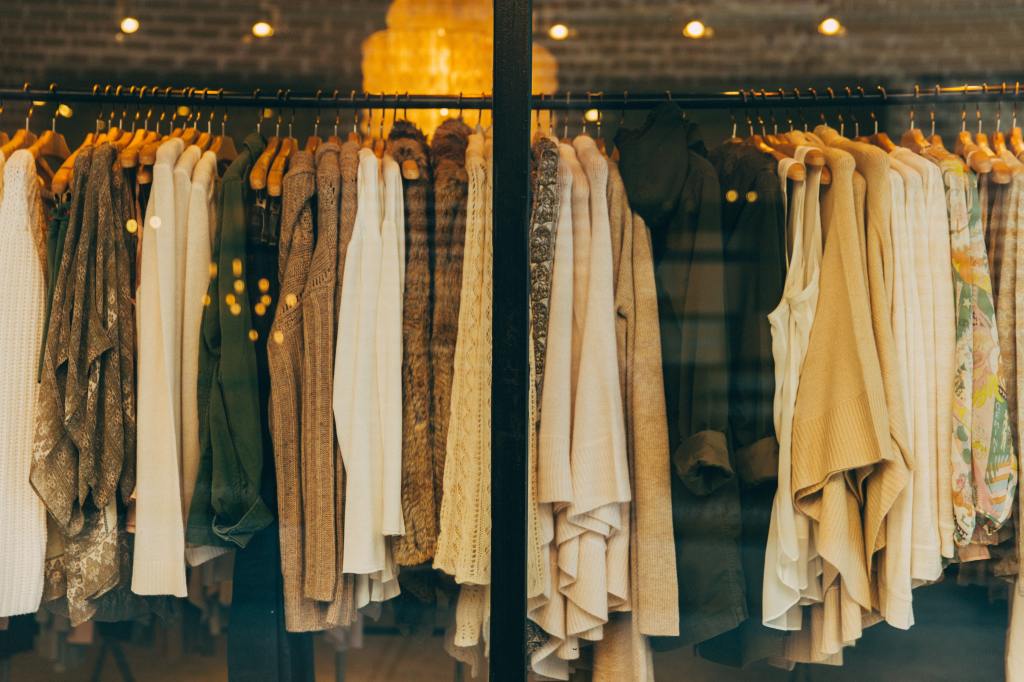
Is there any better feeling than throwing on a brand new outfit that shows off all of your favourite features? Sourcing some new clothes can be a brilliant way to boost your confidence levels, as wearing a different outfit from your usual comfort zone clothing can help you to feel head and shoulders above your previous self. Stepping outside your comfort zone is where the magic really happens, so spend a day at your favourite shopping mall or online shop and try on/view a variety of different outfits that you love but wouldn’t usually wear. It can be hard to love your body shape and yourself, so take time with this.

You’re bound to find numerous different outfits that you feel more than confident in, especially if you grab those pieces that you wouldn’t usually consider or that you know flatter you! There are so many different places to buy clothing so don’t fret if you don’t have a shopping mall nearby – simply check online and you’ll be able to source countless different shopping platforms filled to the brim with beautiful clothing that you can order for delivery straight to your door! 

Transform Your Smile 

It’s fair to say that your smile is probably one of your most notable features, as it’s a way of greeting someone new, someone you respect or someone you love. Your smile is the first thing that a person is likely to notice about you too, so if you don’t feel confident about your smile, you may choose not to put on a happy expression in any situation.

This can discourage people from wanting to approach you, which will no doubt send your confidence levels even further down, so improving your smile is a sure fire way to feel better about yourself! Invisible braces are one of the easiest and most effective ways to realign your teeth, whereas professional whitening can get rid of discolouration and staining.

No matter what kind of dental treatment that you seek out, make sure you find the best cosmetic dentist to carry out your procedure. You don’t want to risk ruining your smile, so read reviews and check for certifications beforehand.

Practise self love and compassion

Its important to boost your confidence by giving yourself some love too! Work on your mindset, say positive affirmations, learn to love yourself and write a list of your best attributes. Ask friends what nice things they would say about you and keep it in a notebook for those low confidence days! If you find it hard to love yourself or be kind to yourself, reach out to a therapist or coach who can help you to work through confidence and self esteem issues.

This article was written by a freelance writer.

Mental Health, Low Self Esteem, Body Image and Fashion.

(image: Freestocks at unsplash)

Fashion is a powerful force. It has the ability to make people feel confident, empowered, or at its worst horrible about themselves. It can have a positive impact on mental health and self-esteem if you find something pieces that make you feel good about yourselves. On the other hand, fashion can also have a negative impact on self-esteem and mental health if you’re constantly exposed to images and messages that make you feel inferior or unhappy with who you are. Especially with the inward turn of the pandemic, its hard for people to feel happy and confident about themselves.

The Psychology of Fashion

Fashion is a multi-billion-dollar industry and a big part of many people’s daily lives. It’s a subculture that’s easy to invest in. And, like any other trend, fashion comes and goes, so you’re always in control of how much you invest in it. The psychology of fashion reveals the different aspects of how fashion impacts people’s self-esteem. From the way people perceive others based on the way they’re dressed, to how people present themselves to the world by choosing outfits, fashion has a strong psychological effect on everyone.

Body Image

Our bodies are such an important part of life, and it’s normal to have some insecurities about them. Still, as you grow older, many people struggle with body dysmorphia or an unhealthy obsession with one’s appearance. Constant exposure to images of other people’s bodies that are unrealistic and unattainable can be harmful to your self-esteem, especially in young people who are still forming their self-image. This can lead to eating disorders, body dysmorphia, low self esteem and depression and anxiety. Looking at images of gorgeous models wearing clothes you can’t afford or fit in can makes you feel left out or confused. It’s fun to keep up with trends, but try to avoid getting stuck in a rut of hype culture.

(image: Hannah Morgan at Unsplash)

So what should I do?

You can’t ignore fashion and societal trends- but it’s important to not let fashion (or what is popular to wear) become something that defines who you are. It’s a fun accessory, something you should do for enjoyment, creativity, and confidence. For people who have found themselves struggling with their mental health due to the psychological effects on body image, it’s important to seek help. Talk to your friends and family members, or seek professional help if you need it. There are many ways to find happiness in style- whether you’re into vintage clothing, a specific designer, or a particular style like athleisure. You can read blogs with good recommendations, and wear things that you love, like that pair of perfect trainers or Men’s Off-White Hoodies. There’s something for everyone, and it’s important to have fun with it!

Fashion and societal expectations of how one should look can have a big impact on mental health, so it’s important to be mindful of it. It is also hard to be bombarded with negative messages on body image via social media. The body positive movement has sprung up because of this narrative- showing curvier models and embracing your flaws as beautiful.

There are also many ways to wear your favourite clothes in a way that makes you feel good about yourself, without negatively impacting your mental health. Focus on what makes you feel like the best version of yourself!

This article was written by a freelance writer and contains do follow links.

What It’s Like To Go Through Severe Depression as a Bipolar Episode: Looking Back by Eleanor

(image of Eleanors book Bring me to Light: Eleanor Segall/ Trigger and Welbeck publishing)

TRIGGER WARNING- DISCUSSES SUICIDAL IDEATION, SELF HARM AND BIPOLAR DISORDER. PLEASE READ WITH CARE

This weekend, I went home to my mums to celebrate the Jewish festival of Pesach (Passover) and have some quiet, family time. It was wonderful and because our religious laws mean we don’t use the internet, our phone on our festivals, it meant I had time for digital detoxing and switching off. But with that silence, came space. To think and reflect.

Something you may not know about me is that as well as being a writer, throughout the years I have been a prolific diary (journal) writer. The act of putting pen to paper and type to keyboard has always been therapeutic for me in my darkest moments. I found a diary I had written in 2013, when I was living with depression, suicidal ideation and self harm thoughts and actions.

The journal was covered in butterflies- always my symbol of hope. I don’t want to trigger anyone so I will say this carefully- essentially, I was so unwell that for me, my symptoms were: sleeping until the afternoon with a slight break for a meal or tablets, not socialising, finding it hard to wash due to increased anxiety and lethargy, feeling like I didn’t want to wake up the next day and wanting to harm myself in various ways- but being so frightened by these thoughts (because i knew they weren’t really Eleanor) that i had to vocalise them to my family and psychiatrist to keep myself safe. Thats what I did and its why I am still here today, in recovery.

I lived with this depression for about 6 months- my psychiatrist was encouraging me to try Lithium to stablise the bipolar but I wasn’t ready and wanted to see if Quetaipine could halt that. As we know, I became hospitalised for mania soon after in 2014 which led me to recovery and writing my book Bring me to Light.

When you live with an illness like bipolar disorder, you can sometimes forget the nuances of all the details of how you were when you were unwell. For me, I always felt that I handled the depressive episodes ‘better’ than the mania- just because I was able to keep myself as safe as possible by telling my family and doctor and changing medication. My psychiatrist had to come out to see me at home with a nurse as I was so unwell and I wrote out how I felt for him to know.

So many people live with terrible episodes of depression so this blog is just looking back and giving you some knowledge of how it manifested for me. Essentially, depression is a slowing down of the mind towards inactivity, darkness, misery, anxiety, agitation and it is often triggered due to changes in hormones and brain chemistry (if you have a family history its more likely to happen). Depression is not just low mood. Its paralysing. Its not wanting to be in the world and being in so much emotional pain. You may think of ways to harm yourself and you may dream of not being in the world. Or you may be ‘high functioning’. I somehow managed to go to friends weddings during this time despite spending the other days in bed til 5pm- I have no idea how- anti depressants and support helped greatly. However, my depression was dark and invasive.


Now, I had forgotten a lot of these finer details. For me, I never truly wanted to die- I wanted the uncontrollable bipolar to go! The suicidal ideation was my bipolar brain chemistry but also an expression of not coping with life and the bipolar moods I had been given- I was 24 and I couldn’t enjoy life- i was wracked with anxiety too. My mental health was fragile and unstable and it is no way to live- but what saved me, was being hospitalised and finding medication and therapy that has helped me to live in remission (thank God) for 7 years now.

I can say now that my brain chemistry is balanced and even if i ever get sad or frustrated, I don’t have those awful thoughts and if they ever come up, I can deal with them. I have such a supportive partner and family- my family and psychiatrist saved me as well as me trying to save myself- I frightened myself with my thoughts and I had some semblance of being able to keep myself going, which is not possible for everyone. It helped that my Dad has bipolar and could really understand what was going on for me too- he understood exactly how I was feeling but he knew it was the illness and not Ellie. I feel so lucky for that because not everyone has this. My mum, step dad and sister and wider family also were so supportive and never blamed me for being unwell. That helped too. My faith also has helped me dearly,

(Me at 25 when I was going through depression. This photo was a selfie taken when I was dressed up to go to a friends wedding and my sister had done my make up. There were no photos with messy hair or red eyes and tears. I never looked this good when I was in bed til 5pm most days in my PJs).

If youve got this far thank you for reading. My mission is to help others with these conditions feel less alone, through sharing my own experiences. I have been careful not to reveal what certain thoughts were here so I don’t trigger anyone.

If you live with depression and a host of other issues, you can recover again. Hold on. You will not feel like this forever and you can find a level of happiness and stability again. Reach for help, someone you trust, a help line, a psychiatrist and don’t give up.

Surviving Trauma Makes Relationships Difficult. Self Compassion Can Help: by Taylor Blanchard

(image: Unsplash)

You sabotage your relationships when things feel too calm.

You panic when your partner goes on a family vacation, believing that they’re leaving you forever.

Perhaps you can’t stand hugs or gentle touch.

Maybe you’ve wondered to yourself: “What in the world is wrong with me?! Am I just not cut out to have close friends or a romantic relationship?”

Actually, that’s not the case! You deserve close relationships– everyone does. If you resonate with these scenarios, though, you may have some unprocessed trauma– and that trauma may be making your relationships feel like a rusty, ungreased wheel.

You’re not alone. Here’s how trauma can blow our relationships off-course, and also, how self-compassion can help to ease that struggle.

Trauma Creates Hypervigilance

Trauma is any incident that overwhelms your ability to cope (abuse, neglect, or surviving a natural disaster, just to name a few examples). These abhorrent experiences cause our brains and bodies to swirl with cortisol, also known as the stress hormone.

After a seriously traumatic event (or relationship or childhood), our cortisol levels don’t always return to baseline. Often, the nervous system creates a new baseline of heightened stress response. In short: you don’t go back to being as calm as you were before the storm. Now, you’re hypervigilant all the time. You’re always stressed, always scanning for the next attack.

Unfortunately, relationships can’t be created without vulnerability, and vulnerability can’t happen if you’re constantly scanning for attack.

You might be hypervigilant in your relationships if:

  • You feel uncomfortable, fidgety, and unsafe during social situations
  • You constantly micro-analyse everything other people say to make sure they’re not going to hurt you
  • You constantly micro-analyse everything you say to make sure you don’t say anything “wrong”

Aversion to Intimacy

Trauma, and the excess cortisol it triggers, also creates an aversion to physical closeness. When we’re stressed  (i.e., when our cortisol is on full blast), our nervous systems naturally resist being touched.

Do you find yourself shrinking away from hugs? Do you feel an urge to run away when someone gently touches your arm? That’s likely a trauma response.

Of course, if you’ve experienced assault or physical or sexual abuse, this is a double whammy. Since your trauma came from physical touch, your brain has registered any physical touch as dangerous– on top of your increased baseline level of cortisol. Of course you’d feel sick at the thought of a hug! If this sounds like you, go extra easy on yourself if you struggle with relationships; this struggle isn’t your fault.

So, This Sucks… How in the World Do I Heal?

Yes, it sounds bleak. If this is you, you may feel hopeless. I’m with you; I’ve been there. It’s not hopeless, though. This is healable.

Therapy: Do I Even Have to Say It?

Yes, healing this will probably require trauma-informed therapy. You’ll be surprised at how fast you can begin to shift once you see a therapist who validates your traumatic experiences.

Here’s a hint: Psychology Today’s find-a-therapist tool can help you easily find a trauma-informed therapist. (Make sure to select “trauma focused” under the “types of therapy” menu.)

Now That That’s Out of the Way: Self-Compassion Comes Next

I’m 100% serious when I tell you: you deserve to go easy on yourself.

I say this with firmness, and yet, I forget to go easy on myself most days. Regardless, it helps immensely to stop comparing your relationships to other people’s relationships (both friendships and romantic relationships!).

Yes, it may likely take you longer to learn how to develop lasting relationships, both friendly and intimate. It may seem unfair that making and keeping tons of friends, as well as a life partner, comes so easily to some, while you’re struggling to simply text one person back.

Know what? It is unfair. You shouldn’t have gone through the trauma that you went through. What this means, though, is that you can recognize that you face more relational setbacks than someone who didn’t suffer the same trauma as you did. You’re starting further behind with a ball and chain tied to both feet.

Thus: you can stop comparing, and you can stop feeling like you’re “behind” somehow. Always try to recognize even your tiniest victories, even and especially the challenges which seem “easy” to other people.

Wrapping Up

Relationships make our lives juicy and sparkly, and so, if trauma has impacted your ability to form relationships (I’m with you!), then you’re probably struggling.

Try your best to go easy on yourself. You’ve been through a slog of painful experiences that, unfortunately, can make life on Earth feel like walking straight uphill all the time. Therapy helps. Self-compassion helps.

And yes, I know it’s tiring, but there is help for you out there. Just keep going.


Taylor Blanchard is a freelance mental health and wellness writer for hire. Her lived experience and extensive knowledge on mental health, emotional wellness, and spirituality guide her to create deep, compassionate blog posts, which she hopes will help people to feel less alone in the world. Self-care for Taylor looks like staring at the sky, drinking cacao while listening to metal, or cuddling with her rescue Pitbull mix.

15 Ways to Turn Your Home into a Self Care Sanctuary: by ImproveNet

Mental health plays a critical role in our lives, and self-care is an important aspect of our mental well-being. Self-care encompasses any activity we undertake to improve our emotional, mental and physical health. 

Make Your Home a Calmer Place

  1. Declutter and organize; donate or throw out what you don’t need
  2. Paint walls with calming colours — blue, green and pink are peaceful
  3. Cover walls with your favorite artwork, photos or inspirational posters
  4. Welcome plants into your life; greenery helps us feel more relaxed
  5. Light candles with soothing scents: lavender, citrus, pine, vanilla, jasmine
  6. Add essential oils to a diffuser; valerian, lavender, jasmine relieve anxiety
  7. Open blinds to natural light, purchase warm-toned bulbs, add dimmers
  8. Purchase soft, comfortable bedding to make you feel cozy and protected
  9. Weighted blankets have been proven to help ease stress and anxiety

Make Yourself More Comfortable

  1. Dress comfortably at home; PJs, a robe or cozy socks are relaxing
  2. Give yourself a home spa treatment with face mask, cooling gel, etc.
  3. Enjoy a long soak in the tub; add Epsom salts to relax muscles 
  4. Take care of your skin by exfoliating, dry brushing and moisturizing 
  5. Consider meditation, deep breathing or yoga to decrease stress
  6. Get plenty of exercise at home: stretch, dance, run on a treadmill

94% of Millennials reported making personal improvement commitments in 2015. Compare this with Boomers at 84% and Gen X at 81%. 

This guest blog and infographic was created by ImproveNet.

Self Care Tips for 2020: Guest blog by Anthony L.

selfcarepex1

(image: Pexels)

Now that we are well into 2020 and the landscape seems to be changing every day. Social distancing, quarantine and pandemic are words that would have been foreign in the beginning of 2020 but have now become the new normal. Even though things are changing and it is easy to feel frustrated and disappointed, try to reflect on ways to care for yourself, no matter what the remainder of the year brings because self-care is one of the most important things you can do for yourself.

Set a routine

It is important to maintain a routine even though you might be staying home more than ever. Even though it might be tempting to stay in pajamas all day and wait to eat breakfast until the afternoon, sticking to the smallest parts of your old routine such as getting dressed and putting on makeup in the morning can give you that jolt of motivation you need.

Make sure to be intentional about planning your day and what you want to accomplish by setting a routine to stick to. Include time to get dressed, work, cook meals, do housework and some time for hobbies and leisurely activities that you enjoy (even if the way you do those things has changed a bit). 

Change your spaces

One of the primary areas that can fuel your energy and attitude are your surroundings. When being stuck inside all day, it’s easy to lose motivation in the same space you function in every single day. Enlighten yourself by shaking things up. Add some new decor or declutter and organize your home or apartment. With all of the additional time on your hands, it’s the perfect opportunity for some much-needed change. 

Start with a room you normally spend time in or one that you don’t. Begin by going through every item within and get rid of things that are no longer valuable to you. Then, re-organise what you plan to keep into a designated home. After you have re-organised everything you own, completely change your scenery. Get out of the house for some fresh air by taking a walk around your neighborhood or going for a drive.

Check up on your finances

Now that you may have more free time at home, it is a good time to check up on your finances. Start by setting a new budget to account for the changes in your lifestyle. For example, if you are spending less on gas and parking to commute to work but are spending more on grocery delivery, make sure to be mindful of this on a monthly basis. This is also a good time to tackle some financial goals you may have had but never got around to doing before.

For example, a good way to secure some peace of mind during uncertain times is to shop for a dependable life insurance plan if you do not have one yet. Purchasing a life insurance plan is a responsible money move to make and gives you and your family added protection. Sometimes it can be difficult to navigate the space of life insurance, which is why it can be an easy task to put off. If you find the right tools to simplify the process, however, the task becomes much more manageable and doing so during these uncertain times can be a good way to relieve some overarching stress you may have about finances. 

Try out a new hobby

When being at home and in the middle of balancing work and personal life, it can all easily blend together. One way to prioritize your “me” time is diving into learning a new hobby that you have always wanted to try but never had the time to do. Finding something new to explore is the best way to do something entirely for yourself. Whether it’s learning a different language you always wanted to learn or learning a new recipe, now is your time to begin. Watch YouTube videos with step by step instructions of recipes you want to try, or download a language teaching app, such as Babble.

You could also make a new fitness goal for yourself. Maybe try yoga, pilates, weight-lifting routine, or running. Exercise is the perfect outlet to investigate because it will contribute to a positive mind, body, and soul.  

Get creative

Being creative can look different to everyone. For some, this might strictly mean doing arts and crafts. However, there are several other platforms and actions that rely heavily on your personal imagination—for example, knitting, singing, painting, designing, doing puzzles, photography, scrapbooking, playing an instrument, sewing, gardening, upcycling, and more. 

Whatever leisurely activity you love becomes your outlet to be creative. When you do something you enjoy, your mental wellbeing benefits. Experts suggest that by being creative, you are able to submerge yourself within that task and distract your mind from anything that might have been bothering you. You ultimately manipulate your brain into a meditation-like state. Your heart rate decreases and your mood will be boosted because your brain releases something called dopamine. Also known as, “the feel-good chemical.” Without even knowing it, you’re putting your mind at ease while doing something you love during these uncertain times. 

Manage expectations

During these unpredictable times, it can be easy to think about plans you may have had that you have had to change or cancel. Thinking back to these events can lead to disappointment. This is a completely normal feeling, but remember to try not to dwell on the disappointment. Because the times have changed, it is important to change your expectations as well and try your best not to get hung up on the things you can’t control.

For example, if you are now working from home, don’t try to compare your current productivity to your productivity prior to the pandemic. Or if you are a parent now teaching your children at home, you don’t need to be keeping them engaged at the same pace as their teachers in school do. This is all new, uncharted territory and adapting to this new way of life will take time and patience. If you don’t manage your expectations, you set yourself up for disappointment so try not to be overly critical of yourself.

Keep an open line of communication

During stressful times, it is helpful to keep an open line of communication between friends and family. Even though you might not be able to be physically present in each other’s lives, you can take advantage of the technology that we do have to keep in contact with them. Group FaceTime, Zoom and virtual fitness classes are just a few ways to stay socially connected to help your mental health while being quarantined. If you find that you are particularly struggling, remember that most doctors are offering telemedicine so you can still keep appointments and talk to a professional who can help if you are overwhelmed.

Even though there is uncertainty regarding what the near future will bring, there are certain things you can do to minimize stress surrounding this uncertainty. Remember to take time each day to care for yourself to benefit your overall mental wellbeing.

This guest blog was written by writer Anthony L, promoting self care and mental wellbeing.

How to Protect Your Mental Health During the Pandemic: by Mary Davis

hydrangea

These days of the coronavirus pandemic are filled with anxiety and fear unlike anything else we and the world has experienced since World War II. It’s important to stay in tune with yourself and remember it is okay to not feel totally well and to be feeling more anxious. 

Here are some ideas to help your mental health during the pandemic: 


Get moving

You’d be surprised what physical activity does for you, both in terms of physical health and mental health! In terms of mental health in particular, it can help decrease anxiety and improve moods. While gyms and studio classes are closed and it is easier than ever to get an effective exercise in with guided tech at home, now is a great time to become familiar with fitness apps. There are many different ones to choose from: you could try the 30 day fitness challenge app for example to get into a new routine and find the perfect guided workouts work for you! Whether its workouts, barre, or even taking the stairs more, try to move as much as you can. 


Try meditating, mindfulness or prayer

Finding stress management techniques that resonate with you is crucial as stress is an inevitable part of life. The ideal time to start up a mindfulness practice is when times are good so that you have established a practice in times of stress, but it can still be incredibly powerful if you are starting out now!

Just remember to be patient with yourself. There are a lot of practices out there, such as meditation, mindfulness, and prayer, so you have options. If you are unsure of where to start, start with daily deep breathing exercises. 


Avoid alcohol 

Avoid or at least monitor alcohol intake in times of high stress in order to protect your mental health. Alcohol is often used to ‘self-medicate’, but while it can release endorphins in your body, it is classified as a depressant. It significantly impacts your central nervous system, and in times of stress you want to be in tune with your body and paying extra care to your nervous system rather than confusing it. 


Seek a therapist and do appointments via Skype or Zoom

Seeking help is a sign of strength! If you need help or need professional support as you work through stress and/or anxiety, seek a therapist. Many therapists do appointments via Skype or Zoom and if you find one in your area, you can transition to in-person appointments when possible. 


Practise self care

Self care looks different for everyone, and finding what makes you feel good and content is so important. Try cooking, at-home facials, taking extra time on your skincare and giving yourself a face massage, baths with Epsom salts, and quality sleep. 


selfcareself1

(image: Samantha Carbon)


All of these things can contribute to healthy living and can help us get through the pandemic. They are also great habits to incorporate into your lifestyle to continue caring for your body and mind. 

This guest blog was written by freelance writer, Mary Davis.

The Road to Recovery: On PTSD, Trauma and the Future… by Eleanor for Mental Health Awareness Week

Trigger Warning: sexual assault, details of assault and severe mental illness

Hi everyone,

Its been a while but I thought I would put type to keyboard and write a blog for more mental health awareness.

Since my book was published, I haven’t written many follow up personal blogs, purely because the launch of my life story into the public domain felt overwhelming and scary. 6 months on, I am used to it being out there but I have been working hard in EMDR trauma therapy to help myself.

See, the truth is that right now the Bipolar Disorder for me is stable and under control on my medicines. I still get side effects- weight gain, dry mouth and thirst, but my mind is generally healthy in terms of the Bipolar- no mania or depression. Anxiety and panic yes but Bipolar, not really at the moment.

Yet, almost lurking unseen after I left hospital in 2014 and began my recovery was the fact I was traumatised by my experiences of going into psychosis (losing touch with reality via delusions, false beliefs) and my experiences when being sectioned. I will just give an overview as the rest is in my book- but this included- being restrained, being attacked by other patients and seeing them self harm, being injected with Haloperidol (an anti psychotic) in front of both male and female nurses in a part of the body I didn’t want, being chased round A and E by security men in genuine fear of my life, dealing with lawyers and going to tribunals while ill, thinking I had been abused by family and was locked up by a criminal gang and fearing my family were against me. My bipolar mind could not cope.

Just before this all happened, I was very vulnerable and was sexually assaulted by a man I knew through friends and all of this trauma stayed with me.

I did what most of us with severe mental illness and assault survivors do- I tried to rebuild my life. I tried to work in schools helping children with special educational needs. I tried to work for a mental health charity as a peer support worker for people like me. I began to blog and write and share as therapy- from charities to national newspapers. Bit by bit, as I wrote out what I has been through, I started to slowly heal. But, the symptoms of the extreme panic remained. I lost jobs because of it. I became depressed. I started dating but I often had to cancel dates- (before I met Rob, my husband who listened to me talk about it all and didn’t bat too much of an eyelid.)

I was in a state of flux, a state of transition. I knew I had trauma still living in my brain and body. I had been physically and sexually assaulted, I had been mentally violated- I had been sectioned twice in a few months and now I was sent home to try and rebuild my life as a 25 year old single woman.

I share this important blog, not to share that I am a victim- because I am not. I want to share that I believe for about 5 years, I have been suffering with some of the symptoms of Post Traumatic Stress Disorder (PTSD). My therapist believes the same.

The panic attacks that grip me with fear before work or the day ahead when I have to leave the house. The fear of going out or travelling at night alone. The fear of being taken advantage of and having to trust men again (thank you to my husband for helping ease this pain). The fear of exploitation, of losing my mind, of not trusting mental health professionals any more.

My panic attacks get triggered by certain events- it could be having to speak about my life or book, or seeing people I don’t feel comfortable with, of feeling exposed, of worrying about others judgement. I am still healing from all I have been through and experienced. The PTSD means that I have to take medication (Propranolol) to function sometimes. It means that I experience flashbacks in my body- I feel gripped with fear, I get chest pain and shallow breathing and I start to cry. I had one the other day at 4am….. thank the lord for meds so I could calm down and sleep.

My therapist is incredible and we have been working since October to process the roots of my trauma and panic disorder. We use a combination of rapid eye processing with talking therapy which helps to tackle each and every trauma- and we are still at the tip of the iceberg. It takes time to process the deep rooted experiences in my brain- we are getting there slowly.

For me, in many ways my future is uncertain. My medicines have long term physical side effects. Motherhood will be more of a challenge due to medication and my mental health- I am still processing the choices I will have to make, which I will write in another blog.

I want to end this blog by saying- if you know someone with anxiety, PTSD, another anxiety disorder or something like bipolar or schizophrenia- Be Kind. You never know what someone has gone through.

The NHS waiting lists for help are too long, services are too underfunded- all my treatment has been private provided by my family due to being stuck on a list for years. I am lucky, not everyone is. 

I hope this blog gives some information about my experiences of PTSD since leaving hospital 6 years ago. It is by far the most personal thing I have posted since publishing my book but I hope it helps you feel less alone.

Positivity and Hope are key.  Meeting my husband and my therapist changed my life for the better as I slowly rebuild and find an equilibrium again.

Love,

Eleanor x

My crippling Anxiety once floored me. Now I wouldn’t be without it : Guest blog by Emma Johnson at Worry Knot Jewellery

emmajohnson2

(image: Emma Johnson at Worry Knot)

Trigger warning: talks about self harm, anxiety, depression and mental illness 


For 10 or so years, throughout adulthood, I have battled on and off with something invisible and something I still don’t fully understand myself.

Generalised Anxiety Disorder. 

I’m now 29 but my illness started at about the age of 21. In my third year of University, I started to dread things, I started to worry about everything I said, did and I started to question if anyone liked me. I have always been apologetic but this was different. I felt like apologising for walking into a room. 

I was unable to switch off, unable to focus on my University work and I withdrew a lot socially. Life moved quite slow back then. 

For me I knew this was out of character. I’ve always been fun loving and outgoing, with a smile on my face. I became confused about who I was. I developed an uneasy feeling that would take almost 8 years to learn to sit with.

During the first few years of my disorder, I definitely still achieved a lot. I often feel my disorder makes me thrive more, sort of like overcompensation, a little bit like proving people and myself wrong. I graduated with a BSc in Psychology and at the age of 24, I went on to gain my MSc in International Development.

I don’t think I truly recognised these achievements until about the age of 27. 

Whilst studying my MSc life changed quite a lot for me. I had gone through a bad break up in my younger years but then I finally met someone who lifted me back up, who challenged my thoughts, someone who was completely different to me in every way. This was oddly comforting for me, a bit like escapism from my own ruminating thoughts. 

Then I entered the world of professional work. I started out as a fundraiser, and in my most recent role I tried my hand at facilitating group therapy. In 5 years I have moved through 4 jobs within the charity sector. Sometimes part time.

During this time my anxiety disorder would often become too much. I often sunk low and developed bouts of depression. I would cry and sob. I was back and forth to the GP, often teary, often red in the face and always a bit embarrassed, even though I didn’t need to feel embarrassed.

At one point I was signed off sick from work, bed bound for 3 months, with no motivation at all, just me, myself and my catastrophic thoughts. I was pretty exhausted, shaky, drained and more confused than ever. My physical symptoms manifested as sweating, chest pains, palpitations, shortness of breath and the odd panic attack. 

One thing I started to do was open up, I began to share things with my partner and colleagues. They let me cry if I needed and at the same time my GP was stabilising and finding the right medication to suit me. But I was clearly still unwell.

I quit another job I enjoyed through my inability to cope and my lack of self esteem. My Imposter Syndrome led me down another uneven path.  Always overworking. Always overthinking. Always overcompensating. I didn’t slow down until I was forced to.

Another behavioural symptom of my anxiety is skin picking and nail biting. In early adulthood I would sit for 3 hours picking at my face and over the years I have made the skin around my thumbnail so sore it would bleed. It is now scarred.

My need to fiddle with something to ease anxiety is always apparent. Earlier this year, I was talking to my friend about making jewellery and how cool it would be to make my own. I have always been into accessories, fashion and jewellery so I said I’d love to make something I can wear and carry with me discreetly but also fiddle with, to stop me from picking so much. 

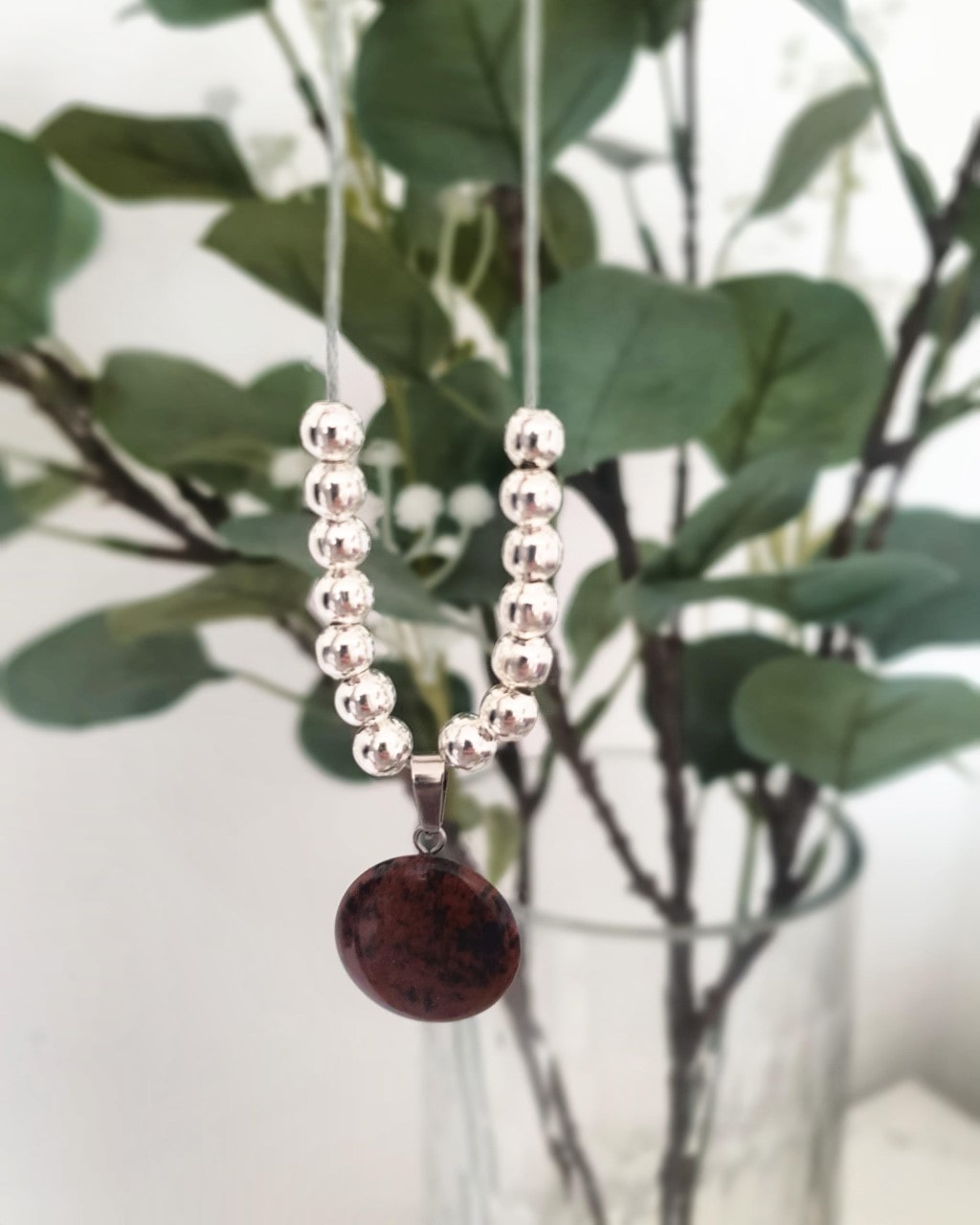
She mentioned worry beads and I was intrigued. I wanted to make my own twist on them. A prettier version, merging them with jewellery design that I would more likely wear, so I did and my life has changed. I have started a small business called Worry Knot.

necklace1

(image: Emma Johnson at Worry Knot)

Alongside selling calming jewellery, I’m blog writing. I’m advocating more widely about the importance of opening up when confusing and sometimes debilitating symptoms develop. Not only is it therapeutic for me to make my jewellery but it’s extra therapeutic playing with this jewellery a few times a day. 

Having something to focus on, things to make and to write about has been crucial in managing my own anxiety, especially at such an anxious time for the world. I hope my jewellery can go on to help those feeling anxious not only now but going forward into the future too.

emmajohnson1

beads

(Images: Emma Johnson)

For more information please visit:  www.worryknot.co.uk and instagram.com/worryknotuk

You can also find me @worryknotuk on Facebook and Instagram.


Emma Johnson is a writer with lived experience of mental health issues. She is the founder of Worry Knot, a jewellery brand to help others who have anxiety.    worryknot


Stuck in Self-Isolation? Here Are Some Simple But Useful Home DIY Projects: Guest blog by Brandon Smith

firefly2

(image : Paper Mart Blog)

With the world in turmoil right now and lots of cities across the world closed, many of us are stuck in self-isolation at home. Why not start a DIY project?

With the sun coming out quite a lot over the last few weeks across many parts of the UK, and government guidelines only allowing limited travel, now is the time to make use of being at home.

Not all B&Q, Homebase and other hardware outlets are open across the country, but most companies offer online delivery of any product you would need to buy for a project. 

Why not also involve some of the people who live with you? If you have small children and you’ve decided to spruce up the garden, then why not place a table outside so they can paint their garden while you work on yours?

Here are some simple home DIY projects you can do while at home under lockdown:


Make a Sharpie Mug

This is a quick and easy one for the children. Buy a handful of plain mugs from your local supermarket, along with a few Sharpie permanent markers (choose different colours if you like). Then, draw or write your design on the mug and pop in the oven at 175oC for 30 minutes. Once cooled, your self-made mug is yours to use and keep!


fence1

(image: Pinterest)

Paint the Garden Fences

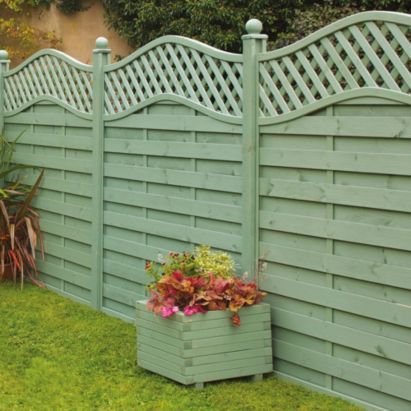
It’s usually a job left until the Summer, but getting outside in the Sun is good for vitamin D levels and being in the sunlight helps to boost our mood and immune system. Painting the garden fences is a simple DIY project, but once you’ve completed it the satisfaction looking at a job well done and ticking off another box on your list of Summer jobs is sure to make you feel better about being indoors.

 Simple Custom Shelves

You don’t need a fancy kit when it comes to building some shelves indoors. All you need is some wood, brackets, a saw and a cordless drill/driver. This is a one or two-person job, and it won’t take you all day, but putting up some shelves will help with storage (whether in the kitchen, living room or bathroom). Be sure to use the right tools for your project! If you’re unsure about saws and drilling, there are many resources such as hints, tips and full guides available online.

Mosaic CD Mirror

Want to add a bit of a wow factor to a mirror in your hallway? Take an old mirror or order a cheap one online (eBay or Facebook marketplace usually have some) and put a frame around it that has a good 3 to 4 inches space. Then, cut up a bunch of old CDs (preferably ones that don’t have lots of scratches on them) with some plastic scissors or toughened kitchen ones, cover the pieces with glue (like Copydex you used in school) and stick them to the frame. Once it’s done, you’ll see an abundance of colour and reflections when it’s on the wall.

Firefly Night Lanterns

The is super simple, and the kids will love them. You should order the following from your favourite online retailer:

  • Glow sticks (one for each jar)
  • Glitter
  • Large jam or marmalade jars (or use some of the empty ones in the cupboard)

Take a glow stick, cut the top off and empty the contents into the jar, then sprinkle in some glitter. Attach the lid and seal. Shake the jar so that all of the materials are distributed. Then, either close all of the curtains in your front room or wait until it goes dark outside, and you’ve got a night lantern with fireflies in. The children will love them.

Window Shutter Mail Holder

We don’t tend to use window shutters all that much in the UK, but they are common in the rest of Europe. You’d think that means they are hard to get a hold of, but used ones can be found on marketplaces like eBay. Once you have one, take the shutter and sand it down. Then, paint with whatever colour you want and allow to dry. Depending on the shutter, paint colour and type of paint used, you might need more than one or two coats.

Then, drill some holes in the wall and fix the shutter to the wall with raw plugs and screws. All of your mail that the postman brings can be put into the slots, and everyone can see who each letter is addressed to – a great way to show the children where mail can go when it comes in the post.


Body Pillow

If you have children, then you’ll be spending a lot of time doing fun things while at home. And, for many families, this involves some relaxing in the front room.

When shopping in one of the larger supermarkets, pick up some cheap pillowcases and stuffing, Or you can buy some pillows. If buying pillows, you’ll need four pillowcases and the filling from two pillowcases for one body pillow.

When you get home, lay out the pillowcases as you would if you were using them to sleep on: placing them next to each other on the floor to create a caterpillar. Fill the pillowcases with the stuffing or pillow material and stitch up the sides. Then, sew the pillowcases together to create your body pillow.


Being stuck at home all day doesn’t mean you need to sit there doing nothing or watching multiple episodes on Netflix while also feeling bored and drained. It’s important to take control of your mental health and well-being and keep yourself busy with activities that bring comfort and joy. Try some of the DIY projects above and let me know how you get on.


Brandon Smith is an Editor at TheSawGuy.com – a woodworking & DIY resource for everything from comparing the best table saws and miter saws, down to home and garden project