Exploring The Health And Wellbeing Benefits Of Natural Foods by Ani O.

(image: free image)

Eating natural foods may seem intimidating, but it has countless benefits for your health. Not only are natural foods nutrient-dense, offering essential vitamins and minerals to give you energy throughout the day, but they’re also tasty! Incorporating these healthy choices into your meal plan is a great way to nourish yourself and your loved ones. With the right recipes, exploring the world of natural foods can be exciting and delicious – read on to discover why eating healthier doesn’t have to mean sacrificing flavour or comfort in the kitchen. 

The Health Benefits of Eating Natural Foods 

Eating natural foods can have a multitude of health benefits. They tend to be lower in calories and are often packed with vitamins, minerals, and other nutrients our bodies need to function properly. In addition, natural foods are less likely to cause inflammation in the body, which has been linked to a host of chronic health conditions. Beyond physical health, eating natural foods can also improve our mental health. Studies have shown that a diet rich in whole, natural foods can help reduce symptoms of anxiety and depression (sometimes in combination with other methods too). So why not swap out processed snacks and meals for fresh fruits, veggies, and whole grains? Your body and mind will thank you! 

How Natural Food Affects Mental Health 

When caring for our mental health, we often think of practices like meditation and exercise. But did you know what you eat can also impact your feelings? Eating natural, whole foods can positively affect your mental health. These foods are rich in nutrients like omega-3 fatty acids, magnesium, and vitamins B12 and D, all of which have been linked to improved mood and cognitive function. On the other hand, highly processed and sugary foods have been shown to contribute to feelings of anxiety and depression. So next time you’re grocery shopping, consider adding more fruits, vegetables, and lean proteins to your cart for a healthier mind. 

How to Find High-Quality, Natural Ingredients 

When it comes to finding high-quality, natural ingredients, it’s all about doing your research. Start with seeking out companies prioritizing quality over quantity, and avoid those trying to cut corners with artificial or synthetic additives. There are companies like Southtown Health Foods that provide natural ingredients. Look for products that use whole, plant-based ingredients and avoid those with preservatives, fillers, or other additives that can detract from the overall quality of the product. Talk to experts and read reviews to better understand what brands and products are worth your time and money. Above all, remember that finding high-quality, natural ingredients requires patience, dedication, and a willingness to learn more about the products you’re buying and the companies behind them. 

Easy Ways to Incorporate Natural Foods Into Your Diet 

Incorporating natural foods into your diet doesn’t have to be a daunting task. Plenty of easy and delicious ways to add more fruits, vegetables, and whole grains into your meals. One simple idea is to swap the white bread for whole-grain bread or try a wrap with lettuce instead. Another idea is to add some fresh berries or sliced bananas to your morning oatmeal for a sweet and healthy start to the day. If you’re a smoothie lover, throw in some spinach or kale for extra nutrients. By making small swaps like these, you can easily boost the nutrition of your meals without sacrificing flavor.


Tips for Making Delicious and Healthy Meals with Natural Food Ingredients 

Making delicious and healthy meals using natural ingredients can be challenging, but it’s worthwhile. By using fresh fruits and vegetables, whole grains, and lean proteins, you can create dishes that taste amazing and are great for your body. One tip is experimenting with different herbs and spices to add flavour without relying on heavy sauces or oils. Another is to meal prep in advance, making it easier to whip up a nutritious meal when you’re short on time. With creativity and quality ingredients, eating healthy can be tasty and enjoyable. 

The Environmental Impact of Eating Natural Foods 

Eating natural foods can have a significant impact on our environment. We support sustainable farming practices when we choose minimally processed foods grown without chemical pesticides and fertilisers. These methods prioritise soil health, biodiversity, and the conservation of natural resources. This is important because conventional farming practices often lead to soil erosion, water pollution, and the destruction of habitats. By eating natural foods, we can significantly decrease our carbon footprint and support a more sustainable food system. Natural foods often have higher nutrient densities, making them a delicious and nutritious option for our bodies and the environment. 

Exploring Different Types of Natural Foods and Where To Find Them 

You’re in the right place if you want to add variety to your diet and try new natural foods! There are many options, ranging from exotic fruit to leafy vegetables and everything in between. The best part? You can find these natural foods in several places, including your local grocery store, farmer’s market, or online. Shopping for natural foods can be fun as you explore new tastes and textures. So, if you’re ready to expand your palate and embrace the abundance of natural foods available, start exploring today! 

Eating natural foods is more than just a trend – its benefits can be felt in many aspects of life. It will improve your health (including mental health), the environment, and our planet. Natural foods can be beneficial for those trying to make healthier choices.

Plus, it’s fun to explore different types of natural foods, spices, and ingredients that you might not normally encounter in a traditional supermarket. Try cooking a new recipe with fresh, natural ingredients – your taste buds will thank you!

So go into the natural food world and get creative in the kitchen – you won’t regret it! 

Ani O. is a freelance writer and web enthusiast.

5 Effective And Healthy Strategies To Work Though Grief by Lizzie Weakley.

(image: Nick Hewing: Unsplash)

Losing someone dear to you can be emotionally and mentally draining, and at times, it can all feel overwhelming. Grief is a normal response to loss, and while it may seem challenging to find a way forward, there are several strategies that can help you work through it effectively and healthily. This blog post will look at five effective and healthy strategies that can help you work through grief, including counselling, self-care, and finding a support system.

Grief Counselling

Grief counselling is one of the most effective strategies to work through grief. At counselling, you can talk about your feelings, thoughts, and emotions about your loss, which helps you to understand your grief and find ways to work through it healthily. A counsellor can provide you with a safe space to explore your thoughts and feelings, learn coping techniques that work for you, and offer helpful suggestions to help you move forward. You could also consider joining a bereavement group, where you can listen to others and share your experiences of grief.

Self-Care

Grief can take a toll on your physical health, both emotionally and mentally. Practicing self-care is essential in helping you work through your grief effectively. Ensure that you take time to care for yourself by getting enough sleep, eating well, exercising, and engaging in activities that make you feel happy and fulfilled. Engaging in mindfulness practices like yoga, meditation, and deep breathing exercises can also help you feel calm and reduce anxiety.

Find a Support System

You don’t have to go through grief alone; surrounding yourself with people who care for you can help you manage and work through your grief healthily. You can find a support system in close friends, family members, or professional caregivers like hospice workers. The support system will offer you an ear to listen to, a shoulder to cry on, and will help you to continue with your day-to-day activities.

Journalling

Writing down your emotions and thoughts about your loss can be cathartic and helpful in working through your grief. Journalling helps you to identify and understand your feelings, and it gives you an outlet to express your emotions without fear of judgment from others. By exploring your emotions through writing, you can heal your emotional pain and find a way forward.

Seek New Experiences

The loss of someone or something dear to you can make the world seem dull and uninteresting. However, seeking new experiences can help you work through your grief. As scary as it may seem, engaging in new activities or pursuing new hobbies can distract your mind from your grief and help you get back to your normal routine. New experiences can offer you a sense of fulfillment, joy, and purpose.

Everyone grieves differently, but it’s vital to find a strategy that works for you and helps you work through your grief healthily. Grief takes time, and it may be a bumpy road, but with time, you can find ways to move forward while still remembering and loving the person you lost.

Hopefully these five effective and healthy strategies will offer some guidance to those who are mourning and trying to work through their grief. Remember that it’s okay not to be okay, and seeking help is a strength, not a weakness.

This blog was written by freelance writer Lizzie Weakley.

6 Small Things That Can Help You Manage Your Mental Health by Anita Ginsburg.

(Image: Unsplash: Gabrielle Henderson)

Mental health can be a difficult topic to address, but it is important for everyone to prioritise their wellbeing. There are many ways to manage your mental health, but sometimes the simplest methods are the most effective. This blog post will be discussing six small things that can help you maintain good mental health. These tips are practical, easy to implement, and can make a significant difference in your life.

Keep a Gratitude Journal

It can be easy to focus on the negative aspects of our lives and dismiss the positive. Taking a few minutes each day to jot down things that you are grateful for can shift your mindset and improve your mental wellbeing. Write down three things that you are thankful for each day before going to bed, and reflect on them at any time when you feel overwhelmed or stressed. This practice will help you appreciate the good things in your life and keep you motivated.

Take Breaks From Technology

Technology is increasingly becoming a significant aspect of our lives, and it is often difficult to disconnect. Technology is useful, but it can also be an additional source of stress. To promote good mental health, allow yourself to take breaks from accessing technology and spend more time engaging with people or relaxing in other ways. Read a book, meditate, or go for a walk in the park instead of scrolling through social media. Taking a break from technology can help you unwind and recharge.

Reach Out to Your Support System

The people who care about and support you can play a crucial role in helping you maintain good mental health. Reach out to those in your support system when you need reassurance, affirmation, or guidance. If your family or friends are not readily available, you can always seek professional support through counselling, therapy, or hotlines. Remember that it is okay to ask for help.

Engage in Hobbies or Activities That You Enjoy

Engaging in activities or hobbies that bring you joy can contribute significantly to your mental health. Find new activities or hobbies that you enjoy or rediscover old ones that you may have abandoned. Starting or continuing  collection is also a good way to get out of the house and devote your energy to something new, starting with stores like Go Earth Coins & collectables which have lots of options of things to start collecting. Being creative, learning new things, and experiencing novel experiences can help you feel more fulfilled and satisfied in life. You can also join clubs or connect with groups that share your interests to feel more connected and fulfilled.

Practice Self-Compassion

Being kind and compassionate to yourself should be a core aspect of your daily routine. Self-compassion means recognising your strengths as well as your self-improvement goals, acknowledging your mistakes without excessively criticising yourself, and treating yourself kindly. You can practice self-compassion in several ways, including speaking kindly to yourself, treating yourself to small gifts or experiences, and regularly complimenting yourself.

(image: Unsplash- Tim Mossholder)

Get Enough Sleep

Getting sufficient sleep is essential for both your physical and mental health. Make sure you get enough sleep and avoid stimulants such as caffeine and alcohol, especially before bedtime. Create a sleep-friendly environment, which includes having a comfortable sleeping space, a consistent bedtime routine, and establishing a relaxing bedtime routine, including reading books, taking a warm bath, or meditating to help promote restful sleep.

Good mental health is essential to a fulfilling life, and small things can make a significant difference. Start by implementing these six small things to promote your mental health, and other healthy habits will follow suit.

Remember, maintaining good mental health is a journey, and it requires practice. Take the time to look after yourself, and you will reap the benefits.

Anita Ginsburg is a freelance writer.

Tips For Finding The Right Psychiatrist For Your Needs: by Brooke Chaplan

(image: free image)

Mental health is just as important as physical health and seeking professional help can make a significant difference in one’s life. But choosing the right psychiatrist can be a daunting task. Finding the right person who understands your needs, and creates a treatment approach that suits you, can be overwhelming. In this blog post, we’ll take a look at some helpful tips for finding the right psychiatrist for your mental health needs.

Ask for Referrals (If Private)

Start by asking for referrals from trusted sources such as family, friends, or a primary healthcare provider if you are going privately. You can’t always choose who you get referred to on the NHS, if you live in the UK but have to trust your GP will refer you to someone good. It’s always a good idea to get recommendations from people who have gone through similar experiences and found a psychiatrist that was helpful to them. Additionally, you could check with your GP or local mental health clinic for referrals.

Check Credentials

Psychiatrists are medical doctors with additional education and training in psychiatry. It’s important to ensure that the psychiatrists you’re considering are board-certified in psychiatry, meaning they have undergone a rigorous training and certification process (in the NHS they will be certified). If going privately, check out their education, training, and professional experience to ensure they hold a reputable degree from a top-rated institution and possess the license to operate.

Consider Experience and Specialisations

A well-experienced psychiatrist would be more likely to handle specific issues than a psychiatrist who is new to practice. You’ll want to find a psychiatrist that has experience in treating the specific mental health conditions or concerns you may have. For example, if you’re dealing with anxiety, you’ll want to seek out a psychiatrist who specialises in anxiety disorders.

Insurance Coverage (For USA/ private insurance)

If you have private health insurance, check with your provider to see which psychiatrists are in-network to help out with the cost of treatment. You may also ask your psychiatrist if they offer a payment plan to make their services more affordable. If in the USA, If you don’t have insurance, consider seeking treatment at community health clinics that offer sliding-fee scales. If in UK, this is free via the NHS but can be a long waiting list, if you are not at crisis point.

Trust Your Instincts

Lastly, trust your instincts. You want to feel comfortable with the psychiatrist you choose, so it is important to ensure that their communication style and methods align with what works best for you. During your first appointment with a potential psychiatrist, pay attention to how the psychiatrist speaks, if they listen to you, and how they react to your concerns. It’s important to choose someone you can feel comfortable opening up to.

It’s important to take the time to find a qualified psychiatrist you feel comfortable with, to help manage your mental health. Referrals from trusted sources, verifying credentials, experience, insurance coverage, and your comfort are all important factors in selecting the right psychiatrist to suit your needs. By keeping these tips in mind, you’ll be more confident in your search for the right psychiatrist.

Remember, seeking help is a sign of strength, and a qualified psychiatric professional can help you feel better mentally, emotionally, and physically.

If you’re in the UK: check out`: https://www.rcpsych.ac.uk/

Brooke Chaplan is a freelance writer from the USA.

How Mental Illness Can Affect Our Coping Mechanisms.

(image: Unsplash)

Coping mechanisms are strategies that people use or develop in order to deal with, or avoid dealing with, difficult and stressful emotions or situations. Whilst some people may use exercise, a healthy diet or meditation as a way to process difficult feelings, it can be very easy to fall into unhealthy habits instead, especially if we have pre-existing mental health conditions.  

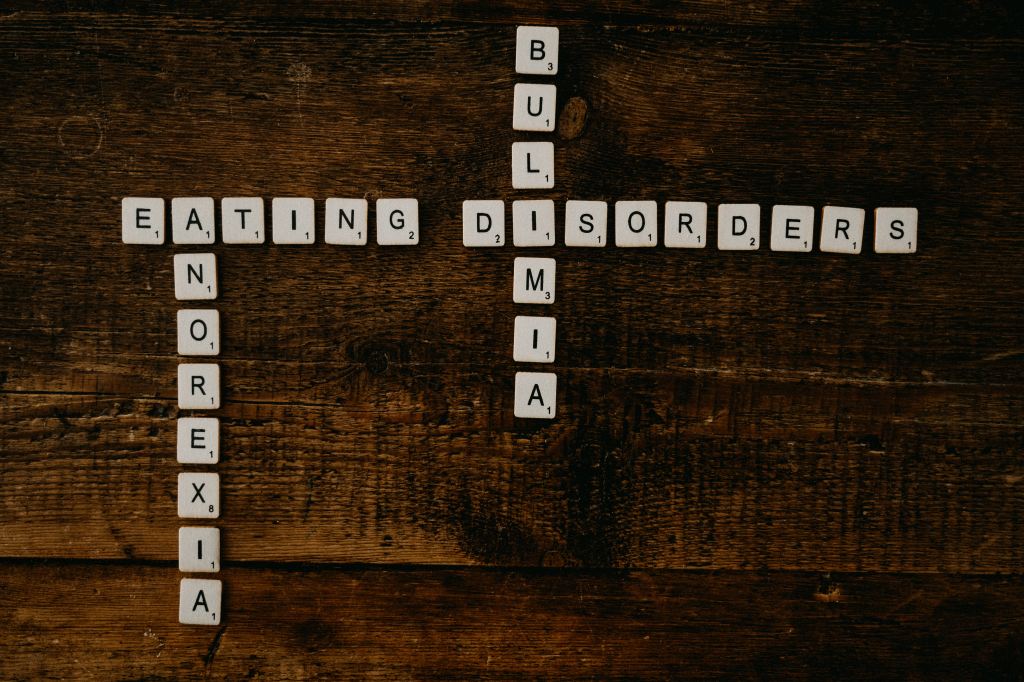
For example, those who have suffered with eating disorders may automatically fall back into restrictive eating habits or fall into a pattern of binge eating when life gets difficult. Whilst we can easily beat ourselves up for not ‘handling things’ in a healthy and productive manner, it’s important to remember that coping mechanisms serve an instinctive purpose. In times of stress, we seek comfort and safety. On a biochemical level, unhealthy coping mechanisms are serving that purpose.  

That doesn’t mean we should allow them to continue, however. Part of overcoming mental illness is learning how to cope in healthy ways that serve a higher purpose for you long term. Here, we will take a closer look at how mental illness can affect our coping mechanisms, and how you can learn to shift your unhealthy coping habits into more helpful ones. 

Why mental illness makes us vulnerable 

Mental illnesses come in a wide variety, and each person will experience them slightly differently to the next. But essentially, mental illness means that our brains aren’t working exactly how they should. This can warp our perception, and make us feel more anxious, stressed, insecure and prone to depression than we would be otherwise. 

When we are stressed, we seek instant comfort. Our brains instinctively drive us to seek the quickest fix and push us to run away from our cause of stress. This is why when you are really, really hungry, all you want to do is eat sugary foods such as chocolate – your body knows that’s the quickest fix for its hunger, even though you know consciously that it’s not the healthiest option. 

For people with mental illness, this stress response can trigger a repetition of a familiar pattern of negative behaviour that instantly soothes or avoids the initial problem, but also creates bigger issues long term. 

Recognise your behaviour 

It’s important to recognise when we are relying on unhelpful coping mechanisms to avoid facing stress, as they can lead to more serious mental and physical problems. If you are fixating on something that is not going to help you long term, such as obsessive cleaning, isolating yourself from family and friends, or abusing alcohol, you need to consciously recognise the signs that your habits are not serving you. 

You may find it helpful to write down the root causes of your negative habits, and commit to facing the problems head on instead of allowing them to cause you further problems. Talking to someone you trust can be a massive help and relief, and can help you springboard yourself into a better place mentally. 

Make small changes 

Often when our mental health is low, we can feel overwhelmed by the thought of fixing everything. Remember, your perception is magnified when you are struggling mentally, so everything will seem worse and harder than it truly is. Being kind to yourself and committing to changing just one small habit at a time can be really helpful in focusing on what you can achieve – one step at a time.  

Speaking to a health professional can be an intimidating thought, but sometimes it is necessary in order for us to make profound changes to our health and wellbeing. There is no shame in asking for help, and you are not alone. By recognising when our coping mechanisms are beginning to be less than healthy, we can make the choice to improve them. 

This article is written by a freelance writer.

How To Safely Treat An Eating Disorder by Lizzie Weakley.

(image: Annie Spratt: Unsplash)

Eating disorders are complex mental health conditions that require a multi-dimensional approach to treatment. They can affect people of all ages, genders, races, and backgrounds, causing severe emotional and physical distress if left untreated. The good news is that there are many safe and effective treatment options available to those struggling with eating disorders. This article will explore some of the most effective ways to safely treat an eating disorder, including therapy, medication, nutrition counselling, and support groups.

Eating Disorder Treatment Therapy

One of the most important aspects of care is eating disorder treatment therapy. There are different types of therapy available to those struggling with an eating disorder, such as cognitive-behavioural therapy (CBT), dialectical behaviour therapy (DBT), and family-based therapy (FBT). These therapies can help individuals identify and change distorted thoughts and behaviours around food, body image, and weight. CBT is particularly effective in treating individuals with anorexia nervosa and bulimia nervosa, while DBT can help those struggling with binge eating disorder and emotional dysregulation. FBT is a family-based approach to treating eating disorders in adolescents and children, which focuses on empowering the family to help the individual recover.

Medication

Medication may also be prescribed to individuals with eating disorders, particularly those with comorbid conditions such as anxiety or depression that are affecting their recovery. Antidepressants can help reduce symptoms of depression or anxiety, while antipsychotics may be prescribed for those with severe symptoms of body dysmorphia, or the distorted belief that their body is flawed. However, medication should be used alongside therapy and other forms of treatment, and under the close supervision of a medical professional.

Nutrition Counselling

Nutrition counseling can be an important part of eating disorder treatment, particularly for those with severe malnutrition or gastrointestinal problems. A registered dietitian can help individuals create a balanced and customized meal plan, learn about appropriate portions, and manage food fears and weight concerns. Nutrition counseling may also include education around mindful eating, intuitive eating, and healthy coping mechanisms. However, it is important to note that nutrition counseling alone is not sufficient for treating eating disorders.

Support Groups

Support groups can be a valuable resource for individuals struggling with eating disorders, as they provide a safe and non-judgmental environment for sharing experiences and gaining support. They can be particularly beneficial for those who cannot afford or access individual therapy, or who prefer a group format. Local and online support groups are available, and many are free or low-cost. Support groups can also provide a sense of community and belonging, which can be helpful in reducing feelings of isolation and loneliness.

Eating disorders can be devastating, but there is hope for recovery. Treatment may involve a combination of therapy, medication, nutrition counselling, and support groups, depending on the individual’s unique needs and circumstances. Recovery is a journey, and it may take time and patience, but with the right support and resources, it is possible. If you or someone you know is struggling with an eating disorder, reach out to a healthcare professional for help. Remember, you are not alone.

Lizzie Weakley is a freelance writer from the USA.

10 Steps To Managing Your Anxiety by Anita Ginsburg.

(image: Joice Kelly at Unsplash)

Anxiety is a natural response to stress, but sometimes it can become overwhelming and interfere with your daily life. If you’re struggling with anxiety, you don’t have to go it alone. There are many effective strategies for managing anxiety that psychiatrists and mental health professionals use every day. Here are 10 proven strategies for reducing anxiety and taking control of your thoughts and feelings.

Identify Your Triggers

The first step in managing your anxiety is to identify what triggers it in the first place. Is there a specific situation, person, or event that causes you to feel anxious? By recognizing these triggers, you can begin to take steps to avoid them or find ways of coping when they do arise.

Keep a Stress Journal

Keeping track of your thoughts and feelings can be a great way to gain insight into how your body reacts to certain situations and how best to manage them. Write down any physical sensations, emotions, or triggers that contribute to your anxiety so that you can better understand what’s causing it and how best to deal with it.

Exercise Regularly

Exercise is not only a great way to burn off pent-up energy but also helps release endorphins which act as natural mood boosters. Even just a few minutes of exercise each day can help reduce stress levels and improve overall mental wellbeing.

Practice Relaxation Techniques

Taking time out of each day for relaxation is essential for keeping your stress levels low. Take up yoga, practice deep breathing exercises, or listen to calming music before bed each night—whatever works for you. Finding activities that bring about relaxation will help reduce the intensity of your anxiety over time and lead towards more peaceful days ahead.

Talk To Someone

Talking about the things that are causing you anxiety is often the first step in taking control of it again; whether it be with family members, friends, or even professional psychiatric services, like New Tele Doc, if needed. Having someone else who you trust to talk through issues with can help put problems into perspective and provide clarity on potential solutions going forward—something we often need when dealing with our own anxieties.

Get Enough Sleep

Lack of sleep can exacerbate existing anxieties so make sure you get at least 7-8 hours per night whenever possible; if not more depending on personal circumstances. If insomnia is an issue then try getting outside during daytime hours (weather permitting) as exposure to sunlight helps regulate the body’s natural circadian rhythm which aids in quality sleep later at night.

Eat Well and Drink Water

Eating well balanced meals throughout the day helps keep energy levels high while avoiding unhealthy snacks or sugary drinks which can cause blood sugar spikes/drops leading towards feelings of fatigue/anxiousness respectively. Similarly drinking lots of water helps ensure good hydration levels which makes us feel more alert mentally whilst providing physical benefits too.

Practice Mindful Meditation

Mindful meditation involves focusing on one’s thoughts without judgment in order to allow yourself some time away from any negative self-talk or worrying thoughts; allowing yourself time away from such things has been proven beneficial for those struggling with anxiety issues. It’s important however not to focus solely on this technique as other methods should always be employed alongside mindful meditation too when tackling any difficult issue such as this one.

Avoid Caffeine and Alcohol

Both caffeine and alcohol are known stimulants which if consumed regularly can increase adrenal hormones leading towards heightened states of fear, anxiety, and nervousness. Try replacing coffee/tea based beverages (which contain caffeine) instead with green tea or fruit juices (which don’t!) as these are far healthier options overall particularly when trying to combat any pre-existing anxieties already present within oneself.

Break Negative Thinking Patterns

Lastly breaking negative thinking patterns involves challenging any irrational beliefs we may have about ourselves by looking at evidence objectively. This could involve writing down pros and cons for certain decisions we make before acting upon them so we have an understanding of why certain actions should be taken based upon factual evidence rather than assumptions made from our own potentially skewed perspectives.

Everyone experiences periods of worry from time-to-time but learning how best to manage those worries will increase your confidence in being able handle similar situations better next time they arise. By following the above 10 steps anyone suffering from regular bouts of anxiety will likely find their overall quality of life improving dramatically once proper management techniques become part of their daily routine! Psychiatric services such as therapy sessions/medication may also be necessary depending upon individual circumstances. Seeking medical advice should never be seen as a sign of weakness but rather strength instead because ultimately tackling problems head-on is better than running away from them indefinitely.

Anita Ginsburg is a freelance writer.

How To Reduce Your Stress Levels After Work by Rose Morley

(pexels: Andrea Piacquaido)

Work-related stress catches up to us all eventually. Whether you are experiencing anxiety due to large workloads, or you are finding it hard to adjust to a new role, it is very normal to experience bursts of stress now and then. Knowing how to deal with stress is not common knowledge for many of us, and it is unheard of for workplaces to encourage mindful practices to reduce the symptoms of stress.

Chances are if you are reading this you have hit rock bottom, or at least the levels of stress are starting to have impacting effects on your life. Reducing stress in all areas of life might seem impossible, but we can at least take steps toward minimizing its impact on us by starting healthier habits when we get home from work. Home is for comfort and stepping away from the workload of the day.

If you are looking for the telltale signs of work-related stress and habits you can start when you return home from work, take a look at our following suggestions.

Symptoms Of Work Stress

First of all, you need to come to terms with how stress is showing up in your life. You may have been experiencing work-related stress symptoms for some time now, but you might just have ignored the signs. If you have experienced the following symptoms you might have beginners signs of work-related burnout and stress:

● Work-related thoughts when falling asleep

● Insomnia

● Regular headaches

● Fast heart rate when thinking about work-related tasks

● Susceptible to regular illness

● Lack of sleep

● Frequent sweating

Whilst many of these symptoms may be the results of many other things, you should consider which of your symptoms were not present before you become stressed with your work.

Steps You Can Take

If you are looking for habits you can start to implement to reduce your stress levels after work, consider taking action with the following:

Write Down Your Worries

First of all, the best way to remove ruminating thoughts from your head is to take the time to write everything down. This may feel uncomfortable at first, however, this is a great way to be present and list all of your worries, instead of letting them overpower your thoughts back to back. Seeing exactly what is stressing you out on paper has a way of taking the power away from each worry, and helps with the process of minimizing these stressors.

Prioritise You Time

Also, after work, you should make sure that at least an hour of your evening is spent doing exactly what you want to do. This hour should not be impacted by any other responsibilities, it may feel easier to do this after you have done your other priority tasks such as cooking and preparing for the next day. This self care time might be spent having a relaxing bath, or maybe watching a feel-good film. Spend time with yourself and make sure you enjoy it.

Speak With Your Support Network

Speaking with our loved ones is a great activity to complete when we feel like things are getting too much. Keeping ruminating thoughts to ourselves is what causes dangerous levels of stress and burnout, so spend some time speaking with your support network about what you are struggling with most. They may not be able to offer a solution, but at least feeling like you have someone to vent to is a healthy way of releasing stress.

Remember Why You Are Working Hard

Getting caught up in the hustle and bustle of work can often lead to a lost cause and forgetting the purpose of why you are doing what you are doing. For example, you might be feeling stressed at work due to working hard for a pay bonus, and this bonus might be to pay for a diamond ruby ring to propose to your loved one. It is so easy to lose sight of what you are working hard for, but always keep the purpose at the forefront of your mind.

Treat Yourself

Finally, work-related stress can often bring up the feeling of being in a lack of mindset and can make you feel at your lowest. Every so often you should concede treating yourself after work with something to show your appreciation for yourself. It could be as simple as treating yourself to your favourite takeaway food or booking a treatment at the spa after work. Remind yourself that you deserve to feel peace and appreciation for yourself.

Final Thoughts

Work-related stress can feel inescapable at times, but taking the steps to implement mindful practices after work can beat the anxiety that appears when we least want it to. Self-care can go a long way so make sure you follow this guide to help you reduce stress levels after work.

This article was written by freelance writer Rose Morley.

5 Ways Good Physical Health Can Improve Mental Health by Lizzie Weakley

(image: free image)

It’s no secret that physical and mental health are closely linked. When you’re physically healthy, you tend to feel better mentally and emotionally. The reverse is also true; when your mental health is suffering, your physical health often declines as well. That’s why it’s so important to take care of your physical health, especially if you’re struggling with mental health issues. Here are five ways that good physical health can improve mental health.

Improved Mood

When you’re physically healthy, you tend to have more energy and feel better overall. This can lead to an improved mood and a more positive outlook on life. If you’re feeling down, try getting some exercise or eating a nutritious meal. You may be surprised at how much better you feel afterwards!

Increased Relaxation

When you take care of your physical body, it helps reduce stress and tension. Exercise releases endorphins, which have mood-boosting effects, and can also help you sleep better at night. A healthy diet provides your body with the nutrients you need to function properly, which can also help reduce stress levels. If you’re struggling with food intake, consider consulting with a dietician who is trained in mental health. They’ll be able to assist you with services tailored to help you both mentally and physically!

Improved Concentration and Memory

Physical activity increases blood flow to the brain, which can improve brain function. Eating a healthy diet has also been linked with improved cognitive function. If you’re having trouble concentrating or remembering things, try adding more fruits, vegetables, and whole grains to your diet and increasing your activity level. You don’t have to do this all at once, but can gradually adjust your diet to include more whole foods.

Greater Sense of Accomplishment

When you set goals for yourself and then achieve them, it gives you a sense of accomplishment and boosts your self-esteem. Getting regular exercise and eating right are both great ways to set and achieve goals that improve your physical health while also improving your mental well-being. Consider rewarding yourself when you hit certain goals, such as finishing three days of exercising in a row. Before you know it, you’ll be forming healthy habits!

Enhanced Coping Skills

Having good physical health can give you the strength and endurance you need to get through difficult times. When you’re physically healthy, you have more energy to put towards coping with difficult situations. You can also use exercise and healthy eating as positive coping mechanisms when you’re feeling overwhelmed or stressed out. There’s a reason why many people like to go on a walk to clear their mind. Consider adding in these healthy coping mechanisms the next time you’re stressed.

If you’re struggling with your mental health, taking care of your physical health is a great place to start. There are many benefits to be gained from eating right and exercising regularly, not the least of which is improved mental well-being. So if you’re feeling down, try using some of these tips to boost your mood and improve your mental health.

This article was written by freelance writer Lizzie Weakley.

Family Responsibilities And Mental Health: Navigating the Unique Relationship.

Pexels Image – CC0 Licence

Being part of a family is one of the most natural things in life. However, sometimes that family isn’t so great for your mental health! It’s an unfortunate truth, but it affects so many people around the globe, even if we don’t talk about it. 

The silence involved can make you feel like such an outsider. Sometimes, your family who are supposed to love and cherish you , aren’t quite doing their job, and it’s hard to explain that. So what can you do in a scenario like this?

Build an External Support System

If your family isn’t there for you, you’ll need to build yourself a support system outside of them. Plenty of friends with couches you can crash on, or provide a shoulder to cry on if your parents have made another cruel remark. 

For any person out there, having connections outside of blood relations is a good idea. It widens your life in general, providing more viewpoints and experience for you to count on. And knowing there’s a group of friendly, funny, caring people at the end of the phone can make family responsibilities a lot easier to parse in your mind. 

Know Your Own Boundaries

Whether you’ve got a grown sibling you’re being made to feel responsible for or your parents have always reacted negatively to your decisions, your life is your own. As such, you may need to start putting up some walls. Commonly known as ‘going no contact’, you grant yourself the ability to move on from a childhood’s worth of trauma and finally make your own way in the world your way. 

But if no contact isn’t for you, you can try ‘low contact’ instead. Some people can panic at the thought of cutting ties completely, and there may still be people in your family you want to see on a regular basis (with boundaries).

No One Can Do it All

Even when you feel like you have to, or like you’re letting a loved one down – you didn’t. Remember, you’re only one person with 24 hours in a day, and you can’t be dedicating all that time to caring for someone else. As a parent or as an adult carer, you’re going to need help. 

So let people in when they’re available. Whether it’s counting on the support of a place like Prestwick Care when dealing with an elderly relative, or simply asking a sibling to pitch in when you can’t arrange a babysitter, help is there. You just have to reach out, no matter how much courage that might take.

A temporary worry is much better for you than long term stress when it comes to your mental health and wellness. 

Being stressed out by family responsibilities happens to us all. But if they’re chronic, reach out. You don’t have to take it all on alone. 

This article was written by a freelance writer.