Tips for Identifying and Overcoming Seasonal Mood Changes by Brian Thomas.

(image: free image)

Seasonal affective disorder (SAD) is a type of depression that some people experience with the changing of seasons. Usually, it is associated with the transition from fall into winter, but it can also happen during the summer. Either way, there is a noticeable pattern with signs of SAD due to many external factors. Here are some ways you can identify SAD and work to overcome some of the symptoms. 

Spend Time Outdoors 

SAD is thought to be caused by fewer hours of sunlight due to the shift of the planet’s position going into the autumn and winter months. It is also believed to be linked to the production of melatonin, a hormone that we produce when it is dark outside. Not getting enough sunlight can affect your mental and physical health. Therefore, it is important to remember to get outdoors and soak up the sunshine even during the colder months. 

Snow activities, such as snowshoeing, skiing, and sledding are all fun ways to spend time outside in the cold, if you’re in a country where you have snow. Weather permitting, a walk around the neighbourhood is a more manageable daily outdoor activity that you can do with a furry friend or family member.

Not only will you be able to maximise your vitamin D intake, but you will also be able to spend quality time with your walking partner. If you’re finding it difficult to leave the house to get your vitamin D, consider taking a supplement or buying a sun lamp. 

(image: free image)

Increase Exercise 

Exercise can help boost energy levels by producing endorphins, giving you that “runner’s high” feeling and keeping your SAD symptoms at bay. Some of the outdoor activities listed above are also great methods of exercise, but if you can’t get outdoors to get active, have no fear. There are many at-home workout videos on the internet that you can follow along with. Whether it’s yoga, Pilates, or HIIT, find what works for you and get into a routine. 

If getting outside of the house is high on your priority list this time of the year, we hear you. Try taking a tour of a local fitness center or gym that you’ve never been to. You may find that you enjoy being around other people who are as motivated to move as you are. Not every “New Year’s Resolution” has to start on January 1st, you can set goals on your own time.

Seek Professional Advice 

If you feel like you’re experiencing more than just a case of the blues, consider talking to your doctor or therapist about next steps. Medication may not be right for everyone, so it is important to consult with your healthcare professional about what is best for you. These conversations are not always easy to have, but keep in mind that your mental and physical health always come first. 

If addressing your mental health seems intimidating or you don’t have a therapist, consider an online teletherapy service. Over the past few years, virtual appointments have grown in popularity because of their practicality. Many people feel more comfortable in their homes than in an office,which is important for a productive session. 

Get Creative 

Writing and journalling are two ways to get your thoughts onto a page and out of your head. This tip is especially important to consider if you feel like you’re stuck in a creative rut. You can draw, write fiction, or find prompts to follow online.

Gratitude journalling is a great way to reflect on what you are thankful for in your life and is especially relevant with Thanksgiving coming up. This holiday season, consider sending a Thanksgiving card to the people in your life that make you feel grateful. It will make them feel appreciated and you are sure to feel good about it too. 

You can even try a meditation colouring book. In the past, it may have seemed like an activity meant for a younger group. But now, it is gaining popularity because it can be calming and a great way to focus your mind for a while. When you’re finished, you’ll have a piece of art that you created and can hang up wherever you’d like. 

During these cooler and busier fall and winter months, it is important to make time for yourself and your mental health. SAD is not something to be ignored or swept under the rug. If you are looking to read more about mental health, check out our other blog posts! 

Disclaimer: This article is intended for educational purposes only and does not constitute medical advice. Consult a medical professional if you are seeking medical care or treatment. 

Brian Thomas is a contributor to Enlightened Digital. He enjoys reading and researching tech and business. When he’s not looking into the latest trends, you can find him out cycling.

Small But Powerful Ways To Improve Your Mental Health.

Photo by Anastasiya Gepp

How many people do you think are currently struggling with their mental health and want to know how to improve it? The answer will probably surprise you; around a quarter of the population have a mental health disorder, and this can either be minor or something that needs serious medical attention. 

That’s a huge number, and it could be that you are one of these people. If that’s the case, it’s crucial to know what you can do to improve your mental health and ensure that you start to feel better. Of course, medication and therapy can be the ideal solutions in some cases, and it’s important to see a medical professional for help no matter what. However, if you can do as much as you can at home to help yourself, things will get a lot better.

Read on for some useful suggestions about some small but powerful ways to improve your mental health.

Take Mental Health Breaks Throughout The Day

If you’re feeling as though you’re struggling with your mental health on any given day, you should be able to take a mental health day. This means staying home and doing what you need to do to feel more positive. This will be down to you, but some people like to go for walks in nature, catch up on sleep, read a book, enjoy a spa day at home, and so much more. 

However, if you can’t take a whole day for any reason (although it’s wise to try if you can), taking a mental health break of anything from ten minutes to a couple of hours is the next best thing. When you are starting to feel overwhelmed, take some time for yourself. Not only can you protect your mental health in this way, but taking breaks when you’re busy can actually make you more productive rather than put you behind because when you get back to what you were doing, you are more focused and feeling healthier. 

Look For The Positives

As much as we all love technology, sometimes it serves as a negative force in our lives. Social media, 24-hour news feeds, online newspapers, and even channels like YouTube, can offer us a glimpse of the bad things that are happening around us, and when you have a mental health disorder, this can make things worse. Even if there are positive things happening, it can be hard to see them through all the negative things. 

However, in order to improve your mental health, it’s important to change things and ignore the negative to see the positive. The easiest way to do this to begin with is with your own life. Stop scrolling through social media if you know it upsets you and makes you angry, and instead focus on the good things all around you. That could be anything, no matter how small. Perhaps you notice a flower blooming. Your coffee might be delicious. Your little one might make you laugh now that you’ve seen ways to help your baby rollover. There are hundreds of tiny but important positive things happening all around you all the time. When you are feeling down, look for them. This will help to make you feel better, but it will also distract you from your feelings, and that will improve your mental health as well. 

Ask For Help When You Need It 

They say that communication is the cornerstone to a healthy relationship, and that is true not only with other people but also with yourself. If you trust your partner or a friend, it might help to talk about some of the problems you’re having and get those concerns out of your brain. This can help make things clearer. It’s important to keep the lines of communication open when you feel safe to do so. Emotional stress can sometimes make other problems worse in your relationships with your spouse and other people.

And if you feel like you can’t talk about your mental health, there are multiple types of therapeutic interventions that might help you work through some of the problems you’re having.

When you start to feel like you can’t handle day-to-day tasks or when you often think bad things about yourself or other people, it might be time to ask for help or talk to someone about what’s been going on.

Exercise Every Day

When you stay active and work out every day, your blood flow improves all over your body. With more oxygen in your body and more blood flow, you feel more energetic, fresh, and mentally alert.

If you work in an office, it’s even more important to exercise and do other physical things. Exercise not only keeps our bodies in good shape, but it also keeps our minds in good shape. You don’t have to pay a lot to join a gym to do that. A simple walk is all you need. The most important thing is to do this every day. 

Exercise is good for your mental health, but it also makes your bones and muscles stronger, which keeps you from getting hurt while working out or running errands. Since being injured can be a terrible thing for your mental health, exercise can help in this way too. 

Expose Yourself To Sunlight (Carefully)

A lack of vitamin D can lead to a number of mental health problems, like Seasonal Affective Disorder, or SAD. When you go outside in the sun, your body releases endorphins, which are also known as “happiness hormones.” These hormones make your brain work better.

So, take a break from your normal routine (which we already know is a good thing to do) and go outside. But make sure you wear sunscreen so you don’t get a sunburn.

Learn To Live In The Present 

When a person stays stuck in the past, they are more likely to have mood swings, depression, and anxiety. Negative self-talk like “Why did people do this to me?” steals a person’s happiness and makes them miss opportunities in the present. Try not to think too much about the future and learn to live in the present. By doing this, we can be much more prepared for anything that might happen in the future, so there is no need to worry about it.

This article was written by a freelance writer.

Non Traditional Therapeutic Services To Try For Anxiety by Brooke Chaplan.

(image: Monstera, Pexels)

If you’re struggling with anxiety, you may be looking for non-traditional therapeutic services to help you cope. Anxiety can be a debilitating condition, making it difficult to function in day-to-day life. While there are many traditional treatments available, such as medication and therapy, sometimes these aren’t enough. If you’re looking for something different, there are a few non-traditional therapeutic services you can try. 

Acupuncture Therapy 

One non-traditional service that has been shown to be effective for anxiety is acupuncture. Acupuncture is a form of traditional Chinese medicine that involves inserting thin needles into the skin at specific points on the body. This is said to help improve the flow of energy and promote healing. 

There is some scientific evidence to support the use of acupuncture for anxiety. A study published in the Journal of Alternative and Complementary Medicine found that acupuncture was effective in reducing anxiety symptoms in people with a generalized anxiety disorder (GAD). If you’re interested in trying acupuncture, be sure to find a qualified practitioner. It’s important that the needles are inserted correctly to avoid any complications. 

Additionally, if you are depressed, self harming or having self harm thoughts, this may not be an appropriate therapy for you at that time.

Virtual Reality Therapy 

Virtual reality (VR) therapy may be among the newest types to seriously consider. Professionals like AppliedVR are companies that specialize in providing virtual reality therapy for various conditions, including anxiety. Their approach is based on the theory that VR can help to desensitize people to their fears and phobias. 

Numerous studies published in the Journal of Cyberpsychology, Behaviour, and Social Networking found that VR exposure therapy was effective in reducing symptoms of a variety of anxiety types. While more research is needed, VR therapy shows promise as a treatment for anxiety and many other conditions. If you’ve tried a list of other treatments that haven’t helped, this could be an opportunity to try something innovative. 

Herbal Supplements 

Certain herbs have been used for centuries to help treat various health conditions including reducing anxiety. It may be worthwhile to meet with a local herbalist to see what is recommended for anxiety, and of course, consult with your doctor before taking any supplements. If you get the green light from your doctor, just be sure to buy quality supplements from a reputable source to avoid any adverse effects. 

While these are not the only non-traditional therapies you can turn to, they are some great ones to begin with. Finding ways to manage anxiety can be a challenge, but it’s important to keep trying different things until you find what works for you. Don’t give up hope and remember that there are many options available. 

This article was written by writer Brooke Chaplan.

How Does Your Mental Health Change As We Age?

Pexels CCO License

As you age, your body changes. This is easy to understand because we can see it clearly everytime we look in the mirror or feel it each time we get out of bed. If you wake up with aches and pains and you’re over a certain age, there’s a good chance a doctor will tell you it’s down to old age. But it’s not just the body that changes as you grow. Your mind does too. So, let’s explore some of the ways that your mental health is impacted.

Memory Trouble 

As you age, you may notice that you start to forget things or get confused with certain information. This is completely normal and happens to most people as they get older. Unfortunately, for some, it can lead to something a little more serious such Alzeihmer’s. If your family has noticed that you have been forgetting a lot more lately then it may be time to make an appointment with your doctor to chat about your memory. 

If you stay active, both physically and mentally as you age then you are less likely to suffer the effects of cognitive decline. It is thought that once you retire and your daily activities diminish then your brain can start to decline a bit from there. It is up to you to keep it active by training it on a daily basis. You can do this through the use of word and number puzzles, crosswords and sudoku for instance. 

Few Headaches 

It’s not all bad news as you age for your mental health. There are some benefits. For instance, you may find that you experience less headaches as you get older. Various research suggests that older people are less likely to develop headaches compared to those who are younger. The headaches you experience as you age could also be less severe compared to the ones that you were originally used to as well. 

If you do notice changes in the patterns of your headaches or they become severe suddenly however, this can be a sign of a more significant issue. As such, you should consider speaking to a doctor. 

Depression 


Depression can be common in the elderly population. This can be due to a variety of issues. For instance, it may be caused by the isolation that can come with old age. This is particularly problematic for those with a mobility issue that stops them from getting out and socialising on a regular basis. That’s why aged care can be essential to ensure the right quality of life. Depression can also be more common in those with hearing issues because they will struggle to converse and interact or engage with those around them.

Dementia 

People often assume dementia is one condition but this isn’t the case. In reality, dementia is an umbrella term which is used to describe a set of conditions. Indeed, there are over one hundred different types of dementia and that’s why it’s important that if you do notice the signs that you get a diagnosis as quickly as you can. 

While it can’t be cured, the right treatment can slow down the progression of the condition, providing a better quality of life overall. Beyond memory issues there are other signs of dementia too including significant changes in personality and behaviour.

This article was written by a freelance writer.

How to Address Issues Harming Your Mental Health.

(image: Unsplash)

It is so important to look after your mental health. Many people struggle with their mental health and with illness that feels beyond their control and often they will need medication or therapy to help them. However, there can be other issues that need to be addressed if they are harming your mental health.

Learning to appreciate the issues that you may have overlooked is the first step to success. If any of the following are relevant to you, address them ASAP. you should find that your mental health reaches a far more stable place.

Untreated PTSD

If you have tried fixing a mental health issue without getting to the root cause, the benefits will be restricted. So, finding the right PTSD therapies that get to the bottom of poor mental health could be the greatest decision you make. It will provide significant direct rewards. Working with a therapist and understanding your personal situation is essential if you want to improve it.

Almost everyone has experienced at least one traumatic experience. So, it’s could be likely that mental health issues you experience will have PTSD, or a similar issue, linked to them.

Worries Behind The Wheel

The knowledge that you are in a potentially vulnerable position can be the biggest cause of anxiety. A car that has experienced problems or required frequent trips to the garage could be causing anxiety if you rely on it to get to work and travel independently. There may also be finanical worries for you.. A professional service like Edmunds can help you appraise your current car and upgrade to a better model. This could make you feel more comfortable and reduce anxiety.

Financial Worries

Money problems are the most common source of stress. So, it could be the underlying reason why your mental health continues to hit hurdles. While there is no magic spell to suddenly make the problems fade, you can at least feel a weight is lifting from your shoulders. Good organisational skills are the key. Learn to trim the fat from your ongoing expenses, and you’ll see a big impact.

Not Enough Daylight

Spending more time outside in the fresh air can work wonders for your physical and mental wellness. Experts like Raleigh Bikes can help you find a new hobby that encourages more time outside. The fitness benefits are also supported by enjoying improved air quality. As well as vitamin D, serotonin, and experiencing life. It’s an issue that many people struggle with. Thankfully, you no longer need to!

It’s especially important in the colder months when it gets darker to try and get some exercise to help your wellbeing.

The Wrong Network

Your support network can have an impact on your life, in relation to your mental health. The right people will build you up and guide you through tough times without leading you to poor decisions. Sadly, the wrong friends cause you to make regrettable choices. Likewise, they may pressure you to support them, potentially financially. This could drag you down even when you’re in a good place.

So make sure you look after each aspect of your life and self care, in order to improve your health and overall wellbeing.

This article was written by a freelance writer.

Managing Mental Health When You Start College Or University.

(image: Pexels: Ketut Subiyanto)

Going to college or university is one of the most exciting life events we experience, but it can also be one of the most daunting. This is a period of upheaval and change, which often triggers a mixture of emotions. If you’re preparing to start a new course or move to a different town or city, here’s a handy guide to managing mental health.

Make your new base feel like home

One of the best ways to settle into a new area and adjust to a different routine and environment is to make your new base feel like home. Whether you’re living in student accommodation or you’re renting a flat or a house, try to be proactive in creating a homely, welcoming feel. Decorate your bedroom and turn it into a sanctuary that makes you feel relaxed and calm. Put photographs up on the walls, use soft furnishings to add a cosy feel and choose colours that you love. Create a space that celebrates your style and personality and makes you feel safe and comfortable. 

Socialise

Making friends is one of the biggest challenges for students. Some people are naturally very sociable and they’ll start conversations and build relationships without even thinking about it, but for others, creating bonds is more difficult. Try to socialise and meet people through activities, lectures, classes and group sessions and societies and clubs. Use your hobbies and interests to find people with shared passions and don’t panic if you don’t click with the people in your flat or on your course immediately. Keep putting yourself out there and you’ll find your crowd. It’s important to be yourself and to find friends who make you feel confident and valued. You shouldn’t feel like you have to change or put on an act. 

Look after yourself

Going to university is synonymous with partying, staying up late and embracing the experience of living in student halls. It’s fun to go out and enjoy a few drinks with new friends, but try to look after yourself as best you can. Get enough sleep, stay hydrated, keep an eye on how much you drink and try to follow a healthy diet. Exercise daily, spend time outdoors, hang out with friends and keep in touch with family members. 

(image: Pexels Pixabay)

Don’t be afraid to talk

It can be incredibly stressful to start a new life at university, especially if you’ve never been away from home before, or you find it hard to make friends. If you’re struggling with your mental health, or you feel anxious or low for a prolonged period, don’t be afraid to talk. Open up to friends you trust or relatives, speak to your GP, or research resources you can access through your college or university. It may also be helpful to speak to others who are in the same boat via online communities and social media groups. There are also free helplines you can call such as Samaritans 116 123 (UK).

Going to college or university is an adventure, but it can also be an upheaval. It’s crucial to look after yourself and manage your mental health. Socialise and make friends, create a happy, calming home environment and take care of your body and mind. Talk to people and seek advice if you are finding life tough. 

This article was written by a freelance writer.

Are Workplaces Doing Enough for Mental Health in a Post-Covid Era?

(image: Mateus Campos Felipe at Unsplash)

The global coronavirus pandemic brought mental health and personal wellbeing to the forefront of our working life. As more companies return to the office, employers need to think about whether or not they are doing enough to make mental health in the workplace a priority. We speak to consumer finance startup, CapitalBean.com, to get some insight.

Workplace Mental Health Post-Covid

“The coronavirus pandemic highlighted serious concerns regarding mental health and personal wellbeing,” explains Richard Allan of Capital Bean.

“With ongoing uncertainty and a heightened sense of risk, it could be argued that we were experiencing an unprecedented global mental health crisis, often with no end in sight.” 

From a workplace perspective especially, many workers were facing uncertainty regarding their job stability, redundancies and, for some, navigating an entirely new way of working and interacting with colleagues.”

“In response, many companies started to take employee mental health more seriously and implement frameworks and best practices; however, now that we are returning to normal and trying to leave Covid-19 in the past, what is the extent to which companies are keeping up with their commitment to employee mental health?”

The Return to the Office

During the Covid 19 pandemic, the majority of workers were learning how to do their jobs remotely. This presented a range of new challenges to navigate and loneliness was widely reported. Not only were people missing the daily social interactions with their colleagues, but they were also finding the blurred lines between home life and work life difficult to navigate – with people’s homes doubling up as their offices, many workers were finding it difficult to switch off and reported working more hours. 

Now that people are starting to return to the office, after adjusting to nearly three years of remote working, they are being faced with new challenges. People are finding the return to work difficult and reporting a great deal of anxiety regarding social interaction. In addition, after working from home, they are now having to juggle their home commitments alongside going to the office. Whether it is squeezing in laundry, balancing childcare, or even factoring in an extra hour for the commute, the return to the office is proving more difficult than expected for many and is causing stress and anxiety for some. Others prefer working from home, so there is a balance.

The Employer’s Role

Millions of workers are returning to the office or workplace with changed attitudes and new expectations. In order to attract and retain talent, it is important for employers to acknowledge this and respond empathetically. Many companies have included mental health in their promises to employees on return to the office but now it is their time to demonstrate that this is not merely lip service. 

Employers need to proactively introduce programmes that are promoting workplace mental wellbeing and help employees with the challenges that they are facing. It is important for workplaces to create a psychologically safe space for workers and welcome conversations surrounding mental health and support.

(image: Luis Villasmil at Unsplash)

The Great Resignation And Mental Health at Work

After the pandemic, more people than ever before started evaluating their working life and what their main priorities were. With new focus on mental wellbeing and work-life balance, workers started to question what their expectations were and what they required from their place of work. The great resignation, the mass exodus of millions of workers in 2021, left employers having to think about what they needed to offer workers to not only attract talent initially, but retain it. 

 Workers who were asked about the great resignation pinpointed lack of workplace communication, sense of belonging, employee-manager relationship and toxic environments all as reasons to leave their jobs. 

In a post-Covid era (and what should have been before this), it will fall to the employer to make sure their staff feel looked after, not just financially but also emotionally.

Employers need to make their employees feel like they are taken care of, respected and acknowledged, and that their personal wellbeing and mental health is a top priority. Going forward, this will be more important for jobseekers than free office lunches or staff drinks.

We all have mental health and it is vital this is acknowledged and cared for, and not ignored in the workplace.

This article contains links to partner organisations.

A Lovely Review Of My Book ‘Bring Me To Light’ By Deb Wilk at Living Bipolar Blog.

(image: https://www.pauladennan.com/reviews/)

Sometimes, you receive amazing book reviews on the internet and don’t realise they are there!

Yesterday, I stumbled upon Deb Wilk’s blog Living Bipolar – Deb has lived with bipolar disorder for many years and very kindly reviewed my book last year. She lives in the USA and is a talented blogger, sharing about her life living with bipolar.

I don’t always know what to expect with reviews, but this was so positive so thank you Deb for reading, enjoying and recommending my book Bring me to Light: Embracing my Bipolar and Social Anxiety. Heres some quotes from the review:

Every word, paragraph and chapter of Bring Me to Light was utterly mesmerizing.  Eleanor Segall’s account of her battle with bipolar 1, panic attacks, and crippling social anxiety is so vibrant that the reader feels as though they are experiencing it right alongside her.

I would love to describe the book in detail, but I am not going to give anything away because this book is an absolute must-read.  Anyone who is bipolar or loves someone who is, should read this story.  It is a moving narrative that anyone, even those who do not suffer with mental illness, should read.  

She is now an extremely forceful voice in the mental health community, and this accolade is incredibly well deserved.  Please read this book.  You will find it well worthwhile and, I am certain, as enthralling as I did.” (Deb Wilk, living bipolar blog)

To read more of Debs review click here

Bring me to Light is available now on Amazon and in all good bookshops (including Waterstones, W H Smith and Blackwells and is available globally).

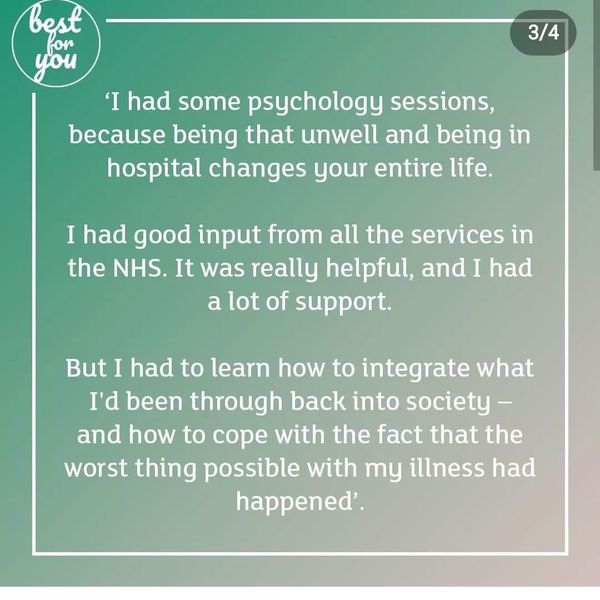
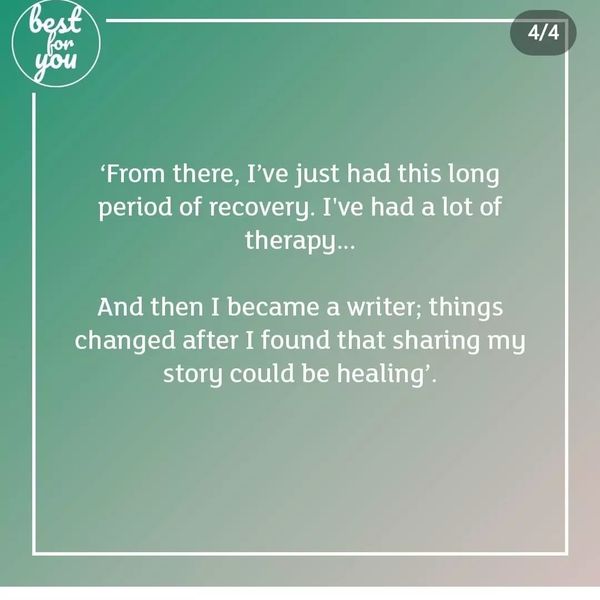
My Interview On Life With Bipolar Disorder by Best For You NHS

(image: Best for You NHS)

The team at Best For You NHS interviewed me about my life journey with bipolar disorder and anxiety. I hope it helps anyone, particularly young people, who are struggling.

You can read the interview that I did with Annabel here. Trigger warning as discusses suicidal thoughts, being in hospital and sexual assault.!

Thank you Annabel and team!

Best for You is a new NHS programme in London to help young people and their families access mental health support We know many can’t access the support they do desperately need and CAMHS services here in the UK are overstretched. I hope that by sharing my story it helps young people feel less alone, but we desperately need more funding into childrens mental health services too!

(Images by Best for You NHS)

Eleanor x

What It’s Like To Go Through Severe Depression as a Bipolar Episode: Looking Back by Eleanor

(image of Eleanors book Bring me to Light: Eleanor Segall/ Trigger and Welbeck publishing)

TRIGGER WARNING- DISCUSSES SUICIDAL IDEATION, SELF HARM AND BIPOLAR DISORDER. PLEASE READ WITH CARE

This weekend, I went home to my mums to celebrate the Jewish festival of Pesach (Passover) and have some quiet, family time. It was wonderful and because our religious laws mean we don’t use the internet, our phone on our festivals, it meant I had time for digital detoxing and switching off. But with that silence, came space. To think and reflect.

Something you may not know about me is that as well as being a writer, throughout the years I have been a prolific diary (journal) writer. The act of putting pen to paper and type to keyboard has always been therapeutic for me in my darkest moments. I found a diary I had written in 2013, when I was living with depression, suicidal ideation and self harm thoughts and actions.

The journal was covered in butterflies- always my symbol of hope. I don’t want to trigger anyone so I will say this carefully- essentially, I was so unwell that for me, my symptoms were: sleeping until the afternoon with a slight break for a meal or tablets, not socialising, finding it hard to wash due to increased anxiety and lethargy, feeling like I didn’t want to wake up the next day and wanting to harm myself in various ways- but being so frightened by these thoughts (because i knew they weren’t really Eleanor) that i had to vocalise them to my family and psychiatrist to keep myself safe. Thats what I did and its why I am still here today, in recovery.

I lived with this depression for about 6 months- my psychiatrist was encouraging me to try Lithium to stablise the bipolar but I wasn’t ready and wanted to see if Quetaipine could halt that. As we know, I became hospitalised for mania soon after in 2014 which led me to recovery and writing my book Bring me to Light.

When you live with an illness like bipolar disorder, you can sometimes forget the nuances of all the details of how you were when you were unwell. For me, I always felt that I handled the depressive episodes ‘better’ than the mania- just because I was able to keep myself as safe as possible by telling my family and doctor and changing medication. My psychiatrist had to come out to see me at home with a nurse as I was so unwell and I wrote out how I felt for him to know.

So many people live with terrible episodes of depression so this blog is just looking back and giving you some knowledge of how it manifested for me. Essentially, depression is a slowing down of the mind towards inactivity, darkness, misery, anxiety, agitation and it is often triggered due to changes in hormones and brain chemistry (if you have a family history its more likely to happen). Depression is not just low mood. Its paralysing. Its not wanting to be in the world and being in so much emotional pain. You may think of ways to harm yourself and you may dream of not being in the world. Or you may be ‘high functioning’. I somehow managed to go to friends weddings during this time despite spending the other days in bed til 5pm- I have no idea how- anti depressants and support helped greatly. However, my depression was dark and invasive.


Now, I had forgotten a lot of these finer details. For me, I never truly wanted to die- I wanted the uncontrollable bipolar to go! The suicidal ideation was my bipolar brain chemistry but also an expression of not coping with life and the bipolar moods I had been given- I was 24 and I couldn’t enjoy life- i was wracked with anxiety too. My mental health was fragile and unstable and it is no way to live- but what saved me, was being hospitalised and finding medication and therapy that has helped me to live in remission (thank God) for 7 years now.

I can say now that my brain chemistry is balanced and even if i ever get sad or frustrated, I don’t have those awful thoughts and if they ever come up, I can deal with them. I have such a supportive partner and family- my family and psychiatrist saved me as well as me trying to save myself- I frightened myself with my thoughts and I had some semblance of being able to keep myself going, which is not possible for everyone. It helped that my Dad has bipolar and could really understand what was going on for me too- he understood exactly how I was feeling but he knew it was the illness and not Ellie. I feel so lucky for that because not everyone has this. My mum, step dad and sister and wider family also were so supportive and never blamed me for being unwell. That helped too. My faith also has helped me dearly,

(Me at 25 when I was going through depression. This photo was a selfie taken when I was dressed up to go to a friends wedding and my sister had done my make up. There were no photos with messy hair or red eyes and tears. I never looked this good when I was in bed til 5pm most days in my PJs).

If youve got this far thank you for reading. My mission is to help others with these conditions feel less alone, through sharing my own experiences. I have been careful not to reveal what certain thoughts were here so I don’t trigger anyone.

If you live with depression and a host of other issues, you can recover again. Hold on. You will not feel like this forever and you can find a level of happiness and stability again. Reach for help, someone you trust, a help line, a psychiatrist and don’t give up.