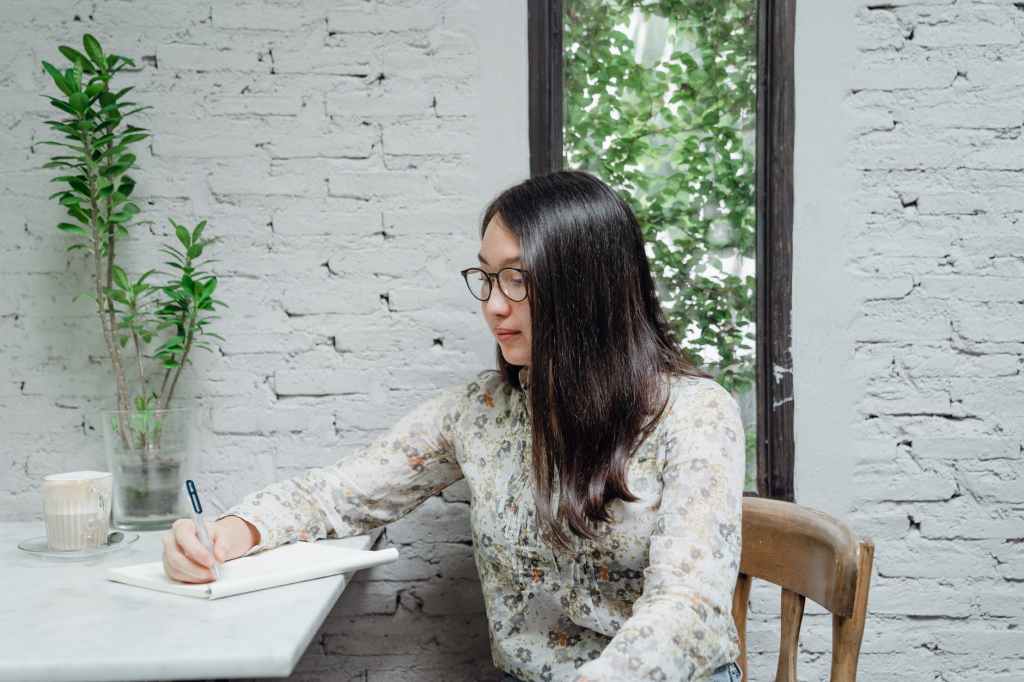
Why Privacy is Critical for our Mental Health.

(image: Unsplash)

Humans don’t always want to let the world in to every aspect of their lives. Instead, they want to keep some things to themselves. They want a small corner of their lives that is their own – and only theirs. 

Unfortunately, modern society works against our desire for privacy. Despite all the data protection laws out there, it’s almost impossible to prevent yourself from being watched and recorded, especially if you live in a large city. Plus, you continually have to hand over information about yourself to various authorities to help them. 

Our society can create a new set of mental health issues for the modern world due to mass surveillance or exposure on social media. Mass surveillance is putting people’s lives on display, both in the physical and digital world.. But what can we realistically do about it?

Here are some ideas. 

Find Out Who Is Allowed To View Your Personal Information

Some institutions and organizations have the legal right to know your personal information. However, many companies and private businesses do not. For instance, you don’t have to hand over all your personal information and details to Facebook or other social media sites. Learning who has a right to your information and who doesn’t is a great way to reduce surveillance and increase your feelings of privacy, if you require it.

Take Mail Online

You don’t have to hand out your real address to marketers. Instead, you can provide them with a separate virtual address and then view your mail using a web virtual PO box. This way, you can stop companies knowing precisely where you live and continually sending you information on the post. 

Limit Or Eliminate Social Media Usage

Social media collects more data about you than anything else. It’s a good idea, therefore, to limit your usage of these platforms, if lack of privacy is a worry for you.

Review Your Privacy Settings

In many countries, data privacy laws mean that software companies must provide you with privacy options that work. Learn where you can locate these settings and then change them so that you can’t be tracked.

Make Friends Outside Of Social Media

Twenty years ago, virtually nobody was on social media. Everyone made friends outside of networking platforms. But these days, it can feel hard to do this. Making friends outside of social media, however, is great for both privacy and improving your mental health. You meet people in real life and get a realistic impression about what their lives are like. You’re also communicating in person which is fundamentally different from doing it online where you have less context. 

Being tracked by apps or society all the time can cause feelings of anxiety. . Fortunately, you can take some steps to limit your exposure and keep your life private if you wish. If you’re struggling to cope, find a health provider that can assist you and protect your privacy at the same time. 

There are ways to help your anxiety and learn to cope better with the modern world. Therapy can help a lot, so reach out for help from your GP or psychiatrist.

Why we must prioritise Mental Health on the World Stage- Simone Biles, Naomi Osaka and reactions. By Eleanor

Yesterday, I woke up to hear that the Olympic gold medal winning athlete Simone Biles – the most decorated and greatest gymnast of all time, pulled out of the Tokyo olympics, citing mental health reasons. Instantly, she was criticised by people for not being a team player, for going to the Olympics in the first place, for daring to reveal that she is human and she struggled.

Gymnastics can be a dangerous sport if you are not in the right mindset and after not feeling her best, Biles withdrew from the competition. She still stood in the glare of the world media to support her team though!

We live in a toxic society that still doesn’t understand the mind- or anything they cannot see. Whether like Naomi Osaka, who withdrew from Wimbledon, its stress, anxiety, depression or burn out/exhaustion, the reasons are valid. Just like sportspeople pull out for physical injuries, mental injuries are just as justifiable and important. The brain is an organ and it can break too.

If we look at Simone Biles and her background, which I didn’t know until looking into it, she was sexually abused by her gymnastics coach as a child. She also comes from a difficult upbringing. She will therefore be carrying trauma in her life which could get triggered by the pressures that come with the Olympics and being the most visible and famous gymnast in USA history. She is only 24.

There is a certain columnist/journalist in the UK who writes and attacks women in the public eye with mental health issues constantly. it doesn’t matter if they could be depressed, anxious, burnt out or suicidal. It doesn’t matter if they have disclosed they have been suicidal in one case. He is paid to pull these women to pieces in public and accuses anyone not agreeing or being ‘woke’ or a snowflake’.

This infuriates me that someone with so much media influence spends their time attacking people who are vulnerable and who should have support.

I hope that in the not too distant future we won’t have to have these discussions about mental resilience, about how people are quitting on their team for being unwell, about how its an ‘excuse’. This is usually said by people that have no understanding of mental health issues and who do not understand the pressures of performing in public and being successful at that level.

With Naomi Osaka, she was fined for not attending a press conference and breaching her contract. If that isn’t discrimination, I don’t know what is.

This has to change. its 2021, not 1821!

I was heartened to see so much support for these women on social media and so I hope it is a small minority of views. But sport, a typically macho arena, needs to wake up, needs to support people and stop treating athletes in this way. This also echoes the workplace in general.

Solidarity with Simone, Naomi, Meghan and anyone else struggling. They are inspirations to people around the world with mental illness and together they will make a change.

How Selfie Changed my Life and Mental Health: by Photographer Kathryn Chapman


(image of Face to Face – a mental health photoshoot : Kathryn Chapman photography)

In my early twenties, after suffering years of severe depression and anxiety, I attempted suicide and ended up in hospital. Life was completely unbearable, ending my life felt like the only option. I existed in an excruciating, disassociated, confusing, numbed-out-tuned-in agony. Sometimes I’d feel incandescent rage and injustice, other times overwhelming sadness and often infinite emptiness.


I didn’t know who I was, I hated myself and my inner critic was rampant. I had no idea how to love myself or even what that meant. I embarked on 25 years in and out of talking therapy but achieved nothing and I was left drained, hopeless and utterly tired of talking.


In 2015 my mental health hit a massive low, I was knocked off my bike and the fragility of life hit me like a tonne of bricks. But it didn’t make me more positive, it made me more whats the point?


A subsequent psych assessment revealed clinical depression, severe anxiety and ‘off the scale’ PTSD. What was reflected back was a massive shock and once I’d got my head round it, promised I’d do things differently. My way. One thing at a time.


I started with my drinking and buried trauma began to surface. It was in this space I finally started to get a handle on what was going on –  it helped enormously but didn’t stop the cycle of depression and ferocity of my inner critic. But the mirror held up during the psych assessment had planted a seed.


A couple of years later, I had an idea for a self-portrait shoot. It persisted in my head for months before I realised it wouldn’t go away until I’d created it. It was a test – I wanted to see if everything was as bad as it felt, to hold up a mirror to myself, to look myself in the eye and face myself fully. So I sat with my most difficult emotions and photographed what was there.


I hadn’t thought about how I might react to the images, what I’d think, how I’d feel or what they might teach me. But there, looking back was a woman in agony, desperate for care and love, and the only person who could do that for her was me. It was a moving and very powerful moment.

Amongst the pain and hurt, I saw vulnerability, courage, resilience and strength – here I was, in all my beautiful mess. This was the first time that I saw and fully accepted myself, the first time I gifted myself kindness, patience and gentleness. I couldn’t deny what was staring back at me and I experienced a deep compassion for myself that has remained ever since.


It was the catalyst I needed to prioritise self-care and to feed my soul. I realigned with my spiritual needs and discovered a way to quieten my inner critic. I looked after myself holistically and it came easily, because not doing it wasn’t an option. The images had changed what I thought about myself, what I said to myself, what I saw in myself. It was transformative.


Six months later (after intending never, ever to share any of the images) I posted this picture. I got so much love and support, it was amazing. 


Not long after another surprising thing happened – I found my life purpose. I developed everything I’d discovered into a therapeutic programme and named it Face to Face®. I hold up a mirror so clients may see their own potential for lasting self-compassion and happiness, helping them come home to all that they are, to see they’re enough, they’re not to blame, that they matter.


To see themselves better.


Looking back, I realise that however close I came, I never gave up hope. I never gave up thinking there must be something or someone that would make the difference I needed. The something that made the most difference was my shoot and the someone that helped turn my most significant corner was me. I was my own light.
Our answers are within us, sometimes we just need someone to walk next to us for a while, to join us on our journey and reflect back our strength while we navigate the storms.


Keep searching, be your own priority. Trust who you are and what you need. And most of all have hope, because without hope we have nothing.


Kathryn is a portrait photographer, creator of Face to Face®, Freedom Shoots and the Inner Critic Tool. She is fascinated at how we perceive ourselves and uses therapeutic photography to challenge self-belief, offering a different perspective. She helps to understand what it means to be human – vulnerable, complex, creative, beautifully flawed, perfectly imperfect and astonishingly brave.


www.kathrynchapman.co.uk

@kathrychapmanphotography@facetofacephotos

The Book of Hope is Out Now!

I have written here before but I am so excited to say that the Book of Hope, which features my essay ‘Of Hope and Sunflowers’ and put together by my friends Jonny Benjamin MBE and Britt Pfluger is out now!

Happy Publication Day!


It is such an honour to be in a book with so many incredible people in their own fields talking about overcoming their own adversity and mental health issues.

As I write, the book is currently 16th in the bestsellers chart for all books on Amazon.

Hugely thankful to Jonny and Britt for including me in such a great project.

You can get your copy here: https://www.amazon.co.uk/dp/1509846379/ref=cm_sw_em_r_mt_dp_3VAKJ0JC6HV05ZYMNHW2

Being Kind to Myself: Social Anxiety, Mental Health and Life in Recovery.

I really wanted to write today because the sun is shining, apple blossom is on the trees and Spring is finally here! I always feel more hopeful and happy once Spring is here but living with bipolar disorder and an anxiety disorder can mean that some days are harder than others.

This week, I have really struggled with low mood and social anxiety. I’m an optimistic person and sometimes I pack too much into my days and end up having a panic attack because I can’t cope. This is what happened to me yesterday when I decided it would be a great idea to pack in too much, including going across London and delivering many Body Shop orders to my customers and friends. My social anxiety was so high (I think largely due to being in lockdown) , I just wanted to hide and I ended up sleeping to escape my feelings and feeling super low. I am lucky that I understand what to do when this happens and I have a husband and family who support me too. I am still in therapy for my panic disorder and it has improved a lot but there are times when it gets triggered like this week.

I have also found that I am worrying more about what people think of me- if I have said the right or wrong thing or upset anyone. Its so silly but due to past rejection I get scared and those fears bubble to the surface.

On Friday, I had a really productive therapy session. There are a lot of worries about the future that I still hold and being able to unpack them in therapy is really useful for me. I am doing EMDR trauma therapy but a lot of it is talking out and facing those triggers one by one. I have a very good relationship with my therapist and having a session often calms my mind.

In positive news, last week I became an aunt to a beautiful baby girl, Cara Harriet who is the sweetest little baby. She is a joy and light in all our lives and I feel so lucky to have a little niece! My sister and brother in law are amazing 🙂

And in other good news, in April, my essay in the Book of Hope by Jonny Benjamin MBE and Britt Pfluger will be published alongside many others I look up to (Dame Kelly Holmes and my friend Hope Virgo). So there are good things as well as bad!

I am doing a lot better- I dont rapid cycle, I havn’t had an episode of mania or hypomania since 2014. My brain seems to like Lithium and Quetaipine (a mood stabiliser and anti psychotic). I have to learn to be kind to myself and practise self care, because my social anxiety is a fear response from the past.

Being kind to myself is of utmost importance. Heres a list of what I do when I am having a bad day: take a nap, have a bubble bath, read a book, hug the guineapigs and Rob, talk to Rob, a friend or family member, put on a face mask, cry, breathe and listen to calming music, watch a good TV show (I have been watching First Dates Teens), book in a therapy session, eat something nice, put some make up on, wash my hair, wear an uplifting perfume.

How are you kind to yourself on your bad days?

Love,

Eleanor x

Depression and What You Should Know

We have a lot of mental health awareness in the modern day. Barely a week goes by without it being mentioned that mental health is important, and that it’s “OK not to be OK”. By now, for sure, we’re all quite aware of mental health. What might be needed more from this point on is mental health understanding, because while people and organisations are more than ready to acknowledge the existence of conditions like depression, fewer are forthcoming with any practical help.

One of the problems that we have right now is that mental health issues were ignored and mocked for so long that – now we have some acceptance of their impact – a lot of people don’t have the language to deal with them. Well-meaning people might say “depression is an illness, just like X”, and not really understand that it can be seen as an unhelpful statement. It would be helpful for people with depression if the following facts were widely known.

A good day with depression doesn’t mean the problem is gone

A lot of the language used around mental illness, and particularly depression, portrays it as a steady, relentless grind – and it sure feels like that most of the time. As a result, when someone who has been suffering opens up, has a laugh and is “more like their old self”, their loved ones might see light at the end of the tunnel. Depression is a complicated condition, unfortunately, and even that brief spell of happiness might trigger a period of guilt, which deepens a depressive episode. This complication is part of what makes it so insidious.

“Looking on the bright side” isn’t a productive strategy

It’s easy to understand why people try to talk around someone dealing with depression by pointing to all the positives in life. It would seem like a productive strategy, because if they see a bright side, they will surely feel better. Right? Unfortunately not. While there are plenty of useful tips for dealing with depression, this is not one of them. Reminding people of how life is good and could be worse is more likely to make them feel like, on top of all the bad things they are feeling, they’re also ungrateful. It doesn’t help.

Depression doesn’t come from any single source

Some people believe that depression is a response to negative life situations. Others argue that it is a result of underproduction of serotonin in the brain. Both sides are right, and both are also wrong; depression isn’t solely chemically-driven, nor is it purely down to circumstances, and this means that you can’t fight it with medication alone. At the same time, it may not be possible to fight it without medication. Finding the right combination to beat depression (or at least sideline it) isn’t an overnight thing, but it is achievable. 

The best advice you can give someone with depression is that, in time, things will get better and that’s all you want for them. Acknowledge that it will take time, and that you’ll be there for them, but don’t ever try to argue them out of it.

This article was written by a freelance writer

Body Shop, Confidence and Mental Health: ‘I can’t do what you can do.’


As many of you know, last year I began working as a consultant (and now manager) for the Body Shop at Home. This was after leaving a job due to severe panic attacks that left me not able to attend work or leave the house daily (related to past trauma) . I eventually lost that job, as I had to leave so many ‘normal’ workplaces that weren’t able to accommodate me.

My confidence was on the floor. I lost my job, we lost the flat we were going to buy and then in March, we went into lockdown.

I have had to face many dark times throughout my life, as I am sure you have. However, in the darkest of times I have learnt one important thing- resilience. Resilience is something that helps me when I am on the floor, sobbing my eyes out from a panic attack (or in the past when I felt low and suicidal). Resilience got me through my GCSES, A levels and University. Resilience (and medication) somehow got me through being sectioned in 2014 for my bipolar and having to recover to live again.

I am not perfect but I know what it is like to have no confidence, no self esteem, to be highly anxious or severely depressed and for each day to be a struggle. To feel like you are wading through treacle or for every fibre of your being to be stressed with anxiety.

When I talk to people about my Body Shop journey and the opportunities that it has brought me and my manager Sarah (who also lives with mental illness), people not only can’t believe it but they also tell me:

I can’t do what you do, you have so many supportive friends.’

‘I can’t do what you do, I feel really low in confidence and low on time’.

While it is true I do have wonderful friends and a good network, I still had to build my group, build my business and build my team from nothing. From scratch. I had to familiarise myself with the products, learn what they do and their ingredients. I had to make contact with new people and find new customers via my network. I had to sell to friends and family….which I was petrified of doing.

I thought I couldn’t sell a product as I had never worked in retail. My anxiety and confidence was really low and it took a lot to go live and share the products, play games like bingo and go live in the group.

But people got behind me and because they did, my confidence began to grow. I realised I loved what I was doing. I was good at it. I could help others and work from home with flexible hours. I could rebuild again.

But what I want to ask you is:

Why can’t you do what I do, if you want to do it?

Why can’t you say yes to an exciting opportunity- and have support from me and a great team?

Why can’t you devote an hour in your day to your Body Shop business?

All it takes is a yes, a leap of faith and slowly building confidence. There is no pressure, coming from a background of mental illness, I want to empower and support others (not count sick days). I want to uplift and help, in the spirit of my manager Sarah who is wonderful too.

If you want to change your life and start on a new journey, drop me a message and reach out.

How to Plan for your Future and Look after Mental Health in Difficult Times this 2021.

(image: Pexels)


It is no secret that life has been tough for many people lately. Having to deal with circumstances that are out of your control can be especially hard to handle. But, in the most difficult times, it is more important than ever to focus on a brighter future. Spending so much time at home may have got you thinking about your plans for the future and how you want your life to look in years to come. Considering what you want from life can be so helpful and give you a focus to aim for. Having a focus can be particularly helpful in challenging times, such as the current situation. 


Take Care of Yourself

Taking care of yourself now is an investment in your future and the bedrock for everything else in your life. Looking after your health now can reap huge benefits for the future. Having good health will enable you to live life to the full and experience it fully. 

Being out of your usual routine can make it harder to remember to look after yourself and to stick with good habits. Self-care is essential for good mental health, so you may find it helpful to try and stick with a routine and incorporate healthy habits into your day. 

Take Care of Your Finances

Money worries are an issue that many people experience. Finding ways to improve your financial situation can help you to feel positive about the future. Taking control of your finances now will help you to plan for the future with confidence. If thinking about retirement is something that worries you, then researching ways to alleviate these concerns now could be beneficial. You may want to consider a Reverse Mortgage for Seniors or setting aside more money now to prepare for the future. Preparing your finances now will help you to gain the peace of mind to live your retirement to the full.

Focus on Your Goals

Everyone likes to have things to look forward to, so setting yourself goals for the future is an excellent way to stay focused and enthusiastic about life beyond this challenging time. It is essential that your goals are things that make you happy and don’t put you under an unhealthy amount of pressure. Overcommitting yourself to goals that you don’t feel comfortable with can be a source of anxiety and worry, which could impact your mental health. Instead, it is far better to consider goals that you will enjoy working towards and will bring you a real sense of achievement. 

Reconnect with Yourself

When planning for the future, it is vital to make sure that your plans are yours, and not a result of other people’s expectations. Making plans for your future should be about reconnecting with what you want from your life and fulfilling your own ambitions. Checking in with yourself to make sure that you are planning a future that works for you and not just for others is essential to helping you to live authentically.

If you need to talk to someone about your mental health call Samaritans 116 123

This article was written by a freelance writer.

How Can You Better your Mental Health?

Your mental health is precious, and you’ve got to look after it as much as you can. We know sometimes this isn’t the easiest thing in the world as there are so many things that are beyond your control. We also know that even when things are okay, sometimes it’s still difficult to control the way that we feel. But, that’s why we’ve written this article, so that you’ve got some ideas as to the things that you can do to better your mental health. Keep reading if you would like to find out more.

Try To Relieve Whatever Stress You’re Holding

The first thing that we’re going to recommend is that you try to relieve whatever stress you are holding onto. We know that this isn’t easy, and we’re not saying it is, but it’s something that you’ve got to do if you want to recover. Your mental health is not going to benefit if you are constantly stressed. But, the only way that you are going to be able to relieve stress is if you know what is causing it. It’s for this reason that you’re going to have to think yourself or speak to a therapist and figure out what is causing most of the stress. From there, you can work out the best way to destress and take control, and this should ultimately end up improving your mental health. 

Hypnosis Might Be Worth A Try

Have you ever given much thought to trying hypnosis? Professional hypnosis involves interaction with you and the therapist to heal mental health issues going on in your life. For example, you can get hypnosis downloads that will help you to do whatever it is you’re aiming for. Hypnosis will involve your consent and its worth a try- Your mental health is worth it. Search for a recommended therapist.

Try Taking Up A New Hobby

The final thing that we are going to suggest is taking up a new hobby. Your mental health will always be worse if you are not distracting yourself from negative thoughts. You’re going to get too deep into things and you may spiral into anxiety or depression. Instead of doing this, find something that you enjoy doing, thats a positive focus. It can be a sport, or a game, reading, watching TV, completing some arts and crafts, whatever you want to do as long as it takes your mind off of your thoughts for a little while. Become immersed in whatever you are doing, and leave the rest of the world behind for a while.

We hope that you have found this article helpful, and now see some of the things that you can do to better your mental health . Something on this list should help, and if it doesn’t, there are also plenty of other things that can be done as well. Make an appointment to see your GP or therapist if your mental health worsens and take care of yourself- self care is vital.

This article was written by a freelance writer.

The Secret Signs of Anxiety.


(image: Unsplash)

We all think we know what anxiety looks like. It looks like hyperventilating, sweating, and a worried look on someone’s face. But the truth is anxiety looks like a lot of different things to different people, and there are some secret signs of anxiety too. 

While you can’t mask all of the physical signs like hair loss, increased or decreased appetite; a lot of anxiety is dealt with in secret. 

Even if you don’t personally have anxiety, it is important that you can spot the signs of anxiety in your loved ones. It will help you to help them. 

There are some common, yet not totally obvious signs that someone (or yourself) is suffering. It is important that you let them know that there are options for support. Sometimes a good conversation and regular therapy can help. Other times medication and rehabilitation like The Banyans might be the answer.

Headaches

Some headaches are caused by dehydration, and others are caused by stress. A stress headache usually happens because someone is holding their jaw clenched tightly, which causes tension in the neck, shoulders and up to the head. The clenched jaw may last through the night, and this will cause headaches. 

Eczema

Note that stress and anxiety cause an inflammation reaction in the body. This, in turn, will cause eczema to flare up. Another issue is that when people are anxious or worried, they tend to sweat more. The sweat will act as an irritant and increase the impact that eczema is having on the body. 

Sweating

As mentioned above, extra sweating can be a sign of anxiety. This is due to the adrenaline that is running through our bodies. The adrenaline is involved in the fight-or-flight reaction, and that ‘state’ is a high alert state. It causes sweating. 

Bad sleep

If you, or someone you care about, are often talking about how poorly they are sleeping, there is a good chance there is something deeper going on. Most often mental health fluctuations will cause a person to sleep more than usual or not at all. Insomnia, nightmares, sleepwalking, disturbed sleep are all common signs of anxiety and stress. 

Illnesses

Coughs, colds, aches, pains, and generally feeling run down are signs of anxiety too. Stress has an awful impact on your immune system. It promotes and overproduction of the hormones that regulate your immune system. This affects the ability of your body to produce white blood cells to fight infection. The weakened immune system means you are more susceptible to illness. 

Stress and anxiety will also impact your mood. It will make it more difficult for you to regulate your emotions. People who are feeling stress are usually irritable and can have mood swings too. Difficulty concentrating can also be a symptom as well as an issue caused by stress and anxiety. Decision making and memory are impacted too. 

If any of these things sound familiar to your then it is time to take steps to reduce your stress and anxiety levels or have a chat with a friend who is exhibiting signs. 

Make sure you look after yourself and speak to a doctor if you are concerned about your health.


This article was written by a freelance writer.