Today a wonderful email from Christina at Vuelio here in the UK dropped in my inbox, to say that Be Ur Own Light is a Top 10 UK Mental Health Blog for 2026 (and has been every year since 2018!). I am really not good at blowing my own trumpet but am so proud of this achievement and know that it is a true blessing. Click here to see the full list: https://www.vuelio.com/uk/social-media-index/mental-health-blogs-uk-top-10/
As well as working with some incredible people, brands and collaborators, I am proud of myself for showing up consistently for 10 years to talk about mental health online here and on our social media. The blog has published over 800 posts and has reached so many and I am forever grateful to our readers.
Thank you Vuelio for listing us at No 7 among really fantastic bloggers and blogs (shout out to you all!)
I often get imposter syndrome so will just say thank you to Vuelio and I hope this blog will continue to share about mental health, wellness, bipolar, life and everything in between- and reach even wider audiences online.
Thank you to Anuj and team at FeedSpot for selecting as us a Top 20 Social Anxiety Blog on the web for 2026! We are thrilled to be on the list at number 10.
On 1st March 2016, I wrote my very first blog about my mental health struggles with bipolar disorder and anxiety. For me, it was an outlet to share with friends and family what I was experiencing after one of the worst bipolar episodes I had faced and after hospitalisation in 2014. I didn’t realise that this traumatic time in my life, would also cause my mental health to dip and struggle further as I developed PTSD symptoms (panic attacks) and sat on a 2 year waiting list for NHS therapy. Professional support was not coming easily during this time, and so this blog became not only a therapeutic outlet but a place to connect with others going through similar things. And to explain to those who had never experienced mental illness, exactly what it can do but just how you can support those experiencing it.
Part of me can’t fully believe that I have been blogging consistently for 10 years. There have been times where I have wanted to give up but this little blog has been my saviour and in truth, helped me to launch a writing career that I did not expect and am so grateful for. It has also helped others to share their mental health stories and products, been a platform for mental health campaigns and charities and I am super proud of the impact we have had. One of our biggest accolades is being a Top 10 UK mental health blog by Vuelio every year since 2018- which means we are having a positive impact and reach!
The blog has published over 800 posts, with hundreds of thousands of views! It is read on every continent with a particularly large readership in the USA (as well as UK and other countries). We have covered so many topics- bipolar disorder, PTSD, anxiety disorders, depression, pre and post natal depression, OCD, BPD, eating disorders, psychosis, mania, schizophrenia, schizoaffective disorder, trichotillomania, addictions (drug, alcohol, gambling), body dysmorphia and mental health topics like child mental health, work stress, emotional burnout, relationships, domestic and sexual abuse, homelessness. We have shared about wellness products and worked with inspiring health and lifestyle brands.
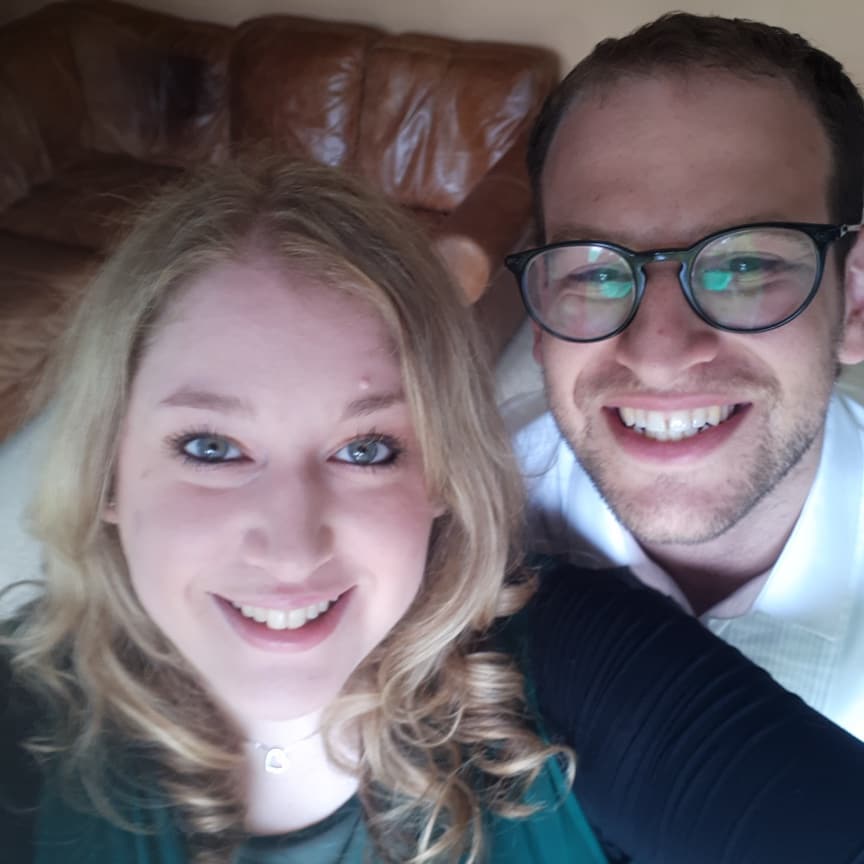
The blog inspired me to share my own story far and wide – writing for mental health charities Mind, Rethink, Time to Change, Bipolar UK, No Panic, SANE and Metro.co.uk, The Telegraph, Happiful, Glamour, Jewish News, Huff Post. Featured in Cosmopolitan, Elle, Yahoo News and other publications. Thank you particularly to the editors at the publications for sharing my story and believing in my mission! This also led to me writing my book ‘Bring me to Light’ which was published in 2019 by Trigger and remains one of my proudest achievements. I then released my children’s book ‘Arabella and the Worry Cloud’ and had some writing featured in ‘The Book of Hope’ by my friends Jonny Benjamin MBE and Britt Pfluger (an amazing experience!). In 2017-18, I was also involved with setting up the Jami mental health shabbat in my community and spoke in several synagogues and at a community festival Limmud with my Dad, about our journey with bipolar. The same year that I started this blog (2016), I also met my now husband, who supports me through all of my writing and mental health work.
As I look back over the past 10 years, to where we were in 2016 with mental health stigma, I am proud to have played a small part in changing the landscape and narrative online around mental illness, particularly bipolar disorder and psychosis. We have many followers on social media platforms and continue to share about mental health and well being and be a resource for all those who need it, so they never feel alone.
(image: Ineffable Living)
Thank you to every single contributor (and every reader) to Be Ur Own Light Blog 2016-2026. Your words and belief in our mission to end the stigma around mental illness have meant the world to me. I hope going forward I can continue to share more real stories, more important information on care and treatment and campaign for better care.
There is still a way to go. NHS waiting lists are too long and care is under funded, leading to not enough beds. Mental health stigma online (and sometimes offline) sadly still remains high. As a society, although we have improved, we still need to fully understand mental health conditions and separate them from the person themselves. I am optimistic that things can and will change.
To everyone reading this going through a period of mental ill health or living with a chronic mental illness, I see you and you are never alone. As a blog community, we can come together to empower each other, so no one ever feels invisible and I hope that I can continue to write too.
Thank you, from my heart, for the past 10 years! Here’s to many more years,
Thank you so much to Christina and all at Vuelio for listing Be Ur Own Light as a Top 10 UK Mental Health blog for the 8th year running! This is an important accolade to us and this year we have moved up a place to Number 6!
It is an honour to be listed amongst so many fantastic bloggers and organisations who work so hard to bring important mental health content, you can see the full list here . Well done to everyone.
As we approach our 10th blogging year next year, this continues to be so important for us-to educate and battle stigma about all things mental health. Thank you again Vuelio!
Thank you Anuj and team at FeedSpot for putting this blog in the Top 5 of 60 Best Bipolar Disorder Blogs on the Internet!
Really grateful to be recognised, as this blog is 9 years old now too! Great to be featured amongst other fantastic blogs educating about mental health and bipolar.
Thanks so much to Anuj and all at Feedspot for listing us at number 2 in the 20 Best Social Anxiety Blogs on the internet! A true honour to be listed amongst some wonderful blogs.
Exciting times! Thank you so much to my fellow mental health blogger Mandy Kloppers at Thoughts of Life and Love blog for hosting my blog on why I wrote Arabella and the Worry Cloud– to help children with anxiety. I know Shelley illustrated it for the same reason. I had so many worries as a child and young adult- I definitely had my own Worry Cloud!
When I was a little girl and well into my teen years and beyond, I had a lot of anxieties. As a self-confessed empath and worrier, I could feel when something was wrong. This led to separation anxiety with symptoms including nausea at school. Children who have anxiety need to feel safe, settled and above all, heard by parents/carers and the adults in their life at school.
I wrote my first children’s picture book, Arabella and the Worry Cloud, in 2019 and published it last year. It is based on me as a young 7-year-old girl who had a lot of anxiety. In the book, Arabella worries about her socks not fitting on her feet, losing her shoes in a muddy puddle, the rain soaking her and cold freezing her toes, the rainbow in the sky losing its colour, her cat Pickles getting lost, the plants in the garden dying, losing her homework, failing a test and being blown away by the wind. These worries are partly represented by a Worry Cloud that comes down to see her from the sky and threatens to rain on her with all her worries.
Eventually, Arabella realises that if she thinks jolly, happy, sunny thoughts in place of the worries, she can push the Worry Cloud away with the joyous light beams of positive thinking. Arabella unlocks happy memories with her family, visualising wonderful times with them and it gives her confidence to face the Worry Cloud head on, so it can go away and leave her in peace.
So many children will have their own version of the Worry Cloud.
(image: Shelley the Artist/ E Segall)
Read the full blog here about how my experiences informed me writing Arabella and how it can help you:
Mental health is finally getting recognition in society. The NHS in the UK has appointed their first medical director for mental health and neurodiversity. Our wellbeing should come first during all stages of life.
Mental Health at Any Age
Poor mental health doesn’t discriminate, and it can affect anyone at any age. It impacts how we cope and how we relate to other people.
The Signs of Mental Health Issues
Note anything that might be a sign of poor mental health.
Carers should also look out for any of these signs early on. The faster these are acted on, the sooner the quality of life can improve.
The Role of Social Connection
As humans, we thrive around others. Our loved ones and our community give us both emotional support and a sense of belonging.
To expand connections, look at joining a club or doing some volunteering. These interactions can ease loneliness, which can be especially common in older adults.
Coping with Life Transitions
As we age, we’ll go through many transitions in life, some positive, and some not. Things like retirement, the loss of a spouse or even moving house can be difficult to navigate. Triggering negative feelings.
Reach out to a trusted friend. But if things start to become unmanageable, seek the help of a professional, like a GP or psychiatrist.
(image: Lesley Juarez, Unsplash)
Trying Mindfulness and Meditation
Lots of people find these practices useful. It helps to connect us to our feelings without judgment. Being aware of our emotions is so important and connecting with our breath.
Start with breathing exercises or guided meditation. To reduce anxiety, mindfulness should be done regularly.
Maintaining Hobbies and Interests
Make time for your hobbies- whether its sport, art, writing, gaming, music or drama. Taking time to do things we enjoy gives a sense of achievement. In some cases, it also connects us with others.
The Role of Technology in Mental Health
Many apps offer mental health support, and some of them are even free. Social media is also a great tool for staying in touch with loved ones.
Older adults might need some support for navigating new technology. Carers or loved ones might need to give them a helping hand.
Nutrition and Mental Health
When we’re not feeling great mentally, it’s easy to fall into bad eating patterns. But we need to make sure we’re getting the vitamins and minerals that keep our brains healthy. Eating well is key at any age to support a healthy mind.
Summary
As we go through life’s journey, we must focus on our mental health at every stage. Learning to test how we’re feeling and navigate changes will keep our brains healthy. If we start to notice a decline, there’s no shame in seeking the help of a professional. It can help us navigate through this tough period.
Stay connected to others and build new connections through mutual interests. For carers there’s plenty of resources online for creating a plan to help your loved one’s mental health.
I am absolutely delighted to share that Vuelio has listed Be Ur Own Light as a Top 10 UK Mental health blog! For the 6th year running! I am so grateful as we work hard year-round on the blog. Thank you to all our amazing collaborators too. These lists recognise influential blogs in their sectors.
Have you ever noticed that your environment has a direct impact on your mood, productivity, and overall well-being? Creating a space that fosters personal growth and self-improvement is essential in creating a positive mindset and achieving your goals. Fortunately, there are plenty of ways to transform your space for your personal development and positive mental health. In this post, we’ll explore some practical tips and tricks to help you create a space that nurtures personal growth and inner transformation.
Create Inspiring Zones
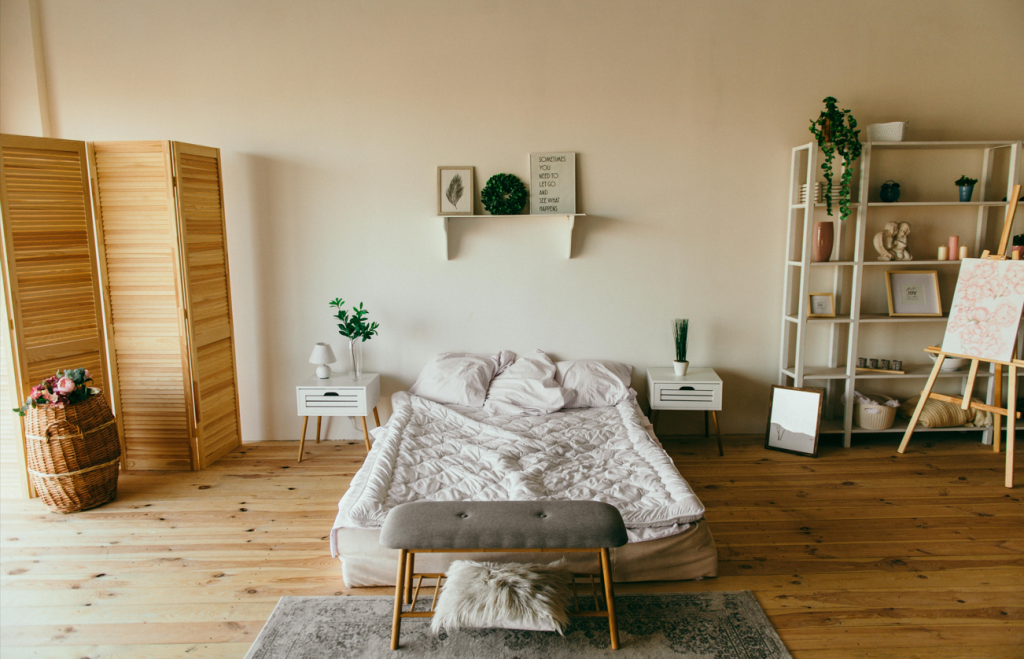
Designate specific areas in your space for different activities that align with your personal growth goals. Whether it’s a cozy reading nook, a meditation corner, or a home office for pursuing your passion projects, having designated spaces for different activities can help you stay focused and motivated. Personalize these zones with items that inspire you, such as motivational quotes, artwork, or plants that bring a sense of calm and positivity to the space. In addition to personalizing these spaces, incorporating elements of nature can further enhance your inspiring zones.
Natural light, for instance, not only improves mood but also increases productivity and creativity. If possible, position your dedicated spaces near windows or in well-lit areas. Adding indoor plants to these areas can also boost air quality while providing a tranquil and refreshing ambiance. For a more dynamic and versatile space, consider using movable dividers or curtains. These can help in delineating your zones without committing to a permanent layout, allowing you the flexibility to adapt your space as your personal growth journey evolves.
Incorporate Natural Elements
Bringing the outdoors in can have a profound impact on your mental and emotional well-being. Consider adding plants, natural light, and earthy tones to your space to create a soothing and grounding environment. Plants not only improve air quality but also have been shown to reduce stress and improve concentration. Open up your curtains during the day to let in natural light, or invest in a light therapy lamp to mimic the benefits of sunlight on cloudy days. Integrate water elements into your space to foster a tranquil and healing environment conducive to personal growth.
A small desktop fountain or an aquarium can introduce the calming sound of moving water, creating a serene atmosphere that enhances focus and mindfulness. Furthermore, selecting furnishings or decor made from natural materials like wood, stone, or bamboo can add texture and warmth to your surroundings, further rooting your space in the calming beauty of nature. These elements, when thoughtfully incorporated, work harmoniously to not only beautify your environment but also to support your mental and emotional well-being, making it a fertile ground for personal development and growth.
(image: free image)
Clear the Clutter
One of the most important steps in transforming your space for personal growth is decluttering. Clutter can create chaos and overwhelm, making it difficult to focus and be productive. Start by going through your belongings and getting rid of anything that no longer serves you or brings you joy. Consider donating items you no longer need or use, and organize the remaining items in a way that is visually appealing and functional. Investing in climate controlled storage can be a great option for storing seasonal items or sentimental belongings that you want to keep but don’t need on a daily basis.
After tackling the physical clutter, addressing digital clutter is equally critical in creating a space conducive to personal growth. Digital clutter, including unorganized files on your computer, unused apps on your phone, and a cluttered email inbox, can be just as overwhelming as physical clutter. Set aside some time to organize your digital life by deleting unnecessary files, unsubscribing from unwanted emails, and organizing your digital documents into clearly labeled folders. A clean digital workspace can significantly boost your focus and productivity, making it easier for you to concentrate on your personal growth goals.
Cultivate a Mindful Routine
Establishing a mindful routine in your daily life can help you stay grounded and present, even amidst the chaos of daily life. Create a morning and evening ritual that includes activities like meditation, journaling, yoga, or reading that nourish your mind, body, and soul. By dedicating time each day to self-care and reflection, you can cultivate a sense of inner peace and clarity that will support your personal growth journey. Your physical environment can play a crucial role in facilitating these routines, so make sure to curate your space with intention and purpose.
Embrace Minimalism
Simplifying your space and your life can have a transformative effect on your mental and emotional well-being. Embrace the principles of minimalism by focusing on quality over quantity, decluttering regularly, and being mindful of your consumption habits. By simplifying your surroundings, you can reduce distractions, increase your focus and productivity, and create a sense of calm and harmony in your space. Additionally, minimalism can cultivate a sense of gratitude and contentment, leading to greater self-awareness and personal growth.
Transforming your space for personal growth is a powerful way to create a supportive environment that nurtures your goals and aspirations. By decluttering, creating inspiring zones, incorporating natural elements, cultivating a mindful routine, and embracing minimalism, you can foster a sense of peace, balance, and inspiration in your space. Remember that personal growth is a journey, and your environment plays a crucial role in supporting your growth and self-improvement efforts. By taking intentional steps to create a space that aligns with your values and aspirations, you can create a sanctuary that empowers you to be your best self!









 beurownlight.com