Helping A Loved One Feel More At Ease In A Care Home.

Making the decision for a loved one to enter a care home is never an easy one. You probably feel guilty for doing it, but the truth is that it will help them get the best possible care as they get older – more than you might be able to give yourself! There’s a lot of negativity about the subject, but many people find their quality of life improves in a care home, and there are things you can do to make that even better. Ultimately, it comes down to making a decision for their best interests, and even if it doesn’t feel that way at first, it soon will.

So what can you do to help them settle in? You can do your bit by finding ways to help them feel more at ease in their new surroundings. Here are some ideas to help your loved one adjust to life in a care home.

Image Credit: Unsplash under Creative Commons

Make their space feel more like their own

One of the biggest changes people face when going from their own home to a care home is the lack of personalisation and familiarity, and feeling like the space isn’t theirs. But there are things you can do to help fix that, including:

  • Decorate their room with things from their own home, including pictures, furniture, rugs, etc.
  • Choose from care home beds that they are happy with (if the home allows you to do this).
  • Add familiar fragrances.
  • Make sure they can indulge in their hobbies and interests with books, TVs, etc.

Talk to your loved one about what would help them settle in and do what you can to make it happen. 


Be there to make things more enjoyable

With your loved one receiving proper residential care, you can be there to help them have fun and stay active, something that might not have been possible while you were caring for them. Use your energy to take them out for trips, help them exercise, and spend quality time with loved ones. The Body Coach even has his own workout series for older people!

Being in a care home doesn’t mean your usual outings and activities have to stop, so you can help them keep up a routine that they enjoy.

Exercise is very important to help improve mobility and mood. Finding ways to help your loved one’s physical health can also benefit their mental health, improving their mood and helping them feel more at ease.


Get to know the staff 

There are a lot of reasons you should get to know the staff at a care home:

  • It can help you be more involved in your loved one’s life by getting to know the other people who are in it.
  • They’ll know more about you and your loved one, which can help them provide better care.
  • If you experience any issues, it’s good to have someone familiar you can talk to.
  • It creates more of a family atmosphere.

Regular visits and chatting with the staff more will help you make those connections, helping you feel more involved in your loved one’s care. It makes things nicer for them and for you, and is a fantastic way for you all to get to know people better. 

You will have all sorts of feelings about your loved one being in a care home, but it’s important that you focus on them and ensure they feel happy and comfortable where they are. Talk to them about what they want and how you can make it happen, helping them settle in quicker so you can both feel more at ease.

This article was written by a freelance writer.

Supporting Your Senior Parent’s Mental Health.

(image: Andrea Piacquadio: Pexels)

Mental health issues affect nearly one in four seniors in the UK. Loneliness is often touted as a silent killer among those over the age of 65. This is down to changes in lifestyles, living conditions, health and much more. Isolation is common amongst seniors, contributing to increased mental health issues in people reaching retirement years or older.

If you are concerned your parents might be struggling with their mental health, or you want to avoid them experiencing changes to their life and mental health, there are some things you can do to help them.

Additional Support

If your parents are struggling with a change in their abilities, experiencing changes to hearing and vision or are living with poorer health, getting them some help around the home can help them to live in the same way they are used to without harming their physical and mental health. Being able to live in a clean and tidy home, get support with bathing and dressing or leaving the house can boost their mental health and help them feel more confident getting around. Home care services can be instrumental in offering support to seniors who need a helping hand but still want to live independently.

Frequent Communication

One common thing amongst the older generations is that they frequently say they feel they are no longer an essential part of their family’s life and often feel left out, excluded or forgotten about. This is where mental health can decrease rapidly. You can avoid this happening by continuing to include your senior parents in family life, talking to them frequently, and making sure they know they are wanted, loved and can speak to and meet up with you and the rest of the family.

Communities

There are many different communities and support groups of people reaching senior age, and charities such as Age UK always hold events and have outreach programs in place to support the most vulnerable. Getting your parents out and into a community group, volunteer programme, or simply socialising with those in the local area can help give them a purpose, a reason to leave the house, and a chance to mingle with like-minded others.

Recognise Changes

If you are actively involved in your parent’s life, you will be better placed to notice any changes to their physical and mental health as they occur. They could be there doing their usual routines or activities or skipping meals, or eating more. Or they could be withdrawing from people. If you can recognise changes quickly, you can get your parents the right help, be it medical care, health conditions they are experiencing or mental health support.

Being proactive in your parents’ lives can help you stay on top of their activities, mental health, and how they support themselves so you can get them the proper health and support and ensure their mental health isn’t struggling. Many seniors are reluctant to talk about these types of issues, but by showing you care and are worried about them, you can help them to make the right changes so they can live their retirement years happily and enjoy the rest of their lives.

This article was written by a freelance writer.

Helping Elderly Parents With Their Wellbeing.

(image: Ivan Samkov, Pexels)

We all – if we are so privileged – age enough to become ‘old’. We grow into our faces, our experiences and our futures and we do so over a long period of time. Not everyone is afforded the chance to grow old, of course, but those who do are lucky to get there. When you have senior parents that have reached an advanced age, you have to expect there to be changes in your relationship dynamic. As parents age they may need more help, they may be more aggressive, they may be resistant to any help or support. The worst part is that when you try to help your parents, you may find them resistant to that help – and that can be difficult to manage. 

Every situation for a family is unique and so you have to adapt and adjust to the limitations that you are facing in your specific dynamic. Understanding how to help elderly parents without being overly safe is not easy. It’s actually really hard not to suggest senior living or other support systems to parents who aren’t open to that idea – you need them to feel open to help first. Once you have that, you will find navigating the future far simpler. Helping elderly parents needs some movement, and here are our suggestions to help you to do just that.

Empathise. With your parents, you need to empathise and show them that you get it; their life is hard and it’s not easy for them to manage their own expectations. Sometimes, you may be pushed out by the frustration and moodiness that your parents display. It’s vital that you are empathetic and understanding because as hard as it is for you to deal with the changes, consider how they feel? Consider how they are managing the things happening to them right now. It’s going to be huge for them to go from independent to totally dependent on others and losing that independence takes a lot of getting used to.

Call your parents. You need to do what you can to maintain contact with your parents. Calling them regularly and helping them to understand that you are at the end of the phone is going to be a game changer for them. Set reminders on your phone to remind them that you are there, that you love them and that you want to know how they’re doing. Senior parents often feel like a burden and you can avoid that and make it something you change for them.

Don’t do it alone. Helping elderly parents is so much easier when you’re not alone in it. You shouldn’t have to be the only person holding up the house, right? Well, don’t be. Rope in the help of others and make a point of sharing the mental load as much as the physical load. In addition, you can explore assisted living options such as the village at East Farms and other facilities that provide comfort and care for the elderly.  You shouldn’t take all of the responsibility for yourself because all you’re going to do is burn out. Communication is key if you want to make sure that you have the right support. 

Look for the problems. It may feel counterproductive to look for problems before they happen but doing this will help you to figure out the right plan of action for support. Knowing emergency contacts, knowing their medical contacts and understanding their surroundings is so important if you want to ensure that your parents are safe. Seeking out the problems will help you to prepare to fix them and some days, you need to fix them! If you have the essentials sorted, you’re going to find it a much smoother journey.

Be their advocate. As they’re your parents, it makes sense to advocate where you can. Being their voice when things get tough is going to help them and you to find life easy. If they have an illness, ensuring that you all have a good grasp of what to expect will help you to keep moving forward and prevent anyone moving backwards. Knowing their conditions, their medications, their appointments and more is vital if you want to be a good advocate for them in times of need.

Encourage activity. This is something you can do together: walks, swims and sports. Many aging parents find remaining active difficult and it’s important to do that together to help both parents stay social and active. If your parents are active they are helping their health and that’s what you need from them the most, too! Going to sports, senior groups, churches/ religious places, museums and more will help them to maintain their activity and their friendships. It’s super needed for balance and to improve their mood, cognitive thinking, strength and more. Aging parents can participate in senior programs and it’s something that will make them feel energised and vital in the world. 

Assist them with downsizing. Parents living in larger houses often need space but not too much space. Cleaning and organising is much harder in a larger home and you can help them to downsize without being bossy or demanding. Realising that you can help without pushing is important. You don’t have to be bossy about it all and ensuring that they don’t feel like you are hiding their memories is important. Your parents may argue at the idea of downsizing, but that’s natural when they haven’t ever planned to! 

Help your parents to create a memory book. You want to show your parents that you are there for them and it’s common for senior parents to experience short term memory issues that take time to build. Creating memory books is important for them to know who they are and what their homes have meant to them. Fill it up with scrapbook pages, photos, places and pets through the years so that they can use it and flip through it whenever they are feeling down.

Helping elderly parents is a pull on the heartstrings and you should ensure that you are equipped where possible.

This article was written by a freelance writer.

How To Look After Your Mental Health At Every Stage Of Life.

(image: Yan Krukov: Pexels)

Mental health is something that we all need to think about when we go through life, as it is a major part of being well and healthy in general. If you are aware that you might need to improve your mental health considerably, one of the main things to be aware of is that it will change over your lifetime. In this post, we are going to discuss how you can look after your mental health at every stage of life, so that you can much more effectively hope to keep your mind strong and intact.

Being Aware Of Your Cycles

You probably have times in your life when your physical health is better than at other times. Well, the same is likely true for your mental health too, and it’s therefore important that you are as aware of these cycles as possible, because just being more aware of them is going to help you to take better care of your mind on the whole. Once you know and understand your own cycles a little better, you’ll find that it can really help a great deal, so that’s something that you should think about as early on as possible. You will also need to look at things that can support you such as medication, therapy and the basics of eating and sleeping well too.

Consider Your Stage In Life

However, mental health does also have different needs at different stages of your life, and it’s great to be in a place where you can appreciate this, and where you know that you can effectively help to keep your mental health as strong as possible. Depending on your age, you might need various different kinds of help, from retirement villages in your older years to private healthcare when you are younger. It’s all about making sure that you are considering your stage in life as well as you can.

Remember The Basics

All that being said, there are a number of basic approaches that you can and should always take if you are keen to make sure that your mental health is being looked after, and these are the kinds of things that will be relevant no matter what stage of life you might be in. For instance, it is always going to be a good idea to keep your physical health in place, and you will find that keeping active and having social connections helps a great deal too. All in all, it’s going to make a huge difference to your mental health at any time, so remember that as well as you can.

Practice Mindfulness

It’s also really wise to make sure that you are doing all you can to be as mindful as possible, because that is going to be important at any time. The more mindful you can be, the more effectively you are going to be able to take care of your mind, simply because you’ll have a better understanding of what’s actually going on in your mind at any time. So this is something that you should definitely make sure you are aware of as well. Your mental health is vital.

This article was written by a freelance writer.

How Does Your Mental Health Change As We Age?

Pexels CCO License

As you age, your body changes. This is easy to understand because we can see it clearly everytime we look in the mirror or feel it each time we get out of bed. If you wake up with aches and pains and you’re over a certain age, there’s a good chance a doctor will tell you it’s down to old age. But it’s not just the body that changes as you grow. Your mind does too. So, let’s explore some of the ways that your mental health is impacted.

Memory Trouble 

As you age, you may notice that you start to forget things or get confused with certain information. This is completely normal and happens to most people as they get older. Unfortunately, for some, it can lead to something a little more serious such Alzeihmer’s. If your family has noticed that you have been forgetting a lot more lately then it may be time to make an appointment with your doctor to chat about your memory. 

If you stay active, both physically and mentally as you age then you are less likely to suffer the effects of cognitive decline. It is thought that once you retire and your daily activities diminish then your brain can start to decline a bit from there. It is up to you to keep it active by training it on a daily basis. You can do this through the use of word and number puzzles, crosswords and sudoku for instance. 

Few Headaches 

It’s not all bad news as you age for your mental health. There are some benefits. For instance, you may find that you experience less headaches as you get older. Various research suggests that older people are less likely to develop headaches compared to those who are younger. The headaches you experience as you age could also be less severe compared to the ones that you were originally used to as well. 

If you do notice changes in the patterns of your headaches or they become severe suddenly however, this can be a sign of a more significant issue. As such, you should consider speaking to a doctor. 

Depression 


Depression can be common in the elderly population. This can be due to a variety of issues. For instance, it may be caused by the isolation that can come with old age. This is particularly problematic for those with a mobility issue that stops them from getting out and socialising on a regular basis. That’s why aged care can be essential to ensure the right quality of life. Depression can also be more common in those with hearing issues because they will struggle to converse and interact or engage with those around them.

Dementia 

People often assume dementia is one condition but this isn’t the case. In reality, dementia is an umbrella term which is used to describe a set of conditions. Indeed, there are over one hundred different types of dementia and that’s why it’s important that if you do notice the signs that you get a diagnosis as quickly as you can. 

While it can’t be cured, the right treatment can slow down the progression of the condition, providing a better quality of life overall. Beyond memory issues there are other signs of dementia too including significant changes in personality and behaviour.

This article was written by a freelance writer.

How To Help Your Older Relatives Take Care of Themselves (And Look After Yourself Too).

(image: RODNAE Productions: Pexels)

As we get older, so do our parents and grandparents. This comes along with new challenges, such as health problems that crop up and new aches and pains that make seemingly simple things more difficult. 

Eventually, it may reach a point where your older relatives need some help in their daily lives. This doesn’t mean that they can’t have any independence at all, but they might need some extra support. One of the tricks to helping your older loved ones is to find the balance between being helpful and completely taking over. 

Be Alert

As your family members start to age, it’s important to be alert to potential health conditions. For example, you may notice that your relatives are struggling to keep up with conversations or ask you to repeat yourself often. They might have suddenly started using closed captions when watching television, or turning the volume up. These are typically signs of hearing loss, which is a common symptom of old age.

If you’re alert to these issues, then you can mention them quickly and help your family to navigate through such challenges. The sooner that you catch something like hearing loss, the sooner that your relatives can get the treatment they need.

This is even more important when you’re concerned about a more serious health problem, such as dementia. If you catch a severe health concern quickly, then you can adapt your lifestyle and work out the best way to help your older family members. 

Practical Assistance 

There’s also practical, day to day assistance that you can offer to your family as they get older. Sometimes this means simply spending some time with your elderly relatives, as loneliness can become an epidemic for older people. 

It’s important that your relatives remain as independent as possible as they get older. Assistance devices, like stairlifts, are a fantastic way to allow people to look after themselves despite any new limitations. Stairlifts can allow older or disabled people to use their whole homes without any risks, and can also be helpful for carers to get those under their care up and down the stairs.

Cooking meals for your older relatives and offering them lifts to doctor’s appointments or other days out are small ways that you can make their lives a lot easier. Some people are resistant to asking for help, so you may need to offer to lend a hand.

Looking After Yourself

As the needs of your older relatives get more complex and demanding, you may find yourself transitioning to the role of a carer. This is a difficult situation for everyone involved, and it’s important that you don’t neglect your own mental and physical health. 

Self-care for carers prevents burnout or other issues that can negatively impact your life and the lives of those who depend on you. If possible, get help in the form of nurses or carers who can take on some of the hard work, allowing you to focus on being there for your family. 

This article was written by. a freelance writer.

5 Valuable Tips for Communicating With a Parent/ Person with Dementia

(image: Unsplash)

Due to various factors, including the ageing population, dementia is on the rise. In the future, it could touch the lives of half the population, becoming one of the most common degenerative diseases. 

When a parent gets dementia, it can sometimes be disorientating and upsetting. All of a sudden, their behaviour changes and it’s not clear what’s going on. They just don’t seem like themselves and they can’t take on board what you say. 

Adjusting to this new reality can be challenging, but this article is here to help. In it, we run through some tips for communicating with a person who has dementia so that you can keep your relationship with them strong. 

Give Them Your Full Attention

Communicating with a person who has dementia becomes challenging when you don’t give them your full attention. Misunderstandings are common, so trying to watch TV or do the dishes at the same time as talking to them is a bad idea. 

Instead, address your parents directly in quiet surroundings. Make sure that there is nothing else going on at the same time, including screaming kids and so on. When approaching your parents, use non-verbal cues, such as touching them on the shoulder to indicate that you want to talk to them. 

State Your Words Clearly

Language can be fuzzy sometimes. But when our brains are healthy, most of us can get by. 

However, that’s not the case when your parents are receiving dementia care. It is considerably more challenging for them to understand what is going on and their surroundings. 

Therefore, always state your words clearly. Avoid raising your voice, as your parents may mistake this for aggression unless they are also hard of hearing. 

When you speak, use the same wording. Prepare yourself to repeat what you need to say several times.

Ask Simple Questions

If you do ask questions, keep them simple. Ideally, you want questions that your parents can answer “yes” or “no” to. Refrain from asking open-ended questions, such as “what type of food do you prefer?”

Break Down Activities Into Smaller Chunks

Telling a patient with dementia that they need to go shopping or get ready for the day is generally a bad idea. That’s because these tasks involve multiple smaller steps that they need to go through. To a healthy person, this all seems simple. But for a patient with dementia, it is considerably more challenging. 

For this reason, try breaking down tasks into a series of smaller steps. Instead of telling your parents to get ready, ask them to put on each item of clothing one at a time. 

Distract And Redirect

Sometimes people living with dementia can become frustrated and angry. Many do not understand what is going on. 

Because of this, it’s a good idea to distract and redirect. These psychological techniques make it easier for you to manage difficult interactions. Focus on the feelings they have and offer support, but then if that doesn’t work, offer immediate redirection, such as suggesting getting something to eat or going for a walk. 

It can be really challenging when a parent or family member has dementia- it can affect both mental and physical health. You may find yourself feeling exhausted, stressed and frustrated too- as well as sad that the person you love is being affected so much. Your loved one may also feel like this at the beginning and struggle with any loss of memory or function. Make sure they get the correct support and you look after yourself too- by practising self care and speaking to a therapist if need be.

This article was written by a freelance writer and contains do follow links.

How to Look After Elderly Parents And Assist Them To Be Healthy And Happy.

(image: Andrea Piacquadio: Pexels)

When you have aging parents there’s a lot that you need to consider. Getting them help and keeping them healthy as well as safe is usually at the top of most children’s priority lists. You also want to make sure that they are happy and enjoying their senior years. 

If you have been struggling to find ways to help your elderly relative feel more comfortable, there are a few things you can do to make sure they get the help that they need to stay healthy and happy. Take a look at the following steps.

Get Them Involved

As your parents age, they may need help in and around their homes. You may need to get them a live-in caregiver. A caregiver will help to ease any burdens you may be feeling and give your parents the chance to get assistance.

However, a caregiver can make your parents feel as if you are taking away their independence. This is why you need to make sure that you involve them in the process of finding someone to assist them. 

You will need to do interviews for live in care jobs, so get them involved. This can help them to feel less resentful and happier with the situation.

Sort Out Their Finances

Assisting your elderly relative in making sure that their finances are in order is something that you should do. 

Getting someone to assist them will cost money. Buying them the medication that they need or also call money. 

Take a look at their current financial assets and then decide if they need financial help. There may be some programs that you can apply to. 

Once you know how much money they are likely to need, especially in a month, you can ask family and even friends who are capable of assisting to do so.

Keep Them Safe

Another thing you need to do for your elderly relatives is to make sure you keep them as safe as possible. For elderly people, safety begins in the home. Be sure to declutter the floors and remove rugs and cords that can make them slip and fall. 

You can add grab bars in their bathroom and make sure they are railings on their stairs. Ensure that their homes are well lit especially if they live alone and that they have high-level security systems in their home to keep them safe.

Show Your Love

Part of taking care of elderly parents is making sure that they have all the things they need to be healthy and happy. It can be overwhelming sometimes because it may seem as if they need so much help. 

However, if you consider the points that have been given here and work on them you will be able to help your parent significantly.

Getting the right help, taking care of their finances, and keeping them safe are the main things you need to do to take care of your elderly relatives. 

This article was written by a freelance writer and contains links.

Promoting Wellbeing, Positive Mental Health and Reducing Stress in the Elderly.

(image: Unsplash/Istock)

The UK has an ageing population, with statistics indicating that there are 5.4 million people aged 75 years. A further breakdown also shows that persons aged 85 years and above make up 1.6 million of the population. Indeed, the ageing years are characterised by failing physical and mental health. However, science and society continue to devise ways to make the period less stressful.

Here are some guidelines on how:

  1. The essence of mobility

As people age, one of the first things that deteriorate is mobility. The depletion of muscle tone, coupled with bone issues, may inhibit movement. Usually, it sets in gradually, and when nothing is done, mobility can decrease by as much as 70% to 80%. At that point, an ageing person may need walking aids to support their body weight. However, mobility issues can be thwarted if counter-measures are taken in time.

Geriatricians (primary care doctors for the aged) advise ageing persons to dedicate some minutes of their days to walk. According to these experts, 150 minutes in a week is adequate. When the elder individual has enough energy, an average of 20 minutes daily is perfect. However, another person with mobility issues can engage in a guided basic workout for at least 15 minutes a day. Among the elderly, the risk of falling is incredibly high. This may therefore require a specialised alarm for elderly persons. This is worn like a wristwatch and can be used to monitor the number of daily steps, call for help when needed, etc. So, as you encourage an older person to take mobility issues seriously, it helps to ensure that it’s done safely.

  1. Reinforced social networks

It is essential to belong to a strong and supportive social network during the later years. Retiring from active duty and work can trigger depression. Although statistics indicate that depression in older adults is less prevalent than in the younger generation, it is still a cause for concern. Research in UK care homes revealed that 40% of the ageing generation endure chronic depression. This is likely due to the separation from their immediate family and friends.

Fortunately, this can be resolved when these seniors are encouraged to participate in social engagements. It can be in the form of a support group, a reading club, or other recreational groups purposely for older adults. As simple as these social networks may seem, they play a vital role in their life. It generates a sense of belonging, which subsequently promotes healthy mental well-being.

  1. Attention to regular quality sleep

According to the British Geriatrics Society, insomnia is prevalent amongst elderly people. Whether housed in a care home or not, the difficulty in initiating and maintaining sleep is a hurdle many older adults cannot cross without help. Insomnia is both a physical and mental well-being issue. This explains why experts say it should always be tackled from both angles.

In other words, as doctors prescribe pills to aid sleep, it is advisable to focus on the root cause of insomnia. It is possible to boost sleep quality by speaking to medical professionals and also assessing if there is a mental health cause to the insomnia too.

Elderly adults need both physical and mental health care as they transition into this new phase of life. These are just some ideas to help.

This article was written by a freelance writer.
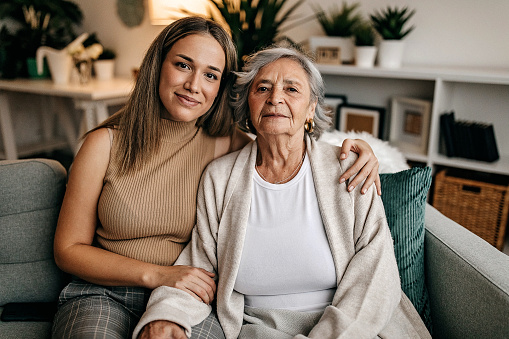
5 Ways to Support Mental Health As You Get Older.

Image credit

When you think of older people, what comes to mind? Most likely, you think of a frail older man or woman sitting in a rocking chair on the porch with his or her grandchild. This image is often comforting, but it’s not always accurate. As life expectancy increases, so will the number of seniors needing support as they navigate this time in their lives.

Let’s take a look at the five ways you can support mental wellness for the elderly through compassion and care.

Mental Health: Dementia and Depression

Mental health is defined as a state of well-being in which every person realises their unique potential and can cope with the everyday stresses of life. It encompasses our emotions, beliefs, thoughts, and behaviours related to our physical and spiritual health.

Studies have found that over 50 per cent of older adults with dementia experience depression. This figure becomes even more striking when considering that depression rates are higher in women than men. Depression can lead to loneliness and feeling disconnected from society, which might be exacerbated for those who aren’t familiar with mental health issues.

Depression can also lead to poor self-care behaviours like eating poorly or not taking care of personal hygiene because they cannot enjoy their day-to-day activities such as cooking or cleaning. People may find it challenging to socialise during this time because they’re trying so hard not to feel negative emotions like sadness or anger that might come up unexpectedly during a conversation.

It can be worth discussing how they can get support from a care facility such as Oakland Care where they will have round the clock care and support for their mental and physical wellbeing.

5 Ways to Support Mental Health

  • 1. Be a friend

One of the most important things you can do to support mental health in the elderly is being a friend. It’s easy to think of someone who is elderly as being alone, but they don’t want to be. They rely on friends and family members more than ever before. This can help provide them with some comfort and companionship during difficult times.

  • 2. Have compassion for them

It’s good to show seniors compassion when they need it the most. Not only will this improve their mental health, but it will also give you the chance to see a side of your loved one that you might not know about otherwise.

  • 3. Offer loving care

It’s essential for all people in your life, including elderly family members, friends or caregivers, to remember that every person is different and deserves love on their terms. The elderly need specific forms of care and various types of love depending on their circumstances.

  • 4. Send cards or gifts

Gifts sent with care can help people feel less alone and know they have support. Choosing something special to them.

  • 5 Get help

Sometimes, the best thing you can do is to contact a medical professional such as a GP or hospital doctor who can get them the proper care. 

Above all, make sure they are well supported and cared for.

This article was written by a freelance writer and contains affiliate links.