This Children’s Mental Health Week by charity Place2Be, is focused on the theme ‘This Is My Place’, fostering a sense of belonging in children, encouraging safe spaces for them to feel supported. The week encourages adults, teachers, parents and carers to use tools to equip children with positive mental health.
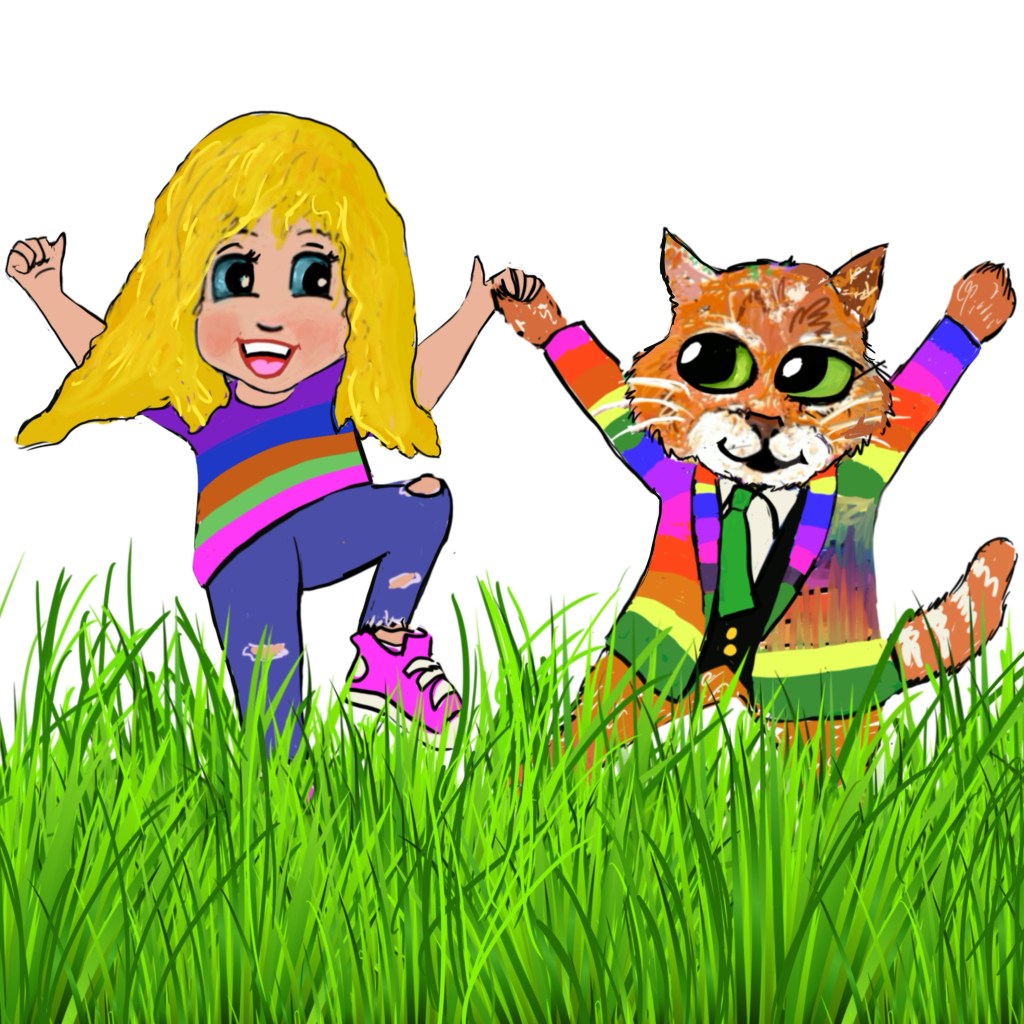
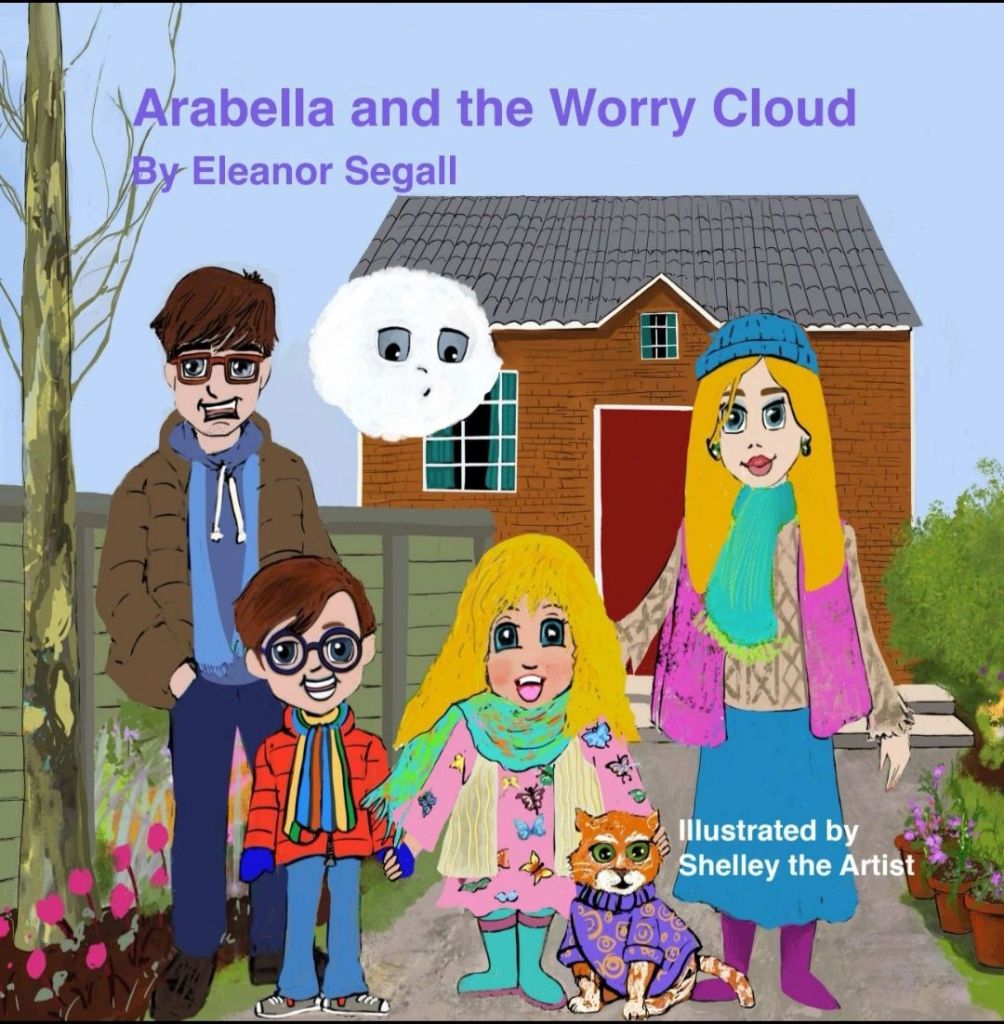
This week is very important and my children’s book ‘Arabella and the Worry Cloud’ (illustrated by my dear friend Shelley the Artist) is for younger children (aged 4-8) navigating feelings of worry and anxiety.
(image: E Segall/Shelley The Artist)
When I was a little girl and well into my teen years and beyond, I had a lot of anxieties. As a self-confessed empath and worrier, I could feel when something was wrong. This led to separation anxiety with symptoms including nausea at school. Children who have anxiety need to feel safe, settled and above all, heard by parents/carers and the adults in their life at school.
I wrote my first children’s picture book, Arabella and the Worry Cloud, in 2019 and published it in 2024. It is based on me as a young 7-year-old girl who had a lot of anxiety. In the book, Arabella worries about her socks not fitting on her feet, losing her shoes in a muddy puddle, the rain soaking her and cold freezing her toes, the rainbow in the sky losing its colour, her cat Pickles getting lost, the plants in the garden dying, losing her homework, failing a test and being blown away by the wind. These worries are partly represented by a Worry Cloud that comes down to see her from the sky and threatens to rain on her with all her worries.
Eventually, Arabella realises that if she thinks jolly, happy, sunny thoughts in place of the worries, she can push the Worry Cloud away with the joyous light beams of positive thinking. Arabella unlocks happy memories with her family, visualising wonderful times with them and it gives her confidence to face the Worry Cloud head on, so it can go away and leave her in peace.
So many children will have their own version of the Worry Cloud. Arabella’s place of belonging is with her family, where she feels safe and loved (and we know this is not always the case). My hope through this book is that it will help children to feel OK with anxious feelings, to find safety and to talk about it with a trusted adult in their life.
Every year, the incredible charity Christmas For CAMHS brightens up the lives of children and teens on NHS CAMHS mental health wards. These are for children who are too ill with their mental health (often distressed and traumatised) to be at home with their families, friends and loved ones. In 2004, when I was just 16 and going through a bipolar episode, at Christmas, I was in a mental health ward away from home (I am Jewish and don’t celebrate Christmas religiously but there is something about being given a gift, a card, activities when you are far from home that warms the soul). I know how scary it can be to live in hospital with other ill children and teenagers. So, I absolutely love the work of this important charity.
Christmas For CAMHS was founded by Dr Ro Bevan. While working as a doctor on a children’s ward in 2015, she saw first hand that, during the festive season, hospitals supporting children with physical illnesses were showered with huge amounts of gifts, festive treats and celebrations – as they should be! They even had enough to cover ward birthdays the following year! The following year she was working on a child and adolescent mental health ward. She was shocked by the contrast. So she posted about the inequality on Facebook – “We had no presents donated. Our patients had one present each using money scrimped and saved from the NHS budget.” Her plea went unexpectedly viral, inspiring an intrepid bunch of volunteers to come together with her to create our charity Christmas For CAMHS. We had to make sure that no child or young person on a UK mental health ward was ever forgotten at Christmas again.
Since then the charity has gone from strength to strength, providing some essential Christmas hope for almost 9875 children and young people. Last year, in 2024, the charity sent over 1100 individual gifts (with an additional fidget toy too) to these children and young people – that’s gifts to every young person in every CAMHS unit in the UK!
They also sent 52 special additional gifts for young people on the ward particularly in need, such as those with no parental support and young people in foster care – this included items such as oodies, comic books and specialist art equipment. But that wasn’t everything! As well as individual gifts and goodies, they sent wellbeing advent calendars, festive decorations and activity kits – great for distracting and boredom-busting – paper chains, homemade cards and ward gifts such as jigsaws, art kits, books and board games. Festive season in a box!
(Image: Christmas for CAMHS)
The charity say, ‘It’s never really about the gift itself. For these young people struggling with conditions such as anorexia, psychosis, bipolar disorder and depression, it’s about a glimmer of hope — the knowledge that someone out there cares for them, is thinking of them, and wants them to feel less alone at a very hard time of year to be poorly in hospital. This is why what we do is so important. These fragments of hope and glimmers of joy can, and do, change the course of lives.’
A recipient of the charity’s kindness who was in hospital years before, told them the following and reached out to the charity.
She said: “I was in a CAMHS inpatient unit over the Christmas period when I was 17. While friends were studying for A Levels and passing their driving tests, I was really struggling to keep myself safe and needed to focus on basics like brushing my teeth and eating regularly. Staying in an inpatient unit is a really tough experience for anyone, but Christmas is particularly hard when the pressure to be with family and enjoy the festive period is much higher.”
I wasn’t safe enough to go home overnight yet, so woke up in hospital on Christmas Day. I remember feeling really low that morning, but the unit had received a care package filled with presents which were given to all of us who were there over the Christmas period. I don’t remember what l picked out, or what the other presents were, but I remember feeling like the universe wasn’t such a bad place after all.”
It felt really special that even when I couldn’t care for myself, there were people who did care for me.I hold that memory close to this day and I’m so grateful to Christmas For CAMHS for helping me through a really difficult time.”
I can relate to this person, I was lucky enough that in 2004, we did receive a small gift and I did get some cards from people in hospital with me (I was struggling with bipolar and psychosis at this time but I still remember that lovely feeling of being thought about by the ward staff).
(image: Christmas For CAMHS)
Christmas For CAMHS is a charity extremely close to my heart. This year, they hope to reach their 10,000th child this Christmas. Times are really tough for charities and they need your help to be Father Christmas and his Elves in all of the CAMHS wards in the UK again this year. You can support Christmas for CAMHS by donating online or choosing a gift from their wish list:
For many people, Christmas time/festive season is a time for happiness, family and bringing people together; however,one in seven UK couples face a hidden grief : infertility..
Research reveals that nearly three in four people battling infertility are burdened with feelings of failure, adding to the hidden grief many already feel during the holidays. In response, mental health platform JAAQ wants to spread awareness around why infertility can be harder during the holidays and what we can do to approach the topic sensitively.
Male fertility coach explains why infertility feels heavier during the festive season
Male fertility coach, Shaun Greenway, who was diagnosed with azoospermia, explains on JAAQ why the holiday season is so difficult: “We got a pregnancy announcement at Christmas, and it took me right back to that place. That hurt. That weird feeling of happiness mixed in with jealousy and anger and pain.” Even after he had twins via donor sperm, the emotions didn’t disappear “It will always be part of me. It’s always there.”
Shaun’s experience highlights a truth many people face – that infertility doesn’t end with treatment or conception; it changes shape, often resurfacing during emotionally charged times like Christmas, a time filled with pregnancy announcements and marketing imagery filled with children and togetherness.
Founder and CEO of Fertility Help Hub, Eloise Edington, knows that pain well. Supporting her devastated husband while navigating her own grief, she recalls when speaking on JAAQ: “Supporting my devastated husband while also equally grieving myself and knowing that we would never have a biological child together meant we were both drowning in separate pain.”
She’s open about the reality of those moments: “Lots of crying, lots of eating chocolate, wine, being together. Not pretty. Not Pinterest-worthy. Just real.” For many couples facing infertility, this is the reality of Christmas – raw, difficult and far from the idealised celebrations we often imagine.
(image: Priscilla Prisceez, Unsplash)
4 dos and don’ts for talking about infertility this holiday season
To make the festive season a little easier, mental health platform JAAQ has revealed four essential dos and don’ts for talking about infertility this Christmas – whether you’re facing it yourself, or want to approach the topic sensitively with others.
Dos:
1. Think before you ask sensitive questions about pregnancy or starting a family and wait for them to bring it up themselves naturally in conversation.
2. Share with someone you trust – If you are struggling, consider speaking openly with someone, whether in person or by message, which can help you to process your emotions. For Shaun, he shared: “Once I did start opening up, that’s when everything got a bit lighter.” Elouise suggests, “Find community, find support, speak to other people who are going through similar struggles. How are they dealing with it? What are they doing to keep the romance alive or to get through this tricky time and enjoy life?”
3. Encourage without imposing your opinion. If someone shares something personal, listen fully before responding. Let them know you are there for them and ask how you can support them, rather than assuming what they need.
4. Create a Christmas/ festive routine that works for you. If traditional celebrations feel overwhelming, permit yourself to do things differently. You might skip the big dinner, start a new ritual like a quiet morning walk with coffee, or find other ways to mark the day that feel manageable.
Dont’s:
Don’t ask personal questions about pregnancy or family plans, especially in social settings
Don’t offer unsolicited advice like ‘just relax’ or ‘it’ll happen when it’s meant to’
Don’t probe with follow-up questions if someone opens up; listen supportively rather than asking questions that might cause unintentional distress
Don’t pressure someone to participate in every activity or ‘get into the spirit.’ Sometimes the kindest thing is simply allowing them to step away
(image: Pereanu Sebastian: Unsplash)
About JAAQ
JAAQ – which stands for Just Ask A Question is a pioneering mental health platform designed to make credible, compassionate support accessible to everyone – especially in the workplace. The platform provides engaging, clinically backed content by connecting users with experts and individuals with lived experience, who answer mental health questions anonymously. This unique, interactive approach empowers people to explore their mental wellbeing in a safe, stigma-free environment.
With everything going on in the world today, some stories can get missed in the flurry of competing news. However, when I saw a post by the Oli Leigh Trust, a charity in my community dedicated to suicide prevention, that suicide prevention lessons are going to be made compulsory in secondary schools, I was so happy. Department for Education (DfE) announced on Tuesday that lessons discussing suicide prevention would be compulsory in secondary schools from September 2026.
Growing up, when I had my own issues with depression and suicidal ideation as part of my bipolar disorder, mental health was not spoken about openly in schools. We know that sadly, the suicide rate in the UK and worldwide has been rising. A group of Dads, Andy Airey, Mike Palmer and Tim Owen, 3 Dads Walking, who lost their daughters Sophie, Beth and Emily to suicide came together to campaign to Sir Keir Starmer and the UK government. Heres what they told the BBC,
‘Lives will be saved. Our Voices have finally been heard. ‘ He said the trio began campaigning shortly after their first walk to raise awareness in 2021 and admitted it had at times felt “like we were swimming through treacle uphill”, but now their “voices have been heard”.
“We have covered a lot of ground, literally and figuratively, over the last few years, but to come to a point where a significant change is going to happen still feels quite unreal. I’m stunned.”
“We are really proud of what we have achieved.”
Suicide is the biggest killer of under 35’s in the UK. In their first walk, they raised nearly 1 million pounds for Papyrus charity. In their second, they walked to all 4 UK parliaments to ensure every child was taught the skills to cope with suicidal thoughts. They then met with MPs to discuss how suicide prevention could be embedded in the curriculum.
“If this is the biggest killer of our young people, why aren’t we talking about it?”
So today I say thank you and congratulations to Andy Airey, Mike Palmer and Tim Owen- three courageous men spreading light and goodness in memory of their beloved daughters. Suicide prevention is so sadly needed.
Mental health is finally getting recognition in society. The NHS in the UK has appointed their first medical director for mental health and neurodiversity. Our wellbeing should come first during all stages of life.
Mental Health at Any Age
Poor mental health doesn’t discriminate, and it can affect anyone at any age. It impacts how we cope and how we relate to other people.
The Signs of Mental Health Issues
Note anything that might be a sign of poor mental health.
Carers should also look out for any of these signs early on. The faster these are acted on, the sooner the quality of life can improve.
The Role of Social Connection
As humans, we thrive around others. Our loved ones and our community give us both emotional support and a sense of belonging.
To expand connections, look at joining a club or doing some volunteering. These interactions can ease loneliness, which can be especially common in older adults.
Coping with Life Transitions
As we age, we’ll go through many transitions in life, some positive, and some not. Things like retirement, the loss of a spouse or even moving house can be difficult to navigate. Triggering negative feelings.
Reach out to a trusted friend. But if things start to become unmanageable, seek the help of a professional, like a GP or psychiatrist.
(image: Lesley Juarez, Unsplash)
Trying Mindfulness and Meditation
Lots of people find these practices useful. It helps to connect us to our feelings without judgment. Being aware of our emotions is so important and connecting with our breath.
Start with breathing exercises or guided meditation. To reduce anxiety, mindfulness should be done regularly.
Maintaining Hobbies and Interests
Make time for your hobbies- whether its sport, art, writing, gaming, music or drama. Taking time to do things we enjoy gives a sense of achievement. In some cases, it also connects us with others.
The Role of Technology in Mental Health
Many apps offer mental health support, and some of them are even free. Social media is also a great tool for staying in touch with loved ones.
Older adults might need some support for navigating new technology. Carers or loved ones might need to give them a helping hand.
Nutrition and Mental Health
When we’re not feeling great mentally, it’s easy to fall into bad eating patterns. But we need to make sure we’re getting the vitamins and minerals that keep our brains healthy. Eating well is key at any age to support a healthy mind.
Summary
As we go through life’s journey, we must focus on our mental health at every stage. Learning to test how we’re feeling and navigate changes will keep our brains healthy. If we start to notice a decline, there’s no shame in seeking the help of a professional. It can help us navigate through this tough period.
Stay connected to others and build new connections through mutual interests. For carers there’s plenty of resources online for creating a plan to help your loved one’s mental health.
Women that don’t have children will often be on the receiving end of the big question of when they’re going to start having children. But, there are some women who simply don’t want to have children, and all of them are extremely valid. However, some don’t understand this concept, and if you’re wondering why someone would ever feel like that, you’ve come to the right place. While no woman should ever have to explain herself, we’re going to explore some of the reasons why a woman wouldn’t want to become a mother.
Health problems
For some women, the choice to have children may be taken away from them due to health concerns. It might be that they can’t have children because of their health, or it might even be that becoming pregnant could endanger their health. And, while there are many avenues when it comes to having children, such as surrogacy or adoption, some women would simply prefer to carry their child themselves. When this isn’t possible, they may then choose to not have children at all.
A painful history
Sadly, some women will have a difficult or painful history that might put them off the idea of having children all together. It might be that they’ve grown up with abusive parents and don’t want to make the same mistakes. Or, it could be that they’ve been through something extremely traumatic like rape, and would rather not bring that kind of history into their children’s lives, especially if they experienced a life long injury because of it. Instead, they may speak with a sexual offence solicitor and bring the offender to justice, and then move on with their lives.
They don’t want to bring a child into this world
Every person thinks about this at some point or another, and some women will choose not to bring a child into this world if they don’t believe they can provide them with a safe and happy upbringing. Others may look at the world, citing the sense of war, environment and poverty as a reason to question whether it’s a good idea to bring a child into this world.
Giving up a social life and less freedom
Another concern that some women have and choose not to give up is their social life or freedom to travel. While times have changed compared to, say, fifty years ago, it’s still common for the mother to stay at home with the child while the partner goes out to work. While it’s not impossible to have a social life when you’re a mother, it’s certainly not as easy. And, for some, this plus freedom to live the life they want to live is simply not something they want to give up.
Career priorities
Women have just as much of a right to have a successful career as men do, and some women choose to prioritise their career over having children. A career can sometimes take decades to climb and some don’t want to have time off to have children and juggle their work.
Eating disorders are serious mental illnesses that affect millions of people worldwide. These disorders can have a devastating impact on a person’s physical health, mental well-being, and quality of life. If you think a friend may be struggling with an eating disorder, it is important to seek help as soon as possible. There are many different types of treatments available for eating disorders, and the right approach will depend on the individual’s unique needs and circumstances. This blog post will discuss some of the most effective eating disorder treatments to consider if you think a friend may be struggling.
Inpatient Treatment
Inpatient treatment is a highly specialised form of care that involves staying in a hospital or residential facility. This type of treatment is typically recommended for individuals who are experiencing severe eating disorders and need intensive support and supervision.This inpatient eating disorder treatment may include medical monitoring, individual and group therapy, and nutritional counselling. This approach can be highly effective in helping individuals regain weight, learn new coping skills, and develop healthier eating habits.
Outpatient Treatment
Outpatient treatment is another option for individuals who are struggling with an eating disorder. This type of care involves visiting a mental health clinic or hospital on a regular basis for counselling and other therapies. Outpatient treatment may be appropriate for individuals who are in the early stages of recovery, or who have a less severe eating disorder. It can also be a good option for those who need to balance treatment with work or other responsibilities.
Cognitive Behavioural Therapy
(CBT) Cognitive behavioural therapy (CBT) is a widely used form of psychotherapy that has been shown to be effective in treating eating disorders. This approach focuses on identifying and changing negative thought patterns that contribute to disordered eating behaviours. CBT can be used in both inpatient and outpatient settings, and may be combined with other types of therapies to create a comprehensive treatment plan.
Family-Based Treatment
(FBT) Family-based treatment (FBT) is a specialised approach to treating eating disorders in children and adolescents. This approach involves the entire family in the treatment process and is designed to help parents and caregivers support their child’s recovery. FBT has been shown to be highly effective in treating anorexia nervosa, and may also be used to treat other types of eating disorders.
Nutritional Counselling
Nutritional counselling can be an important component of eating disorder treatment. This type of therapy involves working with a registered dietitian to develop a healthy eating plan that meets the individual’s specific needs and goals. Nutritional counselling may be used in conjunction with other types of therapies, such as CBT, to create a comprehensive treatment plan.
Eating disorders are complex and challenging to treat, but with the right help, recovery is possible. If you think a friend may be struggling with an eating disorder, it is important to seek professional help as soon as possible. Inpatient and outpatient treatment, cognitive behavioural therapy, family-based treatment, and nutritional counselling are all effective options to consider.
Remember, recovery is a journey, and it may take time and patience to achieve lasting results. With the right support and treatment, your friend can learn to overcome their eating disorder and live a happy, healthy life.
Making the decision for a loved one to enter a care home is never an easy one. You probably feel guilty for doing it, but the truth is that it will help them get the best possible care as they get older – more than you might be able to give yourself! There’s a lot of negativity about the subject, but many people find their quality of life improves in a care home, and there are things you can do to make that even better. Ultimately, it comes down to making a decision for their best interests, and even if it doesn’t feel that way at first, it soon will.
So what can you do to help them settle in? You can do your bit by finding ways to help them feel more at ease in their new surroundings. Here are some ideas to help your loved one adjust to life in a care home.
One of the biggest changes people face when going from their own home to a care home is the lack of personalisation and familiarity, and feeling like the space isn’t theirs. But there are things you can do to help fix that, including:
Decorate their room with things from their own home, including pictures, furniture, rugs, etc.
Choose from care home beds that they are happy with (if the home allows you to do this).
Add familiar fragrances.
Make sure they can indulge in their hobbies and interests with books, TVs, etc.
Talk to your loved one about what would help them settle in and do what you can to make it happen.
Be there to make things more enjoyable
With your loved one receiving proper residential care, you can be there to help them have fun and stay active, something that might not have been possible while you were caring for them. Use your energy to take them out for trips, help them exercise, and spend quality time with loved ones. The Body Coach even has his own workout series for older people!
Being in a care home doesn’t mean your usual outings and activities have to stop, so you can help them keep up a routine that they enjoy.
Exercise is very important to help improve mobility and mood. Finding ways to help your loved one’s physical health can also benefit their mental health, improving their mood and helping them feel more at ease.
Get to know the staff
There are a lot of reasons you should get to know the staff at a care home:
It can help you be more involved in your loved one’s life by getting to know the other people who are in it.
They’ll know more about you and your loved one, which can help them provide better care.
If you experience any issues, it’s good to have someone familiar you can talk to.
It creates more of a family atmosphere.
Regular visits and chatting with the staff more will help you make those connections, helping you feel more involved in your loved one’s care. It makes things nicer for them and for you, and is a fantastic way for you all to get to know people better.
You will have all sorts of feelings about your loved one being in a care home, but it’s important that you focus on them and ensure they feel happy and comfortable where they are. Talk to them about what they want and how you can make it happen, helping them settle in quicker so you can both feel more at ease.
You know a soul bird by the intention with which they live their life. Us soulbird’s are seeking to give life to our wings and wings to our dreams.
With the intention of making our world a better place.
One person at a time beginning with OURSELVES!
A soul bird can be a thinker, a dreamer, a lover, a warrior, a spiritualist, a seeker, a teacher, an adventurer, an artist, a helper, a doctor, a mom or dad. See the thing is its not WHAT you do, its WHY you do what you do.
Simply put a soulbird is a person living with the intention, growing, rising up, elevation, because we know that like Ghandi said ‘we must be the change we wish to see in the world’. Lets spread the wings of our souls and elevate.’
– India Arie.
10 years ago, I wrote this teaching by the singer and spiritualist India Arie on my old blog ‘Mirror of my World’. I was 25, just 6 months before I became really ill with my bipolar again and India was like this big sister I had never met but she spoke to my soul. I was a soulbird then and despite so much time elapsing, I feel like one now. Everything that I do (most things) are intentional and to help others- in my work life and I try to do so in my personal life too.
I am going through a lot of changes in my life right now. The pieces that came together with my career, physical health and other things (like our move) seem to be drifting apart. However, I know this is temporary and change will come. My dreams will manifest and things will get better, but it is hard when you are in an uncertain place and things can feel overwhelming.
Until I feel ready to write and open my heart fully, sometimes its good to look back and see who you were, are and who you are becoming.
Keeping dreaming, holding love in my heart and ten years later, I have the partner I need who supports me and is kind. Despite some losses that I am feeling keenly today, I know I have the support of my husband and family and good friends, as well as a supportive therapist, which means the world. I am lucky and I know that this too shall pass.
Mental health can be a difficult topic to address, but it is important for everyone to prioritise their wellbeing. There are many ways to manage your mental health, but sometimes the simplest methods are the most effective. This blog post will be discussing six small things that can help you maintain good mental health. These tips are practical, easy to implement, and can make a significant difference in your life.
Keep a Gratitude Journal
It can be easy to focus on the negative aspects of our lives and dismiss the positive. Taking a few minutes each day to jot down things that you are grateful for can shift your mindset and improve your mental wellbeing. Write down three things that you are thankful for each day before going to bed, and reflect on them at any time when you feel overwhelmed or stressed. This practice will help you appreciate the good things in your life and keep you motivated.
Take Breaks From Technology
Technology is increasingly becoming a significant aspect of our lives, and it is often difficult to disconnect. Technology is useful, but it can also be an additional source of stress. To promote good mental health, allow yourself to take breaks from accessing technology and spend more time engaging with people or relaxing in other ways. Read a book, meditate, or go for a walk in the park instead of scrolling through social media. Taking a break from technology can help you unwind and recharge.
Reach Out to Your Support System
The people who care about and support you can play a crucial role in helping you maintain good mental health. Reach out to those in your support system when you need reassurance, affirmation, or guidance. If your family or friends are not readily available, you can always seek professional support through counselling, therapy, or hotlines. Remember that it is okay to ask for help.
Engage in Hobbies or Activities That You Enjoy
Engaging in activities or hobbies that bring you joy can contribute significantly to your mental health. Find new activities or hobbies that you enjoy or rediscover old ones that you may have abandoned. Starting or continuing collection is also a good way to get out of the house and devote your energy to something new, starting with stores like Go Earth Coins & collectables which have lots of options of things to start collecting. Being creative, learning new things, and experiencing novel experiences can help you feel more fulfilled and satisfied in life. You can also join clubs or connect with groups that share your interests to feel more connected and fulfilled.
Practice Self-Compassion
Being kind and compassionate to yourself should be a core aspect of your daily routine. Self-compassion means recognising your strengths as well as your self-improvement goals, acknowledging your mistakes without excessively criticising yourself, and treating yourself kindly. You can practice self-compassion in several ways, including speaking kindly to yourself, treating yourself to small gifts or experiences, and regularly complimenting yourself.
(image: Unsplash- Tim Mossholder)
Get Enough Sleep
Getting sufficient sleep is essential for both your physical and mental health. Make sure you get enough sleep and avoid stimulants such as caffeine and alcohol, especially before bedtime. Create a sleep-friendly environment, which includes having a comfortable sleeping space, a consistent bedtime routine, and establishing a relaxing bedtime routine, including reading books, taking a warm bath, or meditating to help promote restful sleep.
Good mental health is essential to a fulfilling life, and small things can make a significant difference. Start by implementing these six small things to promote your mental health, and other healthy habits will follow suit.
Remember, maintaining good mental health is a journey, and it requires practice. Take the time to look after yourself, and you will reap the benefits.











 beurownlight.com