5 Daily Habits for Mental Clarity and Emotional Balance by Miranda Spears.

(image: Roxana Zerni, Unsplash)

You need daily habits in your life for mental clarity; these daily habits are often vital for wellbeing. Sometimes your mental health might take a dip, you might feel drained, depressed or feeling like you are left behind and cannot keep up. Here are some daily habits that can help to boost your mental health:

Practice Morning Mindfulness

Mindfulness can include simple tasks such as starting off the day on a positive note and setting good intentions by writing or speaking affirmations or engaging in prayer. Every day after you get up, you should make your bed as this is a small exercise that will only take two minutes of your day and prepare for a good day. As soon as you get up, do some simple, mindful stretches like swinging your arms in circles or doing the cobra pose to prepare your body for a focused day quickly. 

Move Your Body

You should move your body and avoid sitting in one place, as moving around ensures that blood flows to your brain better and faster, providing it with oxygen, and activities like taking a stroll, especially early morning strolls when the weather is nice and there is calm in the air, are also good for you. You can breathe in fresh air and it makes you look at things from a new perspective. So, take morning or lunchtime walks so you may be prepared for the day. You can also do activities like yoga which boosts mindfulness and helps you get mental clarity. It can also calm your mood, and you can also do cardio workouts like cycling and running to give your brain the pump of blood it needs and help you think more clearly and better. 

Fuel Your Brain 

If you want your brain to think clearly, you must provide it with the right type of nutrients, too. You should make a list of foods that are good for your mental health and incorporate them into your daily routine. You can have fruits and vegetables, healthy carbs and proteins as your brain cells need nourishment to think better, too! You should also drink water and get yourself hydrated, as water makes your blood move around the body faster, wakes up your brain, and increases brain function. Also, you can take supplements like chlorella, a high protein plant. Some chlorella benefits include detoxification and improved focus, which are good for mental clarity.

Journalling for Emotional Release

There are some activities, like journalling, that you can do at the end of the day to let go of any stress that your body has. You can write about the things that went wrong in the day and what went well. Take your time to reflect on things so you do not end up overthinking things and overstimulating your brain. You should have a journal by your bed so if you feel like some unprocessed thoughts are coming to you, you can vent them out in your journal, which should help your mental health. 

Sleep Better

Establish a bedtime routine for yourself that is unique to you so that you can look forward to it every night, and it helps you sleep better. You can read a book, lower the brightness of the lights in your room, and have decaffeinated tea or water. You should also avoid screens before going to bed, the LED light is not good for your eyes and does not let you sleep well. The use of screens has proven to have a strong link with less sleep time and delayed sleep. 

Daily activities for your mental health require you to be consistent and true to yourself if you really want to see the results.. So, start with something small like making your bed and practicing mindfulness and then keep on adding some activities to your routine so by the end of a few days, you meet with a better, improved version of yourself, one with a clear mind and better health.

This blog was written by Miranda Spears.

Clear Examples of How Eating Affects Your Mental Health by Anita Ginsburg.

(image: Jacopo Maia: Unsplash)

When it comes to mental health, many people tend to focus on the usual suspects: stress, anxiety, depression, and medications. However, did you know that your food choices also play a significant role in your mental well-being? Over the years, studies have revealed the powerful connection between what we eat and how we feel emotionally. It’s not just about getting the right nutrients for physical health, but also for mental health. This blog post will explore some of the clear examples of how eating affects your mental health.

Mood Swings

What we eat affects the chemistry of our brain, which can lead to mood swings. Consuming foods high in sugar and simple carbohydrates, such as cakes and candy bars, may give you a quick energy boost, but it can also cause blood sugar spikes and crashes, leading to irritability, anxiety, and depression. Eating a balanced diet with protein, complex carbs, and healthy fats will help stabilise your mood and keep your energy levels consistent; buying from health food stores with less processed foods and organic produce like Southtown Health Foods can help with this goal.

Stress and Anxiety

Eating nutrient-dense foods can play a big role in reducing stress and anxiety. Foods like salmon, walnuts, and chia seeds contain omega-3 fatty acids, which are linked to lower levels of stress hormones. Other foods, such as leafy greens, are rich in magnesium, which can help decrease anxiety. On the other hand, consuming caffeine and sugar can increase feelings of anxiety.

Brain Fog

The foods we eat can also impact our cognitive function. Processed foods and fast food meals that are high in trans fats and sugar can cause inflammation, which affects the brain’s ability to think clearly and process information. It’s important to fuel your brain with nutrient-dense foods, such as whole grains, lean protein, and healthy fats like avocado and nuts.

Depression and Mental Health Disorders

Studies have shown that people who consume a diet high in fruits, vegetables, whole grains, and lean protein have a lower risk of depression and other mental health disorders. These foods are rich in vitamins and minerals that are crucial for proper brain function and emotional well-being. On the other hand, a diet high in processed and fast food can increase the risk of depression and other mental health issues.

Gut Health

The gut-brain connection is a well-known phenomenon, and the gut microbiome plays a vital role in our mental health. Consuming a diet high in fibre, fermented foods like yogurt and kimchi, and prebiotics like garlic and onions can help foster a healthy gut microbiome and improve mental health. On the other hand, consuming a diet high in sugar and processed foods can lead to an imbalance in gut bacteria and inflammation that can negatively impact mental health.

In conclusion, what you put into your body matters for both your physical and mental health. Meal planning and making mindful food choices can go a long way in nourishing your brain and keeping your mood stabilised.

It’s important to note that there is no one-size-fits-all diet that will work for everyone, but incorporating more whole foods into your diet is a good start. Take control of your mental health by paying attention to your diet and making changes as necessary. Your body and mind will thank you for it!

Please note that a healthy diet without any other support is not a ‘cure’- make sure to reach out to professionals if you are in crisis.

This article was written by Anita Ginsburg.

Exploring The Health And Wellbeing Benefits Of Natural Foods by Ani O.

(image: free image)

Eating natural foods may seem intimidating, but it has countless benefits for your health. Not only are natural foods nutrient-dense, offering essential vitamins and minerals to give you energy throughout the day, but they’re also tasty! Incorporating these healthy choices into your meal plan is a great way to nourish yourself and your loved ones. With the right recipes, exploring the world of natural foods can be exciting and delicious – read on to discover why eating healthier doesn’t have to mean sacrificing flavour or comfort in the kitchen. 

The Health Benefits of Eating Natural Foods 

Eating natural foods can have a multitude of health benefits. They tend to be lower in calories and are often packed with vitamins, minerals, and other nutrients our bodies need to function properly. In addition, natural foods are less likely to cause inflammation in the body, which has been linked to a host of chronic health conditions. Beyond physical health, eating natural foods can also improve our mental health. Studies have shown that a diet rich in whole, natural foods can help reduce symptoms of anxiety and depression (sometimes in combination with other methods too). So why not swap out processed snacks and meals for fresh fruits, veggies, and whole grains? Your body and mind will thank you! 

How Natural Food Affects Mental Health 

When caring for our mental health, we often think of practices like meditation and exercise. But did you know what you eat can also impact your feelings? Eating natural, whole foods can positively affect your mental health. These foods are rich in nutrients like omega-3 fatty acids, magnesium, and vitamins B12 and D, all of which have been linked to improved mood and cognitive function. On the other hand, highly processed and sugary foods have been shown to contribute to feelings of anxiety and depression. So next time you’re grocery shopping, consider adding more fruits, vegetables, and lean proteins to your cart for a healthier mind. 

How to Find High-Quality, Natural Ingredients 

When it comes to finding high-quality, natural ingredients, it’s all about doing your research. Start with seeking out companies prioritizing quality over quantity, and avoid those trying to cut corners with artificial or synthetic additives. There are companies like Southtown Health Foods that provide natural ingredients. Look for products that use whole, plant-based ingredients and avoid those with preservatives, fillers, or other additives that can detract from the overall quality of the product. Talk to experts and read reviews to better understand what brands and products are worth your time and money. Above all, remember that finding high-quality, natural ingredients requires patience, dedication, and a willingness to learn more about the products you’re buying and the companies behind them. 

Easy Ways to Incorporate Natural Foods Into Your Diet 

Incorporating natural foods into your diet doesn’t have to be a daunting task. Plenty of easy and delicious ways to add more fruits, vegetables, and whole grains into your meals. One simple idea is to swap the white bread for whole-grain bread or try a wrap with lettuce instead. Another idea is to add some fresh berries or sliced bananas to your morning oatmeal for a sweet and healthy start to the day. If you’re a smoothie lover, throw in some spinach or kale for extra nutrients. By making small swaps like these, you can easily boost the nutrition of your meals without sacrificing flavor.


Tips for Making Delicious and Healthy Meals with Natural Food Ingredients 

Making delicious and healthy meals using natural ingredients can be challenging, but it’s worthwhile. By using fresh fruits and vegetables, whole grains, and lean proteins, you can create dishes that taste amazing and are great for your body. One tip is experimenting with different herbs and spices to add flavour without relying on heavy sauces or oils. Another is to meal prep in advance, making it easier to whip up a nutritious meal when you’re short on time. With creativity and quality ingredients, eating healthy can be tasty and enjoyable. 

The Environmental Impact of Eating Natural Foods 

Eating natural foods can have a significant impact on our environment. We support sustainable farming practices when we choose minimally processed foods grown without chemical pesticides and fertilisers. These methods prioritise soil health, biodiversity, and the conservation of natural resources. This is important because conventional farming practices often lead to soil erosion, water pollution, and the destruction of habitats. By eating natural foods, we can significantly decrease our carbon footprint and support a more sustainable food system. Natural foods often have higher nutrient densities, making them a delicious and nutritious option for our bodies and the environment. 

Exploring Different Types of Natural Foods and Where To Find Them 

You’re in the right place if you want to add variety to your diet and try new natural foods! There are many options, ranging from exotic fruit to leafy vegetables and everything in between. The best part? You can find these natural foods in several places, including your local grocery store, farmer’s market, or online. Shopping for natural foods can be fun as you explore new tastes and textures. So, if you’re ready to expand your palate and embrace the abundance of natural foods available, start exploring today! 

Eating natural foods is more than just a trend – its benefits can be felt in many aspects of life. It will improve your health (including mental health), the environment, and our planet. Natural foods can be beneficial for those trying to make healthier choices.

Plus, it’s fun to explore different types of natural foods, spices, and ingredients that you might not normally encounter in a traditional supermarket. Try cooking a new recipe with fresh, natural ingredients – your taste buds will thank you!

So go into the natural food world and get creative in the kitchen – you won’t regret it! 

Ani O. is a freelance writer and web enthusiast.

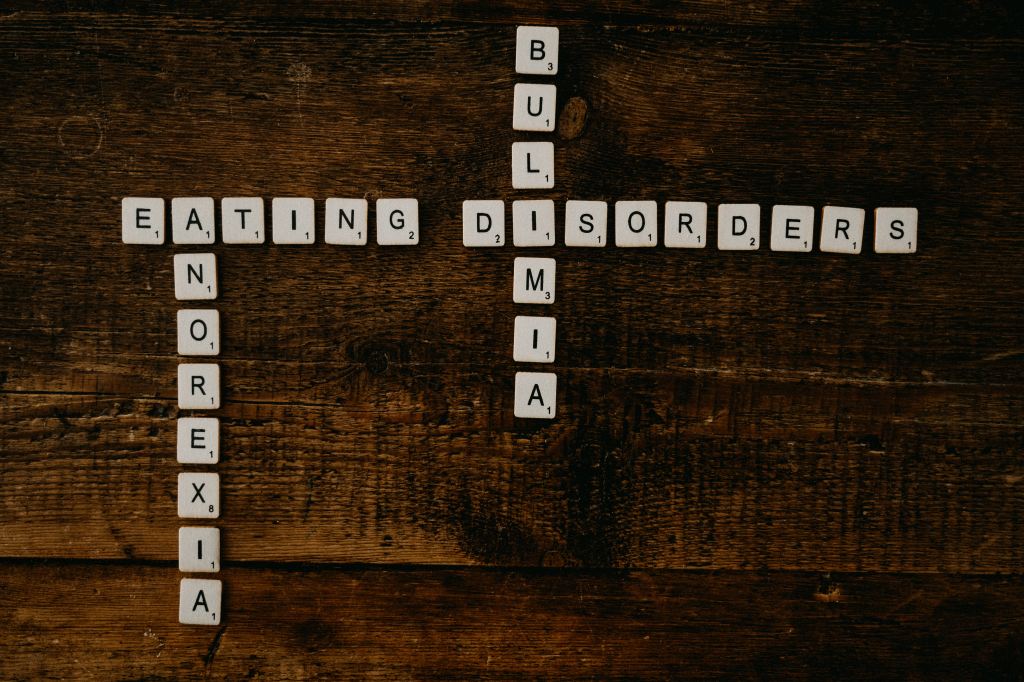
How To Safely Treat An Eating Disorder by Lizzie Weakley.

(image: Annie Spratt: Unsplash)

Eating disorders are complex mental health conditions that require a multi-dimensional approach to treatment. They can affect people of all ages, genders, races, and backgrounds, causing severe emotional and physical distress if left untreated. The good news is that there are many safe and effective treatment options available to those struggling with eating disorders. This article will explore some of the most effective ways to safely treat an eating disorder, including therapy, medication, nutrition counselling, and support groups.

Eating Disorder Treatment Therapy

One of the most important aspects of care is eating disorder treatment therapy. There are different types of therapy available to those struggling with an eating disorder, such as cognitive-behavioural therapy (CBT), dialectical behaviour therapy (DBT), and family-based therapy (FBT). These therapies can help individuals identify and change distorted thoughts and behaviours around food, body image, and weight. CBT is particularly effective in treating individuals with anorexia nervosa and bulimia nervosa, while DBT can help those struggling with binge eating disorder and emotional dysregulation. FBT is a family-based approach to treating eating disorders in adolescents and children, which focuses on empowering the family to help the individual recover.

Medication

Medication may also be prescribed to individuals with eating disorders, particularly those with comorbid conditions such as anxiety or depression that are affecting their recovery. Antidepressants can help reduce symptoms of depression or anxiety, while antipsychotics may be prescribed for those with severe symptoms of body dysmorphia, or the distorted belief that their body is flawed. However, medication should be used alongside therapy and other forms of treatment, and under the close supervision of a medical professional.

Nutrition Counselling

Nutrition counseling can be an important part of eating disorder treatment, particularly for those with severe malnutrition or gastrointestinal problems. A registered dietitian can help individuals create a balanced and customized meal plan, learn about appropriate portions, and manage food fears and weight concerns. Nutrition counseling may also include education around mindful eating, intuitive eating, and healthy coping mechanisms. However, it is important to note that nutrition counseling alone is not sufficient for treating eating disorders.

Support Groups

Support groups can be a valuable resource for individuals struggling with eating disorders, as they provide a safe and non-judgmental environment for sharing experiences and gaining support. They can be particularly beneficial for those who cannot afford or access individual therapy, or who prefer a group format. Local and online support groups are available, and many are free or low-cost. Support groups can also provide a sense of community and belonging, which can be helpful in reducing feelings of isolation and loneliness.

Eating disorders can be devastating, but there is hope for recovery. Treatment may involve a combination of therapy, medication, nutrition counselling, and support groups, depending on the individual’s unique needs and circumstances. Recovery is a journey, and it may take time and patience, but with the right support and resources, it is possible. If you or someone you know is struggling with an eating disorder, reach out to a healthcare professional for help. Remember, you are not alone.

Lizzie Weakley is a freelance writer from the USA.

Emotional Eating: How To Manage Triggers By Lizzie Weakley.

(image: Roamincolor at Unsplash)

Do you find yourself reaching for food to fill an emotional void? Do you often find yourself snacking out of boredom or anxiety? Emotional eating is a common problem that many people struggle with, but it doesn’t have to be something that controls your life. Here are some tips and strategies for managing emotional eating triggers and developing healthy habits.

Identifying Your Triggers

The first step in overcoming emotional eating is to identify the triggers that lead to it. Everyone has different triggers, so it is important to take the time and reflect on what causes you to turn to food when feeling overwhelmed or stressed. Some of the most common triggers include boredom, stress, loneliness, sadness, anger, fatigue, and anxiety. Once you have identified your particular triggers, then you can start taking steps towards addressing them.

Learning New Coping Mechanisms

The next step is to learn new coping mechanisms that allow you to manage these emotions without turning to food. This could be physical activities such as going for a walk or jog, doing yoga, or any other type of exercise that helps reduce stress levels.

It could also be trying out mindfulness techniques such as meditation and deep breathing exercises which can help centre your thoughts and help clear out negative feelings. Other methods could include talking with friends or writing down your thoughts in a journal in order to gain some clarity about why you are feeling certain emotions and how best to work through them.

Taking an Online Coaching Course

Finally, another great way of managing emotional eating triggers is by taking an online emotional eating coaching course designed specifically for this purpose. An online coaching course can provide the guidance needed in order to make meaningful lifestyle changes that will help overcome emotional eating patterns over time. The course will provide tips on how best to manage cravings and difficult emotions while also teaching techniques on how best to maintain healthy habits long-term while learning positive self-care practices along the way.

Emotional eating can be a difficult habit to break but with the right strategies in place, it can become manageable over time! Taking the steps outlined above such as identifying your triggers, learning new coping mechanisms, and taking an online coaching course are all great ways of helping manage emotional eating triggers while developing healthier habits along the way. With dedication and effort this problem can improve significantly!

Lizzie Weakley is a freelance writer.

4 Effective Ways to Boost Your Mood And Keep Well.

(image: Shutterstock)

Your mental health matters a great deal when it comes to your overall wellbeing. There may be days or times you feel low or maybe you’re someone who is managing a mental health or mood disorder currently.

Regardless of who you are, it’s important that you take positive steps in the right direction to take good care of yourself. Consider making and incorporating these changes and then notice how much better you feel overall. Here are four effective ways to boost your mood and be well so that you can get back to living fully and have a smile on your face while you do it.

1. Exercise & Move More

One effective way to boost your mood and be well is to exercise. Not only workout and break a sweat regularly but also commit to moving more throughout the day. Exercising is great for your mental health and can instantly put you in a better mood. Make working out fun by engaging in activities you enjoy and that get your body moving and making a playlist that keeps you motivated.

2. Get Organised & Declutter

Another effective way to boost your mood and be well is to get organised and reduce the clutter in your home, office, and life. You’ll feel less stressed daily and will be able to easily find what you’re looking for. Go through old boxes and get rid of or donate items you no longer use or want sitting around. As for anything you decide you want to keep but don’t want in your home, it would be useful to look into securing a storage unit with https://www.storagearea.com for the overflow.

3. Stay Social & Connect with Others

If you want to effectively boost your mood and be well then it’s in your best interest to build relationships with others, if you are able. Stay social when you can and make connections that are meaningful and rewarding. Keep a social calendar and be sure to get out and about once in a while so that you’re not always sitting around the house or feeling lonely. Sometimes this can be more difficult, so be kind to yourself.

You may want to join clubs or orgnaisations in your area, volunteer, or play group sports to help you stay better connected, if you want to. Otherwise, take up a hobby or two and make new friends this way as well. If you struggle with making friends or have social anxiety, you aren’t alone and there is a lot of support out there for you too!

4. Eat A Healthy Diet  

What you put in your body for fuel can also impact your mood and mental health. Feel better fast by eating a healthy diet and cutting back on sugar, alcohol, and processed and fried foods. Some foods can also cause anxiety and make you feel uneasy. Stick to a healthy and well-balanced diet filled with fruits, vegetables, and leafy greens, nuts, and lean proteins. It might help to get in the habit of cooking for yourself at home so you have more control over the ingredients you use and what you’re eating. Also, always drink plenty of water to make sure you stay hydrated and have more natural energy to get you through the day.  

Keeping well is something you can do for yourelf- go at your own pace and look after your mental health and overall wellbeing.

This article was written by a freelance writer.

Don’t Feel Like Cooking Tonight? Heres 4 Reasons why You Should For Your Health.

(image: Jason Briscoe: Unsplash)

Home cooking offers many benefits. It gives us control over what we’re consuming, we can try out new combinations and recipes, and it can even be a soothing activity.

It’s often one of the first things that falls by the wayside when our lives get hectic, however. Revenue in the ready meals market has increased since 2017 and is expected to continue rising until 2026. It’s clear that in our busy lives, we often resort to convenience foods.

Here, we’ll cover some of the hidden benefits of cooking at home for those times when you feel like ordering a takeaway or throwing another microwave meal in.

Portion and ingredient control

When you order a takeaway or eat a meal at a restaurant, you don’t have much control over the ingredients used or the size of the portion you get, unless you specify you’re allergic to an ingredient. Home cooking is a great way to eliminate unhealthy ingredients.

Portion sizes vary wildly between restaurants – some are much bigger than we’d make at home, while others are not enough to satisfy us. Everyone’s food intake requirements are different, and the healthiest attitude towards food is to eat a satisfying amount – even if it’s more or less than your friend. Generally, restaurants aren’t a good guide for portion sizes, whereas you’ll know your nutrition requirements when cooking at home.

Making healthier choices

A lot of us have been tempted by an impromptu fast food lunch order when we’re at work. And while there’s nothing wrong with indulging in your favourite takeaways occasionally, doing this too often can leave us feeling lethargic and unhealthy.

Preparing your meals for work in advance gives you the freedom to cook whatever you love the most while incorporating energy-boosting fresh ingredients. Meal prepping has exploded in popularity in the past few years, and for good reason. Whether you batch-prep your meals for work every week or you cook an extra portion of your evening meal for the next day, preparing food for work is great for our health.

You’ll need to make sure your trusty work bag can fit your lunch in – backpacks for women are hugely popular for work now, and they can also fit in plenty of other healthy essentials like a reusable water bottle, plus your work laptop!

(image: Max Komthongvjit: Unsplash)

Saving money

It won’t come as a surprise that regular home cooking will keep some more pennies in your purse, especially considering we’re experiencing an increase in the cost of living right now. Dining out at our favourite restaurants is unsurprisingly the most expensive way to eat, but even those visits to the shop for a seemingly cheap meal deal can add up.

Cooking from scratch allows us to cost up our meals and ensure we’re eating within our budget. If you’re finding that you’re priced out of some fresh ingredients, don’t worry – studies have shown that frozen fruit and vegetables are just as healthy. In some cases, frozen produce may even contain higher levels of some nutrients – and come with the added bonus of being easier to prepare!

Mental health benefits

Many of us will already know how relaxing cooking can be. The act of methodically preparing, seasoning, and stirring our food can be therapeutic. Taking the time to cook a meal from scratch tells us that we are worthy of spending time on, which can boost our self-esteem. The act of cooking sometimes requires precision, but it takes us away from the hustle and bustle of our busy lives and – usually – drags us away from our screens.

Having a regular routine is powerful for people who experience anxiety and feel like their life is out of control. Cooking at home regularly is an important part of a healthy everyday routine, which can help us feel in control of our lives. What’s more, it can be a creative activity, and that’s proven to lift our mood and reduce stress.

While we love dining out and ordering in the occasional fast-food feast, there’s no doubt that home cooking reigns supreme. Not only does it allow us to be aware of what we’re putting into our bodies, but it also allows us to take some time away for ourselves, away from our devices and the busyness of our everyday lives.

This article was written by a freelance writer and contains ad links

Try These Simple Depression Meals When Life Gets Hard by Kara Reynolds

(image: Unsplash)

Being an adult is exhausting.  We’re expected to work, build a career, keep a house, feed ourselves, socialize…the list goes on and on.  When you have kids, that list doesn’t get any shorter — instead, it expands to include keeping small humans alive, healthy, entertained and happy.  Becoming a mom is supposed to be one of the most magical parts of your life, but what they don’t tell you is that it can also be the hardest. Mom life is hard. There’s no point in sugar-coating it.

When that massive list of things that you’re expected to do becomes overwhelming, here are some simple depression meals that can help you eat healthily and keep everyone fed without putting in too much effort or relying on takeout. 

Nutrients That Impact Depression Symptoms

Depression is one of those things that we tend to only talk about in reference to other people, but it’s more common than you might think.  According to the World Health Organization (WHO). around 5% of the global population suffers from depression or around 280 million people. There are a lot of different ways to manage your depression symptoms, all of which should be overseen by a medical professional, but there are some small changes that you can make at home that might have a positive impact.  This includes changing the foods that you eat.

Research has shown that some specific nutrients might help manage depression symptoms include; 

  • Amino acids like tryptophan (found in turkey and chocolate)
  • Omega-3 Fatty Acids (found in oily fish)
  • Selenium
  • Iron
  • Iodine

Switching your diet around to ensure that you’re including these nutrients can help make the job of managing your depression symptoms a little easier. Here are some of my favourite depression meals for those nights when nothing else seems to be helping but you’ve still got a house of little humans to feed.

Charcuterie 

If you were a kid in the 90s, you probably grew up having Lunchables for lunch during the week. They were quick, easy and had most of the nutrients a growing kid might need to get through the day — if you were content to subsist on crackers, deli meat and sometimes cheese. Okay, so they weren’t the healthiest option, but if you make them fancy, put them on a plank of wood and call them charcuterie, they’re one of my favourite depression meals. 

The nice thing about charcuterie is that there is no wrong way to do it.  Pick your favourite meats, crackers, dips, fruits and veggies, and arrange them on a plate or tray.  Then pick and choose what you want to eat. It’s simple, it’s fun, and it’s a great way to make sure that everyone is getting fed when all you have the energy to do is assemble things on a plate.

Fish

Fish might seem like a lot of hassle, but it doesn’t have to be.  It’s also a great option for depression meals because it tends to be high in magnesium which is another nutrient that can help with managing depression symptoms. 

This simple sheet pan haddock bake is a great way to get your nutrients without making a  big mess in the kitchen.   It’s 5 ingredients — haddock, crackers, butter, garlic salt and lemon — and five steps — and one of those steps is preheating the oven and I’m not even sure that counts. If you’re not a fan of haddock, swap it out for your favourite fish. 

Stir Fry

Stir fry is easily one of my favorite meals.  It’s easy, it’s cheap, it’s fast, and you can make it with whatever you have in the kitchen.  Start by picking your protein. Then, pick your stir fry veggies — these can be fresh, canned or frozen. Fry them up in the oil of your choice, top with your sauce, and serve over rice. 

The key to a good stir fry, regardless of your chosen ingredients, is the sauce.  My go-to stir fry sauce only requires a handful of ingredients, most of which you probably already have in your kitchen.: 

  • ½ cup soy sauce
  • ½ cup chicken broth
  • 1-2 tablespoons of cornstarch
  • 1 tablespoon minced garlic
  • 1 tablespoon minced ginger
  • 1 tablespoon brown sugar
  • 1 tablespoon olive oil
  • 1 teaspoon rice vinegar.

Mix and pour, and you’ve got the tastiest stir fry sauce this side of your favourite Chinese restaurant. 

Peanut Butter & Jelly (Jam)

It sounds basic, but that’s because it is.  Peanut butter — and other nut butters, if you have a peanut allergy in the house — are full of healthy proteins and other nutrients that will help you feel full longer.  Pair it with some natural fruit preserves and your favourite whole wheat or multigrain bread and you’ve got a halfway healthy meal that takes almost no time or effort to prepare. 

You can always spice up your PB&J if you have more spoons.  If you’ve got more of a sweet tooth you can add sliced bananas, honey, or even marshmallow fluff.  The possibilities are endless. 

Be Kind To Yourself

As long as you’re eating, it doesn’t really matter what you eat for dinner — but making healthier choices can help to make you feel better in the long run.  Try a couple of my favourite depression meals and see if they make it into your regular meal schedule.

Above all else, be kind to yourself. 


This article was written by Kara Reynolds, editor at Momish.

5 Things that could be triggering your Depression by Samantha Higgins.

iforherimage

(image: Iforher.com)

Almost everyone goes through an episode of depression at some point in life. For some, the problem is severe and protracted. During the episodic depression, bouts leave you feeling hopeless and exhausted, making it difficult to be productive and present in your daily life. Although depression is a severe health condition, treatment brings hope to the affected. Once depression symptoms are controlled, knowing common triggers and how to avoid them can save you from a depressive episode.

It is important to seek help in the form of treatment from a doctor- whether that is medication or counselling.

Feeling Overwhelmed

When you feel that stressors, such as tight deadlines, are too challenging to manage, you become overwhelmed. Emotional overwhelm is more than feeling stressed. It means you are completely submerged by emotions and thoughts about your current problems, to a point of feeling paralysed.

It is a scary and confusing experience that might leave you with limited functionality and an inability to think and act rationally. Whether caused by stressful times at your workplace or traumatic experiences of loss, overwhelm can trigger depression. Minimise depression triggers by knowing your limits and boundaries of what you can take in and what can cause overwhelm. For overwhelming tasks, break them down into smaller, manageable tasks for you to complete in steps.


Financial Worries

Money woes are a common source of stress that can cause a depressive episode. Focus on projects that increase your financial stability like side hustles. Avoid concentrating on what you do not have since it increases your worry. Customize your budget and do regular reviews to stay aware of your cash flow and financial situation.

Create a savings plan and make monthly deposits to the account so that you are less worried about the future. Go for local events that are free or cost-effective so that you can socialise at a budget. Remain engaged with your hobbies or spend time with loved ones to avoid overthinking about your financial situation.

Seek support from your doctor, if needed.


Alcohol Abuse

Some people indulge in alcohol and other substances to cope with depression. Most are drawn to alcohol’s sedative effects to help distract them from feelings of sadness. While alcohol can relieve some of depression’s symptoms in the short term, it can worsen depression in the long run.

As a person experiences the financial and social consequences of alcohol misuse, their worries increase, and relationships deteriorate, leading to an episode of depression. This leads to a vicious cycle of alcohol abuse to self-medicate some symptoms of depression. If taking antidepressants for depression, avoid alcohol since the depressant effects of alcohol counterattacks the effectiveness of antidepressants.


Poor Sleep Habits

There is a direct relationship between poor sleep and depression episodes. People that sleep less than six hours and more than eight hours have a high risk of experiencing recurrent depressive episodes than those who sleep the recommended six to eight hours. Practice good sleep habits, such as maintaining a consistent bed and wake time.

Turn off all electronics hours before bedtime to avoid overstimulation for better sleep. Reduce any source of discomfort, such as an old mattress. Look for the best adjustable mattress bases for maximum comfort and relaxed nighttime. Take a warm bath, meditate, or have a warm glass of milk to help you fall asleep fast.


A Poor Diet

Dietary habits can lead to depressive episodes. Consume more healthy foods with a focus on whole foods and fresh fruits and vegetables for improved mental health. Limit processed and refined foods, including junk and fried foods. Look for foods high in selenium like whole grains and Brazil nuts to reduce anxiety and improve mood, making depression manageable.

Go for vitamin B sources such as egg, poultry, fish, and lean meat as they help to reduce the symptoms and risk of mood disorders, including depression. Eat food rich in zinc or use zinc supplements to enhance the effectiveness of antidepressants for better depression management. Hydrate regularly with water or soft drinks for better moods.

Depression can be life-changing due to frequent worries, but treatment- medication and counselling can help manage the disorder. Make lifestyle modifications such as a healthy diet, better sleep, and less worry for improved well-being. 


This guest blog was written by Samantha Higgins.


Life Changing Habits to Bring into the New Year: Guest blog By Vanessa Hill

(image: http://gandlblog.com/17-inspirational-new-years-quotes-for-2020/)

The start of 2020 is a special time. Not only are we lucky enough to be able to start a new year, but we also have the privilege of beginning a new decade. We have the opportunity to define the next ten years of our lives, which means we should probably be starting it off on the right foot by developing good habits. Here are three life-changing habits that you can start doing right now to ensure you have a great decade.

Eat Healthy Foods 

The first habit you need to bring into the new year with you is making your health a priority, and one of the easiest ways to do this is by maintaining a healthy diet. Your diet plays a huge role in how you feel mentally and physically. It’s where your body sources it’s energy from, so when you put good things in your body you feel good. Now, this doesn’t mean you have to completely give up your favourite guilty pleasures. Try thinking of things you can incorporate into your diet rather than thinking of things you want to get rid of. Commit to eating more leafy greens rather than swearing off chocolate. Choose to eat whole grain rather than avoiding carbs.

If you’re not entirely sure where to start, you can always sign up for healthy eating program that shows you exactly how to transform your eating habits. Even if losing weight isn’t your goal, you’ll find that making healthier choices with your nutrition will leave you feeling better, and give you the energy to take on the year.

Please note to speak to a doctor before you start any new eating program and take care if you are struggling with your mental health alongside. 

Develop a consistent sleep routine

Sleep is an underrated body function that too many of us take for granted. Our bodies use this time to repair damages, replenish our energy, and restore us to a functioning state. Lack of sleep negatively affects every part of your body. If you’re tired of struggling with brain fog, lack of energy, and irritability, then developing a good sleeping pattern is the place to start.

Try to go to bed and wake up at the same time every day– even on the weekends. This may be a bit tricky if you’re younger and you find yourself spending your weekend nights out on the town, if you travel a lot, or if you have young children. But once you come up with a schedule that works, try to stick to this as closely as you can. You’ll find that your days are more bearable and you might even get deeper sleep at night. Don’t be afraid to consult a sleep specialist if you’re having trouble getting a good night’s rest. They’ll be able to help you get the best sleep possible, which will turn into you living the best year possible. 

Practice Gratitude

While people are eager to think of the things they want to change at the beginning of the year, it’s important to show your appreciation for the things that you do have and for where you are right now. You can show gratitude on a macro-scale, where you’re thankful for your friends and family, for your amazing job, or the events that you’re lucky enough to experience. On a micro-scale, you can be thankful that you had enough money for coffee today, for example.

Either way, taking the time to notice and appreciate the things that are going well around you will give you a positive outlook on life, and it will remind you of all the reasons you have to smile. You have so much to be thankful for, you should regularly remind yourself of that.

About the Author

Vanessa is a content writer who’s passionate about spreading knowledge and joy to the world. When she’s not writing, she enjoys exploring the streets in a foreign country where she can immerse herself in different cultures.