7 Ways To Care For Yourself And Your Mental Health This Autumn/ Fall.

(image: Ella Ivanescu, Unsplash)

Autumn (or if you’re in the USA, Fall) is one of my favourite seasons. Beautiful autumn leaves, the weather getting gently cooler, cosy hot chocolates and pumpkin spice, the autumn harvest of pumpkins, snuggling in blankets with a good book or TV show and for some- walks in nature with the orange and yellow trees and landscapes. However, did you know that the clocks going back and the change in light and dark, with nights drawing in, can affect your mental health? Studies have shown that when its darker, people are more prone to depression and anxiety and some (like myself at times) struggle with Seasonal Affective Disorder.

There are many ways to take care of yourself if you feel your mood dipping or you are becoming more anxious. If you feel it is affecting your daily functioning, please reach out for support from your doctor (and if you have one, a therapist or psychologist). Here I talk about a few tips to help support your mental health this Autumn.

  1. Make sure you rest as well as play and work

Work can become all consuming, but if you prioritise rest this season too, your body will thank you. Autumn is all about slowing down, recovering, resting (and for animals (and some humans) hibernating). Yes you can work and play hard if you prefer, but make sure you find that balance to support your wellbeing. In our busy lives and for those who are parents or just struggling with their mental health, self care can slip. Practising good self care- eating well, resting, gentle exercise, can really help our minds.

2. Release Control- Give Stress Over

Gabby Bernstein, my favourite spiritual teacher, often says ‘Release control to find peace, surrender it to the Universe’. Surrendering means not obsessing about what we can’t control, but giving it over to a higher power or the universe. This can really help when we feel overwhelmed and stressed, to pray and meditate or simply write down how you are feeling and then ask the universe to take it from you. Journalling thoughts and feelings can help too.

3. Nature walks

Despite the cold, this Autumn, walking in nature can help get the blood pumping and our minds to reset. Sometimes going with a friend, spouse or family member can cheer you up- there is something about the colours of nature, the soft greens that is truly calming.

(image: Erika Mendes, Unsplash)

4. Make your home cosy

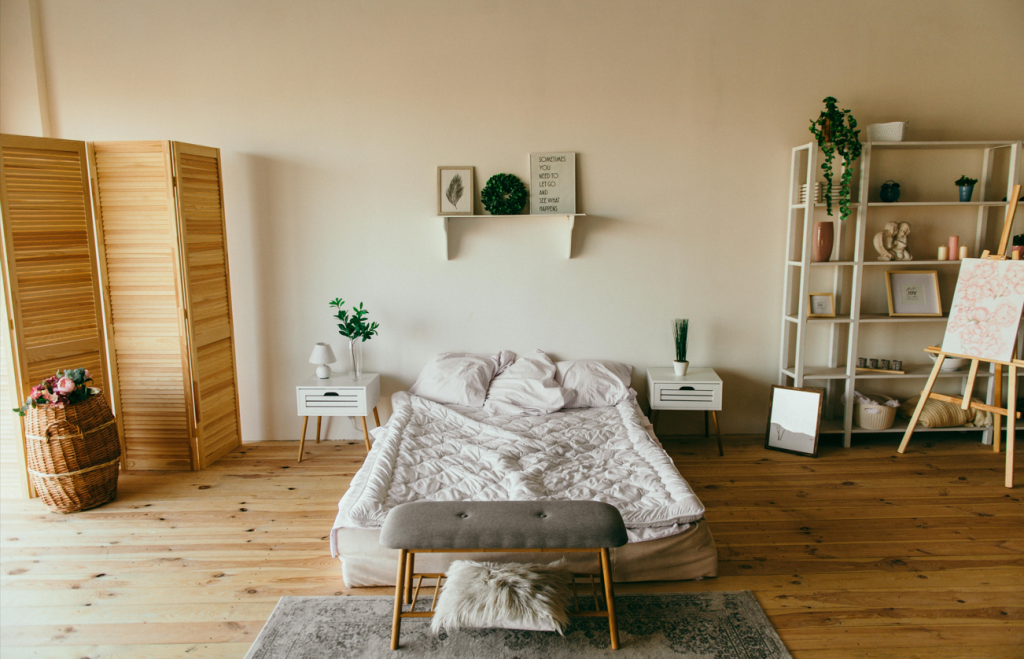
Whether its getting some new cushions or blankets, fairy lights or lamps, investing in cosy and light interiors for the darker seasons is a must! I like to use lamps when the nights draw in.

5. Get enough sleep (but not too much!)

During the Autumn/ Winter period, most of us naturally want to hibernate in the evenings. Sometimes this period can make depression and anxiety worse. I know with my bipolar that sometimes I feel lower or more anxious. Getting enough daylight and if you struggle with seasonal affective disorder, use an SAD lamp, which can help you to wake up gently in the mornings. Similarly, make sure you get enough sleep for you to keep your mental and physical health at its best. Depression can cause us to sleep longer hours and hide away- I find daytime distractions can help me not to sleep too much.

6. Take your medication as prescribed

If you struggle with mental health in winter and are prescribed antidepressants or other meds, do not suddenly stop them as this can cause a relapse in your mental health. Make sure you speak to your doctor first!

7. Treat yourself

Treat yourself to a hot chocolate (or pumpkin space drink) and a good book or TV show, wrapped in a cosy hoodie or blanket. You deserve it!

Wishing you all a wonderful and well Autumn/Fall season.

Eleanor

Men Four Times More Likely To Be Very Satisfied With Their Body Image by Cosmetic Surgery Solicitors.

(image: Unsplash- Sam Moghadam)

survey conducted by Cosmetic Surgery Solicitors of over 1,468 respondents highlights a clear gender gap in body image satisfaction. Men are more than four times as likely to report being very satisfied with their body image (16%) compared to women (4%).

Body Image Satisfaction

Men: 16.37% very satisfied, 32.46% somewhat satisfied, 28.65% neutral, 16.67% unsatisfied, 5.85% very unsatisfied.

Women: 3.87% very satisfied, 26.45% somewhat satisfied, 23.60% neutral, 33.67% unsatisfied, 12.41% very unsatisfied.

Men were also more likely to feel their body image had remained the same or improved over time, while women were more likely to report a decline in satisfaction.

Impact of Social Media and AI

Nearly half of all respondents (49.89%) cited social media as a key influence on body image, with Instagram (62.42%) being the most frequently mentioned platform. AI technology, including filters and editing apps, was noted by 31.23% of respondents as a factor shaping body image perceptions.

Men were less affected by social media’s impact on body image (9.36% strongly agreed) compared to women (21.16%). AI technology also had a greater effect on women’s self-perception, with 22.18% agreeing that it made them more critical of their appearance, compared to 11.99% of men.

Cosmetic Procedures and Future Trends

While 15.36% of women reported undergoing cosmetic procedures, only 4.68% of men said the same. Among those who had undergone procedures, the majority expressed a positive impact on their body image.

Despite the influence of social media and AI, only 19.88% of respondents felt these technologies made them more likely to consider cosmetic surgery.

The findings demonstrate a clear disparity in body image satisfaction between men and women, influenced by social media and AI,” said Michael Saul, Partner at Cosmetic Surgery Solicitors. “Understanding these trends helps to address unrealistic beauty standards and promote a healthier self-image.”

The data underscores the gender differences in body image perception and the influence of digital media. These insights may inform discussions on promoting healthier self-perceptions and mitigating unrealistic beauty standards.

About Cosmetic Surgery Solicitors

Cosmetic Surgery Solicitors is the UK’s leading law firm specialising in cosmetic surgery negligence claims. 

Working From Home In The UK And The Impact On Mental Health: With Choose Leisure

(image: Helena Lopes, Unsplash).

New data has revealed that there has been a rise in interest in mental health advice for those working from home, with searches in England jumping up by 63% in the past year.

With over two-fifths (42%) of remote workers feeling that working from home has had negative impacts on their mental wellbeing, the experts at Choose Leisure wanted to share that there has been a stark interest in mental health support across the UK.

Dr. Hana Patel, NHS GP and GP Medico-Legal Expert Witness commented:

“Working remotely, or from home, can have lots of benefits but it can also be isolating and have a big impact on our mental health. Often, it might be difficult to manage boundaries when being out of the office environment, so here are some tips that can help maintain well-being” :

  1. Highlight of the day – “Each day, try to find one small thing you can take pride in or appreciate. You might find it helpful to create a list at the start of each day, and tick off everything you’ve done at the end.”
  1. Lunch self-care – “Make sure you take at least a 30-minute lunch break and eat in a different room from where you work. If you can, try to get some fresh air and go for a short walk.”
  1. Prep your tech – “Set up a ‘work’ and ‘personal’ login for your laptop, so that you can differentiate between the two – you could even use different screensavers and backgrounds to make the difference clear.”
  1. Meeting environment – “Distinguish between proper meetings and informal chats with your colleagues – if possible, designate different spaces for formal and informal conversations to help set boundaries.
  1. Fresh air, fresh mind – “Go for a walk as soon as you finish – this can act as a fake ‘commute’, and make it feel like you’re coming home after the working day has finished.”
  1. Prioritise breaks – “It’s easy to work longer hours and take fewer breaks when working remotely. Put a reminder in your diary for when you plan to finish working.”

(image: Mikey Harris: Unsplash)

Beyond mental health tips for remote workers, national search trends also reflect the growing concern for work wellbeing.

Choose Leisure utilised search engine analysis to reveal a spike in searches for ‘work from home health’, ‘WFH mental health’, ‘WFH wellbeing’, ‘WFH wellbeing tips’ and 1,446 related keywords.

Nationally, England has been recognised as the country with the largest rise in working from home mental health concerns in the UK, based on online searches.

In 2022, the terms were searched an average of 79,720 times a month, but this rocketed to 129,950 in 2024 – that’s a 63% surge! Scotland came second with a 36% uplift, followed by Wales and Northern Ireland with 35% and 12%.

Searches for WFH Mental Health keywords
Location20222024% Change
England79,720129,95063%
Scotland9,69013,22036%
Wales6,8809,31035%
Northern Ireland6,0906,80012%

Donna Bicker from Choose Leisure, who conducted the research said:

“It’s important for remote workers to understand they are not confined to four walls, their home office or any space you use for daily work.

“Working from home is designed to foster flexibility and improve work-life balance. With mental health concerns on the rise in the UK, finding an ideal workspace—whether at home, in a café, or even travelling in a motorhome—can be essential for improved mental well-being and productivity.”

This non sponsored blog was written by Choose Leisure.

Custom Comfort This Christmas With The SIMBA Hybrid Pillow (Gifted Review)

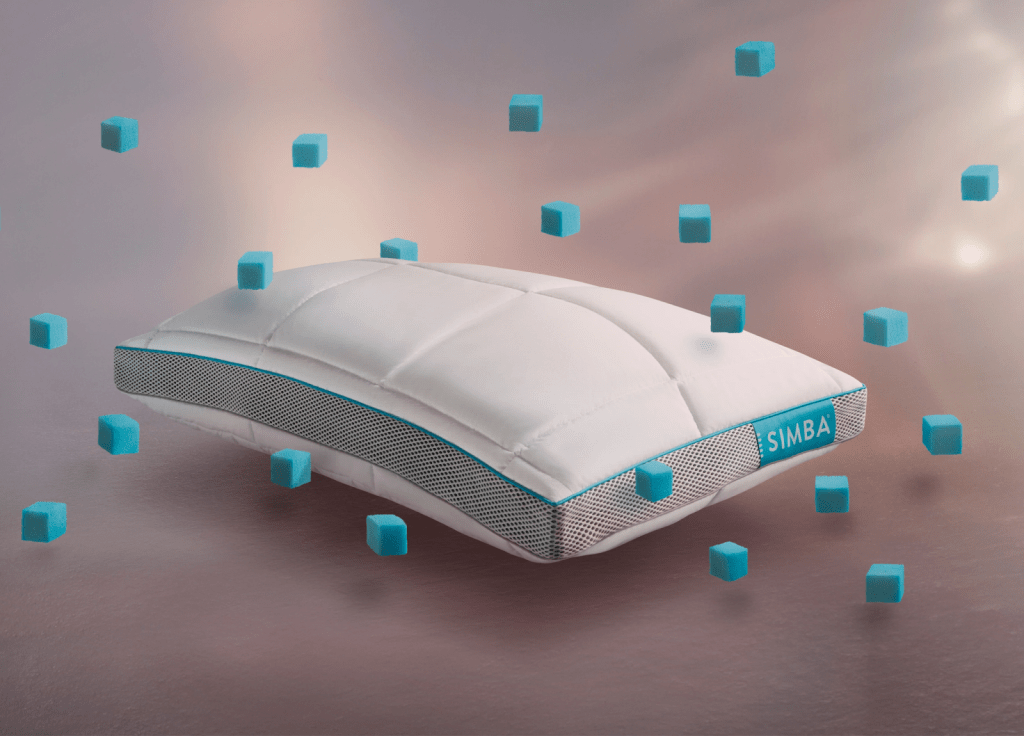
(image: SIMBA)

I have been really lucky that this festive season, SIMBA beds have gifted me their Custom Comfort Hybrid Pillow to use to help support my head and neck and get a wonderful night’s sleep.

This pillow is designed for revolutionary, personalised comfort. A unique fusion of superb, down-like cushioning with innovative tech. The pillow contains a cotton cover with cool touch tech to support better sleep. It has adjustable height and firmness with a supportive core and a mesh border for maximum air flow, once opened! Plus, it has a washable cover (always a bonus!). SIMBA have truly thought of everything to give you excellent comfort.

I received the pillow in the post, it is large (about A3 size) and SIMBA have said that it has special foam Nanocubes® technology! The turquoise cubes mean its not too soft, not too high, not too firm… always ‘just right’. I find it so comfortable!

SIMBA describe this as, ‘Thanks to the knitted, inner pillow of tiny, squishy, foam Nanocubes® you’ll find at the heart of every Hybrid® pillow; not only does this clever system encourage greater airflow, but you can also remove/add cubes to achieve the height and firmness you prefer in your pillow.’

(image: Unsplash)

I often find also that I get hot at night or it is just too warm from the central heating to sleep in winter. So what could be more helpful than the cooling aspect of this pillow? . It dissipates excess heat and provides instant coolness! This is due to its Stratos® cool-touch tech similar to the innovation that keeps astronauts cool in space! This pillow is also Menopause friendly, so great for any hot flushes at night time.

The pillow feels firm yet comfortable with a definite softness that makes me want to sink right in to it. I love the fact it is adjustable and helps me feel cool at night too. SIMBA say that ‘A soft, cloud-like fill is key to the superb comfort and quality of our pillows and duvets. It consists of springy polyester fibres gently combed and folded into airy, cushioning layers.’

For good sleep hygiene and having a cool, calm bedroom with good support for your head, I really recommend the SIMBA Hybrid Pillow. After one night, I am already loving it and I cannot wait to use it for many more nights for a gentle and comfort filled sleep. Good sleep is so integral to good mental health- thanks SIMBA for letting me have and review this pillow!

I was gifted a SIMBA Hybrid Pillow, in return for an honest review. This article contains non-sponsored links.


5 Ways You Can Transform Your Space for Personal Growth by Addy Reeds

(image: Roberto Nicks, Unsplash)

Have you ever noticed that your environment has a direct impact on your mood, productivity, and overall well-being? Creating a space that fosters personal growth and self-improvement is essential in creating a positive mindset and achieving your goals. Fortunately, there are plenty of ways to transform your space for your personal development and positive mental health. In this post, we’ll explore some practical tips and tricks to help you create a space that nurtures personal growth and inner transformation.

Create Inspiring Zones

Designate specific areas in your space for different activities that align with your personal growth goals. Whether it’s a cozy reading nook, a meditation corner, or a home office for pursuing your passion projects, having designated spaces for different activities can help you stay focused and motivated. Personalize these zones with items that inspire you, such as motivational quotes, artwork, or plants that bring a sense of calm and positivity to the space. In addition to personalizing these spaces, incorporating elements of nature can further enhance your inspiring zones.

Natural light, for instance, not only improves mood but also increases productivity and creativity. If possible, position your dedicated spaces near windows or in well-lit areas. Adding indoor plants to these areas can also boost air quality while providing a tranquil and refreshing ambiance. For a more dynamic and versatile space, consider using movable dividers or curtains. These can help in delineating your zones without committing to a permanent layout, allowing you the flexibility to adapt your space as your personal growth journey evolves.

Incorporate Natural Elements

Bringing the outdoors in can have a profound impact on your mental and emotional well-being. Consider adding plants, natural light, and earthy tones to your space to create a soothing and grounding environment. Plants not only improve air quality but also have been shown to reduce stress and improve concentration. Open up your curtains during the day to let in natural light, or invest in a light therapy lamp to mimic the benefits of sunlight on cloudy days. Integrate water elements into your space to foster a tranquil and healing environment conducive to personal growth.

A small desktop fountain or an aquarium can introduce the calming sound of moving water, creating a serene atmosphere that enhances focus and mindfulness. Furthermore, selecting furnishings or decor made from natural materials like wood, stone, or bamboo can add texture and warmth to your surroundings, further rooting your space in the calming beauty of nature. These elements, when thoughtfully incorporated, work harmoniously to not only beautify your environment but also to support your mental and emotional well-being, making it a fertile ground for personal development and growth.

(image: free image)

Clear the Clutter

One of the most important steps in transforming your space for personal growth is decluttering. Clutter can create chaos and overwhelm, making it difficult to focus and be productive. Start by going through your belongings and getting rid of anything that no longer serves you or brings you joy. Consider donating items you no longer need or use, and organize the remaining items in a way that is visually appealing and functional. Investing in climate controlled storage can be a great option for storing seasonal items or sentimental belongings that you want to keep but don’t need on a daily basis.

After tackling the physical clutter, addressing digital clutter is equally critical in creating a space conducive to personal growth. Digital clutter, including unorganized files on your computer, unused apps on your phone, and a cluttered email inbox, can be just as overwhelming as physical clutter. Set aside some time to organize your digital life by deleting unnecessary files, unsubscribing from unwanted emails, and organizing your digital documents into clearly labeled folders. A clean digital workspace can significantly boost your focus and productivity, making it easier for you to concentrate on your personal growth goals.

Cultivate a Mindful Routine

Establishing a mindful routine in your daily life can help you stay grounded and present, even amidst the chaos of daily life. Create a morning and evening ritual that includes activities like meditation, journaling, yoga, or reading that nourish your mind, body, and soul. By dedicating time each day to self-care and reflection, you can cultivate a sense of inner peace and clarity that will support your personal growth journey. Your physical environment can play a crucial role in facilitating these routines, so make sure to curate your space with intention and purpose.

Embrace Minimalism

Simplifying your space and your life can have a transformative effect on your mental and emotional well-being. Embrace the principles of minimalism by focusing on quality over quantity, decluttering regularly, and being mindful of your consumption habits. By simplifying your surroundings, you can reduce distractions, increase your focus and productivity, and create a sense of calm and harmony in your space. Additionally, minimalism can cultivate a sense of gratitude and contentment, leading to greater self-awareness and personal growth.

Transforming your space for personal growth is a powerful way to create a supportive environment that nurtures your goals and aspirations. By decluttering, creating inspiring zones, incorporating natural elements, cultivating a mindful routine, and embracing minimalism, you can foster a sense of peace, balance, and inspiration in your space. Remember that personal growth is a journey, and your environment plays a crucial role in supporting your growth and self-improvement efforts. By taking intentional steps to create a space that aligns with your values and aspirations, you can create a sanctuary that empowers you to be your best self!

Addy Reeds is a freelance writer.

10 Bad Habits That Can Affect Your Mental Health by Caryl Ann Mason

(image: Caryl Ann Mason)

Today, I want to talk about something that is near and dear to my heart – mental health. I believe that taking care of our mental well-being is just as important, if not more important, than taking care of our physical health. And one thing I’ve learned in my wellness journey is that it’s easier to work on your mind if your life isn’t ruled by bad habits that affect your mental health.

You see, bad habits can really take a toll on our mental well-being. Whether it’s staying up too late, eating unhealthy foods, or procrastinating on important tasks, these habits can create a negative cycle that affects our mental state. And if we don’t address these bad habits, they can become deeply ingrained in our daily routines, making it even harder to break free from them.

Let’s talk about the habit of procrastination. We’ve all been there – putting off important tasks until the last minute, only to feel overwhelmed and stressed out when the deadline approaches. This kind of behaviour can lead to increased anxiety, decreased self-esteem, and even feelings of guilt or shame. It’s a vicious cycle that can really take a toll on our mental health.

Another bad habit that can affect our mental well-being is the habit of negative self-talk. It’s so easy to fall into the pattern of criticizing ourselves or doubting our abilities. But this kind of negative self-talk can really impact our self-esteem and confidence, making it harder to believe in ourselves and our potential.

We can’t forget about the impact of unhealthy lifestyle habits on our mental health. Poor nutrition, lack of exercise, and not getting enough sleep can all contribute to feelings of fatigue, irritability, and overall lower mood. It’s amazing how much of a difference taking care of your physical health can make on your mental health.

So, what can we do to break free from these bad habits and improve our mental well-being? It’s not always easy, but it’s definitely possible. 

I’m going to share 10 bad habits that can affect your mental health, and offer tips and insights on how to break free from these habits in order to improve your overall wellbeing.

(image: Zane Lee: Unsplash)

1. Procrastination: The Thief of Mental Peace

Procrastination is a common habit that can greatly affect our mental health. 

Putting off important tasks can lead to increased anxiety, stress, and feelings of guilt. 

Overcoming procrastination involves breaking tasks into smaller, manageable steps, setting clear deadlines, and creating a conducive work environment.

2. Negative Self-Talk: The Mind’s Worst Enemy

Negative self-talk can be detrimental to our mental well-being. 

It chips away at our self-esteem and confidence, leading to self-doubt and decreased motivation. 

Practicing self-compassion, affirmations, and surrounding yourself with positive influences can help combat negative self-talk.

3. Unhealthy Eating Habits: Fuelling Your Body and Mind

Poor nutrition can directly impact our mental health. 

Consuming excessive sugar, processed foods, and unhealthy fats can lead to mood swings, fatigue, and decreased cognitive function. Prioritising a balanced diet rich in fruits, vegetables, whole grains, and lean proteins can improve mood and overall well-being.

4. Lack of Physical Activity: Move to Improve

An inactive lifestyle can contribute to feelings of lethargy, low energy, and heightened stress levels. 

Incorporating regular physical activity, even in small increments, can release endorphins, reduce stress, and boost self-esteem. 

Engaging in activities you enjoy can make fitness enjoyable and beneficial for mental health.

5. Sleep Deprivation: The Silent Saboteur

Inadequate sleep negatively impacts mental health, leading to irritability, reduced focus, and increased anxiety. 

Establishing a consistent sleep schedule, creating a relaxing bedtime routine, and ensuring a comfortable sleep environment are essential for improving sleep quality and mental well-being.

6. Excessive Screen Time: Digital Detox for the Mind

Overindulging in screen time, especially before bedtime, can disrupt sleep patterns and contribute to feelings of restlessness. 

Setting boundaries for screen time, engaging in offline activities, and practicing mindfulness can help reduce the negative impact of excessive screen exposure on mental health.

7. Isolating Yourself: Connection for Mental Resilience

Isolation can intensify feelings of loneliness, anxiety, and depression. 

Cultivating meaningful relationships, seeking social support, and participating in group activities or communities can provide a sense of belonging and support for mental well-being.

8. Overcommitting: The Stress Accumulator

Taking on too many responsibilities can lead to chronic stress, overwhelm, and burnout. 

Learning to set boundaries, prioritise tasks, and practice self-care can prevent the detrimental impact of overcommitment on mental health.

9. Avoiding Mental Health Care: Ignoring the Inner Voice

Neglecting mental health needs can exacerbate underlying issues and prevent access to potential support and treatment. 

Seeking professional help, engaging in self-care practices, and prioritising mental health check-ins can promote emotional well-being and resilience.

10. Ruminating on the Past: Breaking Free from Mental Anchors

Constantly revisiting past mistakes or unfavourable events can perpetuate feelings of regret, shame, and negative emotions. 

Embracing mindfulness practices, focusing on the present moment, and reframing negative thought patterns can help break free from the cycle of rumination and improve mental resilience.

Our daily habits play a significant role in shaping our mental well-being. By addressing and modifying these habits, we can embark on a journey towards improved mental health and overall happiness. 

Remember, small changes in habits can lead to profound positive effects on our mental state. I hope this post serves as a reminder to nurture healthy habits that support your mental well-being. 

So, let’s work on breaking free from those bad habits that are holding us back and focus on creating a healthier, happier, and more positive mindset. Our mental health is worth the effort!

Caryl Ann is a blogger at https://theboredhousewife.co.uk

How You Can Achieve A Healthier Lifestyle This New Year.

(image: Brooke Lark: Unsplash)

It’s about the time of year when everyone decides that they’re going to live a healthier lifestyle. If you’re not sure how you can achieve this goal, don’t worry. There are plenty of changes, some of which are easier to manage than others, that will help you improve your health. You can also do this all year round, not just on New Year’s Eve or for a few weeks in January.

  1. Eat Better

Have you ever heard the saying “you are what you eat”? People often think about it in the vein of weight loss, but that’s the first misconception people have about eating healthily. 

Eating better doesn’t just mean trying to lose weight. Sometimes, weight loss is a part of your lifestyle goals, but not necessarily. In fact, changing your diet just to lose weight can lead to an unhealthy and unsustainable lifestyle. You might lose the weight quickly, but your health could suffer and you’re less likely to maintain the results. 

Instead, focus on a well balanced and nutritious diet. Eat the calories you need and make wise food choices. You don’t need to be too restricted, just controlled. 

  1. Drink Plenty 

No, this isn’t a suggestion to drink more alcohol. While alcohol in moderation isn’t a problem, too much alcohol can be terrible for your health. 

Rather, you should think about how much water you drink. The recommended amount is between 6 and 8 glasses of liquid. It doesn’t have to be water. Tea, coffee, and soft drinks do count. 

However, it’s better to drink mainly water and non-sugar drinks. Soft drinks with a lot of sugar contain loads of calories and have very little nutrition, which isn’t a great combo. 

  1. Cut Out Bad Habits

Speaking of cutting things down, you should definitely think about cutting out bad habits like smoking or substance abuse. 

Smoking causes a huge amount of damage to your body and wallet. While you can go cold turkey and completely cut smoking out, some people find this difficult. NRTs, or nicotine replacement therapies, are a good way to wean yourself off.

If you’re trying to stop a very heavy smoking habit, this is especially helpful. Find treatments that work for you, whether that’s extra strong pouches or another kind of medication. 

  1. Exercise

It’s no secret that good fitness is good for your physical and mental health. 

The key to getting fit is to build yourself up. Don’t try to run a marathon right away. Set small, achievable goals and stick to them. The key is exercising regularly, not becoming an instant athlete. 

  1. Mental Health 

A big part of a healthy lifestyle is your mental health. This will keep you happy and healthy. 

This is easier said than done, especially when you’re balancing your mental health with physical health problems. We have enough to deal with in our lives without adding chronic pain or fatigue into the mix. 

Keep an eye on your mental state and well-being. If you do feel overwhelmed, talk to someone. Whether it’s a friend or a medical professional, talking things out can help you process problems and manage them better. 

Heres to a healthy and happy 2024!

This article was written by a freelance writer.

5 Tips to Manage Stress: Guest post by Cloe Matheson

stressfree1

(image: Healthy Today Club)

With research increasingly demonstrating the correlation between prolonged stress and a shorter lifespan, we would all like to avoid the spectres of stress and anxiety.  But since chances are the vast majority of us have been confronted with both at some point and will be again in the future, what does it take to manage pressure yourself – or even better, to build a lifestyle which doesn’t allow stress a look in?

Check out our 5 simple tips to get started on your journey to calm.


  • Avoid triggering substances or habits


We hear it all the time, but it’s true: the things you fuel your body with significantly affect how you feel. Particularly if you’ve been diagnosed with a gut condition such as IBS (which has been shown to worsen in times of stress), you’ll want to ensure your diet is full of colourful, digestible wholefoods. In times of stress, a salad is often the last thing most of us want to reach for – but even if your current best move is reducing your caffeine intake, that is a step in the right direction.

If you’re currently using other substances to self-medicate during or after a long day – we’re talking nicotine (a stimulant) and alcohol (a depressant) – then let this be the push you need to give up those bad habits.


  • Anticipate and respond


Particularly for perfectionists and people who experience social anxiety, stress is unavoidable in daily life.  Although easier said than done, try to embrace this inevitability as best you can – as our fears often lose their power if we are prepared for them to manifest.  When you are in the midst of responding to stress directly, keep these coping mechanisms in mind:

  • Exercise – put those fight-or-flight hormones to good use and have a workout while restoring yourself to calm. This doesn’t have to be an hour-long run at peak intensity: it can be as simple as walking around your office block when you need a workload break.


  • Breathe – if you’re delayed in a waiting room or have just received challenging news, don’t panic.  Sit or stand somewhere comfortable, close your eyes, visualise a serene place in your mind, slowly breathe in and out, and relax to the sound of your exhalations until your heartbeat slows and you can figure out your next step.


  • Sleep


Even for those of us who believe we need no more than 5 hours of sleep per night, humans just aren’t built to withstand such short stints of shut-eye on a regular basis.  

The proper functioning of both body and mind rely on essential processes that occur during sleep, including the renewal of skin cells and the retention of information in the hippocampus – the main memory-processing section of the brain.  Since these processes can only be completed in a state of sleep, it’s best to take your zzz’s seriously.


But since stress may be the exact thing keeping you up at night, here are some rituals to build into your bedtime routine:

  • Stop work at least an hour before bed
  • Have a warm bath or shower at night
  • Put some lavender oil on your pillow
  • Read (a book, rather than a screen!) before you turn off the light
  • In the dark, focus on relaxing every separate limb and muscle of your body before going to sleep.


  • Get talking


John Donne was right: no man is an island. Bottling up your stress and trying to manage alone may work in the short-term, but not forever. To avoid building up pressure that leads to breakdowns, consider chatting to a counsellor or a grounded friend about how you’re feeling, or join a club or society which will allow you to talk with like-minded people who may struggle with similar problems. If you are internet savvy, even online discussion boards and forums can be a safe place to air your woes.


  • Prioritise and identify


Are you staring down a hectic month of appointments, task-juggling, and trying to perfectly fulfil a different role for everyone in your life?  Compartmentalise to deal with the mayhem.

What do you need to prepare for your next move?  Tackle your tasks individually and avoid thinking about your myriad other tasks until you are finished working on each one.  Stress often peaks when we consider all our problems or tasks in their monstrous sum, whereas they are much more manageable taken alone.

If you struggle through every month, you need to identify what causes your stress. No one can do everything, and you may find that you have overcommitted to tasks. What can you say No to? At times like this, it’s worth remembering that you are the only person in control of your life: so put your wellbeing first.

Cloe Matheson, the author of this article is a writer and blogger. She can be contacted here:  https://cloewrites.tumblr.com/

Guest post by Lucy Boyle: What you need to know about Burnout Syndrome

burnout

Stress and pressure are a part of everyday life. Our jobs often bring a fast pace; we may have to meet deadlines, complete projects in a certain timeframe, or put up with stressful environments. No matter who you are or what you do, there’s a certain amount of stress that just “comes with the job”.

However, there are times when the pressure gets to be too much. You may have been dealing with days, weeks, months, or even years of too much work and not enough downtime. The stresses of the job may be piling up with the stresses at home. Eventually, you run the risk of what is known as “burnout syndrome”.

Burnout syndrome, also known as occupational or job burnout, is defined as “a state of emotional, mental, and physical exhaustion caused by excessive and prolonged stress.” The symptoms of burnout include:

  • Exhaustion and fatigue
  • Frustration and negative emotions
  • Lack of motivation
  • Attention and concentration difficulties
  • Reduced performance on the job
  • Lack of personal care, unhealthy coping mechanisms (eating, smoking, drinking, etc.)
  • Interpersonal difficulties, both on the job and at home
  • Preoccupation with work, even when you’re not working
  • Chronic health problems
  • Illness (the result of chronic stress)
  • Headaches
  • Decreased satisfaction with the quality of your life

If you’re noticing these symptoms in your life, you may be suffering from or getting close to burnout.

But what causes burnout syndrome? How does it get from “I’m having a bad day at work” to the feeling of being overwhelmed, overburdened, and emotionally drained? There are a lot of things that can contribute to the feelings of burnout.

  • Interpersonal relationship problems at work, with coworkers, employees, or employers.
  • A lack of control in your life, feeling like you have no say in anything that goes on at work or home.
  • A lack of clarity in your job description or burden of responsibilities.
  • Monotony or chaos in your job—both can require a lot of energy to remain focused.
  • Company ethics, values, or methods of handling feedback, grievances, or complaints that are not aligned with yours.
  • A job that doesn’t fit with your skills or interest.
  • Isolation at work or home; you may feel like your social support is lacking.
  • An imbalance in your work-life routine, usually too much time spent at work and not enough at home.

All of these factors can add to your feelings of stress and anxiety. Over time, they simply INCREASE until you feel like the burden of your job is too much to bear.

The truth is that occupational burnout is incredibly common, especially among human service professions. ER physicians, nurses, social workers, teachers, engineers, lawyers, police officers, and customer service reps are all at a very high risk of burnout. The high-pressure environment and occupation add to the emotional demands of the job. Eventually, everything becomes too much to bear and you suffer from burnout.

So what can you do if you’re feeling burned out? How can you cope with the mounting stress and pressure that may eventually become too much to bear?

Engage socially. Social interaction and connection is one of the most effective antidotes to depression, anxiety, and stress. Spending time with family, friends, and coworkers can help you to feel better. Making friends at work can change the environment positively, making work seem less stressful because of you have a social support framework in place. Open up to people and share your feelings. It can release some of the pressure building inside you and encourage better connection with others.

Reframe your perspective. Instead of seeing work as a bore, a chore, or a stressor, try to find value in what you do. Your job benefits someone, so look at what you do as providing an invaluable service.

Evaluate your priorities. What’s more important to you: work or home life? If your career is important, find ways to focus on it without adding to your stress. Work on a better work-life balance. Take more time off work, even if it means someone else gets the promotion you wanted. Set boundaries on your time and availability. Set aside time to relax and unwind, both in the middle of and at the end of the day. Stop rushing around so much—from home to work and back home again. Focus on what matters: your health and happiness!

Change your lifestyle. Get more sleep. Eat better. Exercise more. Drink less coffee and alcohol. Read more books. Walk in the park more. Take a nap in the middle of the day. Move around more. Quit smoking. Improve your lifestyle, and you’ll find your body and mind better able to cope with the feelings of stress that could lead to burnout.

In the end, YOU are the one in control of your life. Make the decisions that will reduce stress, not add to it. Take care of your body, mind, and emotions, and you’ll avoid those feelings of burnout!

Lucy Boyle (@BoyleLucy2), is a full-time mother, blogger and freelance business consultant, interested in finance, business, home gardening and mental health.