Women that don’t have children will often be on the receiving end of the big question of when they’re going to start having children. But, there are some women who simply don’t want to have children, and all of them are extremely valid. However, some don’t understand this concept, and if you’re wondering why someone would ever feel like that, you’ve come to the right place. While no woman should ever have to explain herself, we’re going to explore some of the reasons why a woman wouldn’t want to become a mother.
Health problems
For some women, the choice to have children may be taken away from them due to health concerns. It might be that they can’t have children because of their health, or it might even be that becoming pregnant could endanger their health. And, while there are many avenues when it comes to having children, such as surrogacy or adoption, some women would simply prefer to carry their child themselves. When this isn’t possible, they may then choose to not have children at all.
A painful history
Sadly, some women will have a difficult or painful history that might put them off the idea of having children all together. It might be that they’ve grown up with abusive parents and don’t want to make the same mistakes. Or, it could be that they’ve been through something extremely traumatic like rape, and would rather not bring that kind of history into their children’s lives, especially if they experienced a life long injury because of it. Instead, they may speak with a sexual offence solicitor and bring the offender to justice, and then move on with their lives.
They don’t want to bring a child into this world
Every person thinks about this at some point or another, and some women will choose not to bring a child into this world if they don’t believe they can provide them with a safe and happy upbringing. Others may look at the world, citing the sense of war, environment and poverty as a reason to question whether it’s a good idea to bring a child into this world.
Giving up a social life and less freedom
Another concern that some women have and choose not to give up is their social life or freedom to travel. While times have changed compared to, say, fifty years ago, it’s still common for the mother to stay at home with the child while the partner goes out to work. While it’s not impossible to have a social life when you’re a mother, it’s certainly not as easy. And, for some, this plus freedom to live the life they want to live is simply not something they want to give up.
Career priorities
Women have just as much of a right to have a successful career as men do, and some women choose to prioritise their career over having children. A career can sometimes take decades to climb and some don’t want to have time off to have children and juggle their work.
Trigger warning: discusses sexual violence and mental illness.
I have known about the incredible speaker, author and advocate Madeleine Black for a while, through my Dad Mike. She is an outstanding and powerful advocate of courage after adversity, of hope after despair and of resilience despite intense pain. For me personally, coming from the same community, I feel that Madeleine is a shining light to so many- as sexual violence has historically not been talked about openly.
Please note the rest of the article will discuss Madeleine’s journey with sexual violence and how she was able to move forward.
Used, Beaten but Never Broken.
”I remember wishing they would kill me to make it all end.”- Madeleine Black
It takes courage to speak the unspeakable. But for many years, Madeleine Black felt too afraid and too ashamed to utter a word of what happened to her. Violently attacked at the age of thirteen, her story is one of pain – but also of healing, resilience and forgiveness. Madeleine uses her personal and moving story to show us that it’s not the events in our life that define us, but by how we choose to reclaim our lives after them. How we become unbroken.
Madeleine grew up in Glasgow, Scotland and London into a loving Jewish family. At the age of 13, she went out with a friend in a group to a cafe in London, drank alcohol for the first time (like a normal teenager) and met two male international students that night, acquaintances of her friend. They took advantage of her age and vulnerability. Instead of dropping her home safely as she was drunk and could not consent, they carried her to a nearby flat and violently gang raped her, leaving her with terrible injuries. Her friend was sleeping in the next room. Madeleine talks of seeing herself floating above her body as if she wasn’t really there – dissociation as a trauma response. She was told by one of the men that if she told anyone about the gang rape, they would come and kill her.
Madeleine has said, ‘For many years after that night, my memories of what happened after he held the blade to my throat and threatened my life were fragmented… difficult to piece together. It was too extreme, too violent for me to understand.’
Madeleine struggled with her mental health following this trauma at such a young age. Living in a state of shock and self-loathing, it took her years of struggle to confront the buried memories of that first attack and begin to undo the damage it wrought, as men continued to take advantage of her fragility in the worst possible way. Madeleine was raped three more times before the age of eighteen, experiencing more trauma in her life than most ever will. Due to the aftermath of the trauma she faced, Madeleine used drugs and alcohol to numb the pain and developed phobias and an eating disorder. While she couldn’t remember lots of details of that night, it left her feeling ‘worthless, dirty and contaminated’. She had a suicide attempt by overdose, hoping to end her life and had her stomach pumped. She was then admitted to a childrens psychiatric unit struggling with suicidal depression and self harm.
After a few years, she eventually found the courage to tell her parents what really happened to her. After growing up with burdens no teenager should ever have to shoulder, she found the heart to carry out the best revenge plan of all: leading a fulfilling and happy life. She met her husband, a loving and kind man, who helped her to heal from the traumas she faced with men and they are happily married and have children together, three daughters. Madeleine learnt through this that she is loveable and she is loved.
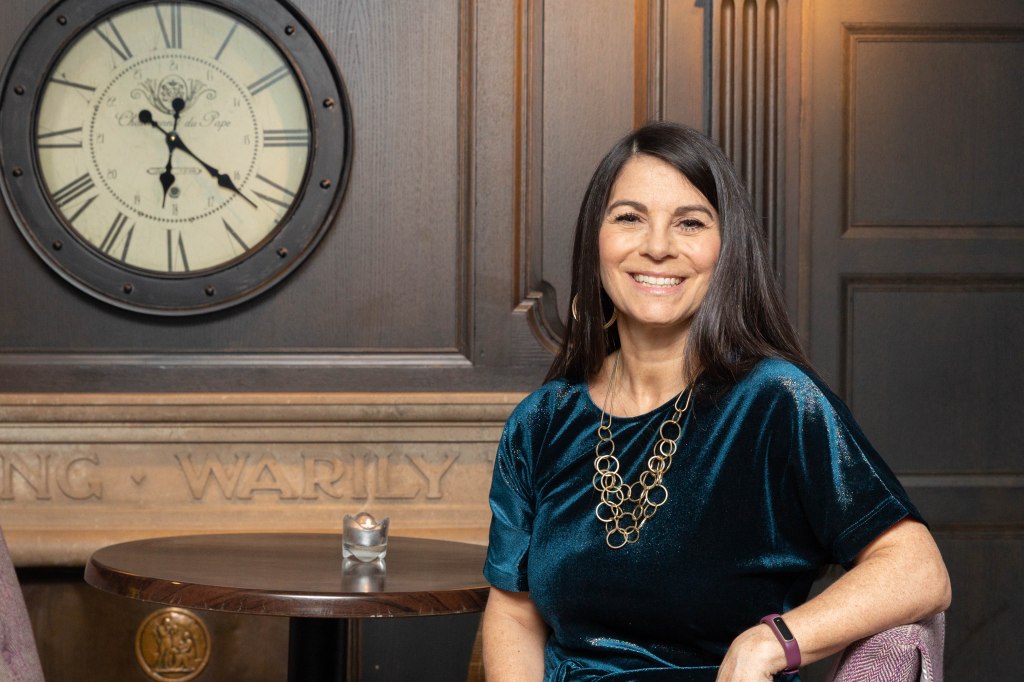
(image: Forgiveness Project/Madeleine black)
However, piecing her life back together was long and painful. Forgiveness was the key for her to move forward- not to forgive the act of rape- but to understand what led the rapist to do so. It takes a real desire to understand those who have done us so much harm. It is the ultimate act of courage.
Madeleine has said,
‘I want to end the shame, stigma and silence surrounding sexual violence enabling others to find their voice, whatever their story is. I want people to know that it’s not what happens to us that is important but what we do with it. I will show how changing my mindset tapped into my resilience and transformed my life, making people question their own thinking and encouraging them to see that there are always choices to make, and if we choose to, we can get past anything that happens to us in life both professionally and in our personal life. I wants to encourage others to live their life courageously too; but ultimately, I want to inspire hope and show people that we are all so much stronger than we think we are.’
(image: Madeleine Black)
Madeleine found that since the attack, she had been burying memories and started to experience flashbacks when her daughter turned 13, the same age as when she was raped. This can be a part of PTSD- post traumatic stress disorder. She learnt that she must let go of her anger and make peace with her past, as her personal journey.
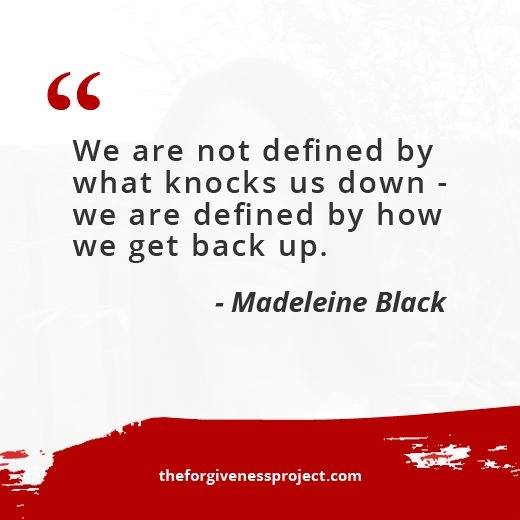
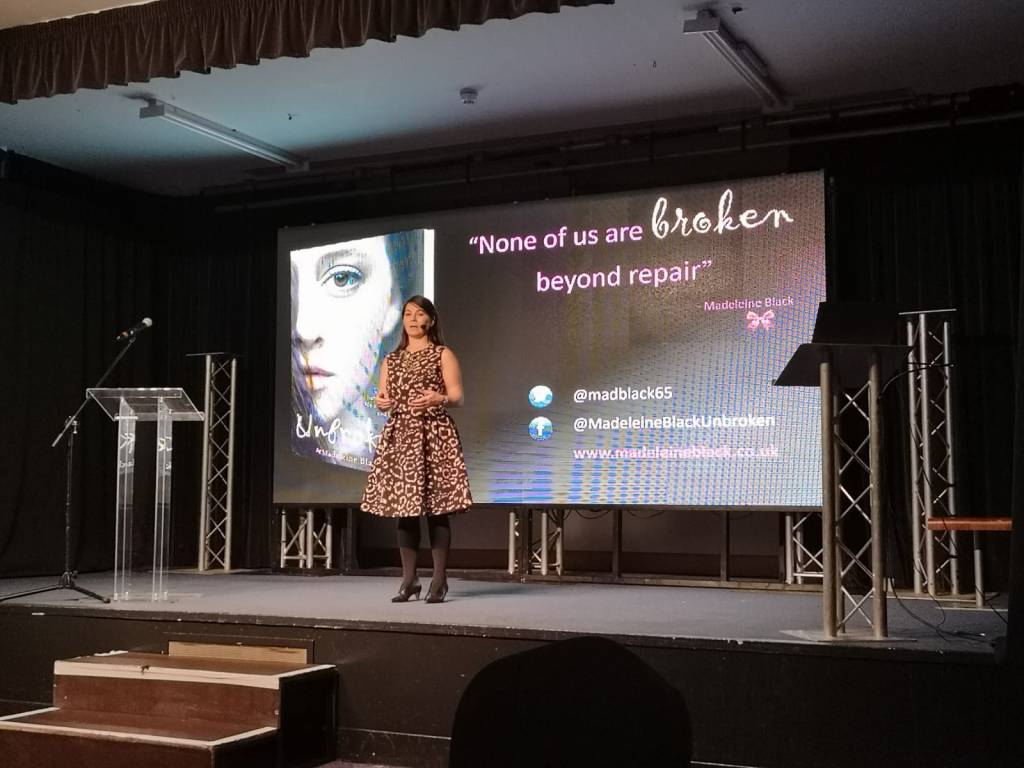
In her debut book Unbroken, Madeleine tells her deeply moving and empowering story, as she discovers that life is about how a person chooses to recover from adversity. We are not defined by what knocks us down – we are defined by how we get back up. She also hosts the Unbroken podcast where she has guests sharing their own stories of hope and courage.
Madeleine is also a TEDX Speaker sharing her journey to end the shame around sexual violence , works with the Global Resilience project and is the Patron for Say Women which helps rape and abuse survivors. She currently also works as a psychotherapist.
(image: Madeleine Black)
I will leave you with Madeleine’s words:
‘I am not my body or the things that were done to me. I am so much more than the sum of one night’
Thank you to Madeleine for giving me a copy of her book Unbroken to read and for all you do. You can get your copy here




 beurownlight.com