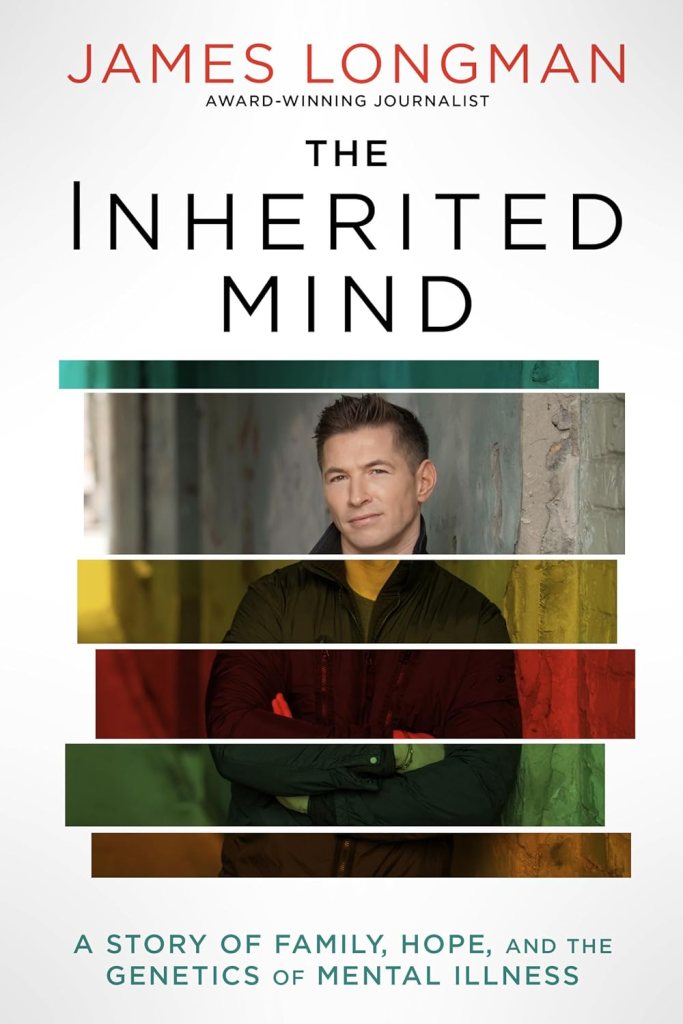
A couple of years ago, an intriguing email landed in my inbox. It was from the award- winning journalist James Longman (of ABC News). He told me he was writing a book investigating his own father’s illness and how much of mental illness is inherited. His father died by suicide when he was just a child and had a diagnosis of schizophrenia and depression, but James did not know a huge amount about this mental health history at the time.
James wanted to delve deeper into the family and genetic side of mental illness. As he got older, James’s own bouts of depression spurred him to examine how his father’s mental health might have affected his own. He engaged with experts to uncover the science behind what is inherited, how much environmental factors can impact genetic traits, and how one can overcome a familial history of mental illness and trauma.
James had seen my own story of family illness with bipolar disorder, as my Dad and other relatives also have the same condition and so he reached out to interview me. With permission from my Dad, I had a wonderful chat over Zoom with James, talking about the links with certain types of mental illness in families and how these types of illness can cause suicidal thoughts and sadly in James’s fathers case, suicide. We also discussed the hopeful journey that can occur if you have access to the right support networks, medications and therapy. Medication in particular has helped to keep us well over the years as bipolar has a definite biological link too.
In The Inherited Mind, James invites readers to reflect on their own stories as he shares his quest to better understand himself and his family. Through speaking to mental health experts, to those who have had similar familial experiences, and about his own life stories, James shows us, with heart and humour, how much our bodies can empower and inform us about our own personal mental health histories.
We are honoured to have our story featured in James’s informative and essential book. Thanks again to him for featuring us as a case study. It will be out in January and you can pre order your copy here
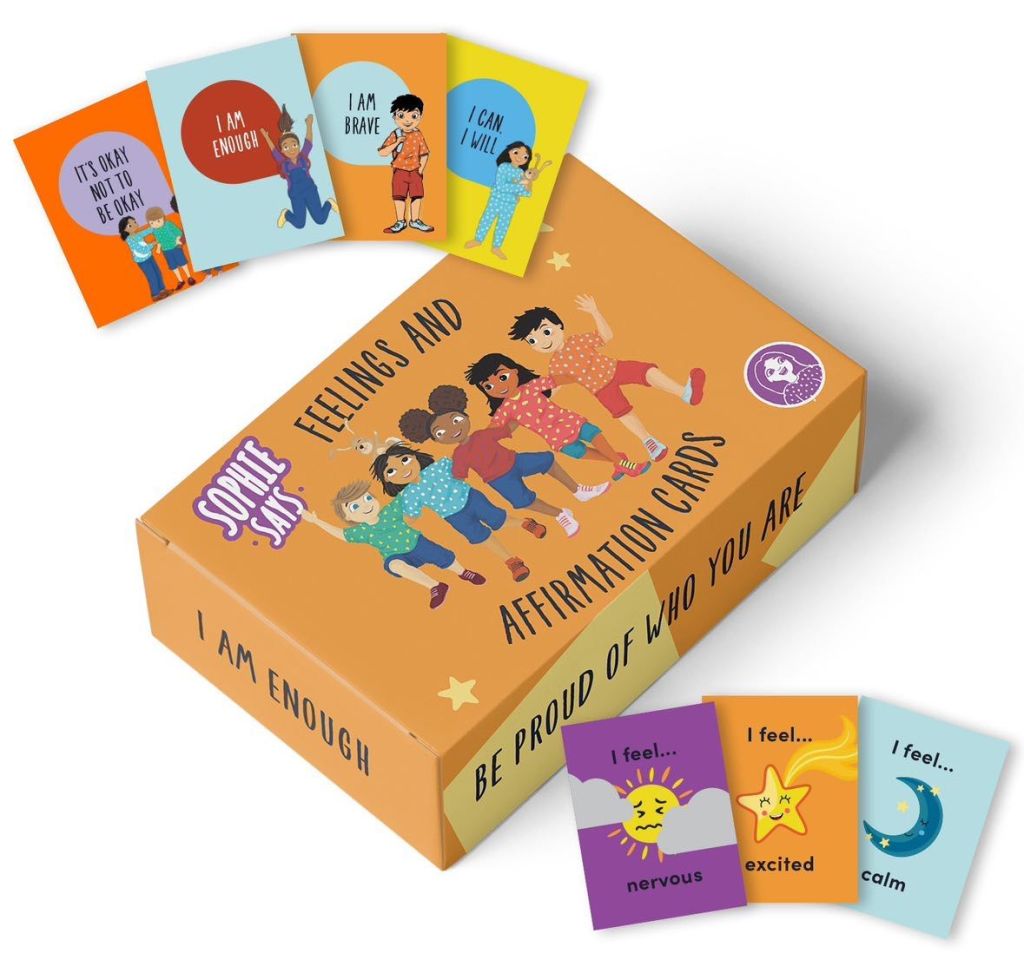
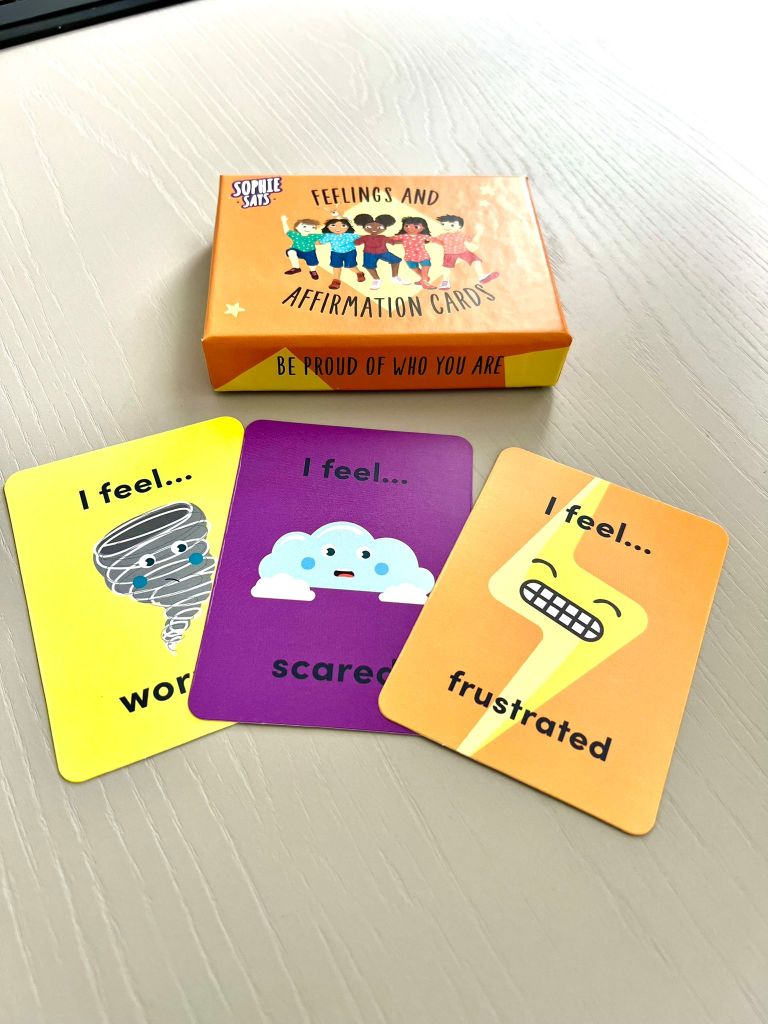
I have followed Esther Marshall’s journey for a while as a children’s author, speaker and mental health advocate for the next generation. On World Mental Health Day, Esther released a surprise and wonderful new product- Feelings and Affirmation cards to help children to communicate their feelings and emotions (and understand them).
420,000 children and young people in England are treated for mental health problems every month. Mum of three and author of the Sophie Says children’s book series is on a mission to make a positive impact on the world specifically for the next generation. The empowering children’s book series ensure critically important lessons in self-belief, mental health and gender equality are shown in an authentic and fun way.
Sophie Says Feelings and Affirmations Cards have been made specifically to help a parent or carer and child talk about their feelings together in a fun way through the much-loved Sophie Says characters. Affirmations and feelings cards are a proven tool for developing positive thinking, The Sophie Says affirmations cards have been designed to make exploring feelings a fun and interactive experience for children, parents, and carers, to empower self-belief and to help children believe they can achieve their dreams.
(image: Sophie Says)
Esther began her writing career with her debut book Sophie Says “I Can, I Will”, she wrote this during night feeds with her firstborn son as she wanted to teach him that girls were just as strong and powerful as boys, that people from different backgrounds to him could teach him things and he should listen and be kind to everyone.
The second book Sophie Says It’s Okay Not To Be Okay was written in memory of Esther’s younger sister Rebecca, who tragically took her life after her battle with mental illness at the all too young age of 28. The passion and driving force behind Sophie Says is to keep Rebecca’s legacy alive, teach young children about the importance of mental health, and talk about their feelings from a young age. The Sophie Says series now includes three books ‘I Can, I Will’, ‘It’s Okay Not To Be Okay’, and ‘Be Proud Of Who You Are’.
Esther Marshall says: “My mission is to help create a world where all children grow up feeling equipped and empowered to face their futures. Our new Sophie Says affirmations cards will help parents and carers communicate with their children and encourage them to express their feelings from an early age to help children, avoid harmful stereotypes before they set in.”
I love these cards and can’t wait to use them too!
This World Mental Health Day 2024, the focus is on our mental health at work. We have known for many years that the UK has a mental health crisis and that many employers fail their staff in this area. A recent survey from Robert Walters found the following:
71% of UK employers currently offer wellbeing benefits to their staff
83% of professionals have at some point experienced poor mental health at work in the last 12 months
58% of professionals state that it feels like a ‘box-ticking exercise’
However, 80% haven’t accessed their employer provided mental health support
Although three-quarters of companies now offer employee wellbeing programmes, 83% of professionals state they’ve experienced mental ill health at work in the past 12 months!
In my own personal experience, I think it is so important that a wellbeing culture is embedded at work from management downwards. Employees should feel safe to express how they feel or if they are going through difficult times- be that bereavement, trauma, depression and anxiety or other forms of mental illness, stress at home and work – and to be well supported if disclosing any confidential information. Similarly, we should be striving to have a workplace where mental health is as recognised as physical health (and prioritised).
As Mind say, “We’re in the middle of a mental health crisis. 2 million people are currently stuck on waiting lists for NHS mental health services. And on top of this, mental health stigma is still a significant issue. Real people, being left behind by a broken mental health system.“
Due to lack of service provision, it is even more important for employers to look after their staffs mental health, on today World Mental Health Day and going forward.
I would love to hear how you find mental health at work too,
This World Mental Health Day 2024, the focus is on mental health at work- it’s time to prioritise mental health in the workplace. As the Mental Health Foundation say, ‘Work can have a huge impact on our mental health. It can be good for our mental health, giving us a sense of purpose, boosting our self-worth, and providing opportunities to connect with others. But it can also be a source of stress and anxiety and contribute to developing or worsening mental health problems. ‘
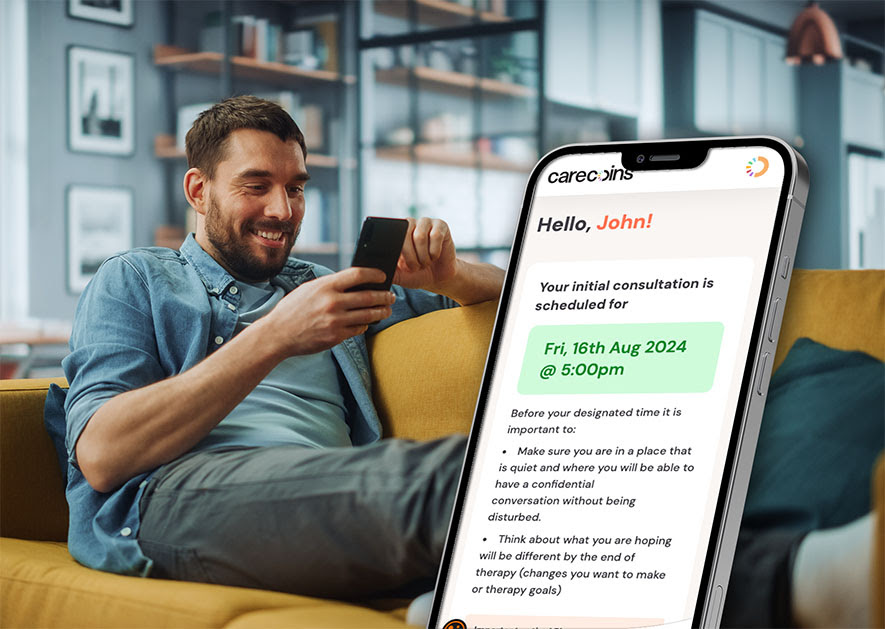
Introducing Carecoins, a pioneering new mental health platform, which is set to transform the landscape of employee mental wellbeing, offering employers a unique support system for their staff this World Mental Health Day 2024 and beyond.
Designed to connect individuals with qualified mental health therapists in an entirely flexible, hassle-free way, Carecoins ensures efficient and reliable access to professional care, Carecoins brings a unique proposition to the market.
Commenting on this exciting venture, managing director and founder, Tim Ladd, said:
“Put simply, Carecoins gives employees access to the support they need to become a happier, healthier version of themselves.
“We are all acutely aware of the growing mental health crisis in the nation, and the difficulty in accessing resources through the NHS. This means employers need to step up to provide that all-necessary support to staff.”
Mental health is now a significant challenge for a large portion of the UK workforce, with surveys showing at least 63% of employees exhibit signs of burnout, and 91% have experienced high or extreme levels of pressure and stress in the past year.
Finding effective support structures to help combat these trends can be challenging for employers. Providing access to a large pool of BACP accredited therapists, comprehensive mental health and suicide prevention services, specialised support for trauma and bereavement and a number of other resources, Carecoins is a holistic solution for employers
Offering full flexibility, the platform gives access to multiple formats of therapy, ensuring services fit around the user’s life and work schedule and suit their individual needs. As part of its groundbreaking offering, Carecoins supplies every new user an innovative human-to-human consultation to assess their needs and preferences and then allocate a therapist that best matches those requirements.
“The element of personalisation is one that is of vital importance to us – everyone’s mental health journey is different and we wanted to build a platform that could honour that,” added Ladd.
“We also understand that confidentiality is a key concern for many employees. Carecoins can be purchased and utilised anonymously, giving employees the freedom and peace of mind they need to take this important step.”
But the platform does not limit organisations to buying therapy services. It enables access to a wide range of mental health and wellbeing services including Mental Health First Aid training provided by Carecoins’ sister company Red Umbrella.
“Using Carecoins is much more than just a means to an end. It showcases a visible commitment from employers to protect the mental wellbeing and resilience of their employees, making them happier, more engaged and more productive.
“More than that, it encourages a much-needed positive attitude towards mental health in the workplace, which benefits businesses and employees alike.”
So, this World Mental Health Day, definitely check out this platform!
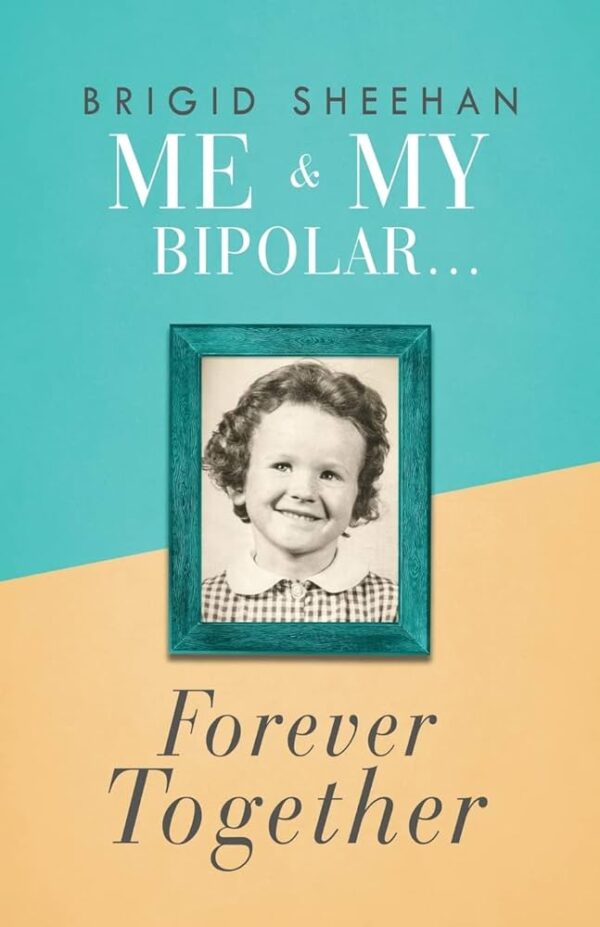
Brigid and team very kindly gifted me a copy of her wonderful book for review. Although I have not yet finished it, I have found it very inspiring and such an important read. Here’s what Brigid and her publisher have to say:
Brigid Sheehan didn’t receive her bipolar diagnosis until early adulthood but, looking back, she realises how the condition may have affected her in so many pivotal moments. By writing this memoir and sharing her highs and lows, she hopes that her journey into the past will help others in the same position – and show them that they, too, can live full lives in spite of their bipolar diagnoses.
Brigid says, “I have chosen to tell the story of my lifelong experience as a bipolar sufferer because I think another person’s lived experience can help access knowledge, although no two situations are the same… Bipolar has not become a friend, but I have simply got to know it better and found the means to cope.”
Living with bipolar is never easy and Brigid documents the many highs and lows and how she lives with it.
Yesterday was World Suicide Prevention Day. This awareness day is so important as the rate of suicides in the UK and globally is increasing. About 10 years ago, I devastatingly lost a family member I loved dearly to suicide 💔- mental health treatment, awareness and support is so important. Often, even with these, people are still dying. I know myself the power of medicines, therapy and kindness from loved ones.
One of the reasons I wrote my children’s picture book ‘Arabella and the Worry Cloud’ (illustrated by Shelley the Artist) is because I believe that mental health education and understanding our feelings from a young age is so important. My book focuses on teaching children the power of positive thinking to relieve anxiety. So maybe it can do a bit of good in the world! I definitely didn’t have a book like this as a child.
So, I am so thankful today for the No Panic charity team who have shared this blog about my book today.
We’ve all heard the phrase ‘change starts at the top’. And when it comes to building safe and secure work environments, this notion becomes vitally important. Employees are the ones who bear the brunt of a lack of strong, skilled leadership teams. Leaders, managers and HR teams have a duty to look after staff, and wellbeing is a crucial piece of the puzzle.
With appointing physical first aiders being a legal requirement, more and more businesses are beginning to recognise the need for mental health support to be given the same significance – and Mental Health First Aid training is the solution.
Nathan Shearman, director of training and therapy at Red Umbrella, explores the indispensable role of MHFA training for businesses’ leadership teams.
Why is Mental Health First Aid becoming indispensable to business culture?
“Mental Health First Aid is a powerful resource that allows certain individuals to become qualified with a basic understanding of how to provide mental health support – much like physical first aiders do for physical health issues,” explains Nathan.
“Overall, it’s an incredibly reliable solution to building happier and safer work environments. Most of us would hesitate to join a business without physical first aiders, so why would a lack of mental health support be any less concerning?
“Through MHFA, individuals are trained to identify early signs of mental health issues, and how to act in response. Knowledge and education are instrumental when it comes to mental health, and mental health first aiders can ensure individuals who are struggling are guided towards the right resources.
“Appointing MHFAiders can also help prevent issues from escalating, leading to individuals needing to take time off work, or experiencing a full-blown crisis.”
Why is MHFA vital for leadership teams in particular?
“Recent research shows that 31% of employees feel uncomfortable discussing mental health with their managers, which means that employees are less likely to come forward and start that discussion..We’re all familiar with the culture of stigma that dictates that if someone comes forward to voice their mental health struggles, they may be out of a job. This is extremely detrimental for a business.
“By being MHFA trained, leaders can recognise the signs that someone is not okay, and step in to start those conversations. It enables that vital early intervention that can be the difference between someone recovering to their normal levels of functioning and wellbeing quickly, and someone taking extensive time off, or suffering serious mental health issues.
“It also means leadership teams can be better equipped to manage their own mental health. There are significant pressures on leaders and managers, and often the more senior someone becomes in an organisation, the less likely they are to discuss their own wellbeing, or seek support if they need it. The more informed they are, the more equipped they are to respond.”
(image: Unsplash)
How does MHFA equip leadership teams to handle mental health issues within staff?
“Firstly, it’s about awareness. Being able to spot when someone isn’t okay, when they’re struggling, or just noticing when there are additional risks or stresses associated with a task, role or project.
“For example, having a leader say to their team ‘I know this project has tighter deadlines than usual and that might make some of us feel higher levels of stress, what can we do to support you?’ can go a long way to having employees feel seen, heard and supported.
“It also means when they do notice someone isn’t okay, that they know how to respond. They feel empowered to have those difficult conversations, they don’t worry about saying the wrong thing, and they feel confident that they can be the supportive leader they wish to be.
“Being MHFA trained doesn’t mean that issues won’t arise within a team, but if leaders know how to respond well, their team will have more confidence in them and the organisation itself.”
(image: Unsplash)
What are the short-term vs long-term benefits of implementing MHFA for leadership teams?
“Short-term benefits for leadership are greater awareness and therefore visibility of issues within their teams, which enables them to respond quicker to potential issues. It also allows them to immediately check in with their own wellbeing, and make adjustments to their lives so they are able to be the most effective and healthy version of themselves.
“In the long term, employees will feel more supported, will be more engaged and as a result more productive, creative and loyal to the organisation.
“The biggest benefit is if leaders in an organisation are MHFA trained, the culture around mental health shifts massively. It enables more people to come forward when they’re struggling and to access support, and it makes the company more attractive to current and potential employees, driving talent retention and acquisition.”
For more information on MHFA training and how it can benefit your organisation, please get in touch with Red Umbrella: https://red-umbrella.co.uk/contact
About Nathan Shearman
Nathan Shearman is the director of therapy and training at Red Umbrella, an organisation that’s improving the mental wellbeing of the UK workforce by working in partnership with large employers to deliver bespoke mental health training and support solutions.
Nathan is a qualified psychotherapist and counsellor with a background in private practice and 10+ years of experience in the field.
As a child, I was a big worrier! I remember feeling anxious from about aged 4. I don’t know if its just my personality/ genetics or what was going on, but I was always a worrier.
So, I decided that I wanted to use my experiences to help children with their mental health too. Poor mental health often starts in childhood. For me, I was diagnosed with bipolar disorder at 16 , and was off school with intense anxiety as part of a depressive episode at 15. It runs in my family and I know there are families now who were like mine or children living in more difficult environments. Children in loving, supportive homes (like mine was) can still experience anxiety around nursery, school, after school clubs and friendship issues, bullying and something I did not have contend with.. social media bullying. Other children have special educational needs or disabilities that impact them day to day. The spectrum is huge and I wanted to create a positive book to help.
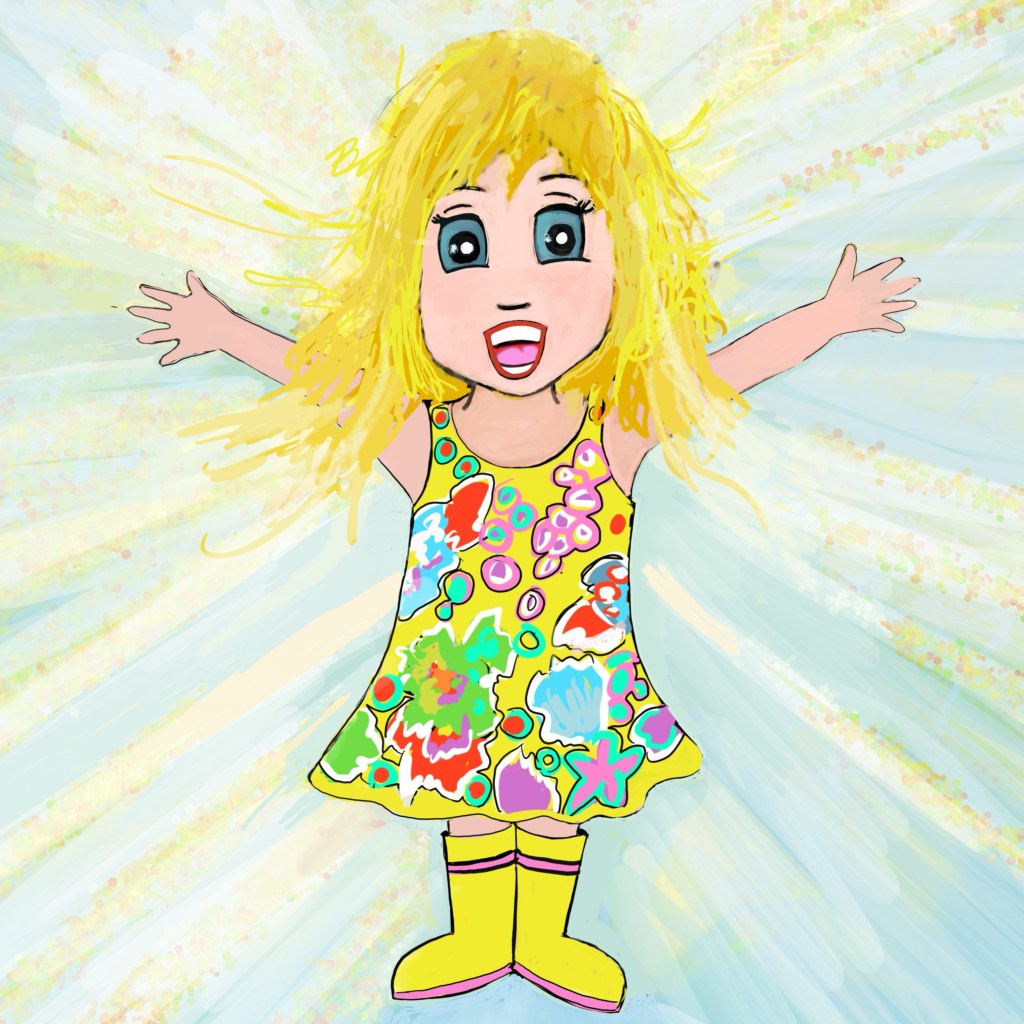
Arabella is 7 years old and her special talent is worrying. In the book, her worries are represented by a cloud, known as the Worry Cloud, who comes down to see her from the sky. He reminds her of all her worries and she tries to run away from him. However, once she begins to think of positive thoughts and memories with her family like eating ice cream at the beach or swimming with her brother, her mind becomes lighter and happier. These positive thoughts are represented as light beams of positive energy and she finds she can put her worries into perspective. The book also serves as a reminder that the storm does not last forever!
(image copyright: Eleanor Segall and Shelley the Artist)
I am very blessed that my Dad has a close friend who is a renowned artist- Shelley. Shelley’s art work and illustrations are beautifully drawn, colourful and were perfect for how I wanted Arabella to be. She is an esteemed digital artist, mural maker, painter and sketcher. She really brought Arabella to life! So the process began….
Once Shelley came on board, we met every few weeks online for about 5/6 months so she could show me the illustrations she had created and I could give my input as the author. We had lots of fun while Shelley sketched the characters on her ipad for me over Zoom and we really love working together. Shelley is super talented and I am so thankful she is the illustrator of Arabella! You can see her work at www.shelleytheartist.com
So self publishing… why did I self publish? I had sent the manuscript to agents and had meetings with my old publisher and another famous publisher I had worked with on another book. They for different reasons eg budget and having a similar type of children’s book, did not want to take it on. Submitting books to agents means constant rejections and so I felt that it was slowing down time to get the book out there and thought why not self publish through Amazon instead? I could have submitted to more places as didn’t submit to as many as I could have. I would still love to be represented one day by an agent and major publisher so I will need to send out more manuscripts- watch this space!
Once Shelley and I had finalised the illustrations and pages, she resized them for me and then (through an author friend, Joanna Gutkin) I had the recommendation to Abid Hussain via Fiverr, who formats books! Abid then formatted (laid out) the pages for me and created the PDF files for the ebook and paperback. Once this was finalised and looked at by me, he then put it on Amazon KDP for us. I also spoke to a printer friend (of my Dad again as he has an amazing network) Hak Huseyn of Absolute Print printers who helped me to size it, choose the right paper and printed copies of the paperback for us too. As I am new to self publishing, Hak reminded me I would need an ISBN, so once that was paid for and barcode put on, we were good to go! Thanks Hak and Abid!
(image copyright: Eleanor Segall and Shelley the Artist)
This entire process was not as quick as I describe… it took us 9 months .. oh and I also forgot the trip to the bookshop I took with my Dad to find the right size of children’s book when we were about to format. The bookseller even got a tape measure to size it for us in inches, so thank you to Books on the Hill St Albans.
I also want to thank author friends Joanna Gutkin , Esther Marshall, Lauren Posner and Shani Singer who answered my queries about their books and self publishing and the Empowered Author Group on Facebook too.
Thanks also go to my Dad who believed in this book and helped me so much with it! And to the friends and family who read early copies. Rob, my husband has also been so supportive. And to Shelley for working with me!
If you buy a copy for your child, niece or nephew, cousin, friend’s child or your class at school I hope you love reading it and that it helps your child to understand that worrying happens, but we can talk about it, process it and find healthy ways to cope.
Sometimes, I get emails about stories and they really stand out to me. This was one of them. A friend of mine knew about this suicide prevention charity in Israel, called Gila’s Way. The Hammer family in the Jewish community sadly lost their daughter Gila z’l to suicide when she was just 18. Gila had mental health issues and the family want to save lives in her name and make sure it doesn’t happen to another family. Rabbi Shalom Hammer, Gila’s father and a world renowned lecturer, started sharing his insights from Gila’s tragic story in order to raise awareness, teach empathy, and promote dialogue regarding suicide in order to ensure its prevention.
Gila’s Way is a non-profit organisation which implements, educates and presents programs regarding mental health awareness and suicide prevention in order to save lives.
I asked Rabbi Shalom Hammer a few questions about his life saving mission:
Your charity Gila’s Way has such an important mission. Please can you tell me more about Gila as a person, her mental health struggles and how you as a family coped in the aftermath of her tragic death/ how the charity got set up?
Gila was an unbelievable girl, vibrant, vivacious, social, hilarious and extremely sensitive. She was a leader of her peers socially and she loved to have fun. She also saw the world in a very innocent wholesome way, she was not capable of harming anyone nor did she believe that people would harm her. Tragically she experienced a sexual episode which was obviously extremely traumatising for her. She also did not wish to or know how to openly communicate the degradation she felt and the pain she was experiencing. Consequently, a swell of anxiety and depression built up inside of her and she eventually began to lose hope which ultimately lead to her passing away.
After Gila died, we decided to take the inexplicable pain and the unfathomable loss to as much of a positive place as possible. My wife and I feel that Gila should be alive and the reason she is not is largely because of the lack of knowledge with mental health and certainly suicidal ideation that we had and that so many others have as well. Gila’s Way is an organisation therefore, who’s primary concern is education via seminars, lectures, interactive workshops and presentations, understanding that the more we educate and inform the greater chance we have of lowering the numbers and preventing suicide.
(image of Gila z’l: Gila’s Way and Hammer Family)
2. What would you like people to know about teen suicide and suicide prevention in Israel and globally?
The most important vital point that I cannot emphasise enough, is that the vast majority of people who die from suicide, do NOT want to die. Particularly when we are speaking about adolescents who are experiencing so much pressures and may impulsively make a decision within a few seconds and not realising that it is finite. When people understand that most people who die from suicide, did not want to die, they also understand that this means we are capable of saving that person.
3. What is your message to other parents coping with children with mental health issues or who have also experienced bereavement?
There are a number of very crucial messages for parents. Firstly, don’t be afraid or ashamed to talk and converse, secondly don’t converse with just everyone. Dealing with mental health and a child who is challenged, is very procedural and therefore exhausting. Make sure to speak to the right people and save your energies for those people. Don’t speak to just anyone because you will grow more confused and more exhausted; make sure to find those/that people/person who can be helpful and focus on speaking to them.
In addition, pay attention to what your child is “saying”. A child (or anyone for that matter) who is dealing with mental health challenges or experiencing a crisis, will not necessarily explicitly say “I need help”, but they will often send “cries for help” and share those signs because they really want help. Some of those “warning signs” can be familial/social isolation , spending long hours in their bedrooms and refusing to join the family for activities which they normally enjoyed. In addition, they may be exhibiting exhaustion, or become physically unkempt, and they also might desist from performing normal expectations (like going to school, doing their homework, participating in events etc.)
Finally, and this is something that I consistently emphasise, trust your parental instincts. We were blessed with instincts and often a Dr or professional might suggest something and our instinct is saying “this just does not sit well with me”…trust that instinct and pay attention to it, because it is there for a reason.
(image: Gila’s Way)
4. What do you at Gila’s Way want to achieve through your charity and how are you doing this through programmes/events?
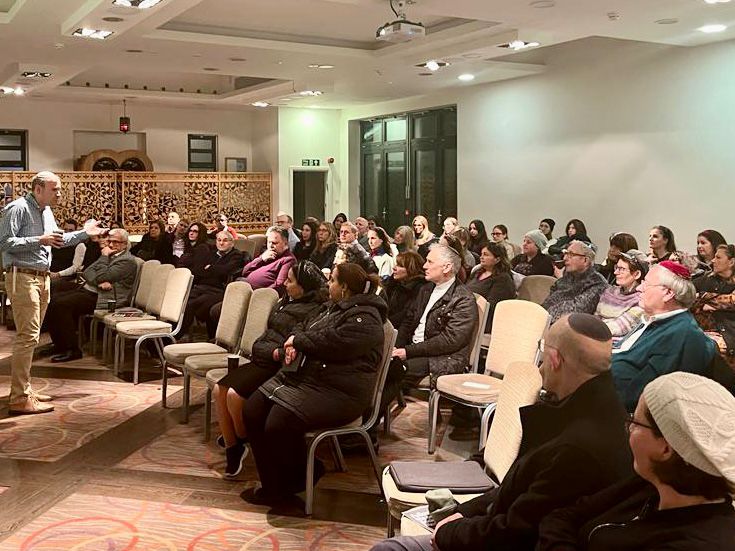
Our primary focus is on education. We don’t want any parent or any significant other, to be in situations where they “don’t know” or “didn’t know enough” because knowledge is power and empowers us with the capacity to be aware, respond and even save a life. We do so through the many programs, presentations, seminars and interactive workshops and exhibitions that we offer for diverse groups (parents, educators, adolescents, leaders, professionals, here in Israel in the army and pre-military academies). Engaging audiences in the conversations breaks stigmas and allows for knowledge and consideration.
Finally, Gila’s Way offers a consultation service (NOT a hotline). Navigating the mental health system, especially in Israel, isn’t simple. If one knows someone struggling with their mental health, they can schedule a consultation with us to help guide them through initial steps towards healing and recovery.
‘Whoever saves a single life is considered to have saved an entire world’ (the Talmud)
Rehab treatment is one of the most important things you can get if you’ve been struggling with dependencies and substance abuse issues. This is because the human body and mind can become reliant on certain substances, making it almost impossible to quit a substance without the help of the kind of professionals who work in rehab facilities. However, it’s never easy to make a major life decision without knowing the full story, which is why you should know what to expect as you’re entering rehab.
Admission
If you want to go to a drug rehab in Austin, USA, some of which are considered among the best in the world, you’ll have to understand what the process of admission is going to be like. Rehab facilities get a lot of patients each year, and all of these people have different needs and considerations because they may have different side effects from the same drug or may have been using wildly different substances. When you first enter rehab, professionals at the facility you’re considering going to will be able to assess your case by getting a medical history and figuring out the effects substance abuse has had on your body, which can then be used to create a treatment plan for you.
Detoxification
Detoxification is the next step of any good treatment plan and is often the toughest part of the early stages of sobriety and recovery. Withdrawal symptoms arise when people have not had access to drugs for a number of hours, upsetting their bodies, which have grown to develop a reliance on those substances. Symptomatic treatment for withdrawals by using medication to control cravings and side effects helps a lot in ensuring people are able to comfortably transition to recovery by lowering the worst sensations they’ll be feeling during this time, and, once the body has gotten rid of all of the toxins lurking within, the rest of your treatment will begin.
Getting a treatment plan
As previously mentioned, getting a proper treatment plan is a major part of getting better and weaning yourself off of the substance you’ve been abusing, including any side effects you’ll have to get accustomed to. For instance, using needles that are not clean could result in diseases like hepatitis, which means experts at the clinic would need to create a custom plan to help relieve this issue, too. Whatever the case may be, healthcare professionals will be able to create the best treatment for your case, balancing the side effects of that medication with the massive benefits you’ll get by taking them.
Education
A major part of treatment at rehab facilities is the education they provide to people who are struggling with dependencies. Many people are unaware that addiction can fundamentally change how the brain works, rewiring it to depend on drugs and further enabling abuse, and that triggers present in everyday life can make it even tougher to make a clean break. Getting educated about these issues will make it more likely for you to avoid triggers and ensure you’re not falling into the same traps as before once you’re done with rehab.
Progress monitoring
Monitoring progress is another part of ensuring success during the process of rehab because, though you may be able to get sober for a short time, you’ll have to work hard to maintain that sobriety. There are many ways that facilities are able to monitor progress, including while you’re within the premises by noting down the changes they’ve seen and scheduling regular checkups by a doctor, and when you’re outside the premises, by connecting you to a sponsor that will check on you on a weekly basis for years to come.
Rehab is an integral part of treating substance abuse and drug addiction all over the world, as the professionals who work inside each facility can have permanent impacts on the lives of millions of people each year, helping them work through their issues. If you make yourself aware of what you should be expecting when you begin treatment, it’ll only make things easier to deal with in the short term, allowing you to be more comfortable once you start rehab.
This article was written by writer Miranda Spears.










 beurownlight.com