
From Farm To Face: The Rise Of Herbal Skincare For Wellness by Amy Jones

(image: Pexels)

Skin care is more than just a simple product in 2025., it’s become a non-negotiable for those hoping to achieve youthful, blemish free skin that looks plump and clear at all times. The makeup gurus have come clean. The key to great looking makeup is great skin. Not only that, chemical free, ‘kind’ skin care is the key to great skin. This level of untoxic, less processed and natural skin care can be best found through the means of herbal skin care.

This type of skin care is great for general self-care and improving wellness in body and mind. If you understand the benefits of herbal teas for your gut health and overall bodily functions, just consider how great herbal skin care might be for your face? 

Let’s get into the ins and outs of what herbal skin care is, and how it’s been the answer to clear skin for perhaps the last few centuries, yet we’ve been marketed to think otherwise!

Is Herbal Skincare Considered ‘New’?

Not at all. In fact, herbal skincare is one of the oldest beauty secrets in existence. Ancient civilisations, from Egyptian royalty to Chinese dynasties, relied on herbs, flowers, and plant oils to maintain their youthful glow. Cleopatra was known for her rose and honey-infused skincare rituals, while Ayurvedic practices have long used turmeric and neem to treat skin concerns.

The real question is why did we ever stop? The rise of mass-produced, synthetic skincare created a shift away from traditional herbal remedies, replacing them with chemicals and preservatives that promised instant results. But fast-forward to today, and we’re circling back. People are finally recognising that natural, plant-based skincare is not just effective but also safer for both our skin and the environment.

How Does Herbal Skincare Differ from Conventional?

The difference is simple: herbal skin care relies on nature, while conventional skin care relies on labs.

Conventional skincare products often contain synthetic ingredients, parabens, sulfates, and artificial fragrances, many of which can be harsh, irritating, or even harmful to long-term skin health. Herbal skincare, on the other hand, harnesses the power of botanical extracts, essential oils, and natural minerals to nourish and heal the skin from within.

It’s not just about what’s in the product but also about what’s not in it. Herbal skincare skips the fillers and preservatives, focusing instead on nutrient-rich ingredients that your skin can actually recognise and absorb. The result? A healthier, more balanced complexion without the risk of toxins.

The Most Common Herbal Ingredients & What They Do

Nature has given us an abundance of skin-loving ingredients. Here are some of the best herbal powerhouses and what they bring to your skincare routine:

  • Aloe Vera – Deeply hydrates, soothes irritation, and speeds up skin healing.
  • Chamomile – Calms redness and inflammation, perfect for sensitive skin.
  • Rosehip Oil – Packed with vitamins A and C, promoting collagen production and skin renewal.
  • Green Tea – A powerful antioxidant that protects against environmental damage and premature aging.
  • Calendula – Known for its antibacterial properties, great for acne-prone and sensitive skin.
  • Turmeric – Brightens skin tone and fights breakouts with its natural anti-inflammatory properties.

These ingredients have been used for centuries, proving that skincare straight from the earth is more than just a trend—it’s a lifestyle. It’s also brilliant if you want to care for yourself and your skin.

The Sustainable Benefits of Herbal Skincare

Beyond its skin-enhancing benefits, herbal skincare is a game-changer for sustainability. Unlike mass-produced products that contribute to pollution and waste, farm-to-face skincare focuses on ethical sourcing, eco-friendly packaging, and minimal processing.

  • Biodegradable ingredients – No microplastics or synthetic chemicals washing into the ocean.
  • Support for small farmers – Many herbal skincare brands work directly with local growers, ensuring fair wages and ethical harvesting practices.
  • Reduced carbon footprint – No heavy industrial processing means fewer emissions and a cleaner planet.

Choosing herbal skincare isn’t just about looking good—it’s about doing good, too.

How to Add Herbal Skincare into Your Routine

Switching to herbal skincare doesn’t have to be complicated. Here’s how to make the transition effortless:

  1. Start with a gentle cleanser – Try a honey-based or aloe-infused cleanser for a refreshing, non-stripping cleanse.
  2. Use herbal toners – Rose water or witch hazel can balance your skin’s pH and tighten pores naturally.
  3. Hydrate with botanical oils – Jojoba, rosehip, and argan oil deeply nourish without clogging pores.
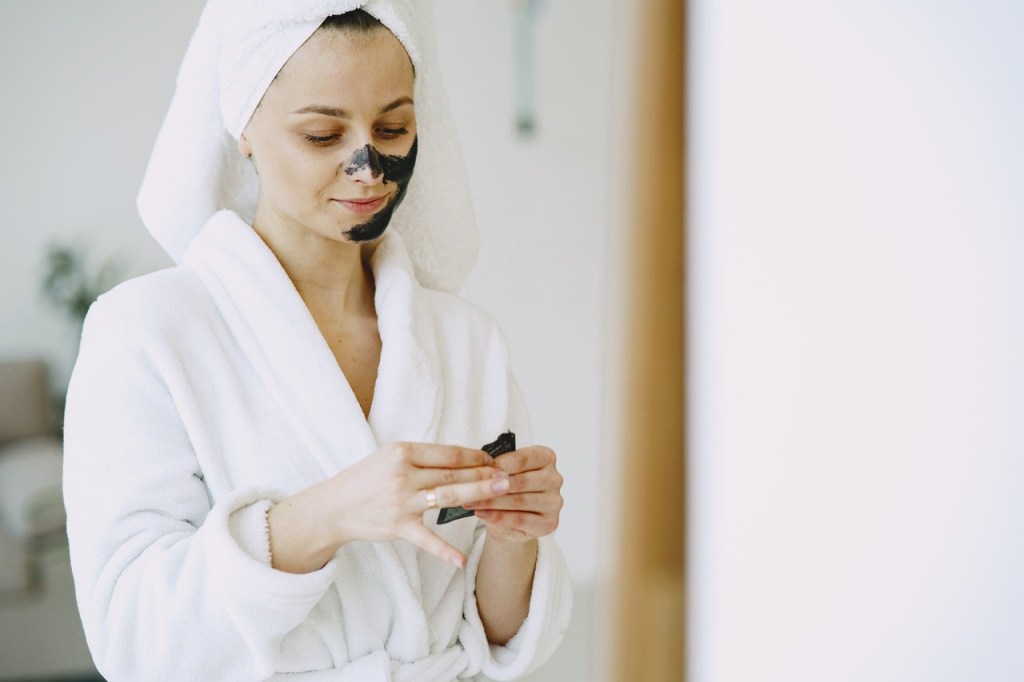
  4. Incorporate herbal masks – Try DIY masks with turmeric, yogurt, and honey for an all-natural glow.
  5. Check your labels – If a product claims to be “natural,” make sure it actually contains plant-based ingredients (and not just clever marketing).

Bottom Line

Herbal skincare isn’t a fad,  it’s a return to what our skin was always meant to thrive on. Boost your self care and mental health today with wonderful, natural ingredients. With cleaner, safer ingredients, sustainability benefits, and centuries of proof behind it, farm-to-face beauty is here to stay, and we’re excited to embrace it!

Amy Jones is a freelance writer.
Is Stress Affecting your Skin? Heres how to tell.

(image: Pexels)

Is high stress causing skin conditions like acne, skin rashes, psoriasis, and eczema to occur? Here’s how to tell! 

If you’ve been experiencing high stress lately and have started to notice a change in your skin’s health, this is no coincidence. Aside from weakening your immune system and causing issues such as hair loss to occur, stress can also affect the state of your skin.  

Everything from dry skin, to acne, skin rashes, and other conditions like eczema and psoriasis can all be rooted back to stress. And unfortunately, dealing with these skin issues can also increase stress levels, which can ultimately perpetuate the  cycle. That’s why it’s critical to understand the relationship between stress and skin, as well as the different coping mechanisms and treatment available.  

To learn more about the stress-skin connection, and how stress hormones may be affecting your complexion, read on! 

Understanding the Relationship Between Stress & Skin 

There are two dominant stressors that influence your skin health. The first is environmental stress. Unlike other organs in your body, your skin is constantly exposed to the outside world, making it more susceptible to environmental stressors such as temperature, humidity, and ultraviolet light. These factors can trigger your skin to produce stress hormones like cortisol, which inevitably, sends signals back to your brain. These signals contribute to the other main stressor that influences your skin: psychological stress. 

Psychological stress disrupts the top layer of your skin—also known as the epidermal barrier—that acts to retain moisture and protect you from harmful microbes. A healthy epidermal barrier is vital for maintaining a clean, clear complexion as it helps to repair and shield the skin. So, when disrupted, your skin becomes more sensitive and reactive, causing irritation as well as the exacerbation of certain skin conditions to occur. 

As your epidermal barrier continues to be affected by psychological stress, it can become increasingly challenging for these skin issues to heal properly, especially if left entirely untreated. In the next section, we’ll take a closer look at different skin conditions and concerns that may develop from chronic stress, and what you can do to manage them. 

How Exactly Can Stress Affect Your Skin? 

Think stress is the explanation behind the changes in your skin? Below are a few common conditions to lookout for and available treatment options to consider. 

Atopic Dermatitis AKA Acne 

If you feel stressed on a regular basis, don’t be surprised if zits and pimples start to appear. The effects of stress tend to lead to acne because cortisol—the “stress” hormone—encourages your sebaceous glands to speed up. Your sebaceous glands control the oil production in your skin, so when provoked, they naturally cause your complexion to appear oilier. In turn, this can cause your pores to clog and consequently, lead to acne. 

Dealing with acne caused by stress is hard enough to begin with, but it’s especially difficult for people who naturally have acne-prone or oily skin. If you resonate with one of these skin types and are currently struggling with stress acne on top of your usual breakouts, it may be a good idea to invest in a prescription product to adequately treat your concerns. Using a tretinoin prescription to fight blemishes, for example, can make it easier to get rid of acne and acne scarring in real-time, and prevent further development from occurring.  

Skin Rashes 

Skin rashes like psoriasis, rosacea, and eczema are all tell-tale symptoms of high stress. The conditions will generally develop on account of a weakened immune system— another stress response your body has when dealing with high anxiety. When your immune system is weakened, it’ll likely lead to dysbiosis—an imbalance of bacteria in both your gut and skin health—to occur. If the imbalance appears on your skin, it’ll likely manifest itself with redness or rashes. 

Pre-existing conditions are normally characterized by itchy, dry skin, but when dealing with high stress levels, these issues become all the more aggravated.  

Fortunately, managing these inflammatory conditions can include using a basic anti-itch topical ointment that is readily available at your local drugstore. However, these aren’t effective in strengthening your immune system. Arguably the best way to promote overall immunity is to stick with a varied, well-balanced diet. 

Fine Lines & Wrinkles 

The natural aging process speeds up when you experience high stress, as it can cause changes to the proteins in your skin and fluctuate anti-aging hormones like DHEA (dehydroepiandrosterone). These factors can ultimately lead to a reduction of brightness and elasticity in your skin and accelerate the aging process. As a result, the formation of fine lines and wrinkles may occur. 

Environmental stressors like ultraviolet light and radiation can largely contribute to an acceleration of the aging process. For this reason, it’s critical to make sure you’re protecting your skin at all costs, regardless of if you are indoors or outdoors.  

Be sure to apply sunscreen everyday as the last step of your morning routine. This will help mitigate environmental stress that comes from excessive sun exposure and keep your skin looking youthful and radiant all year round. 

This article was written by a freelance writer.

How to Prevent & Ease Effects of Stress 

Skin care can only get you so far when it comes to managing your stress. While washing your face regularly and incorporating treatment products in your daily regime may be practical in treating the skin issues mentioned above, they’re not beneficial in alleviating chronic stress as a whole. There are various ways to reduce high stress and anxiety, so try to explore the different options out there. Here are a few options to get you started: 

  • Schedule Time for Mindfulness: Give yourself a chance every day to relax with a stress-free mindfulness practice. Whether it be reading, writing, meditating, or stretching, remember to block off some time for yourself every day, even if only for 15 minutes. 
  • Stay Active: Exercise and physical activity offer numerous health benefits, and one of them is lowering levels of stress hormones. Take advantage of this benefit by staying active throughout the week! From personal training to outdoor activities like hiking and biking, there are plenty of ways to get your heart rate up! 
  • Talk to Someone: Managing high stress and/or poor mental health is not something you should burden yourself with. If you’re having trouble navigating your stress-free journey alone, don’t hesitate to talk to someone about how you’re feeling. A simple conversation with a friend or family member can be more therapeutic than you know, but if they’re support isn’t enough, don’t be afraid to seek professional guidance from a mental health counselor.