Understanding Mental Health Challenges And Recovery Options by Violet Smith Evans

(image: Zohr Nemati: Unsplash)

Mental health is an essential part of overall well-being, yet it is often overlooked until symptoms become overwhelming. Millions of people around the world live with mental health conditions that can affect their mood, thoughts, and behavior. These challenges can interfere with relationships, work, and daily routines, but the good news is that treatment options are more accessible and effective today than ever before.

When individuals understand their condition and seek the right support, they can build healthier coping strategies and regain control of their lives. Two common struggles people face are bipolar disorder and anxiety—both of which can be complicated further when substance use is involved. Exploring recovery options designed specifically for these conditions can open the door to long-term healing.

The Importance of Addressing Mental Health Early

Early recognition of mental health symptoms is critical. Too often, individuals dismiss mood swings, prolonged sadness, excessive worry, or fatigue as “just stress” or “a bad week.” However, these patterns can signal a deeper issue that requires professional support. Addressing mental health concerns at the onset not only improves outcomes but can also prevent the development of secondary challenges such as addiction, chronic stress, or physical health problems.

By taking proactive steps, individuals are more likely to develop resilience and maintain stability over time. Family members, friends, and colleagues also play an important role by offering encouragement and understanding instead of judgment or stigma.

Understanding Bipolar Disorder

Bipolar disorder is one of the most misunderstood mental health conditions. Characterized by extreme shifts in mood, energy, and activity levels, it goes far beyond the typical ups and downs that people experience in daily life. Those with bipolar disorder may experience manic or hypomanic episodes—periods of high energy, impulsivity, and elevated mood—followed by depressive episodes that bring sadness, hopelessness, or loss of interest in activities.

Because bipolar disorder exists on a spectrum, its symptoms vary greatly from person to person. This makes individualized care essential. Professional intervention, therapy, and medical management can significantly reduce the intensity and frequency of mood episodes, allowing individuals to lead fulfilling and balanced lives.

For those seeking guidance, comprehensive Bipolar Disorder Treatment programs provide structured support that combines psychotherapy, medication management, and lifestyle strategies to stabilize mood patterns. These programs focus on helping individuals better understand their triggers, strengthen coping mechanisms, and create long-term wellness plans.

The Overlap Between Mental Health and Substance Use

Mental health conditions often coexist with substance use disorders. This dual challenge, known as co-occurring disorders, can complicate both diagnosis and treatment. For example, individuals with bipolar disorder may use drugs or alcohol during manic episodes to maintain their energy or during depressive episodes to numb emotional pain. Similarly, those with anxiety might turn to substances as a form of temporary relief, leading to dependency over time.

The presence of co-occurring disorders makes it critical to find treatment centers that specialize in dual diagnosis. Traditional approaches that treat mental health and substance use separately may fail to address the underlying causes of each condition, resulting in relapse or incomplete recovery. Integrated treatment programs, on the other hand, provide a holistic approach that tackles both issues simultaneously, improving long-term outcomes.

Anxiety and Its Connection to Addiction

Anxiety disorders are among the most common mental health conditions worldwide. They can manifest as generalized anxiety, panic attacks, social anxiety, or phobias. For many, constant worry and fear interfere with work performance, social interactions, and even physical health.

When anxiety is left untreated, individuals often look for ways to escape their symptoms. Unfortunately, this can lead to reliance on alcohol, prescription medications, or illicit substances. While these may provide short-term relief, they create long-term consequences and increase the risk of developing addiction.

To break this cycle, specialized anxiety and addiction treatment programs are designed to address both issues together. These programs typically combine evidence-based therapies such as cognitive-behavioural therapy (CBT), mindfulness practices, and medical support to help individuals identify the root causes of their anxiety while also treating their substance use.

(image: Sydney Rae: Unsplash)

Building a Strong Support System

Professional treatment is only one piece of the recovery puzzle. Having a strong support network can make a tremendous difference in maintaining long-term wellness. Family therapy, peer support groups, and community-based programs help individuals stay accountable while fostering connections that reduce isolation.

Loved ones can also benefit from education and counseling, as understanding mental health conditions makes it easier to provide the right kind of support. Encouraging open conversations about mental health challenges helps break down stigma and creates an environment where healing is possible.

Healthy Lifestyle and Daily Habits

Lifestyle changes play a critical role in managing conditions like bipolar disorder and anxiety. Regular exercise, balanced nutrition, adequate sleep, and mindfulness practices can all reduce symptom severity. For example, yoga and meditation help regulate stress, while consistent sleep patterns can stabilize mood swings.

Journaling, creative activities, and spending time in nature are additional strategies that promote mental clarity and emotional balance. While these habits may not replace professional care, they work in tandem with treatment to strengthen resilience.

Long-Term Recovery and Hope

Recovery is not a one-time event—it’s an ongoing process that requires commitment, patience, and self-compassion. Relapses or setbacks may occur, but they don’t mean failure. Instead, they can serve as opportunities to re-evaluate strategies and adjust treatment plans.

The growing availability of specialized programs for conditions like bipolar disorder and anxiety shows that no one has to face these challenges alone. With proper care, individuals can achieve stability, rebuild relationships, and pursue meaningful goals.

Final Thoughts

Mental health conditions such as bipolar disorder and anxiety can feel overwhelming, especially when compounded by substance use. However, effective treatment and recovery programs provide hope and healing. By seeking out resources tailored to specific needs, individuals can find balance and create a foundation for lasting well-being. It is important to be lead by a psychiatrist about medication and treatment when someone also has substance abuse.

No matter how challenging the journey may seem, recovery is always possible. Support, understanding, and professional guidance are the keys to moving forward and embracing a healthier, more fulfilling future.

This blog contains sponsored links.
The Digital Descent: Understanding the Connection Between Doomscrolling, Anxiety and Panic Attacks by Charles Watson

(image: Brian McGowan, Unsplash)

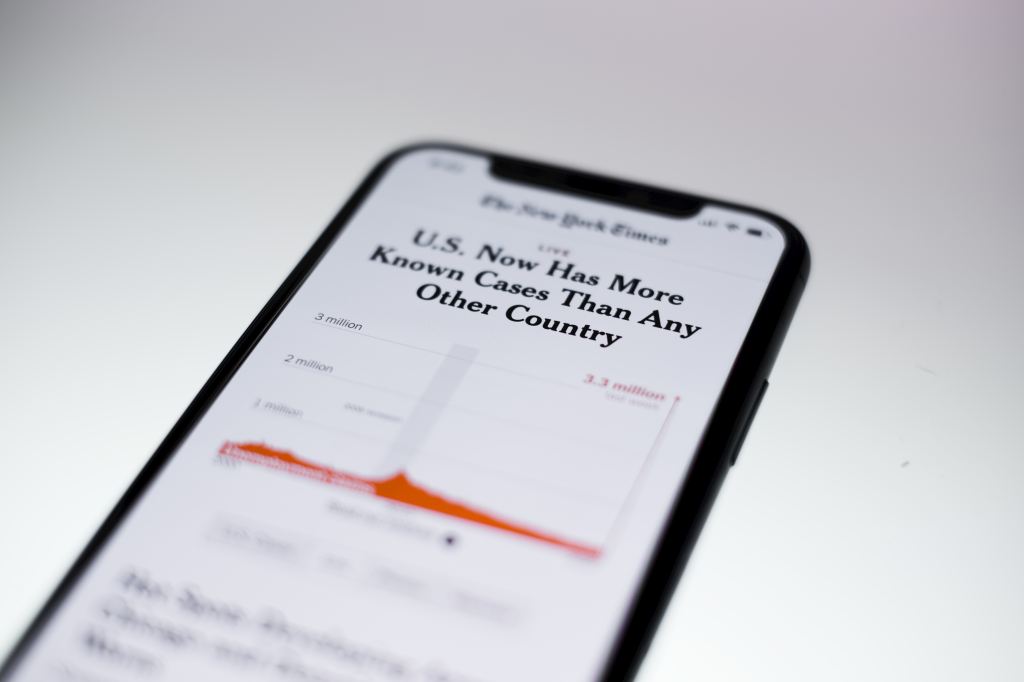
In 2024, there is a growing awareness of the effects associated with constantly consuming negative news, a behaviour commonly known as “doomscrolling.” Media and constant news updates often fuel this habit of seeking out distressing information. Sadly, this can have serious implications for both physical and mental health.

Recent conversations among health experts have shed light on the link between doomscrolling and the increase in Substance-Induced Anxiety Disorder (SIAD) as well as panic attacks. As someone who writes on mental health, I wanted to delve into this correlation, providing insights and practical tips to protect your health in a world that appears to be in a perpetual state of crisis.

What is the Meaning of Doomscrolling?

Doomscrolling involves the consumption of news. Consumers caught up in this cycle feel compelled always to follow disasters, political unrest, environmental crises, and other distressing events, resulting in prolonged exposure to negative media. Additionally, some may even engage in extended sessions of watching vertical, short-form videos without awareness of the passage of time.

We can admit staying informed is important. However, constant focus on distressing media can affect one’s well-being.

Psychological Effects of Doomscrolling

The brain is naturally inclined to react to threats with a fight-or-flight response—a survival instinct ingrained in our biology throughout history.

However, when the mind is activated by immediate non-physical threats, like distressing news, it can result in prolonged stress. This prolonged state of vigilance can heighten anxiety levels over time potentially leading to anxiety disorders and panic episodes.

However, why is it so addictive to watch distressing news? Well, engaging in doomscrolling triggers the activation of dopamine receptors, which provides short relief from anxiety, despite the eventual worsening of mood. 

What is more concerning is individuals often revert to doomscrolling in an attempt to alleviate their distress, perpetuating the cycle of negative emotions.

Link to Substance-Induced Anxiety Disorder

Substance-induced Anxiety Disorder (SIAD) begins to show its ugly face when symptoms of anxiety or panic stem directly from substance consumption, withdrawal, or exposure to substances. Common culprits include caffeine, alcohol, nicotine, and certain prescription drugs. 

People who engage in doomscrolling may resort to substances like alcohol or prescription drugs as a coping mechanism for the anxiety and stress triggered by the news they consume. This could establish a cycle where substance use provides relief from anxiety symptoms but later worsens them, possibly resulting in SIAD.

Real World Implications – Panic Attacks

Panic attacks are episodes of fear that may manifest as heart palpitations, sweating, trembling, etc.  Sometimes there is even an overwhelming sense of dread and fear of losing control. 

For those who are exposed to negative news, unfortunately their threshold for panic attacks may be lower. Substances used to manage this stress can further decrease this threshold, making panic attacks more frequent and intense.

(image: Mark Adriane, Unsplash)

Tips for Breaking This Habit

Breaking free from the cycle of doomscrolling requires effort and specific strategies. Here are some “practical?” steps you can follow;

1. Establish Strict Time Boundaries

Hold yourself to designated times during the day for checking the news and make a commitment to stick to these schedules. Utilizing apps restricting your access to websites or social media platforms can help you maintain this routine.

2. Customise Your Social Media Content

Take a role in curating your social media feeds by including uplifting content. Follow accounts that share stories or even your city media feeds to create a balanced experience alongside the inevitable negative news we all have to see.

3. Try Healthy Coping Mechanisms

It may be time to hit the gym. Or engage in activities such as yoga or jogging. Better yet, incorporate mindfulness techniques like meditation or diaphragmatic breathing. Finally, find a way to express yourself through creative endeavors like writing or painting.

4. Consider Professional Support

If needed, and if feelings of anxiety or panic become overwhelming, seek assistance. A health professional can always be beneficial. Therapists can offer personalized coping strategies tailored to meet your needs, as we are all different in what triggers our anxiety.

5. The Inevitable – Keeping in Touch

Even as a mental health writer, I can be better at this one. Having ties with friends and family can ease stress and worry. Interacting regularly can shift our focus away from the constant stream of negative news.

In the end, while staying informed is important, it’s also vital to strike a balance in how we consume news. Recognizing the signs of scrolling through distressing content and taking proactive measures to lessen its impact can help prevent the development of more severe anxiety issues and panic attacks. The world has changed, and mental health is important, so by being mindful and adopting coping strategies, we can safeguard our well-being during these challenging times (no matter where we are located.)

By being aware of how our media intake affects our health, we can navigate the age without falling prey to its negative aspects. Remember, it’s completely fine to unplug for the sake of your well-being.

Charles Watson is a freelance blogger.

Your Environment Matters: Setting the Stage for Drug Detox Success this Mental Health Awareness Week by Maya

(image: Unsplash: Ron Smith)

When you’re struggilng with substance abuse and considering detox, chances are you have a clouded view of what this looks like. Images of withdrawal symptoms, sterile hospital beds, and indifferent staff often cause people to fear going into a rehab center. But drug detox doesn’t have to be this way.

Facilities across the USA (and in the UK) like Utah drug detox centers, can provide a safe, supportive, and structured environment to help you navigate this challenging phase. These centres offer the resources and expertise necessary to manage detox. They can help set you up for long-term success.

What are the key aspects of a positive detox environment, and how do they contribute to a successful recovery journey? We’ll discuss those answers here.

Building a Foundation

Research shows that up to 90% of people who relapse after drug detox do so within the first year. Don’t let this number discourage you, though! It can feel daunting, but it also highlights the importance of setting yourself up for success from the very beginning.

Creating a positive environment during detox will improve your chances of long-term recovery. You need a calming, supportive space. Whether you choose your own home, a friend or family member’s place, or a detox program, make sure it’s comfortable and includes healthy, appealing meals that nourish your body. As you heal and cope with withdrawal symptoms, you’ll need proper nutrition.

Surround yourself with a supportive network of people as well. Those who understand your journey and believe in your recovery will be a crucial source of strength.

Address Detox Concerns

Detoxification is often seen as a difficult, uncomfortable experience, and with good reason. Many people entering detox worry about withdrawal symptoms. These effects can range from anxiety and fatigue to nausea, pain, and muscle aches.

But withdrawal symptoms aren’t the only concern. People might also worry about privacy, safety, and the cost of detox. Quality detox programs focus on patient privacy and confidentiality with trained medical professionals to provide a safe, supportive environment.

These types of detox programs can come with a hefty price tag, but many facilities have flexible payment options or work with insurance. Treatment is still within reach for those struggling financially.

Environment

Imagine stepping into a detox program, not with a sense of dread, but with a feeling of comfort. Instead of glaring lights and cold metal, you’re greeted by a warm, home-like environment. Attentive and professional staff are there to support you, easing the anxieties often associated with detox. This welcoming atmosphere can foster a crucial element of recovery: trust.

Trust in your caregivers is essential. When a detox program feels clinical and impersonal, it can create a sense of detachment. You might feel like just another patient to be processed. But a comfortable and inviting space can make a big difference.

This environment allows you to feel safe, valued, and more receptive to the personalised care and guidance offered by your treatment team. The sense of trust empowers you to fully engage in the detox and recovery process, setting you up for a stronger foundation on your journey to a healthier life.

Take the First Step

Detox is a crucial first step on the path to recovery. By prioritizing a safe, supportive, and comfortable environment, you can significantly increase your chances of long-term success.

Remember, you don’t have to face this alone. Reach out to a qualified professional or treatment center today to begin your journey to a healthier and happier life. Many resources are available to support you, and there is no shame in seeking help. Take that first step today — your future self will thank you for it.

What Causes OCD To Get Worse? by Sandra Hernandez

(image: free image)

Obsessive-Compulsive Disorder (OCD) is a mental health condition characterised by intrusive thoughts and repetitive behaviours that can significantly impact a person’s daily life. While the exact cause of OCD is still unknown, it’s important to understand the factors that can worsen the symptoms. By exploring these triggers, we can gain insight into how to effectively manage and improve the lives of individuals with OCD.

1. Environmental Triggers

Stress and Anxiety

Stress and anxiety play a significant role in exacerbating OCD symptoms. The heightened levels of stress can activate the brain’s fear response, triggering obsessions and compulsions. The constant worry and apprehension experienced by individuals with OCD can further fuel their anxiety, leading to a vicious cycle of escalating symptoms.

Life Transitions and Major Events

Life changes, such as moving to a new place, starting a new job or school, or going through significant life events like marriage, childbirth, or divorce, can trigger or worsen OCD symptoms. These transitions disrupt familiar routines and introduce new stressors, increasing the likelihood of obsessive thoughts and compulsive behaviors.

Lack of Social Support

Social support plays a crucial role in managing OCD. The absence of a strong support system can contribute to feelings of isolation and loneliness, which can worsen OCD symptoms. Having understanding and empathetic individuals who can provide encouragement and help during challenging times is essential for individuals with OCD.

2. Maladaptive Coping Mechanisms

Avoidance and Safety-Seeking Behaviors

Individuals with OCD often develop avoidance strategies to steer clear of triggers that provoke anxiety. However, this avoidance only provides temporary relief and reinforces the anxiety response in the long run. Similarly, safety-seeking behaviors, such as repetitive checking or seeking reassurance, can intensify OCD symptoms by reinforcing the belief that the obsessions are truly threatening.

Rituals and Compulsions

The compulsive behaviors characteristic of OCD provide temporary relief from obsessive thoughts. However, relying on rituals and compulsions as coping mechanisms can inadvertently strengthen the association between the obsessions and the need to perform these behaviors. This perpetuates the cycle of obsessions, anxiety, and compulsions, leading to a worsening of OCD symptoms over time.

3. Biological Factors

Genetic Predisposition

Research suggests that genetics plays a role in the development of OCD. Individuals with a family history of OCD are more likely to develop the disorder themselves. Genetic factors can influence the severity of symptoms, making individuals more susceptible to experiencing a worsening of OCD symptoms.

Neurochemical Imbalances

Neurotransmitters, such as serotonin, play a crucial role in regulating mood and anxiety. In individuals with OCD, there may be imbalances or dysregulation in the neurotransmitter systems, particularly serotonin. These imbalances can contribute to the intensity and persistence of obsessions and compulsions, leading to a worsening of symptoms.

4. Lack of Treatment or Inadequate Treatment

Delayed or Ineffective Diagnosis

OCD can often be misdiagnosed or undiagnosed for an extended period, delaying the initiation of appropriate treatment. Without a proper diagnosis, individuals with OCD may struggle to understand their symptoms and may not receive the necessary support and interventions, which can contribute to the worsening of their condition.

Inadequate Therapy or Medication

Effective treatment for OCD often involves a combination of evidence-based therapy approaches, such as Cognitive-Behavioral Therapy (CBT) and medication, particularly selective serotonin reuptake inhibitors (SSRIs). However, finding the right therapy and medication that works for an individual can be challenging. Inadequate therapy or medication can impede symptom management and lead to a deterioration of OCD symptoms.

5. Lifestyle Factors

Lack of Sleep and Fatigue

Sleep deprivation and fatigue can significantly impact mental health, including OCD symptoms. The lack of quality sleep disrupts cognitive functioning and emotional regulation, making it more difficult for individuals with OCD to manage their symptoms effectively. Fatigue can intensify obsessive thoughts and decrease resilience, contributing to a worsening of OCD symptoms.

Substance Abuse and OCD

Substance abuse, such as alcohol or illicit drugs, can worsen OCD symptoms. Substance use can disrupt neurochemical balance, exacerbating anxiety and compulsive behaviors. Additionally, individuals may turn to substance abuse as a maladaptive coping mechanism, further worsening their overall mental health and OCD symptoms.

Understanding the factors that contribute to the worsening of OCD symptoms is crucial for effective management and improvement of individuals’ lives with this disorder.With the right interventions and support, individuals with OCD can lead fulfilling lives despite their challenges.

This article was written by freelance writer Sandra Hernandez.

Knowing When It’s Time To Seek Treatment For Substance Abuse by Rachelle Wilber.

Whether it is addiction to alcohol or drugs, deciding to seek treatment for substance abuse is never an easy decision. If it is a family member or yourself who has a problem with substance abuse, there are certain signs that will indicate it’s time to seek treatment at a qualified facility. Though it may be hard to admit, here is how you will know the time has come to admit professional help is needed.

Changes in Personality

If you have major personality changes eg you were once very outgoing but now are withdrawing from those closest to you, this can indicate you may need treatment for a substance abuse problem- you could also be struggling with depression . Another indication is if you lie about your addiction to those you love and try and keep it secret.

Financial Problems

If you are addicted to drugs, it won’t take long for this problem to result in you having severe financial problems. Whereas in the past you always had money to pay your bills, you now find yourself having to ask others to help you out financially. Eventually, you may lose your car and even your home. Seek help for your finances when you are able to- perhaps a friend of family member could help you.

Incidents with Law Enforcement

As you live with addiction, you may find that you commit crime or do things you wouldn’t normally do. This may include getting arrested for drunk driving, possession of drugs, or even more serious crimes such as theft or assault and battery. Once this cycle begins, it will worsen very quickly, which is why you should seek out substance abuse treatment as soon as possible. Drugs and alcohol can change your behaviour.

Physical Problems

When you are drinking or doing drugs regularly, this will ultimately take quite a toll on your physical health. While the most common signs may be relatively minor such as nosebleeds or eyes that are constantly red, you may also start to notice other signs. Look for signs of liver damage, increased blood pressure, or trouble breathing. Once these signs become evident, you need to get medical treatment as well as substance abuse treatment for your mental health. Look after your body as it can take a battering when you are addicted to substances.

Losing Your Job and Marriage

When substance abuse problems get very bad, your job and marriage may be at risk of being lost to you forever. You may find yourself suddenly being faced with the prospect of being unemployed and possibly divorced due to your ongoing battle with drugs or alcohol. Addiction can sadly strain relationships and make you unreliable at work too, because you are unwell and can’t get better. At that point, if you hit rock bottom, you may admit you need help for your addiction.

Taking that initial step in seeking treatment will be tough. However, doing so will enable you to get your life back on track and overcome your addiction to drugs or alcohol.

There are many places that offer specialised drug and alcohol treatment in the UK and globally. Check out Alcoholics Anonymous, Mind and Action on Addiction.

This article was written by freelance writer Rachelle Wilber.

How to Battle Co-Occurring Mental Health and Substance Addiction by Holly

(image: overcoming-drug-addiction-and-mental-health-issues-blog)

What are co occurring mental health disorder and substance abuse?

A co-occurring disorder is when a person is battling some kind of mental health issue alongside substance abuse like drugs and alcohol addiction. Both SUDs and mental health issues share a strong link. In fact, it’s estimated that almost half the individuals suffering from one will develop the other at some time or another. 

It’s not uncommon for substance abuse to fuel a co-occurring disorder and vice-versa. The severity of both can also increase over time. 

The most common mental health issues to co-occur alongside SUD are – 

  • Anxiety Disorders –  Social anxiety and general anxiety share a strong link with marijuana abuse. Almost 19% of people in the US have some kind of anxiety disorder. GAD, social anxiety, and panic disorder can also increase the odds of co-occurring issues.
  • Personal Disorders – In terms of the general population, around 10-15% suffer from personality disorders. When we talk about those suffering from addiction and substance abuse, the rate is an astounding 35-70%. The commonest personality disorders in those battling SUD are – borderline, avoidant personality, paranoia, and antisocial behavior. 
  • Attention-Deficit/Hyperactivity Disorder – Studies tell us that ADHD comes with an increased risk of developing addiction-related issues during adulthood (mainly 20s and 30s.) There is a positive correlation in symptoms of ADHD like impulsiveness, hyperactivity, and inattention with substance use in adults. 
  • Mood Disorder – Around 30% of people suffering from SUD are likely to suffer from one of the mood disorders such as depression and bipolar.
  • PTSD – According to a survey, people with Post-traumatic Stress Disorder are 4x more likely to develop substance use disorder than those without.

What Causes Co-occurring and Substance Addiction?

It is estimated that over half the people with one disorder will eventually develop the other during their lifetime. While the exact set of reasons that can fuel these two conditions might be long, researchers have found the 3 most prevalent reasons as to why co-occurring disorders may take place.

Overlapping Risk Factors

Many of the risk factors behind SUD and mental health issues are overlapping. Generally, these include environmental factors like exposure to drugs or alcohol at an early age, early childhood trauma, and genetics. All of these factors can make a person more susceptible to developing mental health issues and requiring addiction treatment for drugs such as Cocaine or others.

Self-Medication

Dealing with a mental illness can be difficult. That’s why many people resort to alcohol and drugs as coping mechanisms. In medical terms, this is called ‘self-medicating’. However, it’s quite misleading as instead of fixing the problems, it only masks them. What’s more, in the long run, it exacerbates the symptoms and worsens the dependency on drugs/alcohol, making it more difficult to detox from alcohol or drugs, often requiring medically supervised detox.

Drug-Induced Brain Changes

Prolonged drug and substance use can change the brains ‘motivation and reward mechanism’. It can give a false sense of wellness causing one to develop a dependence on drugs beyond control. Eventually, it can lead to mental health issues by affecting the brain and neurotransmitters.

Drugs affect the areas of the brain associated with mood, impulse control, anxiety, and schizophrenia.

How to Battle Co-occurring Mental Health and Substance Use

Residential Treatment 

Residential rehab programs begin with an initial assessment to draw an individual treatment plan. This is followed by detox and several other therapies. The patient has to stay in a structured and highly supervised facility. Common inpatient treatment duration for drug addiction is 30 days. Residential programs put the entire focus on recovery as daily triggers and challenges are removed that often lead to relapses.

Outpatient Healing Programs

Under this program, a patient receives all the treatments and therapies as in residential rehab. However, they are not required to live in the facility. This is good for young teenagers, parents, and people with mild addiction who cannot sacrifice work commitments. 

Detox

This is usually the first step in most addiction treatment programs. Drug detoxification entails medical supervision to get the drugs out of the system. With a clean system, experts can begin further treatment. Generally, therapies and medication cannot begin unless detox is successfully over.

Integrated treatment

Integrated treatment often includes behavioral therapy and counseling as interventions. Rehab centers in Connecticut and other parts of the United States use integrated treatment coupled with medication. Integrated treatment encompasses several therapeutic techniques with proven results in treating substance abuse and mental health issues. Common integrated therapies are –

  • Cognitive-behavioural therapy aka CBT aims to understand negative behaviours, thinking patterns, and self-talk that might be causing addiction and other disorders. It then works on changing them.
  • Dialectical behavioural therapy is used for treating borderline personality disorder. It does so by working on negative actions and thoughts like self-harm, suicidal behaviour, and dependence on a substance to cope with daily stressors.
  • Contingency management is often used in upscale addiction treatment centres. It reinforces positive changes by utilising incentives for patients who can exhibit positive behaviours such as staying sober and meeting therapy guidelines.

Medication Treatment

Psychotherapeutic Medications are often integral to treating SUD and co-occurring disorders and are frequently used during alcohol treatment. The commonly prescribed medications include antipsychotics and antidepressants. The latter is used to mostly manage the uncomfortable withdrawal symptoms. Other than that, medications may also be used to lessen the cravings so that relapses don’t happen. 

Buprenorphine, naltrexone, methadone, disulfiram, and acamprosate are the common medications used for treating SUD.

Peer Support Clubs

It’s not uncommon for people with psychiatric issues to become antisocial. The withdrawal from social life exacerbates when you throw drugs and alcohol into the mix. By joining peer support groups/clubs like 12-step, Alcoholics Anonymous, and group counseling – patients can find solace in the presence of other people going through similar battles. 

They can draw inspiration from their stories and also learn some tips to maintain sobriety. Support groups are highly effective in fostering a long-term, sustainable drug-free lifestyle.

Education and Counselling for Families

Sometimes a toxic family environment or dysfunctional relationships may unknowingly be fuelling a person’s addiction. Family counselling educates people how to create a healthy living environment for a family member to support long-term recovery.

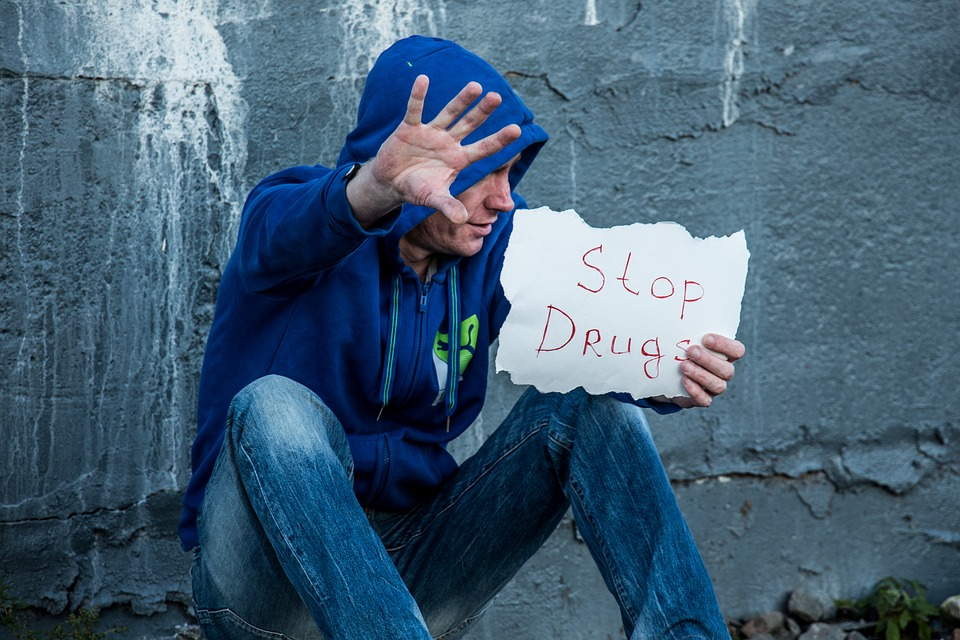
image: erson-holding-stop-drugs-sign-blog

Holistic Remedies

Medical science is embracing the effectiveness and importance of holistic/alternative treatment when it comes to treating drug addiction. Many rehab centres are now adopting a holistic treatment model. Common holistic therapies are – massage therapy, acupuncture, hypnotherapy, yoga, reiki, meditation, and music therapy.

In Conclusion

Co-occurring disorders may be a harsh reality in many people’s lives. But, know that if you or your loved one is going through this issue, help is always available.

Holly is a freelance writer who loves to help people who are struggling with a drug or alcohol addiction. Holly knows first-hand what it’s like to deal with substance addiction, and has now been sober for 5 years. Holly is a frequent contributor to many addiction-related blogs and organizations such as the Addiction Treatment Division and Inpatient-Rehab.org.

How quitting illegal drugs helps anxiety in the long term: Guest post by Robert Tropp

livetofight1

(image: Tumblr)

For many people, feelings of anxiety are a regular occurrence. Anxiety can be a motivator to do better in work, school, and to become better at nurturing healthy relationships. However, if the anxiety you’re experiencing lingers for longer than it should and paralyses you, more profound issues are at play. If you are using drugs and alcohol to deal with anxiety, you are likely doing more harm than good.

At best, drugs are only a short-term solution to anxiety. If you aren’t dealing with the underlying issues that give rise to your anxiety, you will be plagued with this condition over the long haul. The problems only compound if you become increasingly dependent on drugs to deal with anxiety, you can develop a co-occurring substance abuse problem which further complicates matters.

Getting professional help for your addiction to drugs and alcohol will, in most cases, involve receiving treatment for the “co-occurring” anxiety. Through the help of experienced treatment staff and proven programs, you can become healthy and happy.  

In What Ways Does Drug Treatment Save You From Anxiety?

As already stated, drug and alcohol use provide a temporary reprieve from the anxiety you experience. While you may experience short periods of relief, your anxiety returns. If you aren’t taking the time to address the root causes of anxiety in your life, your anxiety will worsen over time. Additionally, your substance use will increase over time, increasing the likelihood of developing an addiction to substances that allow you to “self-medicate.”

Through comprehensive physical and psychological evaluations and intensive drug treatment, you will get the tools and support you need to address these issues head-on. As you get better, staff will provide you the tools you need to deal with your anxiety healthily.  

What Tools Can I Learn to Deal With My Anxiety Without Drugs?

As you progress through treatment, you learn of ways to deal with your anxiety without resorting to substance abuse. Many treatment centers teach mindful meditation techniques such as focused breathing and simple yoga poses. These techniques help to ground you, calm the mind, and focus on the present moment. A significant benefit of mindful meditation is that techniques are relatively easy to learn, and you only need 15-20 minutes a day to see results.

Another tool that you learn in treatment that helps you alleviate anxiety is through simple lifestyle choices such as regular exercise and healthy eating habits. Exercise helps release dopamine which is the brain natural feel-good chemical. You become more relaxed and at ease, and regular exercise helps you look and feel your best. Likewise, a healthy diet nourishes the body and brain and provides the nutrients it needs for optimal functioning.

Additionally, you can effectively deal with anxiety without illegal drugs in the long run through the use of ongoing therapy. With the help of an experienced mental health professional, you can address any recurring anxiety in a safe and supportive environment. Through the use of effective therapies such as CBT, talking therapies or EMDR, you can actively work to address root issues that give rise to your anxiety. When those are addressed, you will get the tools you need to manage your anxiety at different times in your life.

The decision to quit drugs and alcohol is a significant life decision. While it may seem overwhelming and makes you feel anxious, the support and encouragement you receive in treatment will go a long way in helping you leave your addiction and your anxiety behind.
roberttropp

About Robert Tropp

Robert Tropp is a functional nutrition practitioner whose primary focus is substance abuse and mental health disorders. Robert uses a functional medicine approach to help clients regain mental and physical well-being.  Robert is an advocate for the importance of nutrition in addiction recovery and works as the health and wellness director at Nuview Treatment Center in Marina Del Rey, California, USA.


The Connection Between Anxiety and Substance Abuse: Guest blog by Nu View Treatment Center

breatheimage1

(image: Recovery Direct)

When people abuse drugs and alcohol, it is often the sign of a deeper underlying issue. For many people struggling with addiction, the source of their addiction is due to mental illness that often has gone undiagnosed. One of the most common co-occurring disorders seen with substance abuse is anxiety. The following article will outline what defines anxiety, and the connection between anxiety and substance abuse.

What is Anxiety?

In general, anxiety is an important emotion to have. While it may be normal to feel fear, apprehension, and nervousness from time to time, it becomes an issue when people experience these emotions at excessive levels. When anxiety takes over a person’s thought process, it manifests itself into physical symptoms such as the following:

  •    Increased and constant restlessness
  •    Increased and uncontrollable feelings of worry
  •    Irritability
  •    concentration difficulties
  •    sleep problems


Anxiety can be grouped into several types of disorders. These can include generalized anxiety disorder (GAD), panic disorder, post-traumatic stress disorder (PTSD), phobias, social anxiety disorder, and selective mutism among others. The leading causes of anxiety include work and family stresses, financial worries as well as underlying medical issues. The roots of anxiety can also be traced to past traumatic events that are unresolved.


How Anxiety and Substance Abuse Connect

When people suffer from anxiety, mental and physical symptoms can be very intense and can wear on the body and mind. To get some form of relief, people may turn to substances that stimulate dopamine in the brain to help numb the feelings of discomfort. Self-medicating oneself to take the edge of off anxiety only works in the short-term and can have a rebound effect that makes anxiety worse over time. Without addressing the roots of anxiety, their condition will worsen over time—along with their substance use.

The connection between anxiety and substance abuse can also trace back to the teenage and young adult years. During adolescence, the brain is still developing and forming. If people used drugs as a teenager, it could alter the development of the parts of the brain that govern reasoning and impulse control. Drug and alcohol use early in life can increase the likelihood of anxiety and substance abuse as that person gets older.

Another reason for anxiety disorders and substance abuse connection is because of one’s genetics. Some people may be more predisposed to both anxiety and drug and alcohol dependence through genetic factors shaped by one’s environment.


Getting Help

For those dealing with co-occurring disorders, they must seek specialised help from a dual diagnosis treatment facility specializing in mental health and addiction disorders. The first step in getting help is undergoing medical detoxification. During detox, patients will undergo medication-assisted therapy to help better tolerate the physical and psychological symptoms associated with withdrawal. Additionally, staff will perform physical and mental health evaluations to pinpoint any underlying issues that may impact recovery.

For those suffering from dual diagnosis, treatment will include mental health services in addition to addiction treatment services. Dual diagnosis facilities feature mental health professionals working alongside addiction treatment personnel in creating an individual treatment plan that fits each client’s specific needs.

In addition to therapy, 12-step counselling, life, and coping skills training and other forms of treatment, patients will receive mental health treatment with a focus on ongoing counselling and medication-based therapies that will give them the tools to handle anxiety.


This guest blog was written by Nu View Treatment Center