The decision to seek help for alcohol use disorder is an important one. It takes courage to admit that you need assistance, and taking the first step toward recovery can feel like a daunting task. One of the early steps of recovery is an alcohol assessment centre, which can assess your condition, provide treatment recommendations, and connect you to ongoing support. However, navigating an assessment centre can be overwhelming, especially if you are feeling vulnerable or uncertain. In this post, we will discuss some tips for maintaining your mental well-being while navigating an alcohol assessment centre.
Educate Yourself
Before entering an assessment centre, take some time to educate yourself about the process and what to expect. This can help to ease anxiety and provide a sense of control in an unfamiliar environment. You can research online, check out the centre’s website, or speak with someone who has been through the process before.
Prepare Mentally and Emotionally
Entering an assessment centre can be a nerve-wracking experience, but it’s essential to prepare yourself mentally and emotionally. You might consider bringing along a trusted friend or family member who can offer support and help you stay grounded. You can also practice mindfulness or deep breathing exercises to help you stay centred.
Speak Openly and Honestly
It’s important to be honest about your alcohol use, even if you feel embarrassed or ashamed. The professionals at the assessment centre require accurate information to provide the best treatment options for your specific needs. Honesty also helps to build trust and openness in the therapeutic relationship between you and your counsellor.
Focus on Your Goals
Entering an assessment centre can be overwhelming, but it’s essential to focus on your goals for recovery. Discuss your goals with your counsellor, and work with them to develop a plan for achieving them. Remembering why you’re seeking help and what you want to achieve can help motivate you and make the process easier.
Take Care of Yourself
Finally, remember to take care of yourself while going through an assessment centre. It’s essential to prioritise your mental and physical well-being, which can include eating well, drinking plenty of water, and getting enough rest. Self-care also means taking breaks when necessary, practicing healthy coping mechanisms, and setting boundaries with those around you. Navigating an alcohol assessment centre can be overwhelming, but it’s an essential step towards recovery from alcohol use disorder.
By educating yourself about the process, preparing yourself mentally and emotionally, speaking honestly with your counsellor, focusing on your goals, and taking care of yourself, you can maintain your mental well-being while going through the process. It is highly recommended to reach out to facilities where you are, like A Better Choice Counselling/ Alcohol, Drug & Assessment Center, for more information or to answer any questions you may have.
Remember, seeking help for alcohol use disorder is a brave decision, and with the right support and resources, recovery is possible
In 2021, I was hospitalised for the second time in my life, due to an acute psychotic episode as a result of my then-recent diagnosis of Bipolar Disorder (Type One). Hospitalisation is one of the scariest, most unsettling periods of time but – a sometimes – necessary stage to recovery. I was so deep within my psychosis for the first week of my admission that I was quite oblivious to my surroundings and the people I was sharing the space with.
However, when my psychosis started to subside and I began to return to my true self, more free from delusions and mania, I was struck with a strong feeling of not belonging. I felt truly and utterly lost.
My ward was made up of around fifteen other women, with varying diagnosis, in differing mental states and from different walks of life. Yet, somehow I still felt like an outsider.
At first I was trying to think why. Was it because I was a Northerner in a Southern hospital? Was it because I was one of few that was the same ethnicity as myself? Was it that I was younger than most? There were so many factors that could have been the result of me feeling at a loss and not finding belonging.
Ultimately, no one wants to feel like they belong inside a psychiatric hospital. However, I believe there is merit in feeling like you have a place and in finding a sense of belonging helped me to have grounding and a base that wasn’t initially there.
Here are a few factors, of which helped me to find belonging:
Acceptance – A lot of my initial struggle was the complete denial, fuelled mainly by my delusional thoughts, that I wasn’t mentally ill and I was in the wrong place. The acceptance that I was a patient in a place that was designed to help me was a key turning point within my recovery. I belonged and thus was worthy of treatment and a future.
Routine – Although I grappled with feeling like I was becoming institutionalised, I think sticking to the routine of the ward was really important. Asides from the benefits of attending meal times, having the structure meant seeing familiar faces, both staff and patients and having positive interactions.
Involvement – Attending the therapy sessions that were available were so beneficial. My ward had a brilliant occupational therapist and other specialists that would come in to do structured sessions such as music therapy, cooking or yoga classes. Again, I got to see familiar faces and it brought with it a sense of community.
Authenticity – One of my biggest struggles throughout both manic, and depressive periods, is finding it hard to connect to my true authentic self. Reconnecting to myself and allowing myself to just be me meant that I felt more relaxed and at ease.
Finding this sense of belonging in a place where no one wants to belong ultimately gave me the grounding to go forward and look forward to a brighter future.
Katie is a freelance writer who lives with bipolar disorder in recovery and has courageously shared her experiences of being hospitalised here.
Making the decision for a loved one to enter a care home is never an easy one. You probably feel guilty for doing it, but the truth is that it will help them get the best possible care as they get older – more than you might be able to give yourself! There’s a lot of negativity about the subject, but many people find their quality of life improves in a care home, and there are things you can do to make that even better. Ultimately, it comes down to making a decision for their best interests, and even if it doesn’t feel that way at first, it soon will.
So what can you do to help them settle in? You can do your bit by finding ways to help them feel more at ease in their new surroundings. Here are some ideas to help your loved one adjust to life in a care home.
One of the biggest changes people face when going from their own home to a care home is the lack of personalisation and familiarity, and feeling like the space isn’t theirs. But there are things you can do to help fix that, including:
Decorate their room with things from their own home, including pictures, furniture, rugs, etc.
Choose from care home beds that they are happy with (if the home allows you to do this).
Add familiar fragrances.
Make sure they can indulge in their hobbies and interests with books, TVs, etc.
Talk to your loved one about what would help them settle in and do what you can to make it happen.
Be there to make things more enjoyable
With your loved one receiving proper residential care, you can be there to help them have fun and stay active, something that might not have been possible while you were caring for them. Use your energy to take them out for trips, help them exercise, and spend quality time with loved ones. The Body Coach even has his own workout series for older people!
Being in a care home doesn’t mean your usual outings and activities have to stop, so you can help them keep up a routine that they enjoy.
Exercise is very important to help improve mobility and mood. Finding ways to help your loved one’s physical health can also benefit their mental health, improving their mood and helping them feel more at ease.
Get to know the staff
There are a lot of reasons you should get to know the staff at a care home:
It can help you be more involved in your loved one’s life by getting to know the other people who are in it.
They’ll know more about you and your loved one, which can help them provide better care.
If you experience any issues, it’s good to have someone familiar you can talk to.
It creates more of a family atmosphere.
Regular visits and chatting with the staff more will help you make those connections, helping you feel more involved in your loved one’s care. It makes things nicer for them and for you, and is a fantastic way for you all to get to know people better.
You will have all sorts of feelings about your loved one being in a care home, but it’s important that you focus on them and ensure they feel happy and comfortable where they are. Talk to them about what they want and how you can make it happen, helping them settle in quicker so you can both feel more at ease.
She sits nervously clutching her GHD straightened hair. Its meant to look poker straight but her curly waves never seem to look like Avril Lavigne’s hair. Except for that time when her friend tried to tame it for her with straighteners and an iron!
She lives in a bedroom in the family home- half child, half adult, the wallpaper pink with pictures of little bo peep covered with music posters- Destiny’s Child (Beyonce, Kelly and Michelle in their Survivor jungle outfits peer down) and Joss Stone with her nose piercing. She looks up to these women and wishes she could be them, especially Joss, who is only a year or so older than she is. Mariah Carey is another huge influence and she listens to her Daydream and Greatest hits albums on repeat on her CD player, trying to sing like Mariah but failing to hit those notes.
At school, she loves Drama- she loves to perform as different characters and study theatre. She has a wonderful group of friends who she will remain friends with today. She dreams of going to drama school.. and she will achieve her goal!
She is me, aged 16 years old in 2004.
She is ‘baby Ellie’- the teenager who had no idea what was in store for her life or to come. Who should have been free to party, make mistakes, not worry about life. Who should have been discovering life safely but enjoying teen life.
She was given the diagnosis of a severe mental illness, bipolar disorder, when she was still a child.
She struggled with depression, mania and psychosis from the age of 15.
She has been medicated for 19 years (and had changes of medication).
She has been in therapy for longer.
but she survived and thrived.
And she still loves theatre and music and friends (although the GHD’s have been relegated to the back of the cupboard!)
So dear Baby Ellie,
Whatever happens – everything is going to be OK and you will achieve things beyond your imagination- except being able to sing like Mariah Carey.
When I look back at her, I hear the lyrics of the song ‘Looking in’ on Mariah’s day dream album that I used to play….
Recovery is often daunting for many who have struggled with an eating disorder. There can be so much uncertainty about how to find the right path forward, and it’s easy to feel overwhelmed and defeated before you even begin. However, treatments and resources are available that can help make things more manageable — both physically and emotionally. In this blog post, we’ll explore some of the key aspects of recovery through eating disorder treatment therapy, such as various therapy options, self-care strategies, diet modifications, medical support, and more. Whatever stage you’re at in your journey toward healing from an eating disorder — whether just starting or progressing down a patchwork of paths leading toward hope — these concepts might provide useful insight into the road ahead and steady guidance.
Understanding Eating Disorders
Eating disorders are complex and multifaceted conditions that can affect anyone, regardless of age, gender, or background. Understanding them can be difficult, but it’s essential for promoting recovery and preventing relapse. Eating disorders are often characterized by an unhealthy preoccupation with food, weight, and body shape and can lead to a broad range of physical and mental health issues. However, people with eating disorders can recover with the right treatment and support. Educating ourselves and those around us can help combat the stigma surrounding these conditions and encourage greater understanding and compassion.
a. Definition of Eating Disorders
Eating disorders are a complex group of mental illnesses characterised by eating habits that often cause serious physical and emotional damage. The most common types of eating disorders include anorexia nervosa, bulimia nervosa, and binge-eating disorder. Anorexia nervosa involves restricting food intake and often leads to extreme weight loss, while bulimia nervosa involves eating large amounts of food followed by purging through vomiting or excessive exercise. Binge-eating disorder involves eating large quantities of food in a short amount of time, often leading to feelings of guilt and shame. While eating disorders can be life-threatening, there is hope for recovery through specialised treatment and support. If you or someone you know is struggling with an eating disorder, it’s important to seek professional help to begin healing.
b. Examples of Eating Disorders
Eating disorders are complex and serious mental illnesses affecting people of all ages, genders, and backgrounds. Some examples of eating disorders include anorexia nervosa, bulimia nervosa, binge eating disorder, and avoidant/restrictive food intake disorder. A limited range of foods and avoiding or restricting certain food groups characterizes avoidant/restrictive food intake disorder. It’s important to seek professional help if you or someone you know is struggling with an eating disorder, as they can have serious physical and psychological consequences. However, with the right treatment and support, recovery is possible.
The Impact of Eating Disorders
Eating disorders are more than just a physical condition. They take a toll on a person’s mental health, relationships, and overall quality of life. Whether it’s anorexia nervosa, bulimia, or binge eating disorder, these conditions can leave long-lasting effects on those who suffer from them and their loved ones. But it’s important to remember that recovery is possible. With the right support and treatment, individuals with eating disorders can regain control of their lives and improve their well-being. Let’s continue to raise awareness and support those who may be struggling with these disorders.
a. Physical Health Complications
Taking care of our physical health is crucial to living a happy and fulfilling life. Physical health complications can arise from various factors, such as genetics, lifestyle choices, and environmental factors. It’s important to be proactive in maintaining good health. By being attentive to our bodies and taking preventive measures, we can reduce the likelihood of physical health complications and improve our overall well-being. Don’t take your physical health for granted – prioritise it in your daily routine.
b. Emotional and Mental Health Effects
Taking care of our emotional and mental health is as important as physical health. After all, a healthy mind is essential for a happy and fulfilling life. When we experience emotional and mental health effects, it can have a significant impact on our overall well-being. For example, stress, anxiety, and depression can prevent us from enjoying the things we love or even getting out of bed in the morning. That’s why it’s crucial to recognise when we’re experiencing emotional and mental health effects and seek support if needed. With the right tools and resources, we can manage our emotions and prioritise our mental health to live our best lives.
Treatment for Eating Disorder Recovery
If you or someone you know is struggling with an eating disorder, it’s important to seek professional help for recovery. Treatment for eating disorder recovery typically involves a combination of therapy, nutritional counselling, and sometimes medication. The goal of treatment is to address the disorder’s physical, emotional, and psychological aspects. Therapy sessions may focus on identifying triggers, developing coping mechanisms, and exploring underlying issues contributing to the disorder. Nutritional counselling can help individuals establish a healthy and balanced relationship with food. Medication may be prescribed to address co-occurring conditions such as depression or anxiety. Remember, recovery is possible, and seeking help is often the first step toward a happier and healthier future.
a. Types of Treatment Available
When seeking treatment for any ailment, knowing what options are available to you is important. Treatment can come in various forms, such as medication, therapy, surgery, or a combination. Medication is often used to manage symptoms of illnesses, while therapy allows individuals to work through their mental or emotional struggles with the guidance of a trained professional. Surgery may be necessary to correct physical ailments or injuries. Whichever treatment type you may require, it is essential to seek the advice of a healthcare professional to determine the best course of action for your individual needs. So, don’t hesitate to explore and ask questions about your options and make informed decisions about your own wellbeing.
b. Finding the Right Treatments for You
When finding the right treatments for your health concerns, it’s important to remember that everyone’s journey to wellness is unique. Whether you’re dealing with physical or mental health concerns, it’s important to work closely with healthcare professionals to determine the right course of treatment for you. This may involve trying different medications or therapies until you find what works best. Taking a proactive role in your health is also important, educating yourself on potential treatments and advocating for your needs. Remember, finding the right treatments may take some time and patience, but you can achieve optimal health and wellness with the right tools and support. If you are in crisis, you may require further support in hospital and from specialist care.
Building a Support System
Building a support system is essential for anyone who wants to thrive. It’s important to have people who support you, understand you, and encourage you to pursue your dreams. Whether it’s family, friends, or colleagues, having a support system can make all the difference in challenging times. Don’t be afraid to reach out and ask for help when you’re feeling overwhelmed or need advice. Building a support system is an ongoing process, so don’t hesitate to reach out to new people and strengthen your connections over time.
a. Reaching Out to Loved Ones
When life gets chaotic, it’s important to remember to reach out to your loved ones for support. Whether facing a personal challenge or needing some company, the warmth and understanding of family and friends can make all the difference. It’s easy to get caught up in the hustle and bustle of daily life and forget to make time for those who matter most, but a simple phone call or visit can go a long way in strengthening your relationships. So if you’ve been feeling a little disconnected lately, take a moment to reach out to your loved ones today. You’ll be glad you did.
b. Finding Professional Support
When finding professional support, knowing you’re not alone is important. Seeking help from experts in a particular field can be the key to unlocking a wealth of knowledge and resources that can prove helpful in resolving any issue you may be facing. Whether you’re looking for financial advice, career guidance, or mental health support, professionals are ready and willing to lend a helping hand. Don’t be afraid to reach out and ask for assistance. This step can be the first step towards overcoming any obstacles. Remember, there is no shame in seeking help and doing so can be a sign of strength and determination.
Overcoming Challenges in Recovery
Entering recovery can be a daunting experience, but it’s important to remember that it’s a journey full of challenges and rewards. Overcoming these challenges is no small feat, but it’s possible with the right mindset and support. Each person’s recovery journey has unique obstacles, but some general strategies can help.
Overcoming these challenges is no small feat, but it’s possible with the right mindset and support. Each person’s recovery journey has unique obstacles. Practicing self-care, building a supportive network, and seeking professional help are all powerful tools in overcoming challenges in recovery. Remember, progress is not always linear, and setbacks are a natural part of the process. But with perseverance and a positive attitude, anyone can overcome the challenges of recovery and emerge stronger and healthier on the other side.
a. Coping Mechanisms for Stressful Situations
Stressful situations can be overwhelming, but we all have coping mechanisms that help us make it through. These strategies include taking deep breaths, walking, or talking to someone we trust. It’s important to remember that what works for one person might not work for another, so it’s helpful to experiment and find the best techniques for you. And, of course, practicing self-care and making time for activities that bring us joy can also help reduce overall stress levels. With a little effort and a willingness to try new things, we can develop effective coping mechanisms and find ways to better manage stress when it arises.
b. Working Through Setbacks
Life is full of ups and downs, and setbacks are an inevitable part of the journey. It can often feel like the setbacks are bigger than the progress, but it’s important to keep pushing forward. Instead of getting discouraged, view setbacks as an opportunity to learn and grow. Analyze what went wrong and make the necessary adjustments to your plan. It’s also important to give yourself some grace. Be kind to yourself, and remember that setbacks don’t define you. Everyone experiences setbacks, and how we handle them sets us apart. With perseverance, a positive attitude, and a willingness to learn, you can work through any setback that comes your way.
Celebrating Progress in Recovery
Recovery can be a long and difficult journey with setbacks and challenges. That’s why it’s important to take a moment to celebrate the progress that’s been made along the way. Whether it’s a small victory like going a day without giving in to temptation or a breakthrough like finally finding the right treatment plan, each step forward is worth recognition and appreciation. Celebrating progress can help motivate continued efforts and create a sense of accomplishment that boosts self-confidence and determination. So, let’s take a moment to celebrate the progress made in recovery, no matter how big or small, and remember that each step forward is closer to the ultimate goal of lasting health and wellness.
a. Focusing on Small Wins
Focusing on small wins can be a game-changer in our personal and professional lives. We can take action and celebrate our progress by breaking down big goals or tasks into smaller, more manageable steps. Small wins can boost our confidence, increase motivation, and ultimately lead to bigger successes. Whether completing a simple task at work or achieving a personal milestone, taking the time to acknowledge and appreciate these small victories can have a powerful impact on our overall well-being. So, the next time you face a daunting task, remember to focus on the small wins and enjoy the journey toward achieving your goals.
b. Taking Time to Reflect on Accomplishments
In our fast-paced world, it’s easy to get caught up in what’s next on the to-do list without taking a moment to appreciate what we’ve already accomplished. That’s why taking time to reflect on our achievements is so important. Not only does it help us remember all the hard work we put in and the obstacles we overcame, but it also allows us to gain a sense of satisfaction and pride in our efforts. Taking a breather and recognizing all we’ve done can give us the motivation and confidence to keep pushing forward and tackling whatever comes next. So, let’s take a moment to pause, reflect, and celebrate all of our accomplishments, big or small.
Eating disorders are highly treatable, and recovery is possible. It will require effort to make progress. Building a support system for yourself is one of the most important components of recovery. When you feel overwhelmed, contact friends and family or an eating disorder professional for guidance. You can also use calming techniques such as relaxation exercises and journaling to help you cope with difficult moments. With help, you can create a healthier lifestyle that allows you to recover from disordered eating behaviours. Together we can end the stigma surrounding eating disorders and support each other on our journeys toward full recovery.
This article was written by Ani. O, freelance writer.
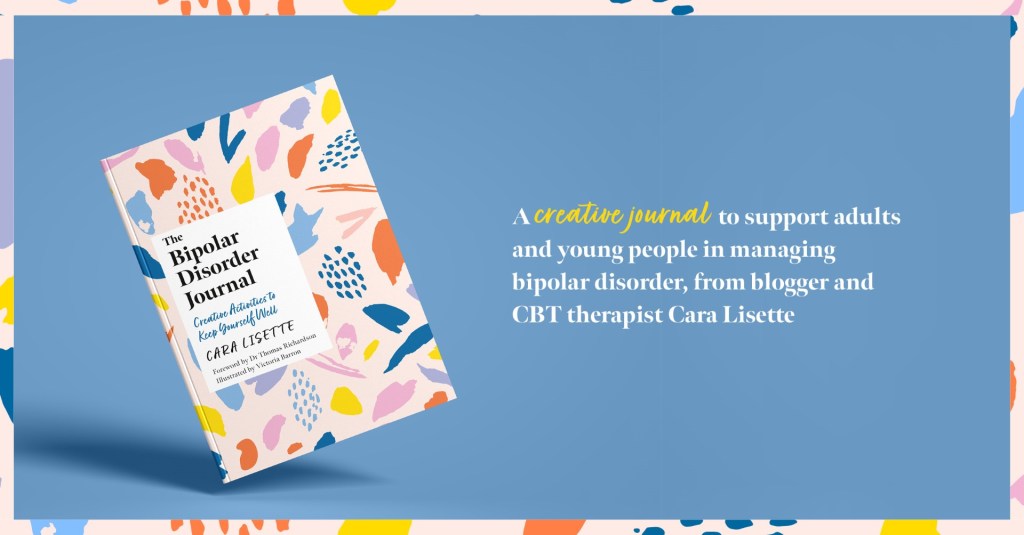
(image: Jessica Kingsley Publishers and Cara Lisette)
I have followed the work of friend Cara Lisette for quite some time. Cara is not only a fellow mental health blogger, author (of the Eating Disorder Recovery Journal and Recovery Journal series) and advocate, but she lives with bipolar disorder and an eating disorder in remission. Cara is also a trained CBT Therapist and uses techniques that have worked for her and many others, to help people.
She created the Bipolar Disorder Journal: Creative Activities to Keep Yourself Well (with Jessica Kingsley Publishers) using evidence based techniques such as CBT and mindfulness with journalling prompts, creative activities, colouring pages and motivational quote pages to help you stay well and keep on track. It is designed to help those with bipolar disorder to understand and manage our condition, from someone with lived experience, who has learnt how to manage her condition.
Cara and the publisher say, ‘The techniques in this journal support those with bipolar in recognising and coping with episodes of depression, mania, and psychosis, understanding their triggers, and finding ways of seeking support. This journal is intended for those who want to learn more about themselves and live a full and happy life.’
Cara and Jessica Kingsley Publishers have very kindly gifted me a journal of my very own to use, thank you! It looks amazing and I will be using it and reviewing it very soon!
If you would like to get a copy of this amazing creative journal click here. and it can be found in all good bookshops.
Note: This is not a paid ad, I was gifted a journal and wanted to share about it as I believe in Cara’s mission to help others with bipolar disorder.
Anxiety has become increasingly prevalent in today’s fast-paced and demanding world, affecting individuals of all ages and backgrounds. Fortunately, counselling has emerged as an effective therapeutic approach to help individuals manage and overcome their anxiety. By providing guidance, support, and evidence-based strategies, anxiety therapy can empower individuals to strengthen their mental health and lead fulfilling lives.
Understanding Anxiety
Before delving into the role of anxiety counselling, it is crucial to grasp the nature of anxiety itself. Anxiety is a normal human emotion, but when it becomes chronic and interferes with daily functioning, it can be classified as an anxiety disorder. Anxiety disorders encompass a range of conditions such as generalised anxiety disorder (GAD), social anxiety disorder (SAD), panic disorder, and specific phobias.
Breaking the Stigma
One of the first steps towards seeking counselling is breaking the stigma associated with mental health. Many individuals hesitate to reach out for help due to fears of judgment or shame. However, anxiety therapy provides a safe, non-judgmental space where individuals can openly discuss their concerns and experiences. Counsellors are trained professionals who understand the complexities of anxiety and can offer empathy and support.
Identifying Underlying Triggers
Therapy helps individuals identify and understand the underlying triggers that contribute to their anxiety. Counsellors utilise various therapeutic techniques, such as cognitive-behavioural therapy (CBT) or talking therapies, to explore thought patterns, behavioural responses, and experiences that may be fuelling anxiety. Gaining insight into these triggers is essential for developing the coping strategies individuals need to manage their anxiety more efficiently.
Learning Coping Mechanisms
One of the key benefits of anxiety therapy is that people are provided with a diverse range of coping mechanisms tailored to their specific needs. Counsellors can teach relaxation techniques, breathing exercises, and mindfulness practices to reduce present anxiety symptoms. Additionally, individuals learn to challenge and reframe negative thought patterns, replacing them with more realistic and positive ones.
Building Resilience
Anxiety therapy focuses on building resilience, which is crucial for long-term mental well-being. Counsellors work with individuals to develop healthy coping mechanisms, improve problem-solving skills, and enhance emotional regulation. Individuals who build resilience become better equipped to handle stressors and bounce back from setbacks, leading to improved mental health outcomes.
Enhancing Self-awareness
Another essential aspect of anxiety therapy is enhancing self-awareness. Counsellors help individuals explore their emotions, beliefs, and values, promoting an understanding of themselves. When individuals gain insight into their thoughts and feelings, they can identify and challenge unhelpful patterns, leading to personal growth and improved self-esteem.
Strengthening Relationships
Anxiety often affects interpersonal relationships, leading to (often unfairly) strained connections with friends, family, and colleagues. Anxiety therapy provides individuals with the tools needed to improve their communication skills, establish healthy boundaries, and cultivate supportive relationships. Individuals experience a greater sense of belonging and social support by strengthening their relationships, and these elements are vital for mental well-being.
Preventing Relapse
Counselling for anxiety helps individuals manage their current anxiety symptoms while providing them with the skills needed to prevent relapse. Learning effective coping mechanisms and developing a toolbox of strategies is important for navigating future challenges with resilience and confidence. Counsellors also provide ongoing support and guidance, ensuring individuals have the necessary resources to maintain their mental well-being. When the underlying triggers are addressed and proactive strategies are implemented, people can develop a strong support system and maintain long-term stability in their mental health.
Promoting Self-Care and Holistic Well-being
Anxiety therapy emphasises the importance of self-care and holistic well-being. Counsellors guide individuals in implementing self-care practices that nurture their physical, emotional, and mental health. This may include regular exercise, maintaining a balanced diet, getting sufficient sleep, engaging in creative outlets, and practicing self-compassion. Individuals who prioritise self-care create a solid foundation for overall well-being and cultivate a healthier relationship with themselves and their anxiety.
Conclusion
Therapy is a powerful therapeutic approach that can significantly strengthen mental health. By breaking the stigma, identifying triggers, and learning healthy coping mechanisms, individuals can regain control over their anxiety and lead more fulfilling lives. Through building resilience, enhancing self-awareness, and improving relationships, anxiety therapy empowers individuals to face challenges with confidence.
When those struggling with anxiety reach out for professional help, they have ongoing support as they face anxiety and can work toward a brighter, healthier future.
This article was written by freelance writer Miranda Spears,
Losing someone dear to you can be emotionally and mentally draining, and at times, it can all feel overwhelming. Grief is a normal response to loss, and while it may seem challenging to find a way forward, there are several strategies that can help you work through it effectively and healthily. This blog post will look at five effective and healthy strategies that can help you work through grief, including counselling, self-care, and finding a support system.
Grief Counselling
Grief counselling is one of the most effective strategies to work through grief. At counselling, you can talk about your feelings, thoughts, and emotions about your loss, which helps you to understand your grief and find ways to work through it healthily. A counsellor can provide you with a safe space to explore your thoughts and feelings, learn coping techniques that work for you, and offer helpful suggestions to help you move forward. You could also consider joining a bereavement group, where you can listen to others and share your experiences of grief.
Self-Care
Grief can take a toll on your physical health, both emotionally and mentally. Practicing self-care is essential in helping you work through your grief effectively. Ensure that you take time to care for yourself by getting enough sleep, eating well, exercising, and engaging in activities that make you feel happy and fulfilled. Engaging in mindfulness practices like yoga, meditation, and deep breathing exercises can also help you feel calm and reduce anxiety.
Find a Support System
You don’t have to go through grief alone; surrounding yourself with people who care for you can help you manage and work through your grief healthily. You can find a support system in close friends, family members, or professional caregivers like hospice workers. The support system will offer you an ear to listen to, a shoulder to cry on, and will help you to continue with your day-to-day activities.
Journalling
Writing down your emotions and thoughts about your loss can be cathartic and helpful in working through your grief. Journalling helps you to identify and understand your feelings, and it gives you an outlet to express your emotions without fear of judgment from others. By exploring your emotions through writing, you can heal your emotional pain and find a way forward.
Seek New Experiences
The loss of someone or something dear to you can make the world seem dull and uninteresting. However, seeking new experiences can help you work through your grief. As scary as it may seem, engaging in new activities or pursuing new hobbies can distract your mind from your grief and help you get back to your normal routine. New experiences can offer you a sense of fulfillment, joy, and purpose.
Everyone grieves differently, but it’s vital to find a strategy that works for you and helps you work through your grief healthily. Grief takes time, and it may be a bumpy road, but with time, you can find ways to move forward while still remembering and loving the person you lost.
Hopefully these five effective and healthy strategies will offer some guidance to those who are mourning and trying to work through their grief. Remember that it’s okay not to be okay, and seeking help is a strength, not a weakness.
This blog was written by freelance writer Lizzie Weakley.
Each of us is our own worst critic and enemy when it comes to matters of the heart. We judge ourselves more harshly than others and when we set standards for our lives, they can often feel impossible. We listen to our own inner voice more than others and when we are overly critical, we’re actually approaching situations and life all wrong.
Who else do you listen to that tells you you’re bad at things? Probably no one else because no one will criticise you more than you do. When you’re feeling low, it can really help to do all that you can to feel better in yourself. You need to feel like a success!
For example, if you don’t own a business, being accomplished could come from studying hard in something new. If you do own a business, you could feel more accomplished with the help of the create chatbot feature you can add to your website – that accomplishment comes from knowing you’re offering value to customers. Things like this can make you feel fantastic about yourself, which is what you should try to achieve at all times.
So, how else can you feel more accomplished, when you’re feeling low?
Consider where you are in life.
How far have you come in life so far? It doesn’t matter where you are right now, you will have come far in life and you have to think about the journey you’ve undertaken. From a personality and mental point of view – even a physical change – you have changed and grown as a person and it’s so exciting! You need to own that and be proud of yourself for it because you are the best person to feel that pride
No matter which pathways you’ve taken in life so far, you have to be proud of the person you are becoming. You have done so many things so far and hit so many milestones!. If you’re running your own business, you might consider that this is a massive accomplishment compared to where you imagined you would be right now.
Learn to be comfortable with you.
Not everyone goes through life feeling comfortable about who they are but you are a strong person who has overcome every negative situation in life so far. What’s to stop you doing this again and again? Nothing! You are the person in charge of your life, and you deserve to feel like you are doing something right. By changing the things you’re not proud of, you are going to mature and grow in ways you couldn’t imagine.
Create stability.
In your job, in your home life and in your relationships, you should do all that you can to feel more stable in life. Being in charge of that stability takes some time but it’s something that will make you feel like you’re winning in life and you deserve that. Pace yourself with it and take each day as it comes. Feeling low will not go away overnight. But by creating stability in areas of your life, this will help you.
If you are feeling low and think you may be depressed, please do go and see your GP and /or a therapist. There is no shame in reaching for help.
Have you heard about Eye Movement Desensitisation and Reprocessing (EMDR) therapy but are not sure what it is or how it works? EMDR therapy is a type of psychotherapy that is mainly used to treat Post-traumatic Stress Disorder (PTSD) and other similar conditions. This form of therapy has been known to produce incredible results in clients with symptoms such as anxiety, depression, and overwhelming fear. If you are someone who wants to know more about EMDR therapy, you are in the right place. This guide explains everything you need to know about EMDR therapy in detail.
What is EMDR Therapy?
EMDR therapy is a type of psychotherapy designed to help individuals overcome the effects of trauma and other emotional disorders. EMDR works by reprocessing the negative emotions, memories, and sensations related to the trauma so that they no longer have the power to cause distress. During a typical EMDR session, the client is guided through a series of bilateral eye movements, which induce a rapid eye movement (REM) sleep-like state that enables swift processing of traumatic memories. This form of therapy is client-led, meaning that the therapist guides the client, but the client is in control of the process.
Who Can Benefit From EMDR Therapy?
EMDR therapy is an ideal treatment option for individuals who suffer from PTSD and other traumatic or stress-related disorders. However, anyone experiencing emotional distress due to past events, relationship issues, anxiety, depression, and other similar issues can also benefit from EMDR therapy.
The EMDR Therapy Process
EMDR therapy sessions typically last 50-90 minutes, and the total number of sessions required varies depending on the individual’s needs and symptoms. An initial intake session is held to assess the individual’s needs, symptoms, and goals. During subsequent sessions, the therapist helps the individual to identify and process the negative emotions and memories related to the traumatic experience. This is done through a specific protocol that involves the client’s recall of the traumatic event and the use of bilateral eye movements to enable swift and efficient processing. The therapy ends when the client reports that the distress related to a specific memory has reduced to an acceptable level.
Benefits of EMDR Therapy
EMDR therapy is a unique, non-invasive, and relatively quick way to process traumatic memories and help clients overcome negative emotions. The benefits of EMDR therapy include shorter therapy duration, increased treatment efficiency, less chance of retraumatisation, and more profound and long-lasting results. EMDR does not involve any medications or invasive techniques, making it a safe treatment option for most individuals.
Finding a Qualified EMDR Therapist
To ensure that you receive the intended benefits of EMDR therapy, it is crucial to find a qualified EMDR therapist who has the necessary training and credentials. If in the UK, EMDR can be found on the NHS but there are long waiting lists, so you may need to find a private therapist via the Counselling Directory. If in the USA, a certified EMDR therapist should be licensed in their state, have the required training, and be registered with the EMDR International Association (EMDRIA). You can also check online reviews or ask for referrals from someone who has benefited from EMDR therapy.
EMDR therapy is a highly effective form of therapy that helps individuals process their traumatic memories, overcome negative emotions, and achieve lasting healing. If you or someone you love is suffering from PTSD or other mental health issues, we urge you to give EMDR therapy a try.
By following the EMDR therapy process, working with a qualified EMDR therapist, and staying committed to the treatment, you will be able to live a healthier and happier life. We hope this guide was helpful in introducing you to EMDR therapy, and we wish you the best on your healing journey.