Emotional Eating: How To Manage Triggers By Lizzie Weakley.

(image: Roamincolor at Unsplash)

Do you find yourself reaching for food to fill an emotional void? Do you often find yourself snacking out of boredom or anxiety? Emotional eating is a common problem that many people struggle with, but it doesn’t have to be something that controls your life. Here are some tips and strategies for managing emotional eating triggers and developing healthy habits.

Identifying Your Triggers

The first step in overcoming emotional eating is to identify the triggers that lead to it. Everyone has different triggers, so it is important to take the time and reflect on what causes you to turn to food when feeling overwhelmed or stressed. Some of the most common triggers include boredom, stress, loneliness, sadness, anger, fatigue, and anxiety. Once you have identified your particular triggers, then you can start taking steps towards addressing them.

Learning New Coping Mechanisms

The next step is to learn new coping mechanisms that allow you to manage these emotions without turning to food. This could be physical activities such as going for a walk or jog, doing yoga, or any other type of exercise that helps reduce stress levels.

It could also be trying out mindfulness techniques such as meditation and deep breathing exercises which can help centre your thoughts and help clear out negative feelings. Other methods could include talking with friends or writing down your thoughts in a journal in order to gain some clarity about why you are feeling certain emotions and how best to work through them.

Taking an Online Coaching Course

Finally, another great way of managing emotional eating triggers is by taking an online emotional eating coaching course designed specifically for this purpose. An online coaching course can provide the guidance needed in order to make meaningful lifestyle changes that will help overcome emotional eating patterns over time. The course will provide tips on how best to manage cravings and difficult emotions while also teaching techniques on how best to maintain healthy habits long-term while learning positive self-care practices along the way.

Emotional eating can be a difficult habit to break but with the right strategies in place, it can become manageable over time! Taking the steps outlined above such as identifying your triggers, learning new coping mechanisms, and taking an online coaching course are all great ways of helping manage emotional eating triggers while developing healthier habits along the way. With dedication and effort this problem can improve significantly!

Lizzie Weakley is a freelance writer.

It’s Not Just The Therapist or Psychiatrist Alone: Why Treatment Centres Matter in Mental Health.

(Image: David Travis at Unsplash)

It’s not just the therapist or psychiatrist alone. The treatment centre/hospital matters in mental health.. It’s not that therapists are bad or unimportant; they can be critical in helping people with mental health concerns start on the road to recovery. However, sometimes treatment centres can have a huge impact on mental health and well-being, as a whole.

Lasting Impact of the Environment

First, the environment in which individuals with mental health concerns receive treatment can have a lasting impact on their mental health. Is the institution warm and welcoming to visitors? Or does it feel sterile and cold? Does it have adequate resources to meet the needs of its patients? Or is it underfunded and overcrowded? All these factors can have a significant impact on recovery, as they may create feelings of anxiety or alienation in the patient. For example, if the institute has Knightsbridge Furniture and a welcoming waiting area for visitors, it may make people feel less anxious about their treatment, because the furniture is designed to provide comfort.

Supportive Staff Members

Secondly, supportive staff members are paramount for mental health recovery. Not only do staff members need to be competent and knowledgeable about the latest treatment techniques and practices; they also need to be warm, welcoming and supportive towards their patients. They should be able to provide a safe space for individuals with mental health concerns to explore their thoughts and feelings without fear of judgment or punishment. This will help foster an atmosphere of trust and healing at the treatment centre/hospital.

Accessible Resources

Third, centres should strive to make resources accessible and available to those in need. Mental health concerns can often be complex and multifaceted, so individuals may require a variety of services. Treatment centres should provide access to everything from basic mental health services such as counselling, to more specialised resources like crisis intervention teams or support groups. If these resources are not readily available, then individuals might not get the help they need when they need it.

Appropriate Levels of Care

Fourth, treatment centres must provide appropriate levels of care for the patients they serve. This includes ensuring that each individual gets the right combination of treatment and support based on their specific needs. For example, a patient with severe depression or other severe illnesses may benefit from both medication management and psychotherapy while someone with mild anxiety may only require weekly therapy sessions.

A Holistic Approach

Finally, centres should strive to provide a holistic approach to mental health care. This means taking into account not only the individual’s diagnosis or symptoms, but also their lifestyle, environment, and social support system. Taking these factors into consideration can ensure that individuals receive the most appropriate treatment for their unique needs. Additionally, it can help facilitate long-term recovery and prevent future issues from developing.

It is clear that when it comes to mental health recovery, a treatment centre/hospital plays a vital role in helping individuals achieve positive outcomes. From providing supportive staff members to making resources accessible and offering a holistic approach to care – institutions must strive to meet the needs of those they serve in order to ensure the best possible outcomes.

So, while it is important to have a skilled therapist or psychiatrist, never underestimate the importance of a supportive and well-resourced treatment centre as part of that overall care. Together, they can provide individuals with everything they need to start on their journey to mental health recovery.

This article was written by a freelance writer.

4 Ways To Treat An Eating Disorder by Lizzie Weakley

(image: M, Unsplash)

There are several types of eating disorders, each with a unique set of symptoms and struggles. If you or a loved one has been diagnosed with an eating disorder, you don’t have to face it alone. There are many options for treatment, and plenty of compassionate professionals who are willing and able to help.

Here are four ways to treat an eating disorder that can help.

Treatment for Physical Symptoms

If the eating disorder has been present for a long time, you may have developed some physical symptoms that need to be addressed. Dental problems, nutrient deficiencies, trouble with digestion, high blood pressure, and amenorrhea are common in people with eating disorders. You should seek professional medical care to diagnose and treat physical symptoms as soon as possible.

Therapy and Programs for Mental Health

Certain types of therapies have been proven effective for the treatment of eating disorders and mental health issues that contribute to them. Cognitive behavioural therapy is one of the most common treatment options for eating disorders. Therapy can be done in a group setting or one-on-one with a therapist to help the patient develop healthier eating patterns. Your doctor may also recommend residential or day treatment programs to help you recover more effectively and different types of therapy too.

Education about Nutrition- Managing Triggers

Getting properly educated about food can help tremendously when you are recovering from an eating disorder. Many of us have preconceived notions about good and bad foods, and there can be a lot of guilt and shame associated with the consumption of certain foods. A nutritionist can work with you to reduce your fear of food.. If certain foods trigger you, your nutritionist and therapist can help you to manage these triggers.

Medications

When combined with therapy, medications can be effective in the treatment of eating disorders. While medication can’t cure the disorder, it can help ease depression and anxiety that can contribute to disordered eating. Antidepressants are commonly used, and you may also be prescribed medications to treat physical symptoms. Your doctor will be able to tell you which medications are right for you, though it is trial and error.

Our relationship with food can directly impact our mental and physical health. If you or someone you know is struggling with an eating disorder, you should consider these effective treatment options.

Lizzie Weakley is a freelance writer.

How To Know If You Have An Eating Disorder and What To Do Next by Rachelle Wilber

(image: Unsplash)

An estimated 45 million people in the United States (and many millions globally) go on a diet each year to try and shed extra pounds. While exercising and eating healthfully is important, obsessing over losing weight can turn into an eating disorder.

Eating disorders present in a variety of different forms such as bulimia, anorexia, and/or binge eating. Staying aware of the symptoms of an eating disorder and what you should do should you develop one can help you stay healthy.

Different Types of Eating Disorders

Though problems with food can manifest in different ways, there are three main types of eating disorders.

  • Bulimia: Those with bulimia typically eat large amounts of food and then purge the food afterward by vomiting or using laxatives
  • Anorexia: Those with anorexia avoid eating or eat extremely small amounts of food
  • Binge eating: Those with binge eating may eat large amounts of food in a short amount of time

Look for Common Symptoms of Eating Disorders

One of the best ways to determine if you have an eating disorder is by watching for symptoms in your own habits and behavior. These symptoms may also be noticed by your friends, family, or other loved ones. Some of these symptoms may include:

  • Having a fear of gaining weight or growing fat
  • Withdrawing from activities with family and friends
  • Becoming secretive and lying about it
  • Experiencing anxiety and depression
  • Feeling an intense fear of certain foods, such as foods that are sweet or have high levels of fat
  • Obsessing over the number of calories and food eaten
  • Avoiding situations that involve food
  • Attempting to lose weight by purging, using laxatives or over-exercising
  • Weighing yourself daily or multiple times per day

If you suspect you have an eating disorder, know that you aren’t alone and that help is available. Be proud that you are taking the first step and seeking help. It may be helpful to identify ways that you are not feeling in control in your life and the way you feel around food.

Keeping a journal of these feelings is a great way to learn more about your habits and identify the feelings that triggered your eating disorder. Next, talk with your insurance company (if in the US) or NHS/ privately if in UK and seek out a reputable doctor for eating disorder treatment. There are many specialists, counsellors, and rehabilitation centers available who are highly experienced in helping people recover from their disorder. Please note that the NHS may have waiting lists but seeking help is so important to find recovery.

Having an eating disorder often means you feel a lot of shame about yourself and your eating habits. Talking with a doctor and/or therapist can help you let go of this shame so you can love yourself and take the first steps on your road to healing.

This article was written by freelance writer Rachelle Wilber.

Mental Health, Low Self Esteem, Body Image and Fashion.

(image: Freestocks at unsplash)

Fashion is a powerful force. It has the ability to make people feel confident, empowered, or at its worst horrible about themselves. It can have a positive impact on mental health and self-esteem if you find something pieces that make you feel good about yourselves. On the other hand, fashion can also have a negative impact on self-esteem and mental health if you’re constantly exposed to images and messages that make you feel inferior or unhappy with who you are. Especially with the inward turn of the pandemic, its hard for people to feel happy and confident about themselves.

The Psychology of Fashion

Fashion is a multi-billion-dollar industry and a big part of many people’s daily lives. It’s a subculture that’s easy to invest in. And, like any other trend, fashion comes and goes, so you’re always in control of how much you invest in it. The psychology of fashion reveals the different aspects of how fashion impacts people’s self-esteem. From the way people perceive others based on the way they’re dressed, to how people present themselves to the world by choosing outfits, fashion has a strong psychological effect on everyone.

Body Image

Our bodies are such an important part of life, and it’s normal to have some insecurities about them. Still, as you grow older, many people struggle with body dysmorphia or an unhealthy obsession with one’s appearance. Constant exposure to images of other people’s bodies that are unrealistic and unattainable can be harmful to your self-esteem, especially in young people who are still forming their self-image. This can lead to eating disorders, body dysmorphia, low self esteem and depression and anxiety. Looking at images of gorgeous models wearing clothes you can’t afford or fit in can makes you feel left out or confused. It’s fun to keep up with trends, but try to avoid getting stuck in a rut of hype culture.

(image: Hannah Morgan at Unsplash)

So what should I do?

You can’t ignore fashion and societal trends- but it’s important to not let fashion (or what is popular to wear) become something that defines who you are. It’s a fun accessory, something you should do for enjoyment, creativity, and confidence. For people who have found themselves struggling with their mental health due to the psychological effects on body image, it’s important to seek help. Talk to your friends and family members, or seek professional help if you need it. There are many ways to find happiness in style- whether you’re into vintage clothing, a specific designer, or a particular style like athleisure. You can read blogs with good recommendations, and wear things that you love, like that pair of perfect trainers or Men’s Off-White Hoodies. There’s something for everyone, and it’s important to have fun with it!

Fashion and societal expectations of how one should look can have a big impact on mental health, so it’s important to be mindful of it. It is also hard to be bombarded with negative messages on body image via social media. The body positive movement has sprung up because of this narrative- showing curvier models and embracing your flaws as beautiful.

There are also many ways to wear your favourite clothes in a way that makes you feel good about yourself, without negatively impacting your mental health. Focus on what makes you feel like the best version of yourself!

This article was written by a freelance writer and contains do follow links.

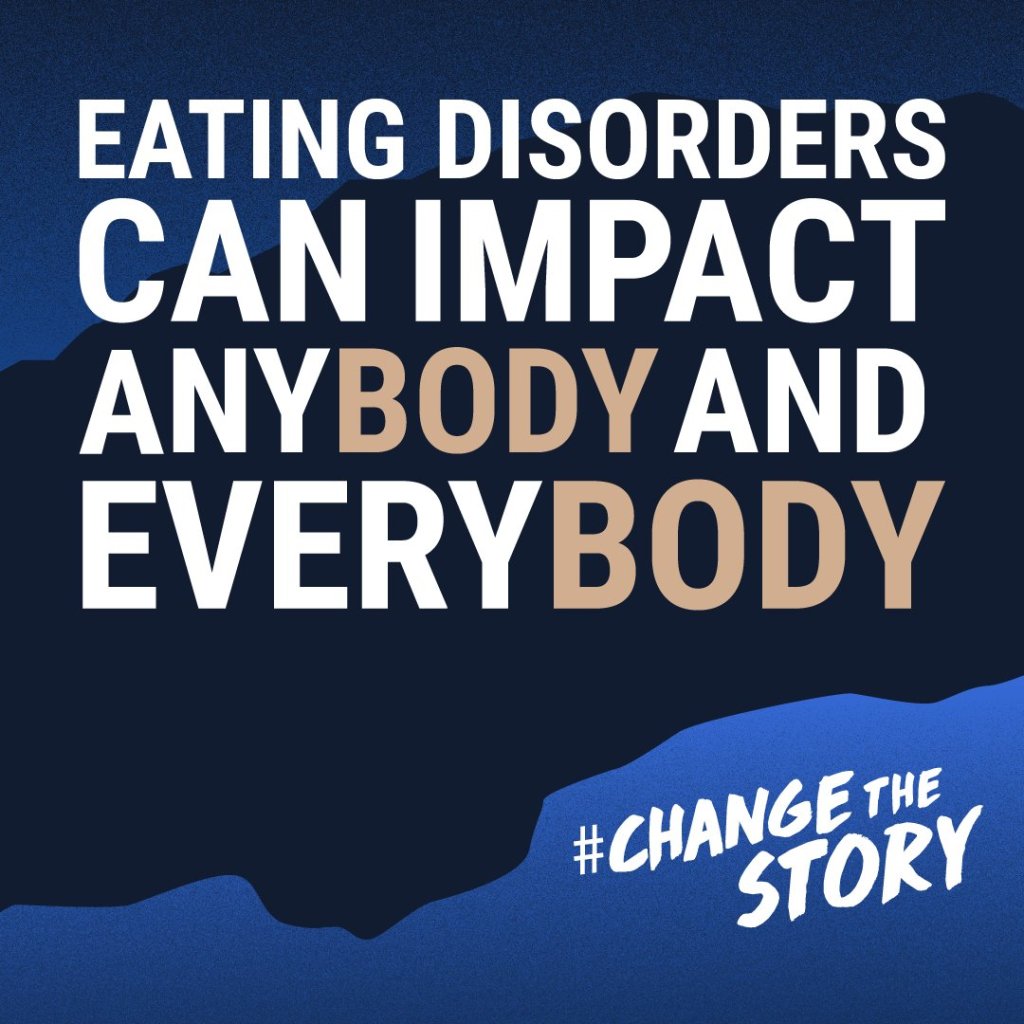
New #ChangetheStory Campaign by Hope Virgo and The Hearts Minds and Genes Coalition shows rise in Eating Disorder Stereotypes.

(image: Change the Story Campaign)

#ChangeTheStory and Anybody and Everybody is a new campaign launched this month by The Hearts Minds and Genes Coalition which is chaired by Multi-Award winning campaigner and Author, Hope Virgo. Hope is a friend of mine who has campaigned for years for help for those with eating disorders and she is a force to be reckoned with and an amazing woman!

Eating disorders are serious, biologically based mental illnesses deserving of equal clinical and research funding to that given to other complex diseases. They want to ensure that no-one with an eating disorder need experience shame or guilt, and everybody should have timely access to specialist services.

Author and Multi-Award winning campaigner, Hope Virgo who chairs the coalition says;“When we think of eating disorders we often immediately think of a white teenage, emaciated girl and fail to realise that eating disorders are so often hidden in plain sight amongst all ages, genders races, ethnicities, body shapes and weights, sexual orientations and socio-economic statuses. The campaign is working to remove the stigma and misunderstanding that surrounds these illnesses, ensuring that nobody should experience shame or guilt for suffering from an eating disorder and to make sure that everybody has prompt access to specialist services.”

(image on Twitter: Change the Story campaign, Hope Virgo and FEAST outside the Houses of Parliament)

Eating disorders are not new illnesses, but there has been a massive rise in cases during the pandemic. Unacceptable delays before treatment means we are also seeing a rise in avoidable chronic long-term illness and loss of life. We need to ensure that we are no longer hiding behind the global pandemic but ensuring that the right support is in place for everyone because no one should be dying of an eating disorder in 2022. They are working to remove the stigma and misunderstanding that surrounds these illnesses, ensuring that nobody should experience shame or guilt for suffering from a biologically based illness and everybody should have timely access to specialist services.

To raise awareness of the campaign they have created a video supported by Instagram. For a long time, people have used Instagram to challenge stereotypes about body size, share their journeys with overcoming body image issues, and celebrate different body types. 

 Renee McGregor, leading Sports and Eating disorder specialist dietitian said;“We need to change the images, narrative and practices presently associated with eating disorders in order to ensure that no further lives are lost to this illness in 2022 or beyond.” 

Suzanne Baker, CarerRepresentative for F.E.A.S.T. (www.feast-ed.org)in the UK, said;“timely access to sustained, specialist treatment is key to recovery from an eating disorder at any age or stage. Currently too many people are not able to access this treatment often due to misconceptions about what an eating disorder ‘looks’ like. There is no one look – eating disorders are serious biologically influenced illnesses and are often hidden in plain sight.

Dr Agnes Ayton, chair of the Eating Disorders Faculty at the Royal College of Psychiatrists, said: “No one chooses to have an eating disorder. An eating disorder can affect anyone at any age and can be caused by a range of factors including genes, mental or physical health conditions and social pressure. The stigma around having an eating disorder prevents many people from asking for help when they need it. No one should feel embarrassed to ask for help. An eating disorder can have very serious long-term effects on the body, but with treatment, people can fully recover. Raising awareness of this issue is an important first step in helping people to get the help they need. If you think you may have an eating disorder, speak to your GP who can refer you to a specialist counsellor, psychiatrist or psychologist. You can also visit the NHS Choices website to find out what additional support is available, including confidential helplines.”

Gerome Breen, Professor of Psychiatric Genetics at King’s College London says: “Research and its dissemination are essential to dispelling the unhelpful myths and stigma that surround eating disorders and compound their long-lasting and devastating impacts. By understanding more about why and how eating disorders develop we can improve society’s conceptualisation of these conditions and hopefully enable more people to seek and receive the support they need.”

(image on Twitter: Jeremy Hunt MP with Hope Virgo)

You can help by posting a selfie to support this campaign with the hashtag #changethestory.

Watch the video here to discover more about the campaign:

From Denial, To Acceptance and Recovery: My Mental Health and Eating Disorder Journey by Emily J. Johnson

(image: Jasmin Chew at Pexels)

Trigger warning: discusses eating disorders and OCD

It has taken me almost thirty-five years to acknowledge that I have struggled with mental illness myself. I’ve spent a lifetime in denial. It wasn’t until writing my memoir Pushing Through The Cracks in 2021 that I observed my life objectively. I witnessed the experiences I’d gathered since childhood and how they had shaped me into the woman I am today.   A woman of strength, but also one diagnosed with a mental health disorder – Binge eating disorder. A label I neither wanted nor could accept. Not until now.

This isn’t my first experience with mental illness. In my teens, my life was in turmoil. After my parents’ unexpected divorce, my mother remarried a gambler with a volatile temper within two years. My father moved to Australia, and with the upheaval of my home life and the onslaught of puberty, I felt lost. My body was changing, and I’d become uncomfortable with my new shape. What began as a diet to slim my blossoming body developed into anorexia. In the 1980s, treatment was non-existent, at least for me. Instead, my GP gave me a telling-off and threatened to put me in a hospital and force-feed me via a drip. His threats petrified me, and I gradually increased my food intake again. It took me two years to recover. Ultimately, my anorexia was untreated, so it left me with a legacy of disordered thoughts about my body and food throughout my adult life.

A few years after my father’s death in my mid-thirties, I became fixated on turning electrical items off – the cooker, iron, hair straighteners, television – anything that was plugged in. I would touch the switches whilst talking out loud to myself, repeatedly, trying to confirm they were in the ‘off’ position. I knew they were off, but somehow, I couldn’t accept that they were off. Additional obsessions snuck in gradually. I began checking the fridge door was closed, then every door and window in my home. What started as checking became an arduous set routine every night to ensure the doors and windows were locked multiple times. I was terrified someone was going to break in. Checking the doors eased that terror, temporarily.

It continued for several months, and I couldn’t stop the thoughts no matter how hard I tried. I moved back to the UK in 2010 and it appeared the huge disruption to my life interrupted the intrusive thoughts and checking behaviours, and they stopped. As the mother of a child with severe Obsessive-Compulsive Disorder (OCD), I now recognise what I experienced back in my thirties may well have been OCD.

Fast forward to my late forties, a divorce behind me, and a period of depression to follow, I remarried and began a new life with a blended family. But within a couple of years, both of my sons and my new husband began struggling with their mental health. Mental illness filled our once happy home with depression, anxiety, alcoholism, OCD, and gambling, and it turned my entire world upside down whilst I tried to care for them all. I was under immense stress and turned to something to help me cope – food.

It began with me ‘rewarding’ myself with chocolate bars late at night when everyone else had settled. Over time, the ‘reward’ became a buffet of junk — mostly heavily processed carbs and sugar. All eaten quickly, in secret, and shrouded in shame. Within a few months, I was eating around 5000 calories during a night-time binge. In-between the binges were days of restricted food intake. I gained a large amount of weight, which I hated myself for. The self-loathing was overwhelming.

I realised I had a problem in late 2019 and went to my GP, who referred me to an eating disorder clinic. They diagnosed me with Binge eating disorder (BED), and I began a recovery programme, which I stuck to until the Covid pandemic interrupted my sessions, and I threw in the towel. As a result, I slipped back into bingeing again when life overwhelmed me.

In 2021, I self-referred myself back to the ED clinic. I’m still on a waiting list, however, I’ve taken steps to get support and am in recovery now. I am 24 days binge-free at the time of writing this, which feels like such a huge personal triumph after a long period of relapse.

I think the toughest part for me has been accepting that I had a mental health disorder. I also felt overwhelming guilt that I had perhaps somehow genetically gifted my son’s mental illness to each of them. It’s taken me a long time to accept my diagnosis and our family’s situation. But from that place of acceptance, I have finally found peace….and recovery.


Emily J. Johnson is the author of Pushing Through The Cracks, her memoir of her family’s struggles with mental health. She lives in the UK and this is her first blog on this subject!

Treatment Options for Recovering from an Eating Disorder by Kara Masterson

(image: Pexels)

Treatment for an eating disorder depends on the type of disorder you are suffering from (such as anorexia, bulimia or binge eating disorder) and can vary with each individual. In most cases, treatment will include therapy, education about nutrition, and monitoring. There may also be medications prescribed that can help address a disorder as well as treatment for any health concerns that may have been caused by the disorder. 

Therapy for Eating Disorders 

The first step in treating an eating disorder is therapy sessions that may last just a few weeks or many years, depending on the severity of your illness. Therapy is designed to help you develop a good eating pattern and exchange unhealthy habits for healthy ones. Therapy will also help you understand how eating is connected to your mood as well as how to cope with stressful situations. You will be given the chance to develop problem-solving skills that are more constructive and that can better serve you going forward.

There are three types of therapy used to treat eating disorders and you may enter one, two, or all three of these types to manage your disorder. They include: 

  • Cognitive-behavioural therapy – this therapy focuses on behaviour, thoughts, and feelings as well as how to recognise and change distorted thoughts 
  • Family therapy – this therapy is designed to help your family help you establish healthy eating patterns as well as how to cope with a loved one who is living with an eating disorder 
  • Group cognitive-behavioural therapy – therapy conducted with others who are dealing with the same type of eating disorder in order to address thoughts, feelings, and behaviours 

Nutrition Program 

Another part of your therapy will include a nutrition program. You may work with a registered dietitian or other nutritional experts to help you better understand your disorder. They will create a program designed to help you work toward a healthy weight, practice meal planning, and take steps to avoid dieting or binge eating. As part of the treatment options for eating disorders, they will also help you recognise how your eating disorder negatively impacts your nutrition and health while helping you establish a realistic eating pattern you’ll be able to follow. 

Eating Disorder Medications 

There is no medication that can cure an eating disorder, but there are medications that are used in conjunction with therapy that may lead to better success. Antidepressants are the most commonly used, especially if your eating disorder includes binge eating or purging. Another drug that is sometimes used for binge eating disorders is Vyvanse which is thought to help impulsive behaviours that can lead to bingeing. 

Suffering from an eating disorder can be debilitating and it is an illness that is not only difficult for the person suffering from but also their loved ones who feel helpless. There are treatments available and it is critical that you get help for your eating disorder as soon as possible- reach out for support.

This article was written by freelance writer Kara Masterson

The Book of Hope- 101 Voices in Overcoming Adversity by Jonny Benjamin MBE and Britt Pfluger. by Eleanor

To readers of my blog,

(image: Pan Macmillan/ Jonny Benjamin)

I don’t really know where to start! I have been keeping this secret for almost two years.

Nearly 2 years ago, my friends, mental health campaigner/author Jonny Benjamin MBE and author and editor Britt Pfluger, approached me to be a part of their second book entitled ‘The Book of Hope: 101 Voices on Overcoming Adversity‘ (published with Bluebird/ Pan Macmillan in April 2021!).

They asked me to write a piece on how I found hope and recovery after being unwell and my (ongoing) journey with bipolar disorder that I wrote about in my own book Bring me to Light.

I won’t give too much away about the piece I wrote, but it does include my Dad’s story too and talks about life after being sectioned for a manic episode in 2014. It talks about hope, healing, recovery and living with mental illness. It talks about being afraid of the future, but finding light in the darkness.

Heres what Macmillan say about the book which is available for pre order on Bluebird Pan Macmillan website and Amazon. It also contains anecodotes from famous faces including Lemn Sissay, Zoella (Zoe Sugg), Joe Wicks and Dame Kelly Holmes.

There is always hope, even when we cannot seem to seek it within ourselves.

The Book of Hope is an anthology of 101 key voices in the field of mental health, who share not only their experiences with anxiety, psychosis, panic attacks and more, but also what helps them when they are feeling low. Compiled by award-winning activist Jonny Benjamin and author Britt Pflüger, the inspirational contributors in this book range from the likes of Lemn Sissay, Frank Turner and Zoe Sugg, to Elizabeth Day, Hussain Manawer and Joe Wicks; from authors, poets and musicians to charity workers, activists and psychiatrists.

Jonny Benjamin is known for his book and documentary film, The Stranger on the Bridge, which fought to end stigma around talking about mental health, suicidal thoughts and schizoaffective disorder. When his campaign to find the man who prevented him from taking his own life went viral, Jonny was one of a wave of new figures lifting the lid on mental health struggles. In this book, he brings together a range of voices to speak to the spectrum of our experiences of mental health and the power of speaking up and seeking help.”

It is a real honour and privilege to be a part of this project. A dream come true and I am so thankful to be able to share my story on this platform with truly important voices! We all have mental health and our voices deserve to be amplified.

The Book of Hope is available to pre order now and published in 2021.


Identifying the Source of your Eating Disorder and Finding Recovery by Anita Ginsburg

(image: Mindful Eats Nutrition Counselling)

Few of us follow a healthy eating plan all the time. While you should try your best to keep a healthy diet, due to mental ill health and/or life trauma, some people go on to develop eating disorders as a result (such as anorexia and bulimia). 

There are a wide range of eating disorders that sprout from a wide range of mental, emotional, and environmental issues. If you have an eating disorder, it is important to get to the root of the psychological aspect and take steps to move towards recovery.

Here are some things you can do.

Keep a Journal

You may have already tried using a food journal to track everything you eat, your calories, your macros, your weight, your water intake, exercise, or any combination of the above. Unfortunately, many people feel that this type of journal causes them to obsess over what they’re eating. This can actually be detrimental to recovery unless carefully supervised by a doctor or therapist. 

However, journalling can still be helpful. Instead of focusing on calories or other factors in your food, take a look at yourself and how you feel about your food instead. For example, you might notice trends in your eating habits. Are there some foods or meals you’re avoiding altogether? Why? You can write about how you felt before, during, and after eating. This could include how you felt physically—hunger, pain—or emotionally. Finally, you might notice certain triggers that affect your eating habits.

With this information, you can get a good idea of whats going on, what might be causing the disorder, and what to do to help your mental health. Your journal should feel safe and supportive in your journey towards good health again.

Avoid parts of food journalling that make you feel unsafe. You may need to talk with your therapist to find a good balance.

Consult a Therapist

As mentioned above, a therapist can be very helpful in helping you provide insight and guidance in overcoming your eating disorder. If you can, try to find a therapist who specialises in eating disorders. They can help you identify emotional or environmental issues that may be triggering your eating disorder. Additionally, they will likely be able to recommend certain steps to help you break unhealthy eating habits. Not every tip or idea will work for everyone, so you and your therapist will have to work together to identify what works for you, what doesn’t, and what is counter-productive.

Talk to Your Doctor

If you don’t already know what category your eating disorder falls under, your doctor may be able to advise you. They will look at factors like your medical history, family history, and associated factors. The doctor might recommend certain types of testing or procedures to learn more about your eating habits- including blood tests and your BMI. They may also recommend certain diet changes or plans to help you reach healthier eating habits and improve your mental wellbeing.

Explore Treatment Options

As you learn more about your situation, you can look into possible treatment options for eating disorders that could help you to deal with and overcome the problem. Nutritional guidance, weight management programs, and support groups are common ways of helping people to recovery.

Eating disorders can cause many difficulties especially when you are feeling low or your mental health is declining. That is why its so important to find out the source of your eating disorder so it can be effectively treated and overcome. Learn all you can, consult professionals, and if it is available for you, join an eating disorder treatment program to achieve your goals back to health.

This article was written by freelance writer Anita Ginsburg