Reflecting on a New Year 2022: Be Your Own Kind of Beautiful by Eleanor

(image: Neon Filter)

When I was a child, growing up in Hertfordshire, my biggest dream (other than being a wife and mummy one day, because yes even then I dreamt of that) was to be an actress in the West End. I could think of nothing more exciting than standing on a stage, performing and I wanted to go to drama school from age 11. I went in the end at age 23 to do my masters degree at Royal Central in London, after doing a 3 year degree featuring Drama at Goldsmiths. I was so excited to have achieved a dream of mine, even though for many reasons I decided not to act professionally.

However, sometimes, long held dreams, things that are part of the core of our being, of our inner identity, can be a little harder to achieve. Sometimes, we find ourselves on the less travelled path, we feel different from our friends and family because our lives, for whatever reason, are different. We have to consider our health in a unique way. We have to try and surrender our fears to the universe and hope that everything will work out OK.

When I was diagnosed with bipolar disorder at 16, I was still a child and I didn’t know what it would feel like to be an adult, needing a cocktail of medication daily in order to have stable brain chemistry. And how this medication might affect my body and mind- and considering children in the future as a woman with bipolar and all that brings- discussions with psychiatrists, difficult decisions to be made, do I carry my own baby, what will make things safer for me?

As I look ahead to 2022, I know that our dreams are there to be fulfilled. I know that I must trust and have faith that whatever happens, whatever 2022 brings to us, I will always have hope and I know my husband will too.

Wishing you all a happy and healthy 2022 – may all our dreams manifest for the good.

Eleanor x

How to Battle Co-Occurring Mental Health and Substance Addiction by Holly

What are co occurring mental health disorder and substance abuse?

A co-occurring disorder is when a person is battling some kind of mental health issue alongside substance abuse like drugs and alcohol addiction. Both SUDs and mental health issues share a strong link. In fact, it’s estimated that almost half the individuals suffering from one will develop the other at some time or another. 

It’s not uncommon for substance abuse to fuel a co-occurring disorder and vice-versa. The severity of both can also increase over time. 

The most common mental health issues to co-occur alongside SUD are – 

  • Anxiety Disorders –  Social anxiety and general anxiety share a strong link with marijuana abuse. Almost 19% of people in the US have some kind of anxiety disorder. GAD, social anxiety, and panic disorder can also increase the odds of co-occurring issues.
  • Personal Disorders – In terms of the general population, around 10-15% suffer from personality disorders. When we talk about those suffering from addiction and substance abuse, the rate is an astounding 35-70%. The commonest personality disorders in those battling SUD are – borderline, avoidant personality, paranoia, and antisocial behavior. 
  • Attention-Deficit/Hyperactivity Disorder – Studies tell us that ADHD comes with an increased risk of developing addiction-related issues during adulthood (mainly 20s and 30s.) There is a positive correlation in symptoms of ADHD like impulsiveness, hyperactivity, and inattention with substance use in adults. 
  • Mood Disorder – Around 30% of people suffering from SUD are likely to suffer from one of the mood disorders such as depression and bipolar.
  • PTSD – According to a survey, people with Post-traumatic Stress Disorder are 4x more likely to develop substance use disorder than those without.

What Causes Co-occurring and Substance Addiction?

It is estimated that over half the people with one disorder will eventually develop the other during their lifetime. While the exact set of reasons that can fuel these two conditions might be long, researchers have found the 3 most prevalent reasons as to why co-occurring disorders may take place.

Overlapping Risk Factors

Many of the risk factors behind SUD and mental health issues are overlapping. Generally, these include environmental factors like exposure to drugs or alcohol at an early age, early childhood trauma, and genetics. All of these factors can make a person more susceptible to developing mental health issues and requiring addiction treatment for drugs such as Cocaine or others.

Self-Medication

Dealing with a mental illness can be difficult. That’s why many people resort to alcohol and drugs as coping mechanisms. In medical terms, this is called ‘self-medicating’. However, it’s quite misleading as instead of fixing the problems, it only masks them. What’s more, in the long run, it exacerbates the symptoms and worsens the dependency on drugs/alcohol, making it more difficult to detox from alcohol or drugs, often requiring medically supervised detox.

Drug-Induced Brain Changes

Prolonged drug and substance use can change the brains ‘motivation and reward mechanism’. It can give a false sense of wellness causing one to develop a dependence on drugs beyond control. Eventually, it can lead to mental health issues by affecting the brain and neurotransmitters.

Drugs affect the areas of the brain associated with mood, impulse control, anxiety, and schizophrenia.

How to Battle Co-occurring Mental Health and Substance Use

Residential Treatment 

Residential rehab programs begin with an initial assessment to draw an individual treatment plan. This is followed by detox and several other therapies. The patient has to stay in a structured and highly supervised facility. Common inpatient treatment duration for drug addiction is 30 days. Residential programs put the entire focus on recovery as daily triggers and challenges are removed that often lead to relapses.

Outpatient Healing Programs

Under this program, a patient receives all the treatments and therapies as in residential rehab. However, they are not required to live in the facility. This is good for young teenagers, parents, and people with mild addiction who cannot sacrifice work commitments. 

Detox

This is usually the first step in most addiction treatment programs. Drug detoxification entails medical supervision to get the drugs out of the system. With a clean system, experts can begin further treatment. Generally, therapies and medication cannot begin unless detox is successfully over.

Integrated treatment

Integrated treatment often includes behavioral therapy and counseling as interventions. Rehab centers in Connecticut and other parts of the United States use integrated treatment coupled with medication. Integrated treatment encompasses several therapeutic techniques with proven results in treating substance abuse and mental health issues. Common integrated therapies are –

  • Cognitive-behavioural therapy aka CBT aims to understand negative behaviours, thinking patterns, and self-talk that might be causing addiction and other disorders. It then works on changing them.
  • Dialectical behavioural therapy is used for treating borderline personality disorder. It does so by working on negative actions and thoughts like self-harm, suicidal behaviour, and dependence on a substance to cope with daily stressors.
  • Contingency management is often used in upscale addiction treatment centres. It reinforces positive changes by utilising incentives for patients who can exhibit positive behaviours such as staying sober and meeting therapy guidelines.

Medication Treatment

Psychotherapeutic Medications are often integral to treating SUD and co-occurring disorders and are frequently used during alcohol treatment. The commonly prescribed medications include antipsychotics and antidepressants. The latter is used to mostly manage the uncomfortable withdrawal symptoms. Other than that, medications may also be used to lessen the cravings so that relapses don’t happen. 

Buprenorphine, naltrexone, methadone, disulfiram, and acamprosate are the common medications used for treating SUD.

Peer Support Clubs

It’s not uncommon for people with psychiatric issues to become antisocial. The withdrawal from social life exacerbates when you throw drugs and alcohol into the mix. By joining peer support groups/clubs like 12-step, Alcoholics Anonymous, and group counseling – patients can find solace in the presence of other people going through similar battles. 

They can draw inspiration from their stories and also learn some tips to maintain sobriety. Support groups are highly effective in fostering a long-term, sustainable drug-free lifestyle.

Education and Counselling for Families

Sometimes a toxic family environment or dysfunctional relationships may unknowingly be fuelling a person’s addiction. Family counselling educates people how to create a healthy living environment for a family member to support long-term recovery.

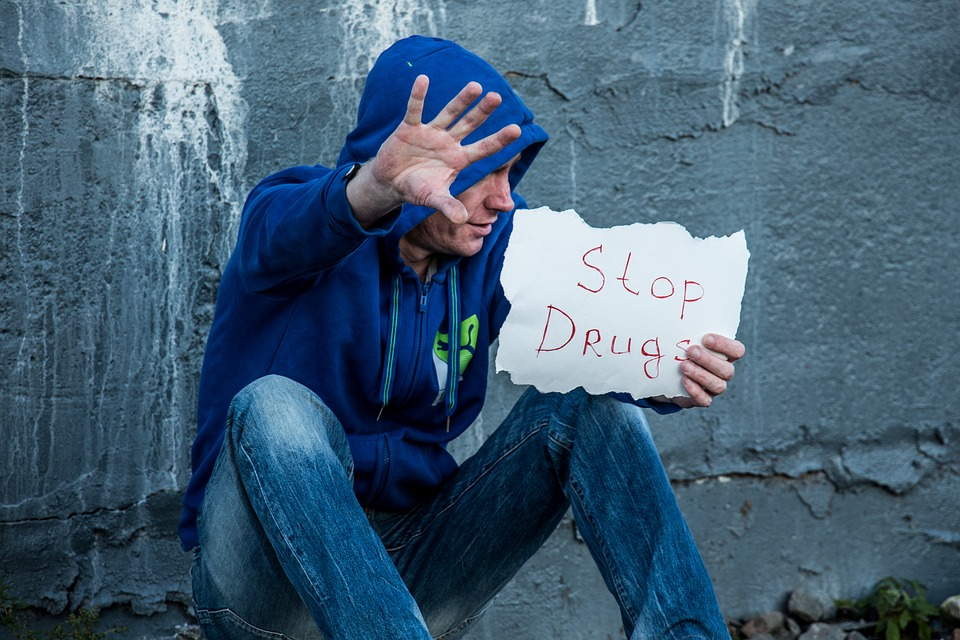
image: erson-holding-stop-drugs-sign-blog

Holistic Remedies

Medical science is embracing the effectiveness and importance of holistic/alternative treatment when it comes to treating drug addiction. Many rehab centres are now adopting a holistic treatment model. Common holistic therapies are – massage therapy, acupuncture, hypnotherapy, yoga, reiki, meditation, and music therapy.

In Conclusion

Co-occurring disorders may be a harsh reality in many people’s lives. But, know that if you or your loved one is going through this issue, help is always available.

Holly is a freelance writer who loves to help people who are struggling with a drug or alcohol addiction. Holly knows first-hand what it’s like to deal with substance addiction, and has now been sober for 5 years. Holly is a frequent contributor to many addiction-related blogs and organizations such as the Addiction Treatment Division and Inpatient-Rehab.org.

How to Support Your Spouse with Mental Health Issues: by Kara Reynolds.

(image: Pexels)

Providing support to anyone with a mental health issue is challenging, to say the least. But when that person is your spouse, the situation is even more complicated. At worst, it’s confusing and overwhelming. At best, you might be walking on eggshells. However, being there for your partner during this difficult time will ultimately bring you closer together.

Here are a few ways to support your spouse so you both can emerge from this stronger than you were before. 

1. Help Them Help Themselves 

In the United States, nearly half of those with clinical-level mental health issues don’t seek help. Instead, they try to handle their illness on their own or simply give up hope, both of which can quickly send them into a downward spiral. 

Therefore, if you notice potential symptoms of a mental illness in your spouse, it’s important to encourage them to seek help. Work together to find a therapist, counsellor or physician (doctor) who can provide medical advice or guidance. 

2. Understand the Diagnosis

Once they see a professional and receive a diagnosis, read up on their condition. Maybe you’ve noticed some of the accompanying symptoms but failed to attribute them to their mental illness. Now that you’re more aware, you can stay calm and avoid feeling triggered or attacked when these symptoms show up in everyday life. 

On the other hand, if your partner hasn’t visibly shown signs of depression, anxiety or other issues, you might have been unaware of their suffering. Understanding their diagnosis will help you notice symptoms in the future so they don’t have to go it alone any longer. 

3. Implement Support Tactics

Now that you know what to look for, you might notice more mental health flare-ups, so what should you do when things start going south? Implement support tactics specific to their condition. 

For instance, if your spouse is dealing with depression, you might notice they’ve neglected to wash the dishes or do the laundry. In this situation, consider offering to complete these chores yourself or suggest doing them together.

4. Be a Good Listener

Sometimes, your loved one will want to talk about their experiences or past trauma that may have prompted their mental illness. When they express interest in discussing things, create a safe space for them by being a good listener. 

Pay attention to every detail in an effort to better understand their perceptions and beliefs. Let them talk it out without worrying about how to respond. Then, when you do react, try to do so not from a place of judgment, but of empathy and compassion. Validate their feelings to help them accept their emotions and move on.

5. Be Patient 

It may be difficult to hear, but certain mental illnesses can ebb and flow for years without reaching a resolution. There’s no magic timeframe for recovery.. Therefore, it’s best to let go of idealised timetables and take things day by day. 

This is when love becomes a choice and your commitment to one another carries you through — for better or worse. Instead of running away, resolve to stay steadfast and patient. Instead of holding their illness against them and growing bitter, choose to see it as yet another challenge you can overcome together. No matter how long it takes, you’ll be there to give them support, encouragement and affection. 

6. Practice Self Care

If you’ve ever been on an aeroplane, you know the flight attendant recommends putting on your own oxygen mask before helping others. After all, you can’t assist others if you don’t take care of yourself first. The same is true in your marriage — and every other relationship, for that matter. Therefore, it’s incredibly important that you practice self care and take care of your own mental health before trying to help your spouse with their issues. 

Take time to be alone each day. Revisit an old hobby or pick up a new one like knitting or journaling. Mind-body exercises and autoregulation techniques can also relieve stress and help you tune into sensations you wouldn’t have otherwise noticed. Engaging in these activities will help you stay healthy and better support your spouse during this difficult time. 

7. Keep the Love Alive

Mental health issues and the symptoms that accompany them can become all-consuming. However, it’s important to focus on your relationship apart from this conflict to keep your bond strong and the love alive. 

Spend quality time together, go on dates and continue to communicate openly. Do things that bring you both joy and focus on enjoying each other’s company. Doing so will remind you why you fell in love in the first place and give you more reason to fight for your spouse’s mental health and your relationship as a whole. 

Communication Is Key 

After some time, you and your spouse may begin to resent the patient-caretake dynamic. When these sentiments arise, communication is key. Talking about your feelings will help you understand one another better and may put you on a level playing field again. Once you realise that it’s you two against the world — and not against each other — you can take on mental illness together and emerge on the other side stronger than ever.

This article was written by freelance writer Kara Reynolds, Editor in Chief at Momish.

On my Therapy Journey to Being Free: I Choose Life. By Eleanor

I started back in therapy consistently (weekly), 2 months ago in August after reoccurrence of panic attacks. I have been working with a really brilliant therapist for the past two years who is a specialist in trauma and EMDR therapy. EMDR stands for eye movement desensitization and reprocessing therapy and is a way to help you process and confront traumatic memories, with the aim of reducing their impact on your life. Its a very good therapy for people struggling from PTSD (Post traumatic stress disorder). Although I do not have the full disorder, I do have some PTSD symptoms according to a therapy questionnaire, from being sectioned and in hospital in 2014 and other traumas that occurred around the same time.

My PTSD symptoms include:

– Panic attacks (palpitations, sweating, negative thoughts, fight or flight adrenaline and needing to cancel feared event) triggered by certain situations which remind me of the past traumatic events. This includes fear of medical appointments now including going to hospitals for myself or the drs surgery.

– Social anxiety- what will they think of me?

-Other fears over traumatic events – i can get triggered and feel flooded with panic.

So, as you can see, a lot to deal with and unpack in therapy. And figuring out my identity as a 33 year old woman with bipolar disorder (thankfully stable) and what the future could hold.

I have to say that finding an excellent therapist has been a lifesaver. I look back to where I was 2 months ago and generally (without jinxing it) my nervous system has calmed down a lot, I have been anxious but able to enter certain situations I couldn’t have done 8 weeks ago. My medications keep my mind stable and my husband and family are a wonderful support too. I love my work and can do it from home. I am really lucky in so many ways.

It is still a major work in progress for me, getting back to the person I once was. I prefer to work from home and I also am unable to go out as much alone as I would want. However, I am starting to go out more with others and I will keep working to find freedom from fear for myself.

If you’re feeling stuck or alone or fearful, reach for help. I have been very lucky to have help with funding my therapy sessions (shout out to my incredible parents) but they are so needed. I know not everyone has this.. the waiting lists for the NHS are so long and I was on them for years without support. My local borough also does not fund trauma therapy which was frustrating at the time.

Thanks for reading the update, feel free to share your therapy experiences with me,

i feel quite emotional writing and sharing this with you! And remember- to keep reaching, growing, and above all healing. Healing is so important for our mental health if you can access it,

Eleanor x

PS- while writing this blog. I was listening to the Sugababes originals Mutya, Keisha and Siobhan (MKS) sing No regrets which has the lyrics.. ‘I choose life’ . Listen here to this live version (not an ad, genuine love): https://www.youtube.com/watch?v=MfdYE7BkEsw

7 Bipolar Disorder Facts Everyone Should Know by Ronnie Deno

(image: bphope.com)


Bipolar disorder affects roughly 46 million people worldwide in 2017, according to the Our World in Data. While there remain several challenges for people living with bipolar disorder and to their caregivers, health experts believe that current developments have reduced symptoms and improved quality of life.

Bipolar disorder is a very common cause of disability and needs treatment . It is ranked by the World Health Organization as the 6th leading cause of disability in the world with the inadequacy of treatment, resulting in higher rates of ill health and worsening of symptoms. The following are the seven 7 facts everyone should know about bipolar disorder.  

Fact No. 1 – Bipolar disorder looks a lot like classic depression.

Formerly called manic depression, bipolar disorder involves extremes of emotions, when not well controlled. It is associated with mania, depression, or both. People who have it may undergo a depressive state for some time – that is, weeks to months – before entering the manic state. The depression period usually comes afterward, and the cycle repeats. In some cases, people experience both. They appear very agitated and energetic and sometimes this can tip into psychosis.. 

Both mania and depressive episodes range from mild to severe patterns. Because the clinical manifestations of bipolar disorder mimic other psychiatric anxiety disorders, it takes years at times for doctors to find the correct diagnosis.

Fact No. 2 – Bipolar disorder is characterized by dramatic shifts in mood and behaviour.

Some people with bipolar disorder experience cycles of manic and depressive episodes, which can be sudden and occurring several episodes a year. The cycle can shift quickly depending on the type and severity of the condition. Elevated mood associated with mania is defined by irritability, euphoria, and labile mood, whereas depression is often expressed by loss of interest, inability to function day to day and extreme sadness.

Fact No. 3 – Bipolar disorder has symptoms of mania and depression at the same time.

There are different variations of bipolar disorder, namely bipolar I, bipolar II, cyclothymia, and bipolar unspecified. These conditions are marked by mania, depression, hypomania, or mixed manic and depressive episodes. In mixed bipolar type, there is a rapid and severe mood fluctuation in a quick sequence or simultaneous fashion without recovery in between. 

Fact No. 4 – The mood episodes of bipolar disorder can vary from person to person.

The diagnosis of bipolar disorder is based on the clinical presentation. However, the symptoms can be unspecific and variable from one person to another throughout the disease. Thus, making the prediction cycles of a person with bipolar difficult. 

For some people,. a person with bipolar disorder undergoes two (2) cycles of mood changes with mania taking place in spring or fall. However, mood stabilising medication greatly reduces episodes.

Fact No. 5 – There is no known single cause of bipolar disorder.

It is thought that bipolar disorder may run in families. In terms of biochemical cause, the manic and depressive cycles of bipolar disorder are associated with the excess or depletion of certain neurotransmitters in the brain, such as catecholamines, dopamine, and norepinephrine. 

Trauma may also trigger bipolar episodes.

Fact No. 6 – There is treatment available for bipolar disorder.

The goals for treatment available for bipolar disorder are stabilisation of symptoms, prevention of relapse, and improvement of social functioning.

Pharmacotherapy, particularly antipsychotics, antidepressants, mood stabilisers, are the mainstay treatments for bipolar disorder. The HHS Public Access cited Lithium as the best drug for relapse prevention. T

In addition to medications, long-term maintenance for people with bipolar disorders may include psychosocial treatments that focus on education, stress management, detection of relapse, and developing a healthy lifestyle.

Fact No. 7 – People with bipolar disorder can and do lead happy, healthy lives.

It is possible that people with bipolar disorder can have happy and healthy lives. Realistically speaking, the quality of life faced by people with bipolar can be challenging when they have episodes or if they dont take or find the right medicines. This is because they continue to face challenges on their way to recovery, such as availability and choosing the right medication, ease of access to non-pharmacologic therapies, and finding the right balance of the medicine and non-pharmacologic treatments. In a qualitative study conducted by the International Journal of Bipolar Disorder, researchers revealed that some people with bipolar disorders explicitly struggle with managing their symptoms, maintaining relationships, and continuing to experience some form of stigma. Thus, regular contact with their health care provider is essential, as it provides a supportive environment for them.

While the cause of bipolar disorder is unknown, certain factors contribute to its development. Bipolar disorder remains a global health challenge. At this present time, there is no cure for bipolar disorder, but the current treatments have proven to mitigate their symptoms and improve quality of life.

Being Self Compassionate when I have Anxiety (a List) by Eleanor

(image: Unsplash)

I think that I put a lot of pressure on myself to be doing and achieving and living my best life. The truth is that this sometimes leads to overwhelm. I often try to run before I can walk as I am the eternal optimist… and then on the day anxiety (panic) takes over and I can’t do things.

This week though I have had extra pressures. I have had to deal with some medical things like my blood test for lithium (which I struggle to get to the surgery for), a potential job interview and my fears around social anxiety. Needless to say i have felt panicked and have had to self soothe, be kind to me and really look after myself. I am also working with an EMDR therapist.

So I thought I would create a list of things that I and you can do to be kind to ourselves! (inspired by googling and things that help me). Feel free to add in the comments!

  1. Call a good friend and have a natter- always good to speak to those who love you for you non judgementally and don’t mind if you’re not having the best day.

2. Have a warm bubble bath or shower with your favourite shower gel/ bubble bath/ bath treats. I am a big fan of bath bombs. Theres something super relaxing about them and you’re taking care of yourself too! I love things with cosy vanilla scents personally.

3. Do not be hard on yourself or criticise yourself. Bad mental health is not your fault and tomorrow can always be a better day.

4. Talk compassionately to yourself if your anxiety is overwhelming. Do what you need to self soothe and look after yourself.

5. Make sure you get enough rest- its OK to curl up with a blanket and Netflix for a bit, or read a good book. making art can also be healing too.

6. Accept the way you are feeling and seek support from a trusted therapist, friend or family member. You are OK as you are. You just may need help to recover.

7. Cuddle a pet. I have two very sweet guineapigs who give wonderful cuddles.

8. Listen to soothing music- that you love..

9. Remember to be kind to yourself, look after your wellbeing if you are low or anxious.

10. Call a support line if you are in crisis– such as Samaritans 116 123

11. Get the help I need – understanding that it’s okay to need help and seek it out when necessary. There is always the option to try different forms of therapy such as EMDR therapy or other therapy depending on what is needed. Getting help is the best thing that we can do.

Love,

Eleanor

x

How to remain Independent and look after your Mental health as you grow Older.

As we grow older, we’ll physically feel ourselves slowing down and gradually taking our time with various daily activities and tasks. As such, it can be tempting to ask for help, hire a care worker, or even move into a nursing home for extra support. However, staying independent – if you are able, is a good way to look after your mental health and a sense of dignity. Some people would prefer not to ask for help or move into a care home, preferring to just stay in their own house and live out the rest of their days in peace and happiness.

So in this post, we’re going to take a look at a few tips to help you remain independent as you grow older.

(image: Unsplash)

Keep your brain busy

Staying physically active is extremely important, but we also can’t neglect the importance of your mental health. You can do this by playing cards with friends and family members, watching game shows, doing puzzles, or even playing video games.

In fact, video games can be a great way to both stays social and also keep your brain active. There are many creative video games that you can play with friends and family members, making it both a social activity and an activity to keep your brain active.

Avoid the temptation of nursing homes

A lot of people think that nursing homes are a good option because they can get assistance when they need it. They can remain independent for everything else, but they’ll get a bit more help when it comes to medical conditions or seeing a physician. Unfortunately, when senior care goes wrong, it can lead to devastating consequences and might create further problems that will negatively affect your lifestyle. However, some homes can be very positive.- so it is trial and error!

If you do require some assistance, then it might be beneficial to look at home carers instead. However, if there’s no other option and you require full-time assistance, then make sure you look for a reputable care home that looks after its residents.

Always remain social

Try and continue your regular social activities if possible. This can mean going to a place of worship, visiting friends, seeing family members, or even taking a walk to the local shops to have a conversation with people. There are loads of opportunities for seniors to remain social, and most of it starts from leaving the house instead of staying stuck indoors. If you need assistance getting around, then it can help to seek out mobility aids to assist you while still offering independence.

But if you do plan to move around and go out, make sure you’re always thinking about your safety first. Mobility aids can be important, but you should also think about a personal emergency response system and learning how to use smartphones so that you can stay in touch with friends and family members. This can help you remain independent, but also keep you safe should something happen.

Avoid Stress

Stress does take a toll on our mental health. This becomes more apparent as we get older because our mind finds coping with stress far more of a challenge. One of the ways that you can deal with this is by making sure that you find ways to relax and tackle things that cause you to feel stress head on. For instance, you could be worried about what happens after you are gone. If that’s the case, then you can deal with this now by covering the costs that your dependents would have to pay by looking at gravestones and purchasing one for the future. This is just one example of something that might be weighing down on your mind. 

This article is written by a freelance writer

Stress and Panic Attacks Part Two- My Mental Health.

Hi friends,

8 weeks ago when I last wrote, we were about to move into our new home. We have now been settled in and been there 5 weeks. It is so exciting and we have been overwhelmed with love. Moving though is a big life change and has triggered my mental illness again.

Lurking under the surface is my Bipolar/ PTSD anxiety disorder. If I do a lot and am more active, I can’t cope. I always try and do more than I am able and then end up crashing into panic- insomnia, racing anxious thoughts mainly and having to cancel plans. Social anxiety becomes heightened. Last week, I went to my mother in laws in Essex three times and also went to a family wedding (which was so special!). Both were lovely, but on Saturday night, my anxiety was triggered, thinking about going back home and socialising the next day- and my body and mind said Enough. This is too much.

Being on your own when you’re anxious and can’t sleep (but everyone else is) is one of the worst places to be. I actually posted an Instagram message at 6am about how I was feeling because I didn’t want to wake anyone up. People were really kind. I slept for maybe 2 hours and felt teary and emotional on Sunday, but had support from Rob and my family too.

The past few days my anxiety has been unleashed and remains high. I am writing this from my Mums house today as I didn’t want to be on my own again working in our flat . I have booked a session in with my therapist too because I am waking up feeling panicked. Its like my body and brain are trying to protect me from something, an old fight or flight response. I keep having regular panic attacks where I shut down, cry and hide in bed. Speaking to my therapist I know will help me process and clear the triggers behind whats going on.

Living with this is debilitating- but I will not be beaten. I will keep doing all I can to improve my low mood and anxiety, to keep going despite any setbacks and to try to heal my mind and soul so I can feel more confident and happier again.

Thanks for reading, I send love to anyone struggling

Eleanor

x

The Benefits of Seeking Mental Health Support and Help.

When it comes to our mental health, it can feel like a good idea to keep our feelings in. However, talking about your thoughts and worries is extremely powerful. Seeking the right advice, whether it be from a friend or a professional, can help you achieve better mental wellbeing. For those who worry about speaking up about their issues, here are five reasons why you should. 

Find the best solution

Whatever you are dealing with, speaking to an expert or a friend may help you find the best solution. There is no use in being left in the dark and not working on it. The issue may never be resolved if you avoid talking about it. 

For instance, you may have been in a recent accident on the road and worry about who to talk to to get the help and compensation you need. It will be best to seek advice from your local car accident attorneys to ensure you can overcome the issue and find the best solution.


Or you may be struggling with an addiction, in which case seeking out an expert in Rational Emotive Behavior Therapy (Rebt) may help you get back on track.

Peace of mind

Those dealing with feelings of stress or anxiety can benefit from seeking the right advice to know that they are not alone. There are millions of people worldwide that deal with these emotions. Although you may feel alone, seeking advice will help you understand you are not and can be supported.

Speaking up to a friend or expert can give you peace of mind and continue with life with less weight on your shoulders.


Save you time

You may need advice for financial reasons or legal issues from an expert. Instead of trying to resolve the issue yourself, you can ask an expert to deal with the issue of concern for you. You will get the best result and save you time.

Life can be too short to waste time. Thus, always seek advice when you are spending too long trying to resolve an issue. 

Build up confidence

Seeking advice can also make you more confident to confide in friends or experts in the field in the future. If you are someone who often tries to deal with issues alone and feels stressed, or doesn’t find an ideal solution, then start asking for help. You will save time and reduce stress whilst building up the confidence to ask for help on a more regular basis.

Improve your wellbeing

Whatever you are asking for advice on, from finances to mental wellbeing, you will be able to improve yourself. You may feel happier or acquire knowledge that you did not know before. Thus, you can feel happier and better informed. 

Even if the advice you receive leaves you with one small tip, that one tip could help you resolve the issue if it is recurring. Or, you can offer advice to someone else and help them when they require assistance. 

The next time you question whether it is worth asking for advice, think back to these tips and reassure yourself.

Samaritans Helpline: 116 123 (UK)

This article was written by a freelance writer .

The Book of Hope is Out Now!

I have written here before but I am so excited to say that the Book of Hope, which features my essay ‘Of Hope and Sunflowers’ and put together by my friends Jonny Benjamin MBE and Britt Pfluger is out now!

Happy Publication Day!


It is such an honour to be in a book with so many incredible people in their own fields talking about overcoming their own adversity and mental health issues.

As I write, the book is currently 16th in the bestsellers chart for all books on Amazon.

Hugely thankful to Jonny and Britt for including me in such a great project.

You can get your copy here: https://www.amazon.co.uk/dp/1509846379/ref=cm_sw_em_r_mt_dp_3VAKJ0JC6HV05ZYMNHW2