Coping With Health Anxiety In Caring Roles: A Guide For Professionals Who Hold It All Together by Jolian Ardolino at Ardolino Counselling

Author: Jolian Ardolino

(image: Unsplash: Angelina Sarycheva)

If you’re reading this, you likely know what it’s like to care deeply for others – whether as a nurse, paramedic, therapist, social worker, or in one of the many roles that keep our communities going. But here’s something we don’t say out loud enough: caring for others can quietly take its toll on our own wellbeing, especially when it comes to health anxiety.


The Hidden Weight of Health Anxiety in Caring Professions

Caring professionals are often assumed to be unshakeable in a crisis – the calm in the storm, the voice of reason when others are spiralling. But what happens when your own mind starts to race? When a fleeting ache becomes a late-night Google search, and that spirals into a restless night? Or when the stories you hear at work bleed into fears about your own health or loved ones?

Health anxiety isn’t “just worrying” or “hypochondria.” It’s a very real, common challenge for those who look after others. NHS surveys found 76% of staff experienced a mental health issue last year, with over half reporting anxiety. We absorb others’ pain and witness uncertainty, sometimes internalising that anxiety until it shapes our own thoughts and behaviours.


Why Caring Professionals Are Prone to Health Anxiety

Caring roles put us face-to-face with illness, unpredictability, and loss. We’re trained to scan for problems – a strength that can turn inward, fuelling cycles of health anxiety. Many of us are also experts at minimising our own needs. My clients (and yes, I’ve been there myself) often struggle to switch off “helper mode” and create space for their own wellbeing. No wonder health anxiety can creep in.


Recognising the Signs

Health anxiety can show up in subtle – and not-so-subtle – ways:

Excessive checking: Monitoring your body for symptoms, repeatedly seeking reassurance, or going down “Dr Google” rabbit holes.
– Preoccupation: Struggling to focus on anything but health worries, even outside work.
– Avoidance: Steering clear of situations or tasks for fear of illness.
– Physical symptoms: Real sensations (like palpitations, headaches, or stomach issues) that reinforce anxious thoughts.
– Sleep disturbance: Lying awake, unable to switch off your mind.


My Integrative Approach: You’re Not Alone

As a therapist specialising in anxiety, stress, and burnout among caring professionals, I understand the unique pressures you face – not just as a therapist, but as someone who’s walked in your shoes. At Ardolino Counselling, my approach combines:

– CBT (Cognitive Behavioural Therapy):
We map the cycle of anxious thoughts and behaviours, learning practical ways to break free from unhelpful patterns. CBT helps you question catastrophic thinking and gently test healthier beliefs.
ACT (Acceptance and Commitment Therapy): We work on making space for uncertainty, learning to “unhook” from distressing thoughts, and focusing on what really matters – without trying to eliminate anxiety altogether.
Person-centred therapy: All our work is grounded in compassion, empathy, and respect for your unique story and strengths.

It’s not about “fixing” you – it’s about working together so you can keep doing the work you care about, without being overwhelmed.

Image: Unsplash: Tim Mossholder)

Practical Tips: Coping Day-to-Day

1. Challenge Catastrophic Thinking 
When a health worry pops up, pause and ask: “What’s the evidence for this thought? Am I assuming the worst?” Label these as “catastrophic thoughts,” and consider: “What’s a more balanced or likely explanation?” Notice how believable the new thought feels and how you might behave differently if you believed it.

2. Ground Yourself in the Present 
When anxiety spirals, try grounding techniques like box breathing or the “5-4-3-2-1” exercise: name five things you can see, four you can touch, three you can hear, two you can smell, and one you can taste. This anchors you in the here and now.

3. Limit Reassurance and ‘Dr Google’ 
Notice when you’re seeking reassurance – asking colleagues, Googling symptoms, or scanning your body. Set gentle limits on these habits, reminding yourself: “Uncertainty is uncomfortable, but I can handle it.” Reducing reassurance-seeking helps break the anxiety cycle.

4. Set Boundaries to Protect Your Energy 
Give yourself permission to say no, or to step back from work worries outside your shift. Small routines – like a walk after work or a tech-free hour – help reinforce this boundary and support your wellbeing.

5. Reach Out for Support 

If anxiety persists, talking things through with a trusted friend, colleague, or therapist can give you perspective and relief. You don’t have to manage it alone.

When to Reach Out

Everyone experiences worry sometimes. But it’s worth seeking help if:

– Health anxiety is interfering with your work, relationships, or daily life.
– You’re finding it hard to “switch off,” even away from work.
– You’re avoiding situations or tasks because of health fears.
– Your anxiety is getting worse, not better, over time.

Mental health struggles are common and nothing to be ashamed of. Reaching out isn’t a sign of weakness – it’s a step towards regaining balance and resilience. Many caring professionals find that talking to someone outside their immediate work circle helps them process fears and develop healthier ways of coping.

Ready for Real Change?

If health anxiety is making it harder to do the job you love, you deserve support tailored to you as a caring professional. At Ardolino Counselling, I offer a free, no-pressure 15-minute consultation to see if therapy feels right for you. Sessions are available UK-wide (online or in Barry, South Wales) with flexible scheduling, including Fridays, evenings, and weekends.

Special Blue Light Card Offer: 
Blue Light Card holders receive 50% off their first 8 sessions. Block bookings are also available for added savings.

You give so much care and skill to others. Let’s make sure you get the same support in return.

Book your free consultation here and take the first step towards a calmer, more confident you.

This post contains a sponsored link and was written by Jolian Ardolino, therapist.

Things You May Not Know Can Impact Your Mental And Physical Wellness.

(image: Patrick Perkins, Unsplash)

So many aspects of life can impact your mental and physical health and overall wellbeing. In this blog, we will be focusing on relationship stress, seasonal changes and our homes and how they can impact our wellness.

Your Relationship

Your relationship is one of the things that can impact your health the most. Of course it has the ability to impact your mental health, though we’re also talking about the physical side of things. This is especially apparent if your relationship is full of stress and causing you to struggle mentally. Stress from relationships can trigger skin conditions such as acne and break outs. It can be a reaction that your body is having, to tell you that it needs to slow down and heal.

Relationship troubles can lead to arguments and isolation and cause emotional difficulties. If you’re worried that your relationship is not good for your health, try talking to your partner calmly and in a safe environment. If this is not possible, reach out to a therapist or support network too.

The Season

Time of the year has a huge effect on our mental health, the season changes everything. In the fall (autumn) and the winter it’s far more common for people to be ill with depression due to the weather, than it is in the summer months. People also become more physically unwell too. This could be for a number of reasons, but it’s partially because people’s immune systems are weaker when it’s colder outside. 

So, if you notice that you are getting poorly, that your joints are hurting, that you’re generally feeling unwell, it could be because of the colder weather and season.

Your Home

Your home doesn’t mean to harm you, but sometimes a build up of dust or toxic material, a leaking roof or something else can really cause you problems you can’t avoid. You can try cleaning, making repairs, and even throwing out old furniture and replacing it with new pieces. Oak dining chairs and tables are in fashion right now, so why not consider it?

At the end of the day, there are so many different things that can impact your health and you have to be ready for all of them. It’s important that you remain vigilant, and if something seems to be causing you any issues with your health, you have to work on it asap and reach out for support from your doctor.

This article was written by a freelance writer.

How Dentists Help Patients Suffering With Anxiety

(image: Filip Rankovic Grobgaard – Unsplash)

Let’s face it, going to the dentist is nerve-wracking at the best of times. The bright light in the face, the invading of your personal mouth space and interrogation of questions is not easy for anyone, let alone those who suffer from anxiety.

Dental anxiety is a widespread issue, with research showing that around 36% of people experience mild fear of dental visits, while approximately 12% suffer from an intense phobia. This fear can arise from negative past experiences, fear of pain, or even the sounds and smells of a dental surgery. 

For some, the anticipation of discomfort creates overwhelming stress, leading them to avoid regular check-ups and treatment. Dentists are trained to recognise and address this anxiety, ensuring patients feel safe and supported.

Creating a Calm and Relaxing Environment

A welcoming environment is one of the first steps in easing anxiety. For some practices like Aromaden in Surrey, creating a calm environment through the use of furniture, staff attitudes, lighting and culture are a big part of soothing patients.

Dentists often design their clinics with comfort in mind, using calming colours, natural light, and soothing background music. Friendly and approachable staff can also help patients feel at ease upon arrival. Open communication is essential; dentists take time to explain treatments step-by-step, using simple language to demystify the process and build trust. Patients are encouraged to ask questions, ensuring they feel informed and in control of their care.

Modern Techniques to Reduce Fear

Advancements in dental technology have transformed the patient experience, making procedures faster, less invasive, and virtually painless. 

Many dentists use local anaesthetic techniques that minimise discomfort or offer sedation options such as nitrous oxide (commonly called “laughing gas”) or oral sedatives to help patients relax during treatment. In cases of severe anxiety, general anaesthesia may be an option, allowing the patient to remain unconscious throughout the procedure. The availability of these methods reassures patients and helps alleviate their fear.

For decades, patients have been used to metal fixed braces and all the wires and screws that come with it. But today, using Invisalign treatment is as simple as popping in a mouthguard for just a few months to receive the same desired outcome. Whilst Invisalign is not available for children, it is something that adults have used to get straight teeth later on in life.

(image: The Humble co- Unsplash)

Psychological Support and Trust Building

Dentists often incorporate psychological techniques to address anxiety. Strategies such as cognitive behavioural therapy for dentistry (CBT) can help patients challenge irrational fears and develop healthier attitudes toward dental care. Some practices introduce patients to gradual exposure, where they begin with simple visits like check-ups and slowly progress to more involved procedures as their comfort level increases. Deep breathing exercises and relaxation techniques are also recommended to help patients stay calm during appointments.

Building a strong relationship between the patient and dentist is critical. Trust is developed through active listening, empathy, and empowering patients to communicate their needs. For instance, many dentists allow patients to signal for a break during procedures, giving them a sense of control and reassurance.

Benefits of Overcoming Dental Anxiety

Managing dental anxiety not only improves oral health but also enhances overall well-being. Regular visits prevent serious problems like tooth decay and gum disease, which can require more invasive treatments if neglected. Additionally, addressing dental issues boosts confidence, as patients feel better about their smiles. For many, overcoming fear also builds resilience and makes it easier to tackle other aspects of healthcare.

By creating a calming atmosphere, utilising modern tools, and fostering trust, dentists can help anxious patients feel more comfortable. This approach ensures that even those with deep-seated fears can access the care they need for a healthy, confident smile.

This blog was written by a freelance writer.

Highlighting The Anxiety That Men Face With Their Appearance And Body Dysmorphia By Michael Saul, Partner At Cosmetic Surgery Solicitors.

(image: Pexels- Martin Pechy)

Appearance-related anxiety in men is deeply rooted in psychological and societal factors. Body dysmorphic disorder (BDD) describes how men can become fixated on perceived flaws, such as their hair, muscles, or facial features. This preoccupation goes beyond ordinary concern and can lead to behaviours like avoiding mirrors or compulsively seeking reassurance. Research shows that this anxiety is not purely superficial but often stems from deeper psychological issues, including past trauma or negative experiences during adolescence. Understanding these origins helps to address the mental health challenges men face, rather than solely relying on cosmetic interventions.

The Psychological Roots of Male Appearance Anxiety

Psychological and societal factors often drive appearance anxiety among men. Body dysmorphic disorder (BDD) exemplifies how men can become fixated on perceived flaws, such as their hair, muscles, or facial features. This fixation goes beyond normal concern and is marked by distress and compulsive behaviours, including excessive mirror checking and seeking reassurance. The condition often has roots in past traumas or negative experiences, particularly during adolescence which compounds the development of BDD.

This anxiety is further exacerbated by cultural narratives around masculinity and appearance where societal expectations can aggravate the psychological impact of conditions like androgenic alopecia. Addressing these issues requires a comprehensive understanding of their origins, as relying on cosmetic interventions alone fails to resolve the underlying psychological distress. This deeper understanding provides effective support and treatment options for men struggling with appearance-related anxiety.

The Impact of Hair Loss on Men’s Mental Health

Androgenic alopecia (AGA), commonly known as male pattern baldness, has a profound impact on men’s self-esteem and mental health. Studies indicate that AGA can impair quality of life, particularly in younger men who view hair loss as a sign of ageing or loss of masculinity. This psychological burden is often underestimated, as societal attitudes towards baldness remain largely negative. Men may feel pressured to conform to idealised standards of appearance, which can lead to anxiety, depression, and social withdrawal.

Unlike BDD, which involves a distorted perception of minor or imagined flaws, AGA concerns are based on actual physical changes, yet the emotional distress can be similar. Many men experience shame and lowered self-esteem, avoiding social situations or altering their behaviour to hide their hair loss. These reactions underscore the need for psychological support rather than cosmetic interventions, which often fail to address the underlying emotional distress associated with hair loss.

The Misconception of Cosmetic Surgery as a Solution

Despite the psychological distress caused by conditions like BDD and androgenic alopecia, many men mistakenly view cosmetic surgery as a solution to their appearance-related anxieties. This misconception is particularly evident in cases where individuals pursue surgical interventions without addressing the underlying psychological issues. Surgery often fails to resolve the distress, and in some instances, it can worsen symptoms. BDD is a perceptual disorder where the perceived flaw is rarely corrected by physical changes. Men seeking surgical solutions may find temporary relief, but this approach does not address the root cause of their anxiety.

Treatment for BDD should include psychological therapies like Cognitive Behavioural Therapy (CBT), which help individuals manage their obsessive thoughts and develop healthier ways of coping with their appearance concerns. Without this psychological support, men remain at risk of dissatisfaction and further psychological harm, even after undergoing surgery.

(image: Daria Liudnaya: Pexels)

The Importance of Recognising Psychological Triggers

To address male appearance anxiety, men must recognise its psychological triggers. Research indicates that many men develop BDD or experience distress from hair loss due to past traumas or negative experiences during adolescence. These triggers can include bullying, teasing, or other forms of social rejection. Recognising these underlying factors is essential for effective treatment, as focusing solely on cosmetic solutions overlooks the deep-seated psychological issues. Integrating therapeutic approaches that address these triggers can significantly improve outcomes and reduce the reliance on cosmetic interventions.

Legal Considerations for Men Seeking Cosmetic Surgery

Men opting for cosmetic surgery must be aware that, even with informed consent, procedures can sometimes lead to complications or dissatisfaction. Those with psychological conditions like body dysmorphic disorder may not fully grasp the risks involved, which could result in a poor surgical outcome or aggravation of mental health issues. If a surgeon fails to assess psychological fitness or provide adequate information about potential risks, this may constitute cosmetic surgery negligence. Men in such situations have the legal right to pursue claims if the surgery worsens their condition or results in harm.

Solicitors can assist clients who have experienced negligent cosmetic surgery by examining whether the medical professional involved adhered to their duty of care. For men affected by psychological issues like body dysmorphic disorder, a failure to conduct proper assessments or consider the mental state of the patient before surgery could be grounds for legal action. Solicitors provide guidance on collecting evidence and understanding the options available for claiming compensation if the surgery has caused further harm or did not meet reasonable standards.

Men contemplating cosmetic surgery should prioritise professional psychological support to understand their motivations and potential outcomes better. Conditions like body dysmorphic disorder can distort self-perception, and as such, points to psychological therapy as the first step. Consulting a mental health professional can clarify whether surgery is the appropriate course of action. Combining psychological and legal support provides a more secure and informed approach to managing appearance-related issues.

This article was written by Michael Saul, Partner at Cosmetic Surgery Solicitors.

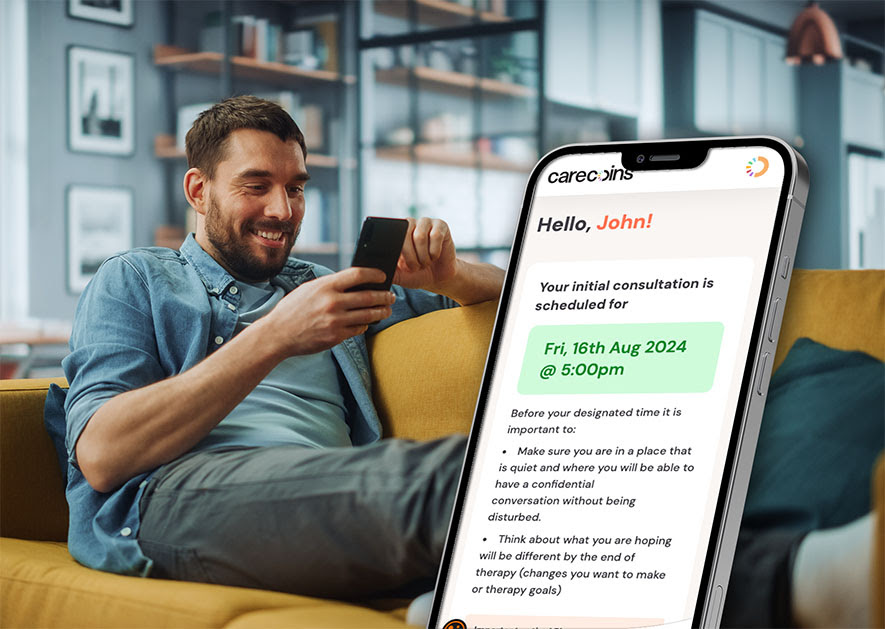
New Online Therapy Platform CareCoins Revolutionises Access to Mental Health Support for Employees This World Mental Health Day 2024.

(image: Carecoins)

This World Mental Health Day 2024, the focus is on mental health at work- it’s time to prioritise mental health in the workplace. As the Mental Health Foundation say, ‘Work can have a huge impact on our mental health. It can be good for our mental health, giving us a sense of purpose, boosting our self-worth, and providing opportunities to connect with others. But it can also be a source of stress and anxiety and contribute to developing or worsening mental health problems. ‘

Introducing Carecoins, a pioneering new mental health platform, which is set to transform the landscape of employee mental wellbeing, offering employers a unique support system for their staff this World Mental Health Day 2024 and beyond.

Designed to connect individuals with qualified mental health therapists in an entirely flexible, hassle-free way, Carecoins ensures efficient and reliable access to professional care, Carecoins brings a unique proposition to the market.

Commenting on this exciting venture, managing director and founder, Tim Ladd, said:

Put simply, Carecoins gives employees access to the support they need to become a happier, healthier version of themselves.

We are all acutely aware of the growing mental health crisis in the nation, and the difficulty in accessing resources through the NHS. This means employers need to step up to provide that all-necessary support to staff.

Mental health is now a significant challenge for a large portion of the UK workforce, with surveys showing at least 63% of employees exhibit signs of burnout, and 91% have experienced high or extreme levels of pressure and stress in the past year.

Finding effective support structures to help combat these trends can be challenging for employers. Providing access to a large pool of BACP accredited therapists, comprehensive mental health and suicide prevention services, specialised support for trauma and bereavement and a number of other resources, Carecoins is a holistic solution for employers

Offering full flexibility, the platform gives access to multiple formats of therapy, ensuring services fit around the user’s life and work schedule and suit their individual needs. As part of its groundbreaking offering, Carecoins supplies every new user an innovative human-to-human consultation to assess their needs and preferences and then allocate a therapist that best matches those requirements.

“The element of personalisation is one that is of vital importance to us – everyone’s mental health journey is different and we wanted to build a platform that could honour that,” added Ladd.

We also understand that confidentiality is a key concern for many employees. Carecoins can be purchased and utilised anonymously, giving employees the freedom and peace of mind they need to take this important step.”

But the platform does not limit organisations to buying therapy services. It enables access to a wide range of mental health and wellbeing services including Mental Health First Aid training provided by Carecoins’ sister company Red Umbrella.

Using Carecoins is much more than just a means to an end. It showcases a visible commitment from employers to protect the mental wellbeing and resilience of their employees, making them happier, more engaged and more productive.

“More than that, it encourages a much-needed positive attitude towards mental health in the workplace, which benefits businesses and employees alike.”

So, this World Mental Health Day, definitely check out this platform!

No Panic Charity Blog for my ‘Arabella and the Worry Cloud’ book on World Suicide Prevention Day by Eleanor

(image: Eleanor Segall and Shelley the Artist)

Yesterday was World Suicide Prevention Day. This awareness day is so important as the rate of suicides in the UK and globally is increasing. About 10 years ago, I devastatingly lost a family member I loved dearly to suicide 💔- mental health treatment, awareness and support is so important. Often, even with these, people are still dying. I know myself the power of medicines, therapy and kindness from loved ones.

One of the reasons I wrote my children’s picture book ‘Arabella and the Worry Cloud’ (illustrated by Shelley the Artist) is because I believe that mental health education and understanding our feelings from a young age is so important. My book focuses on teaching children the power of positive thinking to relieve anxiety. So maybe it can do a bit of good in the world! I definitely didn’t have a book like this as a child.

So, I am so thankful today for the No Panic charity team who have shared this blog about my book today.

📚 Read here:

https://nopanic.org.uk/arabella-and-the-worry-cloud/

Eleanor x

The Digital Descent: Understanding the Connection Between Doomscrolling, Anxiety and Panic Attacks by Charles Watson

(image: Brian McGowan, Unsplash)

In 2024, there is a growing awareness of the effects associated with constantly consuming negative news, a behaviour commonly known as “doomscrolling.” Media and constant news updates often fuel this habit of seeking out distressing information. Sadly, this can have serious implications for both physical and mental health.

Recent conversations among health experts have shed light on the link between doomscrolling and the increase in Substance-Induced Anxiety Disorder (SIAD) as well as panic attacks. As someone who writes on mental health, I wanted to delve into this correlation, providing insights and practical tips to protect your health in a world that appears to be in a perpetual state of crisis.

What is the Meaning of Doomscrolling?

Doomscrolling involves the consumption of news. Consumers caught up in this cycle feel compelled always to follow disasters, political unrest, environmental crises, and other distressing events, resulting in prolonged exposure to negative media. Additionally, some may even engage in extended sessions of watching vertical, short-form videos without awareness of the passage of time.

We can admit staying informed is important. However, constant focus on distressing media can affect one’s well-being.

Psychological Effects of Doomscrolling

The brain is naturally inclined to react to threats with a fight-or-flight response—a survival instinct ingrained in our biology throughout history.

However, when the mind is activated by immediate non-physical threats, like distressing news, it can result in prolonged stress. This prolonged state of vigilance can heighten anxiety levels over time potentially leading to anxiety disorders and panic episodes.

However, why is it so addictive to watch distressing news? Well, engaging in doomscrolling triggers the activation of dopamine receptors, which provides short relief from anxiety, despite the eventual worsening of mood. 

What is more concerning is individuals often revert to doomscrolling in an attempt to alleviate their distress, perpetuating the cycle of negative emotions.

Link to Substance-Induced Anxiety Disorder

Substance-induced Anxiety Disorder (SIAD) begins to show its ugly face when symptoms of anxiety or panic stem directly from substance consumption, withdrawal, or exposure to substances. Common culprits include caffeine, alcohol, nicotine, and certain prescription drugs. 

People who engage in doomscrolling may resort to substances like alcohol or prescription drugs as a coping mechanism for the anxiety and stress triggered by the news they consume. This could establish a cycle where substance use provides relief from anxiety symptoms but later worsens them, possibly resulting in SIAD.

Real World Implications – Panic Attacks

Panic attacks are episodes of fear that may manifest as heart palpitations, sweating, trembling, etc.  Sometimes there is even an overwhelming sense of dread and fear of losing control. 

For those who are exposed to negative news, unfortunately their threshold for panic attacks may be lower. Substances used to manage this stress can further decrease this threshold, making panic attacks more frequent and intense.

(image: Mark Adriane, Unsplash)

Tips for Breaking This Habit

Breaking free from the cycle of doomscrolling requires effort and specific strategies. Here are some “practical?” steps you can follow;

1. Establish Strict Time Boundaries

Hold yourself to designated times during the day for checking the news and make a commitment to stick to these schedules. Utilizing apps restricting your access to websites or social media platforms can help you maintain this routine.

2. Customise Your Social Media Content

Take a role in curating your social media feeds by including uplifting content. Follow accounts that share stories or even your city media feeds to create a balanced experience alongside the inevitable negative news we all have to see.

3. Try Healthy Coping Mechanisms

It may be time to hit the gym. Or engage in activities such as yoga or jogging. Better yet, incorporate mindfulness techniques like meditation or diaphragmatic breathing. Finally, find a way to express yourself through creative endeavors like writing or painting.

4. Consider Professional Support

If needed, and if feelings of anxiety or panic become overwhelming, seek assistance. A health professional can always be beneficial. Therapists can offer personalized coping strategies tailored to meet your needs, as we are all different in what triggers our anxiety.

5. The Inevitable – Keeping in Touch

Even as a mental health writer, I can be better at this one. Having ties with friends and family can ease stress and worry. Interacting regularly can shift our focus away from the constant stream of negative news.

In the end, while staying informed is important, it’s also vital to strike a balance in how we consume news. Recognizing the signs of scrolling through distressing content and taking proactive measures to lessen its impact can help prevent the development of more severe anxiety issues and panic attacks. The world has changed, and mental health is important, so by being mindful and adopting coping strategies, we can safeguard our well-being during these challenging times (no matter where we are located.)

By being aware of how our media intake affects our health, we can navigate the age without falling prey to its negative aspects. Remember, it’s completely fine to unplug for the sake of your well-being.

Charles Watson is a freelance blogger.

Road to Recovery: 5 Ways To Combat Addiction by Lauren Perry.

(image: free image)

Addiction is a multifaceted problem that can impact individuals from all walks of life, irrespective of their age, gender, or background. Whether it’s substance abuse, alcohol addiction, or behavioural disorders, seeking help is the first step to recovery. In this article, we will explore five ways to combat addiction and pave the way to a healthier, addiction-free life. Whether you’re personally grappling with addiction or you’re supporting someone on their path to recovery, these insights will provide valuable guidance for understanding and combating addiction effectively.

Seek Professional Help

The journey to recovery from addiction frequently commences with the essential step of seeking professional help. Therapists, counsellors, and healthcare providers play pivotal roles in guiding individuals toward a healthier, addiction-free life. For those dealing with co-occurring mental health and substance abuse disorders, specialised treatment centers, known as dual-diagnosis treatment centers, offer a higher level of care and a tailored approach to recovery. These centers are equipped to assess and address the root causes of addiction, including the often complex interplay of underlying mental health issues.

Build a Support System

In the journey of addiction recovery, building a robust support system is an invaluable asset. Building a support system involves connecting with loved ones and friends or engaging in support communities, like Alcoholics Anonymous (AA) or Narcotics Anonymous (NA). The path to recovery is undeniably challenging, and having a network of individuals who understand and care can make a significant difference.

Sharing experiences and challenges with others who have faced similar struggles can provide a unique bond and a sense of belonging, reducing feelings of isolation and alienation that often accompany addiction. This shared journey toward recovery cultivates a sense of hope and resilience, proving to individuals that they are not alone in their pursuit of a healthier, addiction-free life.

Cognitive-behavioral therapy (CBT)

Behavioral therapy (CBT) is a known and highly effective method used in addiction treatment. CBT zeroes in on identifying and transforming negative thought patterns and behaviors intricately linked to addiction. Through collaboration with a therapist, people gain the ability to explore the seated origins of their addiction, which are frequently connected to past events or instances of trauma.

This profound self-reflection is a crucial initial step toward recovery. CBT equips individuals with the tools to challenge and modify self-destructive habits and beliefs, empowering them to break free from the cycle of addiction and pursue a life of lasting sobriety. CBT is not merely a therapeutic intervention; it’s a transformative journey that enables individuals to regain control over their lives, nurturing emotional resilience and self-awareness as they navigate the path to recovery.

Medication-Assisted Treatment (MAT)

Medication-assisted therapy (MAT) contributes to aiding individuals in their quest to conquer addiction. This comprehensive strategy combines counselling and behavioural therapies with specific medications designed to reduce cravings and alleviate withdrawal symptoms. Substances like methadone, buprenorphine, and naltrexone can be prescribed as part of MAT, tailored to an individual’s unique needs. MAT is a significant aid in addressing the physical aspects of addiction, facilitating a more comfortable and effective journey toward recovery. By helping to manage the intense cravings and symptoms of withdrawal, MAT can make the process more manageable and increase the chances of successful, long-term recovery.

Lifestyle Changes and Self-Care

In the pursuit of addiction recovery, the role of lifestyle changes and self-care cannot be overstated. A healthy lifestyle is a cornerstone for maintaining lasting recovery. Incorporating regular physical activity, adopting a balanced diet, and ensuring adequate sleep are fundamental steps in restoring both physical and emotional well-being. These changes not only promote physical health but also contribute to emotional stability, fostering a more robust foundation for recovery. Additionally, self-care practices such as mindfulness meditation, yoga, and stress management techniques play an instrumental role in reducing the risk of relapse.

By nurturing mental and emotional resilience, individuals can better cope with the challenges they may encounter on their journey toward a healthier, addiction-free life. These practices instill the necessary tools to manage stress, anxiety, and other emotional triggers, ultimately enhancing an individual’s ability to make healthy choices and maintain a life free from addiction.

Conclusion

Overcoming addiction is a demanding yet crucial path for individuals battling it and their families. Seeking professional help, building a support system, engaging in therapies like CBT, considering medication-assisted treatment, and adopting a healthy lifestyle can significantly improve the chances of recovery. It’s important to remember that addiction is a treatable condition, and with the right strategies and support, a fulfilling, addiction-free life is achievable.

This article was written by Lauren Perry.

4 Health Benefits Of Getting a Massage by Hannah Whittenly.

(image: Unsplash: Conscious Design)

Massage, the manipulation of muscles and soft tissue, has been used as a therapeutic practice for centuries. From traditional therapies in ancient civilisations to modern practices, massage has continued to prove its efficacy in promoting physical and emotional relaxation, pain relief, and stress reduction. Let us explore the many health benefits that come with getting a massage.

Reducing Stress and Anxiety

Research has shown that massage has a positive impact on both physical and mental wellbeing. One of the primary benefits of massage is its ability to reduce stress and anxiety levels. Massage helps to lower the levels of stress hormones such as cortisol and adrenaline while increasing the levels of feel-good hormones like dopamine and serotonin. As a result, getting a massage allows us to feel more relaxed and at ease, improving our overall emotional and mental health.

Promote Better Sleep

Getting a good night’s sleep is essential for optimal physical and mental health. Regular massage therapy can help bring about restorative sleep by relaxing the muscles, increasing circulation, and reducing tension. Studies have shown that massage therapy can help reduce the symptoms of insomnia and other sleep disorders, thereby promoting better sleep.

Relieves Pain

Many of us deal with chronic pain on a daily basis. Massage therapy can be used to relieve pain and discomfort caused by various factors such as muscle tension, injury, or poor posture. Massage improves circulation, reduces inflammation, helps muscles to relax, and stimulates the release of endorphins, the body’s natural painkillers. Regular massage therapy can provide long-term pain relief and improve flexibility and range of motion.

Boosts Immunity

Another health benefit of massage therapy is its ability to boost the immune system. Studies show that regular massage sessions increase the production and activity of white blood cells, which play a vital role in fighting off infections and illness. Increased circulation and improved lymphatic flow help the body flush out toxins and improve its overall immunity.

In conclusion, massage therapy is an ancient practice that offers numerous health benefits for both physical and mental wellbeing. From reducing stress and anxiety to improving sleep, relieving pain, and boosting the immune system, regular massage sessions are a great way to promote a healthy lifestyle. If you’re dealing with any of the issues mentioned above or simply wanting to relax and unwind, schedule a massage appointment today. Your body and mind will thank you!

This article is by freelance writer Hannah Whittenly.

How Anxiety Counselling Can Strengthen Mental Health by Miranda Spears.

(image: Pixabay)

Anxiety has become increasingly prevalent in today’s fast-paced and demanding world, affecting individuals of all ages and backgrounds. Fortunately, counselling has emerged as an effective therapeutic approach to help individuals manage and overcome their anxiety. By providing guidance, support, and evidence-based strategies, anxiety therapy can empower individuals to strengthen their mental health and lead fulfilling lives. 

Understanding Anxiety 

Before delving into the role of anxiety counselling, it is crucial to grasp the nature of anxiety itself. Anxiety is a normal human emotion, but when it becomes chronic and interferes with daily functioning, it can be classified as an anxiety disorder. Anxiety disorders encompass a range of conditions such as generalised anxiety disorder (GAD), social anxiety disorder (SAD), panic disorder, and specific phobias. 

Breaking the Stigma 

One of the first steps towards seeking counselling is breaking the stigma associated with mental health. Many individuals hesitate to reach out for help due to fears of judgment or shame. However, anxiety therapy provides a safe, non-judgmental space where individuals can openly discuss their concerns and experiences. Counsellors are trained professionals who understand the complexities of anxiety and can offer empathy and support. 

Identifying Underlying Triggers 

Therapy helps individuals identify and understand the underlying triggers that contribute to their anxiety. Counsellors utilise various therapeutic techniques, such as cognitive-behavioural therapy (CBT) or talking therapies, to explore thought patterns, behavioural responses, and experiences that may be fuelling anxiety. Gaining insight into these triggers is essential for developing the coping strategies individuals need to manage their anxiety more efficiently. 

Learning Coping Mechanisms 

One of the key benefits of anxiety therapy is that people are provided with a diverse range of coping mechanisms tailored to their specific needs. Counsellors can teach relaxation techniques, breathing exercises, and mindfulness practices to reduce present anxiety symptoms. Additionally, individuals learn to challenge and reframe negative thought patterns, replacing them with more realistic and positive ones. 

Building Resilience 

Anxiety therapy focuses on building resilience, which is crucial for long-term mental well-being. Counsellors work with individuals to develop healthy coping mechanisms, improve problem-solving skills, and enhance emotional regulation. Individuals who build resilience become better equipped to handle stressors and bounce back from setbacks, leading to improved mental health outcomes. 

Enhancing Self-awareness 

Another essential aspect of anxiety therapy is enhancing self-awareness. Counsellors help individuals explore their emotions, beliefs, and values, promoting an understanding of themselves. When individuals gain insight into their thoughts and feelings, they can identify and challenge unhelpful patterns, leading to personal growth and improved self-esteem. 

Strengthening Relationships 

Anxiety often affects interpersonal relationships, leading to (often unfairly) strained connections with friends, family, and colleagues. Anxiety therapy provides individuals with the tools needed to improve their communication skills, establish healthy boundaries, and cultivate supportive relationships. Individuals experience a greater sense of belonging and social support by strengthening their relationships, and these elements are vital for mental well-being. 

Preventing Relapse 

Counselling for anxiety helps individuals manage their current anxiety symptoms while providing them with the skills needed to prevent relapse. Learning effective coping mechanisms and developing a toolbox of strategies is important for navigating future challenges with resilience and confidence. Counsellors also provide ongoing support and guidance, ensuring individuals have the necessary resources to maintain their mental well-being. When the underlying triggers are addressed and proactive strategies are implemented, people can develop a strong support system and maintain long-term stability in their mental health. 

Promoting Self-Care and Holistic Well-being 

Anxiety therapy emphasises the importance of self-care and holistic well-being. Counsellors guide individuals in implementing self-care practices that nurture their physical, emotional, and mental health. This may include regular exercise, maintaining a balanced diet, getting sufficient sleep, engaging in creative outlets, and practicing self-compassion. Individuals who prioritise self-care create a solid foundation for overall well-being and cultivate a healthier relationship with themselves and their anxiety. 

Conclusion 

Therapy is a powerful therapeutic approach that can significantly strengthen mental health. By breaking the stigma, identifying triggers, and learning healthy coping mechanisms, individuals can regain control over their anxiety and lead more fulfilling lives. Through building resilience, enhancing self-awareness, and improving relationships, anxiety therapy empowers individuals to face challenges with confidence.

When those struggling with anxiety reach out for professional help, they have ongoing support as they face anxiety and can work toward a brighter, healthier future. 

This article was written by freelance writer Miranda Spears,