Physical and Mental Health: How Improving One Can Help The Other.

Photo by Jonathan Borba from Pexels

Mental health is often viewed as something that exists entirely separate from physical health, but the truth is that they are closely intertwined. In fact, research has shown that improving your physical health can also help improve your mental health. Let’s take a look at some of the ways this happens.

1) Exercise releases endorphins, which have mood-boosting effects.

When you exercise, your body releases endorphins, which have mood-boosting effects. This is one of the reasons why exercise can be so beneficial for people with depression or anxiety disorders. Exercise can help to lift your mood and make you feel happier. In addition, regular physical activity is an effective treatment for mild to moderate depression. It can help to improve symptoms such as fatigue, insomnia, and low energy levels. And it’s a good option for people who don’t want or cannot take medication for their depression.

2) Physical activity can help to improve self-esteem and body image.

When you’re physically active, you start to see results in terms of your body composition and physical abilities. This can boost your self-esteem and make you feel better about yourself. Plus, exercise is a great way to manage stress and anxiety. When you’re stressed out, it’s often hard to find the energy or motivation to do anything. But when you have an outlet for your stress, such as exercise, it can help to ease that tension and make you feel better overall. Read this article for more information on exercising for beginners. 

3) Healthy eating can help to regulate your mood.

 An unhealthy diet can have a negative impact on your mental health. For example, poor nutrition can lead to fluctuations in blood sugar levels, affecting your mood. In addition, people who eat many processed foods tend to be more likely to suffer from depression and anxiety disorders. Conversely, people who consume a healthy diet that includes plenty of fruits and vegetables are less likely to experience these problems.

4) Physical activity can help you to get a good night’s sleep.

 Insomnia and other sleep problems are common among people with mental health disorders. In fact, research has shown that lack of sleep is one of the strongest predictors of depression. However, when you’re physically active, you’re more likely to get a good night’s sleep. In addition, exercise helps promote relaxation and calmness, which can be helpful for people who have trouble sleeping.

5) Physical activity can help to reduce stress levels.

One of the leading causes of mental health problems is prolonged exposure to stress. When you’re constantly stressed out, it can take a toll on your mental health. Exercise is a great way to combat stress because it helps to release tension and promote relaxation. In addition, physical activity can help you to manage your time more effectively and reduce feelings of overload or overwhelm.

When it comes to mental health, there’s no one-size-fits-all solution. But improving your physical health can be an essential part of the overall treatment plan. So if you’re struggling with a mental health disorder, talk to your doctor about ways that you can improve your physical health as well.

6) It can encourage you to take a different approach to your overall health

When you start taking better care of your health, it can prompt you to keep going and look at other areas of your lifestyle that need improving. Exercise and healthy eating can make you feel more energised and positive, completely changing your mindset.

It can also highlight other issues you might be facing that you may not have addressed. Maybe it’s time to go to the doctor or explore a diagnosis with ADHD Centre and get clarity on a problem you’ve been facing for some time. A complete health makeover can help you move forward and make the most of your new energy and lifestyle.

This blog was written by a freelance writer.
Transforming your Smile, Confidence and Mental Health in the New Year 2022.

Image Credit: Unsplash under Creative Commons

Self care of both our mind and our appearance can really boost our mental health. When it comes to looking after our smile, your teeth are important. Taking care of your teeth and gums is an essential part of taking care of your overall health, stopping you from becoming unwell, but it can also help improve your confidence too. 

Unlike other physical transformations, transforming your smile is something that can be simple and affordable, and you’ll be able to enjoy long-term benefits by doing it.

Could a new smile be on the cards for you in 2022? Take a look at these ways to transform your smile for a dazzling way to welcome in the new year.

Visit your dentist

The first place to go if you want to transform your teeth is the dentist. A lot of people have fallen behind on their appointments as a result of the pandemic, but it’s important that you visit your dentist regularly to make sure your teeth stay in good health. Your dentist will be able to recommend treatments that will improve your smile, as well as give you advice on how to take care of your teeth.

Take better care of your teeth at home

Improving your smile is something that takes time, and you’ll need to develop permanent habits to keep them looking their best. Some of the best practices for healthy teeth include brushing your teeth twice a day and making sure you use a quality mouthwash and flossing aid to keep plaque and bacteria at bay. Maintaining those good habits will help keep your teeth looking clean and polished for a smile you can be proud of.

Look at treatments that will transform your teeth

If you’re unhappy with your teeth, there are things you can do to change how they look. Invisible braces, teeth whitening and even dental implants at Dental Excellence’s clinic can make a big difference to your smile, with treatments able to transform your smile quickly and affordably. Cosmetic dental treatments are an investment worth making, making a big difference to your teeth and your confidence too.

Work on yourself to help put a smile on your face

Transforming your smile doesn’t just happen on the outside, you need to feel good about yourself to smile too. Some self-compassion and self-care could help you work on your inner confidence to give you something to smile about. Do things that make you happy, like seeing friends or your favourite hobbies – it will make a big difference to how you feel.

If you need to speak to someone about what you’re feeling, reach out – you don’t want to face mental health problems alone.

A lot of new year’s resolutions and plans fall at the first hurdle, but transforming your smile is a realistic goal you can stick to. Develop some better oral health habits and see your dentist regularly – it will help you keep your teeth and gums healthy and can impact the rest of your health too.

A new year means a fresh start, so get ready to start 2022 with a new outlook and a smile on your face.

This article was written by a freelance writer and contains links.

How To Support Elderly Parents Living Independently.

(image: Pexels)

As you grow older, you may start to notice the role of parent and child starts to change. In the past, the parent provided the care and support to the child, but as the years pass, these roles can become reversed. If you are currently in this situation, you may be wondering how best you can support your elderly parents and help them to get the most out of life in their senior years.

Striking the right balance between being on-hand to help without interfering is challenging and can take some getting used to. It is perfectly natural to feel unsure about the best way to approach this new situation. Reaching a point where you feel comfortable you are providing your parents with the right level of assistance while respecting their wishes can take time to achieve. Here are some of the ways you can give extra support to your parents while they are living independently:

Keep Communicating

Keeping in regular contact with your parents is essential to ensure that you understand their needs and their wishes. If you are concerned about their health, communicating with them regularly will make it easier for you to spot any deterioration and give your parents the opportunity to discuss any aspects of their health that worry them. Making sure that you listen as well as talk is vital to ensure your parents feel their needs and wishes have been understood and are respected.

It is so essential to maintain your relationship with your parents. When they are more dependent on you, it is easy to fall into the trap of only talking about their care and no longer having any fun. So keeping that parent-child relationship alive by talking about everyday topics and taking them out and about is crucial.

Address Any Health Concerns

Finding the right level of support for your parent’s health issues can be challenging. Knowing whether or not they are able to continue living independently or whether they need to receive a greater level of care can be hard to determine. If your parents are adamant that they want to stay living independently within their own home, you may be concerned that they won’t get the best care. Choosing a specialist at-home care provider can help to alleviate these concerns and ensure they are getting the level of assistance that they need. Dementia home care is one specialist care service available that could help keep your ageing parents in their own home while receiving the appropriate level of support.

Make Life at Home Easier

Providing your parents with practical support is an excellent way to support them living independently. Carrying out everyday tasks on their behalf such as cleaning and getting their shopping can make life far easier for them. Making sure that your parent’s home is free from trip hazards and is clean and tidy will help to protect their health and wellbeing and provide you with the peace of mind that they are safe in their home.

This article was written by a freelance writer and contains affiliate links.

Being Self Compassionate when I have Anxiety (a List) by Eleanor

(image: Unsplash)

I think that I put a lot of pressure on myself to be doing and achieving and living my best life. The truth is that this sometimes leads to overwhelm. I often try to run before I can walk as I am the eternal optimist… and then on the day anxiety (panic) takes over and I can’t do things.

This week though I have had extra pressures. I have had to deal with some medical things like my blood test for lithium (which I struggle to get to the surgery for), a potential job interview and my fears around social anxiety. Needless to say i have felt panicked and have had to self soothe, be kind to me and really look after myself. I am also working with an EMDR therapist.

So I thought I would create a list of things that I and you can do to be kind to ourselves! (inspired by googling and things that help me). Feel free to add in the comments!

  1. Call a good friend and have a natter- always good to speak to those who love you for you non judgementally and don’t mind if you’re not having the best day.

2. Have a warm bubble bath or shower with your favourite shower gel/ bubble bath/ bath treats. I am a big fan of bath bombs. Theres something super relaxing about them and you’re taking care of yourself too! I love things with cosy vanilla scents personally.

3. Do not be hard on yourself or criticise yourself. Bad mental health is not your fault and tomorrow can always be a better day.

4. Talk compassionately to yourself if your anxiety is overwhelming. Do what you need to self soothe and look after yourself.

5. Make sure you get enough rest- its OK to curl up with a blanket and Netflix for a bit, or read a good book. making art can also be healing too.

6. Accept the way you are feeling and seek support from a trusted therapist, friend or family member. You are OK as you are. You just may need help to recover.

7. Cuddle a pet. I have two very sweet guineapigs who give wonderful cuddles.

8. Listen to soothing music- that you love..

9. Remember to be kind to yourself, look after your wellbeing if you are low or anxious.

10. Call a support line if you are in crisis– such as Samaritans 116 123

11. Get the help I need – understanding that it’s okay to need help and seek it out when necessary. There is always the option to try different forms of therapy such as EMDR therapy or other therapy depending on what is needed. Getting help is the best thing that we can do.

Love,

Eleanor

x

Start up Founders 50% more likely to suffer from a Mental Health Condition by Daniel Tannenbaum

(image: John schnobrich- Unsplash)

A recent article in Forbes highlights that entrepreneurs and startup founders are 50% more likely to have a mental health condition than an average employee or member of the public. 

Running a startup is very stressful and there is a lot on the line, including your name, reputation and finances. The article highlighted that being an entrepreneur can lead to ‘self-doubt, imposter syndrome, loneliness and burnout.’

In a survey conducted, it showed that only 25% of startup CEOs have some kind of executive coach or therapist to help them overcome their daily anxieties and stresses – suggesting more support is needed to help those entrepreneurs manage the stress of running a high-risk venture.

Mental wellbeing is an important factor for any startup founder, Forbes continues. The levels of stress and anxiety can shape one’s creativity, productivity and ingenuity. Taking care and managing your stress will preserve your talent and innovation and help you to become the best leader possible.”

Daniel Tannenbaum, co-founder of startup news site TechRound and a partner at short term lender Pheabs, explains:

“Startup founders and entrepreneurs are often taking on a huge risk financially, with hopes that they can raise enough money, grow a large company or exit for huge sums.”

“In the short-term, this means taking a financial pay cut, working significantly more hours with the hope that their proposition becomes established and successful.”

“But the process can be incredibly stressful. For example, a lot of startups do not really make money until they exit or are bought out, so regardless of how many hours you work in the first few weeks, months or years, your financial position does not necessarily change. Bear in mind, that you might be missing crucial time with your family, loved ones or you are not fully present in the room because you ‘cannot switch off.’”

“Running a startup is a huge financial risk and there is always going to be someone better funded and getting more PR. So don’t sweat, just do it for enjoyment.”

“Meanwhile, it can be soul destroying to see other competitors in your space or people you know getting massive PR, large funding rounds or sales – and you can really start to doubt yourself and feel like you’ve hit a wall. It becomes a horrendous spiral of jealousy, anxiety and doubt, whilst you have been underpaid and overworked for too long.”

“More than 50% of startups fail, yet it doesn’t stop people creating them, and new businesses being created daily.”

“But I think before you get into a startup, it is important to manage your expectations and understand your vision.” explains Tannenbaum

“You might need to look at this like, ‘I am going to work hard for 3 to 4 years and then reassess if it does not work out.’”

“And also, you just have to do it for enjoyment,” he concludes. “After all, running a startup means that you are calling the shots, not having a boss and being able to hire who you want. So if you can enjoy the everyday part of running a business and a startup, that’s great, and if you happen to make a lot of money, well even better!” 

Daniel Tannenbaum is the co founder of start up news site Techround

Bereavement, PIP, Promotion and Panic by Eleanor


Hi lovely readers,

So much has been going on that its been a little overwhelming so I didn’t feel able to sit here and type out my feelings. But today, I feel like I can share so here goes.

My dear father in law passed away from brain cancer at the age of just 67 last month. This was expected, after a two year battle, rounds of surgery and chemo and radiotherapy and being told they could do no more treatment as he had two aggressive tumours and they couldn’t operate further. However, it was still immensely painful when it happened (although we were all with him at a nursing home) and we had the funeral and week of mourning (shiva) as per Jewish tradition. I moved in to my in laws home that week to be there to support my husband, brother in law and mother in law.

We will all miss him terribly- a truly wonderful man and it was a privilege to know him.

Despite this sadness in our family, some positive news has followed. I had applied and been awarded a disability benefit called PIP (Personal independence payment) and been awarded it due to my bipolar disorder and panic attacks impacting on my mental health and ability to work outside the home. This greatly helps our situation and means I can work alongside it too in my role at the Body Shop from home and around my writing (my book Bring me to Light is available here) . We also found out that Rob is being taken off furlough and returning to work on the 1st September- he has been furloughed for 6 months and this was a huge relief for us, as you can imagine.

Additionally, a few weeks ago I got promoted to Area Manager of my Body Shop team, team Hope. This means I manage a team of consultants/ manager in training and help them to develop their businesses too. I feel incredibly lucky to do a job that I love from home and be so supported by my manager Sarah and all my wonderful team mates too. I truly love this job and hope to make it my full time career eventually. The products are so good for self care too.

Now on to my mental health. My anxiety has returned with a vengeance these past few weeks. One night I was up til 5am with panic and insomnia (feeling tearful, restless and pumped with adrenaline) so took some prescribed anxiety medication. I also use a lavender pillow mist which helps me to sleep better too. I have had to cancel and reschedule things. I am not good with change and my anxiety is being triggered. I have a wonderful therapist and so I will definitely book in another session with her soon because I can feel myself dipping a little.

The guineapigs are adorable and good for cuddles and I have had a lot of support from friends and family, so thank you for that, and from Rob too.

How is everyone?

Eleanor xx

 
Infographic by Mindful Urgent Care

The Flowers that bloom in Adversity: by Eleanor

I have wanted to write this post for several weeks, but so much has been going on personally and I have been really emotionally drained (and launching my new business too). Let start at the beginning.

At the end of May, my mother in law (who is carer for my father in law with terminal brain cancer) was taken very unwell. She was rushed to hospital with stroke like symptoms and put into an induced coma on a ventilator as her lungs were collapsing. We were super scared it was Covid as she was shielding anyway and it came completely out the blue, on the day of her 60th birthday after we had celebrated.

She is the main carer for my father in law and so my husband Rob had to move in to their house to care for his Dad and support his brother. (cue frantic phone calls to the doctors surgery, hospitals, Macmillan nurses and Jewish Care, all done by my incredible husband).

Thankfully, my MIL came off the ventilator to breathe unaided and she tested negative for Covid 19. We think she caught a severe bacterial infection and she then got pneumonia in her lungs. She was in hospital for 4 weeks and discharged 2 weeks ago and is making amazing progress with her physio team and her speech. She is still frail but she is recovering slowly.

This blog post I don’t want to make about my in laws because they are private people. Dealing with all these scary changes has been tough on my mental health (and everyones).

We are slowly slowly coming out the other side, although we know my FIL will worsen in time due to the nature of his illness.

So what flowers are blooming during this adversity?

-On Saturday will be our first wedding anniversary and we will spend it together. Its been a rollercoaster year but I am so thankful to have Rob by my side!

-I am loving my new Body Shop at Home business and my team and incredible managers. It really has been keeping me sane throughout this time of family lockdown and I can’t thank Sarah Cardwell enough for introducing me to the business. The products are so good for self care and healing too, which has been so needed and I have made lots of new friends. It keeps my mind stimulated and earns me income too- I am so grateful.

-Yesterday, Robs kind family member went over so we could spend some proper quality time together (thank you). We went for a walk in our favourite little village near by where there are cottages and flowers and village green and pond- I took lots of pictures of my dream cottages and gardens. Then, we got vanilla chocolate milkshakes (first time in a café post lockdown) and visited family. It was so special just to have US time, so rare in this current time for our family.

-This blog is continuing to grow and turning into a side business and for that I am ever grateful. I am also loving sharing peoples personal stories and hope it is a useful resource.

-Our guineapigs Midnight and Nutmeg are a source of joy and give great cuddles.

-Friends and familys kindness and messages help so much. I havnt had a therapy session in a while but will do.

I am feeling positive but there will be rough days ahead in the coming months. Today though, I am enjoying slightly more calm and peace again before the potential storm, and watching the flowers that are blooming in adversity.  


How to Protect Your Mental Health During the Pandemic: by Mary Davis

These days of the coronavirus pandemic are filled with anxiety and fear unlike anything else we and the world has experienced since World War II. It’s important to stay in tune with yourself and remember it is okay to not feel totally well and to be feeling more anxious. 

Here are some ideas to help your mental health during the pandemic: 


Get moving

You’d be surprised what physical activity does for you, both in terms of physical health and mental health! In terms of mental health in particular, it can help decrease anxiety and improve moods. While gyms and studio classes are closed and it is easier than ever to get an effective exercise in with guided tech at home, now is a great time to become familiar with fitness apps. There are many different ones to choose from: you could try the 30 day fitness challenge app for example to get into a new routine and find the perfect guided workouts work for you! Whether its workouts, barre, or even taking the stairs more, try to move as much as you can. 


Try meditating, mindfulness or prayer

Finding stress management techniques that resonate with you is crucial as stress is an inevitable part of life. The ideal time to start up a mindfulness practice is when times are good so that you have established a practice in times of stress, but it can still be incredibly powerful if you are starting out now!

Just remember to be patient with yourself. There are a lot of practices out there, such as meditation, mindfulness, and prayer, so you have options. If you are unsure of where to start, start with daily deep breathing exercises. 


Avoid alcohol 

Avoid or at least monitor alcohol intake in times of high stress in order to protect your mental health. Alcohol is often used to ‘self-medicate’, but while it can release endorphins in your body, it is classified as a depressant. It significantly impacts your central nervous system, and in times of stress you want to be in tune with your body and paying extra care to your nervous system rather than confusing it. 


Seek a therapist and do appointments via Skype or Zoom

Seeking help is a sign of strength! If you need help or need professional support as you work through stress and/or anxiety, seek a therapist. Many therapists do appointments via Skype or Zoom and if you find one in your area, you can transition to in-person appointments when possible. 


Practise self care

Self care looks different for everyone, and finding what makes you feel good and content is so important. Try cooking, at-home facials, taking extra time on your skincare and giving yourself a face massage, baths with Epsom salts, and quality sleep. 

All of these things can contribute to healthy living and can help us get through the pandemic. They are also great habits to incorporate into your lifestyle to continue caring for your body and mind. 

This guest blog was written by freelance writer, Mary Davis.

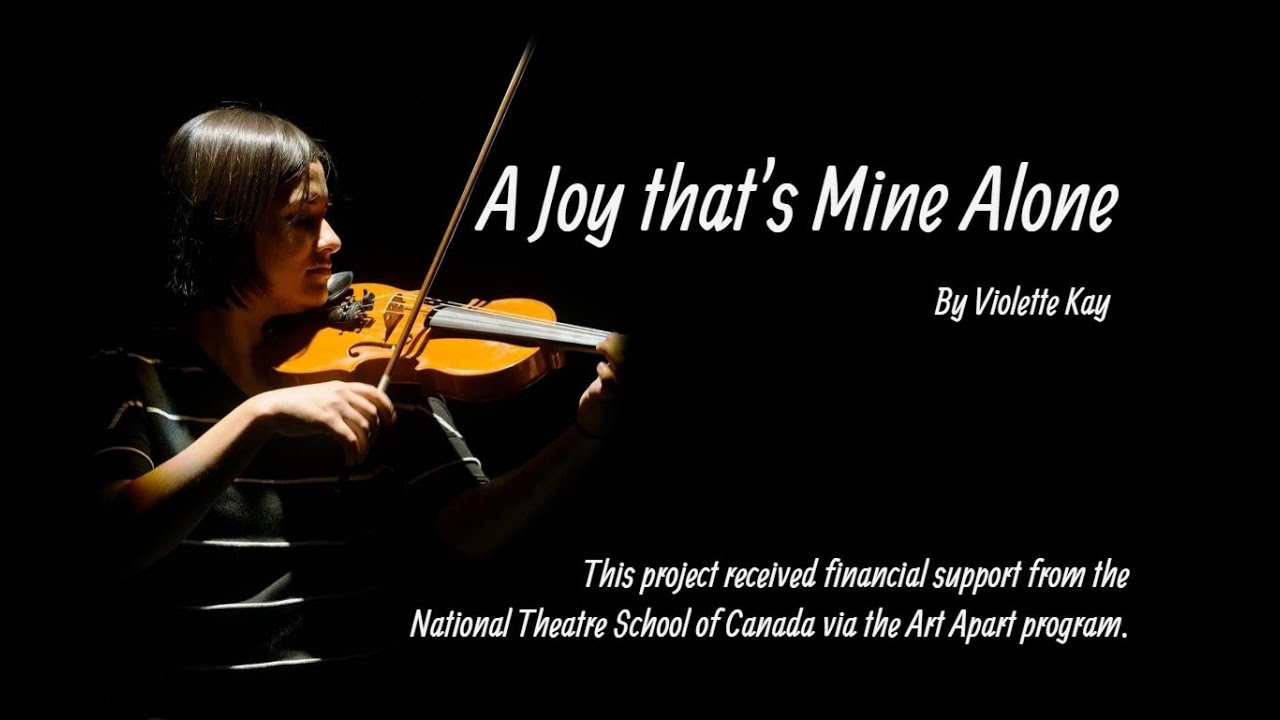
On DBT, Art and Healing: A Joy That’s Mine Alone: Guest post by Violette Kay

violettekay1
When I was little I wanted to become a violinist when I grew up. And I could have done it, I was actually really good, but unfortunately mental illness robbed me of that dream. I had my first bipolar episodes right when I started studying music in college, failed a bunch of classes, wronged a bunch of people, and watched my music career crash and burn before it had even begun.
It’s been almost a decade now, and I have a whole new life in which I’m stable and happy, yet I still can’t help but wonder if I could have done it. If I wasn’t bipolar, would I be a professional musician? This question haunts me, it follows me wherever I go, and no matter how far I run it always brings me back. A few years ago I bought a music school in a hypomania-fueled delusion that it would bring me closer to my childhood dream. It did not.
I’ve also written a play about violin teachers and nostalgia/regret, it was very therapeutic, but it didn’t fully heal the wound of my failed music career. Perhaps nothing ever will.
The first thing they teach you in Dialectical Behavioural Therapy is called the “Wise Mind”. It’s supposed to be this balance between your reasonable mind and your emotional mind, and that’s the place you want to be making decisions from. You want to consider both the facts and your emotions, and not ignore one or the other. For example, let’s say you have coworker who is making you angry, and you want to yell at them, throw things and storm out, that’s just what your emotional mind wants. So if you bring in a bit of reason and use your wise mind, you can probably come up with a better solution.
When I was learning this in DBT group I noticed that all the examples we were given involved using the Wise Mind to avoid acting on our emotional mind, so I asked the instructors if they could give me a situation where it’s the other way around, an example where your reasonable mind is what’s leading you astray. They gave some roundabout unclear speech about… something, I don’t remember. Basically they didn’t have an answer for me.
Well, it’s been over a year now and I think I finally found one: I should quit music. I should completely cut it out of my life, sell my violin, recycle all my sheet music, unfollow/unfriend everyone I met through music, and stop self-identifying as a musician. Music has caused me so much pain, and landed me in some impossible situations. So logically, if I want to stop feeling that pain I should just quit, right?
That’s my reasonable mind talking. But if I did quit music I would be ignoring my emotional mind, who likes music and has a lot of very meaningful music-related memories both good and bad, memories I wouldn’t want to lose.
So what’s the middle ground? I still play sometimes. I’ve gone busking during periods of unemployment. I record backing tracks for my singer friends. I take on background music gigs sometimes. And I bring music into my theatre and writing practice all the time.
I’m still shocked every time I get paid to play music, and though I do on occasion mourn the violinist I could have been, I’m also incredibly grateful that I still get to live out my childhood dream in small ways. It’s not what I wanted, but it’s still a good life.
My latest project is a film inspired by my experience of having bipolar disorder and buying a music school, and a first for me: a project born entirely out of self-love, rather than pain. I am so grateful I got the opportunity to make it and to share it with others.
I’ll always have bipolar disorder, it will always be a part of me, but it’s just one part. And I’ll always be a musician. That’s also just one part of me. Maybe they’re the same part.

violette1

This guest blog was written by film maker and musician Violette Kay. Her film the Joy thats Mine Alone about life with art and bipolar disorder, can be viewed at : 

The Road to Recovery: On PTSD, Trauma and the Future… by Eleanor for Mental Health Awareness Week

Trigger Warning: sexual assault, details of assault and severe mental illness

Hi everyone,

Its been a while but I thought I would put type to keyboard and write a blog for more mental health awareness.

Since my book was published, I haven’t written many follow up personal blogs, purely because the launch of my life story into the public domain felt overwhelming and scary. 6 months on, I am used to it being out there but I have been working hard in EMDR trauma therapy to help myself.

See, the truth is that right now the Bipolar Disorder for me is stable and under control on my medicines. I still get side effects- weight gain, dry mouth and thirst, but my mind is generally healthy in terms of the Bipolar- no mania or depression. Anxiety and panic yes but Bipolar, not really at the moment.

Yet, almost lurking unseen after I left hospital in 2014 and began my recovery was the fact I was traumatised by my experiences of going into psychosis (losing touch with reality via delusions, false beliefs) and my experiences when being sectioned. I will just give an overview as the rest is in my book- but this included- being restrained, being attacked by other patients and seeing them self harm, being injected with Haloperidol (an anti psychotic) in front of both male and female nurses in a part of the body I didn’t want, being chased round A and E by security men in genuine fear of my life, dealing with lawyers and going to tribunals while ill, thinking I had been abused by family and was locked up by a criminal gang and fearing my family were against me. My bipolar mind could not cope.

Just before this all happened, I was very vulnerable and was sexually assaulted by a man I knew through friends and all of this trauma stayed with me.

I did what most of us with severe mental illness and assault survivors do- I tried to rebuild my life. I tried to work in schools helping children with special educational needs. I tried to work for a mental health charity as a peer support worker for people like me. I began to blog and write and share as therapy- from charities to national newspapers. Bit by bit, as I wrote out what I has been through, I started to slowly heal. But, the symptoms of the extreme panic remained. I lost jobs because of it. I became depressed. I started dating but I often had to cancel dates- (before I met Rob, my husband who listened to me talk about it all and didn’t bat too much of an eyelid.)

I was in a state of flux, a state of transition. I knew I had trauma still living in my brain and body. I had been physically and sexually assaulted, I had been mentally violated- I had been sectioned twice in a few months and now I was sent home to try and rebuild my life as a 25 year old single woman.

I share this important blog, not to share that I am a victim- because I am not. I want to share that I believe for about 5 years, I have been suffering with some of the symptoms of Post Traumatic Stress Disorder (PTSD). My therapist believes the same.

The panic attacks that grip me with fear before work or the day ahead when I have to leave the house. The fear of going out or travelling at night alone. The fear of being taken advantage of and having to trust men again (thank you to my husband for helping ease this pain). The fear of exploitation, of losing my mind, of not trusting mental health professionals any more.

My panic attacks get triggered by certain events- it could be having to speak about my life or book, or seeing people I don’t feel comfortable with, of feeling exposed, of worrying about others judgement. I am still healing from all I have been through and experienced. The PTSD means that I have to take medication (Propranolol) to function sometimes. It means that I experience flashbacks in my body- I feel gripped with fear, I get chest pain and shallow breathing and I start to cry. I had one the other day at 4am….. thank the lord for meds so I could calm down and sleep.

My therapist is incredible and we have been working since October to process the roots of my trauma and panic disorder. We use a combination of rapid eye processing with talking therapy which helps to tackle each and every trauma- and we are still at the tip of the iceberg. It takes time to process the deep rooted experiences in my brain- we are getting there slowly.

For me, in many ways my future is uncertain. My medicines have long term physical side effects. Motherhood will be more of a challenge due to medication and my mental health- I am still processing the choices I will have to make, which I will write in another blog.

I want to end this blog by saying- if you know someone with anxiety, PTSD, another anxiety disorder or something like bipolar or schizophrenia- Be Kind. You never know what someone has gone through.

The NHS waiting lists for help are too long, services are too underfunded- all my treatment has been private provided by my family due to being stuck on a list for years. I am lucky, not everyone is. 

I hope this blog gives some information about my experiences of PTSD since leaving hospital 6 years ago. It is by far the most personal thing I have posted since publishing my book but I hope it helps you feel less alone.

Positivity and Hope are key.  Meeting my husband and my therapist changed my life for the better as I slowly rebuild and find an equilibrium again.

Love,

Eleanor x