National UK Inquiry Reveals 19% Increase In Suicide for People Living With Bipolar- With Bipolar UK

(image: Michelle Henderson: Unsplash)

Trigger warning: discusses suicide

The National Confidential Inquiry into Suicide and Safety in Mental Health (NCISH) released its Annual Report for 2025 last week, revealing that over the past decade, nearly 20% more individuals with bipolar disorder are dying by suicide due to shortcomings in the UK’s mental health system.

According to national charity Bipolar UK, the report provides stark evidence that specialist care is lacking, Lithium (an important mood stabiliser medication) is under-prescribed and suicide prevention measures are falling short.

The report highlights that from 2012 to 2022, there were 1,491 suicides by patients with bipolar, with an alarming 19% increase from 2019 to 2022. Despite Lithium being a clinically proven suicide prevention treatment for people with bipolar, only 39% of those who died were prescribed it and just 12% were receiving psychological therapy​.

This data echoes the findings and lived experience of Professor Tania Gergel, Head of Research at Bipolar UK, in her recent article in The Lancet Psychiatry where she said: “Globally, 15-20% of people with bipolar disorder die by suicide, with 30-60% making at least one attempt. These rates are not decreasing despite an overall decline in global suicide rates.”

According to the Nuffield Trust, there is set to be a £4.8 billion unfunded shortfall in the NHS England revenue budget for 2024/25, raising the prospect that without further funding, service cuts may be inevitable.

With bipolar increasing an individual’s risk of suicide by 20 times that of the general population, Bipolar UK is urging the government to commit to addressing health waiting lists and to invest money in creating a dedicated care pathway for bipolar to reduce suicide rates.

Simon Kitchen, CEO of Bipolar UK, said: “This report is devastating but not surprising. We’ve been shouting from the rooftops that people with bipolar aren’t getting the care they need and now the data lays it bare.

Bipolar carries one of the highest suicide risks of any mental illness, yet specialist services are practically non-existent, and Lithium – the gold-standard treatment for suicide prevention – is underused. The time for excuses is over. We need real action, and we need it now.”

The charity has heard from its community of people living with the condition, who are concerned that they are unable to access psychiatrists, have little to no continuity of care and are not being monitored adequately when at high risk. There is also a lack of bipolar specialists in the UK, leading to people not receiving a correct diagnosis or waiting too long to receive one – all of which add to the risk of suicide.

Professor Gergel said: “Neither bipolar disorder nor suicide in people with bipolar disorder are research priorities, resulting in major knowledge gaps in both. This can and must change. The shocking statistics might well underestimate the prevalence of suicide in people with bipolar disorder, given the probability of death by suicide before treatment or accurate diagnosis.”

Adding to that, Simon Kitchen said: “Suicide prevention in bipolar requires a shift in both research priorities and clinical practice. We know lithium saves lives, but it is still under-prescribed. We know specialist care works, but most services are generic and fail to meet the specific needs of people with bipolar. Bipolar suicide is not inevitable, but without urgent action, people will continue to die.”
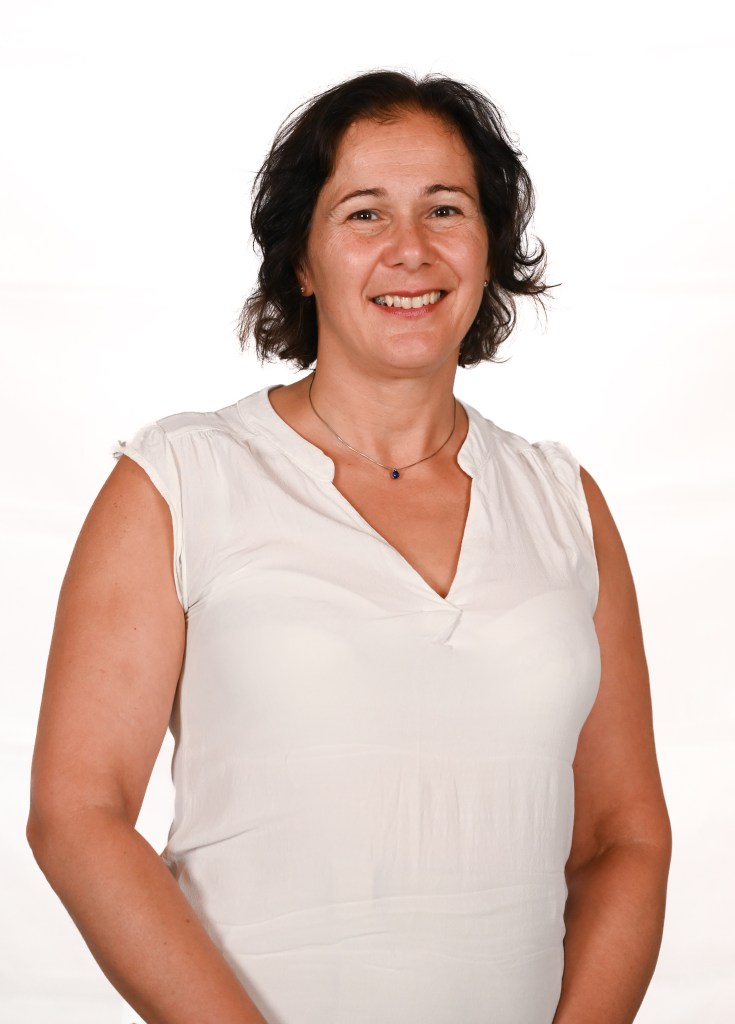
(image of Prof Gergel, Bipolar UK)

The NCISH report also revealed broader systemic failures contributing to preventable deaths. Alarmingly, patients with bipolar were more likely to:

  • Die within three months of being discharged from inpatient care, highlighting dangerous gaps in post-discharge support​.
  • Miss vital clinical appointments, often due to social isolation or side effects from medication, with 15% identified as non-adherent before their deaths​.
  • Experience extreme distress without access to psychological therapies, with only 12% receiving talking therapies​.

With more than a million people living with bipolar in the UK, the figures from this latest inquiry represent lives lost and has led Bipolar UK to call for urgent action, including implementing:

  1. Specialist bipolar services in every NHS region to ensure timely diagnosis, access to evidence-based treatments and care tailored to the complexities of the condition.
  2. Increased lithium prescribing, in line with NICE guidelines, ensuring every person with bipolar who could benefit from it is given the opportunity.
  3. Enhanced suicide prevention measures, including better follow-up after hospital discharge and targeted support for those who miss appointments or struggle with medication adherence.

Simon Kitchen concluded: “We need all UK health authorities and departments of health across the nation to act now because lives depend on it. The evidence is undeniable, the solutions are clear, and the cost of inaction is catastrophic. Specialist care, Lithium, and targeted suicide prevention measures can and will save lives.

Bipolar suicide is a national emergency, and the upcoming 10-Year Plan is the critical opportunity to turn the tide. Bipolar-specific services are not optional; they are a lifeline.

“The government and NHS must act now, before more lives are lost to preventable tragedy. It is time to get it right.”

(image: Simon Kitchen, CEO, Bipolar UK)

For more information about suicidal thinking and bipolar, visit: Bipolar and suicide prevention

About Bipolar UK   

Bipolar UK is the only national charity dedicated to supporting people affected by bipolar. Bipolar UK provides a range of services, including information and advice, a network of support groups, an eCommunity, workplace training and telephone and email peer support. Bipolar UK also works in partnership with research organisations and campaigns for change to tackle critical issues. For more information, visit www.bipolaruk.org 
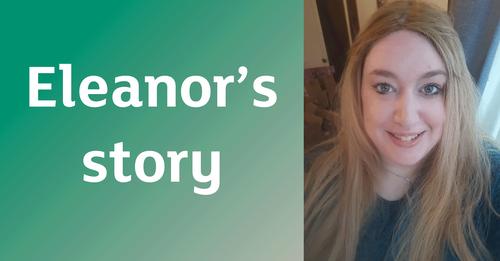
My Interview On Life With Bipolar Disorder by Best For You NHS

(image: Best for You NHS)

The team at Best For You NHS interviewed me about my life journey with bipolar disorder and anxiety. I hope it helps anyone, particularly young people, who are struggling.

You can read the interview that I did with Annabel here. Trigger warning as discusses suicidal thoughts, being in hospital and sexual assault.!

Thank you Annabel and team!

Best for You is a new NHS programme in London to help young people and their families access mental health support We know many can’t access the support they do desperately need and CAMHS services here in the UK are overstretched. I hope that by sharing my story it helps young people feel less alone, but we desperately need more funding into childrens mental health services too!

(Images by Best for You NHS)

Eleanor x

What It Means To Have An NHS Perinatal Psychiatry Planning Meeting.

(image: Oprah Daily)

Yesterday was the first NHS meeting with the Perinatal (pre conception/birth) Psychiatrist. I didn’t know what to expect from it, though a few weeks ago I had the non NHS meeting with a very good consultant psychiatrist. They were both lovely women who are very good at their jobs- I had had to initially try for a private referral due to NHS waiting lists, but then managed to get an NHS appointment.

I was a bit nervous to see how the NHS would handle it, as they will be who I have care with going forward, so I was pleasantly surprised to be treated with respect and insight and kindness. I know that sounds weird, but those of you who know what my hospital admission in 2014 was like, will know that it wasn’t all plain sailing. Due to lack of insight, decisions happened about me and not always with me and so to feel empowered for me and my husband is very important.

Essentially these meetings now I have been well for a long time, are to plan ahead and discuss psychiatric history, what medications are needed, how it can be managed and what this would mean for a foetus and baby too. Birth carries a strong risk of relapse with the bipolar disorder, including the risk of psychosis and depression and so medication particularly for me needs to be planned carefully. I will need to be monitored once pregnant.

I am on 3 different types of psychiatric medication and also a contraceptive pill. Before we start trying to have children, I will need to have a time of withdrawal from the pill, which could send my hormones all over the place (i used to have PMDD symptoms where I felt very depressed and suicidal on periods so this is a slight concern). Then I may need to taper down one of my medicines (possibly sertraline) with the assistance of the mental health team, to reduce the effect on a baby. As baby will have a time of withdrawal from medications after birth while in hospital- which scares me too that they will be affected temporarily so want to make sure any baby is safe, as do the team I will work with.

The Dr also mentioned I would need to be in hospital for 5 days after birth so my Lithium level can be monitored (too high it can be toxic to humans) and I will need regular blood tests also- which are a source of anxiety, I hate hospitals due to past trauma. There was also a mention of needing to stop Lithium pre Labour and my Lithium levels as a result being quite high from birth too. So this information is good, knowledge is power but its also a bit terrifying to factor this all in.

I am scared but its also…. exciting in a weird way. Despite not yet trying to fall pregnant for a number of reasons so far- (which include possible bipolar relapse and changing meds/ time frames and starting a new job role), I have wanted to be a mother my whole life and I have more challenges than most due to the psychiatric and hormonal changes and how the baby would be. I question whether I am doing the right thing too by trying for a natural pregnancy in future and thats really hard. But egg harvesting and surrogacy is not easy either.. and its like going between a rock and a hard place at times with the best thing to do.

The doctors also mentioned I should visit a mother and baby hospital unit during my pregnancy to see what its like and what support is given- as my worries about it being like a severe psychiatric ward are high. Apparently, its a much calmer, supportive and therapeutic environment. I don’t want to be in hospital but these are the types of things one has to factor in with the bipolar being biological with mood changes.

Rob is endlessly supportive – we are embarking on a somewhat unknown journey – but are now armed with way more information from both psychiatrists and are very thankful to live in the UK.

So, this will be the last update from me on this for a while but knowledge truly is power and I know that with the help of our healthcare system- mental health teams and perinatal psychiatry/ obstetrics, my family, medication, self care etc I should be safeguarded and cared for well.

When the time is right, we pray our miracle will manifest.

Thanks for reading,

Eleanor x

PS shout out to my parents, Rob and family for their constant support.

Life is Finite: How to Deal with this and our Mental Health.


(image: thefreshexchange.com)


Humans are probably the only species on the planet that know that life is finite. Practically every other creature that ever existed did so in a state of blissful ignorance. The end of life wasn’t some dark, horrible certainty that needed pushing to the back of the mind. It just didn’t exist psychologically. 

We have no such luxury. As thinking beings, we have to confront this issue, one way or another, and somehow try to make peace with it. It’s not easy. 

Over the years, you can see some of the strategies people used to try to do this. One method was believing in the afterlife and in the soul – somewhere that you’d go once your physical body finally gave up. For many people, this is a core tenet of faith. For others, it is not. The idea that we could somehow pass away into nothingness seems like a tragedy.

Aging is currently a big issue in our society. The number of people over the age of 65 is the highest that it has ever been. And it is going to continue to grow as the population changes. Fewer people are having babies, and more people are living into their seventies, eighties, and nineties. It’s a big difference compared to just a few decades ago. 

In this context, we are all having to learn how to deal with our finite lives. But what’s the best way to do it? 

Get Comfortable With It 

Nobody likes the idea that we’re here for a small amount of time. We have these unlimited imaginations. And yet, we’re confined to these Earthly bodies.

One piece of advice is to try to find ways to become comfortable with the fact that life doesn’t go on forever. It seems taboo to even talk about it, especially when there are people around us approaching the end of their lives. But it is critical that we address the issue internally. Unless we can somehow make peace with it, we’ll never find peace in ourselves. We will always have this gnawing feeling at the back of our minds that the whole show will come to an end. That’s no way to live. 

Talk To Somebody About It

Sometimes, chatting to somebody you trust can help you come to terms with the facts of life. If you don’t have anybody in your life who fits the bill, then there are plenty of helplines available including Samaritans or you could talk to your GP or a therapist/ psychologist if it is beginning to impact on your day to day living and mental wellbeing . 

In many cases, just getting the words out can help tremendously. Speaking your mind to a sympathetic person is a great way to come to terms with reality. 

Prepare For It

The finitude of life can also be scary for another reason – the fact that we aren’t always prepared for the end of it. We can spend weekends worrying about what will happen to our loved ones when we are gone. 

We can’t go on living forever. But we can make financial arrangements to ensure that people who depend on us are taken care of in the future.

Setting up a policy to provide a lump sum to your relatives and dependents is relatively straightforward. And getting free gifts with life insurance is always a bonus. 

Complete Your Goals

Having the discipline to complete your life goals is a real skill and one that relatively few people ever manage to master. Ideally, you don’t want to get to the end of your life only to look back on it and regret that you didn’t live it the way that you wanted. You need to feel like you completed your goals – or at least took control and moved towards them. 

Sometimes taking the plunge and just getting on with things that you’ve left on the back burner is the best way to cope with the fact that life is limited. When you pursue that which is truly important to you, a lot of the worries and concerns disappear. You know that you’re making the best possible use of your time – and you’re grateful for it. 

Appreciate What You Have

Yes, the facts of life can be tough to accept. But it is also worth appreciating the fact that you’re here in the first place – a very unlikely event when you consider all the people who could have been born throughout history. That’s some consolation when you think about it. There is always goodness and hope in life- make the most of it.

This article was written by a freelance writer.

The Flowers that bloom in Adversity: by Eleanor

mulan1

(image: Roxi Roxas Art)

I have wanted to write this post for several weeks, but so much has been going on personally and I have been really emotionally drained (and launching my new business too). Let start at the beginning.

At the end of May, my mother in law (who is carer for my father in law with terminal brain cancer) was taken very unwell. She was rushed to hospital with stroke like symptoms and put into an induced coma on a ventilator as her lungs were collapsing. We were super scared it was Covid as she was shielding anyway and it came completely out the blue, on the day of her 60th birthday after we had celebrated.

She is the main carer for my father in law and so my husband Rob had to move in to their house to care for his Dad and support his brother. (cue frantic phone calls to the doctors surgery, hospitals, Macmillan nurses and Jewish Care, all done by my incredible husband).

Thankfully, my MIL came off the ventilator to breathe unaided and she tested negative for Covid 19. We think she caught a severe bacterial infection and she then got pneumonia in her lungs. She was in hospital for 4 weeks and discharged 2 weeks ago and is making amazing progress with her physio team and her speech. She is still frail but she is recovering slowly.

This blog post I don’t want to make about my in laws because they are private people. Dealing with all these scary changes has been tough on my mental health (and everyones).

We are slowly slowly coming out the other side, although we know my FIL will worsen in time due to the nature of his illness.

So what flowers are blooming during this adversity?

-On Saturday will be our first wedding anniversary and we will spend it together. Its been a rollercoaster year but I am so thankful to have Rob by my side!

-I am loving my new Body Shop at Home business and my team and incredible managers. It really has been keeping me sane throughout this time of family lockdown and I can’t thank Sarah Cardwell enough for introducing me to the business. The products are so good for self care and healing too, which has been so needed and I have made lots of new friends. It keeps my mind stimulated and earns me income too- I am so grateful.

-Yesterday, Robs kind family member went over so we could spend some proper quality time together (thank you). We went for a walk in our favourite little village near by where there are cottages and flowers and village green and pond- I took lots of pictures of my dream cottages and gardens. Then, we got vanilla chocolate milkshakes (first time in a café post lockdown) and visited family. It was so special just to have US time, so rare in this current time for our family.

-This blog is continuing to grow and turning into a side business and for that I am ever grateful. I am also loving sharing peoples personal stories and hope it is a useful resource.

-Our guineapigs Midnight and Nutmeg are a source of joy and give great cuddles.

-Friends and familys kindness and messages help so much. I havnt had a therapy session in a while but will do.

I am feeling positive but there will be rough days ahead in the coming months. Today though, I am enjoying slightly more calm and peace again before the potential storm, and watching the flowers that are blooming in adversity.  


The Road to Recovery: On PTSD, Trauma and the Future… by Eleanor for Mental Health Awareness Week

Trigger Warning: sexual assault, details of assault and severe mental illness

Hi everyone,

Its been a while but I thought I would put type to keyboard and write a blog for more mental health awareness.

Since my book was published, I haven’t written many follow up personal blogs, purely because the launch of my life story into the public domain felt overwhelming and scary. 6 months on, I am used to it being out there but I have been working hard in EMDR trauma therapy to help myself.

See, the truth is that right now the Bipolar Disorder for me is stable and under control on my medicines. I still get side effects- weight gain, dry mouth and thirst, but my mind is generally healthy in terms of the Bipolar- no mania or depression. Anxiety and panic yes but Bipolar, not really at the moment.

Yet, almost lurking unseen after I left hospital in 2014 and began my recovery was the fact I was traumatised by my experiences of going into psychosis (losing touch with reality via delusions, false beliefs) and my experiences when being sectioned. I will just give an overview as the rest is in my book- but this included- being restrained, being attacked by other patients and seeing them self harm, being injected with Haloperidol (an anti psychotic) in front of both male and female nurses in a part of the body I didn’t want, being chased round A and E by security men in genuine fear of my life, dealing with lawyers and going to tribunals while ill, thinking I had been abused by family and was locked up by a criminal gang and fearing my family were against me. My bipolar mind could not cope.

Just before this all happened, I was very vulnerable and was sexually assaulted by a man I knew through friends and all of this trauma stayed with me.

I did what most of us with severe mental illness and assault survivors do- I tried to rebuild my life. I tried to work in schools helping children with special educational needs. I tried to work for a mental health charity as a peer support worker for people like me. I began to blog and write and share as therapy- from charities to national newspapers. Bit by bit, as I wrote out what I has been through, I started to slowly heal. But, the symptoms of the extreme panic remained. I lost jobs because of it. I became depressed. I started dating but I often had to cancel dates- (before I met Rob, my husband who listened to me talk about it all and didn’t bat too much of an eyelid.)

I was in a state of flux, a state of transition. I knew I had trauma still living in my brain and body. I had been physically and sexually assaulted, I had been mentally violated- I had been sectioned twice in a few months and now I was sent home to try and rebuild my life as a 25 year old single woman.

I share this important blog, not to share that I am a victim- because I am not. I want to share that I believe for about 5 years, I have been suffering with some of the symptoms of Post Traumatic Stress Disorder (PTSD). My therapist believes the same.

The panic attacks that grip me with fear before work or the day ahead when I have to leave the house. The fear of going out or travelling at night alone. The fear of being taken advantage of and having to trust men again (thank you to my husband for helping ease this pain). The fear of exploitation, of losing my mind, of not trusting mental health professionals any more.

My panic attacks get triggered by certain events- it could be having to speak about my life or book, or seeing people I don’t feel comfortable with, of feeling exposed, of worrying about others judgement. I am still healing from all I have been through and experienced. The PTSD means that I have to take medication (Propranolol) to function sometimes. It means that I experience flashbacks in my body- I feel gripped with fear, I get chest pain and shallow breathing and I start to cry. I had one the other day at 4am….. thank the lord for meds so I could calm down and sleep.

My therapist is incredible and we have been working since October to process the roots of my trauma and panic disorder. We use a combination of rapid eye processing with talking therapy which helps to tackle each and every trauma- and we are still at the tip of the iceberg. It takes time to process the deep rooted experiences in my brain- we are getting there slowly.

For me, in many ways my future is uncertain. My medicines have long term physical side effects. Motherhood will be more of a challenge due to medication and my mental health- I am still processing the choices I will have to make, which I will write in another blog.

I want to end this blog by saying- if you know someone with anxiety, PTSD, another anxiety disorder or something like bipolar or schizophrenia- Be Kind. You never know what someone has gone through.

The NHS waiting lists for help are too long, services are too underfunded- all my treatment has been private provided by my family due to being stuck on a list for years. I am lucky, not everyone is. 

I hope this blog gives some information about my experiences of PTSD since leaving hospital 6 years ago. It is by far the most personal thing I have posted since publishing my book but I hope it helps you feel less alone.

Positivity and Hope are key.  Meeting my husband and my therapist changed my life for the better as I slowly rebuild and find an equilibrium again.

Love,

Eleanor x

The UK went into Lockdown and I went into Meltdown: Guest blog by Nicole

quotesblog

(image: Nicole_no_filter)

The UK went into lockdown and I went into meltdown.

When I heard the announcement on the news, I was on my Mum’s sofa and I immediately felt the usual sick way that I do when I get anxious. I needed to get out of the house, so I quickly escaped on a walk with my dog. My thoughts were far from pleasant and I silently cried while I slowly paced around my local area. This marked the start of a tough couple of weeks.

I fell into the behaviours that you would probably expect from a person with anxieties, I was obsessed with updates on the lockdown, it became my most frequently searched term on Google! My skin condition, urticaria, flared up which happens when I experience stress. My sleeping got worse than usual and I was easily irritated by silly things. Most of all, I fixated on the negatives of my situation, such as the impact living alone would have on me.

I’m not going to pretend that I had an epiphany on day fifteen and I’m now thriving in my new life of one daily walk and it being a glam day if I put on jeans!

However, I’ve now established a flexible routine and I’ve settled into working from home.

I check the news once a day and I appreciate that I am lucky to be healthy and still have my job. However, I don’t give myself a hard time when I have a bad day and I don’t pay attention to unhelpful comments online, criticising people for struggling as there are others with more serious struggles. Of course, this is true, but I heard recently that, ‘you wouldn’t tell someone not to be happy, because there is someone happier’ and that has stuck with me ever since.

The most positive outcome of this situation for me, is that I am in touch with my thoughts, emotions and my behaviour, more than ever.

Some things that have helped me are:

  • Reawakening my passion for writing: As a Careers Coach, I regularly create resources and assist others with writing about themselves. However, it had been so long since I wrote for pleasure. I now record my thoughts in a journal, you are currently reading my second blog post and I rediscovered my love for writing poems. Writing has felt a bit like offloading to my best friend; I get out my thoughts and I then feel better. 


  • Walking: I think it’s amazing that so many people are focusing on their fitness, but I was previously anxious about my weight, so I don’t put pressure on myself to follow a rigid exercise routine. Pre-lockdown, when I had a crap day, I benefitted from getting out of the house and being around others; walking isn’t a substitute for this, but it helps me to get rid of negative energy by doing something active. 


  • Keeping my space tidy: This won’t work for everyone but a clear space, means a clearer mind for me. I also find cleaning quite therapeutic as it helps me to focus on the task in hand and not overthink. 


  • Paying it forward: I have been trying to spread some positivity remotely, for example, I suggested to my colleagues that we each send a card to another person in the team with a positive message. I also started an Instagram account to raise awareness of mental health and share experiences and strategies with others. As a people person, helping and connecting with others always lifts my mood. 
  • Revisiting coping mechanisms for anxiety: I have done a lot of research into cognitive behaviour therapy techniques over the last few years, as some of the principles are useful for my job in supporting young people. I have also personally been through this type of therapy; this helps me to reframe negative thoughts and therefore gain better control of my feelings and actions. 

I’d be lying if I didn’t say that I still regularly think that I can’t wait for this to be over! I miss the little things in my life, but the lockdown has caused me to have a deeper appreciation for all the good aspects of it.

I have also realised that the little things ARE the BIG things. Being forced into this situation that I have no control over, has helped me to put less focus on other things that I can’t control.

I was previously anxious about being single as I am about to approach my 30th birthday, but I have gained a more positive perspective on this. I may not be able to control what happens TO me, but I can control what is IN me, which are my thoughts and how they make me feel and react.

Nicole is a careers coach and freelance writer in the UK and is on Instagram @nicole_no_filter

Mental Health Blog Awards 2020- Vote for Us! : by Eleanor

mhblogawards1

(image: Mental Health Blog Awards)

Hi friends,

Voting is now open (first round) for the Mental Health Blog Awards 2020 and we have been nominated in the Blogger of the Year Category.

We would love you to vote for us, to recognise all of our hard work- including that of our guest bloggers, in battling mental health stigma.

I started the blog 4 years ago and it is an honour to be nominated.

You can vote for us- listed as Eleanor at Be Your Own Light here and please also vote for others in other categories if you are aware of their work! There are some incredible people nominated.

From Mike Douglas, founder of the awards:

“I am delighted to welcome you to the Mental Health Blog Awards. 

I look forward to continuing to celebrate the amazing work, effort, energy, emotion and so much more you all put into raising awareness, supporting, signposting, explaining and comforting in 2020.”

mhblogawards2

(image: Mental Health Blog Awards)

First round voting closes on 1st May and you can vote here: https://s.surveyplanet.com/bG5vzH_q


With love and thanks,

Eleanor 

x

5 Ways you can reduce Anxiety in Every Day Life: Guest blog by Samantha Higgins

theway2

(image: Picuki.com)

Reducing anxiety at the moment in our every day lives is so important.

Having anxiety is something that many people have challenges with. It is estimated that about 1 in 5 adults have an anxiety disorder and that more than that will experience an anxiety disorder at some point in their life.

The symptoms of anxiety include feeling restless or on edge, being easily irritated, difficulty controlling feelings of worry and having difficulty sleeping, amongst others. 

If you feel that you may be experiencing symptoms of anxiety, there are many things you can do to help reduce and manage those feelings. 


1. Look at Lifestyle Choices

A number of different lifestyle behaviours could contribute to your anxiety. Drinking alcohol, taking drugs, eating junk food will all play a big role in how you feel. For example, excessive drinking or the use of drugs can cause a multitude of health problems including liver and kidney damage. It also causes mental illness such as drug and alcohol addictions. You may need further support from a psychiatrist or rehab unit if you are struggling with addiction or mental illness.

On the opposite side, exercising regularly and eating healthy foods are proven to boost your mood, increase the chemicals in your brain that make you feel happy and improve your overall physical health. 

If you want to manage anxiety, consider looking at your current lifestyle choices and if there is anything you have the power to change. Be honest in your assessment but know you have options for assistance.  Making a big lifestyle change is hard but if there is something you know is causing your mental health and anxiety to worsen, it is a good idea to remove that from your life if possible. 


2. Talk to Your Family and Friends

Even if you think your family and friends would not understand, you might end up getting some of your most valuable support from them. You should not ever feel you have to hide any of your mental health concerns from them, unless you know that they would react badly.

Try to avoid shutting people out, being secretive about your mental illness or becoming defensive when people ask. 

True friends will listen and care. There is still a stigma to mental illness but it is important to find someone you trust.


 3. Set Boundaries

If necessary you can set boundaries for yourself. This could mean letting people know there are certain activities you don’t participate in. It could also mean a limit on how much time you spend with friends and family, in order to practise self care and recuperate. 

Many people who struggle with anxiety disorders find that setting up a schedule for themselves that they are consistent in keeping can greatly reduce feelings of anxiety. It helps them to feel more in control and gives them a structure that feels secure.

Setting boundaries is a way for you to have control over your situation and environment, although these should not be too rigid. There are certain things that can’t be controlled that can increase anxiety. 


4. Let Go of Things You Can’t Control

If something is out of your control that is causing your anxiety there are ways that you can cope with these feelings.  One suggestion is to write down how you are feeling to help let those emotions go. The BACP tells us that, “It can help to express this anxiety in a way that you can control. That could be writing down what you feel, or keeping a journal.”

You can also try making a list of things you are grateful for, or use breathing and relaxation techniques. 

If you are still struggling to cope with things out of your control seek help from a professional. 


5. Get Professional Help

You could turn to all types of mental health professionals to get help, including GPs (physicians), psychiatrists, psychologists, counsellors and therapists. You may be referred for talking therapies, cognitive behavioural therapy, mindfulness or EMDR therapy for trauma.  They may also recommend medication for you too.

In the UK, you would go via your NHS GP who can refer you on to see a psychiatrist or to IAPT for counselling.  Also check out the Counselling Directory website.

When searching for a good therapist in the USA, Karen Whitehead, who does counseling in Alpharetta, GA tells us that, “Psychologists (PsyD), Licensed Social Workers (LMSW/LCSW), Licensed Professional Counsellors (LPC), and Licensed Marriage and Family Therapists (LMFT) can all evaluate and treat mental illness, provide talk therapy, support and feedback, and teach coping strategies such as mindfulness.”

Your counsellor will be able to help you better assess your situation and get to the core of your anxieties. Even if you already know why you get anxious, you can benefit from learning coping skills.

Your counsellor can indeed equip you with tools adapted for your specific needs. You will have feedback on what is and what is not working. You can learn to live with, manage and in many cases, recover from anxiety.


You Are Not Alone

Do not ever think you are alone when it comes to your anxiety. Try not to beat yourself up if setbacks occur or you have a bad day.

Talk with your therapist about ways that you can help to further reduce your anxiety. They will be able to help you.


This blog was written by freelance writer Samantha Higgins.

We will beat this, It will get better: Guest blog by Jenny Nguyen

distance1

(image: Mercury News, Daphne Sashin -USA)

We are currently living in strange times, where the majority of people are practicing “Social Distancing”. This has become the norm for most people for a couple of weeks or months. Its only a few months of the first year of the new decade, and no one expected coronavirus to have such an impact of everyday life.

Many people out there are worried and anxious about what is happening, you are not alone. We are all in this together and we can beat this virus. My blog is all about me and my anxiety and how I been coping during these difficult times.

Let me start by saying that even before coronavirus, I have suffered from anxiety for most of my life. I am always constantly worried and stressed about what the future holds. It is the uncertainty that makes me so nervous. Sometimes I just want to stay in bed and not talk to anyone. 

It was when something in my life happened, I decided to take matters into my own hands in order to help deal with my anxiety. I decide to self-refer myself and attend CBT classes provided by the NHS. My counsellor has been so helpful in helping me to put things in perspective.  I learnt different ways to help me deal with the anxiety. During the week, I still continue with my CBT lessons, but it is done by telephone.

I really appreciate the work the NHS does. They work so hard to try and help people struggling through hard times and saves people’s lives. 

When I first heard about the coronavirus, it was okay but then when we started to get cases in UK, my anxiety levels started to kick in. I realised that I suffer from health anxiety too, where I would often check online the symptoms and some days, I convince myself that I have coronavirus.

Social media and the news are reporting about coronavirus and this made me more anxious about what the future holds and if I will be able to survive through this time. It started to get really bad after a few days, as cases in the UK kept increasing and we had deaths in the UK. 

Things started to get bad with my mental health as I started to develop symptoms of the virus. One Saturday evening, I started to develop a high fever and started panicking. I had so many thoughts running through my head and ended up calling NHS 111. All they said was ‘it’s a cold’. During that time, I was so scared and my anxiety levels was so high. That evening I found it hard to sleep but I drank a lot of water. The next day I was okay, but decided not to go in to work. It was the right decision to make. 

At work, the decision was made that everyone would work from home until further notice. During the first few days of working at home, it was good because it was great to have freedom of what I wanted to do at home, as we won’t have this much free time again. As time went on, I could feel my anxiety levels increasing and my mind kept wandering to the worst things that could happen to me and my family.

We are in tough times and it is affecting everyone mental health, even if you don’t admit it but this is the time we can work on ourselves and pick up a hobby we enjoy. I suffer from loneliness and I often need others to support me. This is the time you can reconnect with past friends. I recommend reaching out to an old friend and talking to them.

We all go through the same things and know that this bad situation will end very soon. We don’t know when, but we will beat it together.

In order to help with my anxiety levels in this situation, I focus on myself and try to find ways I can help others in this situation. I want to help others who are suffering and find ways to inspire them, that everything will be okay. Having fresh air when you are on lockdown is very important. I have a garden and once in a while I go out for a walk.

We need to protect our mental health. It is okay to be struggling. It’s okay to lose your footing and scramble to stay upright. It’s okay to be screaming on the inside or outside. It’s okay to be scared or anxious or depressed. You are not alone and people are here to support you.

We will get through this together and use this time to do something you always wanted to do. We will beat this! It will get better!


This blog was written by freelance writer Jenny Nguyen, in the UK.