Heston Blumenthal OBE: My Life With Bipolar BBC Documentary Review by Eleanor

(image: Melanie Blumenthal)

Last week, acclaimed chef, restauranteur and mental health advocate, Heston Blumenthal OBE starred in the BBC documentary ‘Heston: My Life with Bipolar’ which explored his fairly recent bipolar disorder diagnosis. Heston subsequently became an ambassador for national charity Bipolar UK, and has been actively supporting the charity’s mission to help reduce the average 9.5 year delay to diagnosis and end the stigma surrounding the condition.

In 2023, Heston began experiencing both depressive and manic episodes, hearing voices and seeing hallucinations, as well as depression with suicidal thoughts. Mania can also cause you to have intense creativity, speak faster and not listen to others as well as causing delusions and psychosis. Heston’s wife Melanie could see that his health was deteriorating rapidly and that he was a danger to himself. Despite the trauma of sectioning and hospitalisation, this set Heston on the path of not only a bipolar diagnosis, but medicine, therapy and ongoing treatment to help him live a healthy and happy life again.

Heston said to Bipolar UK, “I was living with undiagnosed bipolar for many years, so it’s been an extraordinary journey to get where I am today, and I’m delighted to have had the opportunity to talk to others living with the condition and find out more about their experiences.

“There is still a lot of stigma regarding bipolar, and mental health support is still lacking, but it is vital to be able to talk openly about the condition. I know this isn’t always easy, but I hope by sharing my experience, people will gain a greater understanding of bipolar and an insight into how I’m managing it.”

The documentary was extremely powerful to watch and sad in places, but inspiring. As someone who faced a similar situation to Heston in terms of a manic episode with psychosis/delusions that led to being sedated, sectioned by psychiatrists and hospitalised, my heart went out to him as I know how traumatising this can be. I found the needle being shown as a reenactment for sedation quite challenging to watch! However, the documentary was more than just showing what happened to Heston, who didn’t know he had bipolar til 2023, when he was in his 50s.

I found the discussion that Heston had with his son Jack, about how he was during a manic episode to be really enlightening. A lot of children of parents with bipolar find it challenging when their parents personality is almost hijacked by the episodes. Mania can lead to quickened speech, manic and grandiose ideas, lack of sleep and risky behaviour. You could see how much love Heston and Jack had for each other and how special is family is to support him through this and appear on camera. This includes his wife Melanie, who has been Heston’s rock!

The documentary ended with Heston visiting the mother of Rebecca McLellan, a young woman with bipolar who died by suicide due to neglect from mental health services. Rebecca had raised the alarm with the crisis team at her local hospital various times but was not treated with respect and dignity. The pressure of her illness and lack of support led her to take her own life.

Heston wants to highlight the suicide risk that bipolar brings and how much more mental health support is needed from the government. He is now working as an ambassador with Bipolar UK to raise awareness. Bipolar UK is on a mission to ensure people with bipolar get a quicker diagnosis so they can access effective treatment, support, and self-management, enabling them to live well and fulfil their potential.

Simon Kitchen, Bipolar UK CEO, added: “Heston is such an incredible ambassador for everyone in the UK living with, or affected by, bipolar. We could not be prouder to be working with him. His willingness to be so vulnerable on camera and to share such personal details about his experiences has resonated with many people in our community – and will help people who don’t know much about bipolar to begin to understand this complex and much-misunderstood condition. Heston is living proof that despite the sometimes severe and fluctuating nature of the condition, living with bipolar should not be a barrier to following your ambitions”

As one of the million people in the UK living with bipolar, I know how much more funding is needed in the NHS and a new bipolar pathway with more mental health support needs to be set up. Early prevention and support is key to stop bipolar escalating into suicide or mania.

Although it was a very personal watch for me, due to having been diagnosed with bipolar since aged 16 and my Dad having bipolar too, I thought that Heston’s documentary was so inspiring. He has only been living with the condition for two years and is using his platform for the good. Heston is now on Lithium medication to stabilise his moods as well as an anti psychotic medication.

Bipolar UK say that according to the stats, someone with bipolar takes their own life every day. Hopefully Heston’s documentary will act as a reminder and catalyst to our government to begin change. Thank you Heston and Melanie for being vulnerable and sharing your important story.

(image: Bipolar UK)

Heston: Life with Bipolar is out now on BBC Iplayer.
Doctor’s Insights: Navigating Life With Bipolar Disorder By Dr Antti Rintanen MD Of The Internet Doctor

(image: Emily Underworld: Unsplash)

Living with bipolar disorder can often feel like your emotions are swinging between two extremes. The highs (mania) can be energising but risky, and the lows (depression) can be draining and isolating. As a doctor, I’ve worked with many patients who face this condition—and I’ve seen firsthand how the right tools, treatments, and habits can lead to a more stable and fulfilling life.

What Is Bipolar Disorder?

Bipolar disorder is a mental health condition marked by episodes of depression and mania or hypomania. These mood shifts can affect how a person thinks, feels, and acts. It’s more than just having a bad day or being in a good mood—it can seriously impact relationships, work, and daily functioning.

According to the World Health Organisation, bipolar disorder is one of the top causes of disability for people between 15 and 44 years old.

Medications: The Backbone of Treatment

Most people with bipolar disorder need medication to help manage their symptoms. Lithium, for example, has been used for decades and is one of the most reliable treatments to prevent manic episodes and reduce the risk of suicide. Other options include other mood stabilisers and certain antipsychotic medications.

It’s really important to stick with your medication plan. Stopping suddenly—even if you feel better—can cause serious setbacks. Never adjust or stop medications without medical supervision—even if you’re feeling better, as this significantly increases the risk of relapse, especially into mania. If you have side effects, don’t stop on your own—talk to your doctor about switching or adjusting your dose.

How Therapy Helps

Therapy can help you understand your thoughts, manage emotions, and build better habits. One helpful option is Cognitive Behavioural Therapy (CBT). It teaches people to recognise unhelpful thought patterns and replace them with healthier ones. CBT is especially useful for managing depression and maintaining stability between episodes, though it is less effective during manic phases.

Another type of therapy, called Interpersonal and Social Rhythm Therapy (IPSRT), focuses on keeping your daily schedule steady—especially your sleep and social routines. Why does this matter? Because disruptions to your daily rhythm can trigger mood episodes.

Family-focused therapy also makes a big difference. When your loved ones understand your condition and know how to respond, you’re more likely to stay on track. If you face trauma around your condition, then EMDR therapy can also help with any PTSD or anxiety symptoms.

These therapies don’t replace medication, but they add valuable tools for coping, improving communication, and building resilience.

Everyday Habits That Make a Difference

Beyond medication and therapy, lifestyle habits have a huge effect on mood. Here are a few evidence-based strategies:

  • Stick to a regular sleep schedule. Going to bed and waking up at the same time helps stabilize your mood.

  • Get moving. Exercise—even walking—has been shown to lift mood and reduce stress.

  • Eat well. Omega-3 fats (like those found in fish or flaxseed) may support brain health. While the evidence is mixed, some studies suggest they could help support mood as part of a healthy diet.

  • Manage stress. Mindfulness, breathing exercises, or journaling can help you stay grounded.

  • Avoid alcohol and drugs. These can interfere with treatment and trigger episodes.

It’s worth remembering that lifestyle changes work best alongside—not in place of—medication and therapy. These small, daily actions help support long-term stability and overall well-being.

Pay Attention to Early Warning Signs

Everyone’s symptoms are different, but common early signs of mania include less need for sleep, racing thoughts, and impulsive decisions. Signs of depression may include feeling hopeless, withdrawing from others, or sleeping too much.

Keeping a mood diary or using an app can help track how you’re doing. You might also ask a trusted friend or family member to gently point out changes you might not notice.

Build a Strong Support System

Having a support system—whether friends, family, or a support group—makes a real difference. Research shows that people with strong social support tend to manage bipolar disorder better and have fewer hospitalisations.

It also helps when your loved ones are informed and involved. When people understand what you’re going through, it’s easier for them to support you in ways that actually help.

Final Thoughts

Living with bipolar disorder isn’t easy, but it’s manageable. With the right treatment, daily routines, emotional awareness, and a good support network, it’s absolutely possible to live a meaningful and empowered life.

You are more than your diagnosis. And there are tools—backed by science—that can help you thrive.

About the Author

Dr. Antti Rintanen is a licensed physician from Finland and founder of The Internet Doctor, where he shares reliable, accessible health advice. He writes about both physical and mental well-being with a focus on evidence-based care.

7 Important Facts About Depression Medication You Can’t Ignore.

(image: Anthony Tran, Unsplash)

Explore 7 essential facts about depression medication, including types, benefits, side effects, and tips for safe use to support mental health.

Mental health issues like depression are on the rise globally. Medication can be very powerful for many to cope with symptoms, complicated feelings and chemical imbalances. The medication for depression helps even out chemicals in the brain so the symptoms of sadness, low energy, trouble concentrating, etc., lessen, but knowing how these medications work, what they can do for you, and what side effects they may have can make the trip a little easier. This guide covers seven key facts about depression medication to help you or a loved one make informed decisions for a healthier, happier life.

1. Types of Depression Medication and How They Work

Different types of depression medications work differently within the brain. The most common types of antidepressants include SSRIs, SNRIs, and atypical antidepressants. SSRIs are drugs that help increase serotonin, a chemical that affects your mood. Because they have fewer side effects than older medications, these are typically the first choice for treating depression.

SNRIs work similarly but affect two chemicals in the brain rather than one, and this may help some people respond better. Some other choices may have atypical antidepressants or tricyclics that work with different parts of the brain and are considered when other medications haven’t been effective. Everyone’s body and brain chemistry is different, so finding the best medication for you can take time.

2. Depression Medication is Often Part of a Larger Treatment Plan

Medication alone can assist, but it’s often most effective when combined with other forms of treatment. Therapy, such as cognitive behavioral therapy (CBT), helps people understand and manage their thoughts and behaviors. Many doctors suggest combining therapy with medication for better results.

Depression also needs to be managed with lifestyle changes. Many people have seen their moods and energy increase by eating healthy, exercising, and getting the right amount of sleep. A mental health professional can help create a holistic treatment plan so you can address symptoms and acquire skills to overcome day-to-day hurdles.

3. Medication Takes Time to Show Results

The most important thing to know about depression medication is that it doesn’t work overnight. Most medications take about 4 to 6 weeks to have an effect. When someone is ready to be relieved, patience can be hard.

Your doctor may ask you to report any positive or negative changes during this time. Your doctor can use tracking how you feel to make any needed adjustments to the medication. It is also important to take the medication on a consistent basis because missing doses can slow or prevent effectiveness. If the changes feel slow, stick with the treatment, and you can get better, lasting results.

(image: Christina Craft: Unsplash)

4. Possible Side Effects of Depression Medication

Depression medication can be very effective, but it has some side effects. Nausea, fatigue, headaches, and sometimes weight changes are common. The effects of these medications vary from person to person and from medication type to medication type and often diminish over time as the body adjusts.

You must talk to your doctor if side effects are overwhelming or don’t improve. Your doctor may change your dose or have you switch to a different medication. Although most people say that the benefits of medication outweigh the initial discomfort of side effects, monitoring your experience and communicating with your doctor will help ensure a positive one.

5. Stopping Medication Requires a Doctor’s Guidance

It’s not recommended to stop depression medication abruptly, as it can cause withdrawal symptoms, such as dizziness, headaches, and bad mood. Your doctor can instead help you taper off slowly, giving your body time to adjust. The method for doing this is called “tapering,” where the amount of the drug slowly decreases over time to try and avoid withdrawal.

Some people may feel better and think they don’t need their medication anymore. If you are thinking about stopping, talk with your doctor first. They can help you decide when is the right time and lead you through a safe process. Never stop the medication without a doctor’s advice; otherwise, you risk your progress.

6. Medication Can Be Safe for Long-Term Use with Monitoring

For others, depression medication is a short-term tool to use during difficult times. For others, ongoing symptoms require long-term medication. These medications have been used safely by many people for years under a doctor’s guidance. Regular check ins with your healthcare provider will ensure the medication is still working and that any side effects are being watched.

The doctors may also check for blood pressure or weight to ensure no other side effects in the long run. Depression medication can be a safe and influential part of long-term care if it is properly monitored and can help people live healthier and more fulfilling lives.

7. Depression Medication Isn’t a Cure but Can Support Recovery

Medication helps manage symptoms of depression, but it doesn’t ‘cure’ depression. Depression is often a condition that needs to be watched. Medication may help, but they work best combined with other strategies.

Working with a therapist, staying active, and connecting to supportive people are all very important for recovery. A complete, balanced approach will lead to better mental health, which in turn will decrease the chances of a relapse. This is just one part of the puzzle, alongside other medications that can help someone feel stable and work towards a healthier future.

Conclusion

Depression medication can be a helpful tool for managing symptoms and improving one’s daily life, but it’s important to know how the drugs work their magic, as well as their limitations. Knowing these seven key facts will help people make informed decisions and feel more comfortable using medication for their recovery. If medication is needed for a few months or some years, working closely with a medical provider will ensure medication is used safely and appropriately.

If you or a loved one is seeking help for depression and addiction treatment and you are in the USA, contact Virtue Recovery Las Vegas at 725-777-5685 for guidance on treatment options. Our team is here to support you on your journey to wellness.

This blog was written by a freelance writer and contains paid links.

Mind Charity And The Works Reveal The Crafts That Will Aid Your Mental Health This Winter.

(image: Andrey Novik, Unsplash)

With the nights drawing in, The Works have teamed up with the mental health charity, Mind, to raise awareness of the mental health benefits of crafting.  

The winter can be especially difficult for many, with darker, colder days and prolonged periods of rain affecting energy, mood, anxiety and stress levels. Some people may experience Seasonal Affective Disorder, which is a type of depression experienced during different seasons or times of year.

Stephen Buckley, Head of Information at Mind said, 

“We know that crafting can be a powerful way to support mental health and wellbeing. Creative activities like card-making or knitting require focus, which may help us disconnect from daily pressures and find a welcome distraction. Learning a new skill can also bring a sense of accomplishment, which can be especially rewarding as the nights draw in. The repetitive motions of these crafts can feel meditative and calming, making them a helpful tool for managing stress, depression, and anxiety. Different things will work for different people and the main thing is finding a craft you enjoy and which fits into your life.”

Mind and The Works have produced a blog post with some ideas for easing stress and anxiety, boosting concentration, focus and memory.

Lynne Tooms, Chief Commercial Officer at The Works said, “Channelling your emotions into creativity can have a huge impact on us as adults, with various craft types having a big impact on our mood and sense of achievement, as well as providing us with skills and hobbies that can turn into passions to enjoy all year round.”

Crafts suggested include painting, scrapbooking and crocheting, with the full list found below.

https://www.theworks.co.uk/theworks-blog/craft/winter-wellbeing-crafts.html

Top 10 crafts ideas to support wellbeing:

  1. Colouring
  2. Crocheting
  3. Knitting
  4. Painting
  5. Ceramics
  6. Sketching
  7. Scrapbooking
  8. Journalling
  9. Cross Stitch
  10. Flower Pressing

This post was written by a freelance writer on behalf of Mind and The Works.

Seasonal Affective Disorder And How To Improve Your Mental Health by Eleanor

(image: Mira Kemppainen)

Seasonal Affective Disorder (SAD) is a type of depression during particular seasons of the year (most commonly winter and summer). For me personally, I know the cold, dark early nights do not help as I will just want to hibernate! I find that during winter I am much more prone to depression/anxiety and I know others are too.

Mind says that, ‘ if your feelings are interfering with your everyday life, it could be a sign that you have depression. And if they keep coming back at the same time of year, doctors might call this seasonal affective disorder (SAD) or ‘seasonal depression’.

SAD symptoms can include lack of energy, feeling sad and tearful, withdrawing from friends and family, feeling anxious or agitated, sleeping too much or too little and suicidal thoughts.

Luckily there are ways to improve your mental health with SAD:

  1. Talk to someone or a helpline about how you are feeling

This can include Samaritans, Sane line or CALM.

These helplines can listen to you and provide a kind, one to one, listening ear if you are stuggling with depression, low self esteem, feelings of unworthiness or suicidal ideation.

2. Track your symptoms

It might be good to see what times of the month you are feeling worse too and how the weather is. A daily diary can be really helpful to show to your Dr or therapist.

3. Manage Stress

Speak to your therapist or find some mental health support locally if you can. Speak to a trusted loved one and make sure you don’t become too stressed or overwhelmed.

Look at mental health relaxation techniques such as mindfulness and make sure you are not over working and taking time to rest.

4.Walk and exercise

Exercise can help to boost your mood when you have SAD. Maybe a brisk walk or even some dancing around your room to a youtube video, any exercise can boost those endorphins and set you up for a good day.

5. Self Care

Watching a good TV show, having a bubble bath and planning other relaxing activities can really help. Especially on dark, cold and miserable nights. Look after yourself.

6. Speak to your GP

If your depression is worsening and you need medical help, please reach out to your GP or psychiatrist as they may be able to help with further treatment eg anti depressant medication if suitable.

SAD can be really challenging but making sure to take time for yourself, practise self care, talk about it and reach for help can go a big way in easing the depression’s effects this winter.

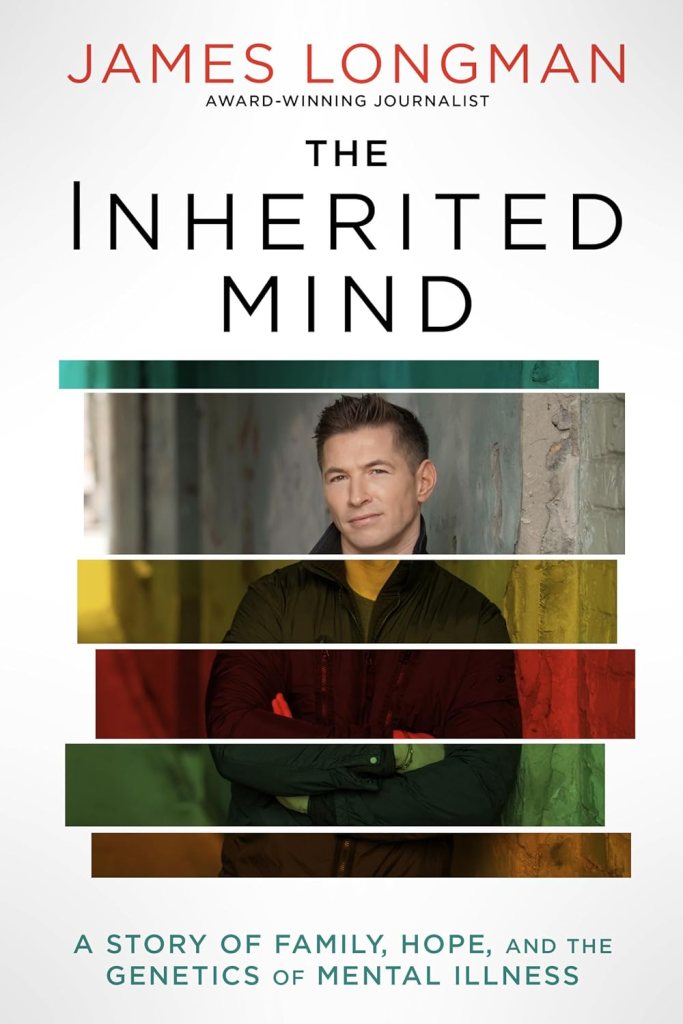
The Inherited Mind: A Story Of Family, Hope And the Genetics Of Mental Illness by Award-Winning Journalist James Longman (featuring our story!)

(image: James Longman/ Hyperion Avenue)

A couple of years ago, an intriguing email landed in my inbox. It was from the award- winning journalist James Longman (of ABC News). He told me he was writing a book investigating his own father’s illness and how much of mental illness is inherited. His father died by suicide when he was just a child and had a diagnosis of schizophrenia and depression, but James did not know a huge amount about this mental health history at the time.

James wanted to delve deeper into the family and genetic side of mental illness. As he got older, James’s own bouts of depression spurred him to examine how his father’s mental health might have affected his own. He engaged with experts to uncover the science behind what is inherited, how much environmental factors can impact genetic traits, and how one can overcome a familial history of mental illness and trauma.

James had seen my own story of family illness with bipolar disorder, as my Dad and other relatives also have the same condition and so he reached out to interview me. With permission from my Dad, I had a wonderful chat over Zoom with James, talking about the links with certain types of mental illness in families and how these types of illness can cause suicidal thoughts and sadly in James’s fathers case, suicide. We also discussed the hopeful journey that can occur if you have access to the right support networks, medications and therapy. Medication in particular has helped to keep us well over the years as bipolar has a definite biological link too.

In The Inherited Mind, James invites readers to reflect on their own stories as he shares his quest to better understand himself and his family. Through speaking to mental health experts, to those who have had similar familial experiences, and about his own life stories, James shows us, with heart and humour, how much our bodies can empower and inform us about our own personal mental health histories.

We are honoured to have our story featured in James’s informative and essential book. Thanks again to him for featuring us as a case study. It will be out in January and you can pre order your copy here

Empowering Homebound Parents Through Mental Health Support Strategies by Lizzie Weakley.

(image: Alexander Dummer)

Being a parent is challenging, but being a parent who is homebound can be incredibly isolating and stressful. With the added pressures of the COVID-19 pandemic, homebound parents have been struggling with their mental health more than ever before. However, it doesn’t have to be this way. There are several mental health support strategies that parents can implement to help them cope with this challenging time and help them continue to provide their children with the love and care that they deserve.

Prioritise Self-Care

Self-care practices such as mindfulness, meditation, and exercise can help homebound parents manage their stress and maintain their mental health. They can schedule regular exercise routines at home, and practice deep breathing and meditation during their downtime. It is essential for homebound parents to set boundaries and take care of their well-being to increase their capacity to address the demands of parenthood.

Seek Professional Help

Homebound parents who are struggling with their mental health should consider seeking the support and guidance of a mental health professional. They can benefit from online therapy sessions, group therapy sessions, or taking medication that might help them feel better. There are also many mental health hotlines and online resources available to parents struggling with their mental health.

Connect with a Support Network

Homebound parents can engage with online support groups where they can share their experiences, offer and receive advice, and connect with other people going through the same thing. It is also a good idea to connect with friends and family members for emotional support. Social connection is vital to maintaining good mental health.

Utilize Home Health Care Services

Home health care services can provide support and assistance for parents who are struggling with their health. These services can include anything from medication management to helping with household chores and providing much needed respite care for parents. Home health care services can also help parents navigate local resources to receive additional support.

Practice Stress-Reducing Activities with Children

Homebound parents can engage their children in various stress-reducing activities such as sensory play, guided meditation, deep breathing exercises, and yoga. These activities can help children learn how to manage their emotions and provide a calming environment for both parents and children.

Being a homebound parent is challenging, but it becomes even more challenging when mental health struggles are involved. Still, it is essential to prioritise self-care and seek professional help when needed. Engage with a support network, consider utilising home health care services, and perform stress-reducing activities with children.

These strategies will significantly empower homebound parents and help them cope with the challenges of parenthood effectively. With the proper support, homebound parents can provide the love and care their children need and deserve.

This article was written by writer Lizzie Weakley.

Clear Examples of How Eating Affects Your Mental Health by Anita Ginsburg.

(image: Jacopo Maia: Unsplash)

When it comes to mental health, many people tend to focus on the usual suspects: stress, anxiety, depression, and medications. However, did you know that your food choices also play a significant role in your mental well-being? Over the years, studies have revealed the powerful connection between what we eat and how we feel emotionally. It’s not just about getting the right nutrients for physical health, but also for mental health. This blog post will explore some of the clear examples of how eating affects your mental health.

Mood Swings

What we eat affects the chemistry of our brain, which can lead to mood swings. Consuming foods high in sugar and simple carbohydrates, such as cakes and candy bars, may give you a quick energy boost, but it can also cause blood sugar spikes and crashes, leading to irritability, anxiety, and depression. Eating a balanced diet with protein, complex carbs, and healthy fats will help stabilise your mood and keep your energy levels consistent; buying from health food stores with less processed foods and organic produce like Southtown Health Foods can help with this goal.

Stress and Anxiety

Eating nutrient-dense foods can play a big role in reducing stress and anxiety. Foods like salmon, walnuts, and chia seeds contain omega-3 fatty acids, which are linked to lower levels of stress hormones. Other foods, such as leafy greens, are rich in magnesium, which can help decrease anxiety. On the other hand, consuming caffeine and sugar can increase feelings of anxiety.

Brain Fog

The foods we eat can also impact our cognitive function. Processed foods and fast food meals that are high in trans fats and sugar can cause inflammation, which affects the brain’s ability to think clearly and process information. It’s important to fuel your brain with nutrient-dense foods, such as whole grains, lean protein, and healthy fats like avocado and nuts.

Depression and Mental Health Disorders

Studies have shown that people who consume a diet high in fruits, vegetables, whole grains, and lean protein have a lower risk of depression and other mental health disorders. These foods are rich in vitamins and minerals that are crucial for proper brain function and emotional well-being. On the other hand, a diet high in processed and fast food can increase the risk of depression and other mental health issues.

Gut Health

The gut-brain connection is a well-known phenomenon, and the gut microbiome plays a vital role in our mental health. Consuming a diet high in fibre, fermented foods like yogurt and kimchi, and prebiotics like garlic and onions can help foster a healthy gut microbiome and improve mental health. On the other hand, consuming a diet high in sugar and processed foods can lead to an imbalance in gut bacteria and inflammation that can negatively impact mental health.

In conclusion, what you put into your body matters for both your physical and mental health. Meal planning and making mindful food choices can go a long way in nourishing your brain and keeping your mood stabilised.

It’s important to note that there is no one-size-fits-all diet that will work for everyone, but incorporating more whole foods into your diet is a good start. Take control of your mental health by paying attention to your diet and making changes as necessary. Your body and mind will thank you for it!

Please note that a healthy diet without any other support is not a ‘cure’- make sure to reach out to professionals if you are in crisis.

This article was written by Anita Ginsburg.

Feeling Low? Here’s What Can Help You Regain Control Of Life.

(image: Pexels: Temo Berishvili)

Each of us is our own worst critic and enemy when it comes to matters of the heart. We judge ourselves more harshly than others and when we set standards for our lives, they can often feel impossible. We listen to our own inner voice more than others and when we are overly critical, we’re actually approaching situations and life all wrong.

Who else do you listen to that tells you you’re bad at things? Probably no one else because no one will criticise you more than you do. When you’re feeling low, it can really help to do all that you can to feel better in yourself. You need to feel like a success!

For example, if you don’t own a business, being accomplished could come from studying hard in something new. If you do own a business, you could feel more accomplished with the help of the create chatbot feature you can add to your website – that accomplishment comes from knowing you’re offering value to customers. Things like this can make you feel fantastic about yourself, which is what you should try to achieve at all times.

So, how else can you feel more accomplished, when you’re feeling low?

Consider where you are in life.

How far have you come in life so far? It doesn’t matter where you are right now, you will have come far in life and you have to think about the journey you’ve undertaken. From a personality and mental point of view – even a physical change – you have changed and grown as a person and it’s so exciting! You need to own that and be proud of yourself for it because you are the best person to feel that pride

Appreciate who you are becoming.

No matter which pathways you’ve taken in life so far, you have to be proud of the person you are becoming. You have done so many things so far and hit so many milestones!. If you’re running your own business, you might consider that this is a massive accomplishment compared to where you imagined you would be right now.

Learn to be comfortable with you.

Not everyone goes through life feeling comfortable about who they are but you are a strong person who has overcome every negative situation in life so far. What’s to stop you doing this again and again? Nothing! You are the person in charge of your life, and you deserve to feel like you are doing something right. By changing the things you’re not proud of, you are going to mature and grow in ways you couldn’t imagine.

Create stability.

In your job, in your home life and in your relationships, you should do all that you can to feel more stable in life. Being in charge of that stability takes some time but it’s something that will make you feel like you’re winning in life and you deserve that. Pace yourself with it and take each day as it comes. Feeling low will not go away overnight. But by creating stability in areas of your life, this will help you.

If you are feeling low and think you may be depressed, please do go and see your GP and /or a therapist. There is no shame in reaching for help.

This article was written by a freelance writer.

10 Steps To Managing Your Anxiety by Anita Ginsburg.

(image: Joice Kelly at Unsplash)

Anxiety is a natural response to stress, but sometimes it can become overwhelming and interfere with your daily life. If you’re struggling with anxiety, you don’t have to go it alone. There are many effective strategies for managing anxiety that psychiatrists and mental health professionals use every day. Here are 10 proven strategies for reducing anxiety and taking control of your thoughts and feelings.

Identify Your Triggers

The first step in managing your anxiety is to identify what triggers it in the first place. Is there a specific situation, person, or event that causes you to feel anxious? By recognizing these triggers, you can begin to take steps to avoid them or find ways of coping when they do arise.

Keep a Stress Journal

Keeping track of your thoughts and feelings can be a great way to gain insight into how your body reacts to certain situations and how best to manage them. Write down any physical sensations, emotions, or triggers that contribute to your anxiety so that you can better understand what’s causing it and how best to deal with it.

Exercise Regularly

Exercise is not only a great way to burn off pent-up energy but also helps release endorphins which act as natural mood boosters. Even just a few minutes of exercise each day can help reduce stress levels and improve overall mental wellbeing.

Practice Relaxation Techniques

Taking time out of each day for relaxation is essential for keeping your stress levels low. Take up yoga, practice deep breathing exercises, or listen to calming music before bed each night—whatever works for you. Finding activities that bring about relaxation will help reduce the intensity of your anxiety over time and lead towards more peaceful days ahead.

Talk To Someone

Talking about the things that are causing you anxiety is often the first step in taking control of it again; whether it be with family members, friends, or even professional psychiatric services, like New Tele Doc, if needed. Having someone else who you trust to talk through issues with can help put problems into perspective and provide clarity on potential solutions going forward—something we often need when dealing with our own anxieties.

Get Enough Sleep

Lack of sleep can exacerbate existing anxieties so make sure you get at least 7-8 hours per night whenever possible; if not more depending on personal circumstances. If insomnia is an issue then try getting outside during daytime hours (weather permitting) as exposure to sunlight helps regulate the body’s natural circadian rhythm which aids in quality sleep later at night.

Eat Well and Drink Water

Eating well balanced meals throughout the day helps keep energy levels high while avoiding unhealthy snacks or sugary drinks which can cause blood sugar spikes/drops leading towards feelings of fatigue/anxiousness respectively. Similarly drinking lots of water helps ensure good hydration levels which makes us feel more alert mentally whilst providing physical benefits too.

Practice Mindful Meditation

Mindful meditation involves focusing on one’s thoughts without judgment in order to allow yourself some time away from any negative self-talk or worrying thoughts; allowing yourself time away from such things has been proven beneficial for those struggling with anxiety issues. It’s important however not to focus solely on this technique as other methods should always be employed alongside mindful meditation too when tackling any difficult issue such as this one.

Avoid Caffeine and Alcohol

Both caffeine and alcohol are known stimulants which if consumed regularly can increase adrenal hormones leading towards heightened states of fear, anxiety, and nervousness. Try replacing coffee/tea based beverages (which contain caffeine) instead with green tea or fruit juices (which don’t!) as these are far healthier options overall particularly when trying to combat any pre-existing anxieties already present within oneself.

Break Negative Thinking Patterns

Lastly breaking negative thinking patterns involves challenging any irrational beliefs we may have about ourselves by looking at evidence objectively. This could involve writing down pros and cons for certain decisions we make before acting upon them so we have an understanding of why certain actions should be taken based upon factual evidence rather than assumptions made from our own potentially skewed perspectives.

Everyone experiences periods of worry from time-to-time but learning how best to manage those worries will increase your confidence in being able handle similar situations better next time they arise. By following the above 10 steps anyone suffering from regular bouts of anxiety will likely find their overall quality of life improving dramatically once proper management techniques become part of their daily routine! Psychiatric services such as therapy sessions/medication may also be necessary depending upon individual circumstances. Seeking medical advice should never be seen as a sign of weakness but rather strength instead because ultimately tackling problems head-on is better than running away from them indefinitely.

Anita Ginsburg is a freelance writer.