On World Bipolar Day I Hope For: The Road to Remission by Eleanor

(image: World Bipolar Day)

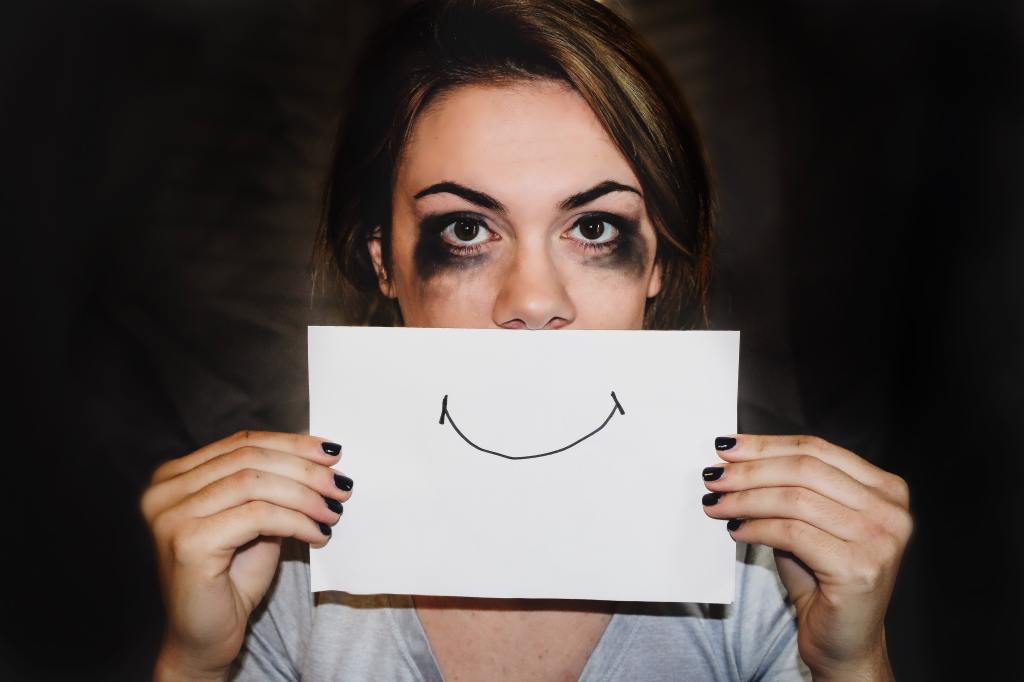
Today is World Bipolar Day and for those of us living with bipolar disorder we know that living with it every day, year round is more accurate. However today is our day to talk about life with mental illness and to try and eradicate the stigma around the illness… ‘crazy lady’ ‘nuts’ ‘drama queen’.

World Bipolar Day is designed to raise awareness worldwide of bipolar conditions and to work to eliminate social stigma whilst providing information to educate and help people understand the condition.

Even though I live in remission/recovery with the illness, I am medicated daily to be this way, and I have undergone years of therapy and learnt coping methods too, with support from family.

Well, before I found medication that stabilises my bipolar highs and lows, life looked very different.

There were times I couldn’t work. I was so depressed I lay in bed in all day, only getting up to eat. I was scared to have a shower and wash my hair.

Life looked bleak. All I wanted was my duvet and oblivion. I had intrusive thoughts about ending my life, I was in a lot of emotional pain and this would last for weeks, sometimes months on end.

Bipolar isn’t just a bit high or a bit low…. its depression and mania, suicidal ideation and psychosis, self harm thoughts, hypersexuality, hyper activity, believing delusions that aren’t real…..SO much. Its episodic but it can ruin your life. Some turn to drugs, alcohol, sex to cope. Some hear voices too.

I have been in hospital twice for fairly long stays. I have been sectioned under the mental health act and held in a hospital unit against my will. I have been injected with sedatives to calm my mind and body when I couldn’t consent. I have met people in hospital who were suicidal, anxious, depressed, high on drugs, in psychosis. I lived on a ward where I heard people being restrained.

So, not much fun really. Luckily this month I am celebrating 9 years of remission out of hospital! I also came out of hospital as a nervous wreck and thankfully, therapy has helped.

(Image: speakingbipolar.com)

This blog is inspired by one of my followers who asked me what was my ‘Aha’ moment in recovery.

As well as finding the medicine Lithium, a salt that controls the mood fluctuations, the biggest thing I did for my own healing was go through therapy for my panic attacks and PTSD like symptoms. This was done with the support of my husband and family and because I has been on an NHS waiting list for 2 years, I needed help. My therapist and I have done EMDR trauma therapy which has helped me to process things.

In fact, I still do get anxiety attacks – just less. I have been in a very good place generally in the past year. Finding support at home, at work and from friends and family has been the most stabilising part.

I have had bipolar since I was 15, I am 34 and can tell you that this has not always been the case and my mental health has and will fluctuate.

I learnt recently that bipolar brains are neurodiverse, meaning our brain chemicals act differently to a neurotypical brain. Always good to understand the biology behind it too as this illness can be inherited and run in families- my Dad and I and other relatives have it.

On World Bipolar Day I hope:

-Employers adhere to the disability act and make reasonable adjustments to help those of us with bipolar to work in a better way for them, including hybrid working.

-People with mental illness aren’t fired because they can’t get to a physical workplace.

-Mental health services need better funding, so that people with bipolar can get a correct diagnosis sooner and get the help they need.

-People not in the Western world will get access to mental health medication and therapies that they desperately need.

Thank you for your ongoing support,

Eleanor

x

Read more about my journey with bipolar in my book Bring me to Light

The Unseen Consequences: How Bad Habits Can Affect Your Health and Wellbeing.

(Image: Maria Orlova for Pexels)

Most of us have bad habits that we’re aware of, whether it’s smoking, excessive drinking, or eating unhealthy foods. We may think that the only consequence of these habits is the occasional guilty feeling or a bit of embarrassment. Still, bad habits have far-reaching and unseen repercussions that can significantly affect our health. In fact, poor habits such as these can lead to various physical and mental health issues, such as depression, insomnia, and heart disease. The good news is that we can make changes to improve our health and overall well-being by understanding the unseen consequences of our bad habits.

Premature Ageing

Premature ageing is one of the most significant and often unseen consequences of bad habits. Smoking, for example, has been linked to premature wrinkles, age spots, and an overall aged appearance. The same applies to excessive drinking and unhealthy eating habits, contributing to poor skin health and general ageing.

Research has shown that bad habits can also contribute to accelerated ageing of the brain. Studies have found that excessive drinking, smoking, and other unhealthy habits can increase the risk of developing dementia and other age-related cognitive issues.

Decreased Mental Health

Bad habits can also have a negative impact on our mental health. Studies have found that smoking, excessive drinking, and unhealthy eating habits can all increase the risk of developing depression and anxiety. Additionally, poor habits can lead to an increased risk of developing insomnia, which can harm our mental health.

Addictions can be hard to break and severely impact your physical and mental health. Moreover, studies have found that bad habits can also increase the risk of developing substance abuse issues. If you feel you are struggling with addictions, there are drug rehab clinics which can help you, with qualified therapists.

Additionally, unhealthy habits can also lead to an increased risk of developing stress and other negative emotions. Studies have found that smokers and excessive drinkers are more likely to experience emotions such as anger and frustration, which can lead to further mental health issues.

Reduced Motivation

Bad habits can also have a negative effect on our motivation levels. People with unhealthy habits often feel lethargic and lack the energy and drive to complete tasks or take on new challenges. This can sometimes be attributed to poor nutrition, as unhealthy foods leave us feeling sluggish and unmotivated. Similarly, those who smoke often feel tired and lack the energy to exercise, which can further decrease motivation levels.

Bad habits can increase the risk of developing chronic conditions like diabetes and heart disease. These conditions can cause fatigue, which can further reduce our motivation levels. Additionally, those who consume excessive amounts of alcohol are more likely to experience difficulty concentrating, which can decrease motivation and mental health.

Lifestyle Changes 

Bad habits can lead to a dependence on these substances which could significantly alter your lifestyle. Just like you can lack motivation, you may also replace things you should do with bad habits, despite knowing it is not good for you. 

If you develop a dependence on alcohol or drugs, you may ignore responsibilities, such as work, spending time with friends, or even parenting, to indulge in your bad habits. While any bad habit can affect your life and be a problem, these instances are where you have arguably hit rock bottom because you care more about the habit than you do anything else. 

In these cases, seeking help through therapy or drug rehab is crucial. It can take time to accept you need help, but taking steps to find this support is the first stage of getting your life back. 

Increased Risk of Health Conditions and Diseases

Finally, bad habits can increase the risk of developing severe health conditions and diseases. Those who smoke are more likely to experience a stroke, lung cancer, heart disease, and an increased risk of developing COPD and other respiratory conditions. Similarly, excessive alcohol consumption can lead to liver cirrhosis, pancreatitis, and an increased risk of certain types of cancer.

Furthermore, those who engage in unhealthy habits are more likely to develop obesity and type 2 diabetes and an increased risk of developing high blood pressure and high cholesterol. These conditions can lead to an increased risk of stroke and heart attack and even reduce our life expectancy.

Conclusion

In conclusion, ‘bad habits’ can have far-reaching and unseen consequences that significantly affect our health and overall wellbeing. However, by understanding the unseen effects of our bad habits, we can make changes to improve our health and wellness for good.

This article was written by a freelance writer. If you need help for addictions or eating disorders, please reach for help from qualified professionals.

Are You Slipping Into Seasonal Depression? Tips to Help By Obehi Iyobhebhe

(image: Sydney Sims: Unsplash).

It’s a day like every other day before, but you can’t find the motivation to follow your typical routine. On average, you’d jump out of bed, drink a hot cup of coffee, and catch up with morning shows and podcasts before hitting the gym or work. But you somehow don’t feel like doing anything today; this happens at a particular time of year.

Seasonal affective disorder (SAD) is depression associated with seasonal changes, e.g., winter, fall (autumn), or summer. People tend to associate seasonal depression with “winter blues,” but it also appears in other seasons, and how to differentiate it from sadness is that SAD occurs in the same season every year for you.

Symptoms of seasonal depression

The symptoms of seasonal depression are divided into three categories:

General symptoms

● Loss of interest in activities you enjoy

● Sluggishness or hyperactivity

● Low moods that last all day, every day

● Insomnia or oversleeping

● Increased carbohydrate craving

● Loss of focus

● Low energy

● Suicidal ideation

Fall and winter SAD

Seasonal depression in the winter typically starts in the fall and lasts until after the winter, and these are the symptoms:

● Oversleeping

● Craving foods high in carbohydrates

● Weight gain

● Tiredness

Spring and summer SAD

Summer depression is more common during spring until summer, and the symptoms include:

● Weight loss

● Insomnia

● Anxiety

● Increased irritability

Are you slipping into seasonal depression?

As somebody who experiences seasonal depression in the winter, I can subjectively say there’s no ultimate method to cure or treat SAD, but there are tips to help you navigate it.

Tip #1: Identify the events that lead up to the seasonal depression

Are you in college and anxious about going home for winter break? Or you’re a mom about to spend her entire summer with extended family and it’s sapping your energy? It’s best to understand what happens when you experience seasonal depression so you understand the major problem and how to tackle it.

Tip #2: Don’t spend time alone

I understand how tempting it is to avoid people when you’re in a low mood, but spending time alone can make you brood over your intrusive thoughts, keeping you in a more depressed state. It’s best to invite your friends over if you don’t have the energy to see them and feel able to have them round. You don’t have to go too far out of the house or your comfort zone as long as you don’t spend too much time isolated.

Tip #3: Say NO to plans that make you feel uncomfortable

When you’re experiencing seasonal depression, you could be inclined to accept invitations just to escape the feeling of sadness, guilt and worthlessness. But you will only feel more drained by going to places you don’t want to be. Look after yourself.

Final tip

The ultimate hack that works for me during seasonal depression is being open about my suicidal ideation. Whether it’s second-hand suicidal or intrusive thoughts, I have a friend I can be vulnerable around, and I tell them everything that goes on in my mind during that period.

“What if they get tired of listening to me complain?”

It’s normal to feel guilty when you constantly complain to one person about your problems – you could feel like a burden and want to step back. But if that trusted friend or family member has never told you to stop talking or coming to them, you should keep going to them. And if that friend ever tells you that they are tired of hearing you complain, it doesn’t mean they hate you – your friends have probably internalised your problems too much and need a step back before continuing to be there for you.

In all, don’t be afraid to talk about how you feel when you experience seasonal depression, and remember, it will pass, so don’t make permanent decisions during that period.

I’m rooting for you and believe you’ll see better mental health days this year and beyond.

Author’s Bio

Obehi Iyobhebhe is a freelance writer in the business and psychology space. She’s passionate about helping people improve their life’s quality by paying attention to their mental health.

Obehi is also interested in helping entrepreneurs hit their business goals by creating blogs and email campaigns to generate leads.

You can find her here: https://ehinotes.medium.com/ and https://www.linkedin.com/in/obehi-iyobhebhe/