With everything going on in the world today, some stories can get missed in the flurry of competing news. However, when I saw a post by the Oli Leigh Trust, a charity in my community dedicated to suicide prevention, that suicide prevention lessons are going to be made compulsory in secondary schools, I was so happy. Department for Education (DfE) announced on Tuesday that lessons discussing suicide prevention would be compulsory in secondary schools from September 2026.
Growing up, when I had my own issues with depression and suicidal ideation as part of my bipolar disorder, mental health was not spoken about openly in schools. We know that sadly, the suicide rate in the UK and worldwide has been rising. A group of Dads, Andy Airey, Mike Palmer and Tim Owen, 3 Dads Walking, who lost their daughters Sophie, Beth and Emily to suicide came together to campaign to Sir Keir Starmer and the UK government. Heres what they told the BBC,
‘Lives will be saved. Our Voices have finally been heard. ‘ He said the trio began campaigning shortly after their first walk to raise awareness in 2021 and admitted it had at times felt “like we were swimming through treacle uphill”, but now their “voices have been heard”.
“We have covered a lot of ground, literally and figuratively, over the last few years, but to come to a point where a significant change is going to happen still feels quite unreal. I’m stunned.”
“We are really proud of what we have achieved.”
Suicide is the biggest killer of under 35’s in the UK. In their first walk, they raised nearly 1 million pounds for Papyrus charity. In their second, they walked to all 4 UK parliaments to ensure every child was taught the skills to cope with suicidal thoughts. They then met with MPs to discuss how suicide prevention could be embedded in the curriculum.
“If this is the biggest killer of our young people, why aren’t we talking about it?”
So today I say thank you and congratulations to Andy Airey, Mike Palmer and Tim Owen- three courageous men spreading light and goodness in memory of their beloved daughters. Suicide prevention is so sadly needed.
The National Confidential Inquiry into Suicide and Safety in Mental Health (NCISH) released its Annual Report for 2025 last week, revealing that over the past decade, nearly 20% more individuals with bipolar disorder are dying by suicide due to shortcomings in the UK’s mental health system.
According to national charity Bipolar UK, the report provides stark evidence that specialist care is lacking, Lithium (an important mood stabiliser medication) is under-prescribed and suicide prevention measures are falling short.
The report highlights that from 2012 to 2022, there were 1,491 suicides by patients with bipolar, with an alarming 19% increase from 2019 to 2022. Despite Lithium being a clinically proven suicide prevention treatment for people with bipolar, only 39% of those who died were prescribed it and just 12% were receiving psychological therapy.
This data echoes the findings and lived experience of Professor Tania Gergel, Head of Research at Bipolar UK, in her recent article in The Lancet Psychiatry where she said: “Globally, 15-20% of people with bipolar disorder die by suicide, with 30-60% making at least one attempt. These rates are not decreasing despite an overall decline in global suicide rates.”
According to the Nuffield Trust, there is set to be a £4.8 billion unfunded shortfall in the NHS England revenue budget for 2024/25, raising the prospect that without further funding, service cuts may be inevitable.
With bipolar increasing an individual’s risk of suicide by 20 times that of the general population, Bipolar UK is urging the government to commit to addressing health waiting lists and to invest money in creating a dedicated care pathway for bipolar to reduce suicide rates.
Simon Kitchen, CEO of Bipolar UK, said: “This report is devastating but not surprising. We’ve been shouting from the rooftops that people with bipolar aren’t getting the care they need and now the data lays it bare.
“Bipolar carries one of the highest suicide risks of any mental illness, yet specialist services are practically non-existent, and Lithium – the gold-standard treatment for suicide prevention – is underused. The time for excuses is over. We need real action, and we need it now.”
The charity has heard from its community of people living with the condition, who are concerned that they are unable to access psychiatrists, have little to no continuity of care and are not being monitored adequately when at high risk. There is also a lack of bipolar specialists in the UK, leading to people not receiving a correct diagnosis or waiting too long to receive one – all of which add to the risk of suicide.
Professor Gergel said: “Neither bipolar disorder nor suicide in people with bipolar disorder are research priorities, resulting in major knowledge gaps in both. This can and must change. The shocking statistics might well underestimate the prevalence of suicide in people with bipolar disorder, given the probability of death by suicide before treatment or accurate diagnosis.”
Adding to that, Simon Kitchen said: “Suicide prevention in bipolar requires a shift in both research priorities and clinical practice. We know lithium saves lives, but it is still under-prescribed. We know specialist care works, but most services are generic and fail to meet the specific needs of people with bipolar. Bipolar suicide is not inevitable, but without urgent action, people will continue to die.”
(image of Prof Gergel, Bipolar UK)
The NCISH report also revealed broader systemic failures contributing to preventable deaths. Alarmingly, patients with bipolar were more likely to:
Die within three months of being discharged from inpatient care, highlighting dangerous gaps in post-discharge support.
Miss vital clinical appointments, often due to social isolation or side effects from medication, with 15% identified as non-adherent before their deaths.
Experience extreme distress without access to psychological therapies, with only 12% receiving talking therapies.
With more than a million people living with bipolar in the UK, the figures from this latest inquiry represent lives lost and has led Bipolar UK to call for urgent action, including implementing:
Specialist bipolar services in every NHS region to ensure timely diagnosis, access to evidence-based treatments and care tailored to the complexities of the condition.
Increased lithium prescribing, in line with NICE guidelines, ensuring every person with bipolar who could benefit from it is given the opportunity.
Enhanced suicide prevention measures, including better follow-up after hospital discharge and targeted support for those who miss appointments or struggle with medication adherence.
Simon Kitchen concluded: “We need all UK health authorities and departments of health across the nation to act now because lives depend on it. The evidence is undeniable, the solutions are clear, and the cost of inaction is catastrophic. Specialist care, Lithium, and targeted suicide prevention measures can and will save lives.
“Bipolar suicide is a national emergency, and the upcoming 10-Year Plan is the critical opportunity to turn the tide. Bipolar-specific services are not optional; they are a lifeline.
“The government and NHS must act now, before more lives are lost to preventable tragedy. It is time to get it right.”
Bipolar UK is the only national charity dedicated to supporting people affected by bipolar. Bipolar UK provides a range of services, including information and advice, a network of support groups, an eCommunity, workplace training and telephone and email peer support. Bipolar UK also works in partnership with research organisations and campaigns for change to tackle critical issues. For more information, visit www.bipolaruk.org
Trigger warning: discussion of self harm/suicide attempts.
I was so excited when I saw my online friend Emily Katy’s brand new book coming out! Emily was one of the first reviewers of my book Bring Me to Light and had taken photos of her reading it with her dog and some horses :). I followed her on social media and saw that she was writing her own memoir on what it was like to live as a teenager with undiagnosed autism and mental ill health. This review is not gifted or sponsored- I just wanted to read Emily’s story.
I want to congratulate Emily and her team as this week it has become a Sunday Times Bestseller which is an incredible feat for any author, especially for their first book!
Emily says,
“Far too many autistic people – women and girls especially – fly under the radar, unseen and unsupported. Many of us reach crisis point and only then (if we are lucky) do we find out that we are autistic. I hope this book can add to the collection of autistic voices demanding change in how autism is understood and recognised”.
I bought this book because I wanted to understand what it was like to live as someone with autism undiagnosed and how that affected Emily’s overall mental health, leading her to be sectioned on a psychiatric unit as her health deteriorated. Although autism is not a mental illness and many see the positives living with a neurodiverse brain, it does impact on mental health, especially when it is undiagnosed by a system not set up to understand it in women.
To the outside world, Emily , who is from the UK like me, looks like a typical girl, with a normal family, living an ordinary life. But inside, Emily does not feel typical, and the older she gets, the more she realises that she is different. As she finally discovers when she is 16, Emily is autistic.
Girl Unmasked is the extraordinary story of how she got there – and how she very nearly didn’t. Still only 21, Emily, writes with startling candour about the years leading up to her diagnosis. How books and imagination became her refuge as she sought to escape the increasing anxiety and unbearable stresses of school life; how her OCD almost destroyed her; how a system which did not understand autism let her down; and how she came so close to the edge that she and her family thought she would never survive. We see how family and friends became her lifeline and how, post-diagnosis, Emily came to understand her authentic self and begin to turn her life around, eventually becoming a mental health nurse with a desire to help others where she herself had once been failed.
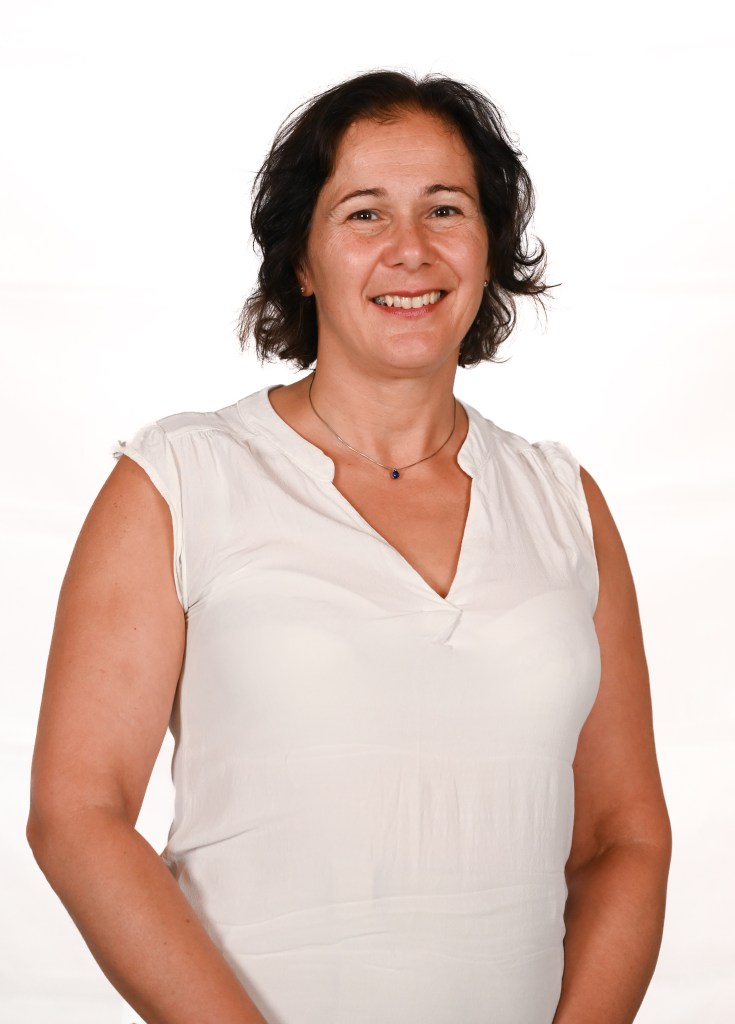
(image: Emily Katy)
Emily bravely navigates how being undiagnosed with her autism led to her struggling with OCD, anxiety, self harm and depression -which led to suicide attempts. Thankfully, once Emily was able to get a proper diagnosis of all her symptoms that felt right for her (autism and OCD), she found herself able to recover from her depression. In the book, Emily also discusses ways to help you if you are self harming or feeling suicidal. She talks about how being on a psychiatric unit was extremely distressing and as someone with autism, she found that things like loud noises, unpredictability, lack of normal routine or a schedule and new people coming, were just some of the things she struggled with. While at the unit, Emily was also misdiagnosed as having a personality disorder, as well as an anxiety disorder.
It is clear from reading this important book, that Emily feels one of the reasons she was misdiagnosed was because she was a girl. Autistic females tend to fly under the radar for longer due to assessment methods being developed for males, masking to try to fit in with others socially and their special interests being more socially accepted. As someone with bipolar, I have often been called ’emotional’ or ‘drama queen’ and Emily mentions these labels were given to her and other women with autism too. I found reading the lists of autism myths and facts really helpful to further my understanding.
What stands out to me in Girl Unmasked is Emily Katy’s courage. Not just in telling her own story of the perils of living with undiagnosed autism and how it impacted her mental health, but the fact that after surviving multiple self harm and suicide attempts and being sectioned on a psychiatric unit, she has now become a mental health nurse at just 21 (and now bestselling author) to help others. Emily has managed to move forward with her life and achieve huge things, despite living with the trauma she has faced and she has amazing friends and family too, who are there to support her.
I loved this book and read it in 2 days. Girl Unmasked is not an easy read – it is a meaningful, powerful real story of someone’s life. Please do read with care as it discusses mental health themes alongside autism. On the front of Emily’s book is a rainbow and to me that symbolises the hope with which she lives her life and is now bringing to others.
Emily Katy, 21, lived as an undiagnosed autistic girl for nearly seventeen years. After completing her degree in 2022, she qualified as a mental health nurse. She has a large, highly engaged following on social media: @ItsEmilyKaty X (formerly Twitter) 68.4k followers, 21k Instagram followers and a blog www.authenticallyemily.uk, where she talks about autism and mental health. Emily is a Trustee of the charity ‘The Autistic Girls Network’
Self-medicating to resolve mental health issues can sometimes leave the door open for substance abuse. A lot of information goes into choosing the right psychiatric medicine, and it is not something you should choose without medical input. To avoid this common problem, here are a few things you should know about self-medication.
The Consequences
Mental and physical health are a top priority for dual diagnosis treatment. Depression, mania, anxiety and irritability are only a few underlying mood changes that someone may experience. On their own, these mental health conditions are already hard to deal with. When those same conditions are combined with possible substance use disorders, it creates a co-occurring disorder. As an example, a person that is suffering from anxiety will try to self-medicate with unprescribed depressant drugs. These downers are sedatives by nature, and can quickly turn into an addiction for someone who becomes dependent on how it makes them feel. These should only be prescribed by doctors and taken with care.
The Truth
When you’reaware of the consequences of self-medication, the treatment steps become much clearer as a goal. Without professional experience, you can’t diagnose the original underlying cause of your condition. Not all symptoms are created equally, and there is no way for a patient to factor in how a specific medication will interact. Psychiatric medications should never be combined with alcohol, which includes things like cough medicines. Self-medication is not good for you and your body or mind should never be the experiment to find out what works.
Risky Behaviour
Mental health stigmas are one of the reasons that people are open to the dangers of self-medication. They feel that society has a judgmental attitude towards mental health prescriptions. With self-medication, these same prescriptions and their variants are purchased after going through multiple illegal hoops.
Besides the legal issues that could arise, there is a good chance that you are not treating the correct condition. Getting medication to treat depression is a terrible idea for someone that is suffering from bipolar disorder. And when you’re suffering from anxiety, the risk of overdose rises. There is no reason to risk themental and physical consequences of self-medicating when there are more appropriate avenues to treat your condition. Please seek help from your psychiatrist or get referred to one.
Reaching A Personal Goal
When your health is in danger, think twice about going the risky route of self-medicating. It’s easy to use clouded judgement as an excuse for not getting better. No matter how you start, a healthy mind will always be positively fuelled by making healthy personal decisions. Sometimes, self medication can turn into addiction, which can wreak havoc on your body and mind. Reach for appropriate medical support to help support your recovery.
Personal hygiene habits are not only important for physical health, but they also play a significant role in maintaining mental health. Poor hygiene can cause distress, social isolation, and low self-esteem. Good personal hygiene practices, on the other hand, not only affect our physical appearance but also have various psychological benefits. In this blog post, we will explore the correlation between personal hygiene habits and mental health and the importance of establishing healthy habits.
Self-Confidence and Self-Esteem
Maintaining good personal hygiene practices, including showering daily, brushing teeth twice a day, and wearing clean clothes, can boost self-confidence and self-esteem. When we look good, we feel good, and this positive feeling can help us conquer our day’s challenges. On the other hand, poor hygiene can affect our self-esteem and lead to the avoidance of social situations, further impacting our mental health.
Stress Reduction
Establishing good personal hygiene habits also has a stress-reducing effect. When we invest in our hygiene and appearance, we feel more in control of our lives, hence reducing stress. Besides, the sweet smell of a well-scented shower gel, for instance, and the soothing feeling of fresh and clean clothes can calm our minds, reducing anxiety and worry.
Social Bonding
Humans are social animals, and maintaining good personal hygiene habits plays a crucial role in social interaction. Poor hygiene, such as bad breath or body odor, can lead to social isolation and affect our mental health negatively. In contrast, when we smell good, look good, and feel clean, we attract positive attention and form stronger social bonds, boosting our mental well-being.
Mental Alertness
Establishing good personal hygiene habits also has a positive impact on our mental alertness. A clean and tidy space can improve our focus, making us more productive and efficient. Practicing good hygiene habits requires discipline and structure, which can help improve our cognitive function and increase our mental stamina.
Positive Self-Talk
Establishing good personal hygiene habits leads to positive self-talk, which improves our mental health. We can’t reinforce a positive self-image when we neglect our hygiene. Good hygiene is a way of showing care and respect for ourselves, and it gives us a reason to celebrate our achievements. Developing positive self-talk is essential for mental resilience and overall mental health.
Where To Start During Depression
Personal hygiene can be a challenge to maintain during a depressive episode. However, you can start by slowly implementing a routine that includes regular bathing, brushing your hair, and putting on clean clothes. When it comes to brushing your teeth, consider dental implants as a long-term solution to improve your oral health if they are needed. i not, carry on looking after yourself, as you matter. Remember to be patient with yourself, seek support from loved ones, and take small steps towards self-care each day. By focusing on your personal hygiene, you can improve your overall well-being and feel more confident in yourself.
To conclude, personal hygiene habits play a vital role in maintaining our physical and mental health. Poor hygiene can cause distress, isolation, and low self-esteem, while good hygiene habits can boost our self-confidence, reduce stress, improve social bonding, increase mental alertness, and promote positive self-talk.
As we go about our daily routine, we must make maintaining good hygiene habits a priority to reap these benefits and maintain our mental well-being.
You’ve probably heard people talk a lot about self-care, but is it something you do for yourself? Self-care has many benefits for your health and wellbeing, but it’s easy to let life get in the way of taking care of yourself.
Self-care covers many basic things to help you stay fit and healthy, but it can also mean putting yourself first and taking a little ‘you’ time to get back on track. If you’ve been a little overwhelmed or run down, then taking some time for self-care could be what you need to bounce back.
Below you’ll find some of the things you can do to practice some self-care and do something great for yourself this week.
Check in on your health
How healthy do you feel right now? If you’re constantly tired, feeling run down or battling cold after cold, it could be a sign that you need to take care of yourself a little better. Forming some new healthy habits, including eating better and getting eight hours of sleep a night, can make a big difference to your health and make you feel more energised during the day.
Could your health do with a little boost? Shake yourself out of some bad habits and take some steps to put your health first.
Do something for yourself
Self-care can be about doing things for yourself, and that could include treating yourself too. Focus on doing things that will have a real benefit – a new hairstyle, for example, can work wonders for your self-esteem and give you a huge boost.
You could also decide to do something that’s been on your mind for a while. Do you have crooked teeth? Why not get some clear aligners and start transforming your smile? This could boost your confidence in a big way and is an investment in yourself worth making.
You may want to look after your emotions and speak to a therapist, journal, do some gentle exercise or speak to a friend.
Whatever you decide to do, make sure it’s something for yourself that will make you happy and give you the lift you need.
Take an evening to relax and rebalance
We all need some time to pamper ourselves, and an evening of self-care could be just what you need. Consider it a mental health day, to help you take care of your mental health and help you find your balance again.
It could be as simple as lighting some candles, having a bath and treating yourself with a face mask – find things that keep you calm and relaxed and will help you shut off from the world for a little while. Make it a regular part of your routine to give you something to aim for as a reward for all of your hard work.
It’s easy to take self-care for granted, but it’s incredibly important to take care of yourself. Take a good look at your current lifestyle and whether there are changes you could make to improve your self-care. Putting yourself first isn’t a bad thing, and doing more of it could be just what you need to feel better inside and out.
Fashion is a powerful force. It has the ability to make people feel confident, empowered, or at its worst horrible about themselves. It can have a positive impact on mental health and self-esteem if you find something pieces that make you feel good about yourselves. On the other hand, fashion can also have a negative impact on self-esteem and mental health if you’re constantly exposed to images and messages that make you feel inferior or unhappy with who you are. Especially with the inward turn of the pandemic, its hard for people to feel happy and confident about themselves.
The Psychology of Fashion
Fashion is a multi-billion-dollar industry and a big part of many people’s daily lives. It’s a subculture that’s easy to invest in. And, like any other trend, fashion comes and goes, so you’re always in control of how much you invest in it. The psychology of fashion reveals the different aspects of how fashion impacts people’s self-esteem. From the way people perceive others based on the way they’re dressed, to how people present themselves to the world by choosing outfits, fashion has a strong psychological effect on everyone.
Body Image
Our bodies are such an important part of life, and it’s normal to have some insecurities about them. Still, as you grow older, many people struggle with body dysmorphia or an unhealthy obsession with one’s appearance. Constant exposure to images of other people’s bodies that are unrealistic and unattainable can be harmful to your self-esteem, especially in young people who are still forming their self-image. This can lead to eating disorders, body dysmorphia, low self esteem and depression and anxiety. Looking at images of gorgeous models wearing clothes you can’t afford or fit in can makes you feel left out or confused. It’s fun to keep up with trends, but try to avoid getting stuck in a rut of hype culture.
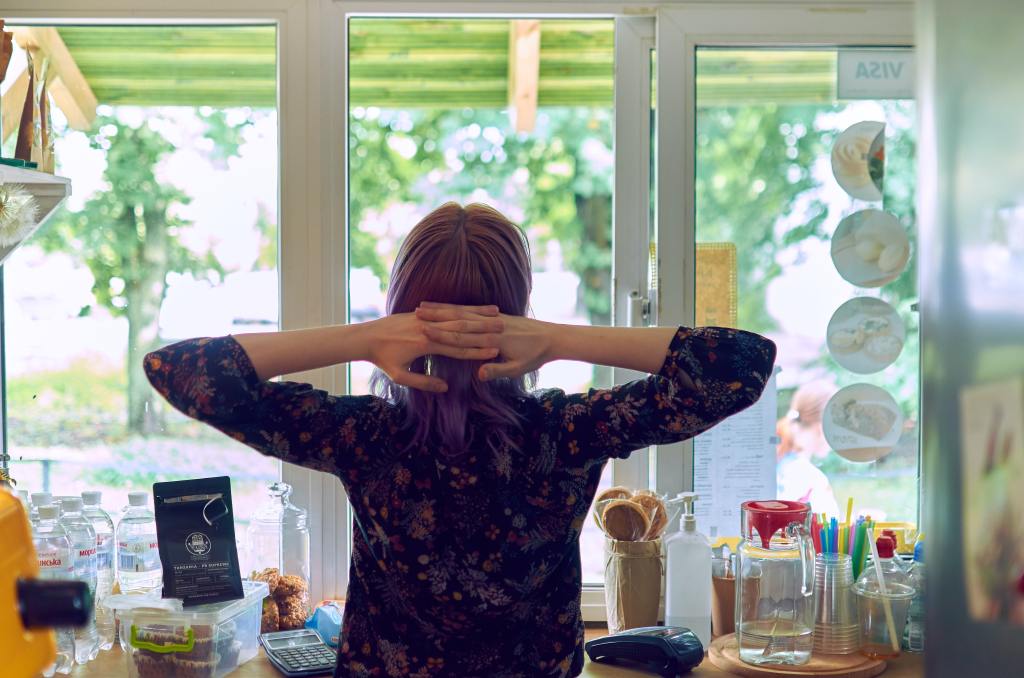
(image: Hannah Morgan at Unsplash)
So what should I do?
You can’t ignore fashion and societal trends- but it’s important to not let fashion (or what is popular to wear) become something that defines who you are. It’s a fun accessory, something you should do for enjoyment, creativity, and confidence. For people who have found themselves struggling with their mental health due to the psychological effects on body image, it’s important to seek help. Talk to your friends and family members, or seek professional help if you need it. There are many ways to find happiness in style- whether you’re into vintage clothing, a specific designer, or a particular style like athleisure. You can read blogs with good recommendations, and wear things that you love, like that pair of perfect trainers or Men’s Off-White Hoodies. There’s something for everyone, and it’s important to have fun with it!
Fashion and societal expectations of how one should look can have a big impact on mental health, so it’s important to be mindful of it. It is also hard to be bombarded with negative messages on body image via social media. The body positive movement has sprung up because of this narrative- showing curvier models and embracing your flaws as beautiful.
There are also many ways to wear your favourite clothes in a way that makes you feel good about yourself, without negatively impacting your mental health. Focus on what makes you feel like the best version of yourself!
This article was written by a freelance writer and contains do follow links.
(image of Eleanors book Bring me to Light: Eleanor Segall/ Trigger and Welbeck publishing)
TRIGGER WARNING- DISCUSSES SUICIDAL IDEATION, SELF HARM AND BIPOLAR DISORDER. PLEASE READ WITH CARE
This weekend, I went home to my mums to celebrate the Jewish festival of Pesach (Passover) and have some quiet, family time. It was wonderful and because our religious laws mean we don’t use the internet, our phone on our festivals, it meant I had time for digital detoxing and switching off. But with that silence, came space. To think and reflect.
Something you may not know about me is that as well as being a writer, throughout the years I have been a prolific diary (journal) writer. The act of putting pen to paper and type to keyboard has always been therapeutic for me in my darkest moments. I found a diary I had written in 2013, when I was living with depression, suicidal ideation and self harm thoughts and actions.
The journal was covered in butterflies- always my symbol of hope. I don’t want to trigger anyone so I will say this carefully- essentially, I was so unwell that for me, my symptoms were: sleeping until the afternoon with a slight break for a meal or tablets, not socialising, finding it hard to wash due to increased anxiety and lethargy, feeling like I didn’t want to wake up the next day and wanting to harm myself in various ways- but being so frightened by these thoughts (because i knew they weren’t really Eleanor) that i had to vocalise them to my family and psychiatrist to keep myself safe. Thats what I did and its why I am still here today, in recovery.
I lived with this depression for about 6 months- my psychiatrist was encouraging me to try Lithium to stablise the bipolar but I wasn’t ready and wanted to see if Quetaipine could halt that. As we know, I became hospitalised for mania soon after in 2014 which led me to recovery and writing my book Bring me to Light.
When you live with an illness like bipolar disorder, you can sometimes forget the nuances of all the details of how you were when you were unwell. For me, I always felt that I handled the depressive episodes ‘better’ than the mania- just because I was able to keep myself as safe as possible by telling my family and doctor and changing medication. My psychiatrist had to come out to see me at home with a nurse as I was so unwell and I wrote out how I felt for him to know.
So many people live with terrible episodes of depression so this blog is just looking back and giving you some knowledge of how it manifested for me. Essentially, depression is a slowing down of the mind towards inactivity, darkness, misery, anxiety, agitation and it is often triggered due to changes in hormones and brain chemistry (if you have a family history its more likely to happen). Depression is not just low mood. Its paralysing. Its not wanting to be in the world and being in so much emotional pain. You may think of ways to harm yourself and you may dream of not being in the world. Or you may be ‘high functioning’. I somehow managed to go to friends weddings during this time despite spending the other days in bed til 5pm- I have no idea how- anti depressants and support helped greatly. However, my depression was dark and invasive.
Now, I had forgotten a lot of these finer details. For me, I never truly wanted to die- I wanted the uncontrollable bipolar to go! The suicidal ideation was my bipolar brain chemistry but also an expression of not coping with life and the bipolar moods I had been given- I was 24 and I couldn’t enjoy life- i was wracked with anxiety too. My mental health was fragile and unstable and it is no way to live- but what saved me, was being hospitalised and finding medication and therapy that has helped me to live in remission (thank God) for 7 years now.
I can say now that my brain chemistry is balanced and even if i ever get sad or frustrated, I don’t have those awful thoughts and if they ever come up, I can deal with them. I have such a supportive partner and family- my family and psychiatrist saved me as well as me trying to save myself- I frightened myself with my thoughts and I had some semblance of being able to keep myself going, which is not possible for everyone. It helped that my Dad has bipolar and could really understand what was going on for me too- he understood exactly how I was feeling but he knew it was the illness and not Ellie. I feel so lucky for that because not everyone has this. My mum, step dad and sister and wider family also were so supportive and never blamed me for being unwell. That helped too. My faith also has helped me dearly,
(Me at 25 when I was going through depression. This photo was a selfie taken when I was dressed up to go to a friends wedding and my sister had done my make up. There were no photos with messy hair or red eyes and tears. I never looked this good when I was in bed til 5pm most days in my PJs).
If youve got this far thank you for reading. My mission is to help others with these conditions feel less alone, through sharing my own experiences. I have been careful not to reveal what certain thoughts were here so I don’t trigger anyone.
If you live with depression and a host of other issues, you can recover again. Hold on. You will not feel like this forever and you can find a level of happiness and stability again. Reach for help, someone you trust, a help line, a psychiatrist and don’t give up.
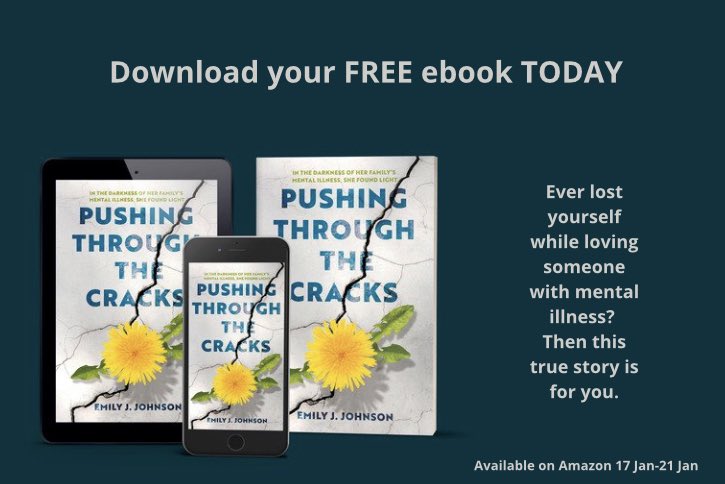
Pushing Through The Cracks: In the Darkness of Her Family’s Mental Illness She Found Light by Emily J. Johnson is an incredible book. It is a story that I don’t believe has ever been written about before in such a way in the mental health space, I have certainly never come across it. Its a true memoir that occurred here in the UK during lockdown.
Emily wrote to me and kindly sent me a free copy of her book. I was hooked from the first page- this is a story of survival against the odds, of how mental illness can rip a family apart but how healing and hope are possible. Of strength through immense difficulty. Of light winning over darkness.
Four years ago, in the UK, Emily, a divorced mother of two, was living her best life with a new partner and blended family of six. But then addiction and mental illness entered her home uninvited, threatening to tear the whole family apart.
With an alcoholic husband and two teenage sons – one a depressed gambler and the other with chronic obsessive-compulsive disorder (OCD)– Emily is left to cope alone. And when the Covid pandemic hits, Emily, a ‘serial people-pleaser, enabler and born rescuer’, almost breaks too.
This true story delves into the darkest sides of mental illness and addiction with raw, often harrowing honesty. It shines a light on taboo subjects including self-harm, suicidal feelings, gambling, alcoholism, depression, severe OCD and eating disorders, all exacerbated by an unprecedented global pandemic and dwindling support services.
This is a story of remarkable strength, self-realisation and reclamation of a lost identity. This is a story of finding hope, pushing through the cracks in the darkness. It is also a story that touches on the difficulties of accessing UK NHS mental health services at times, especially CAMHS.
I found Emily’s strength through such severe adversity – dealing with a husband and two sons with severe mental illness, whilst carrying on with her own life when mental illness permeated every part, to be so inspiring. Her marriage falls apart, her children are unable to attend work and education, the family embarks on several different recovery journeys- navigating NHS mental health care and all its difficulties. Her sons addictions and acute OCD worsen and add to the pressures for Emily. How does she as a mother fix it all? She realises.. she can’t fix anyone and its not her job too.
The front cover features a dandelion pushing through the cracks of the ground. Emily describes the moment she hits rock bottom but then saw a dandelion poking through- which symbolised hope and light for her,
‘(image: Emily J. Johnson)
‘I pick up my phone and call a crisis support line…I desperately want someone to listen to me, to ease my pain, to hear my stories…(of mental illness at home)
I throw my phone across the path in frustration… something catches my eye, a beautiful yellow dandelion is growing through a crack in the concrete. Its golden yellow petals cut through the greyness of the broken path and it overshadows the filth and discarded cigarette butts around it. Despite its surroundings, it has found ways to push up through that crack, to have life. it is. not complaining or giving up, it’s surviving and it will go on to finish flowering. One day soon, the wind will carry its dainty seeds somewhere else to carry on the cycle of its life.
Just like that dandelion, I have pushed through adversity and survived. …I close my eyes and raise my face to the sunshine… Even in the midst of all this chaos, this darkness, there is warmth and light. There is hope.” (from chapter Dandelion) (Emily J. Johnson)
This is also a book which exposes the difficulties and realities of living with mental illness. I will add a trigger warning- it doesn’t hold back on the reality of mental illness including self harm, addiction, alcoholism, suicidal thoughts etc- so please read with care.
Thank you Emily for letting me read and follow the journey of your family. I hope your husband and sons are able to fully battle their demons and recover or stay in remission. Pushing Through the Cracks by Emily J. Johnson can be bought from Amazon and good book shops.
Trigger Warning: sexual assault, details of assault and severe mental illness
Hi everyone,
Its been a while but I thought I would put type to keyboard and write a blog for more mental health awareness.
Since my book was published, I haven’t written many follow up personal blogs, purely because the launch of my life story into the public domain felt overwhelming and scary. 6 months on, I am used to it being out there but I have been working hard in EMDR trauma therapy to help myself.
See, the truth is that right now the Bipolar Disorder for me is stable and under control on my medicines. I still get side effects- weight gain, dry mouth and thirst, but my mind is generally healthy in terms of the Bipolar- no mania or depression. Anxiety and panic yes but Bipolar, not really at the moment.
Yet, almost lurking unseen after I left hospital in 2014 and began my recovery was the fact I was traumatised by my experiences of going into psychosis (losing touch with reality via delusions, false beliefs) and my experiences when being sectioned. I will just give an overview as the rest is in my book- but this included- being restrained, being attacked by other patients and seeing them self harm, being injected with Haloperidol (an anti psychotic) in front of both male and female nurses in a part of the body I didn’t want, being chased round A and E by security men in genuine fear of my life, dealing with lawyers and going to tribunals while ill, thinking I had been abused by family and was locked up by a criminal gang and fearing my family were against me. My bipolar mind could not cope.
Just before this all happened, I was very vulnerable and was sexually assaulted by a man I knew through friends and all of this trauma stayed with me.
I did what most of us with severe mental illness and assault survivors do- I tried to rebuild my life. I tried to work in schools helping children with special educational needs. I tried to work for a mental health charity as a peer support worker for people like me. I began to blog and write and share as therapy- from charities to national newspapers. Bit by bit, as I wrote out what I has been through, I started to slowly heal. But, the symptoms of the extreme panic remained. I lost jobs because of it. I became depressed. I started dating but I often had to cancel dates- (before I met Rob, my husband who listened to me talk about it all and didn’t bat too much of an eyelid.)
I was in a state of flux, a state of transition. I knew I had trauma still living in my brain and body. I had been physically and sexually assaulted, I had been mentally violated- I had been sectioned twice in a few months and now I was sent home to try and rebuild my life as a 25 year old single woman.
I share this important blog, not to share that I am a victim- because I am not. I want to share that I believe for about 5 years, I have been suffering with some of the symptoms of Post Traumatic Stress Disorder (PTSD). My therapist believes the same.
The panic attacks that grip me with fear before work or the day ahead when I have to leave the house. The fear of going out or travelling at night alone. The fear of being taken advantage of and having to trust men again (thank you to my husband for helping ease this pain). The fear of exploitation, of losing my mind, of not trusting mental health professionals any more.
My panic attacks get triggered by certain events- it could be having to speak about my life or book, or seeing people I don’t feel comfortable with, of feeling exposed, of worrying about others judgement. I am still healing from all I have been through and experienced. The PTSD means that I have to take medication (Propranolol) to function sometimes. It means that I experience flashbacks in my body- I feel gripped with fear, I get chest pain and shallow breathing and I start to cry. I had one the other day at 4am….. thank the lord for meds so I could calm down and sleep.
My therapist is incredible and we have been working since October to process the roots of my trauma and panic disorder. We use a combination of rapid eye processing with talking therapy which helps to tackle each and every trauma- and we are still at the tip of the iceberg. It takes time to process the deep rooted experiences in my brain- we are getting there slowly.
For me, in many ways my future is uncertain. My medicines have long term physical side effects. Motherhood will be more of a challenge due to medication and my mental health- I am still processing the choices I will have to make, which I will write in another blog.
I want to end this blog by saying- if you know someone with anxiety, PTSD, another anxiety disorder or something like bipolar or schizophrenia- Be Kind. You never know what someone has gone through.
The NHS waiting lists for help are too long, services are too underfunded- all my treatment has been private provided by my family due to being stuck on a list for years. I am lucky, not everyone is.
I hope this blog gives some information about my experiences of PTSD since leaving hospital 6 years ago. It is by far the most personal thing I have posted since publishing my book but I hope it helps you feel less alone.
Positivity and Hope are key. Meeting my husband and my therapist changed my life for the better as I slowly rebuild and find an equilibrium again.













 beurownlight.com