How to Protect Your Mental Health During the Pandemic: by Mary Davis

These days of the coronavirus pandemic are filled with anxiety and fear unlike anything else we and the world has experienced since World War II. It’s important to stay in tune with yourself and remember it is okay to not feel totally well and to be feeling more anxious. 

Here are some ideas to help your mental health during the pandemic: 


Get moving

You’d be surprised what physical activity does for you, both in terms of physical health and mental health! In terms of mental health in particular, it can help decrease anxiety and improve moods. While gyms and studio classes are closed and it is easier than ever to get an effective exercise in with guided tech at home, now is a great time to become familiar with fitness apps. There are many different ones to choose from: you could try the 30 day fitness challenge app for example to get into a new routine and find the perfect guided workouts work for you! Whether its workouts, barre, or even taking the stairs more, try to move as much as you can. 


Try meditating, mindfulness or prayer

Finding stress management techniques that resonate with you is crucial as stress is an inevitable part of life. The ideal time to start up a mindfulness practice is when times are good so that you have established a practice in times of stress, but it can still be incredibly powerful if you are starting out now!

Just remember to be patient with yourself. There are a lot of practices out there, such as meditation, mindfulness, and prayer, so you have options. If you are unsure of where to start, start with daily deep breathing exercises. 


Avoid alcohol 

Avoid or at least monitor alcohol intake in times of high stress in order to protect your mental health. Alcohol is often used to ‘self-medicate’, but while it can release endorphins in your body, it is classified as a depressant. It significantly impacts your central nervous system, and in times of stress you want to be in tune with your body and paying extra care to your nervous system rather than confusing it. 


Seek a therapist and do appointments via Skype or Zoom

Seeking help is a sign of strength! If you need help or need professional support as you work through stress and/or anxiety, seek a therapist. Many therapists do appointments via Skype or Zoom and if you find one in your area, you can transition to in-person appointments when possible. 


Practise self care

Self care looks different for everyone, and finding what makes you feel good and content is so important. Try cooking, at-home facials, taking extra time on your skincare and giving yourself a face massage, baths with Epsom salts, and quality sleep. 

All of these things can contribute to healthy living and can help us get through the pandemic. They are also great habits to incorporate into your lifestyle to continue caring for your body and mind. 

This guest blog was written by freelance writer, Mary Davis.

The Road to Recovery: On PTSD, Trauma and the Future… by Eleanor for Mental Health Awareness Week

Trigger Warning: sexual assault, details of assault and severe mental illness

Hi everyone,

Its been a while but I thought I would put type to keyboard and write a blog for more mental health awareness.

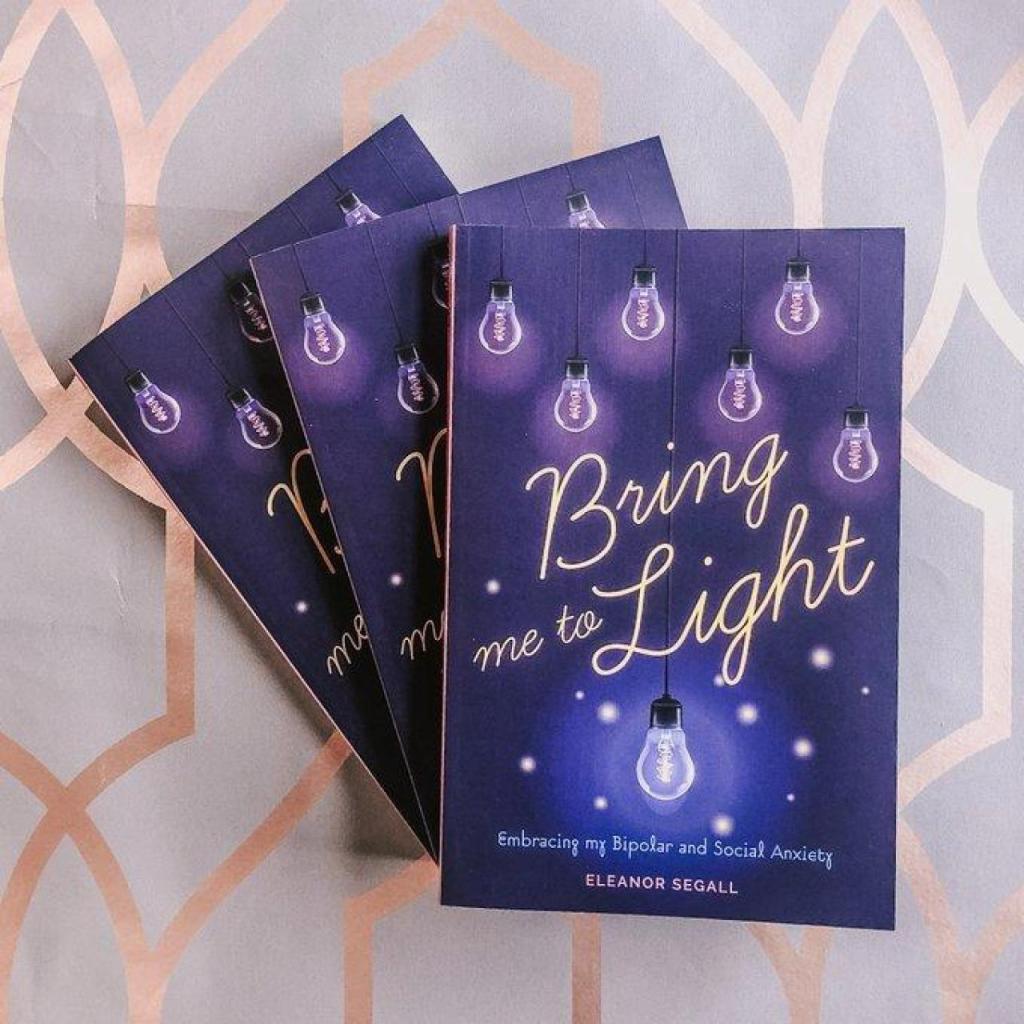
Since my book was published, I haven’t written many follow up personal blogs, purely because the launch of my life story into the public domain felt overwhelming and scary. 6 months on, I am used to it being out there but I have been working hard in EMDR trauma therapy to help myself.

See, the truth is that right now the Bipolar Disorder for me is stable and under control on my medicines. I still get side effects- weight gain, dry mouth and thirst, but my mind is generally healthy in terms of the Bipolar- no mania or depression. Anxiety and panic yes but Bipolar, not really at the moment.

Yet, almost lurking unseen after I left hospital in 2014 and began my recovery was the fact I was traumatised by my experiences of going into psychosis (losing touch with reality via delusions, false beliefs) and my experiences when being sectioned. I will just give an overview as the rest is in my book- but this included- being restrained, being attacked by other patients and seeing them self harm, being injected with Haloperidol (an anti psychotic) in front of both male and female nurses in a part of the body I didn’t want, being chased round A and E by security men in genuine fear of my life, dealing with lawyers and going to tribunals while ill, thinking I had been abused by family and was locked up by a criminal gang and fearing my family were against me. My bipolar mind could not cope.

Just before this all happened, I was very vulnerable and was sexually assaulted by a man I knew through friends and all of this trauma stayed with me.

I did what most of us with severe mental illness and assault survivors do- I tried to rebuild my life. I tried to work in schools helping children with special educational needs. I tried to work for a mental health charity as a peer support worker for people like me. I began to blog and write and share as therapy- from charities to national newspapers. Bit by bit, as I wrote out what I has been through, I started to slowly heal. But, the symptoms of the extreme panic remained. I lost jobs because of it. I became depressed. I started dating but I often had to cancel dates- (before I met Rob, my husband who listened to me talk about it all and didn’t bat too much of an eyelid.)

I was in a state of flux, a state of transition. I knew I had trauma still living in my brain and body. I had been physically and sexually assaulted, I had been mentally violated- I had been sectioned twice in a few months and now I was sent home to try and rebuild my life as a 25 year old single woman.

I share this important blog, not to share that I am a victim- because I am not. I want to share that I believe for about 5 years, I have been suffering with some of the symptoms of Post Traumatic Stress Disorder (PTSD). My therapist believes the same.

The panic attacks that grip me with fear before work or the day ahead when I have to leave the house. The fear of going out or travelling at night alone. The fear of being taken advantage of and having to trust men again (thank you to my husband for helping ease this pain). The fear of exploitation, of losing my mind, of not trusting mental health professionals any more.

My panic attacks get triggered by certain events- it could be having to speak about my life or book, or seeing people I don’t feel comfortable with, of feeling exposed, of worrying about others judgement. I am still healing from all I have been through and experienced. The PTSD means that I have to take medication (Propranolol) to function sometimes. It means that I experience flashbacks in my body- I feel gripped with fear, I get chest pain and shallow breathing and I start to cry. I had one the other day at 4am….. thank the lord for meds so I could calm down and sleep.

My therapist is incredible and we have been working since October to process the roots of my trauma and panic disorder. We use a combination of rapid eye processing with talking therapy which helps to tackle each and every trauma- and we are still at the tip of the iceberg. It takes time to process the deep rooted experiences in my brain- we are getting there slowly.

For me, in many ways my future is uncertain. My medicines have long term physical side effects. Motherhood will be more of a challenge due to medication and my mental health- I am still processing the choices I will have to make, which I will write in another blog.

I want to end this blog by saying- if you know someone with anxiety, PTSD, another anxiety disorder or something like bipolar or schizophrenia- Be Kind. You never know what someone has gone through.

The NHS waiting lists for help are too long, services are too underfunded- all my treatment has been private provided by my family due to being stuck on a list for years. I am lucky, not everyone is. 

I hope this blog gives some information about my experiences of PTSD since leaving hospital 6 years ago. It is by far the most personal thing I have posted since publishing my book but I hope it helps you feel less alone.

Positivity and Hope are key.  Meeting my husband and my therapist changed my life for the better as I slowly rebuild and find an equilibrium again.

Love,

Eleanor x

Maintaining a Healthy Work Life Balance, Why it Matters: Guest blog for Mental Health Awareness Week by Loveitcoverit

loveit2

(image: Unsplash)


When establishing and maintaining a healthy work-life balance, the overarching goal is clear; an individual should not feel as though their professional life is intruding on their personal time or vice versa. However, it’s always easier to explain than it is to physically manage – which is why it’s important to fully understand the implications of a poor work-life balance and the proactive steps we can all take to minimise any negative impact – such as poor mental wellbeing.

Although this challenge is known to many, you may not be fully aware of how prevalent it is across the entire nation. In fact, the Mental Health Foundation has commented that work-related stress costs Britain 10.4 million working days per year!

Now, as you would expect, the emergence of modern technology – such as smartphones – has drastically transformed our professional lives and, as such, it can be difficult to create concrete boundaries. Many of our devices can now take on the features and responsibilities of a larger computer system and so our working lives are available at just the touch of a button. So, how do we assess whether this detracts from our free-time and if this impacts our mental health?

Well, in recent months, this very topic has been investigated by mobile phone insurers, loveitcoverit.   

Their research found that an astounding 80% of workers identify their smartphones as a tool for their professional responsibilities, clearly demonstrating that they have surpassed the singular, social use that spurred their beginnings. So, whether it’s to communicate with colleagues, access working documents remotely or utilise organisational platforms, our mobiles have become an integrated part of professionalism on a wide scale. As such, it can be difficult to imagine the two in separation – but is this a good thing?

Overusing our mobile devices can be detrimental to our work-life balance as they create an access channel that is available to us at every hour. So, whilst leading mental health organisations emphasise the need for distancing measures – such as short breaks, time off and established social environment outside of work – our smartphones may act as a reminder of our professional responsibilities. In turn, this can lead to individuals feeling pressure to work outside of their agreed working times and intrude on their personal lives. 

Due to the sheer number of smartphone users across the country, this could mean that millions are facing the challenge. In fact, less than half of workers claim to have a ‘healthy’ work-life balance! 

Of course, this isn’t to say you should never complete a professional task in your free time, it simply means that you must actively monitor and manage how often this happens. This might seem a menial task, but it’s vital.

If you often find yourself feeling stressed due to your working life, then you could be at risk of developing illnesses such as anxiety or depression.

However, luckily, there are further actions we can take to ensure our balance does not tip!


Setting tangible guidelines

 We’re not saying that you must ignore your phone if a professional emergency arises, but it is important to make sure your working correspondence doesn’t intrude on your personal life. So, start with something simple – like enforcing a rule of no work related phone use after six on any weekday and perhaps not at all on the weekends.

Ultimately, it’s your decision to make, so find out what works within your routines and go with it!


Communicate with your employer

No one wants to be seen as a ‘complainer’, but if your work responsibilities are damaging your mental health it is important to speak up. Set up a meeting or informal chat with your manager to discuss how you’re feeling and why you feel that way. From there, you can work in tandem to better the situation and make wider improvements that benefit others too!


 Better understand your own situation

There is normally a tangible reason for any feelings of stress or anxiety but it might not be clear at first glance. If you’re feeling overwhelmed, take a break and try to dissect your situation.

If you can understand what is causing your stress, you’re in a wholly better position to try and improve it, whether this is in reorganising your routine and methods or in talking to someone else at work!


Creating a healthy and sustainable work-life balance is imperative for our mental wellbeing, so we all must take the time to figure out how to best achieve it. Remember, the working world existed before smartphones did, so it’s a durable environment, and taking the time to figure out positive and progressive ways of moving forward will never be a waste.


This guest blog was written by loveitcoverit, mobile phone insurers in the UK at www.loveitcoverit.com 

How to Avoid Burnout during a Pandemic: Guest blog by Jade Mansfield at the Worsley Centre

teepublic1

(image: Tee Public)

One of the major causes of burnout happens when we’re in situations with minimal amounts of control over what we can do. Nowadays, it can seem like stress and burnout are a normal part of modern day working life. The World Health Organisation listed burnout as an occupational phenomenon and they define burnout as “a syndrome conceptualised as resulting from chronic workplace stress that has not been successfully managed”.

During the coronavirus pandemic, there has been a lot of pressure to spend our time focused on productivity. These have been seen in the form of achieving full productivity at work or working from home and also being productive by working on self-improvement. The focus on productivity came from the idea that if you focus on driving forwards during the pandemic, this will help get you get through it. While this is true some people, others will need this time to focus on their mental health and simply do less. Getting through a pandemic is not a one size fits all. 

Put simply, you should listen to your body and do what you want to do, instead of what the world says you should be doing. Acknowledging that we are all living in an impossible era is the important first step. There is an adaptation period that needs to happen and this period will be longer for some people than others.

While you should try your best to fulfill your work duties, you are allowed to voice if you are struggling. You do not need to work full time, learn a new language, start baking, take up a new hobby and exercise more if you don’t want to. Take it one step at a time, if you finish work or finish your working from home hours and want to spend your free time on something productive, then do and if you don’t, relax. 

How to avoid burnout

While we have covered a little on current pressures to be productive, this section will dive into the absolute fundamentals.


Get enough Sleep

Key workers, those working from home and those who have been furloughed all need sufficient sleep. This can be particularly difficult for key workers who are working long, hard shifts and also for those who are simply stressed out by living through a pandemic. 

Typically, during your normal routine, you need six to eight hours of sleep each night.but if you’re doing more than your usual routine, you will need around eight hours a night, plus one period of relaxation during the day. Relaxation can be just sitting somewhere quiet for 10 minutes.  If you’re approaching burnout you need eight to nine hours of sleep each night, plus two breaks. 

Stress can make it difficult to sleep, so be mindful that to get a good night’s sleep, you’ll need to combat your stress levels. 


Exercise More or Exercise Less

Exercise helps alleviate stress which is great for creating a good sense of well being. Those who exercise regularly can experience increased energy and productivity. Regular exercise will help you get a good night’s sleep, which will go a really long way for your mental health. 

The most important thing when exercising during a stressful time is that you only exercise when you’ve had enough rest. Otherwise, you may plummet yourself further into burnout, especially if you don’t usually exercise. You need to listen to your body, nobody seems to tell you to exercise less, but if you’re burned out, you should. 


Don’t Ignore Stress

Short-term stress that is manageable could easily turn into burnout over time. You should voice your stress to employers if you’re still working and reach out for any available help. You can also practise deep breathing, meditation, and other relaxation techniques that can help calm you.

Keeping your mind on track and continuing practicing positive thinking. Small techniques like these can work surprisingly well. It can be extremely difficult to remove ourselves from high stress and demanding roles, but just by taking five minutes out where you can really make a difference in terms of mental health. This will positively impact on your ability to do your role as well as everyday tasks. 

Outside of work, try and not put yourself in situations that may cause you unnecessary amounts of stress. Your brain can only take so much psychological stress at one time.  

If productivity is really what you want to improve on during the pandemic, remember that productivity is not the start, it is the end product of other positive actions you’ve taken to get there. Productivity without burnout will happen when you look after your mental health.
This blog was written by  writer and psychologist Jade Mansfield – The Worsley Centre, a centre for Psychotherapy and Counselling.

The UK went into Lockdown and I went into Meltdown: Guest blog by Nicole

quotesblog

(image: Nicole_no_filter)

The UK went into lockdown and I went into meltdown.

When I heard the announcement on the news, I was on my Mum’s sofa and I immediately felt the usual sick way that I do when I get anxious. I needed to get out of the house, so I quickly escaped on a walk with my dog. My thoughts were far from pleasant and I silently cried while I slowly paced around my local area. This marked the start of a tough couple of weeks.

I fell into the behaviours that you would probably expect from a person with anxieties, I was obsessed with updates on the lockdown, it became my most frequently searched term on Google! My skin condition, urticaria, flared up which happens when I experience stress. My sleeping got worse than usual and I was easily irritated by silly things. Most of all, I fixated on the negatives of my situation, such as the impact living alone would have on me.

I’m not going to pretend that I had an epiphany on day fifteen and I’m now thriving in my new life of one daily walk and it being a glam day if I put on jeans!

However, I’ve now established a flexible routine and I’ve settled into working from home.

I check the news once a day and I appreciate that I am lucky to be healthy and still have my job. However, I don’t give myself a hard time when I have a bad day and I don’t pay attention to unhelpful comments online, criticising people for struggling as there are others with more serious struggles. Of course, this is true, but I heard recently that, ‘you wouldn’t tell someone not to be happy, because there is someone happier’ and that has stuck with me ever since.

The most positive outcome of this situation for me, is that I am in touch with my thoughts, emotions and my behaviour, more than ever.

Some things that have helped me are:

  • Reawakening my passion for writing: As a Careers Coach, I regularly create resources and assist others with writing about themselves. However, it had been so long since I wrote for pleasure. I now record my thoughts in a journal, you are currently reading my second blog post and I rediscovered my love for writing poems. Writing has felt a bit like offloading to my best friend; I get out my thoughts and I then feel better. 


  • Walking: I think it’s amazing that so many people are focusing on their fitness, but I was previously anxious about my weight, so I don’t put pressure on myself to follow a rigid exercise routine. Pre-lockdown, when I had a crap day, I benefitted from getting out of the house and being around others; walking isn’t a substitute for this, but it helps me to get rid of negative energy by doing something active. 


  • Keeping my space tidy: This won’t work for everyone but a clear space, means a clearer mind for me. I also find cleaning quite therapeutic as it helps me to focus on the task in hand and not overthink. 


  • Paying it forward: I have been trying to spread some positivity remotely, for example, I suggested to my colleagues that we each send a card to another person in the team with a positive message. I also started an Instagram account to raise awareness of mental health and share experiences and strategies with others. As a people person, helping and connecting with others always lifts my mood. 
  • Revisiting coping mechanisms for anxiety: I have done a lot of research into cognitive behaviour therapy techniques over the last few years, as some of the principles are useful for my job in supporting young people. I have also personally been through this type of therapy; this helps me to reframe negative thoughts and therefore gain better control of my feelings and actions. 

I’d be lying if I didn’t say that I still regularly think that I can’t wait for this to be over! I miss the little things in my life, but the lockdown has caused me to have a deeper appreciation for all the good aspects of it.

I have also realised that the little things ARE the BIG things. Being forced into this situation that I have no control over, has helped me to put less focus on other things that I can’t control.

I was previously anxious about being single as I am about to approach my 30th birthday, but I have gained a more positive perspective on this. I may not be able to control what happens TO me, but I can control what is IN me, which are my thoughts and how they make me feel and react.

Nicole is a careers coach and freelance writer in the UK and is on Instagram @nicole_no_filter

My crippling Anxiety once floored me. Now I wouldn’t be without it : Guest blog by Emma Johnson at Worry Knot Jewellery

emmajohnson2

(image: Emma Johnson at Worry Knot)

Trigger warning: talks about self harm, anxiety, depression and mental illness 


For 10 or so years, throughout adulthood, I have battled on and off with something invisible and something I still don’t fully understand myself.

Generalised Anxiety Disorder. 

I’m now 29 but my illness started at about the age of 21. In my third year of University, I started to dread things, I started to worry about everything I said, did and I started to question if anyone liked me. I have always been apologetic but this was different. I felt like apologising for walking into a room. 

I was unable to switch off, unable to focus on my University work and I withdrew a lot socially. Life moved quite slow back then. 

For me I knew this was out of character. I’ve always been fun loving and outgoing, with a smile on my face. I became confused about who I was. I developed an uneasy feeling that would take almost 8 years to learn to sit with.

During the first few years of my disorder, I definitely still achieved a lot. I often feel my disorder makes me thrive more, sort of like overcompensation, a little bit like proving people and myself wrong. I graduated with a BSc in Psychology and at the age of 24, I went on to gain my MSc in International Development.

I don’t think I truly recognised these achievements until about the age of 27. 

Whilst studying my MSc life changed quite a lot for me. I had gone through a bad break up in my younger years but then I finally met someone who lifted me back up, who challenged my thoughts, someone who was completely different to me in every way. This was oddly comforting for me, a bit like escapism from my own ruminating thoughts. 

Then I entered the world of professional work. I started out as a fundraiser, and in my most recent role I tried my hand at facilitating group therapy. In 5 years I have moved through 4 jobs within the charity sector. Sometimes part time.

During this time my anxiety disorder would often become too much. I often sunk low and developed bouts of depression. I would cry and sob. I was back and forth to the GP, often teary, often red in the face and always a bit embarrassed, even though I didn’t need to feel embarrassed.

At one point I was signed off sick from work, bed bound for 3 months, with no motivation at all, just me, myself and my catastrophic thoughts. I was pretty exhausted, shaky, drained and more confused than ever. My physical symptoms manifested as sweating, chest pains, palpitations, shortness of breath and the odd panic attack. 

One thing I started to do was open up, I began to share things with my partner and colleagues. They let me cry if I needed and at the same time my GP was stabilising and finding the right medication to suit me. But I was clearly still unwell.

I quit another job I enjoyed through my inability to cope and my lack of self esteem. My Imposter Syndrome led me down another uneven path.  Always overworking. Always overthinking. Always overcompensating. I didn’t slow down until I was forced to.

Another behavioural symptom of my anxiety is skin picking and nail biting. In early adulthood I would sit for 3 hours picking at my face and over the years I have made the skin around my thumbnail so sore it would bleed. It is now scarred.

My need to fiddle with something to ease anxiety is always apparent. Earlier this year, I was talking to my friend about making jewellery and how cool it would be to make my own. I have always been into accessories, fashion and jewellery so I said I’d love to make something I can wear and carry with me discreetly but also fiddle with, to stop me from picking so much. 

She mentioned worry beads and I was intrigued. I wanted to make my own twist on them. A prettier version, merging them with jewellery design that I would more likely wear, so I did and my life has changed. I have started a small business called Worry Knot.

necklace1

(image: Emma Johnson at Worry Knot)

Alongside selling calming jewellery, I’m blog writing. I’m advocating more widely about the importance of opening up when confusing and sometimes debilitating symptoms develop. Not only is it therapeutic for me to make my jewellery but it’s extra therapeutic playing with this jewellery a few times a day. 

Having something to focus on, things to make and to write about has been crucial in managing my own anxiety, especially at such an anxious time for the world. I hope my jewellery can go on to help those feeling anxious not only now but going forward into the future too.

emmajohnson1

beads

(Images: Emma Johnson)

For more information please visit:  www.worryknot.co.uk and instagram.com/worryknotuk

You can also find me @worryknotuk on Facebook and Instagram.


Emma Johnson is a writer with lived experience of mental health issues. She is the founder of Worry Knot, a jewellery brand to help others who have anxiety.    worryknot


How to help Teens with Mental Illness succeed at School: Guest blog by Brooke Chaplan

teenmentalillness

(image via B Chaplan)

It can often feel like the educational system is not set up to deal with anyone who falls outside of a fairly narrow set of parameters. If you know a teen who is dealing with a mental illness, you have most likely seen ways that the system fails to help him or her. If you want to help that teen succeed, though, you can take a few of the steps below.


Seek Out Treatment

The first, and perhaps most important, step is always ensuring that the teen in question is actually receiving treatment for his or her illness. While you might think that the teen’s coping skills are up to the task of school, the truth is that professional help is still the best way to stay on track. Whether this means therapy, medication, or a combination of the two, seeking out treatment is always a wise first step, from a doctor (GP) or psychiatrist if needed.


Find the Right School

The next step requires taking a look at the school environment. Some students do well in a typical school, while others might need a more therapeutic environment. Even choosing a smaller college prep high school may be the best way to help out a teen who has to deal with significant emotional problems. The setting in which education occurs matters, so make sure that your teen has the support he or she needs.


Create a Support Network

Make sure that the teen in question doesn’t have to do it all on their own. Setting up a support network that involves friends, therapists, and even teachers is a great way to give your teen a bit of extra help when it comes to dealing with the tough days. While you should be careful with how you talk about your teen’s illness, it’s also a good idea to make sure that others are aware of what he or she is going through.


Involve the Teen

Finally, give the teen a stake in his or her success. Let him or her be part of the decisions about schooling, therapy, and finding the right support. Developing a sense of agency is a must for any person who deals with a mental illness, so start the process sooner rather than later.

Don’t be afraid to seek out help when your teen is struggling. Find a good therapist, build support networks, and make sure that you’re making the right educational sources.

With the right kind of help, your teen can be quite academically and emotionally successful.


Brooke Chaplan is a freelance writer and blogger. She lives and works out of her home in Los Lunas, New Mexico. She loves the outdoors and spends most of her time hiking, biking, and gardening. For more information, contact Brooke via Facebook at facebook.com/brooke.chaplan or Twitter @BrookeCha

Mental Health Blog Awards 2020- Vote for Us! : by Eleanor

mhblogawards1

(image: Mental Health Blog Awards)

Hi friends,

Voting is now open (first round) for the Mental Health Blog Awards 2020 and we have been nominated in the Blogger of the Year Category.

We would love you to vote for us, to recognise all of our hard work- including that of our guest bloggers, in battling mental health stigma.

I started the blog 4 years ago and it is an honour to be nominated.

You can vote for us- listed as Eleanor at Be Your Own Light here and please also vote for others in other categories if you are aware of their work! There are some incredible people nominated.

From Mike Douglas, founder of the awards:

“I am delighted to welcome you to the Mental Health Blog Awards. 

I look forward to continuing to celebrate the amazing work, effort, energy, emotion and so much more you all put into raising awareness, supporting, signposting, explaining and comforting in 2020.”

mhblogawards2

(image: Mental Health Blog Awards)

First round voting closes on 1st May and you can vote here: https://s.surveyplanet.com/bG5vzH_q


With love and thanks,

Eleanor 

x

5 Ways you can reduce Anxiety in Every Day Life: Guest blog by Samantha Higgins

theway2

(image: Picuki.com)

Reducing anxiety at the moment in our every day lives is so important.

Having anxiety is something that many people have challenges with. It is estimated that about 1 in 5 adults have an anxiety disorder and that more than that will experience an anxiety disorder at some point in their life.

The symptoms of anxiety include feeling restless or on edge, being easily irritated, difficulty controlling feelings of worry and having difficulty sleeping, amongst others. 

If you feel that you may be experiencing symptoms of anxiety, there are many things you can do to help reduce and manage those feelings. 


1. Look at Lifestyle Choices

A number of different lifestyle behaviours could contribute to your anxiety. Drinking alcohol, taking drugs, eating junk food will all play a big role in how you feel. For example, excessive drinking or the use of drugs can cause a multitude of health problems including liver and kidney damage. It also causes mental illness such as drug and alcohol addictions. You may need further support from a psychiatrist or rehab unit if you are struggling with addiction or mental illness.

On the opposite side, exercising regularly and eating healthy foods are proven to boost your mood, increase the chemicals in your brain that make you feel happy and improve your overall physical health. 

If you want to manage anxiety, consider looking at your current lifestyle choices and if there is anything you have the power to change. Be honest in your assessment but know you have options for assistance.  Making a big lifestyle change is hard but if there is something you know is causing your mental health and anxiety to worsen, it is a good idea to remove that from your life if possible. 


2. Talk to Your Family and Friends

Even if you think your family and friends would not understand, you might end up getting some of your most valuable support from them. You should not ever feel you have to hide any of your mental health concerns from them, unless you know that they would react badly.

Try to avoid shutting people out, being secretive about your mental illness or becoming defensive when people ask. 

True friends will listen and care. There is still a stigma to mental illness but it is important to find someone you trust.


 3. Set Boundaries

If necessary you can set boundaries for yourself. This could mean letting people know there are certain activities you don’t participate in. It could also mean a limit on how much time you spend with friends and family, in order to practise self care and recuperate. 

Many people who struggle with anxiety disorders find that setting up a schedule for themselves that they are consistent in keeping can greatly reduce feelings of anxiety. It helps them to feel more in control and gives them a structure that feels secure.

Setting boundaries is a way for you to have control over your situation and environment, although these should not be too rigid. There are certain things that can’t be controlled that can increase anxiety. 


4. Let Go of Things You Can’t Control

If something is out of your control that is causing your anxiety there are ways that you can cope with these feelings.  One suggestion is to write down how you are feeling to help let those emotions go. The BACP tells us that, “It can help to express this anxiety in a way that you can control. That could be writing down what you feel, or keeping a journal.”

You can also try making a list of things you are grateful for, or use breathing and relaxation techniques. 

If you are still struggling to cope with things out of your control seek help from a professional. 


5. Get Professional Help

You could turn to all types of mental health professionals to get help, including GPs (physicians), psychiatrists, psychologists, counsellors and therapists. You may be referred for talking therapies, cognitive behavioural therapy, mindfulness or EMDR therapy for trauma.  They may also recommend medication for you too.

In the UK, you would go via your NHS GP who can refer you on to see a psychiatrist or to IAPT for counselling.  Also check out the Counselling Directory website.

When searching for a good therapist in the USA, Karen Whitehead, who does counseling in Alpharetta, GA tells us that, “Psychologists (PsyD), Licensed Social Workers (LMSW/LCSW), Licensed Professional Counsellors (LPC), and Licensed Marriage and Family Therapists (LMFT) can all evaluate and treat mental illness, provide talk therapy, support and feedback, and teach coping strategies such as mindfulness.”

Your counsellor will be able to help you better assess your situation and get to the core of your anxieties. Even if you already know why you get anxious, you can benefit from learning coping skills.

Your counsellor can indeed equip you with tools adapted for your specific needs. You will have feedback on what is and what is not working. You can learn to live with, manage and in many cases, recover from anxiety.


You Are Not Alone

Do not ever think you are alone when it comes to your anxiety. Try not to beat yourself up if setbacks occur or you have a bad day.

Talk with your therapist about ways that you can help to further reduce your anxiety. They will be able to help you.


This blog was written by freelance writer Samantha Higgins.

Im not coping perfectly right now, but that’s OK: Lockdown Life by Eleanor

hopenikki

(image: Pinterest)

Hope will carry you through. At the moment it feels like fear is taking over at times! Everything is so uncertain with the current global pandemic and routines changing, being unable to source certain freelance work, having to stay indoors a lot, not being able to see friends or family in person. People dying and being hospitalised. Everything is scary. Add to that the fear of death, the fear of the virus whenever I go out and you have…

Anxiety overdrive!

I was in self isolation a few weeks ago for what could have been mild Covid 19- I had a dry cough, sweats and fatigue. I recovered and am fine and still don’t know if it was Coronavirus or something else.

Then, the UK went into a form of lockdown.

I am not coping perfectly with all this. I’m trying my best to put routine and structure into my days. Some days I am so tired from it all, I need an afternoon nap in order to be more productive. I wake some days feeling anxious about what is to come, it all feels so surreal. One night, I sat and cried as everything felt too much with trying to balance work and life.

But, I wiped my tears, talked it out with family and felt better.

One thing I have started is a project called Corona Cards which sends handmade cards to people feeling lonely or needing cheering up in isolation. I now have 3 other team members (Bex, Donna and Abigail) making cards and its been really enjoyable. We send them by post to UK residents at no cost to them and you can follow us on Twitter @corona_cards and Instagram @coronacards1.

We have sent about 30-35 cards already and you can request them by asking me or messaging our pages. We hope it helps people’s mental health, particularly anyone very low or suicidal.

Crafting and focusing on the project has helped me a lot, I go for a short walk to the postbox to post them and therefore have a purpose to my walks! To know it is helping people also means a lot, and I have had 2 back in return which is lovely.

Thankfully, I can still have sessions with my therapist by Zoom and I have family support too. It is such a strange time in all our lives and it is understandable that anxiety and fear will creep back in. Especially if we have loved ones who are ill or we have existing mental health conditions.

I have learnt that life is a long game. Obviously, simply telling you to think a particular way isn’t helpful, but if you can slowly train your brain with help , then you’ll get a much better perspective on everything surrounding life and Covid. By no means does this suggest that we should all look miles away in the future and think about retirement properties or what your grandkids will be like, it simply means that you should take stock of the most important things around you and prioritise those.

I am thinking of those who are ill, particularly the ones I know about personally and wish them a full recovery.

A wise friend of mine told me this week that it is OK to take time for yourself. To just be, to look after your mental health. She is right.

So right now, despite feeling like I should be constantly working or busy with Pesach cleaning, I will be looking out for self care and I hope you will too. Keep focusing on gratitude.

Wishing all my Jewish friends a happy Pesach and everyone else a good Easter break.

How are you feeling?

Eleanor x