Your mental health is precious, and you’ve got to look after it as much as you can. We know sometimes this isn’t the easiest thing in the world as there are so many things that are beyond your control. We also know that even when things are okay, sometimes it’s still difficult to control the way that we feel. But, that’s why we’ve written this article, so that you’ve got some ideas as to the things that you can do to better your mental health. Keep reading if you would like to find out more.
Try To Relieve Whatever Stress You’re Holding
The first thing that we’re going to recommend is that you try to relieve whatever stress you are holding onto. We know that this isn’t easy, and we’re not saying it is, but it’s something that you’ve got to do if you want to recover. Your mental health is not going to benefit if you are constantly stressed. But, the only way that you are going to be able to relieve stress is if you know what is causing it. It’s for this reason that you’re going to have to think yourself or speak to a therapist and figure out what is causing most of the stress. From there, you can work out the best way to destress and take control, and this should ultimately end up improving your mental health.
Hypnosis Might Be Worth A Try
Have you ever given much thought to trying hypnosis? Professional hypnosis involves interaction with you and the therapist to heal mental health issues going on in your life. For example, you can get hypnosis downloads that will help you to do whatever it is you’re aiming for. Hypnosis will involve your consent and its worth a try- Your mental health is worth it. Search for a recommended therapist.
Try Taking Up A New Hobby
The final thing that we are going to suggest is taking up a new hobby. Your mental health will always be worse if you are not distracting yourself from negative thoughts. You’re going to get too deep into things and you may spiral into anxiety or depression. Instead of doing this, find something that you enjoy doing, thats a positive focus. It can be a sport, or a game, reading, watching TV, completing some arts and crafts, whatever you want to do as long as it takes your mind off of your thoughts for a little while. Become immersed in whatever you are doing, and leave the rest of the world behind for a while.
We hope that you have found this article helpful, and now see some of the things that you can do to better your mental health . Something on this list should help, and if it doesn’t, there are also plenty of other things that can be done as well. Make an appointment to see your GP or therapist if your mental health worsens and take care of yourself- self care is vital.
We all think we know what anxiety looks like. It looks like hyperventilating, sweating, and a worried look on someone’s face. But the truth is anxiety looks like a lot of different things to different people, and there are some secret signs of anxiety too.
While you can’t mask all of the physical signs like hair loss, increased or decreased appetite; a lot of anxiety is dealt with in secret.
Even if you don’t personally have anxiety, it is important that you can spot the signs of anxiety in your loved ones. It will help you to help them.
There are some common, yet not totally obvious signs that someone (or yourself) is suffering. It is important that you let them know that there are options for support. Sometimes a good conversation and regular therapy can help. Other times medication and rehabilitation like The Banyans might be the answer.
Headaches
Some headaches are caused by dehydration, and others are caused by stress. A stress headache usually happens because someone is holding their jaw clenched tightly, which causes tension in the neck, shoulders and up to the head. The clenched jaw may last through the night, and this will cause headaches.
Eczema
Note that stress and anxiety cause an inflammation reaction in the body. This, in turn, will cause eczema to flare up. Another issue is that when people are anxious or worried, they tend to sweat more. The sweat will act as an irritant and increase the impact that eczema is having on the body.
Sweating
As mentioned above, extra sweating can be a sign of anxiety. This is due to the adrenaline that is running through our bodies. The adrenaline is involved in the fight-or-flight reaction, and that ‘state’ is a high alert state. It causes sweating.
Bad sleep
If you, or someone you care about, are often talking about how poorly they are sleeping, there is a good chance there is something deeper going on. Most often mental health fluctuations will cause a person to sleep more than usual or not at all. Insomnia, nightmares, sleepwalking, disturbed sleep are all common signs of anxiety and stress.
Illnesses
Coughs, colds, aches, pains, and generally feeling run down are signs of anxiety too. Stress has an awful impact on your immune system. It promotes and overproduction of the hormones that regulate your immune system. This affects the ability of your body to produce white blood cells to fight infection. The weakened immune system means you are more susceptible to illness.
Stress and anxiety will also impact your mood. It will make it more difficult for you to regulate your emotions. People who are feeling stress are usually irritable and can have mood swings too. Difficulty concentrating can also be a symptom as well as an issue caused by stress and anxiety. Decision making and memory are impacted too.
If any of these things sound familiar to your then it is time to take steps to reduce your stress and anxiety levels or have a chat with a friend who is exhibiting signs.
Make sure you look after yourself and speak to a doctor if you are concerned about your health.
The Adverse affects of relationships on mental health
Relationships have the power to affect mental health negatively. If you don’t know how they can affect you, it’ll be hard to lay down a great foundation to ensure you don’t fall victim. Take a step to lay down the rules for a positive relationship.
What if we told you that your relationships have the power to affect mental health? It’s true; your relationship status can affect mental health. But, finding out how relationships affect mental health isn’t a simple mathematical equation. There’s a lot more that has to go into it, and to be honest, it’s complicated.
Relationships Have The Power To Affect Your Mental Health
Fact: We all desire to have real connections through stable, long-term relationships with our “ideal partners.” Whether you meet a potential partner after checking out the best dating sites review or through a mutual friend doesn’t matter. What we think about most is the optimism and the excitement we feel once we click with someone else. We never stop to consider what can affect the mental health of the people in a relationship.
Unfortunately, even the most glamorous relationships come with associated risks and can affect mental health. To affect mental health positively, there have to be some previously laid out rules that lay the groundwork for a great relationship.
Without knowing what these boundaries are and the risks associated with a relationship, we are prone to unknowingly affect our mental health. So, what relationship factors affect mental health negatively? Read on to find out.
Lack Of Sex Can Increase Stress Levels Well, well, this shouldn’t be so surprising. If you’re wondering, “can loneliness affect your mental health?” here’s your answer. When you have an intimate partner within your vicinity, chances are, you will have frequent sex. The bonds created during the act of bonding are so outstanding that they have the power to affect your mental health.
Frequent sex can lead to greater satisfaction with your relationship. If there’s less sex, then other aspects of the relationship are affected too. The less sex you have, the more prone you are to affect mental health.
Stress levels will soar, and you’re more likely to exaggerate aspects such as financial disagreements, responsibilities over chores, and parenting disputes. While there may be other underlying issues, lack of sex and intimacy is an undeniable factor that can affect both partners’ mental health.
Relationship Difficulties Can Cause Anxiety
Whenever couples are having relationship difficulties, there’s bound to be full-blown anxiety. Unfortunately, the converse is also true. Anxiety can lead to marital problems. Surprisingly, some research suggests that marriage can protect you against anxiety. Confusing, right?
Well, it depends on how you look at it. For marital issues to affect mental health negatively to the point that they cause anxiety, there have to be underlying issues that aren’t resolved. Problem-solving in a relationship has to be done in a way that allows both parties to express their feelings to deal with matters conclusively.
Once an issue is dealt with, both parties become anxiety-free and display better mental health. On the other hand, married people have potential “shoulders to cry on,” and this kind of emotional support is a great way to affect mental health positively.
Sleeping Problems
Unless your partner snores and keeps you awake through the night, sleeping next to them can help you fully relax during the night. But it isn’t that simple. If there are conflicts or insecurities in the relationship, you will have a more inadequate sleep because of thinking through issues during the night.
This, in turn, escalates problems such as insomnia or daytime fatigue. As a result, there’s a vicious cycle with leeway to affect the mental health of both parties negatively.
Social Pursuits Affect Mental Health
Many people wonder, “why does quarantine affect mental health?.” Couples in healthy relationships have to socialise. Socialising is a great way to boost mental health positively. Leisure time may include meeting family and friends, visiting their favorite restaurant together, or even spending the weekend sampling the latest nightclubs.
However, since there are limited opportunities to get so involved during quarantine, spending more and more time without socialising with other people can take a toll on the relationship. When couples spend time socialising, there’s more opportunity to improve their mental health positively.
Since humans are social creatures, we feel better when we make connections with others. But, even this shouldn’t be excessive. Too much can result in alcohol dependency and self-destructive behavior, which has the potential to affect mental health negatively.
Toxic Relationships Can Lead To Physiological “Fight Or Flight” Responses
Toxic relationships can lead to physiological responses that may urge you to either run from the stressor or fight it. These are common reactions that stem from mental, physical, or emotional abuse. Regardless of the stressor we face, we condition our minds to respond. These kinds of reactions leave us feeling drained and have the potential to create poor mental health.
Conclusion
Whether we like it or not, relationships can affect mental health either positively or negatively. Their effects are worse if they’re negative. To ensure that relationships don’t have a platform to affect mental health negatively, you have to take the necessary precautions to safeguard yourself against negative repercussions.
What do you think is the COVID effect on mental health? What precautions would you put in place to protect your health?
Author’s bio:
Miranda Davis is a freelance writer in the relation and psychology area. Miranda is interested in such topics as building healthy relationships between people, love/sex compatibility, and how to find the right balance in life in general. She is currently doing specific research on the topic. Miranda loves cooking and long-distance walking.
For many women, menopause can be both a blessing and a curse. Although it signals the end of menstruation, it also means that a woman is no longer reproductive and that the aging process has well and truly begun.
Menopause starts when a woman’s ovaries no longer release eggs, causing their monthly periods to stop. If you have not had a period for 12 months, this probably means you are going through menopause.
About menopausal anxiety and panic attacks
Menopause can give rise to anxiety and panic attacks, and the symptoms can manifest in a variety of ways. Often, you will feel your heart racing, and you will start to sweat. You may also feel a quickness of breath. In addition, there may be some tingling or numbness in your fingers. You could also feel dizzy, although you won’t pass out during an anxiety attack due to the high levels of adrenaline – you will just have to wait for the episode to come to an end.
Experts have advised that you can overcome anxiety and panic by focusing your attention on something else, such as a sound or a smell.
While some of these symptoms may be unavoidable, you can reduce their effect by taking good care of yourself. Consider the following tips.
Eat nutritious foods that won’t trigger your symptoms
Make sure you eat lots of green vegetables, dairy products, and foods rich in calcium and vitamin D. Meanwhile, you should avoid spicy and sugary foods and anything that contains caffeine or alcohol. One helpful tip is to compile a list of any foods that seem to trigger your menopausal symptoms.
Maintain a regular exercise schedule while keeping yourself hydrated
Another adverse side effect of menopause is weight gain, although you can offset this by exercising regularly. The benefits of physical activities include:
A boost to your energy levels and metabolism
Healthier bones and joints
A reduction in stress
Exercise can also help you fight off anxiety and depression. This is due to the endorphins released by your brain during a physical workout.
Meanwhile, make sure you drink at least 8 to 12 glasses of water every day, as this will reduce your skin and vaginal dryness. Moreover, this simple lifestyle change can also reduce any bloated feelings you may be experiencing due to hormonal changes. As an added bonus, drinking lots of water can also improve your metabolism.
Take sugar in moderation
Foods high in sugar and refined carbohydrates can cause depression and poor bone density. They can also cause your blood sugar levels to fluctuate, which can make you feel tired and irritable.
Go out on a regular basis
Staying indoors for too long is not good for your mental health and may even aggravate your menopausal symptoms. As well as the benefit of absorbing vitamin D from the sun, an outdoor stroll can also reduce your stress levels.
Ensure you eat regular meals
Skipping meals is not a permanent weight loss solution and can exacerbate your menopausal symptoms. It is much better to eat your meals at regular intervals, as this will help you avoid any metabolism problems.
Conclusion
Although menopause is an unavoidable inconvenience, you don’t have to let it bother you. In fact, if you adopt the natural methods outlined above, you will be able to live life to the full without having to worry about the annoying symptoms.
This article was written by LadyCare Menopause Ltd.
I don’t really know where to start! I have been keeping this secret for almost two years.
Nearly 2 years ago, my friends, mental health campaigner/author Jonny Benjamin MBE and author and editor Britt Pfluger, approached me to be a part of their second book entitled ‘The Book of Hope: 101 Voices on Overcoming Adversity‘ (published with Bluebird/ Pan Macmillan in April 2021!).
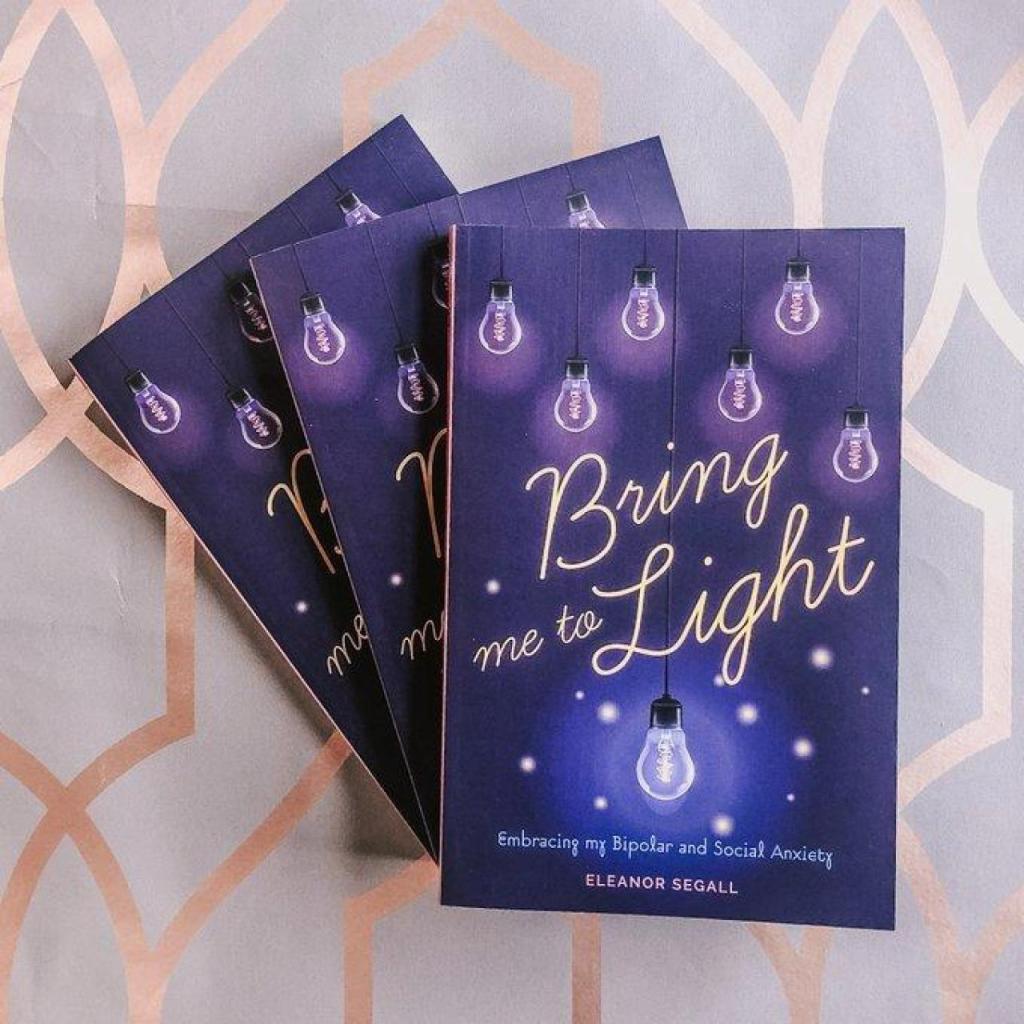
They asked me to write a piece on how I found hope and recovery after being unwell and my (ongoing) journey with bipolar disorder that I wrote about in my own book Bring me to Light.
I won’t give too much away about the piece I wrote, but it does include my Dad’s story too and talks about life after being sectioned for a manic episode in 2014. It talks about hope, healing, recovery and living with mental illness. It talks about being afraid of the future, but finding light in the darkness.
Heres what Macmillan say about the book which is available for pre order on Bluebird Pan Macmillan website and Amazon. It also contains anecodotes from famous faces including Lemn Sissay, Zoella (Zoe Sugg), Joe Wicks and Dame Kelly Holmes.
There is always hope, even when we cannot seem to seek it within ourselves.
”The Book of Hope is an anthology of 101 key voices in the field of mental health, who share not only their experiences with anxiety, psychosis, panic attacks and more, but also what helps them when they are feeling low. Compiled by award-winning activist Jonny Benjamin and author Britt Pflüger, the inspirational contributors in this book range from the likes of Lemn Sissay, Frank Turner and Zoe Sugg, to Elizabeth Day, Hussain Manawer and Joe Wicks; from authors, poets and musicians to charity workers, activists and psychiatrists.
Jonny Benjamin is known for his book and documentary film, The Stranger on the Bridge, which fought to end stigma around talking about mental health, suicidal thoughts and schizoaffective disorder. When his campaign to find the man who prevented him from taking his own life went viral, Jonny was one of a wave of new figures lifting the lid on mental health struggles. In this book, he brings together a range of voices to speak to the spectrum of our experiences of mental health and the power of speaking up and seeking help.”
It is a real honour and privilege to be a part of this project. A dream come true and I am so thankful to be able to share my story on this platform with truly important voices! We all have mental health and our voices deserve to be amplified.
The Book of Hope is available to pre order now and published in 2021.
Readers of this blog know all too well that life can sometimes take a turn for the worse at times. You can start the year with high hopes, only for things to go catastrophically wrong later on.
Many people go through tough times and wonder whether upping sticks and moving away might help. They think that moving to a new country will give them a fresh start and allow them to leave the past behind where it belongs and move forwards with their lives.
But is that really what happens? Well, it depends.
Seeing The New Location As A Fresh Start
One type of person sees moving to a new country as a blank slate – a fresh start. They’re not the kind of person who spends all night getting angry about what went wrong in the past. Instead, they accept what happened and choose to move forward with their lives. They never look back.
This type of person can get on well with moving to another country. The change of location isn’t the important thing. That’s just a backdrop. The primary decision is to take control of one’s life and move forwards. When you go to another country, you’re proving to yourself that you can make major life changes, and you have control over your life. You’re no longer tethered to a situation in your home country. You’re free to conduct your business as you choose. Self-mastery is the name of the game.
When you go to a new location with this mindset, it colours everything that you do. It’s a decision you’ve made. And so it feels like you have ownership over the situation. Even though things have been tough, you’re moving on with your life and doing the things you have to do to reestablish control. It feels natural and healthy. You’re a master of your destiny. Moving away has nothing to do with trying to escape the negatives. It’s about embracing the positives. You look for a studio apartment for rent, and you start a new life. It can be a challenge, but it’s also a heck of a lot of fun.
Seeing The New Location As An Escape
But there’s a dark side to moving to another country. If you think moving is a way to escape how you feel, you’re sadly mistaken. You might be living in a different apartment building in a foreign country, but that doesn’t mean that your memories and feelings disappear. Yes – you might find yourself in a totally different culture. But that’s pretty much irrelevant if you’re bringing all the same feelings and emotional baggage with you.
Seeing the new location as an escape is a trap. You think that by moving, you’re doing something to alleviate your experience. But that’s not what’s happening. Instead, you’re changing location and dragging all the old feelings with you. It’s not moving that gives you the sense that you’re escaping your problems – it’s taking control. When you feel like you have some sort of autonomy, that gives you the mental space to create a life for yourself on your own terms.
But if you’re feeling homesick and still thinking about your country of origin, that’s a recipe for depression. You’re not looking forward – you’re looking back. And you inevitably feel hopeless and futile.
Your World Becomes A Lot Bigger
Moving countries should be about making your world bigger. It can help you to leave your past behind, but it is not all that’s required. You can move to another country, but if you don’t process what happened to you, then you’re not really leaving your problems behind. Paying different government taxes is no substitute for emotional understanding.
When you allow your move to fill your life with new opportunities, things suddenly become more clarified. Everything opens up, and you’re suddenly able to pick a direction and go with it. It can be a frightening experience sometimes, but it is essential for living a rich and fulfilling life.
Usually, people leave their country of origin to escape past unhealthy relationships. Going abroad offers a degree of safety. But it also takes you out of a dysfunctional network of friends and family. You’re able to breathe the free air and start afresh. You’re no longer tied down to a particular social group. And you don’t have to observe its traditions or customs. It’s a liberating experience.
Sometimes, that feeling alone is sufficient to make the move worthwhile. But, ultimately, that’s a choice that you need to make. The question of whether you should go to another country is a personal one.
Yesterday, on 5th November, my book Bring me to Light: Embracing my Bipolar and Social Anxiety (with Trigger Publishing) turned one!
Today, I got this lovely review from a Twitter follower Robin so I thought I would share it here:
‘It is an amazing book, really enjoyed reading it. An honest and open account of life with bipolar, your strength of character shone through. Thank you for being so open and writing it. – Robin Josephs
I wrote my book to help others and dispell the stigma about severe mental illness. Everyone is human and everyone has mental health. Whether you have never suffered or whether you have depression, anxiety disorders, eating disorders, schizophrenia, bipolar, OCD, BPD or EUPD, self harm, addictions, PTSD etc- I would love everyone to be more open if they feel able.
I hope my book explains what being in hospital can be like but that you can recover.
You can get your copy on Amazon and in all good book shops now 🙂
Happy bookversary to me! Thank you to YOU for supporting my blog, reading this and helping get my book deal. To everyone who has bought a copy and to my fab editors Stephanie and Katie.
A move into an assisted living facility or institution is very challenging. While family members and involved individuals would feel the challenge and difficulty, as well, keep in mind that the seniors would feel the same but, in a much more intensified way.
They may feel excited about moving into the new chapter of their lives. Some would even feel happier than ever before. However, anxiety and grief will still reportedly be part of the process. And stress can be very apparent during these times. Some people prefer to have carers in their own homes and this is a possibility if assisted living is too difficult – accordingly, you can learn more about some of these different options on the Care For Family website here: https://careforfamily.com.au/
But, even so, you, as an involved family member, may help minimize these “stresses” amid the transitioning. Here are some ways that you may want to check:
· Empower
One of the best ways to reduce and minimize the stress of the seniors amid the transition is to empower them. There are actually several ways that you can do to make them feel empowered. But, among all, involving them in all of the processes is the best.
Whether it is a simple or a huge matter in your family circle, always make sure to include them in the discussions. The truth is, letting them know that their views and opinions are still valued, even though they are already living in an assisted living facility, will help empower them.
· Respect Them
Moving into a senior care facility or even in an assisted living for seniors with pets will certainly involve a few stresses from here and there. This is very much apparent amid the downsizing processes as most seniors would not want to throw any of their valuables away.
If certain issues or disagreements arise in the middle of it, try to understand where they are coming from. As much as possible, respect their decisions, especially when the matter involved their belongings and valuables.
· Continuity
Continuity is another great way to minimize the stress and anxiety that seniors might feel during the transition. One great example of this is the family’s agreement to allowing certain things in their old home to be moved or carried into the facility, which will serve as their new home.
For seniors, stress can be much less when they see something familiar around them. If applicable, try to bring things that will make them feel that the continuity is still there despite their move to the facility.
· Keep the Familiar
There are cases that family members would feel the need to buy new things, like furniture and accessories for seniors upon their move. If so, try not to do it, especially just right after the relocation to the assisted living facility.
This might only cause further stress and isolation to the senior since moving altogether is already an event that may likely cause the feeling of being alone and isolated from loved ones.
· Prepare
As always, failure to prepare will always result in unwanted instances and events. Accordingly, more stress will certainly rise in the middle of the transitioning. This is why making preparations days or even weeks prior is a huge must.
When seniors are already scheduled to move, say in an assisted living for religious seniors, help them make all the preparations before the actual day of the move. You may help with the packing of their things or do an outline of the schedule for smoother movements going to the facility.
Whatever you choose to do, just ensure that it will make things much easier on your and your loved ones’ part.
· Stay Involved
When seniors move to an assisted living facility, there is a huge possibility of feeling overwhelmed, isolated, and vulnerable. This is why it is very important for family members to stay involved in almost all aspects of the transition.
This guest article was written by writer Johny Kershaws.
So much has been going on that its been a little overwhelming so I didn’t feel able to sit here and type out my feelings. But today, I feel like I can share so here goes.
My dear father in law passed away from brain cancer at the age of just 67 last month. This was expected, after a two year battle, rounds of surgery and chemo and radiotherapy and being told they could do no more treatment as he had two aggressive tumours and they couldn’t operate further. However, it was still immensely painful when it happened (although we were all with him at a nursing home) and we had the funeral and week of mourning (shiva) as per Jewish tradition. I moved in to my in laws home that week to be there to support my husband, brother in law and mother in law.
We will all miss him terribly- a truly wonderful man and it was a privilege to know him.
Despite this sadness in our family, some positive news has followed. I had applied and been awarded a disability benefit called PIP (Personal independence payment) and been awarded it due to my bipolar disorder and panic attacks impacting on my mental health and ability to work outside the home. This greatly helps our situation and means I can work alongside it too in my role at the Body Shop from home and around my writing (my book Bring me to Light is available here) . We also found out that Rob is being taken off furlough and returning to work on the 1st September- he has been furloughed for 6 months and this was a huge relief for us, as you can imagine.
Additionally, a few weeks ago I got promoted to Area Manager of my Body Shop team, team Hope. This means I manage a team of consultants/ manager in training and help them to develop their businesses too. I feel incredibly lucky to do a job that I love from home and be so supported by my manager Sarah and all my wonderful team mates too. I truly love this job and hope to make it my full time career eventually. The products are so good for self care too.
Now on to my mental health. My anxiety has returned with a vengeance these past few weeks. One night I was up til 5am with panic and insomnia (feeling tearful, restless and pumped with adrenaline) so took some prescribed anxiety medication. I also use a lavender pillow mist which helps me to sleep better too. I have had to cancel and reschedule things. I am not good with change and my anxiety is being triggered. I have a wonderful therapist and so I will definitely book in another session with her soon because I can feel myself dipping a little.
The guineapigs are adorable and good for cuddles and I have had a lot of support from friends and family, so thank you for that, and from Rob too.
If you are a working mom/mum during the pandemic, we will help you balance things. Working for others has become an activity from home, and sometimes we get clueless about what to do next. This article aims to help you out with being a working mother.
The pandemic was surely a surprise to anyone, especially any working mom/mum. It started slowly, and most people hoped it would not spread out of China. Unfortunately, it did spread, and we are living through it every day. We have to go out only wearing masks and only when we need to (if you are going out all the time, that is very risky for you and the others too). Washing hands frequently has become the standard. Shaking hands with anyone is out of contemplation if you are taking things seriously. Now, what about a working mother and COVID?
People with children are being forced to homeschool their kids while still managing to work (those who are not unemployed!). Things are not that easy. Now, look at mothers. It is common sense that a lot of them are single, living alone with their children while being a working mother during the day. A mom/mum who is also working at home is genuinely having the hardest of times.
In the face of difficult facts, we have put a lot of thought into ways to help moms/mums (those living with a partner or alone with their children) through this difficult time. We know that moms/mums are very capable of enduring and overcoming tough times. Still, sometimes we get out of creativity, our energy gets completely wasted away. What should a working mother do in such situations?
How working mothers balance life sometimes is a mystery. Even more, during the pandemic. If you are a mom/mum trying to figure that out, the tips below should help you.
The first tip is to have a schedule that has the possibility of being flexible. This means that while it is suitable for a working mother to have a program that helps them stay organised, this same schedule should be adjusted to suit you. Sometimes your children might get hurt doing something, or other unexpected things happen. Give these things the time and attention they require. Then the question “are working mothers happier?” does not have to be answered negatively.
Now, this one does not apply to single mothers (sorry,single moms, ). If you are taking care of children with someone else (a father, stepfather, your current boyfriend, or other family members), try to come up with a schedule that lets you do the work as a team. You will benefit from not getting overloaded both with work and taking care of children.
In case you are a single working mom/mum, things have surely got tougher for you, since the beginning of the pandemic. We genuinely hope you have assistance from some family members. Still, there are moments when you are a working mother, all alone with your children.
On these occasions, depending on the age of the child, you can get them to understand why working is essential. Keep them busy right beside you when you are working on your computer. When you are finally away from work, have a good time with your kid (or kids). Forget about work and being a working mom/mum, and just enjoy each other.
Then, at the end of the day, if you still have some energy left, get some time for yourself. You deserve it.
This works both in the case of you being a single working mom/mum or if you are a mom/mum who has duties shared with a partner. Take advantage of naps! Seriously. When your kid gets his/her nap in the afternoon, use this time to get rid of your workload. This strategy surely has been used since forever, but it is still important to remember it, to prevent overwhelm with juggling everything.
One of the most important things during times when you are a working mother at home is to set boundaries. These boundaries have two sides. You should know that you need to focus when you are working, and when you are finally done with it, you need to disconnect. Shut down your computer, do not look at your phone, and enjoy time with your family. You will regain positive mental energy from doing this, and you will feel thankful for that.
We understand that being a working mother during quarantine is one of the hardest tasks. Thus, we sincerely wish that the few tips carefully written above have some use for you. If you have developed other ways of dealing with this and think they are beneficial, you are more than welcome to share them in the comments. After all, the question is, can working moms/mums have it all?
Author’s bio:
This article was written by Miranda Davis, a freelance writer in relation and psychology area. Miranda is interested in such topics as building healthy relationships between people, love/sex compatibility, and how to find the right balance in life in general. She is currently doing specific research on the topic. Miranda loves cooking and long-distance walking.