Moving to Another Country: Are you Escaping Your Past and Emotional Baggage?

(image: Pexels)

Readers of this blog know all too well that life can sometimes take a turn for the worse at times. You can start the year with high hopes, only for things to go catastrophically wrong later on. 

Many people go through tough times and wonder whether upping sticks and moving away might help. They think that moving to a new country will give them a fresh start and allow them to leave the past behind where it belongs and move forwards with their lives. 

But is that really what happens? Well, it depends. 

Seeing The New Location As A Fresh Start

One type of person sees moving to a new country as a blank slate – a fresh start. They’re not the kind of person who spends all night getting angry about what went wrong in the past. Instead, they accept what happened and choose to move forward with their lives. They never look back. 

This type of person can get on well with moving to another country. The change of location isn’t the important thing. That’s just a backdrop. The primary decision is to take control of one’s life and move forwards. When you go to another country, you’re proving to yourself that you can make major life changes, and you have control over your life. You’re no longer tethered to a situation in your home country. You’re free to conduct your business as you choose. Self-mastery is the name of the game. 

When you go to a new location with this mindset, it colours everything that you do. It’s a decision you’ve made. And so it feels like you have ownership over the situation. Even though things have been tough, you’re moving on with your life and doing the things you have to do to reestablish control. It feels natural and healthy. You’re a master of your destiny. Moving away has nothing to do with trying to escape the negatives. It’s about embracing the positives. You look for a studio apartment for rent, and you start a new life. It can be a challenge, but it’s also a heck of a lot of fun. 

Seeing The New Location As An Escape

But there’s a dark side to moving to another country. If you think moving is a way to escape how you feel, you’re sadly mistaken. You might be living in a different apartment building in a foreign country, but that doesn’t mean that your memories and feelings disappear. Yes – you might find yourself in a totally different culture. But that’s pretty much irrelevant if you’re bringing all the same feelings and emotional baggage with you. 

Seeing the new location as an escape is a trap. You think that by moving, you’re doing something to alleviate your experience. But that’s not what’s happening. Instead, you’re changing location and dragging all the old feelings with you. It’s not moving that gives you the sense that you’re escaping your problems – it’s taking control. When you feel like you have some sort of autonomy, that gives you the mental space to create a life for yourself on your own terms. 

But if you’re feeling homesick and still thinking about your country of origin, that’s a recipe for depression. You’re not looking forward – you’re looking back. And you inevitably feel hopeless and futile. 

Your World Becomes A Lot Bigger

Moving countries should be about making your world bigger. It can help you to leave your past behind, but it is not all that’s required. You can move to another country, but if you don’t process what happened to you, then you’re not really leaving your problems behind. Paying different government taxes is no substitute for emotional understanding. 

When you allow your move to fill your life with new opportunities, things suddenly become more clarified. Everything opens up, and you’re suddenly able to pick a direction and go with it. It can be a frightening experience sometimes, but it is essential for living a rich and fulfilling life. 

Usually, people leave their country of origin to escape past unhealthy relationships. Going abroad offers a degree of safety. But it also takes you out of a dysfunctional network of friends and family. You’re able to breathe the free air and start afresh. You’re no longer tied down to a particular social group. And you don’t have to observe its traditions or customs. It’s a liberating experience. 

Sometimes, that feeling alone is sufficient to make the move worthwhile. But, ultimately, that’s a choice that you need to make. The question of whether you should go to another country is a personal one.


This article was written by a freelance writer.
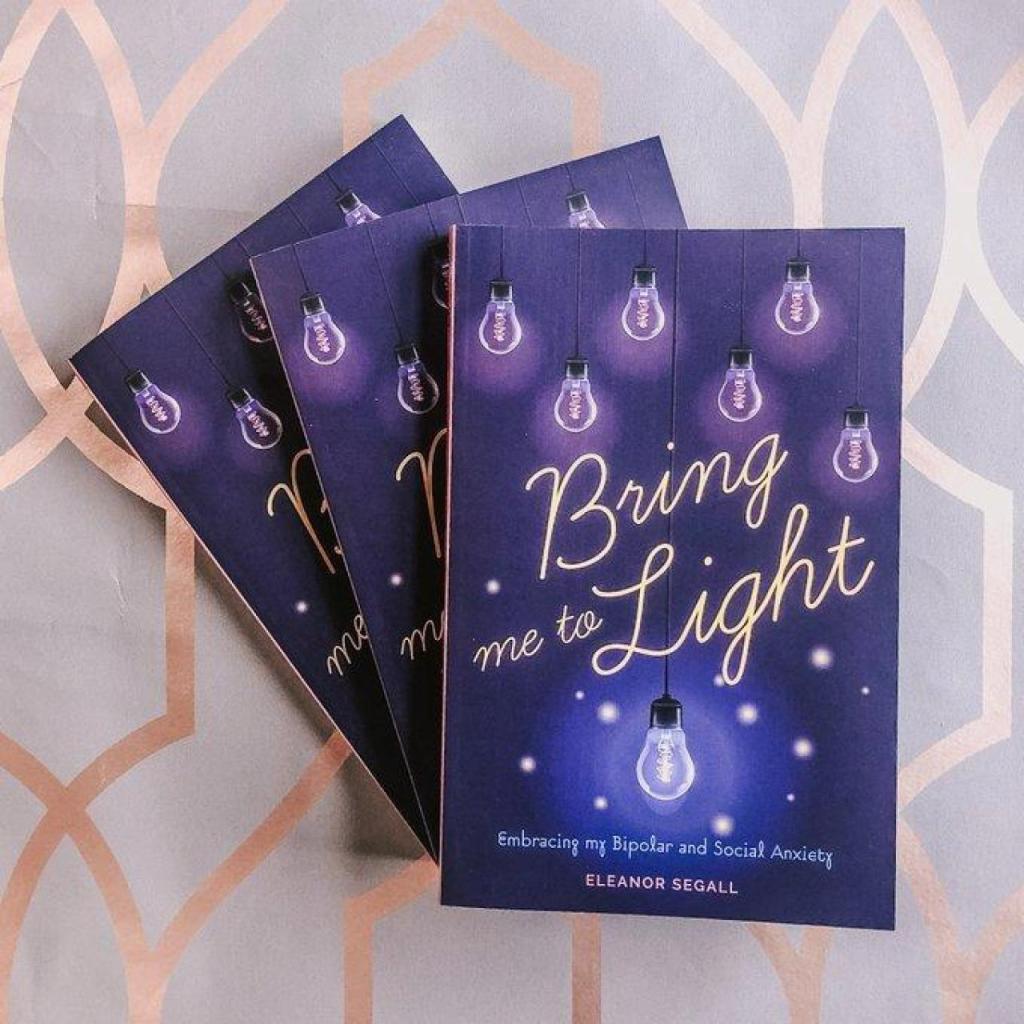
My Book Bring me to Light turned 1!


Yesterday, on 5th November, my book Bring me to Light: Embracing my Bipolar and Social Anxiety (with Trigger Publishing) turned one!

Today, I got this lovely review from a Twitter follower Robin so I thought I would share it here:

It is an amazing book, really enjoyed reading it. An honest and open account of life with bipolar, your strength of character shone through. Thank you for being so open and writing it. – Robin Josephs

I wrote my book to help others and dispell the stigma about severe mental illness. Everyone is human and everyone has mental health. Whether you have never suffered or whether you have depression, anxiety disorders, eating disorders, schizophrenia, bipolar, OCD, BPD or EUPD, self harm, addictions, PTSD etc- I would love everyone to be more open if they feel able.

I hope my book explains what being in hospital can be like but that you can recover.

You can get your copy on Amazon and in all good book shops now 🙂

Happy bookversary to me! Thank you to YOU for supporting my blog, reading this and helping get my book deal. To everyone who has bought a copy and to my fab editors Stephanie and Katie.


5 Things that could be triggering your Depression by Samantha Higgins.

Almost everyone goes through an episode of depression at some point in life. For some, the problem is severe and protracted. During the episodic depression, bouts leave you feeling hopeless and exhausted, making it difficult to be productive and present in your daily life. Although depression is a severe health condition, treatment brings hope to the affected. Once depression symptoms are controlled, knowing common triggers and how to avoid them can save you from a depressive episode.

It is important to seek help in the form of treatment from a doctor- whether that is medication or counselling.

Feeling Overwhelmed

When you feel that stressors, such as tight deadlines, are too challenging to manage, you become overwhelmed. Emotional overwhelm is more than feeling stressed. It means you are completely submerged by emotions and thoughts about your current problems, to a point of feeling paralysed.

It is a scary and confusing experience that might leave you with limited functionality and an inability to think and act rationally. Whether caused by stressful times at your workplace or traumatic experiences of loss, overwhelm can trigger depression. Minimise depression triggers by knowing your limits and boundaries of what you can take in and what can cause overwhelm. For overwhelming tasks, break them down into smaller, manageable tasks for you to complete in steps.


Financial Worries

Money woes are a common source of stress that can cause a depressive episode. Focus on projects that increase your financial stability like side hustles. Avoid concentrating on what you do not have since it increases your worry. Customize your budget and do regular reviews to stay aware of your cash flow and financial situation.

Create a savings plan and make monthly deposits to the account so that you are less worried about the future. Go for local events that are free or cost-effective so that you can socialise at a budget. Remain engaged with your hobbies or spend time with loved ones to avoid overthinking about your financial situation.

Seek support from your doctor, if needed.


Alcohol Abuse

Some people indulge in alcohol and other substances to cope with depression. Most are drawn to alcohol’s sedative effects to help distract them from feelings of sadness. While alcohol can relieve some of depression’s symptoms in the short term, it can worsen depression in the long run.

As a person experiences the financial and social consequences of alcohol misuse, their worries increase, and relationships deteriorate, leading to an episode of depression. This leads to a vicious cycle of alcohol abuse to self-medicate some symptoms of depression. If taking antidepressants for depression, avoid alcohol since the depressant effects of alcohol counterattacks the effectiveness of antidepressants.


Poor Sleep Habits

There is a direct relationship between poor sleep and depression episodes. People that sleep less than six hours and more than eight hours have a high risk of experiencing recurrent depressive episodes than those who sleep the recommended six to eight hours. Practice good sleep habits, such as maintaining a consistent bed and wake time.

Turn off all electronics hours before bedtime to avoid overstimulation for better sleep. Reduce any source of discomfort, such as an old mattress. Look for the best adjustable mattress bases for maximum comfort and relaxed nighttime. Take a warm bath, meditate, or have a warm glass of milk to help you fall asleep fast.


A Poor Diet

Dietary habits can lead to depressive episodes. Consume more healthy foods with a focus on whole foods and fresh fruits and vegetables for improved mental health. Limit processed and refined foods, including junk and fried foods. Look for foods high in selenium like whole grains and Brazil nuts to reduce anxiety and improve mood, making depression manageable.

Go for vitamin B sources such as egg, poultry, fish, and lean meat as they help to reduce the symptoms and risk of mood disorders, including depression. Eat food rich in zinc or use zinc supplements to enhance the effectiveness of antidepressants for better depression management. Hydrate regularly with water or soft drinks for better moods.

Depression can be life-changing due to frequent worries, but treatment- medication and counselling can help manage the disorder. Make lifestyle modifications such as a healthy diet, better sleep, and less worry for improved well-being. 


This guest blog was written by Samantha Higgins.


How to Protect Your Mental Health During the Pandemic: by Mary Davis

These days of the coronavirus pandemic are filled with anxiety and fear unlike anything else we and the world has experienced since World War II. It’s important to stay in tune with yourself and remember it is okay to not feel totally well and to be feeling more anxious. 

Here are some ideas to help your mental health during the pandemic: 


Get moving

You’d be surprised what physical activity does for you, both in terms of physical health and mental health! In terms of mental health in particular, it can help decrease anxiety and improve moods. While gyms and studio classes are closed and it is easier than ever to get an effective exercise in with guided tech at home, now is a great time to become familiar with fitness apps. There are many different ones to choose from: you could try the 30 day fitness challenge app for example to get into a new routine and find the perfect guided workouts work for you! Whether its workouts, barre, or even taking the stairs more, try to move as much as you can. 


Try meditating, mindfulness or prayer

Finding stress management techniques that resonate with you is crucial as stress is an inevitable part of life. The ideal time to start up a mindfulness practice is when times are good so that you have established a practice in times of stress, but it can still be incredibly powerful if you are starting out now!

Just remember to be patient with yourself. There are a lot of practices out there, such as meditation, mindfulness, and prayer, so you have options. If you are unsure of where to start, start with daily deep breathing exercises. 


Avoid alcohol 

Avoid or at least monitor alcohol intake in times of high stress in order to protect your mental health. Alcohol is often used to ‘self-medicate’, but while it can release endorphins in your body, it is classified as a depressant. It significantly impacts your central nervous system, and in times of stress you want to be in tune with your body and paying extra care to your nervous system rather than confusing it. 


Seek a therapist and do appointments via Skype or Zoom

Seeking help is a sign of strength! If you need help or need professional support as you work through stress and/or anxiety, seek a therapist. Many therapists do appointments via Skype or Zoom and if you find one in your area, you can transition to in-person appointments when possible. 


Practise self care

Self care looks different for everyone, and finding what makes you feel good and content is so important. Try cooking, at-home facials, taking extra time on your skincare and giving yourself a face massage, baths with Epsom salts, and quality sleep. 

All of these things can contribute to healthy living and can help us get through the pandemic. They are also great habits to incorporate into your lifestyle to continue caring for your body and mind. 

This guest blog was written by freelance writer, Mary Davis.

On DBT, Art and Healing: A Joy That’s Mine Alone: Guest post by Violette Kay

violettekay1
When I was little I wanted to become a violinist when I grew up. And I could have done it, I was actually really good, but unfortunately mental illness robbed me of that dream. I had my first bipolar episodes right when I started studying music in college, failed a bunch of classes, wronged a bunch of people, and watched my music career crash and burn before it had even begun.
It’s been almost a decade now, and I have a whole new life in which I’m stable and happy, yet I still can’t help but wonder if I could have done it. If I wasn’t bipolar, would I be a professional musician? This question haunts me, it follows me wherever I go, and no matter how far I run it always brings me back. A few years ago I bought a music school in a hypomania-fueled delusion that it would bring me closer to my childhood dream. It did not.
I’ve also written a play about violin teachers and nostalgia/regret, it was very therapeutic, but it didn’t fully heal the wound of my failed music career. Perhaps nothing ever will.
The first thing they teach you in Dialectical Behavioural Therapy is called the “Wise Mind”. It’s supposed to be this balance between your reasonable mind and your emotional mind, and that’s the place you want to be making decisions from. You want to consider both the facts and your emotions, and not ignore one or the other. For example, let’s say you have coworker who is making you angry, and you want to yell at them, throw things and storm out, that’s just what your emotional mind wants. So if you bring in a bit of reason and use your wise mind, you can probably come up with a better solution.
When I was learning this in DBT group I noticed that all the examples we were given involved using the Wise Mind to avoid acting on our emotional mind, so I asked the instructors if they could give me a situation where it’s the other way around, an example where your reasonable mind is what’s leading you astray. They gave some roundabout unclear speech about… something, I don’t remember. Basically they didn’t have an answer for me.
Well, it’s been over a year now and I think I finally found one: I should quit music. I should completely cut it out of my life, sell my violin, recycle all my sheet music, unfollow/unfriend everyone I met through music, and stop self-identifying as a musician. Music has caused me so much pain, and landed me in some impossible situations. So logically, if I want to stop feeling that pain I should just quit, right?
That’s my reasonable mind talking. But if I did quit music I would be ignoring my emotional mind, who likes music and has a lot of very meaningful music-related memories both good and bad, memories I wouldn’t want to lose.
So what’s the middle ground? I still play sometimes. I’ve gone busking during periods of unemployment. I record backing tracks for my singer friends. I take on background music gigs sometimes. And I bring music into my theatre and writing practice all the time.
I’m still shocked every time I get paid to play music, and though I do on occasion mourn the violinist I could have been, I’m also incredibly grateful that I still get to live out my childhood dream in small ways. It’s not what I wanted, but it’s still a good life.
My latest project is a film inspired by my experience of having bipolar disorder and buying a music school, and a first for me: a project born entirely out of self-love, rather than pain. I am so grateful I got the opportunity to make it and to share it with others.
I’ll always have bipolar disorder, it will always be a part of me, but it’s just one part. And I’ll always be a musician. That’s also just one part of me. Maybe they’re the same part.

violette1

This guest blog was written by film maker and musician Violette Kay. Her film the Joy thats Mine Alone about life with art and bipolar disorder, can be viewed at : 

How to Avoid Burnout during a Pandemic: Guest blog by Jade Mansfield at the Worsley Centre

teepublic1

(image: Tee Public)

One of the major causes of burnout happens when we’re in situations with minimal amounts of control over what we can do. Nowadays, it can seem like stress and burnout are a normal part of modern day working life. The World Health Organisation listed burnout as an occupational phenomenon and they define burnout as “a syndrome conceptualised as resulting from chronic workplace stress that has not been successfully managed”.

During the coronavirus pandemic, there has been a lot of pressure to spend our time focused on productivity. These have been seen in the form of achieving full productivity at work or working from home and also being productive by working on self-improvement. The focus on productivity came from the idea that if you focus on driving forwards during the pandemic, this will help get you get through it. While this is true some people, others will need this time to focus on their mental health and simply do less. Getting through a pandemic is not a one size fits all. 

Put simply, you should listen to your body and do what you want to do, instead of what the world says you should be doing. Acknowledging that we are all living in an impossible era is the important first step. There is an adaptation period that needs to happen and this period will be longer for some people than others.

While you should try your best to fulfill your work duties, you are allowed to voice if you are struggling. You do not need to work full time, learn a new language, start baking, take up a new hobby and exercise more if you don’t want to. Take it one step at a time, if you finish work or finish your working from home hours and want to spend your free time on something productive, then do and if you don’t, relax. 

How to avoid burnout

While we have covered a little on current pressures to be productive, this section will dive into the absolute fundamentals.


Get enough Sleep

Key workers, those working from home and those who have been furloughed all need sufficient sleep. This can be particularly difficult for key workers who are working long, hard shifts and also for those who are simply stressed out by living through a pandemic. 

Typically, during your normal routine, you need six to eight hours of sleep each night.but if you’re doing more than your usual routine, you will need around eight hours a night, plus one period of relaxation during the day. Relaxation can be just sitting somewhere quiet for 10 minutes.  If you’re approaching burnout you need eight to nine hours of sleep each night, plus two breaks. 

Stress can make it difficult to sleep, so be mindful that to get a good night’s sleep, you’ll need to combat your stress levels. 


Exercise More or Exercise Less

Exercise helps alleviate stress which is great for creating a good sense of well being. Those who exercise regularly can experience increased energy and productivity. Regular exercise will help you get a good night’s sleep, which will go a really long way for your mental health. 

The most important thing when exercising during a stressful time is that you only exercise when you’ve had enough rest. Otherwise, you may plummet yourself further into burnout, especially if you don’t usually exercise. You need to listen to your body, nobody seems to tell you to exercise less, but if you’re burned out, you should. 


Don’t Ignore Stress

Short-term stress that is manageable could easily turn into burnout over time. You should voice your stress to employers if you’re still working and reach out for any available help. You can also practise deep breathing, meditation, and other relaxation techniques that can help calm you.

Keeping your mind on track and continuing practicing positive thinking. Small techniques like these can work surprisingly well. It can be extremely difficult to remove ourselves from high stress and demanding roles, but just by taking five minutes out where you can really make a difference in terms of mental health. This will positively impact on your ability to do your role as well as everyday tasks. 

Outside of work, try and not put yourself in situations that may cause you unnecessary amounts of stress. Your brain can only take so much psychological stress at one time.  

If productivity is really what you want to improve on during the pandemic, remember that productivity is not the start, it is the end product of other positive actions you’ve taken to get there. Productivity without burnout will happen when you look after your mental health.
This blog was written by  writer and psychologist Jade Mansfield – The Worsley Centre, a centre for Psychotherapy and Counselling.

My crippling Anxiety once floored me. Now I wouldn’t be without it : Guest blog by Emma Johnson at Worry Knot Jewellery

emmajohnson2

(image: Emma Johnson at Worry Knot)

Trigger warning: talks about self harm, anxiety, depression and mental illness 


For 10 or so years, throughout adulthood, I have battled on and off with something invisible and something I still don’t fully understand myself.

Generalised Anxiety Disorder. 

I’m now 29 but my illness started at about the age of 21. In my third year of University, I started to dread things, I started to worry about everything I said, did and I started to question if anyone liked me. I have always been apologetic but this was different. I felt like apologising for walking into a room. 

I was unable to switch off, unable to focus on my University work and I withdrew a lot socially. Life moved quite slow back then. 

For me I knew this was out of character. I’ve always been fun loving and outgoing, with a smile on my face. I became confused about who I was. I developed an uneasy feeling that would take almost 8 years to learn to sit with.

During the first few years of my disorder, I definitely still achieved a lot. I often feel my disorder makes me thrive more, sort of like overcompensation, a little bit like proving people and myself wrong. I graduated with a BSc in Psychology and at the age of 24, I went on to gain my MSc in International Development.

I don’t think I truly recognised these achievements until about the age of 27. 

Whilst studying my MSc life changed quite a lot for me. I had gone through a bad break up in my younger years but then I finally met someone who lifted me back up, who challenged my thoughts, someone who was completely different to me in every way. This was oddly comforting for me, a bit like escapism from my own ruminating thoughts. 

Then I entered the world of professional work. I started out as a fundraiser, and in my most recent role I tried my hand at facilitating group therapy. In 5 years I have moved through 4 jobs within the charity sector. Sometimes part time.

During this time my anxiety disorder would often become too much. I often sunk low and developed bouts of depression. I would cry and sob. I was back and forth to the GP, often teary, often red in the face and always a bit embarrassed, even though I didn’t need to feel embarrassed.

At one point I was signed off sick from work, bed bound for 3 months, with no motivation at all, just me, myself and my catastrophic thoughts. I was pretty exhausted, shaky, drained and more confused than ever. My physical symptoms manifested as sweating, chest pains, palpitations, shortness of breath and the odd panic attack. 

One thing I started to do was open up, I began to share things with my partner and colleagues. They let me cry if I needed and at the same time my GP was stabilising and finding the right medication to suit me. But I was clearly still unwell.

I quit another job I enjoyed through my inability to cope and my lack of self esteem. My Imposter Syndrome led me down another uneven path.  Always overworking. Always overthinking. Always overcompensating. I didn’t slow down until I was forced to.

Another behavioural symptom of my anxiety is skin picking and nail biting. In early adulthood I would sit for 3 hours picking at my face and over the years I have made the skin around my thumbnail so sore it would bleed. It is now scarred.

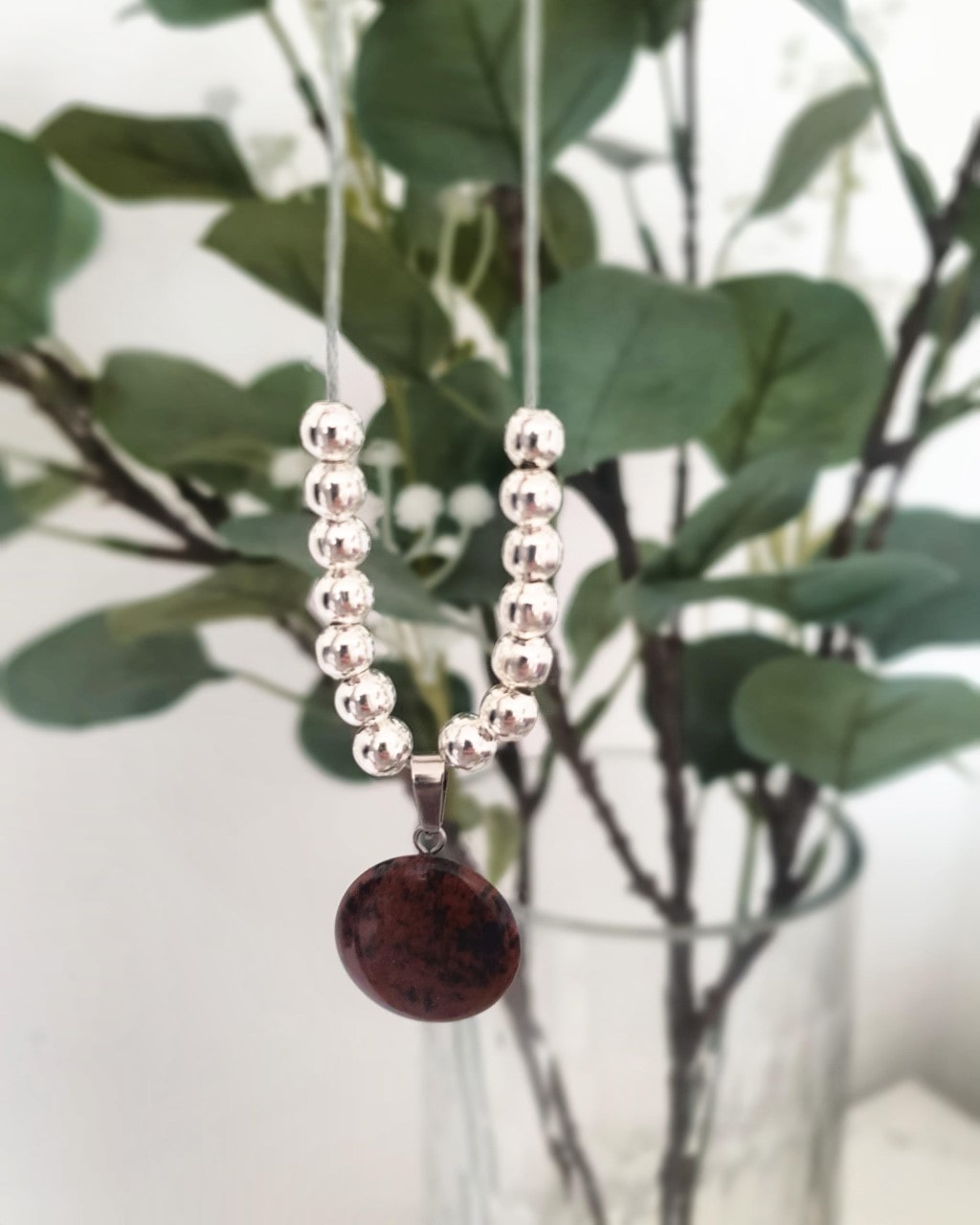
My need to fiddle with something to ease anxiety is always apparent. Earlier this year, I was talking to my friend about making jewellery and how cool it would be to make my own. I have always been into accessories, fashion and jewellery so I said I’d love to make something I can wear and carry with me discreetly but also fiddle with, to stop me from picking so much. 

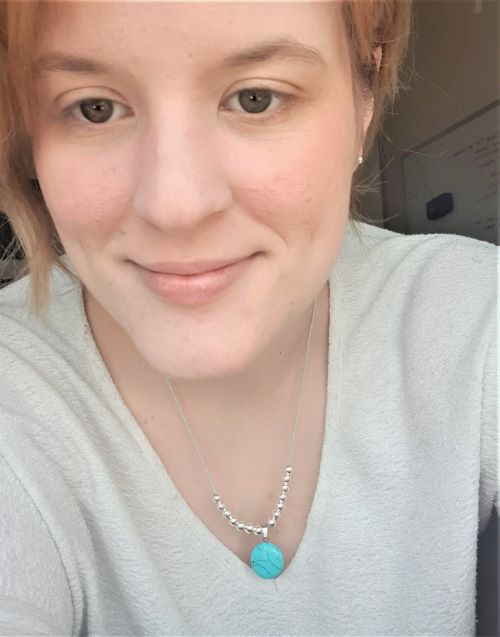
She mentioned worry beads and I was intrigued. I wanted to make my own twist on them. A prettier version, merging them with jewellery design that I would more likely wear, so I did and my life has changed. I have started a small business called Worry Knot.

necklace1

(image: Emma Johnson at Worry Knot)

Alongside selling calming jewellery, I’m blog writing. I’m advocating more widely about the importance of opening up when confusing and sometimes debilitating symptoms develop. Not only is it therapeutic for me to make my jewellery but it’s extra therapeutic playing with this jewellery a few times a day. 

Having something to focus on, things to make and to write about has been crucial in managing my own anxiety, especially at such an anxious time for the world. I hope my jewellery can go on to help those feeling anxious not only now but going forward into the future too.

emmajohnson1

beads

(Images: Emma Johnson)

For more information please visit:  www.worryknot.co.uk and instagram.com/worryknotuk

You can also find me @worryknotuk on Facebook and Instagram.


Emma Johnson is a writer with lived experience of mental health issues. She is the founder of Worry Knot, a jewellery brand to help others who have anxiety.    worryknot


How to help Teens with Mental Illness succeed at School: Guest blog by Brooke Chaplan

teenmentalillness

(image via B Chaplan)

It can often feel like the educational system is not set up to deal with anyone who falls outside of a fairly narrow set of parameters. If you know a teen who is dealing with a mental illness, you have most likely seen ways that the system fails to help him or her. If you want to help that teen succeed, though, you can take a few of the steps below.


Seek Out Treatment

The first, and perhaps most important, step is always ensuring that the teen in question is actually receiving treatment for his or her illness. While you might think that the teen’s coping skills are up to the task of school, the truth is that professional help is still the best way to stay on track. Whether this means therapy, medication, or a combination of the two, seeking out treatment is always a wise first step, from a doctor (GP) or psychiatrist if needed.


Find the Right School

The next step requires taking a look at the school environment. Some students do well in a typical school, while others might need a more therapeutic environment. Even choosing a smaller college prep high school may be the best way to help out a teen who has to deal with significant emotional problems. The setting in which education occurs matters, so make sure that your teen has the support he or she needs.


Create a Support Network

Make sure that the teen in question doesn’t have to do it all on their own. Setting up a support network that involves friends, therapists, and even teachers is a great way to give your teen a bit of extra help when it comes to dealing with the tough days. While you should be careful with how you talk about your teen’s illness, it’s also a good idea to make sure that others are aware of what he or she is going through.


Involve the Teen

Finally, give the teen a stake in his or her success. Let him or her be part of the decisions about schooling, therapy, and finding the right support. Developing a sense of agency is a must for any person who deals with a mental illness, so start the process sooner rather than later.

Don’t be afraid to seek out help when your teen is struggling. Find a good therapist, build support networks, and make sure that you’re making the right educational sources.

With the right kind of help, your teen can be quite academically and emotionally successful.


Brooke Chaplan is a freelance writer and blogger. She lives and works out of her home in Los Lunas, New Mexico. She loves the outdoors and spends most of her time hiking, biking, and gardening. For more information, contact Brooke via Facebook at facebook.com/brooke.chaplan or Twitter @BrookeCha

How Debt can have a huge impact on your Mental health by Ian Sims

With the coronavirus outbreak, it is a worrying time for many of us financially. With that in mind, today we would like to share this about debt and mental health: 

Worries about money can hugely influence your overall wellbeing. A study conducted in 2019 showed that 9.5 million people in the UK have issues with their mental health, in direct relation to money woes, whilst a staggering 18 million worry about lack of money daily (source:N26).

How mental health impacts your finances

Research conducted by National Debtline indicates that approximately one in four adultswill experience an issue with their mental health within any given year. It is worth noting mental health incompasses a range of conditions and experiences, including:

● Anxiety

● Depression

● Bipolar disorder

● Phobias

● Schizophrenia

● Dementia

It is also worth highlighting that having a mental health issue or condition does not automatically mean you will struggle with finances or debt. However, it may make it harder to deal with. Research indicates that around half of all adults in the UK who are having debt problems also have a mental health issue (source: National Debtline).

It can causes a vicious cycle of problem health and finances

Unfortunately, feelings of stress, anxiety and even depression relating to growing fears about lack of money can lead to a vicious circle. It can impact your finance management abilities in a variety of ways. For example, serious anxiety or depression may cause you to lose energy or avoid your debt entirely. This may lead someone to avoid keeping up to date of their finances.

Problems with mental health could also affect finances if it means that it reaches a serious point where the person is required to take time off work. Depending on their individual circumstances (such as whether they are entitled to sick leave or not) this could mean a sharp reduction in their income. Unfortunately, this might have the unintended impact of making their mental health worse.

Other signs that debt is causing an impact on one’s health mentally include:

● Become overwhelmed or sick at the thought of the debt you are in

● Starting to withdraw completely from family and friends due to debt anxiety

● Symptoms of preexisting mental health conditions such as depression, are worsening

● Struggling to eat properly

● Struggling to sleep

● Regularly underperforming at work

What you can do if you are in debt and struggling with mental health

Do not suffer in silence, there are a number of places you can turn to that are confidential and free. This includes services such as the Samaritans or Mind. There are also debt charities dedicated to providing advice on how to get out of your debt, such as StepChange and National Debtline.

If you are looking to lower or consolidate your debts, you can look at debt management companies, but please note that they make take a fee for using their services

If you need help in the current crisis with getting Universal Credit or other welfare benefits for job loss or want to know more about managing your finances, check out the government and money websites such as MoneySavingExpert by Martin Lewis.

This blog was written by expert and freelance writer Ian Sims.


Mental Health Tips to get you through Coronavirus Lockdown: Guest blog by Chantal Shaw

If you’re stuck at home during the Coronavirus outbreak and need some tips to help with your mental health, you have come to the right place.

Being on lockdown can make us all feel depressed and more anxious. Self care for ourselves and our families are more important than ever.

Here are some suggestions of things to do to help your mental health and self care at the moment:

– Follow an exercise video- Listen to guided relaxation (I recommend channels ‘Relax for a while’ and ‘Michael Sealey’ on Youtube).

– Write down your thoughts and feelings in a journal- this helps to clear your mind.

– Nourish your body with healthy food and stay hydrated, so important to get help with groceries if possible and drink lots of water.

– Have a bath to help relax you and keep you feeling good.

– Watch stand up comedy on Netflix, Amazon Prime or on TV. 

– Do a puzzle, if you enjoy them.

– Play a board or card game.

– Limit your exposure to the news to once a day if you are able to stop anxious thoughts. 

– Bake/ cook – good for being mindful and creating something delicious, with a sense of achievement.

– Read a book and let your mind imagine.

– Go for a walk in nature (responsibly and if your country’s guidelines allow you to!).

– When you get up- make your bed and don’t stay in pyjamas all day, to get you into a good routine and positive mindset.

– Have a phone or zoom chat with positive influences in your life.

– Tidy your home as best you can.

– Play upbeat music (and dance or sing).

– A few drops of pure lavender oil in your bath or a lavender pillow spray to help you fall off to sleep and help reduce anxiety.

– Learn a new skill- many online courses are being offered.

– Break down the tasks that are overwhelming you in to small achievable chunks.


If you are having persistent overwhelming negative thoughts or feelings please tell someone- speak to a trusted friend or family member, your GP, the Samaritans on 116 123 (UK- you can also email them if you prefer), a counsellor.

Things can and will get better.

Our mental health is just as important as our physical health, look after it.


Chantal Shaw is a guest writer from the UK and the sister of our founder Eleanor.