
The Caregiver’s Toolbox: Supporting A Loved One Through Severe Depression by Nepoleon Nayak

(image: Vitali Gavrushcenko: Unsplash)

When someone you love is experiencing severe depression, its effects are often felt throughout the entire household. Depression does not affect only the person living with it; it can also take an emotional and physical toll on family members, partners and close friends.

As a caregiver, you may naturally want to make things better. You might encourage your loved one to stay positive, get outside or try something new. However, severe depression is not something that can be overcome with a few encouraging words or a change of routine. It requires patience, understanding and, often, professional support.

Supporting someone through depression can be challenging, especially when you are unsure what to say or do. Having a few practical approaches can make a real difference, while also helping you protect your own emotional well-being. Here are some ways to build a supportive and balanced caregiving routine.

1. Practical Support: Helping with Everyday Tasks

When someone is experiencing severe depression, even simple daily activities can feel overwhelming. Tasks that once seemed routine, such as preparing meals, washing dishes or getting dressed, may require considerable effort.

Small, practical gestures can help reduce some of this pressure.

  • Offer specific help: Rather than saying, “Let me know if you need anything,” try offering something concrete. You could say, “I’ll take care of the dishes today,” or “I’ve prepared some extra food if you’d like it.”
  • Create a calm environment: A quiet, comfortable and reasonably organised living space may make everyday life feel a little easier. Avoid unnecessary noise or pressure where possible.
  • Respect their pace: There may be days when your loved one struggles to complete even basic activities. Try not to judge their progress by what they accomplish. Small steps deserve recognition, too.

2. Emotional Support: Listening Without Judgement

When someone is depressed, hearing phrases such as “Look on the bright side” or “You have so much to be grateful for” can sometimes make them feel even more misunderstood. Although such comments are often well-intentioned, they may unintentionally minimise what the person is experiencing.

Sometimes, listening is more helpful than offering advice.

  • Acknowledge their feelings: Let them know that you recognise their struggle. Simple words such as “I can see how difficult things have been for you” or “I’m here if you want to talk” can offer reassurance.
  • Don’t force conversations: Your loved one may not always feel ready to talk. Give them space without making them feel ignored or abandoned.
  • Be comfortable with silence: You do not always need to find the perfect words. Sitting together, sharing a quiet moment or simply being present can help someone feel less alone.

3. Crisis Management: Knowing When to Seek Help

Family members and caregivers play an important role in supporting someone with depression, but they cannot replace professional mental health care. Knowing when additional help is needed is an essential part of caregiving.

  • Encourage professional treatment: Gently support your loved one in arranging appointments with a mental health professional or doctor. If they feel overwhelmed, offer to accompany them.
  • Notice significant changes: Pay attention to increasing withdrawal, worsening hopelessness, changes in behaviour or comments suggesting that life is no longer worth living.
  • Prepare for emergencies: Keep contact details for local mental health services, crisis support lines and emergency services readily available. If you are concerned about immediate suicide risk, ask directly whether they are thinking about suicide, stay with them if it is safe to do so, and seek urgent professional help.

Having a plan in place can help you respond more calmly when a difficult situation arises.

4. Protecting Your Own Well-Being: Making Self-Care a Priority

Supporting someone with severe depression can be emotionally exhausting. Caregivers sometimes become so focused on their loved one’s needs that they overlook their own. Over time, this can lead to stress, exhaustion and caregiver burnout.

Looking after yourself is not selfish. It helps you remain emotionally available and provide support over the long term.

  • Set healthy boundaries: Be honest about your emotional and physical limits. You can care deeply about someone while still needing time to rest.
  • Maintain your own routine: Try to continue activities that bring you comfort, such as meeting friends, exercising or enjoying a favourite hobby. Your entire life does not have to revolve around caregiving.
  • Find someone you can talk to: Speaking with a counsellor or joining a caregiver support group can provide a safe space to discuss your feelings and experiences.

Remember that you also deserve understanding, support and care.

Final Thoughts

Supporting someone through severe depression is not always easy. There may be difficult days when your efforts seem to make little difference, and there may be moments when you feel unsure about what to do next.

You do not have to solve everything or have all the answers. Sometimes, helping with an everyday task, listening without judgement or simply reminding someone that they are not alone can be meaningful.

Caregiving is a long journey, not a quick fix. By combining practical support, emotional understanding, professional guidance and attention to your own well-being, you can help create a more supportive environment for someone you love without neglecting yourself.

Author bio- Nepoleon Nayak

(image: Nepoleon Nayak)

Nepoleon is an independent freelance writer whose work explores mental health, emotional well-being, societal issues and digital literacy. He is passionate about creating thoughtful, human-centred articles that make complex subjects easier to understand. Through clear, accessible writing, he aims to encourage awareness, empathy and meaningful conversations around issues that affect everyday lives.

5 Ways To Cope When Life Gets Difficult by Eleanor

(image: Bade Saba: Unsplash)

Life is often a rollercoaster of positive and negative experiences, interspersed by the normal every day that we can take for granted. But what happens when life throws a curveball that you hadn’t foreseen- health worries, financial stress or maybe a relationship breakdown? Sometimes, all of these can happen at once. Heres some ideas that can help when life gets tough.

  1. Don’t bottle up your feelings and keep it to yourself. Make sure you talk about your feelings with a trusted loved one, therapist or helpline. You can also journal your feelings as writing can be really healing.

2. Nourish yourself daily with healthy food and do gentle exercise. Some delicious protein, healthy carbs and a little walk, yoga or a swim can really help.

3. Treat yourself to some self care or do something creative that you love- whether its creating art, writing, vlogging. performing- if it makes you smile and distracts you from troubles then do it! I find that washing my face and using my favourite skincare products also helps with self care.

4. Scale back the difficult demands on you if you can and be kind to yourself- Don’t punish yourself or try to do too much when things are challenging. Reach for support around you especially if you are a parent, pet parent or have caring responsibilities.

5. Watch something comforting or funny- a good movie or TV show is distracting and can work wonders.

Most importantly- if you feel yourself spiralling into anxiety, depression or crisis point please reach for help from mental health services . Call NHS 111 for help in a crisis.

Coping when life gets difficult isnt easy. These are just a few tips to help. If you are facing worsening or severe mental health issues, please reach out to professionals to help you- GP, psychiatry or a therapist. In an emergency in UK, dial 999.

.

World Suicide Prevention Day 2026: Finding Hope

(image: Pan MacMillan)

Trigger warning: discussion of suicidal thoughts.

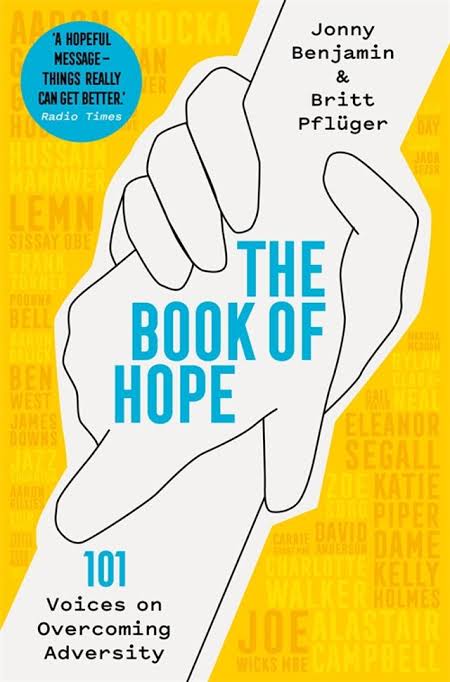
This World Suicide Prevention Day , I share an extract from my story in The Book Of Hope: 101 Voices in Overcoming Adversity by my friends Jonny Benjamin MBE and Britt Pfluger. You can see the full video of me reading from the book on my social media channels.

Living with bipolar 1 from the age of 16 meant living with deep depressions, of which suicidal thoughts were a part. Being able to safely share these with family and psychiatrists in the past saved my life and helped me hold on in the dark moments of bipolar episodes. I am not alone in feeling this way- millions are struggling now, today. Medication, therapy and support keep me well.

So today I read from my essay in this very special book to tell you- ‘You will feel the sun and smell the rain again, even after suicidal depressions when you lay in bed wanting to disappear. ‘

Please reach for help when you start getting these thoughts and hold on- a better day is coming. Helpline numbers including Samaritans at 116 123 are available if you need to talk and feel in crisis.

I also know the devastation of losing a loved one to suicide and conversely, to help people through these thoughts. Their stories are not my own so I am not sharing them today but I hope that today and every day we focus on suicide prevention and support for all who are struggling.

Love,

Eleanor x

Moving To A New Home : Life Changes by Eleanor

(image: Peter Mason- not our actual house!)

Two weeks ago, my husband and I moved into our new cottage type house (not the one in the photo!). It has been a journey for us to get here and something we have been working towards for several years- and honestly, we weren’t sure we would be able to buy a house (with a mortgage) in the area we live in as we’re in London and prices are expensive. We are also aware to even be on the property ladder is a dream come true for so many and we know many people renting. So we are really grateful this has happened for us as we spent years living in a small 1 bedroom shared ownership apartment and weren’t sure we could move.

Moving to a new home can be unsettling but I remember just sitting down on the couch a few weeks ago and trying to drink in that this house is actually ours. I feel so so grateful.

We spent a couple of years at my Mums due to a dip in our finances (in 2024, I lost all my income overnight and had to rebuild it) and trying to find the right place for us- and over this period of time, two properties (a small house and a flat/apartment ) we offered on fell through due to various twists and turns. I was even considering moving to a different area entirely because it felt like what we needed was out of reach for us.

(image: Tatyana P Unsplash)

The overriding emotion is gratitude because our families and friends have been so supportive and kind to us, feel privileged.

I definitely struggled a lot during the time of being at my Mums due to being in a waiting season of not knowing about jobs, finances and home and health stuff (with my PMOS fertility) and this is a new chapter for us which we hope will be positive. My mental health was understandably slightly affected and I was lucky that I could pay for therapy sessions when I needed them and didn’t spiral too much. I am still pinching myself that our much held prayers have been heard.

If you’re reading this and you are struggling, please know things can turn around quickly, keep faith in your heart despite everything feeling hard. We will never forget the kindness and support shown to us. A person is truly not a person without other people and for me, G-d too. He is behind everything.

Moving home is said to be one of the most stressful things in life- so its important to take things day by day as it can be anxiety provoking.

With love,

Eleanor x

Living With Severe Functional Neurological Disorder (FND), My Mental Health And Determination To Thrive by Liam Virgo

(image: Liam Virgo)

Trigger warning: discussions of FND, illness and mental health.

Hi! My name is Liam Virgo and I’m pleased to share my story with Be Your Own Light blog.

In 2016, at age 13 and after months in hospital, I was diagnosed with severe Functional Neurological Disorder (FND). I was suddenly paralysed and unable to speak. I had all my abilities taken away from me and was left severely disabled. For six months my mind switched off and I didn’t know who or what anything was. I don’t remember the early days of my illness and life before it is a blur. My FND resulted in me being bedridden, unable to walk or talk. I felt trapped inside my own body.

Being a prisoner in my own body felt like my body had completely betrayed me. The psychological impact of being locked inside my own body is still felt to this day. It’s been a long hard battle with FND- painful and very isolating. The doctors aren’t sure what caused my FND. All we know is that it happened and I was severely affected by the condition but without any real explanation as to why this was the case. 

However, while I was bed bound I found comfort in a few things and one of them was London. It was my dream to visit the city but because of my FND I wasn’t well enough to go. I was supported by CAMHS (UK NHS child mental health services) for four years and they created London themed progress charts to help motivate me to achieve my wish. 

FND hasn’t only affected my physical health but my mental health too. The impact of severe FND left me with difficult feelings and emotional difficulties. The emotional scars of FND are still felt to this day. Over the years I’ve been supported by Psychiatrists and Psychologists. Some of the overwhelming feelings I experienced and still do are anxiety, I felt misunderstood and isolated. I sometimes became tearful and emotional. I was put on different medications over the years but nothing really helped. I also had many other assessments and strategies used to help understand my mental health including a cognitive test and I also had a mood diary. 

Because of FND I’ve missed years of schooling as I wasn’t well enough to return to education.

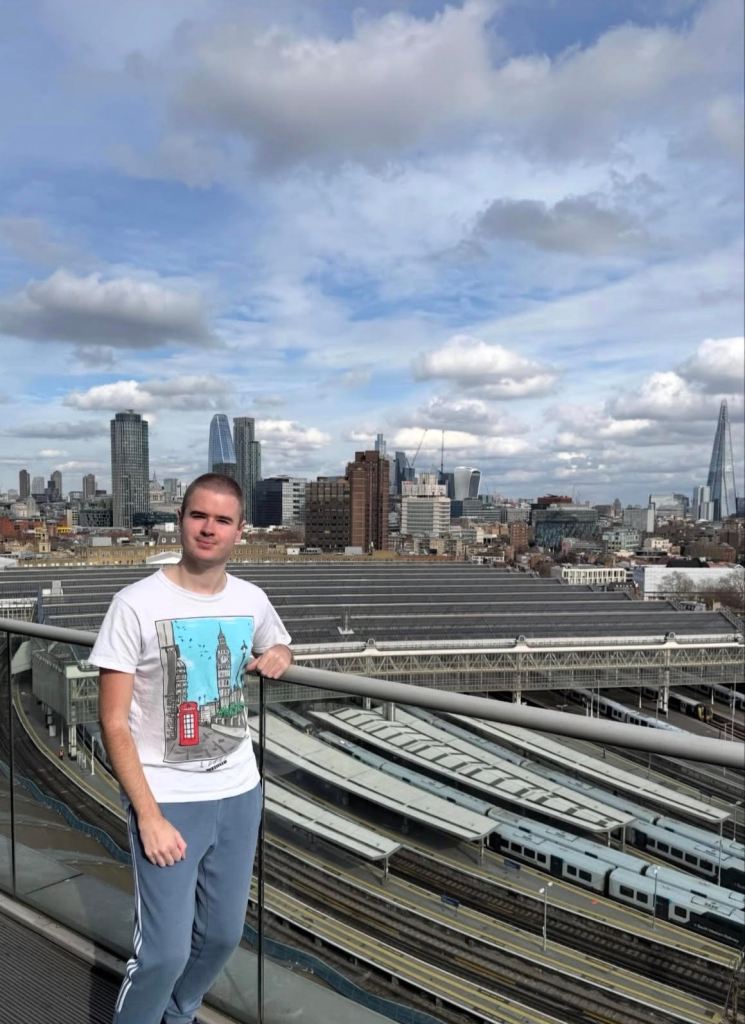
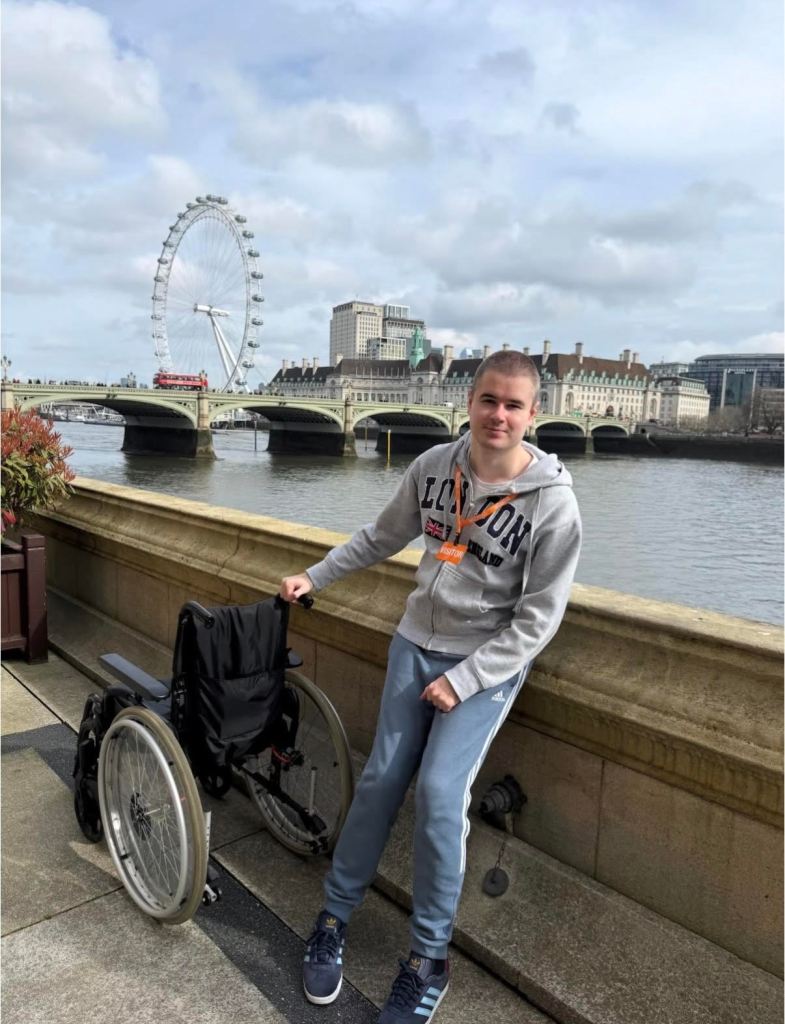
Eventually after three years my physical health started to improve and when I was well enough I made it to London and have been back many times since to my favourite place. I went to London with my parents and I loved visiting Central London. I went to all main sights such as London Eye, Big Ben, Tower of London, Buckingham Palace and lots more. 

10 years on, I’m now slowly recovering and learning to walk again. I’m using my voice, the voice that FND stole from me to raise awareness about the condition. I still have very difficult days with FND but I’m learning to live with my new normal and adjusting to life post severe FND. I’ve had a very long journey with FND but I know if I can get through all of that I can get through anything.

At 13, I lost all my abilities to FND but one thing FND could never take from me is my determination.

(image: Liam Virgo)

The medical professionals are unsure if I’ll ever make a full recovery because of the impact of severe FND but I’m now at a stage in my life where I’m able to live with the condition. I’m able to talk and I can move my arms again. I’m no longer bedridden and can walk with support. I still battle with FND daily but I’m determined to never give up hope. I still use a wheelchair but just sitting in a wheelchair is a big achievement for me as I couldn’t tolerate sitting in anything before. 

You can follow Liam on his adventures here on Instagram. Thank you Liam for your bravery in using your voice and sharing your story.

Children’s Mental Health Week And Arabella and the Worry Cloud Book by Eleanor

(image: E Segall/ Shelley The Artist)

This Children’s Mental Health Week by charity Place2Be, is focused on the theme ‘This Is My Place’, fostering a sense of belonging in children, encouraging safe spaces for them to feel supported. The week encourages adults, teachers, parents and carers to use tools to equip children with positive mental health.

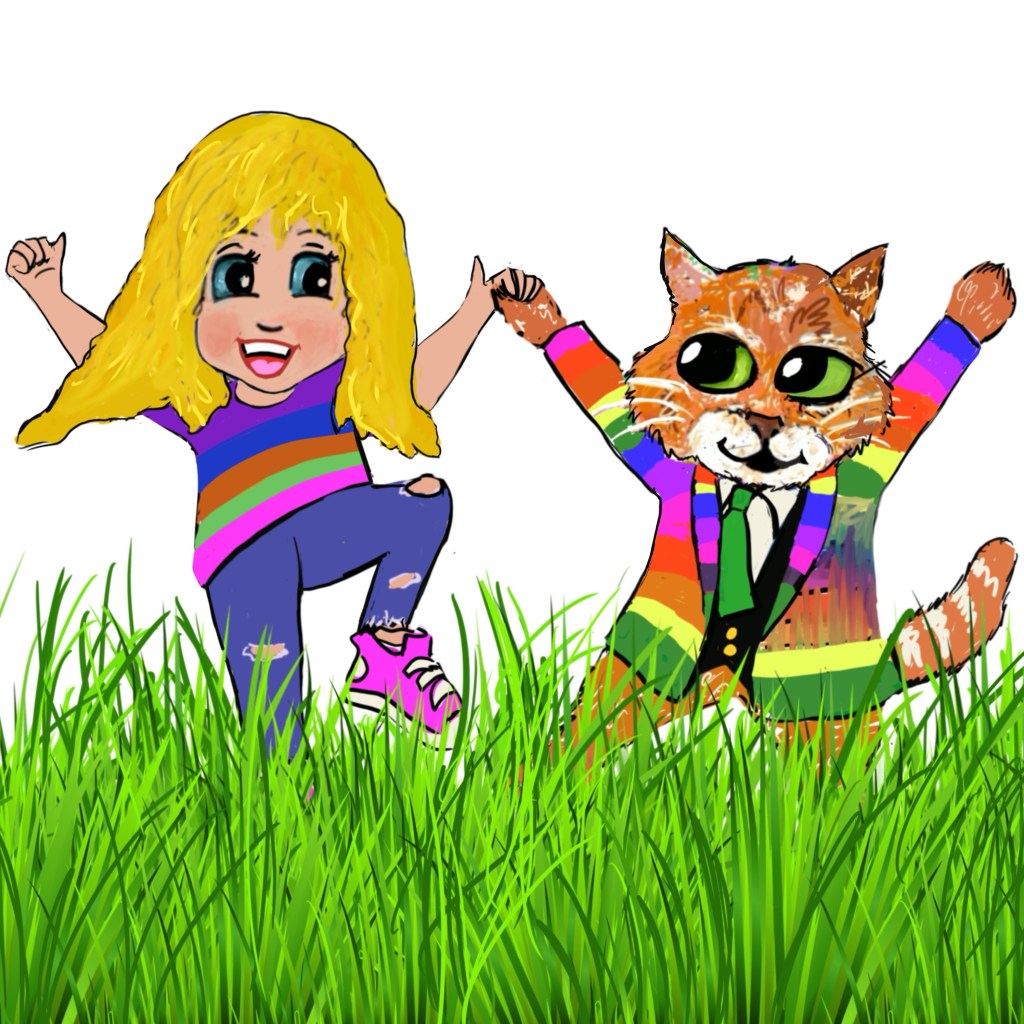
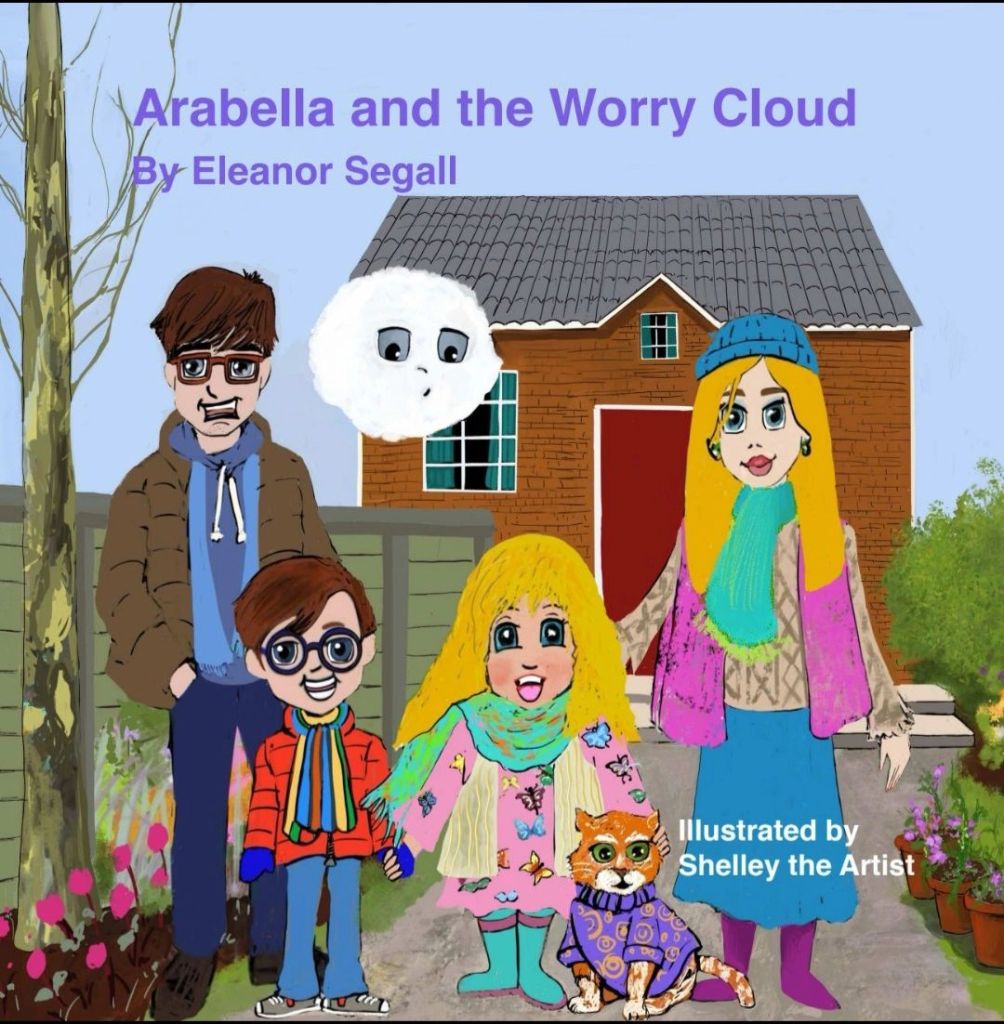
This week is very important and my children’s book ‘Arabella and the Worry Cloud’ (illustrated by my dear friend Shelley the Artist) is for younger children (aged 4-8) navigating feelings of worry and anxiety.

(image: E Segall/Shelley The Artist)

When I was a little girl and well into my teen years and beyond, I had a lot of anxieties. As a self-confessed empath and worrier, I could feel when something was wrong. This led to separation anxiety with symptoms including nausea at school. Children who have anxiety need to feel safe, settled and above all, heard by parents/carers and the adults in their life at school.

I wrote my first children’s picture book, Arabella and the Worry Cloud, in 2019 and published it in 2024. It is based on me as a young 7-year-old girl who had a lot of anxiety. In the book, Arabella worries about her socks not fitting on her feet, losing her shoes in a muddy puddle, the rain soaking her and cold freezing her toes, the rainbow in the sky losing its colour, her cat Pickles getting lost, the plants in the garden dying, losing her homework, failing a test and being blown away by the wind. These worries are partly represented by a Worry Cloud that comes down to see her from the sky and threatens to rain on her with all her worries.

Eventually, Arabella realises that if she thinks jolly, happy, sunny thoughts in place of the worries, she can push the Worry Cloud away with the joyous light beams of positive thinking. Arabella unlocks happy memories with her family, visualising wonderful times with them and it gives her confidence to face the Worry Cloud head on, so it can go away and leave her in peace.

So many children will have their own version of the Worry Cloud. Arabella’s place of belonging is with her family, where she feels safe and loved (and we know this is not always the case). My hope through this book is that it will help children to feel OK with anxious feelings, to find safety and to talk about it with a trusted adult in their life.

This Children’s Mental Health Awareness Week, you can get Arabella and the Worry Cloud here.

(image: Place2Be)

Love,

Eleanor

x

Christmas For CAMHS 2025- Making Christmas And The Festive Season Special For Young People In NHS Mental Health Units.

(images: Christmas For CAMHS)

Every year, the incredible charity Christmas For CAMHS brightens up the lives of children and teens on NHS CAMHS mental health wards. These are for children who are too ill with their mental health (often distressed and traumatised) to be at home with their families, friends and loved ones. In 2004, when I was just 16 and going through a bipolar episode, at Christmas, I was in a mental health ward away from home (I am Jewish and don’t celebrate Christmas religiously but there is something about being given a gift, a card, activities when you are far from home that warms the soul). I know how scary it can be to live in hospital with other ill children and teenagers. So, I absolutely love the work of this important charity.

Christmas For CAMHS was founded by Dr Ro Bevan. While working as a doctor on a children’s ward in 2015, she saw first hand that, during the festive season, hospitals supporting children with physical illnesses were showered with huge amounts of gifts, festive treats and celebrations – as they should be! They even had enough to cover ward birthdays the following year! The following year she was working on a child and adolescent mental health ward. She was shocked by the contrast. So she posted about the inequality on Facebook – “We had no presents donated. Our patients had one present each using money scrimped and saved from the NHS budget.” Her plea went unexpectedly viral, inspiring an intrepid bunch of volunteers to come together with her to create our charity Christmas For CAMHS. We had to make sure that no child or young person on a UK mental health ward was ever forgotten at Christmas again. 

Since then the charity has gone from strength to strength, providing some essential Christmas hope for almost 9875 children and young people. Last year, in 2024, the charity sent over 1100 individual gifts (with an additional fidget toy too) to these children and young people – that’s gifts to every young person in every CAMHS unit in the UK! 

They also sent 52 special additional gifts for young people on the ward particularly in need, such as those with no parental support and young people in foster care – this included items such as oodies, comic books and specialist art equipment. But that wasn’t everything! As well as individual gifts and goodies, they sent wellbeing advent calendars, festive decorations and activity kits – great for distracting and boredom-busting – paper chains, homemade cards and ward gifts such as jigsaws, art kits, books and board games. Festive season in a box!

(Image: Christmas for CAMHS)

The charity say, ‘It’s never really about the gift itself. For these young people struggling with conditions such as anorexia, psychosis, bipolar disorder and depression, it’s about a glimmer of hope — the knowledge that someone out there cares for them, is thinking of them, and wants them to feel less alone at a very hard time of year to be poorly in hospital. This is why what we do is so important. These fragments of hope and glimmers of joy can, and do, change the course of lives.’

A recipient of the charity’s kindness who was in hospital years before, told them the following and reached out to the charity.

She said: “I was in a CAMHS inpatient unit over the Christmas period when I was 17. While friends were studying for A Levels and passing their driving tests, I was really struggling to keep myself safe and needed to focus on basics like brushing my teeth and eating regularly. Staying in an inpatient unit is a really tough experience for anyone, but Christmas is particularly hard when the pressure to be with family and enjoy the festive period is much higher.”

I wasn’t safe enough to go home overnight yet, so woke up in hospital on Christmas Day. I remember feeling really low that morning, but the unit had received a care package filled with presents which were given to all of us who were there over the Christmas period. I don’t remember what l picked out, or what the other presents were, but I remember feeling like the universe wasn’t such a bad place after all.”

It felt really special that even when I couldn’t care for myself, there were people who did care for me.I hold that memory close to this day and I’m so grateful to Christmas For CAMHS for helping me through a really difficult time.”

I can relate to this person, I was lucky enough that in 2004, we did receive a small gift and I did get some cards from people in hospital with me (I was struggling with bipolar and psychosis at this time but I still remember that lovely feeling of being thought about by the ward staff).

(image: Christmas For CAMHS)

Christmas For CAMHS is a charity extremely close to my heart. This year, they hope to reach their 10,000th child this Christmas. Times are really tough for charities and they need your help to be Father Christmas and his Elves in all of the CAMHS wards in the UK again this year. You can support Christmas for CAMHS by donating online or choosing a gift from their wish list:

https://www.justgiving.com/campaign/christmas-camhs 

Thank you Christmas for CAMHS and all its staff and volunteers for bringing light and hope to poorly young people going through a challenging time.

For more: please see https://www.christmasforcamhs.org.uk/

On Mindfulness And Waking up And Smelling The Roses (Literally!) by Eleanor

(image: Nkni, Unsplash)

Sometimes the world and life gets so busy, hectic and at times, very dark. We are bombarded with negative stories and awful news, social media means we have access to this constantly and everyone is always going through something difficult in life. Whether its struggling with your mental health or whether life events come and derail your mood, life can be challenging.

What I learnt this week was that sometimes I can stay too much in my head and own space, worrying, overthinking, overplanning- because I care too much. It can be hard when you’re an emotional person to stay always rational and content. Gratitude is hugely important for this, being thankful and giving it over to the universe or higher power. However, I wanted to share with you how nature got me out of a worried, controlling (of my own universe) place…

I had spent all day working at home, hadn’t been out and decided to go out to visit my Dad with Rob. It sounds so small but I was instantly taken with the array of beautiful roses and flowers in people’s gardens. The zesty orange roses, their pale pink delicate friends, shocking pink bright roses and white ones poking their heads amongst the other colours. And as we arrived in my Dad’s road, each house had so many stunning roses.

It made me so much more mindful and content, to be in nature and just really appreciating our world. So thats my message for you today- step outside and smell the roses, because we can often miss them when we’re on our devices or not mindful and present in the world. Have a small walk if you can, take in fresh air, go and visit the flowers and the trees and breathe.

Have a lovely weekend,

Eleanor

New Year, Rome Holiday and Health by Eleanor

(image: QuoteFancy)

Hi everyone!

Wishing you all a very Happy New Year 2025!

January can be a challenging month for us all, post the festivities and time off work. I just thought I would write a little update here.

This year, I am looking for a new role in Digital Communications for charities/ lifestyle brands, Journalism or Writing. I have also written the sequel to Arabella and the Worry Cloud– which is very exciting. I loved writing it and hope to work on it further this year :). The story came to me in Summer 2024 and I have been refining it. This month, my story (and my Dads) is also featured in ‘The Inherited Mind’, an amazing book by journalist James Longman about his search to understand whether mental illness is inherited – which is out now with Hyperion Books!

I had some time off over Christmas break and my husband Rob and I spent a wonderful holiday in Rome. It was really wonderful to explore the city (Robs first time there), eat lots of delicious food and just have time together! We tend to go away in the Winter due to Robs annual leave and have lots of lovely memories to sustain us through the new year (we went to the Colosseum and Roman Forum, Stadio Olimpico and Jewish Museum). We visited lots of restaurants and an amazing gelato shop (Marlene’s) and went shopping. We spent New Years Eve eating a yum dinner with wine and it was a very special week.

My health is a work in progress. I am working with the NHS Oviva programme to lose weight at the moment- which I hope will boost my fertility and general health- both mental and physical (and hopefully improve my PCOS). I will give more updates on that when I have experienced more of the programme- but I am working alongside a dietitian and medical professionals.

Mentally, it has not been an easy time and there has been a lot going on outside of all of this, but I am trying to take it day by day, hour by hour and create new opportunities for myself to thrive. There’s times where we all don’t feel good enough and have imposter syndrome. I do believe miracles happen when we choose joy and choose to co-create. The right opportunities will come- career wise, financially and health wise. I have been feeling more anxious at times but every day is different and I am trying to reset and look after myself, and those around me.

Here’s to a a happy and healthy 2025 with lots of amazing things manifesting!

How was your break?

Love,

Eleanor

6 Healing Rituals for Grief During Times Of Mourning by Addy Reeds

(image: free image)

In times of mourning, finding ways to process grief is crucial for emotional healing. While everyone grieves differently, certain rituals can provide comfort and help individuals honour their loved ones. Please do reach out for support from your doctor or therapist if you need it.

Here are six healing rituals that can support you during these difficult times:

Creating a Memory Box 

One meaningful way to remember a loved one is by creating a memory box. This can include photographs, letters, and personal mementos that hold special significance. By curating these items, you create a tangible connection to your loved one, allowing you to revisit cherished memories whenever you need comfort. This ritual helps keep their memory alive and provides a physical space for their emotions. 

Planting a Memorial Garden 

Nature has a soothing effect on the soul, and planting a memorial garden can provide a serene space for reflection. Choose plants that were meaningful to your loved one or that symbolise remembrance and renewal. Tending to the garden over time can be a therapeutic activity, offering a sense of purpose and continuity. This living tribute grows and blooms, mirroring the ongoing nature of love and memory. 

Holding a Candlelight Vigil 

A candlelight vigil is a peaceful way to gather friends and family to honour your loved one. The soft glow of candles creates a tranquil atmosphere, perfect for sharing stories, reading poetry, or simply sitting in silent remembrance. This ritual fosters a sense of community and collective support, reminding you that you are not alone in your grief. It’s a moment to reflect on the light your loved one brought into your life and to share that light with others. 

Writing a Eulogy 

Crafting a eulogy is a powerful way to honor and celebrate a loved one’s life. Whether delivered at a funeral or kept as a personal tribute, a well-written eulogy encapsulates the essence of the departed and their impact on those around them. Seeking custom eulogy services, like Eulogy Pen, can help articulate your feelings and ensure that the tribute is both heartfelt and eloquent. This process can be incredibly cathartic, helping to process your emotions and find closure. 

Practicing Mindfulness and Meditation 

Grief can be overwhelming, and mindfulness practices can help ground you in the present moment. Meditation, deep breathing exercises, and mindful walking can provide relief from the intense emotions of mourning. These practices encourage self-compassion and allow you to observe your feelings without judgment. Regular mindfulness practice can create a space for healing and offer moments of peace amid the turmoil of grief. 

Creating Art in Their Memory 

Artistic expression can be a profound outlet for grief. Whether through painting, writing, music, or crafting, creating art in memory of your loved one allows you to channel your emotions into something tangible. This process can be deeply personal and healing, providing a way to express what words cannot capture. Art becomes a tribute to your loved one’s life and a testament to your enduring love. 

Grieving is a deeply personal experience, and finding the right rituals can make a significant difference in your healing process. Whether you choose to create a memory box, write a custom eulogy, plant a memorial garden, hold a candlelight vigil, practice mindfulness, or create art, each of these rituals offers a unique way to honour your loved one and find comfort. Remember, it’s okay to seek support and take the time you need to heal. 

Addy Reeds is.a freelance writer.