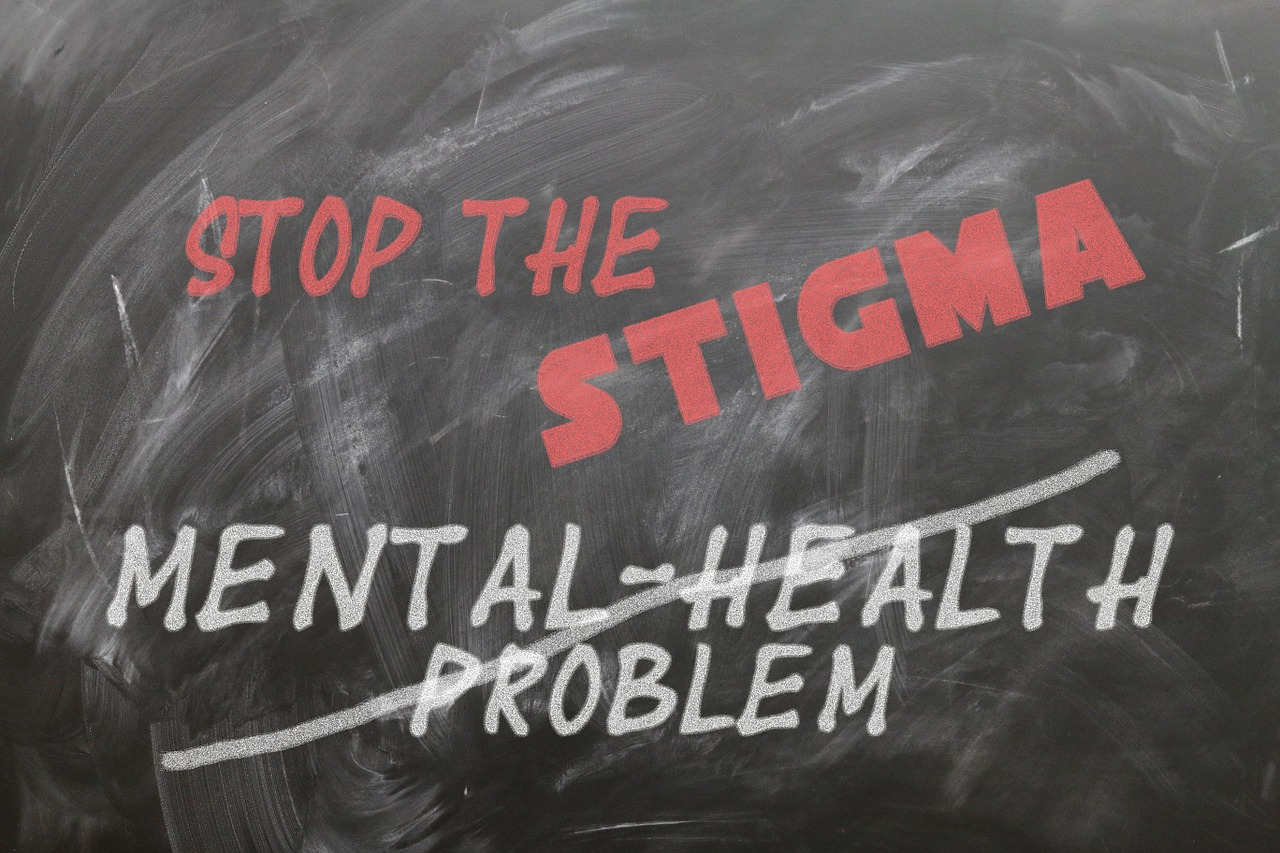
Navigating Mental Health: The Role of Therapists in Personal Recovery Stories by Brandy Levine

(image: Pexels: Shvets Productions)

Therapists around the world play a crucial role in helping individuals navigate their mental health journeys. Whether in Los Angeles, London, or any other bustling metropolis, the support they offer is invaluable.

Urban Living and Mental Health

Life in a big city can be exhilarating but also overwhelming. The fast-paced lifestyle, career pressures, and constant quest for success can take a toll on mental well-being. That’s where therapists come into the picture, offering a lifeline to those seeking solace and support.

Real-life Stories of Recovery

Consider Sarah, a marketing executive who recently moved to Los Angeles from a small town. The city’s energy was overwhelming, and she found herself struggling with anxiety. Sarah decided to seek help from a therapist. Through regular sessions, she learned coping mechanisms and mindfulness techniques that helped her regain control over her life. Her therapist provided a safe space where she could express her fears without judgment, leading to significant improvements in her mental health.

Meanwhile, in London, Tom, a financial analyst, faced similar challenges. Balancing work and personal life was a constant struggle. Through therapy, Tom discovered ways to manage stress and set healthy boundaries. His therapist helped him find a work-life balance that improved his overall well-being.

Understanding the Therapeutic Process

Therapy isn’t a one-size-fits-all solution. Each individual’s journey is unique, and therapists understand this well. They tailor their approach based on the client’s needs. Whether it’s Cognitive Behavioral Therapy (CBT), psychotherapy, or other modalities, the goal is to foster healing and personal growth.

The Importance of Finding the Right Therapist

Finding the right therapist is like finding a trusted friend who guides you through life’s challenges. For John, a struggling artist, connecting with a therapist who understood the pressures of creative professions was a game-changer. His therapist helped him navigate the highs and lows of his career, offering strategies to manage stress and maintain a healthy work-life balance.

(image: Unsplash)

Therapists Around the World: A Diverse Pool of Experts

From Los Angeles to London, and beyond, there are therapists specializing in a wide range of issues. This diversity ensures that individuals can find someone who resonates with their specific struggles and cultural background.

How Therapy Transforms Lives

Consider Maria, a single mother dealing with postpartum depression. She felt isolated and overwhelmed until she reached out to a therapist. Through compassionate counselling and practical advice, Maria gradually rebuilt her confidence and found joy in motherhood again. Her story is a testament to how therapy can transform lives, offering hope and healing.

The Role of Therapy in Overcoming Trauma

Therapists also play a vital role in helping individuals overcome trauma. For example, Mike, a firefighter, had recurring nightmares after a particularly harrowing rescue mission. Therapy provided him with techniques to process his experiences and manage PTSD symptoms. His sessions were a critical part of his recovery, enabling him to continue his vital work with renewed strength.

Accessibility and Affordability of Therapy

One of the challenges often associated with therapy is its accessibility and cost. However, many therapists offer sliding scale fees based on income, making mental health support more affordable. Additionally, online therapy options have become increasingly popular, providing flexibility and convenience.

Breaking the Stigma Around Mental Health

Therapists are also on the frontline of breaking the stigma surrounding mental health. Through community outreach and education, they encourage individuals to seek help without shame. By normalising conversations about mental health, they create an environment where everyone feels empowered to pursue their well-being.

Building a Supportive Community

Therapists often go beyond individual sessions to build supportive communities. Group therapy sessions, workshops, and support groups offer individuals the chance to connect with others facing similar challenges. These community-based approaches foster a sense of belonging and mutual support, crucial for long-term mental health.

Taking the First Step Towards Healing

Deciding to see a therapist can be daunting, but it’s a courageous step towards healing. For anyone feeling hesitant, know that therapy is a journey of self-discovery and empowerment. Therapists around the world are committed to guiding you through this journey, offering the tools and support needed to thrive.

In cities across the globe, therapists serve as beacons of hope, guiding individuals towards better mental health. Their dedication and expertise ensure that no one has to navigate their struggles alone.

If you or someone you know is considering therapy, therapists in Los Angeles and other cities are ready to help. Take that first step today and embark on a transformative journey towards well-being.

Brandy Levine is a licensed therapist at Stori, specializing in cognitive-behavioural therapy to help clients navigate life’s challenges with resilience and insight. Her approach is centred on fostering self-awareness and empowering individuals to enact positive change in their lives.

Thriving Through Time: Prioritising Mental Health for Life’s Journey by Millie Fuller

(image: Unsplash: Denys Nevozhai)

Mental health is finally getting recognition in society. The NHS in the UK has appointed their first medical director for mental health and neurodiversity. Our wellbeing should come first during all stages of life. 

Mental Health at Any Age

Poor mental health doesn’t discriminate, and it can affect anyone at any age. It impacts how we cope and how we relate to other people.  

The Signs of Mental Health Issues

Note anything that might be a sign of poor mental health. 

This can look different depending on age. 

Some common signs include:

  • Mood changes
  • Pulling away from social activities
  • Changes in sleep habits
  • Unexplained aches and pains
  • Suicidal ideation/ self harm
  • Unexpected anger or always tearful
  • Change in eating habits

Carers should also look out for any of these signs early on. The faster these are acted on, the sooner the quality of life can improve. 

The Role of Social Connection

As humans, we thrive around others. Our loved ones and our community give us both emotional support and a sense of belonging. 

To expand connections, look at joining a club or doing some volunteering. These interactions can ease loneliness, which can be especially common in older adults. 

Coping with Life Transitions

As we age, we’ll go through many transitions in life, some positive, and some not. Things like retirement, the loss of a spouse or even moving house can be difficult to navigate. Triggering negative feelings.

Reach out to a trusted friend. But if things start to become unmanageable, seek the help of a professional, like a GP or psychiatrist.

(image: Lesley Juarez, Unsplash)

Trying Mindfulness and Meditation

Lots of people find these practices useful. It helps to connect us to our feelings without judgment. Being aware of our emotions is so important and connecting with our breath.

Start with breathing exercises or guided meditation. To reduce anxiety, mindfulness should be done regularly.

Maintaining Hobbies and Interests

Make time for your hobbies- whether its sport, art, writing, gaming, music or drama. Taking time to do things we enjoy gives a sense of achievement. In some cases, it also connects us with others.

The Role of Technology in Mental Health

Many apps offer mental health support, and some of them are even free. Social media is also a great tool for staying in touch with loved ones. 

Older adults might need some support for navigating new technology. Carers or loved ones might need to give them a helping hand.

Nutrition and Mental Health

When we’re not feeling great mentally, it’s easy to fall into bad eating patterns. But we need to make sure we’re getting the vitamins and minerals that keep our brains healthy.  Eating well is key at any age to support a healthy mind. 

Summary

As we go through life’s journey, we must focus on our mental health at every stage. Learning to test how we’re feeling and navigate changes will keep our brains healthy. If we start to notice a decline, there’s no shame in seeking the help of a professional. It can help us navigate through this tough period. 

Stay connected to others and build new connections through mutual interests. For carers there’s plenty of resources online for creating a plan to help your loved one’s mental health.

Millie Fuller is a freelance writer.

‘Arabella And The Worry Cloud’ Book Cover Reveal!

(image: Arabella and the Worry Cloud by Shelley the Artist and Eleanor Segall)

Shelley the Artist and I are proud to reveal the cover to our first children’s book written by me, ‘Arabella and the Worry Cloud’.

Arabella is a little girl with lots of worries, represented by the Worry Cloud who comes to see her, taunts her and threatens to rain on her.

Can Arabella with the help of happy thoughts of her family and trusted cat Pickles push the Worry Cloud away? Or will he stay and rain on her forever as her worries grow?

As a little girl myself, I had lots of worries which led to anxiety and panic. Through our book, we aim to help children aged 5-7ish to process their emotions around worry, to talk about anxiety and to try and replace them with positive thoughts.

The book has beautiful illustrations by Shelley the Artist and we can’t wait to share the link to buy it as soon as its live! We will have an ebook and paperback version.

Thank you for all the support,

Eleanor x

Fighting The Stigma of Addiction by Addressing 5 Common Misconceptions by Aaron Smith.

(image: Pixabay)

Addiction is so intricate and multifaceted that in the face of extensive scientific research, there are still myths and misconceptions about it that often get in the way of treatment. They cause stigma that keeps people from getting help for fear of being labelled as ‘bad’ or ‘weak’. But, to win the fight against addiction, we have to confront some common misconceptions to create an environment that empowers people and encourages them to get treatment for successful recovery. Here are some of the top misconceptions about addiction: 

5 Common Misconceptions About Addiction

(image: Pixabay)

Myth 1. Addiction is by choice: If a person is addicted to something, it’s because they chose to be, and it’s their fault. 

The truth is that no one chooses to become addicted—addiction is a brain disorder. The American Society of Addiction Medicine describes it as a treatable chronic disease that is a result of the interactions between the brain circuits, upbringing, trauma, environment, and genetics. Heavy and prolonged substance use interferes with the brain networks and increases the likelihood of becoming addicted. 

Nevertheless, a choice can influence the recovery journey. The person may choose to seek help dealing with addiction through addiction therapy, exercises, symptoms treatment, and other lifestyle decisions. 

Myth 2. It just takes willpower to stop: Addiction results from a lack of willpower, if the person wanted to stop using badly enough, they would. 

Sadly, a person cannot ‘will away’ their addiction, and it does not result from a lack of willpower or self-discipline. Drugs, alcohol, and other substances produce profound brain changes that alter the natural reward system. 

Typically, mental rewards come only after exerting effort, and this takes a while. But, the addictive behavior shortcuts this process and gives the brain pleasure early on. When the brain is used to early results, the person’s self-control and capacity to make good decisions is eroded and replaced with the impulse to engage in rewarding behavior. 

The substance-induced impulses are not like the usual urges to eat or drink. They are overwhelming and compulsive impulses whose resolution is only engaging the addiction. It’s the reason why addiction appears irrational in that a person will keep using it even when things are falling apart around them. 

Myth 3. Tough love compels people with addiction to stop: If you are harsh with the individual, they will understand the seriousness of the issue and feel the need to change. 

With addiction, ‘tough love’ is not the answer. Being harsh, insensitive, or indifferent may cause the person to feel unworthy, demoralised, and rejected. It typically produces the opposite results of what was intended. 

The better way to address addiction is to take a kind and compassionate approach. The reality is that the majority of people with an addiction are usually contending with other struggles and use addiction to compensate. For example, many people with an addiction struggle with feelings of rejection, and pushing them away with ‘tough love’ only aggravates the underlying problem. However, love, kindness, and support can pull the person closer, address the underlying problem, and start them off on the addiction recovery journey. 

Myth 4. Addiction does not really go away: An addict will never be truly free. Once an addict, always an addict. 

Addiction is a complex condition, and recovering from it takes time. It can indeed be a chronic condition, but even then, the individual can still recover. Addiction is not a life sentence, and there is always hope to get back on a healthy path and live a fulfilling life. 

Regardless, it’s normal to have some recovery setbacks. Although it doesn’t happen with everybody, relapsing and returning to substance use after abstaining for some time is normal. But this is not a sign of failure. Instead, it’s an opportunity to discover what is not working in addiction therapy and to restrategize the treatment. Every person is unique, and the relapse provides a chance to understand the unique factors that drove the individual to relapse and helps with formulating strategies to prevent another relapse in the future. 

Anyone can break free from the cycle of addiction permanently. It just takes a combination of recovery therapy, support from family and friends, and personal growth to give them a renewed purpose to live. 

(image: Markus Spiske, Unsplash)

Myth 5. You must abstain to recover: The only way to recover is to keep off the substance completely.

The truth is that recovery means different things to different people. Abstinence is only one form of recovery and not the final destination for all people. Moderating use so that substance reliance no longer interferes with a person’s productivity or relationships is also recovery. Some people are only looking to reduce substance use, while others are only looking to use a less harmful substance. From there, these people watch their consumption or wean themselves off, even without treatment. 

So, instead of insisting on abstinence or giving a timeline for a complete cessation of use, understand that recovery from addiction is a journey that some reach pretty quickly while others take small steps and a long time to get to the same destination. 

Addiction Recovery Can Be Made Easier 

Addiction is difficult to resolve, and it doesn’t help that there are many myths and misconceptions surrounding it that further complicate the recovery. But, through education and awareness on addiction and recovery, and showing love, support, and empathy towards the individuals, society can make the recovery journey easier. 

Addiction therapy is a particularly useful recovery tool because it sets the individual in an environment where the people and the programs support recovery. Sign up for therapy and start your path to recovery today!

Aaron Smith is a freelance writer.

How To Think About Crafting A Personal Development Plan for Self-Improvement.

(image: Karolina Grabowska, Pexels)

So, you’ve decided to take the reins and guide yourself toward personal growth? That’s great news! Crafting a personal development plan isn’t just about lofty goals; it’s about mapping out your journey to becoming the best version of yourself. Think of it as creating a personalised roadmap that highlights both the routes and the scenic stops along the way.


Understand Your Current Situation

First things first: where are you at right now? Take a good, hard look at what you’ve accomplished and where you might be spinning your wheels. It’s all about self-awareness. Do you feel like you’re killing it in some areas but maybe lagging a bit in others? This step is your foundation—it’s all about knowing your strengths and poking at your weak points a bit. Remember, honest self-evaluation is the first step to genuine growth.

Define Clear, Relevant Goals

Now, let’s talk about your goals. And not just any goals—SMART ones. Specific, Measurable, Attainable, Relevant, Time-bound. That’s the secret sauce. Whether it’s climbing up the career ladder, enhancing your health, or just learning how to whip up a good meal, knowing exactly what you want to achieve gives you a clear target to hit. Setting these goals will also infuse your daily routine with purpose and direction.

Identify The Skills You Need

Got your goals? Great! Next up: figuring out what skills you’ll need to bag these goals. If you’re aiming for a promotion, maybe you need some extra leadership flair or tech skills. If it’s about health, understanding nutrition or workout plans might be your focus. List what you need to learn, then plan how you’re going to learn it. This planning should also include identifying any potential barriers to your learning and thinking about ways to overcome them.

Allocate Resources And Time

Resources—time, money, tools—it’s what you’ll need to get where you want to go. Planning is key here. Maybe carve out a few hours each week for studying, or set aside some cash for courses or books. Knowing what you have and what you need to get is crucial. Also, consider the less tangible resources like emotional support or professional networks.

Action Plan

Time to break those big dreams down into smaller, bite-sized tasks. Add some deadlines to keep you motivated. If you’re learning a new language, maybe you’re practising daily, chatting with a native speaker weekly, and subscribing to a language app. Each small step should align with your larger goals, creating a path forward. Consider using tools like digital planners or apps that can help you manage these tasks and keep you on track. R

Remember, the key here is consistency; by chipping away at your goals day by day, you’ll build momentum and see tangible progress. Plus, scheduling regular check-ins with yourself to assess the week’s successes and setbacks can keep you honest and adaptable.

Monitor Your Progress

Keeping an eye on how you’re doing is essential. It’s like giving yourself a mini-report card. Are you smashing those targets? Great! Falling a bit short? Time to tweak your plan. This step keeps you motivated and on track. Regular reviews can also help you understand if your goals still resonate with your aspirations or need adjustment.

Be Flexible And Adjust

Here’s the thing: life happens. Your goals and methods might need a quick shuffle as you face new challenges or opportunities. Stay flexible and keep your plan fresh. Flexibility can also help reduce the stress of unexpected changes and keep you resilient against discouragement.

Seek Feedback

Don’t shy away from feedback. Whether it’s from friends, family, or a mentor, a fresh pair of eyes can offer new insights and help you stay the course. Use that constructive criticism—it’s gold! Plus, engaging regularly with your feedback sources can build stronger relationships and open up more support networks.

Incorporate Wellness And Recovery

Taking care of your overall well-being is non-negotiable. If life’s stressors are piling up, it’s vital to incorporate strategies to manage them. Organisations like AUK can be a tremendous help if you’re struggling with addictions or related stress. Remember, a healthy you is a more productive you. Incorporating mindfulness practices into your daily routine can also play a significant role in maintaining your mental health.

Reflect And Celebrate

Take a moment to pat yourself on the back. Celebrate every win, no matter how small. It’s not just about cheering yourself on; it’s about reinforcing the habits that got you there. Celebrating your progress not only boosts morale but also helps anchor your achievements in your mind, reinforcing the behaviours that got you there. Create a ritual around your celebrations—maybe it’s a monthly ’victory dinner’, or writing down accomplishments in a journal. This can help turn reflection into a habit, which not only boosts your self-esteem but also enhances your motivation to continue striving towards your goals. Such moments of reflection allow you to see how far you’ve come, which is essential when the road ahead seems daunting.

Harness The Power Of Visualisation

Imagine yourself succeeding. Really, picture it! This isn’t just feel-good fluff; it’s a powerhouse technique to keep your eyes on the prize. And why not throw together a vision board? It’s a fun, visual reminder of where you’re headed. Using visualisation regularly can effectively bridge the gap between your current state and your goals, making them feel more attainable.

Establish A Support System

It’s easier to climb mountains with a little help. Build a network of cheerleaders who believe in your journey. They can offer a shoulder to lean on, an ear for your plans, or even a nudge when you need it. This support network can become your go-to resource during challenging times or when you need a bit of inspiration.

Stay Curious And Keep Learning

And finally, never stop learning. As you grow, so will your interests and goals. There’s a whole world out there filled with books, courses, and people to learn from. Keep that curiosity alive, and you’ll never stop growing. Staying engaged with new ideas and continuous learning can also prevent stagnation and keep your mind sharp.

A personal development plan isn’t just a checklist; it’s a living, breathing blueprint for your growth. With the right planning, a bit of flexibility, and a whole lot of gumption, you’re well on your way to becoming your best self. Keep pushing, keep learning, and most importantly, keep enjoying the journey!

This article was written by a freelance writer

The Digital Descent: Understanding the Connection Between Doomscrolling, Anxiety and Panic Attacks by Charles Watson

(image: Brian McGowan, Unsplash)

In 2024, there is a growing awareness of the effects associated with constantly consuming negative news, a behaviour commonly known as “doomscrolling.” Media and constant news updates often fuel this habit of seeking out distressing information. Sadly, this can have serious implications for both physical and mental health.

Recent conversations among health experts have shed light on the link between doomscrolling and the increase in Substance-Induced Anxiety Disorder (SIAD) as well as panic attacks. As someone who writes on mental health, I wanted to delve into this correlation, providing insights and practical tips to protect your health in a world that appears to be in a perpetual state of crisis.

What is the Meaning of Doomscrolling?

Doomscrolling involves the consumption of news. Consumers caught up in this cycle feel compelled always to follow disasters, political unrest, environmental crises, and other distressing events, resulting in prolonged exposure to negative media. Additionally, some may even engage in extended sessions of watching vertical, short-form videos without awareness of the passage of time.

We can admit staying informed is important. However, constant focus on distressing media can affect one’s well-being.

Psychological Effects of Doomscrolling

The brain is naturally inclined to react to threats with a fight-or-flight response—a survival instinct ingrained in our biology throughout history.

However, when the mind is activated by immediate non-physical threats, like distressing news, it can result in prolonged stress. This prolonged state of vigilance can heighten anxiety levels over time potentially leading to anxiety disorders and panic episodes.

However, why is it so addictive to watch distressing news? Well, engaging in doomscrolling triggers the activation of dopamine receptors, which provides short relief from anxiety, despite the eventual worsening of mood. 

What is more concerning is individuals often revert to doomscrolling in an attempt to alleviate their distress, perpetuating the cycle of negative emotions.

Link to Substance-Induced Anxiety Disorder

Substance-induced Anxiety Disorder (SIAD) begins to show its ugly face when symptoms of anxiety or panic stem directly from substance consumption, withdrawal, or exposure to substances. Common culprits include caffeine, alcohol, nicotine, and certain prescription drugs. 

People who engage in doomscrolling may resort to substances like alcohol or prescription drugs as a coping mechanism for the anxiety and stress triggered by the news they consume. This could establish a cycle where substance use provides relief from anxiety symptoms but later worsens them, possibly resulting in SIAD.

Real World Implications – Panic Attacks

Panic attacks are episodes of fear that may manifest as heart palpitations, sweating, trembling, etc.  Sometimes there is even an overwhelming sense of dread and fear of losing control. 

For those who are exposed to negative news, unfortunately their threshold for panic attacks may be lower. Substances used to manage this stress can further decrease this threshold, making panic attacks more frequent and intense.

(image: Mark Adriane, Unsplash)

Tips for Breaking This Habit

Breaking free from the cycle of doomscrolling requires effort and specific strategies. Here are some “practical?” steps you can follow;

1. Establish Strict Time Boundaries

Hold yourself to designated times during the day for checking the news and make a commitment to stick to these schedules. Utilizing apps restricting your access to websites or social media platforms can help you maintain this routine.

2. Customise Your Social Media Content

Take a role in curating your social media feeds by including uplifting content. Follow accounts that share stories or even your city media feeds to create a balanced experience alongside the inevitable negative news we all have to see.

3. Try Healthy Coping Mechanisms

It may be time to hit the gym. Or engage in activities such as yoga or jogging. Better yet, incorporate mindfulness techniques like meditation or diaphragmatic breathing. Finally, find a way to express yourself through creative endeavors like writing or painting.

4. Consider Professional Support

If needed, and if feelings of anxiety or panic become overwhelming, seek assistance. A health professional can always be beneficial. Therapists can offer personalized coping strategies tailored to meet your needs, as we are all different in what triggers our anxiety.

5. The Inevitable – Keeping in Touch

Even as a mental health writer, I can be better at this one. Having ties with friends and family can ease stress and worry. Interacting regularly can shift our focus away from the constant stream of negative news.

In the end, while staying informed is important, it’s also vital to strike a balance in how we consume news. Recognizing the signs of scrolling through distressing content and taking proactive measures to lessen its impact can help prevent the development of more severe anxiety issues and panic attacks. The world has changed, and mental health is important, so by being mindful and adopting coping strategies, we can safeguard our well-being during these challenging times (no matter where we are located.)

By being aware of how our media intake affects our health, we can navigate the age without falling prey to its negative aspects. Remember, it’s completely fine to unplug for the sake of your well-being.

Charles Watson is a freelance blogger.

Your Environment Matters: Setting the Stage for Drug Detox Success this Mental Health Awareness Week by Maya

(image: Unsplash: Ron Smith)

When you’re struggilng with substance abuse and considering detox, chances are you have a clouded view of what this looks like. Images of withdrawal symptoms, sterile hospital beds, and indifferent staff often cause people to fear going into a rehab center. But drug detox doesn’t have to be this way.

Facilities across the USA (and in the UK) like Utah drug detox centers, can provide a safe, supportive, and structured environment to help you navigate this challenging phase. These centres offer the resources and expertise necessary to manage detox. They can help set you up for long-term success.

What are the key aspects of a positive detox environment, and how do they contribute to a successful recovery journey? We’ll discuss those answers here.

Building a Foundation

Research shows that up to 90% of people who relapse after drug detox do so within the first year. Don’t let this number discourage you, though! It can feel daunting, but it also highlights the importance of setting yourself up for success from the very beginning.

Creating a positive environment during detox will improve your chances of long-term recovery. You need a calming, supportive space. Whether you choose your own home, a friend or family member’s place, or a detox program, make sure it’s comfortable and includes healthy, appealing meals that nourish your body. As you heal and cope with withdrawal symptoms, you’ll need proper nutrition.

Surround yourself with a supportive network of people as well. Those who understand your journey and believe in your recovery will be a crucial source of strength.

Address Detox Concerns

Detoxification is often seen as a difficult, uncomfortable experience, and with good reason. Many people entering detox worry about withdrawal symptoms. These effects can range from anxiety and fatigue to nausea, pain, and muscle aches.

But withdrawal symptoms aren’t the only concern. People might also worry about privacy, safety, and the cost of detox. Quality detox programs focus on patient privacy and confidentiality with trained medical professionals to provide a safe, supportive environment.

These types of detox programs can come with a hefty price tag, but many facilities have flexible payment options or work with insurance. Treatment is still within reach for those struggling financially.

Environment

Imagine stepping into a detox program, not with a sense of dread, but with a feeling of comfort. Instead of glaring lights and cold metal, you’re greeted by a warm, home-like environment. Attentive and professional staff are there to support you, easing the anxieties often associated with detox. This welcoming atmosphere can foster a crucial element of recovery: trust.

Trust in your caregivers is essential. When a detox program feels clinical and impersonal, it can create a sense of detachment. You might feel like just another patient to be processed. But a comfortable and inviting space can make a big difference.

This environment allows you to feel safe, valued, and more receptive to the personalised care and guidance offered by your treatment team. The sense of trust empowers you to fully engage in the detox and recovery process, setting you up for a stronger foundation on your journey to a healthier life.

Take the First Step

Detox is a crucial first step on the path to recovery. By prioritizing a safe, supportive, and comfortable environment, you can significantly increase your chances of long-term success.

Remember, you don’t have to face this alone. Reach out to a qualified professional or treatment center today to begin your journey to a healthier and happier life. Many resources are available to support you, and there is no shame in seeking help. Take that first step today — your future self will thank you for it.

Celebrating Small Victories: The Importance of Milestones In Outpatient Rehab by Rianne Hunter

(image: Pexels:)

In the journey of outpatient rehab, recognising and celebrating each small victory plays a pivotal role in both motivation and recovery. These milestones, no matter how small they may seem, serve as important markers of progress, offering encouragement and a sense of achievement to those on the path to recovery. Each step forward, regardless of its size, can significantly impact the overall success of rehabilitation. This philosophy not only fosters a positive environment but also strengthens the resolve of individuals to continue striving for their ultimate goal of full recovery.

The Power of Acknowledgment

Acknowledging and celebrating small victories may seem insignificant in the grand scheme of things, but it can have a powerful impact on one’s outlook and determination. In outpatient rehab, where the recovery journey can be long and challenging, even the smallest progress should be praised and recognized. This acknowledgment serves as a reminder that each step taken is a valuable and meaningful effort towards healing. It also helps individuals to focus on the present moment, rather than dwelling on past struggles or future worries.

Boosting Motivation

In outpatient rehab, motivation is a key factor in achieving successful outcomes. By celebrating small victories, individuals can maintain their motivation and drive throughout the rehabilitation process. Each accomplishment reinforces their determination and propels them forward towards their ultimate goal. When individuals feel recognized and supported, they are more likely to remain committed to the rehabilitation process and push through any difficult moments.

Building Confidence

As individuals progress through their outpatient rehab program, each milestone reached builds confidence in their abilities and strength. These small victories serve as evidence that they are capable of overcoming challenges and making positive changes in their lives. With each success, individuals are encouraged to set higher goals and push themselves further. This confidence boost can have a lasting impact on their recovery journey and beyond.

Celebrating Together

The power of celebrating small victories is not just limited to the individual in outpatient rehab but also extends to their support system. Family members, friends, and healthcare professionals all play an essential role in providing encouragement and recognition for achievements. By coming together to celebrate each milestone, a sense of community and support is fostered, creating a positive and uplifting environment for the individual in rehab.

Celebrating small victories may seem like a simple act, but its impact on outpatient rehab cannot be underestimated. Each milestone reached serves as a stepping stone towards full recovery and should be recognised and celebrated. By acknowledging these small victories, we can create a more positive and empowering experience for individuals in rehabilitation and help them to achieve their goals with confidence and motivation.

Rianne Hunter is a wife, mother of three, and an independent blogger who writes for a broad range of topics and publishers.

5 Potent Paths for Prolonged Pain: Where to Turn When Life Feels Overbearing by Meghan Belnap

(image: free image)

Few trials in life are as demanding or relentless as those rooted in chronic physical pain or emotional trauma. For the young adult grappling with long-term afflictions, navigating through daily life can feel like traversing a battlefield with no map and an unreliable compass. 

Seeking Solace in Shared Stories 

When the weight of your struggle seems too heavy to bear, one of the most powerful avenues toward comfort and understanding is through storytelling and shared experiences. Whether you’re dealing with the debilitating effects of chronic illness, the fallout from trauma, or a blend of both, realizing you’re not alone can be profoundly liberating. 

Joining Support Groups 

Surrounding yourself with peers who understand firsthand the turmoil you face can provide a unique and invaluable support system. Consider reaching out to local or online support groups focused on your specific condition or trauma type. Here, you can share your story, glean insights from others’ journeys, and forge connections that transcend your individual pain. When you open up to a circle of understanding listeners, you’ll find that there is collective strength in solidarity. 

Creating Community 

Online forums and social media groups can serve as modern-day campfires, where you can find solidarity and support among those with similar struggles. From these virtual communities, real friendships and mentorships can blossom, creating a network that uplifts and sustains, even on the darkest of days. 

The Healing Art of Expression 

When words fail us, sometimes the canvas, the page, or the stage can amplify our voices. The creative process—whether through visual arts, music, writing, or performance—can be an outlet for the unspoken struggle within us. Engaging in art as a form of therapy not only provides an escape; it can also catalyse healing on a deeper, psychological level. Be careful though!

Exploring Therapy Through Art 

Art therapy, a form of psychotherapy that utilises creative means to express and process emotions, can be particularly powerful for young adults navigating complex internal landscapes. In a safe and guided environment, you can use artistic mediums to explore memories, release pent-up feelings, and discover new perspectives on your pain. 

Finding a Creative Community 

Being part of a creative community can cultivate a shared language around your pain that transcends traditional dialogue. Whether you join a local writers’ group, painting class, or theater troupe, immersing yourself in art alongside others can provide catharsis, camaraderie, and a fresh lens through which to comprehend and cope with your experiences. 

Professional Partners in Your Personal Battle 

With a struggle as intricate and unyielding as chronic pain or emotional trauma, it’s often necessary to call upon specialized professionals who can provide the knowledge and guidance you need to manage and, ideally, overcome your challenges. 

Therapy and Counselling 

The benefits of therapy and counselling for chronic pain and emotional trauma are well-documented. Contacting a skilled therapy center or counselling office can equip you with tools to address the cognitive and emotional aspects of your condition. Cognitive-behavioural therapy, in particular, has shown efficacy in helping individuals reframe their experiences and manage their pain more effectively. 

Seeking Medical Specialists 

Chronic pain often requires a multidisciplinary approach. Connecting with pain management specialists, physical therapists, or holistic health practitioners can lead to innovative treatments and strategies for maintaining your well-being. For those contending with trauma, seeking out psychiatrists, psychologists, or trauma-focused therapists can pave the way toward understanding and healing deep psychological wounds. 

Navigating Life With a Compassionate Guide 

The path to healing and resilience from long-term afflictions is rarely a straight line. Sometimes, having a life coach or mentor—a compassionate and knowledgeable guide—can help you chart a course that aligns with your personal goals and values. 

Life Coaches 

Life coaches work with clients to identify areas of dissatisfaction, set goals, and make strategic plans to achieve those objectives. While a therapist may look into your past to heal emotional wounds, a life coach can help you focus on the present and future, encouraging you to move forward with intention and purpose, despite your struggles. 

The Power of Mentorship 

Mentors, too, can be instrumental in guiding young adults through the labyrinth of chronic pain and trauma. Whether personal or professional, a mentor can offer support, share wisdom, and act as a role model for resilience. A mentor’s insight and perspective can prove invaluable as you learn to not just survive, but thrive, despite the weight you carry. 

Fortifying Your Internal and External Network 

In your darkest moments, it’s crucial to know that there are sources of strength—both internal and external—to which you can turn. These can be practices that you cultivate within, or connections you foster without, that fortify you against the relentlessness of your pain. 

The Power of Daily Practices 

Mindfulness, meditation, yoga, and relaxation techniques can serve as anchors in the storm of chronic pain or trauma. These practices help you tune into your body-mind connection, fostering a sense of control and calm that is often elusive. Establishing a consistent routine of these activities can help reduce stress, manage pain, and improve your overall quality of life. 

Building Resilient Relationships 

Cultivating healthy and supportive relationships can significantly bolster your resilience in the face of chronic pain or trauma. Whether it’s family, close friends, romantic partners, or even pets, the unconditional support and love found in strong relationships can act as a wellspring of hope and comfort. Nurturing these connections—through open communication, empathy, and mutual aid—can create a network of resources that sustain you through even the most challenging times. 

Finding your way through the intricate labyrinth of chronic pain and emotional trauma as a young adult can be daunting, but it’s not a lonely path. By reaching out to these potent sources of support and understanding, you can begin to unravel the complexities of your experiences and piece together a map that leads to a life defined not by your pain, but by your resilience and triumph. 

This article is by Meghan Belnap, freelance writer.

The Problem with Self-Medicating for Mental Health Issues by Maya

(image: Marcos Paulo Prado: Unsplash)

Self-medicating to resolve mental health issues can sometimes leave the door open for substance abuse. A lot of information goes into choosing the right psychiatric medicine, and it is not something you should choose without medical input. To avoid this common problem, here are a few things you should know about self-medication.

The Consequences

Mental and physical health are a top priority for dual diagnosis treatment. Depression, mania, anxiety and irritability are only a few underlying mood changes that someone may experience. On their own, these mental health conditions are already hard to deal with. When those same conditions are combined with possible substance use disorders, it creates a co-occurring disorder. As an example, a person that is suffering from anxiety will try to self-medicate with unprescribed depressant drugs. These downers are sedatives by nature, and can quickly turn into an addiction for someone who becomes dependent on how it makes them feel. These should only be prescribed by doctors and taken with care.

The Truth

When you’re aware of the consequences of self-medication, the treatment steps become much clearer as a goal. Without professional experience, you can’t diagnose the original underlying cause of your condition. Not all symptoms are created equally, and there is no way for a patient to factor in how a specific medication will interact. Psychiatric medications should never be combined with alcohol, which includes things like cough medicines. Self-medication is not good for you and your body or mind should never be the experiment to find out what works.

Risky Behaviour

Mental health stigmas are one of the reasons that people are open to the dangers of self-medication. They feel that society has a judgmental attitude towards mental health prescriptions. With self-medication, these same prescriptions and their variants are purchased after going through multiple illegal hoops.

Besides the legal issues that could arise, there is a good chance that you are not treating the correct condition. Getting medication to treat depression is a terrible idea for someone that is suffering from bipolar disorder. And when you’re suffering from anxiety, the risk of overdose rises. There is no reason to risk the mental and physical consequences of self-medicating when there are more appropriate avenues to treat your condition. Please seek help from your psychiatrist or get referred to one.

Reaching A Personal Goal

When your health is in danger, think twice about going the risky route of self-medicating. It’s easy to use clouded judgement as an excuse for not getting better. No matter how you start, a healthy mind will always be positively fuelled by making healthy personal decisions. Sometimes, self medication can turn into addiction, which can wreak havoc on your body and mind. Reach for appropriate medical support to help support your recovery.

This article was written by Maya.